
Reviewed · FUSHIMI INARI SHRINE WALKS
Fushimi Inari Hidden Hiking Tour (Private Option Available)
Torii gates, minus the crush. This Fushimi Inari Hidden Hiking Tour takes you off the main walkways and onto forest trails, so you get to experience Fushimi Inari-Taisha in a calmer way, with a guide to keep you on the right path. I also like that it is a small group (up to 7 travelers), which means real time to ask questions instead of shouting over shoulder-to-shoulder crowds.
The other big win is the route itself. You hike in through quieter areas, pass a natural bamboo forest, and then reach viewpoints that most people miss, including sightlines toward Fushimi-Momoyama Castle. The trade-off is simple: this is a moderate hike, around 7 km total, with uphill sections and potentially slippery ground, so you need good shoes and a decent fitness baseline.
In This Review
- Quick Hits: What Makes This Tour Work
- Why Fushimi Inari Feels Different on the Hidden Trail
- Meeting at Tofukuji, Then Heading for the Shrine
- Stop at Fushimi Inari-Taisha: The Hike That Turns the Shrine Into an Event
- Bamboo Forest and a Quiet Inari Shrine You Probably Miss on Your Own
- The Castle Viewpoint: What’s Up There and Why It’s Worth the Effort
- Pacing, Fitness, and Safety: How to Prepare So You Enjoy It
- Private Option and Small-Group Value: Price That Makes Sense
- Who This Tour Is Best For (And Who Should Skip It)
- Should You Book This Fushimi Inari Hidden Hike?
- FAQ
- How long is the Fushimi Inari Hidden Hiking Tour?
- How far will I hike during the tour?
- Is the tour suitable for everyone?
- What should I wear or bring?
- Is there an admission fee for Fushimi Inari-Taisha?
- Are food and drinks included?
- What happens if weather is bad?
- Can I cancel and get a full refund?
Quick Hits: What Makes This Tour Work
- Small group size (max 7): You get access to the guide, not just a headcount at the back of the line.
- Hidden trails near the shrine: You avoid the heaviest foot traffic and see the grounds from a quieter angle.
- Bamboo forest + off-route Inari spots: Expect moments that feel like you found something, not like you followed a crowd.
- Approaching the torii from the back side: Several guides are noted for reversing the usual flow so you meet the crowds later.
- Castle views from the top area: You get scenery tied to Hideyoshi and Ieyasu, not just torii.
- Safety basics are part of the plan: Shoes for grip, and long sleeves for bugs, matter here.
Why Fushimi Inari Feels Different on the Hidden Trail
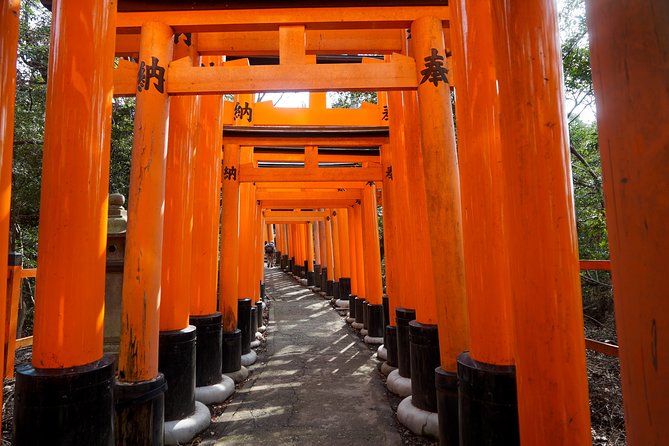
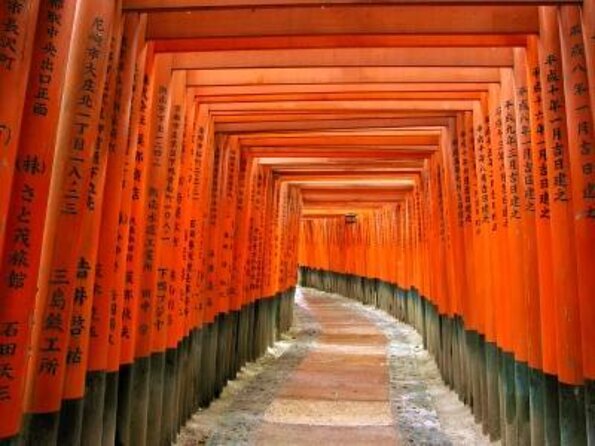
Fushimi Inari is famous for torii gates and fox motifs. The classic downside is that, at peak times, it becomes a slow shuffle: take a step, stop for photos, repeat, with everyone funneling through the same paved sections.
This tour flips that rhythm. You start with a guided route that leads you away from the busiest patterns and onto hiking paths through the hills. That means you spend more time moving, breathing the air, and looking around instead of constantly navigating the crowd flow. It also means you are not trying to “figure it out” while you are climbing.
I like the practical way this changes your visit. You still reach Fushimi Inari-Taisha, but you are not seeing it like a stamp on a checklist. You’re working up toward it, and then you approach key areas in a way that feels calmer.
Also, you get a local perspective while you walk. Many guides on this route are praised for making the religious and cultural side click, not just reciting facts. Names that show up in the guide experiences shared for this tour include Emi, Shin, Naru, Yukari, Matt, and Hina, and people consistently mention clear explanations plus patient pacing.
Meeting at Tofukuji, Then Heading for the Shrine
Your start point is FamilyMart Nakai Tofukuji, 12-chōme-232 Honmachi, Higashiyama Ward, Kyoto. From there, you head toward Fushimi Inari-Taisha, passing Tofuji along the way.
This first leg matters more than it sounds. When you meet in the right spot and your route is set, you avoid the most common early-day frustration in Kyoto: wasting time just trying to find the trailhead while the day heats up and the crowds organize themselves.
The tour also runs with a mobile ticket approach and includes tour photos during the hike. I like that because it saves you the hassle of constantly handing your phone to strangers to get one decent shot.
The tour is near public transportation, which helps if you’re pairing this with other sights in Kyoto. And because the group max is 7, it is easier to keep everyone together during those first turns onto smaller paths.
Still climbing through the orange gates?
- Kyoto: Fushimi Inari, Kinkakuji, Bamboo Grove 1 Day Bus Tour
★ 4.8 · 4,316 reviews - Osaka/Kyoto:Kinkakuji,Arashiyama,FushimiInariShrine,NaraPark
★ 4.1 · 1,596 reviews - Kyoto/Osaka: Nara, Fushimi Inari Taisha, Arashiyama Bus Tour
★ 4.7 · 1,275 reviews - Osaka/Kyoto: Arashiyama, Nara & Fushimi Inari Shrine w/Lunch
★ 4.4 · 754 reviews
Stop at Fushimi Inari-Taisha: The Hike That Turns the Shrine Into an Event
At the main shrine stop, your time is about 30 minutes and the admission ticket is free for this experience. The point of that stop is not just to stand in front of torii. It is to hike up the mountain through a less-traveled route.
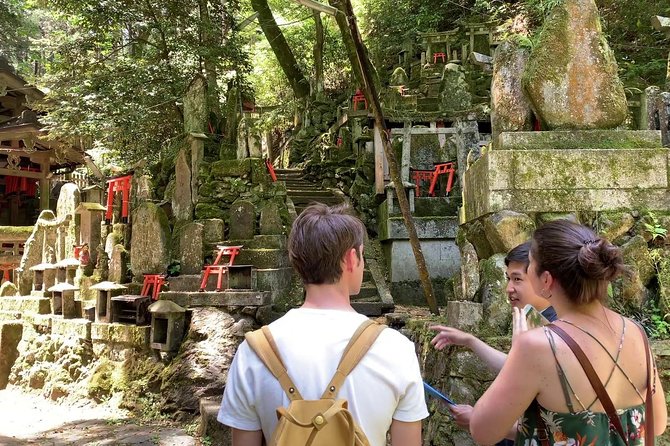
Expect a real climb. Even when the overall tone feels calm, you are moving through narrow paths and stair sections, and the ground can be uneven. One review detail that matches what you should plan for: you can run into technical bits on the trail, and you will feel it more than a casual stroll.
Here is the advantage you should care about: you are not climbing with the same crowd pressure. Multiple guide experiences mention starting in the opposite direction or using a route that avoids areas that build up quickly. You still reach the famous torii, but you meet them at a moment that feels less chaotic.
You will also get help from the guide with navigating. This is a hidden-trail tour, so you benefit from not needing to spot every turn yourself. If you have ever taken a “shortcut” in a foreign city and then regretted it, you already understand why this matters.
Bamboo Forest and a Quiet Inari Shrine You Probably Miss on Your Own
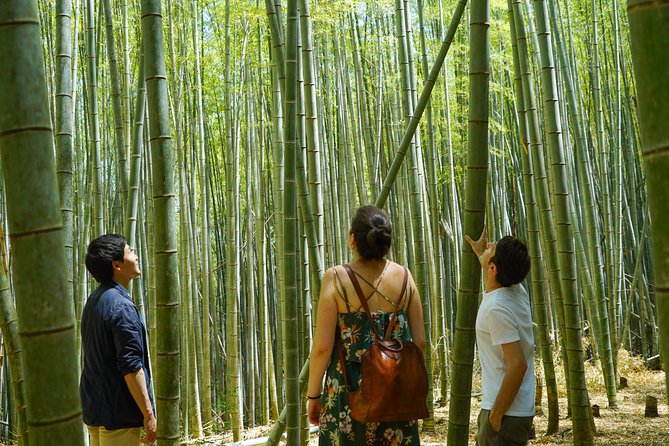
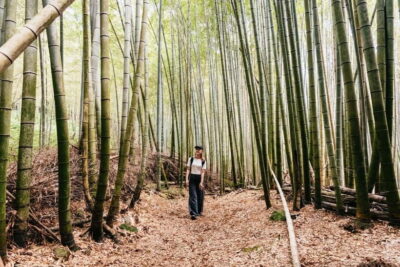
One of the most praised parts of the hike is what happens as the trail slips into the woods. You cross a narrow mountain path and then reach a natural bamboo forest. This section is where the tour often shifts from “famous place visit” to “Kyoto hike you remember.”
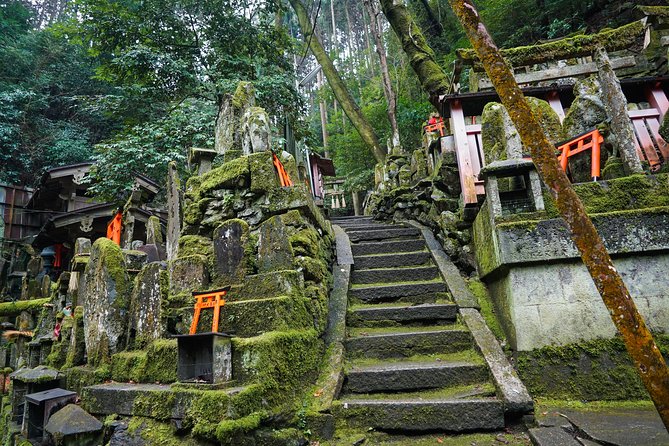
Along the way, you also pass a small Inari shrine that is hidden from the usual tourist route. That is a big deal for two reasons.
First, these side spots help you understand Inari worship beyond the postcard view. You start to see how the shrine network fits into the hillside setting, not just into the lined-up gates at the entrance.
Second, it gives you a breather. In many busy shrine areas, you cannot hear yourself think. Here, you often get short moments where your attention can actually rest on the setting. That is exactly what you want if you came to Kyoto to slow down, not just to collect photos.
Guides on this tour are frequently noted for making the shrine significance make sense, and some even pause for inscriptions along the way. In other words, it is not only walking. You are being pointed at small details that turn into meaning.
The Castle Viewpoint: What’s Up There and Why It’s Worth the Effort
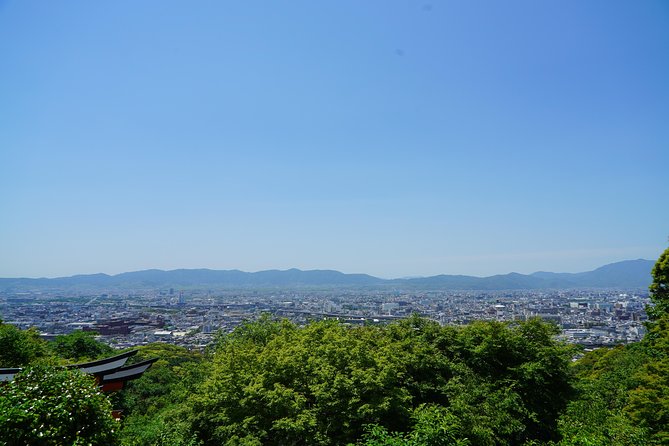
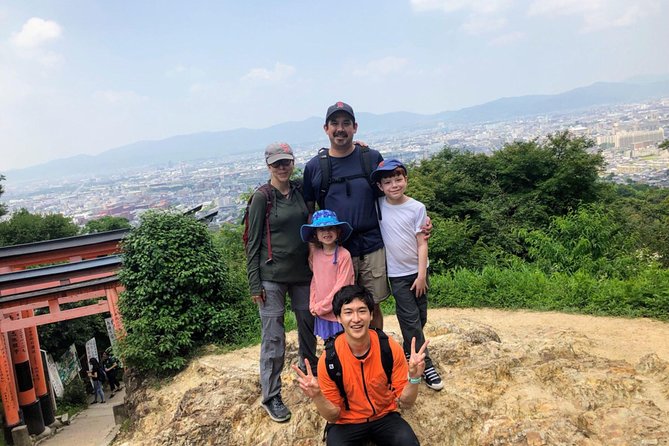
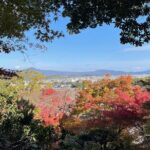
After you enjoy the view from higher on the mountain, you get a perspective linked to Fushimi-Momoyama Castle. The tour includes this stop specifically so you do not just climb to torii and turn around.
The castle history tied to this viewpoint is described as: Hideyoshi built it, and Ieyasu rebuilt it. You may also hear about how, after Fushimi Castle was rebuilt, peach trees were involved.
Now, you do not need to memorize the politics to enjoy the stop. You mainly need to know what you are doing: you’re earning a viewpoint that gives your eyes a bigger map of the area. It adds variety to the hike, so it does not feel like you are climbing only to arrive at the same thing from a new angle.
One practical note: even though the tour is designed to reduce crowd pressure, you will eventually rejoin busier sections near the shrines. That is normal. The value is that you experience the quiet approach first, so the eventual crowd flow is less frustrating and more like a natural transition.
Pacing, Fitness, and Safety: How to Prepare So You Enjoy It
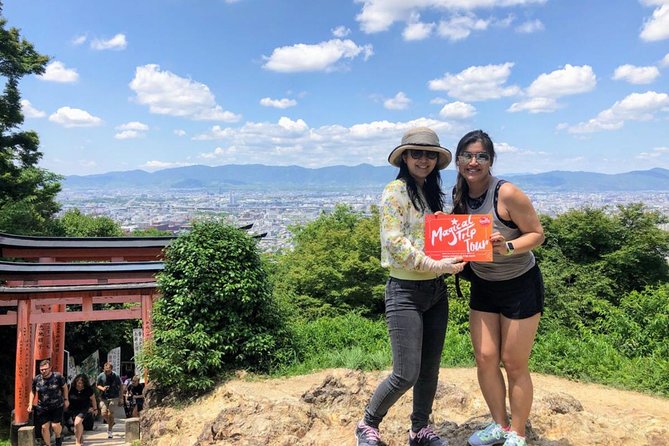
Let’s talk effort. This hike is about 7 km total and takes around 3 hours. It is not described as super difficult, but it is not a simple walk either. You will have uphill, stair sections, and some trail surfaces that can feel slippery.
Here’s what I’d take from the tour guidance and the best-performing experiences:
- Wear shoes with good grip. If the ground is damp or you hit muddy shade, traction keeps the hike fun.
- Bring water, especially in hot and humid summer weather.
- Plan for mosquitoes and bugs, since you hike in the mountain area. Long sleeves and long pants help. Some guide experiences also mention having mosquito repellent on hand, so it’s worth adding to your packing list.
- Use a hat when the weather is warm.
Fitness-wise, you should treat this as moderate. The tour guidance says it is not recommended if you have trouble walking or are not in regular condition. At the same time, guides are praised for taking regular stops, and some experiences mention extra stops if needed and options based on how energetic the group feels.
If you are comfortable walking uphill for a few hours and you can handle stairs without panic, you will likely find this tour enjoyable and not punishing.
More trails into the hills above the city

Private Option and Small-Group Value: Price That Makes Sense
The price is $63.14 per person for this approximately 3-hour tour, with a maximum of 7 travelers. It is not the cheapest way to visit Fushimi Inari, but it is also not trying to be.
Here’s the value logic I see:
- You are paying for route navigation. Hidden trails work best when someone who knows the area keeps you from wandering into the wrong paths.
- You get a certified guide from MagicalTrip and included tour photos taken during the hike.
- The group size supports actual interaction. It’s not a mass event where you never see the guide again after the first minute.
Also, if you choose the private option, you can scale the experience to your pace. That can be a big deal if you prefer slower walking, want more time for questions, or are traveling as a family group. The tour is also set up with group discounts, which matters if you are traveling with friends and want to keep costs reasonable.
One thing not included is food and drinks, so budget for that. Bring water from the start, since your energy will drop if you wait until you’re thirsty to plan.
Who This Tour Is Best For (And Who Should Skip It)
This hike is a great match if you want Fushimi Inari without the grind. You are likely to enjoy it if you:
- like walking and want to turn a shrine visit into an actual hike
- want to see torii gates from a quieter, less predictable route
- enjoy bamboo forest scenery and hillside views
- prefer a guide who can explain what you are seeing in context
You may want to skip or choose something gentler if you:
- have mobility limits that make stairs and uneven footing hard
- are not comfortable with a moderate hike around 7 km
- tend to get sidelined by heat, bugs, or slick surfaces and do not plan gear accordingly
Weather is also a key factor. The experience notes that it requires good weather. If weather is poor, you will be offered another date or a full refund, so you should keep an eye on forecasts.
Should You Book This Fushimi Inari Hidden Hike?
Yes, I think you should book this tour if your main goal is to experience Fushimi Inari with breathing room. The best version of Kyoto is not always the most famous photo location. Sometimes it is the route that gets you there quietly.
It is especially worth it when:
- you are visiting on a busy day or during a peak season window
- you want the bamboo forest and off-route Inari moments, not just torii lines
- you value guidance, photos, and a smooth plan over trying to self-navigate
If you are physically comfortable with a moderate 7 km hike, pack grip shoes, long sleeves for bugs, and plenty of water, you’ll likely feel like you got the shrine in a more human, less crowded way.
FAQ
How long is the Fushimi Inari Hidden Hiking Tour?
The tour lasts about 3 hours.
How far will I hike during the tour?
You hike approximately 7 km total.
Is the tour suitable for everyone?
It is best for people with a moderate fitness level. It is not recommended for people who have trouble walking or are not in regular condition.
What should I wear or bring?
Wear shoes with good grip because the ground can be slippery. Bring long sleeves and long pants for mosquitoes and bugs, and in summer bring water and a hat for the heat.
Is there an admission fee for Fushimi Inari-Taisha?
The tour indicates admission for the Fushimi Inari-Taisha stop is free.
Are food and drinks included?
No. Drink and food are not included.
What happens if weather is bad?
This experience requires good weather. If it is canceled due to poor weather, you will be offered a different date or a full refund.
Can I cancel and get a full refund?
Yes, you can cancel for a full refund up to 24 hours in advance of the experience start time. If you cancel less than 24 hours before the start time, the amount paid is not refunded.
New This Season
- Koyasan Day Trip by Private Car from Kyoto
- Old Port Town and Ultimate Sake Tasting Private Tour From Kyoto
- Kyoto’s Timeless Charm: 3hr Exploration of History and Peace
- Kyoto: 5 Types of Sushi Making
- Sacred Peak & Ancient Paths: Kurama-Kibune Hiking Experience
- Kyoto: Exclusive ZEN practice at Manpukuji temple in Uji
- Kyoto: Private Seasonal Aroma Yoga Class
- Traversing Kyoto’s Scenic West – Arashiyama to Kinkakuji
Fushimi Inari Shrine Walks, compared.

Fushimi Inari, Kinkakuji, Bamboo Grove 1 Day Bus Tour
Read our review →
Kinkakuji,Arashiyama,FushimiInariShrine,NaraPark
Read our review →
Nara, Fushimi Inari Taisha, Arashiyama Bus Tour
Read our review →
Arashiyama, Nara & Fushimi Inari Shrine w/Lunch
Read our review →
Nijo Castle, Kiyomizu & Fushimi Inari Guided Tour
Read our review →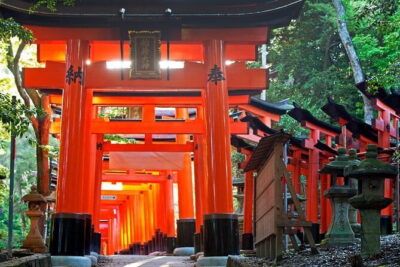
Nijo, Kinkaku-ji, Arashiyama, Kiyomizu & Fushimi Inari
Read our review →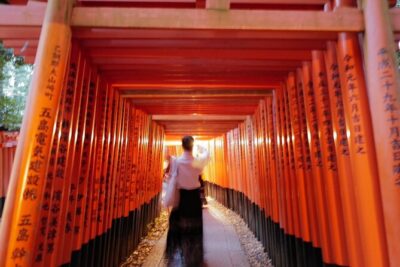
Also filed under