Reviewed · FUSHIMI INARI SHRINE WALKS
Kyoto Fushimi-Inari Night Walking Tour
Kyoto at night has a way of changing your pace, and Fushimi-Inari is a perfect example. You trade the daytime bottlenecks for lantern light, smaller groups, and a guided walk through thousands of torii gates as evening settles in.
I especially like the small-group feel (max 12), and I love that your guide puts the shrine in context, from Inari beliefs to the tiny prayers you might otherwise miss.
One thing to plan for: it’s a night walk on mountain paths, so wear proper shoes and expect the dark once the sun goes down.
In This Review
- Key highlights I think matter
- Why Fushimi-Inari at Night Feels Like a Different Shrine
- Group Size, Timing, and What the Walk Really Means (1.5 to 2 Hours)
- Start at the Fox Statue Near Inari Station, Then Follow the Torii Paths
- What You Learn on the Way: Inari, Prayers, and the Meaning Behind Small Details
- Guide Style You Might Get: From Storytelling to Clear, Balanced Explanations
- Photo and Comfort Tips for Lantern-Lit Torii Gates
- Price and Value: What $43.11 Buys You in Kyoto
- Who This Tour Suits Best, and Who Might Prefer Daytime
- Should You Book Kyoto’s Fushimi-Inari Night Walking Tour?
- FAQ
- How long is the Kyoto Fushimi-Inari night walking tour?
- What is the meeting point for the tour?
- Is admission to Fushimi Inari included?
- What group size should I expect?
- How do I get the ticket?
- Will the shrine be crowded during the tour?
- Are service animals allowed?
- Is there free cancellation?
Key highlights I think matter
- After-crowds timing: See Fushimi-Inari when the foot traffic thins out as the evening progresses.
- Max 12 group size: Easier to stay together, ask questions, and actually hear your guide.
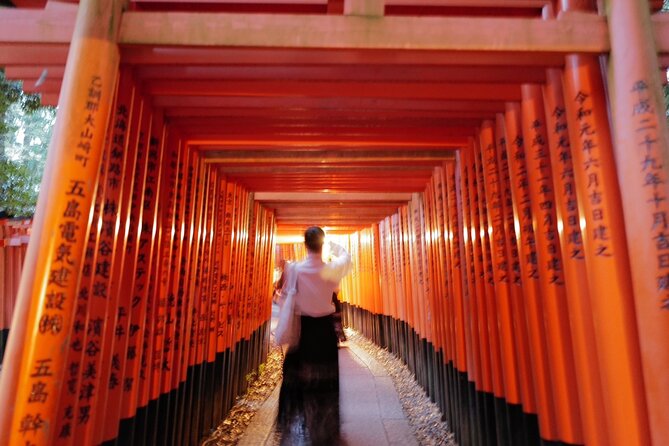
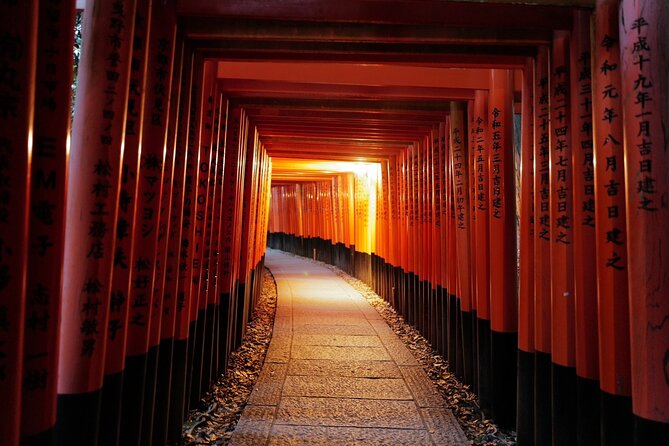
- Glowing torii gates: Lantern and dusk lighting turn the gate tunnels into something calmer and more atmospheric.
- Guide-led meaning: You learn what Inari is about, plus how prayers and small details fit together.
- Fox statue meeting point: You start at the fox statue at the entrance, so you are not wandering blindly in the dark.
- Practical tour length: About 1 hour 30 minutes to 2 hours, enough time to enjoy the route without killing your evening.
Why Fushimi-Inari at Night Feels Like a Different Shrine
Fushimi-Inari is famous for a reason, but during the day it can feel like you are part of a walking parade. At night, the mood shifts fast. The same torii gates and stone foxes still do their magic, but with fewer people around, you get space to notice the smaller stuff.
The other big win is that this is not just gate sightseeing. Your guide helps connect what you are seeing to why it exists. That matters because Fushimi-Inari is a Shinto shrine, dedicated to Inari, the god associated with rice, agriculture, and business. People come with hopes tied to success, health, and happiness, and those themes show up in the way visitors pray and move through the space.
Group Size, Timing, and What the Walk Really Means (1.5 to 2 Hours)
This tour runs about 1 hour 30 minutes to 2 hours. That timing is a sweet spot. Long enough to move beyond the entrance area and follow the gate paths up into the shrine grounds, but not so long that you feel wiped out after dinner plans.
The group limit of 12 is more than a comfort detail. In practice, it means you can ask questions without shouting, and your guide can keep an eye on everyone when the paths get darker. A few people in the supplied experience notes also pointed out that there may still be visitors early on, but the numbers tend to thin as evening goes on and lights guide the route.
Good to know: since this is a night experience, you should treat it like a proper walk. Even if you are not climbing “mountain style,” you are moving through paths that can feel uneven and dark once the sun drops.
Still climbing through the orange gates?
- Kyoto: Fushimi Inari, Kinkakuji, Bamboo Grove 1 Day Bus Tour
★ 4.8 · 4,316 reviews - Fushimi Inari Hidden Hiking Tour (Private Option Available)
★ 5.0 · 1,750 reviews - Osaka/Kyoto:Kinkakuji,Arashiyama,FushimiInariShrine,NaraPark
★ 4.1 · 1,596 reviews - Kyoto/Osaka: Nara, Fushimi Inari Taisha, Arashiyama Bus Tour
★ 4.7 · 1,275 reviews
Start at the Fox Statue Near Inari Station, Then Follow the Torii Paths
Your meeting point is specific: the fox statue at the entrance to Fushimi Inari Taisha Shrine, near Inari Station (Fukakusa Inarionmaechō, 稲荷駅 area). That’s helpful at night, because getting oriented matters. If you arrive a few minutes early, you will likely get your bearings fast.
From there, your tour focuses on one main area: the Fushimi Inari shrine grounds. You walk through the famous torii gate paths that lead toward Mount Inari, and you’ll pass familiar elements along the way, such as:
- stone fox statues linked with Inari belief
- smaller shrines inside the larger sacred area
- viewpoints where you can appreciate how the gates curve and stack
A practical detail that comes up repeatedly in the experience notes: you should expect walking on the mountain paths in the dark. The good news is that the route is lit enough to make the experience manageable, but your shoes and balance still matter.
What You Learn on the Way: Inari, Prayers, and the Meaning Behind Small Details
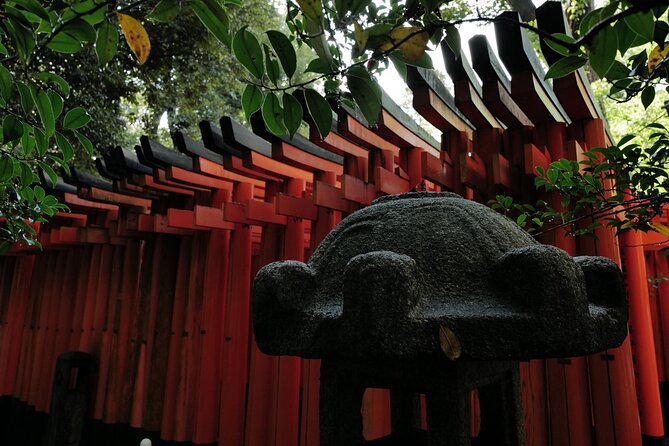
If you have only seen Fushimi-Inari during the day, you may remember the gates and not much else. At night with a guide, it becomes easier to understand what you are looking at and why it’s arranged the way it is.
Your guide’s job is to turn “wow, red gates” into “okay, I get the system.” Inari is connected to rice, agriculture, and business, which helps explain why the shrine has such a wide mix of prayers and visitors. You’ll also hear about how people pray for things like success, health, and happiness.
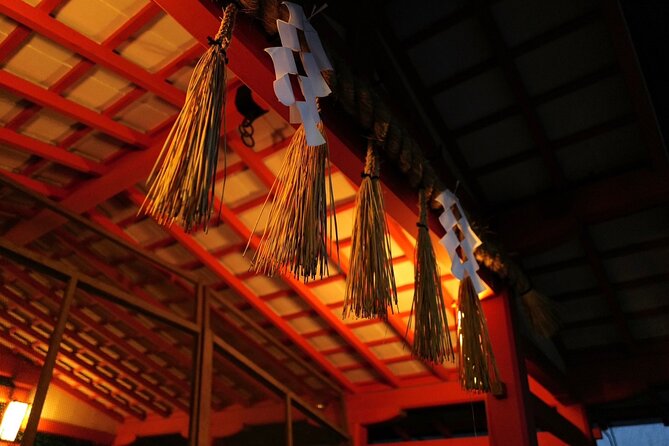
One of the most useful things you can learn on a guided shrine walk is how to interpret the small signs you might otherwise walk past. In the supplied experience notes, guides were praised for pointing out items and offering explanations that made the rituals make more sense. Some guides also show you how prayer works at different spots, where the approach may vary.
And yes, the best guides also handle questions well. More than one person mentioned guides who were patient with directions, photo stops, and curiosity, which is a big deal at night when you are trying to keep the group together without feeling rushed.
Guide Style You Might Get: From Storytelling to Clear, Balanced Explanations
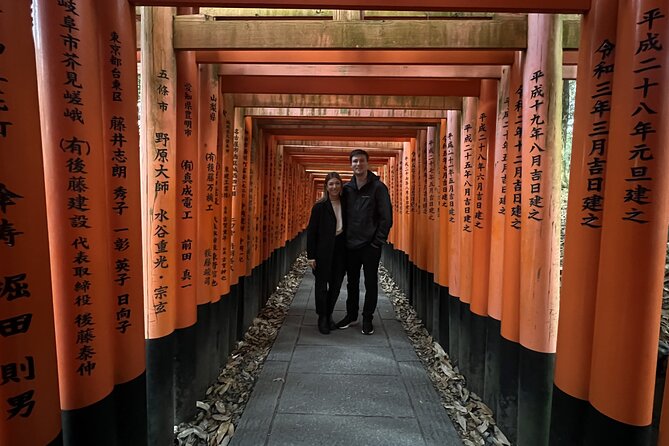
You cannot pick your guide here, but you can pick the kind of tour experience you want. The experience notes you provided are heavy on one theme: guides who combine clear explanations with an upbeat, human style.
For example, names that came up include Jem, Tammy, Masaki, Hiro (and Navi), Caleb, Vincent, Yessi, and Cade. You might hear:
- friendly, organized leadership that keeps the group together
- historical and cultural context tied to what you see at that moment
- extra personal touches, like one guide’s musical journey in Japan
A few notes also mention guides who hit the “just right” level of info. That means you get enough context to feel grounded, but you are not stuck in a lecture while the gates keep calling.
If you enjoy talking back and asking questions, this tour format tends to support that. A small group helps, and the shrine is full of visual prompts that make questions easy.
Photo and Comfort Tips for Lantern-Lit Torii Gates
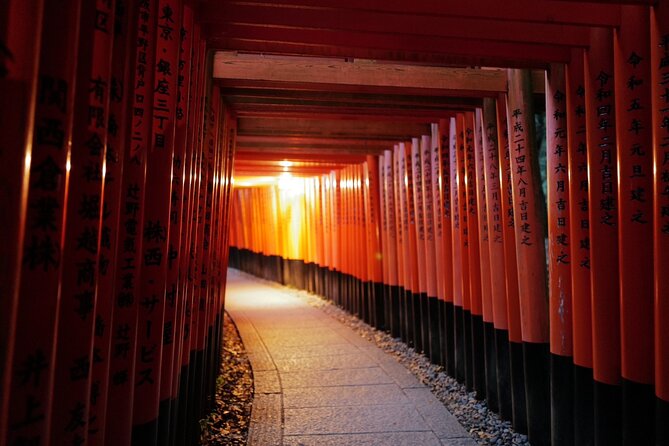
Night photos at Fushimi-Inari can be fantastic, but they come with a reality check: you are moving, and it’s dark under the gates. Plan for stops and stability.
Based on the details in the experience notes, here’s what I’d do:
- Wear walking shoes with good grip, especially if you visit in winter or rainy weather.
- Bring layers. Even in months when Kyoto is mild, nights under the gates can feel cooler.
- Be ready for photo moments, but don’t assume you can stop anywhere. If your guide has a set pace for safety, you’ll get the best photos by coordinating quick stops.
The lantern lighting also means the mood shifts. People mentioned that the gate tunnels look especially magical at night and that the lighting makes evening photos easier than you might expect. If you are picky about shots, you might spend a little more time near the gates and viewpoints, so plan your dinner afterward with a buffer.
A quieter way to spend a day in Kyoto




Price and Value: What $43.11 Buys You in Kyoto
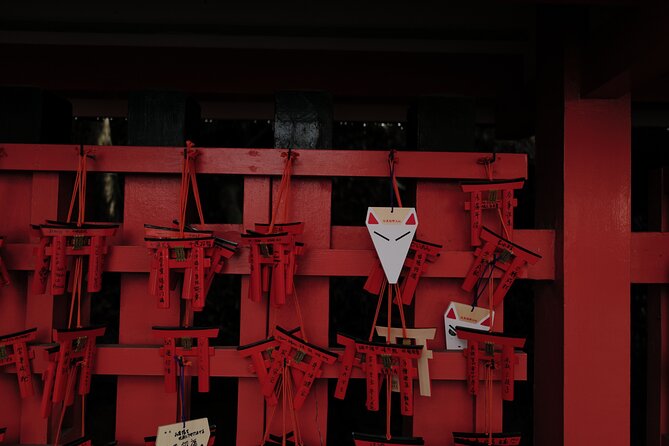
At $43.11 per person, this is not a “grab-and-go” ticket. You are paying for the guide, the small-group pacing, and the experience design that places you at Fushimi-Inari at a calmer hour.
The good value angle is that the core attraction is free to enter. The tour notes indicate admission is free. So your money goes toward:
- guiding you through a maze-like shrine area
- explaining meaning as you walk, not afterward
- keeping the group together safely on dim paths
When people rate this tour highly, the common thread is that it makes the shrine more understandable and more enjoyable. If you like learning while you walk, this price starts to feel fair, because it saves you time and guessing. Without a guide, you can still enjoy the gates, but you might miss the prayer logic and the “why” behind the layout.
Who This Tour Suits Best, and Who Might Prefer Daytime
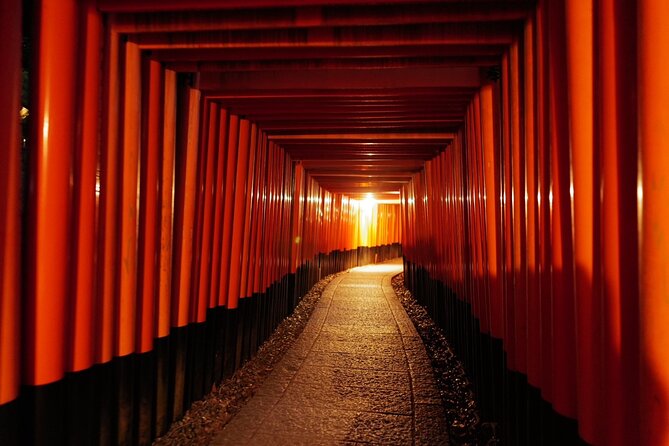
This is a strong fit if you:
- want a calmer Fushimi-Inari visit with fewer people
- enjoy learning what you are seeing, especially in Shinto contexts
- like small groups and question-friendly tours
- are okay with a night walk and bring proper footwear
It may not be your best choice if you:
- dislike dark outdoor walking, even with path lighting
- need a very short, mostly flat walk (this tour involves moving through shrine grounds and paths)
- prefer to roam entirely on your own pace without a structured guide
For families, the experience notes also suggest that at least some guides keep explanations easy to follow, including when kids are in the group. Still, if your group includes very young kids or mobility limitations, it’s smart to judge the night walking part carefully.
Should You Book Kyoto’s Fushimi-Inari Night Walking Tour?
I think this is worth booking if you want Fushimi-Inari to feel peaceful, not chaotic. The combination of small-group size, after-crowds timing, and guides who explain the shrine’s meaning is the recipe. You are also likely to come away with a deeper sense of Inari worship, not just a collection of red gate photos.
Book it even if you have a basic knowledge of Japan. Night changes everything at Fushimi-Inari. And if you are on a tight Kyoto schedule, the 1 hour 30 minutes to 2 hour window is practical.
If you hate walking in the dark, then skip it and go daytime instead. But if you can handle a lantern-lit stroll, you’ll get a side of Kyoto that feels slower, more personal, and easier to understand.
FAQ
How long is the Kyoto Fushimi-Inari night walking tour?
The tour lasts about 1 hour 30 minutes to 2 hours.
What is the meeting point for the tour?
You meet at the fox statue at the entrance to Fushimi Inari Taisha Shrine, near Inari Station.
Is admission to Fushimi Inari included?
Admission ticket is listed as free for this activity.
What group size should I expect?
The tour has a maximum of 12 travelers.
How do I get the ticket?
You receive a mobile ticket, and confirmation is received at the time of booking.
Will the shrine be crowded during the tour?
The tour is designed to be after the crowds. Some people note that there may still be visitors at the start, but the number tends to drop as evening goes on.
Are service animals allowed?
Yes, service animals are allowed.
Is there free cancellation?
Yes, free cancellation is available. You can cancel up to 24 hours in advance for a full refund.
More Walking Tours in Kyoto



New This Season
- Koyasan Day Trip by Private Car from Kyoto
- Old Port Town and Ultimate Sake Tasting Private Tour From Kyoto
- Kyoto’s Timeless Charm: 3hr Exploration of History and Peace
- Kyoto: 5 Types of Sushi Making
- Sacred Peak & Ancient Paths: Kurama-Kibune Hiking Experience
- Kyoto: Exclusive ZEN practice at Manpukuji temple in Uji
- Kyoto: Private Seasonal Aroma Yoga Class
- Traversing Kyoto’s Scenic West – Arashiyama to Kinkakuji
Fushimi Inari Shrine Walks, compared.

Fushimi Inari, Kinkakuji, Bamboo Grove 1 Day Bus Tour
Read our review →
Fushimi Inari Hidden Hiking Tour (Private Option Available)
Read our review →
Kinkakuji,Arashiyama,FushimiInariShrine,NaraPark
Read our review →
Nara, Fushimi Inari Taisha, Arashiyama Bus Tour
Read our review →
Arashiyama, Nara & Fushimi Inari Shrine w/Lunch
Read our review →
Nijo Castle, Kiyomizu & Fushimi Inari Guided Tour
Read our review →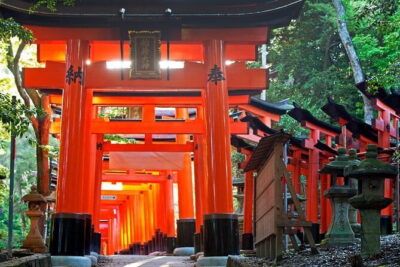
Nijo, Kinkaku-ji, Arashiyama, Kiyomizu & Fushimi Inari
Read our review →