Reviewed · FUSHIMI INARI SHRINE WALKS
Kyoto/Osaka: Nara, Fushimi Inari Taisha, Arashiyama Bus Tour
One bus, three worlds of Japan. I really like the chance to feed the deer in Nara Park, and I love the first moments when you step into Fushimi Inari Taisha and the torii gates swallow your attention. It’s a fast, well-run sweep of iconic Kyoto region sights, with an English-speaking guide steering the timing so you can focus on seeing.
You also get a calm break in Arashiyama bamboo forest, plus quieter stops like Nonomiya Shrine inside the same day. One possible drawback: this is a schedule-heavy sampler, so if you want long, slow temple time, you may wish for more hours in each place.
In This Review
- Key points worth marking on your map
- Why this Kyoto, Nara, Fushimi, and Arashiyama day trip works
- Pickup times, meeting points, and how the day stays on schedule
- Nara Park deer feeding: adorable, fast, and surprisingly memorable
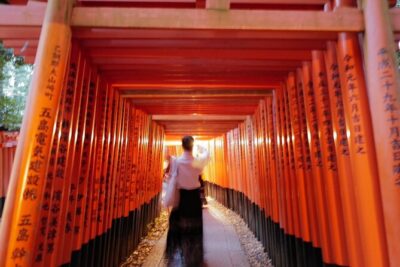
- Fushimi Inari Taisha: torii gates for prosperity and film-favorite vibes
- Arashiyama time: bamboo forest calm, shrine blessings, and smart wandering
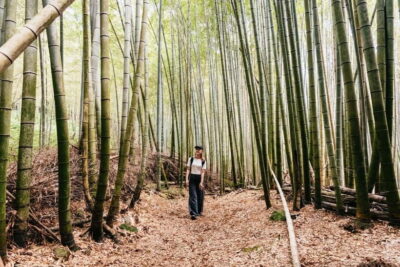
- Bamboo forest: the quick Zen reset
- Nonomiya Shrine: love and academic blessing, plus the Kuroki Torii
- Tenryu-ji Temple (UNESCO) if you want to spend a little extra
- Togetsukyo Bridge views and the nostalgic Arashiyama feel
- Kimono Forest photo stop and the Arashiyama footbath reset
- Price and value: what $52 gets you, and where the costs show up
- What the guide does for you (and why that matters)
- Who should book this, and who should skip it
- Should you book this Kyoto and Nara bus tour?
- FAQ
- How long is the Kyoto/Osaka to Nara and Arashiyama bus tour?
- What is included in the price?
- What is not included?
- Where does the tour pick up and drop off?
- Is Tenryu-ji Temple included?
- Is smoking allowed during the tour?
- Is the tour suitable for wheelchair users or limited mobility?
Key points worth marking on your map
- Nara Park deer time with shika senbei (deer crackers), plus enough free space to enjoy the moment
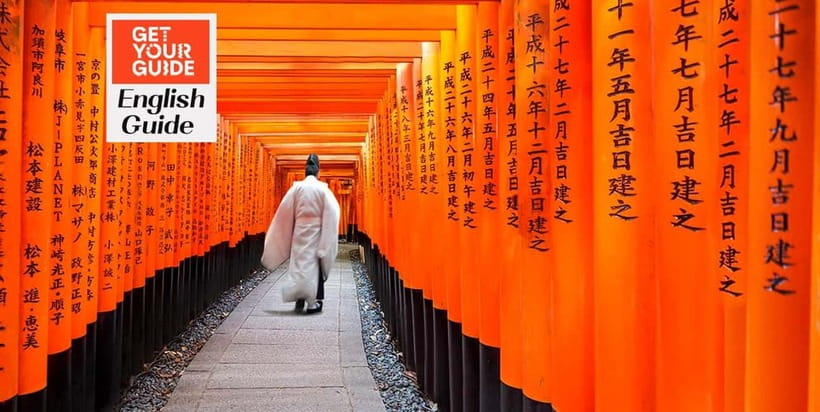
- Fushimi Inari torii tunnel to the prosperity shrine, with a clear guided walking rhythm
- Arashiyama bamboo forest for that light-filtered Zen feeling, even with a group schedule
- Nonomiya Shrine and its love and academic blessing vibe, including the unpainted Kuroki Torii
- Tenryu-ji Temple option (extra fee) if you want the UNESCO Sogenchi Garden experience
- Photo-friendly stops like the Kimono Forest pillars and quick Arashiyama views from Togetsukyo Bridge
Why this Kyoto, Nara, Fushimi, and Arashiyama day trip works
This tour is built for people who want the headline Kyoto and Kansai sights without wrestling trains, transfers, and timing. You get a guided loop that hits the three big emotional beats of the region: wild-and-cute nature at Nara, sacred gates at Fushimi Inari, and a slower mood in Arashiyama.
The value is strong for what you’re doing. For $52 per person, you’re paying for an English-speaking guide and an air-conditioned vehicle, plus the operational costs that make a day trip actually run smoothly. You still cover a lot of ground, but the “hard work” of logistics is handled for you.
I also like that you’re not just herded from one ticket line to the next. The schedule builds in short free-wander blocks, so you can breathe, take photos, and step away when you want a slower pace.
Pickup times, meeting points, and how the day stays on schedule
You can start from either Osaka or Kyoto, depending on which pickup option you book. The day runs on a tight timeline, with departures listed as 8:00 AM from Osaka and 9:00 AM from Kyoto.
Before you go, set yourself up for punctual success:
- Arrive at the meeting point 10 to 15 minutes early.
- Bring comfortable shoes. This route includes walking through crowded shrine areas and standing around outdoor sights.
- Pack an umbrella and water. Weather can shift the pace, and you do not want to hunt for supplies mid-day.
Drop-off is flexible too. You can request Osaka or Kyoto when booking. If you do not specify, the drop-off defaults to the same location as pickup.
This timing structure matters. The tour hits multiple major sites in one day, so the bus has to leave when it’s supposed to. That keeps things from turning into a domino effect if you want to see everything.
Still climbing through the orange gates?
- Kyoto: Fushimi Inari, Kinkakuji, Bamboo Grove 1 Day Bus Tour
★ 4.8 · 4,316 reviews - Fushimi Inari Hidden Hiking Tour (Private Option Available)
★ 5.0 · 1,750 reviews - Osaka/Kyoto:Kinkakuji,Arashiyama,FushimiInariShrine,NaraPark
★ 4.1 · 1,596 reviews - Osaka/Kyoto: Arashiyama, Nara & Fushimi Inari Shrine w/Lunch
★ 4.4 · 754 reviews
Nara Park deer feeding: adorable, fast, and surprisingly memorable
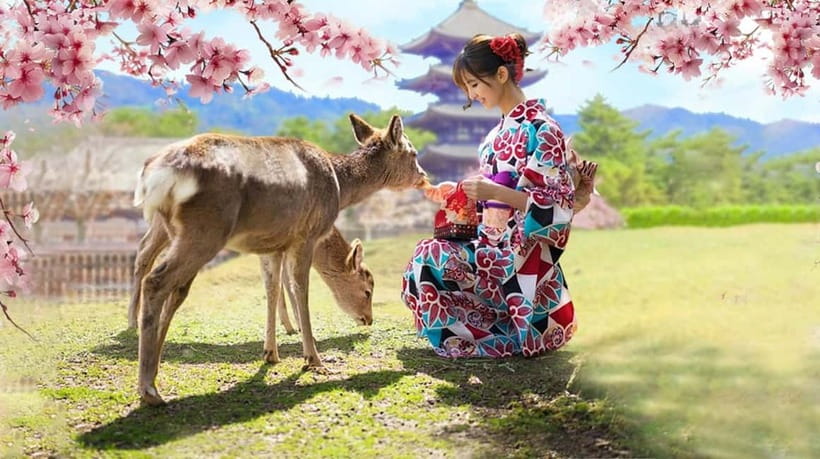
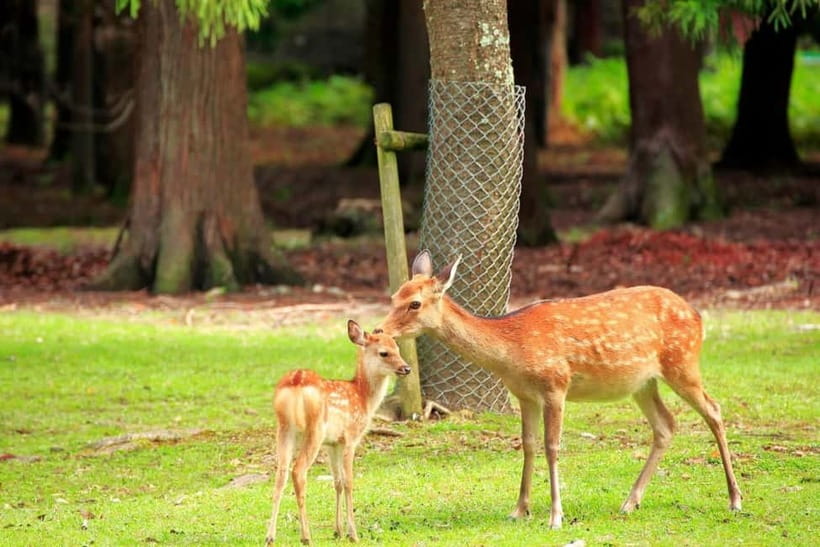
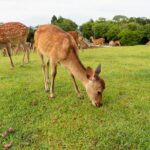
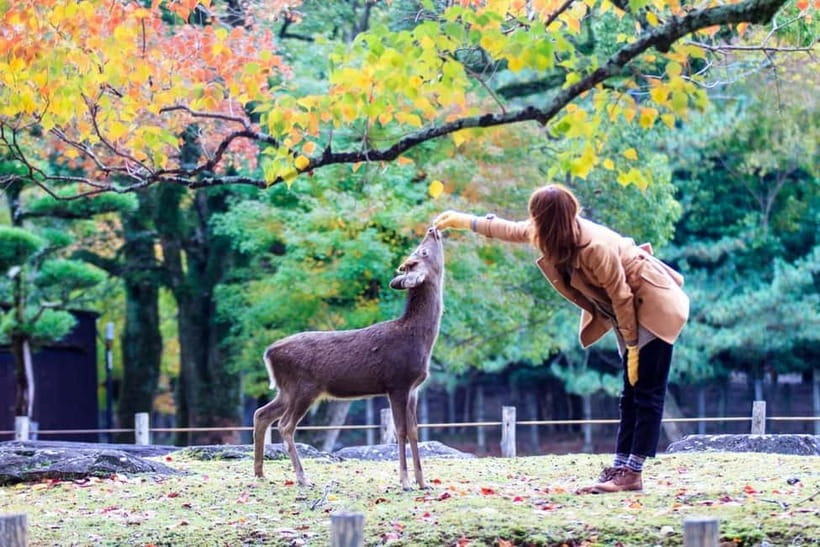
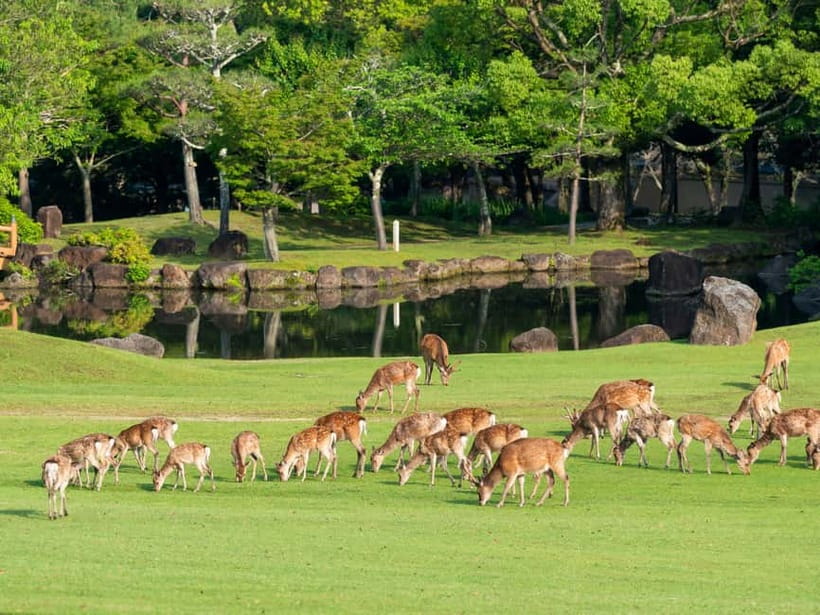
Nara Park is where the day becomes personal. More than 1,000 deer roam freely, and they’re known as divine messengers in the Shinto tradition. Yes, they’re cute. No, they’re not shy. And that combo makes for some of the best street-level moments in Japan.
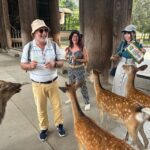
You get about 1 hour here, including time to feed and interact. The key item is shika senbei (deer crackers). Your guide will help you with the basic rhythm, so you know how to handle the crackers and keep the moment friendly instead of chaotic.
Here’s what I’d do in your hour:
- Feed at the start, when the deer energy is highest and you can get your photos quickly.
- Then step back and just watch. The deer move like a slow river through the park lanes.
- If you want fewer crowds, you can slightly shift where you stand, even within the same area.
One practical note: because the deer are free-roaming, you’ll want to be aware of personal space. Don’t panic, just move calmly and keep a steady grip on your crackers.
Fushimi Inari Taisha: torii gates for prosperity and film-favorite vibes
Fushimi Inari Taisha is the stop that makes people understand why Japan’s shrine architecture hits so hard. You walk into a tunnel of vermilion torii gates, and the gates continue winding up the mountainside. The scale is the magic trick here, and the longer you walk, the more the place feels like a story you’re stepping into.
You get around 1 hour and 10 minutes at Fushimi Inari. That is enough time to:
- Catch the classic gate views.
- Walk a good portion of the path before the schedule nudges you onward.
- Take photos without feeling like you must sprint.
This shrine is dedicated to the god of prosperity, and the entire site is built around that idea of ongoing pilgrimage. You’ll notice people stopping, bowing, and moving with purpose, which changes the mood compared with “just sightseeing.”
Extra fun detail: Fushimi Inari has shown up as inspiration in pop culture, including references connected to Memoirs of a Geisha and Detective Conan. Even if you’re not into film trivia, it helps explain why so many people come expecting something cinematic.
Tip for enjoying the gates: wear shoes you trust on uneven outdoor paths. Some sections feel smoother than others, and you’ll likely do more than you think during a guided visit.
Arashiyama time: bamboo forest calm, shrine blessings, and smart wandering
Arashiyama is where the day turns more scenic and less “big crowd headline.” You get about 2.5 hours in the Arashiyama area, with several sub-stops layered in.
Bamboo forest: the quick Zen reset
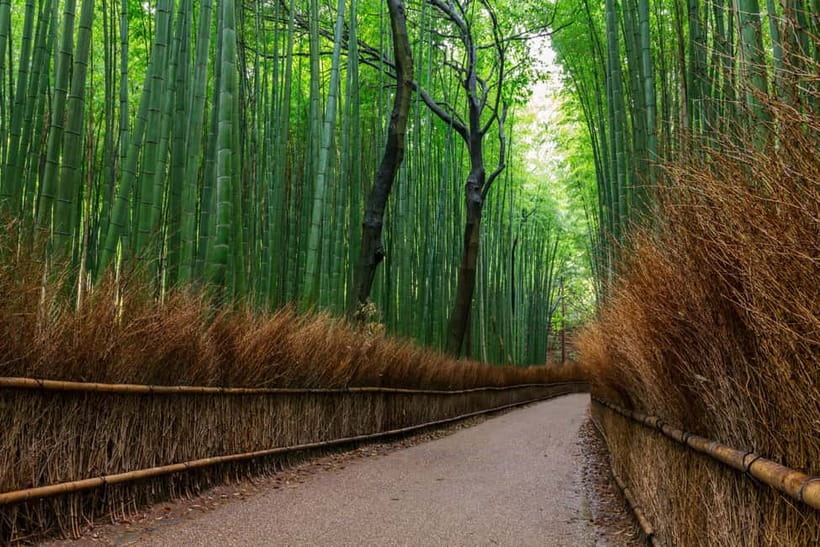
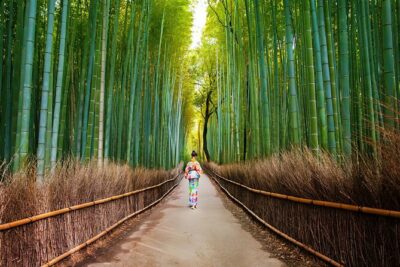
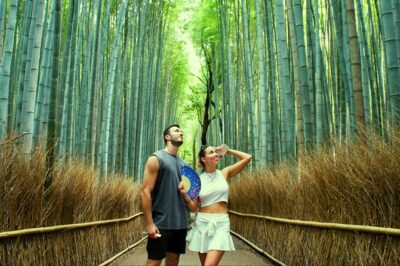
The bamboo forest is timed at around 15 minutes for the photo stop and walk-through. Short is not bad here. The bamboo works like mood lighting. Even a quick stroll can change your pace, especially after the busy energy of Nara and Fushimi.
Go for the light pattern. If you can, stand still for a minute. Sun filtering through the stalks makes the whole place feel quieter than it really is.
Deer that bow back, a short ride away
Nonomiya Shrine: love and academic blessing, plus the Kuroki Torii
Next comes Nonomiya Shrine, known for blessings related to love and education. It’s framed inside the older Arashiyama setting, and it includes the Kuroki Torii, an unpainted gate that rises within the bamboo atmosphere.
This is one of those stops that feels small in time, but it adds depth. Fushimi Inari is about prosperity through motion and scale. Nonomiya shifts the focus to personal wishes and the gentler, everyday reasons people visit shrines.
Tenryu-ji Temple (UNESCO) if you want to spend a little extra
Tenryu-ji Temple is a UNESCO World Heritage Site, and it’s where your day offers an optional upgrade. The temple is extra fee, but if you enjoy historic temple gardens, it’s worth considering.
The garden is known for Sogenchi, which uses borrowed scenery and seasonal color. That means what you see is not just inside the garden walls. The setting around it becomes part of the design.
If you pay the extra and go inside, plan to slow your steps. Tenryu-ji isn’t a “grab-and-go” stop. It’s a place to look carefully.
Togetsukyo Bridge views and the nostalgic Arashiyama feel
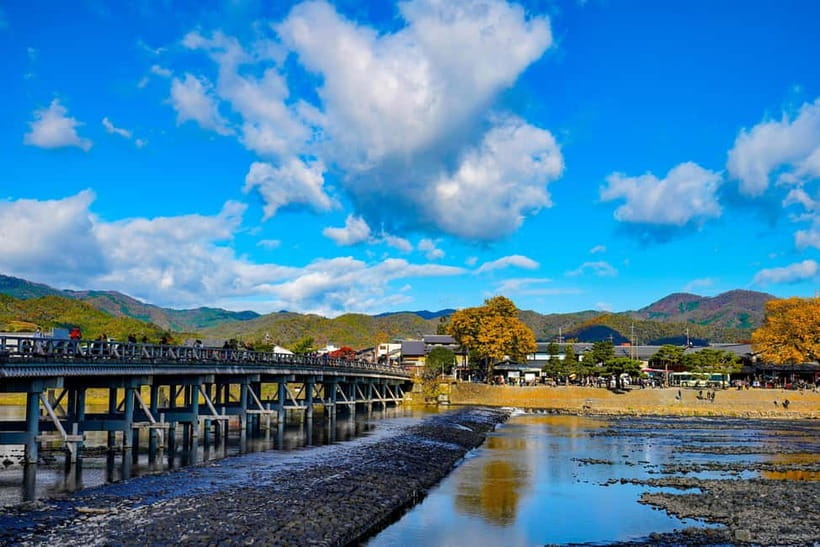
After the shrine and garden options, you’ll reach Togetsukyo Bridge, with about 15 minutes for views and walking. This bridge sits at the right point in the Arashiyama story. You get wide-area visuals, and you can see the river and the broader scene that makes Arashiyama feel like a postcard.
Passing rickshaws add a nostalgia factor that you do not get in many other Kyoto areas. You may not ride one, but just seeing the slower pace is part of the experience.
This is also a good place to check your footing. Bridge approaches and the surrounding paths can be busy, and your schedule is moving forward.
Kimono Forest photo stop and the Arashiyama footbath reset
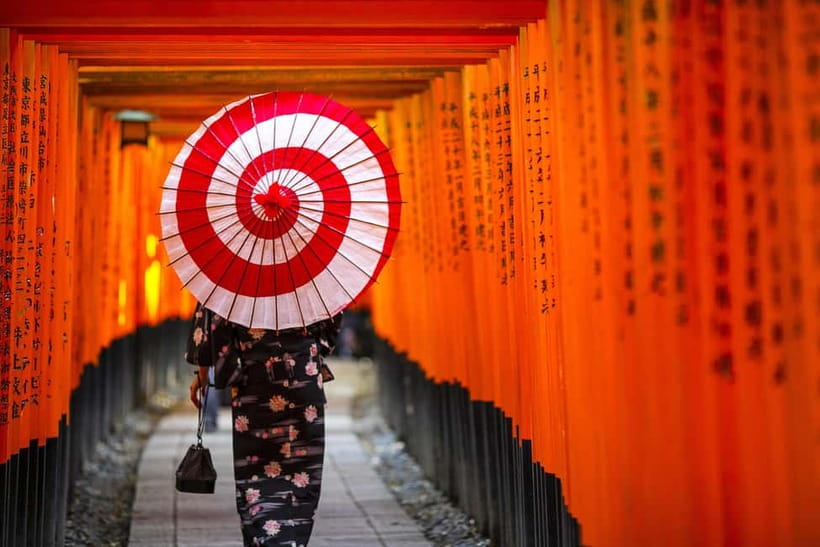
Arashiyama finishes with fun, lighthearted, and slightly different visuals, including the Kimono Forest. The installation is made of 600 pillars decorated with Kyoto’s Kyo-Yuzen textile patterns. It’s designed for photos, and it delivers fast. You get around 15 minutes for this stop.
Even if you’re not chasing Instagram spots, Kimono Forest works because it gives your day a pop of color after the natural textures of bamboo and the deep reds of shrine gates.
Then comes an underrated endcap: the Arashiyama footbath near Arashiyama Station. You get free time here. It’s a smart little reset for sore legs, especially if you’ve been standing and walking more than expected.
If you have energy after the footbath, you’ll likely be near plenty of casual choices to snack. The tour also mentions exploring Arashiyama’s local street food and restaurants during your free time. If Rilakkuma Tea House is on your list, it’s specifically called out as a fun photo option.
Price and value: what $52 gets you, and where the costs show up
At $52 per person, this tour can feel like good value because you’re paying for several things together:
- Guide support in English and Chinese
- An air-conditioned vehicle for moving between Osaka or Kyoto and the key sites
- Covered operational costs like taxes, parking, and gas
What you still pay for yourself is pretty normal for Japan day trips:
- Food and beverages are not included.
- Tenryu-ji Temple has an extra fee if you choose to go.
So the “real” cost depends on whether you want that UNESCO garden stop and how you handle lunch. If you treat the day as an active sightseeing workout and plan your meals, $52 stays a bargain.
The biggest “hidden cost” is time. Each major site gets enough attention to feel complete, but not long enough to feel like you could live there. If your travel style is slow and lingering, consider adding a second day to Kyoto later.
What the guide does for you (and why that matters)
The tour lives or dies on the guide’s ability to keep the group moving and informed. In the feedback you provided, guides are repeatedly described as upbeat, organized, and good at making clear instructions before each departure. That means fewer “where do we meet?” moments and more time actually looking at the sights.
It also helps for practical moments like:
- knowing where to stand for the best views
- understanding what to focus on at each shrine
- keeping the group together when crowds surge
If you’re traveling solo or you just don’t want to plan, that guidance reduces stress fast.
Who should book this, and who should skip it
This is a strong choice for you if:
- You’re short on time and want major Kyoto region highlights in one day
- You prefer a guided structure, especially for navigation and timing
- You enjoy outdoor walking and want that deer, shrine, and bamboo mix
I would be cautious if:
- You need an accessibility-friendly route. The tour is marked as not suitable for mobility impairments and wheelchair users.
- You hate tight schedules. This is a day trip with multiple stops and short blocks, not a slow wander day.
Also, keep in mind the tour notes that timing can shift due to weather and traffic, which is just the reality of running a bus in Japan. The itinerary is still built to hit the key sights, but your exact return time may vary.
Should you book this Kyoto and Nara bus tour?
If you want the highlights and you like the idea of having someone else manage the day, I think this is a yes. Nara deer feeding and the Fushimi Inari torii walk are the two high-impact experiences, and Arashiyama adds the contrast of bamboo calm and classic bridge views.
Book it if you can handle a packed schedule and you’re comfortable with walking. Skip or adjust your expectations if you want long, quiet time in one place, because this tour is intentionally designed to cover more than one major area in a single day.
If you do book, pack for the outdoors, keep your shoes ready, and treat free time as a chance to follow your curiosity. That mindset makes even the short stops feel satisfying.
FAQ
How long is the Kyoto/Osaka to Nara and Arashiyama bus tour?
It runs about 9 to 10 hours total.
What is included in the price?
An English speaking tour guide, an air-conditioned vehicle, and all taxes, parking fees, gas fees, and handling charges are included.
What is not included?
Food and beverage are not included, and you may have additional personal expenses. Tenryu-ji Temple is listed as an extra fee.
Where does the tour pick up and drop off?
Pickup can be at one of two starting points, and drop-off can be at either Osaka or Kyoto. The meeting point may vary depending on the option booked.
Is Tenryu-ji Temple included?
Tenryu-ji Temple is listed as an extra fee option. You would join a self-guided visit if you choose to pay for entry.
Is smoking allowed during the tour?
No, smoking is not allowed.
Is the tour suitable for wheelchair users or limited mobility?
No. The tour is not suitable for people with mobility impairments and wheelchair users.
Arashiyama Bamboo Forest Walks
New This Season
- Koyasan Day Trip by Private Car from Kyoto
- Old Port Town and Ultimate Sake Tasting Private Tour From Kyoto
- Kyoto’s Timeless Charm: 3hr Exploration of History and Peace
- Kyoto: 5 Types of Sushi Making
- Sacred Peak & Ancient Paths: Kurama-Kibune Hiking Experience
- Kyoto: Exclusive ZEN practice at Manpukuji temple in Uji
- Kyoto: Private Seasonal Aroma Yoga Class
- Traversing Kyoto’s Scenic West – Arashiyama to Kinkakuji
Fushimi Inari Shrine Walks, compared.

Fushimi Inari, Kinkakuji, Bamboo Grove 1 Day Bus Tour
Read our review →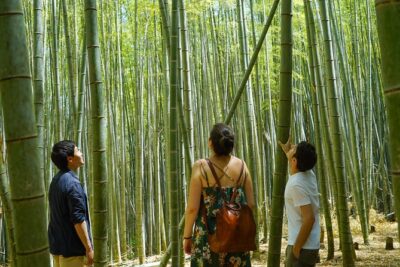
Fushimi Inari Hidden Hiking Tour (Private Option Available)
Read our review →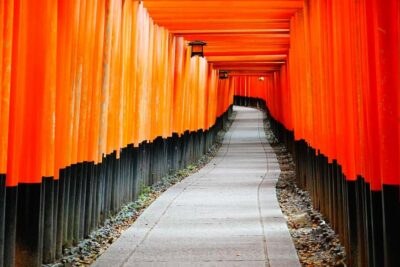
Kinkakuji,Arashiyama,FushimiInariShrine,NaraPark
Read our review →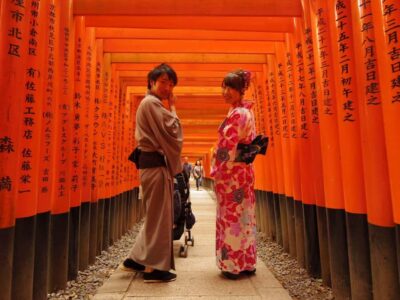
Arashiyama, Nara & Fushimi Inari Shrine w/Lunch
Read our review →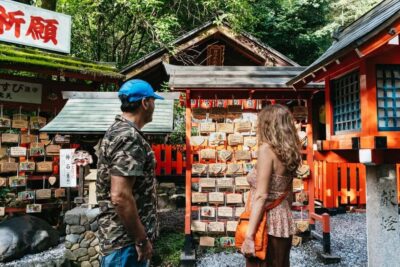
Nijo Castle, Kiyomizu & Fushimi Inari Guided Tour
Read our review →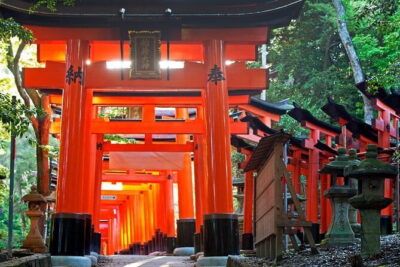
Nijo, Kinkaku-ji, Arashiyama, Kiyomizu & Fushimi Inari
Read our review →