
Reviewed · NARA & DEER PARK DAY TRIPS
Nara Afternoon Tour from Kyoto or Osaka
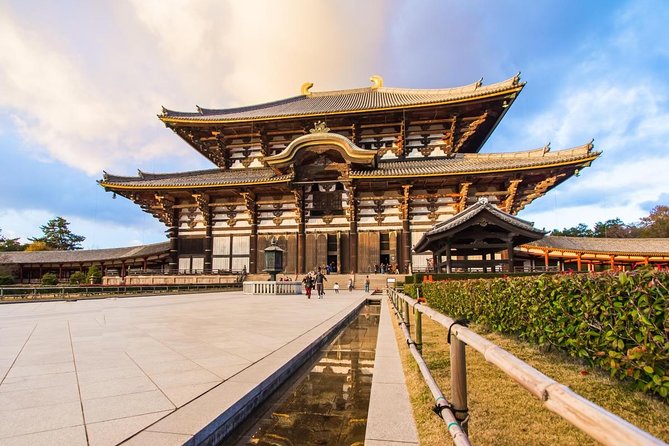
Nara hits you fast with history. This afternoon tour makes the big sights easy, especially Todai-ji with the Great Buddha Hall and Kasuga Shrine with its famous lanterns. Add in time in Nara Park, and you get a strong dose of old Japan without spending your whole day in transit.
I also like that you have an English guide interpreter on board, plus guided stops with included tickets at key sites. The bus ride is part of the comfort here, and guides like Yuki and KC are repeatedly praised for keeping the day clear and organized.
One thing to think about: the schedule can feel tight, and there’s a 25-minute walk from the parking area to Todai-ji (one way). If you want extra freedom to wander, this format may not match your pace.
In This Review
- Key things that make this Nara afternoon tour worth your time
- Why an afternoon Nara trip from Kyoto can feel just right
- Getting to Nara on a comfort-focused bus ride
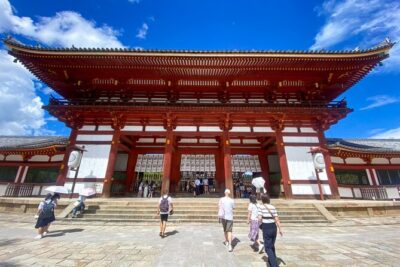
- Todai-ji: the Great Buddha Hall is the main event
- Todai-ji tip that saves time
- Nara Park deer time: fun up close, but go in with control
- Kasuga Grand Shrine and its lantern world
- How to get the most out of the Kasuga time slot
- The guide, the group size, and why pacing can make or break it
- Price and value: where the money goes
- What to wear and pack for a smooth afternoon
- Who this tour fits best, and who might want another option
- Final call: should you book the Nara afternoon tour from Kyoto or Osaka?
- FAQ
- How long is the Nara afternoon tour?
- Where do I pick up the tour in Kyoto?
- What are the main stops during the tour?
- Are admission fees included?
- Is lunch included?
- How much walking should I expect?
- Does the Kasuga Main Sanctuary special visit always happen?
- What kind of ticket do I receive?
- Is there a cancellation window?
- Is the tour limited to a certain group size?
Key things that make this Nara afternoon tour worth your time
- Todai-ji in a timed slot: plenty of focus on the Daibutsuden and the Great Buddha, with admission included
- Kasuga Shrine lantern corridor: you’ll see the stone and bronze lanterns, plus a special access area when available
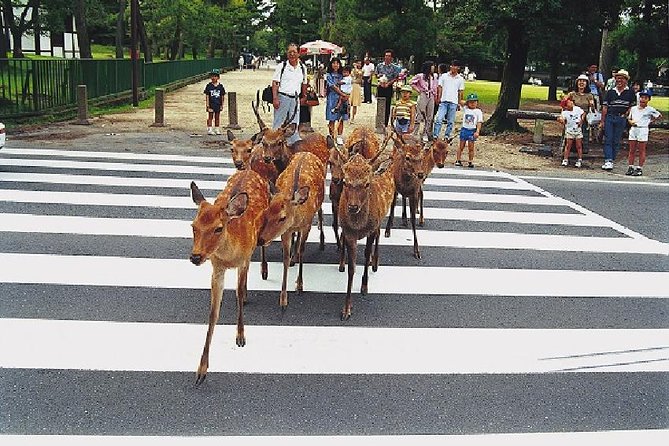
- Nara Park deer time: over 1,000 deer roam a huge reserve, and they can be very bold up close
- English guidance that connects the dots: you’ll get context for what you’re seeing, not just photos
- Small-group feel for a bus tour: capped at 40 people, so it stays manageable
Why an afternoon Nara trip from Kyoto can feel just right
This is a classic half-day swap. You leave Kyoto in the afternoon, use a round-trip vehicle, and come back the same evening. That makes Nara a smart move if you already have a full morning planned for temples in Kyoto, or if you just do not want to commit to a full-day day trip.
The tour centers on two heavyweights: Todai-ji and Kasuga Grand Shrine. Between them, you get time in Nara Park with the deer. If you like your sightseeing with structure, this itinerary gives you a clear path, with tickets handled and an English guide interpreter to translate culture into something you can actually use.
Do note the rhythm. The stops are timed, and the walks add up. In practice, you should expect to be on your feet, and to move with the group.
Getting to Nara on a comfort-focused bus ride
Your afternoon starts near Kyoto Station, with pickup at the Avanti Tour Desk. After that, you ride by vehicle to Nara and return by vehicle back to your original drop-off point.
This matters more than you might think. Nara is easy to reach on public transit, but doing it with a bus means you skip planning, transfers, and timing stress. It also means the day is more predictable, especially when road congestion or traffic changes the exact flow of the schedule.
The tour also uses a mobile ticket, which is convenient if you like keeping everything on your phone. Seats may not be designated, so if you care about where you sit for the ride, show up early at the pickup point.
Deer that bow back, a short ride away
- Osaka/Kyoto:Kinkakuji,Arashiyama,FushimiInariShrine,NaraPark
★ 4.1 · 1,596 reviews - Kyoto/Osaka: Nara, Fushimi Inari Taisha, Arashiyama Bus Tour
★ 4.7 · 1,275 reviews - Osaka/Kyoto: Arashiyama, Nara & Fushimi Inari Shrine w/Lunch
★ 4.4 · 754 reviews - Kyoto and Nara Day Trip from Kyoto
★ 4.5 · 445 reviews
Todai-ji: the Great Buddha Hall is the main event
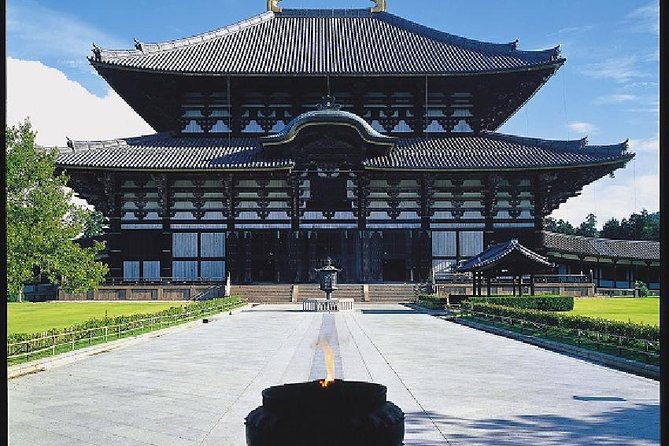
Todai-ji is the reason most people book this tour, and it earns that role. Your visit is about 1 hour 10 minutes, with admission included.
Here’s what you should pay attention to during that time. Focus first on the Daibutsuden, the Great Buddha Hall. It’s one of the world’s largest wooden structures, and the space makes the Great Buddha feel even more commanding. The bronze Buddha statue is the iconic centerpiece, and the hall’s scale is the whole point of going.
You will also do this on a walking timeline. The tour notes that you walk from the parking lot to Todai-ji, about 25 minutes one-way. That means your time inside the temple is not the only time you spend. Plan your footwear accordingly.
If you are traveling in warmer months, bring water even though lunch is not included. If it rains, you are not completely stuck, since the day can include quick weather fixes like extra umbrellas that some guides have carried for the group.
Todai-ji tip that saves time
When you arrive, do a quick orientation first. Get your bearings before you slow down for photos and details. That way you do not lose your spot while you admire the hall and the Buddha.
Nara Park deer time: fun up close, but go in with control
After Todai-ji, you shift to Nara Park, a large reserve around 1,250 acres with more than 1,000 deer roaming freely. This is the part that feels playful on the surface, but it still deserves a game plan.
The deer can be very interactive, and they often approach people. You’ll see gentle behavior and also that bold, fearless energy that makes Nara famous. Some people love watching deer bow and act almost like they are waiting for you to notice them.
If you want to spend time feeding the deer, do not count on a leisurely window. The itinerary is built around timed stops, and the park visit is part of the shared schedule. If you want a slow, quiet deer moment, arrive with realistic expectations, because the group needs to keep moving so everyone can reach the next stop.
Also, keep your hands and bags secure. Even friendly deer can get pushy when they think food is involved. A little calm goes a long way.
Kasuga Grand Shrine and its lantern world

Kasuga Grand Shrine is the other big reason this tour works. You get about 1 hour, with admission included.
Kasuga’s most famous feature is the lantern setting. Expect more than 3,000 stone and bronze lanterns, lined through the shrine grounds. It creates a visual rhythm that feels different from typical temple courtyards. The lanterns also help you understand Kasuga’s mood: more intimate than some larger temple complexes, and highly atmospheric at the right angle and light.
From January 2025, the itinerary adds a Main Sanctuary special visit area, which lets you get closer to the Main Sanctuary and see hanging lanterns in the corridor. There is one practical catch built into the tour rules. If the special area cannot be accessed due to events or operational circumstances, you will go to Kasuga Taisha Museum or Todaiji Museum instead.
A day of temples goes further with something to break it up.

How to get the most out of the Kasuga time slot
Kasuga can eat time if you stop to read everything on every sign. In an included-tour setting, you benefit from choosing a focus. I suggest you decide before you enter: lanterns and shrine structures, or the museum option if you cannot get the special corridor.
Either way, the time is usually enough to feel the place, as long as you stay aware of the meeting point and the clock.
The guide, the group size, and why pacing can make or break it
This tour runs with a licensed English guide interpreter, and it tops out at 40 travelers. In other words, it is not a private car tour, but it also does not need to feel like a cattle call.
The big theme is pacing. Many people love how smoothly the day runs with clear explanations and good organization. Guides such as Yuki, KC, Mo Mo, Kimny, and Eksico appear in the strongest feedback for making the day informative and easy to follow, with buses described as comfortable and guides described as attentive.
But pacing can flip from smooth to rushed if the group is late, if some people struggle with walking, or if you personally want more free time to linger in Nara Park or around Todai-ji. A couple of common complaints center on feeling rushed, not enough time to interact with deer, and the long walk to and from Todai-ji impacting how relaxed the day feels.
My advice is simple. If you like guided structure and you can handle a fast-moving schedule, you will probably be happy. If you want a slow, flexible Nara day with lots of stop-and-start wandering, consider doing Nara on your own so you can set your pace.
Price and value: where the money goes
The price is $102.38 per person, for an afternoon tour around 5 hours 40 minutes (approx.). The included items matter a lot for value.
What you get included:
- English guide interpreter fee
- Transportation costs
- Admission fees and included access for the main stops: Todai-ji and Kasuga Grand Shrine (and the Kasuga special area when available)
What you do not get included:
- Lunch and drinks
- Entrance to Treasures Hall and Manyo Botanical Gardens at Kasuga Shrine
- Hotel pickup and drop-off beyond the stated pickup point
So the question is not just what you pay, it’s what you avoid. You are paying to remove planning stress, handle admissions, and get cultural context in English. If those three things matter to you, the price starts to look fair. If you would rather guide yourself and spend extra time at deer or the parkside, a different style of trip can feel better.
One more value detail: the walk to Todai-ji is not trivial. If you arrive thinking this is only short temple time, adjust your mental budget. That effort is part of the experience, but it also affects how much you feel you got for your money.
What to wear and pack for a smooth afternoon
This tour is doable for most people, but it is still a temple-and-walk day. Plan for:
- Comfortable shoes for the parking lot to Todai-ji walk and back
- Weather readiness, especially if you’re traveling in rainy months
- Water or small snacks since lunch is not included
If deer are your main focus, keep in mind that interacting up close can change the pace of your time. It’s worth having a plan for photos, feeding time if you want it, and when you need to move to stay on schedule.
Who this tour fits best, and who might want another option
This is a strong match if you:
- Want Nara highlights in one afternoon without planning logistics
- Like being told what you’re seeing, especially at major World Heritage sites
- Prefer a timed visit where the day has shape
It may be less ideal if you:
- Want lots of free time at Nara Park with deer
- Strongly prefer walking at a slower, individual pace
- Have limited ability for longer walks, since the Todai-ji approach is about 25 minutes each way
Also, if you come to Kyoto for deep, self-paced temple browsing, you may decide that Nara is better as a DIY day. That can give you control over time spent at deer and around Kasuga’s lantern areas.
Final call: should you book the Nara afternoon tour from Kyoto or Osaka?
Book it if you want a focused, easy Nara hit. Todai-ji plus Kasuga lanterns is a powerful combo, and the included transport and admissions make the afternoon feel efficient. I also like the value of having an English interpreter guiding you through what can otherwise feel like a blur of halls and names.
Skip it or reconsider if you know you get impatient with tight timing. The walk to Todai-ji and the timed stops can make the day feel rushed, especially if you want extra deer interaction. In that case, plan a more flexible schedule so Nara Park does not become a quick stop.
If you want the highlights, this tour delivers them in one clean package.
FAQ
How long is the Nara afternoon tour?
The tour lasts about 5 hours 40 minutes.
Where do I pick up the tour in Kyoto?
Pickup is at the Avanti Tour Desk near Kyoto Station.
What are the main stops during the tour?
You visit Todai-ji Temple, then Kasuga Grand Shrine, and you also spend time at Nara Park to see the deer.
Are admission fees included?
Yes. Admission fees are included for Todai-ji Temple and Kasuga Grand Shrine.
Is lunch included?
No. Lunch and drinks are not included.
How much walking should I expect?
You walk from the parking lot to Todai-ji Temple, about 25 minutes one-way, and you return on foot as well.
Does the Kasuga Main Sanctuary special visit always happen?
From January 2025, the Main Sanctuary special visit area is added, but if it cannot be entered due to events or operational circumstances, the tour visits Kasuga Taisha Museum or Todaiji Museum instead.
What kind of ticket do I receive?
You receive a mobile ticket.
Is there a cancellation window?
Yes. You can cancel for free up to 24 hours in advance of the experience’s start time for a full refund.
Is the tour limited to a certain group size?
Yes. The maximum is 40 travelers, and seats may not be designated.
New This Season
- Koyasan Day Trip by Private Car from Kyoto
- Old Port Town and Ultimate Sake Tasting Private Tour From Kyoto
- Kyoto’s Timeless Charm: 3hr Exploration of History and Peace
- Kyoto: 5 Types of Sushi Making
- Sacred Peak & Ancient Paths: Kurama-Kibune Hiking Experience
- Kyoto: Exclusive ZEN practice at Manpukuji temple in Uji
- Kyoto: Private Seasonal Aroma Yoga Class
- Traversing Kyoto’s Scenic West – Arashiyama to Kinkakuji
Nara & Deer Park Day Trips, compared.
Kinkakuji,Arashiyama,FushimiInariShrine,NaraPark
Read our review →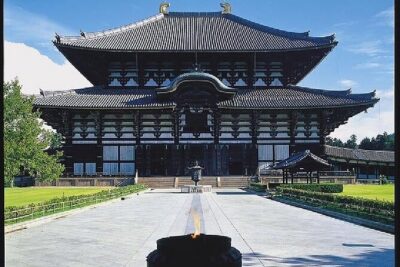
Nara, Fushimi Inari Taisha, Arashiyama Bus Tour
Read our review →
Arashiyama, Nara & Fushimi Inari Shrine w/Lunch
Read our review →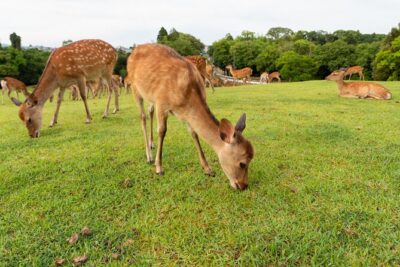
Full Day Guided Tour to Kyoto and Nara from Osaka by Van
Read our review →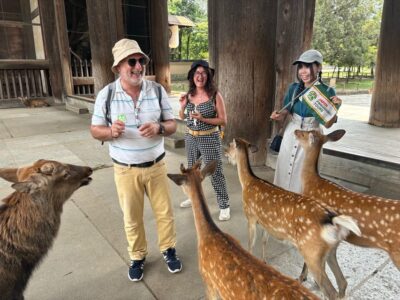
Nara Park, Osaka & Kobe from Kyoto Full Day tour
Read our review →Also filed under