
Reviewed · NARA & DEER PARK DAY TRIPS
Full Day Guided Tour to Kyoto and Nara from Osaka by Van
Kyoto and Nara feel like a whole story here. You get hassle-free pickups in Osaka and entry fees included, plus WiFi and bottled water in a small, air-conditioned van. The one catch is the day is full, so you’ll need comfortable shoes for a fair amount of walking.
This tour runs about 7 to 8 hours starting at 9:45 am, with a real rhythm: shrine and gates, Kyoto streets for lunch and browsing, then Nara’s deer and the big Buddha sites. You’re not just passing landmarks, you’re moving between them with an English-speaking guide who helps you focus on what matters most.
In This Review
- Key highlights that matter
- Osaka to Kyoto, the easy start that sets the tone
- Fushimi Inari Taisha, the gates you’ll actually understand
- Gion on your schedule, lunch and browsing with guardrails
- Nara Park deer time is fun, but be smart about it
- Todaiji and Nandaimon, the big Buddha scale effect
- The schedule reality, timing, and how to get the most
- What the price covers, and whether it’s good value
- Who should book this Osaka to Kyoto and Nara van tour
- Should you book this Kyoto and Nara guided tour?
- FAQ
- How long is the full day guided tour to Kyoto and Nara?
- What time does the tour start, and how do I meet the group?
- Is pickup offered from Osaka?
- Are entry fees included for the attractions?
- Is lunch included?
- What’s included in the van during the trip?
- How many people are in the group?
- Do I need good weather for the tour?
- Is there a place for a bathroom stop?
Key highlights that matter
- Up to 11 people keeps the day feeling human, not like a cattle line
- Two Osaka meeting points (Shinsaibashi or Umeda DT Tower) makes pickup simple
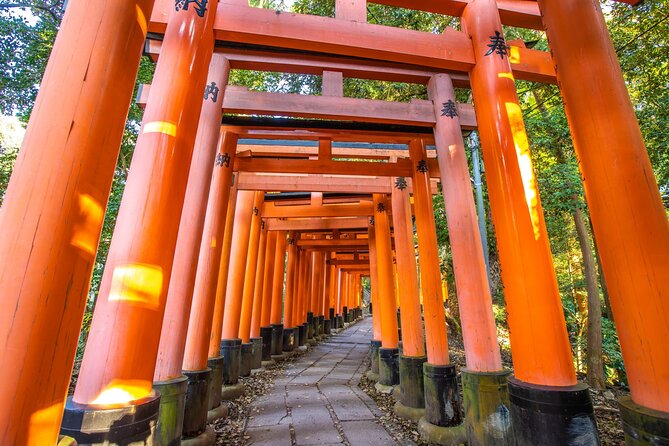
- Fushimi Inari Taisha time with a guide helps you see more than the postcard path
- Gion break for lunch and wandering gives Kyoto room to breathe
- Nara Park deer feeding is the fun, a little chaotic, and very memorable
- Todai-ji plus Nandaimon delivers serious scale in a short window
Osaka to Kyoto, the easy start that sets the tone
The best part of this day trip is how little friction you deal with. You meet in central Osaka, either around Shinsaibashi or Umeda DT Tower, then you’re off by van with an air-conditioned ride that takes the stress out of intercity travel. It’s also a smart call if you want to skip timed transfers and station-to-station hassle.
Once you’re rolling, the pacing is practical. You’ll spend about an hour traveling to Kyoto, then you start working through the highlights without feeling rushed in the way public transit sometimes forces. The van also helps with energy. You get bottled water, onboard WiFi, and a quick reset between stops. On a long sightseeing day, that matters more than you might think.
The group size is capped at 11 travelers, which usually means you can hear your guide without shouting and you can actually ask questions when something comes up. Guides on this tour vary by day, but names that show up often in the experience include Taka, Woody, Jin, Andy, and others. What they have in common is clear, friendly communication, and they tend to share tips that make your photo stops and walking routes feel smoother.
One consideration: this is still a full day. Even with a van, you’re moving between major sights, including temples and shrine areas where the ground can be uneven and the walking adds up. If you’re sensitive to long days, plan for breaks and bring water habits into your routine.
Fushimi Inari Taisha, the gates you’ll actually understand
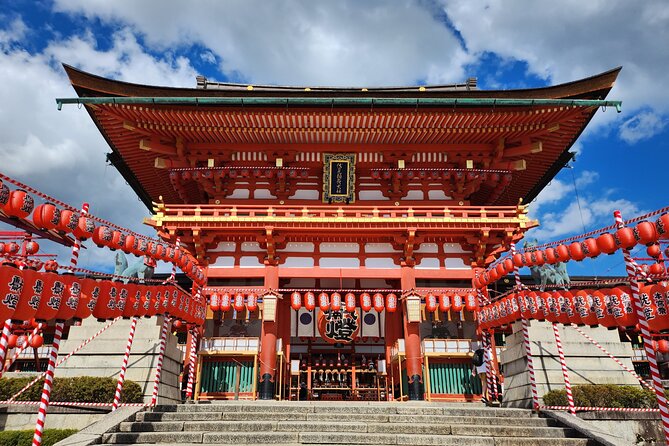
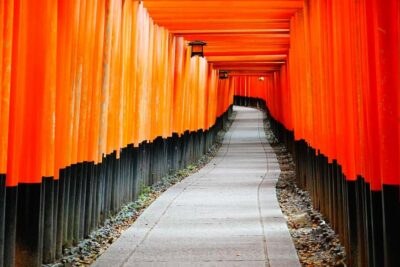
Fushimi Inari Taisha is the reason most people put Kyoto on the map. This tour gives you real time there, about 1.5 hours, so it’s not just a quick look at the first stretch of torii gates.
Why a guided stop matters: the shrine is famous, but it’s also full of layers. A good guide helps you understand what you’re looking at and why the place became such a powerhouse of symbolism. You’ll learn basics like the shrine’s origin and its role in worship tied to Inari, the Shinto god associated with rice. That context helps the experience click instead of turning into a forever line of gates.
You’ll be walking, and it’s a climb. You don’t need to go all the way to the far points to get the classic effect, but you should expect some ups and downs and photo stops along the way. If you want the best rhythm, aim to move steadily, stop often for shots, and don’t burn all your energy at gate one.
Practical tip: wear shoes with grip. Inari paths can get slick depending on weather. Also, bring light layers if it’s warm. Even in Kyoto, the sun can hit hard, and that climb can turn a short walk into a workout.
Deer that bow back, a short ride away
- Osaka/Kyoto:Kinkakuji,Arashiyama,FushimiInariShrine,NaraPark
★ 4.1 · 1,596 reviews - Kyoto/Osaka: Nara, Fushimi Inari Taisha, Arashiyama Bus Tour
★ 4.7 · 1,275 reviews - Osaka/Kyoto: Arashiyama, Nara & Fushimi Inari Shrine w/Lunch
★ 4.4 · 754 reviews - Kyoto and Nara Day Trip from Kyoto
★ 4.5 · 445 reviews
Gion on your schedule, lunch and browsing with guardrails
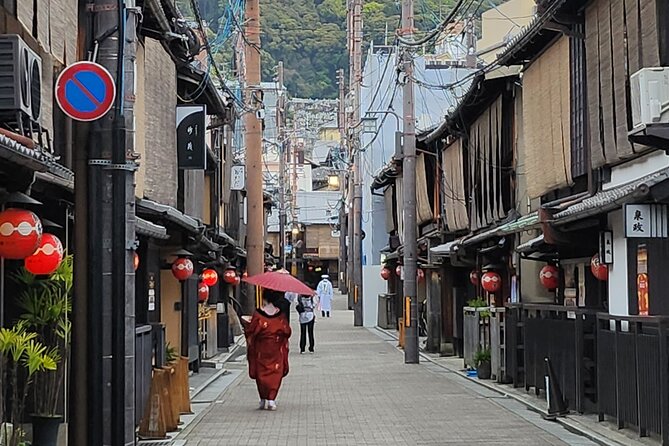
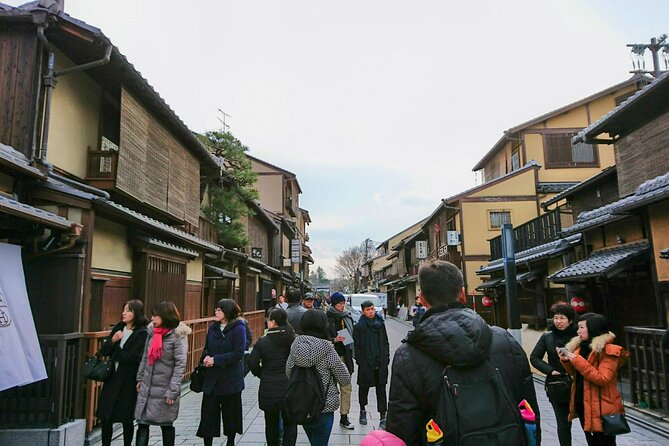
After Inari, the tour lands you in Gion, Kyoto’s historic district vibe. You’ll have about 1.5 hours here, which is a nice middle ground. It’s long enough to stroll, stop for photos, and actually eat, but short enough that you won’t lose the day to wandering.
This is one of the most useful blocks of time because it’s not only sightseeing. You’ll get free time for lunch in a designated area, meaning you can choose what suits your tastes and budget. Some people want something quick, others want a sit-down meal. Either way, having a guide and a schedule keeps you from wasting time hunting for food far from the group.
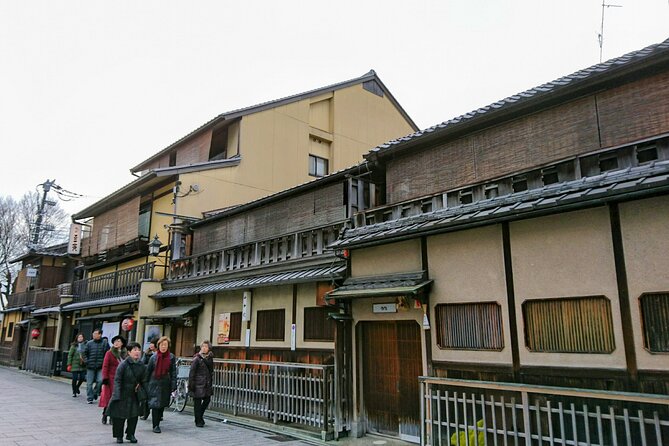
Gion also gives you that Kyoto texture: wooden facades, narrow streets, and the sense of a place that’s kept its style even as the city grew around it. You might catch small moments rather than one big “wow” landmark, and that’s part of the charm.
A drawback to consider: Gion can be crowded, and your time is limited. If you want the quiet version of Kyoto, you’ll need to be strategic with timing and steps, and a guide can help you move in the right direction. If rain hits, your priorities might shift to sheltered streets and quick photo moments.
Nara Park deer time is fun, but be smart about it
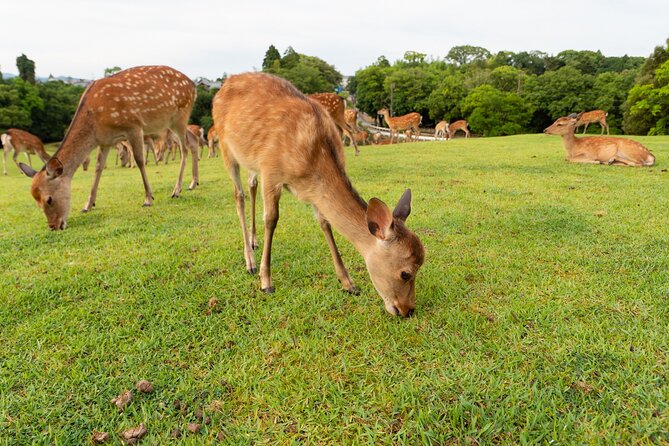
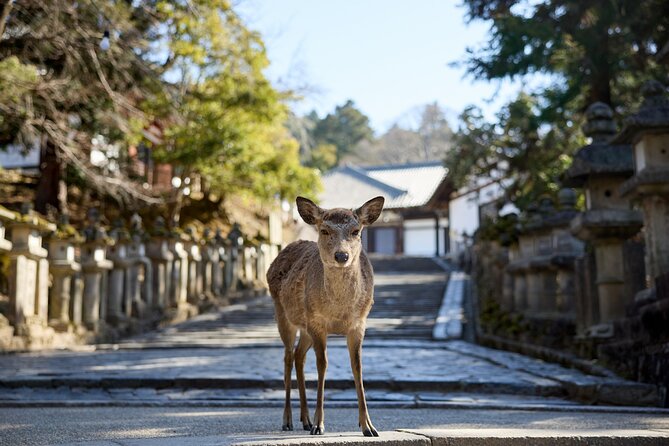
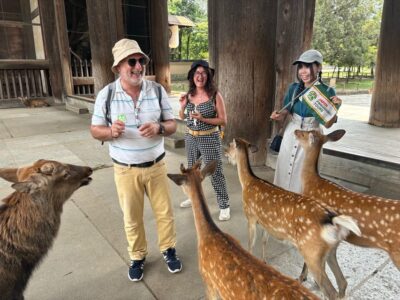
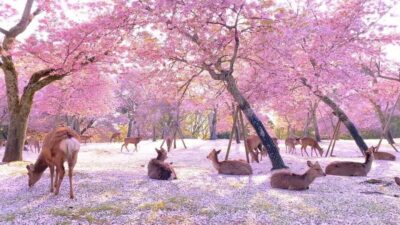
Then it’s off to Nara Park, about 20 minutes focused on the deer experience. This is the part many people come for, and it’s usually a highlight: you’ll see the famous deer, and your conductor will help with feeding and the basics of how the deer act in the park.
Here’s the reality: deer are animals. They look calm, and they can also get pushy if you’re holding crackers or acting uncertain. The best move is simple. Keep your hands controlled, follow your guide’s cues, and don’t assume every deer is friendly. If a deer circles you, step back and let it pass.
You’ll likely see vendors selling crackers, which is the typical way people feed the deer. Since time is short, think of this as a quick “meet the icons” moment, not a long wildlife hangout. You’ll enjoy it most if you stay engaged but don’t get stuck in one spot trying to get the perfect photo.
Also, wear bug spray if you tend to get bothered easily. Outdoor parks can mean insects in warmer months, and that’s just practical travel logic.
Todaiji and Nandaimon, the big Buddha scale effect
Your next stop is Todai-ji Temple, with about 40 minutes there. This is where the tour changes from walking-and-photos to awe-and-scale. Todai-ji includes the Great Buddha Hall, and the whole site is designed to impress you the second you step in.
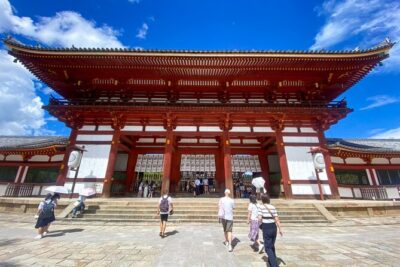
The tour also works in another key viewpoint: Todai-ji Nandaimon, the Grand South Gate, in a shorter 10-minute pass. Even if you’re not a gate person, it’s a powerful photo and orientation moment. It frames the approach and helps you understand how the temple complex is meant to be experienced as a sequence.
Why I like pairing these stops: the gate gives context, then the main temple hits you with scale. It makes the architecture feel like it has purpose instead of being just a stop you tick off. A guide can help you see what to look for fast: the layout, the main structures, and the sense of why this temple became such a landmark.
One caution: temple interiors can require quiet and mindful movement, and some areas involve stairs or uneven flooring. That’s normal, but don’t treat it like an easy stroll. You’ll be happiest if you pace yourself, take a few photos, then spend a moment just looking.
The schedule reality, timing, and how to get the most

This is a “highlights” day, not a slow Kyoto or slow Nara day. You’re moving through multiple major zones, and that’s the trade. The van saves your legs between cities, but it doesn’t cancel the walking inside each site.
A typical rhythm looks like this: morning meetup in Osaka, roughly an hour to Kyoto, then shrine and streets, then travel to Nara for deer and the big temple complex. There’s also a short bathroom break at Yumekaze Plaza in Nara, about 15 minutes, before you head back toward Osaka.
That bathroom window is worth appreciating. On a full day with famous sights, the most annoying thing is running out of time at the wrong moment. Here, the tour builds in an actual pause so you’re not scrambling.
For lunch, you’ll have free time in the Gion area. Lunch is not included, so you’ll pay on your own. The advantage is flexibility. You can choose simple, local, or something more familiar if your group likes that. The disadvantage is you have less time than a standalone meal plan, so decide early and don’t try to turn lunch into a two-hour expedition.
My advice: keep your day simple. Bring a small bag with water, a phone charger if you use maps, and a light layer. If it rains, be ready for damp surfaces at shrine and temple grounds. Good shoes beat fancy shoes every time.
A quieter way to spend a day in Kyoto

What the price covers, and whether it’s good value
At $106.12 per person, this tour sits in the “pay for convenience” category. You’re paying for transportation by van, a guide in English, onboard WiFi and bottled water, air-conditioning, and the big thing tourists often underestimate: all sightseeing entry fees are included.
That combination is usually where the value comes from. If you tried to do Kyoto and Nara on your own, you would still pay for entry tickets at the major sites, plus you’d spend time coordinating transit. Time is the hidden cost, especially if you only have one day.
The tour also caps group size at around 11, which affects comfort and how quickly you can move through each location. It’s not just a number. Smaller groups help you keep your bearings, hear instructions, and avoid waiting endlessly before you can get moving again.
What’s not included is lunch and gratuity. Lunch is on you, and that’s normal for tours that aim to keep choices open. If you’re the type who wants to pre-book meals or follow a specific restaurant plan, this format might feel looser than you prefer. Still, the free time in Gion is usually enough to find something satisfying without derailing the day.
Who should book this Osaka to Kyoto and Nara van tour
This tour is a strong match if you want a structured, efficient day and you prefer not to think about train schedules. I think it works especially well for:
- First-time visitors to Kyoto and Nara who want the key highlights in one go
- Families or mixed-age groups who benefit from a small-van setup and planned stops
- People traveling solo who want a guide to explain what you’re seeing, without feeling trapped in a rigid script
- Anyone who hates long station transfers and wants comfortable AC during intercity travel
It might feel less ideal if you love slow travel, you want long stays in one neighborhood, or you’re trying to do everything at a relaxed pace. This is designed for motion and key sights, not for staying deep in one place.
Also, if you’re very sensitive to walking, plan for the reality that temple and shrine areas are not flat, and time at each site is limited. The good news is the tour structure includes short breaks, like the bathroom stop at Yumekaze Plaza.
Should you book this Kyoto and Nara guided tour?
I’d book it if your goal is to see Kyoto and Nara highlights without spending your precious time figuring out logistics. The van, the small group size, the included entry fees, and the built-in guide guidance make this feel like a smart use of one day.
If you do book, go in with the right expectations. Wear comfortable shoes, keep your lunch decision simple, and be ready for animal chaos at Nara Park in a fun way. And if your guide ends up being someone like Taka, Woody, Jin, Andy, or Kata, you’re likely to get friendly storytelling and practical direction that makes the day feel smoother.
If you want a calm, slow, one-neighborhood-at-a-time Kyoto experience, then you might choose a different style of travel. But if you want a single-day hit list with real context, this one delivers.
FAQ
How long is the full day guided tour to Kyoto and Nara?
The tour runs about 7 to 8 hours.
What time does the tour start, and how do I meet the group?
The start time is 9:45 am. You meet your conductor at either Shinsaibashi or Umeda DT Tower in Osaka.
Is pickup offered from Osaka?
Yes. Pickup is offered from two central Osaka meeting points: Shinsaibashi or Umeda DT Tower.
Are entry fees included for the attractions?
Yes. All fees and taxes are included, and admission tickets for the listed stops are included in the tour.
Is lunch included?
Lunch is not included. You’ll have free time in a designated area in Gion to choose your own lunch spot.
What’s included in the van during the trip?
The tour includes an air-conditioned vehicle, WiFi on board, and bottled water.
How many people are in the group?
The tour has a maximum of 11 travelers.
Do I need good weather for the tour?
This experience requires good weather. If it’s canceled due to poor weather, you’ll be offered another date or a full refund.
Is there a place for a bathroom stop?
Yes. There is a quick bathroom stop at Yumekaze Plaza with about 15 minutes allotted.
New This Season
- Koyasan Day Trip by Private Car from Kyoto
- Old Port Town and Ultimate Sake Tasting Private Tour From Kyoto
- Kyoto: 5 Types of Sushi Making
- Sacred Peak & Ancient Paths: Kurama-Kibune Hiking Experience
- Kyoto’s Timeless Charm: 3hr Exploration of History and Peace
- Kyoto: Exclusive ZEN practice at Manpukuji temple in Uji
- Kyoto: Private Seasonal Aroma Yoga Class
- Traversing Kyoto’s Scenic West – Arashiyama to Kinkakuji
Nara & Deer Park Day Trips, compared.
Kinkakuji,Arashiyama,FushimiInariShrine,NaraPark
Read our review →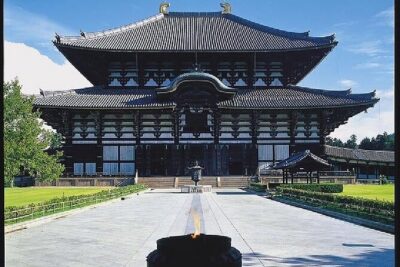
Nara, Fushimi Inari Taisha, Arashiyama Bus Tour
Read our review →
Arashiyama, Nara & Fushimi Inari Shrine w/Lunch
Read our review →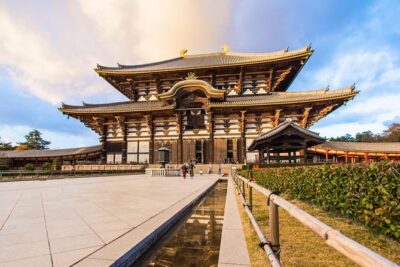
Nara Park, Osaka & Kobe from Kyoto Full Day tour
Read our review →Also filed under