
Reviewed · NIJO CASTLE VISITS
Kyoto: Nijo-jo Castle and Ninomaru Palace Guided Tour
Step into shogun politics in 60 minutes. This English guided tour makes Nijo Castle click fast, and the Ninomaru Palace access is the big payoff. I also like the short, focused format, but go in knowing the venue admission fee is not included and you may find the palace interior warm, with limits like no water and no photos.
Nijo-jo Castle is one of Kyoto’s best preserved windows into Japan’s feudal age. Built in 1603 as the Kyoto residence of Tokugawa Ieyasu, it later shifted roles after the Tokugawa shogunate ended in 1867, serving as an imperial palace before becoming a public historic site. And it is UNESCO World Heritage listed, which makes this more than just pretty architecture, it is a real political stage built to control people and impress power.
You meet at the East Main Gate and the tour runs about an hour. Earphones are provided only to paid participants, and the tour is conducted only in English, so it is an easy match if you want your history straight and your schedule simple.
In This Review
- Key highlights you should care about
- Why Nijo-jo Castle feels different from other Kyoto sights
- The 60-minute route: what you’ll see, in the order that matters
- Higashi Ote-mon Gate and Kara-mon Gate, the “control points”
- Ninomaru-goten Palace, where symbolism becomes practical
- Ninomaru Garden, the calm ring around power
- The feudal architecture details that the guide helps you actually notice
- Room purpose and daily life, not just big dates
- The castle layout, so you stop guessing
- Gate and palace details, read as messages
- Guides in English: pace, clarity, and why small-group energy matters
- Price and value: what the $16 does and what you still need to pay
- Practical tips for comfort inside the Ninomaru Palace
- Timing check: closures that affect your plan
- Should you book the Nijo-jo Castle and Ninomaru Palace guided tour?
- FAQ
- How long is the Kyoto Nijo-jo Castle and Ninomaru Palace guided tour?
- Is the Nijo-jo Castle admission fee included in the $16 tour price?
- What language is the tour guide?
- Where do I meet the guide?
- What parts of the castle are included in the tour?
- Are earphones provided during the tour?
- Can I bring a child for free?
- Are there days the tour is affected by closures?
Key highlights you should care about
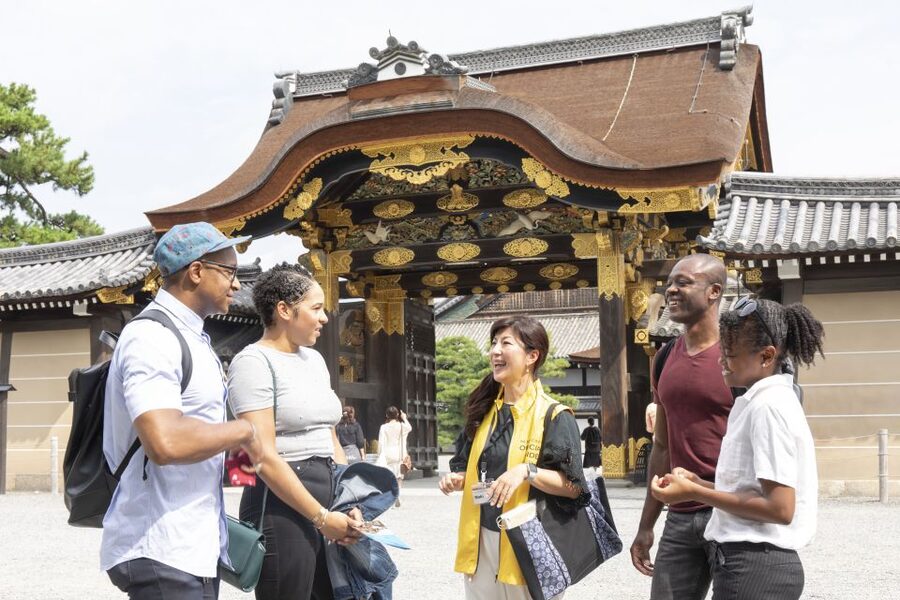
- Ninomaru Palace is the star, and you get into the areas a regular visit often misses
- Clear English guiding, with staff and guides like Ayu, Kaoru, Ai, and Miki earning frequent praise for pacing and explanations
- Feudal design you can spot in minutes, from gates and rooms to symbolism in the palace interiors
- Honmaru, Ninomaru, and gardens are framed, so the layout makes sense instead of feeling like a maze
- A compact 60-minute format, ideal if you want value without losing half your day in lines
Why Nijo-jo Castle feels different from other Kyoto sights
Kyoto has plenty of temples and shrines, but Nijo-jo is something else. This place was built for governance. It was a residence, an office, and a public statement of who held the reins of Japan in the Edo Period.
If you only wander on your own, you might admire the architecture, then move on. With a guide, you start to understand the castle as a system. The three main sections, Honmaru (the main circle of defense), Ninomaru (the secondary circle of defense), and the surrounding gardens, help you see how movement and visibility were planned.
One reason this guided experience scores so well is that it does not drown you in trivia. It helps you connect details. Why the gates are where they are. Why certain rooms matter. Why decorative choices are not just decoration. That is how you turn a famous building into something you can actually picture.
Also, the Ninomaru Palace is the centerpiece. It served as the shogun’s residence and office during visits to Kyoto, and it remains intact in a way that makes it feel like you are stepping into an operating room for power.
The 60-minute route: what you’ll see, in the order that matters
This is a short tour by design, so every stop is chosen to explain the biggest ideas.
You start by entering through the East Main Gate and gathering at the reception area next to the General Reception, on the left side after you enter. The guide keeps the group together, which matters here because this is a busy site. In hot weather, it also helps you not waste time wandering without a plan.
From there, your guided path includes these key elements:
Nightingale floors that sing when you walk
- Kyoto: Nijo Castle, Kiyomizu & Fushimi Inari Guided Tour
★ 4.7 · 700 reviews - Kyoto: Nijo, Kinkaku-ji, Arashiyama, Kiyomizu & Fushimi Inari
★ 5.0 · 699 reviews - Kyoto: Imperial Palace & Nijo Castle Guided Walking Tour
★ 4.7 · 453 reviews - Kyoto: Nijo Castle World Heritage Guided Tour with Admission
★ 5.0 · 128 reviews
Higashi Ote-mon Gate and Kara-mon Gate, the “control points”
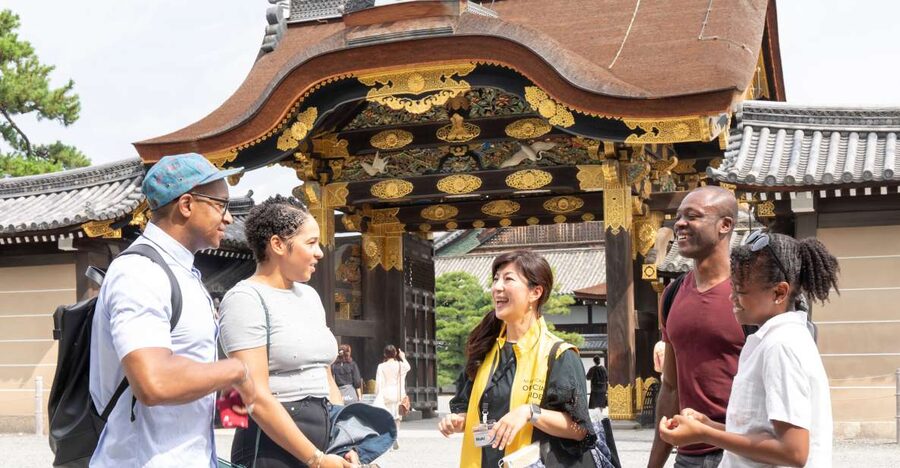
Gates in a Japanese castle are not just entrances. They are checkpoints. They help regulate who gets to see what, and when. When your guide points out these choke points, you start noticing sight lines and how movement would have worked for attendants, officials, and visitors in the shogun’s orbit.
The included route typically highlights the Kara-mon Gate as you approach the Ninomaru area. This is one of those moments where architecture becomes story. The guide helps you read the gate as part of the castle’s social order, not just a landmark photo spot.
Ninomaru-goten Palace, where symbolism becomes practical
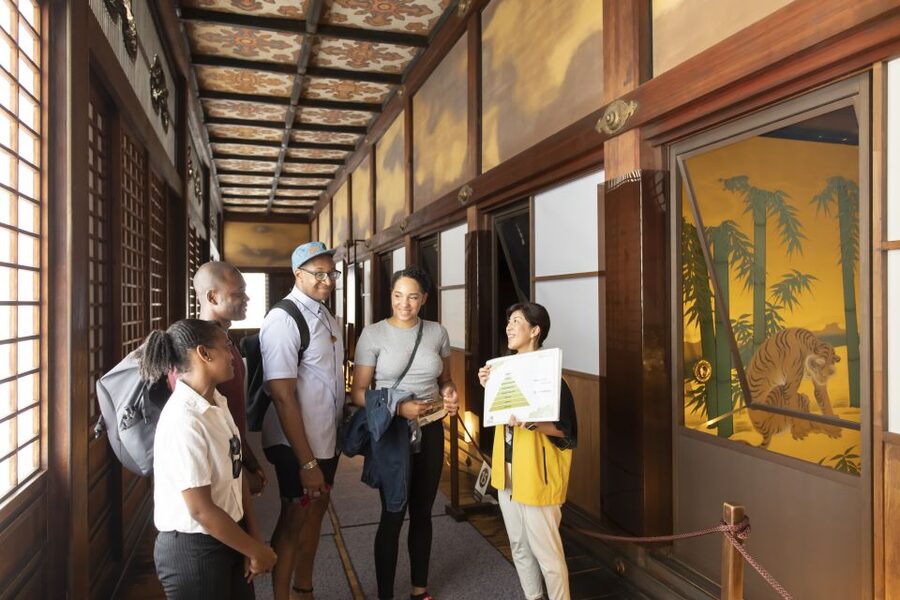
The main focus is the Ninomaru Palace. This is where the shogun’s residence and office roles overlap. You are not walking through a museum set. You are moving through spaces that were designed for audience, authority, and daily political life.
Guides often explain the function of rooms, and that changes your experience. You stop thinking, this looks impressive, and start thinking, this was built for a specific job. One strong theme from multiple guides, including Kaoru and Don, is that they break down what each space would have been used for, so the palace feels logical instead of mysterious.
Ninomaru Garden, the calm ring around power
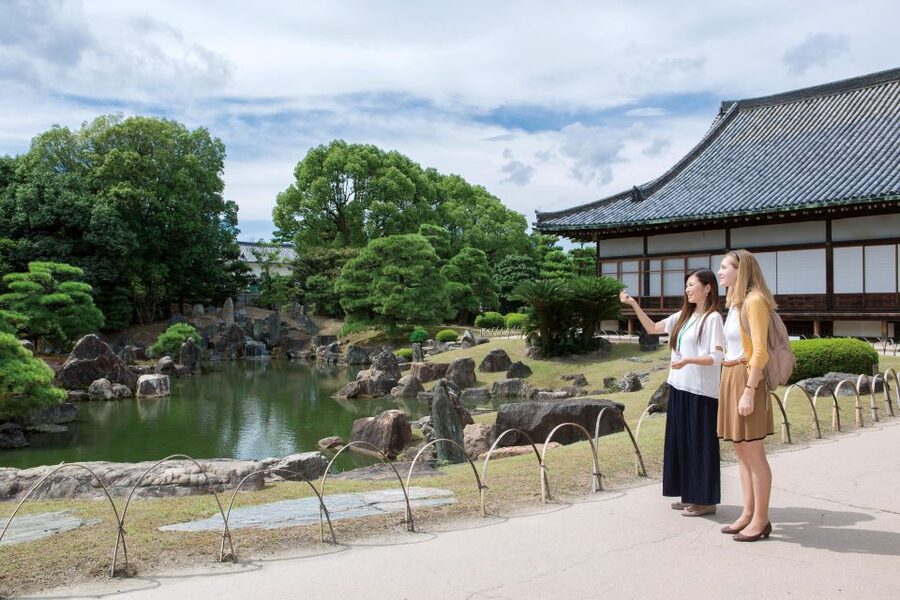
After the palace focus, you move into the Ninomaru Garden. This is a smart way to balance the experience. Gardens are not an afterthought. In a castle complex, they soften the edges while still reinforcing order and planned circulation around the defense circles.
You will likely get enough time to appreciate the setting, and the guide’s framing can help you understand why the garden belongs to this specific defensive and residential zone, rather than feeling like a generic park stop.
The feudal architecture details that the guide helps you actually notice
Nijo-jo is often called a top example of surviving feudal-era castle architecture. But what does that mean when you are standing there in daylight with hundreds of other people?
Here is what a good guide makes obvious:
A quieter way to spend a day in Kyoto
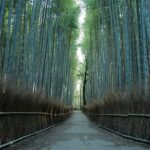

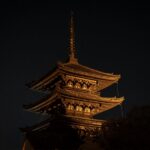
Room purpose and daily life, not just big dates
The Edo Period story can become a list of names and years fast. Guides like Miki and Ai tend to connect the timeline to the spaces you are seeing now. Instead of just saying shoguns lived here, they point out how different rooms supported a residence plus an office, so politics and routine feel linked.
The castle layout, so you stop guessing
The site is divided into the Honmaru and Ninomaru defense circles, plus gardens around both. The guided framing matters because it gives you a mental map. You start understanding that you are moving between layers of access and authority, not just walking across grounds.
Gate and palace details, read as messages
The included stops, especially around the palace approach, are where decoration and structure work together to signal power. People often come in thinking only about military history. This tour helps you see it as a political center, where architecture communicates rank and control.
One practical benefit: once you know what to look for, you can keep noticing after the hour ends. That is a real value win.
Guides in English: pace, clarity, and why small-group energy matters
This tour is live and conducted only in English. Earphones are provided to paid participants, and your guide keeps the group together so you hear the explanations without chasing people through crowds.
What stands out from the guide experiences associated with this tour is consistency in delivery. Guides such as Ayu, Kaoru, Ai, and Miki are praised for clear explanations and good pacing. That shows up in how the tour feels: it is not rushed, and it is not a lecture where you lose track.
In small groups, the guide can slow down when questions pop up. If you like asking why something was built a certain way, you will probably enjoy the atmosphere more than in a large group setting.
One small consideration: because the tour is one hour, you do not get a long, unhurried drift. You get a guided path with enough context to make the palace meaningful, but it is still a structured visit.
Price and value: what the $16 does and what you still need to pay
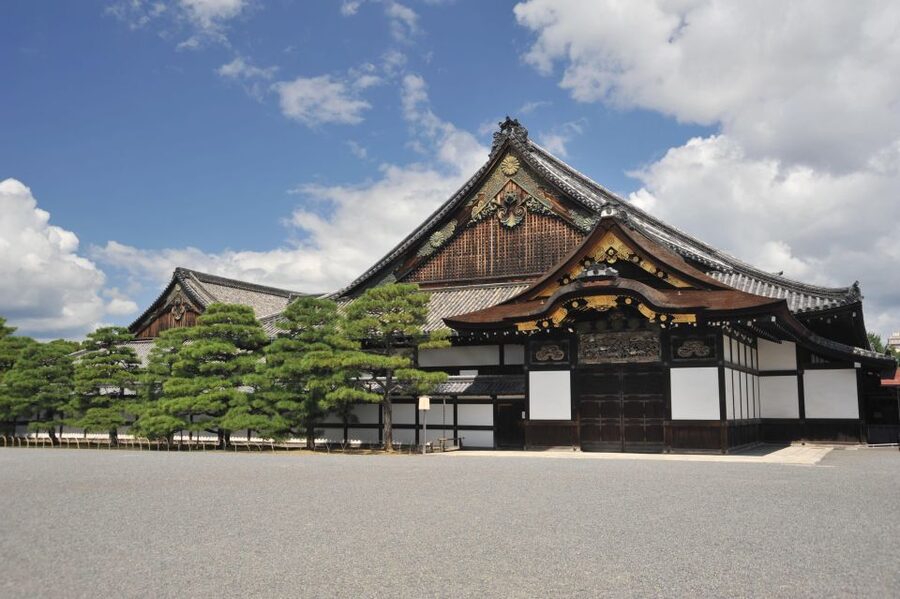
The tour price is $16 per person for a 60-minute guided experience, and the included portion covers the guided visit through the featured gates, the Ninomaru-goten Palace, and the Ninomaru Garden.
What is not included is the Nijo-jo Castle admission fee. You pay that with cash on site. You should also budget for transportation to the castle area.
So is it worth it? In my view, the value comes from two places:
- You are paying for interpretation, not just entry. The guide helps you understand the function and symbolism of the spaces, which you would likely miss on your own.
- The tour format includes access to parts that are normally unavailable to the public, which is hard to replicate by doing everything independently.
If you already know a lot of Japanese history and you enjoy self-guided wandering, you might feel less urgency. But if you want the biggest payoff from a limited time slot in Kyoto, this is a strong deal.
Practical tips for comfort inside the Ninomaru Palace
This is a castle, but it is also an indoor palace experience in parts. A few practical points make your visit smoother:
- Bring a water bottle outside, since at least one guide-related experience noted no water inside. You can rehydrate before and after.
- Expect warmth during peak summer heat, since the palace interiors can feel hot. Plan your clothing accordingly.
- Photography rules can apply inside the palace. One experience noted no photos allowed inside, so if you are a heavy camera person, plan to shoot outside and during garden viewing instead.
- If you need earphones for better listening, remember they are provided only to paid participants. If traveling with kids, the details matter: each paid participant can bring one child aged 0-12 for free, and the child must be accompanied by an adult.
Also, do not stroll in late. You will not be able to join if you are not present when the tour begins. Arriving a bit early is the easiest way to keep your day stress-free.
Timing check: closures that affect your plan
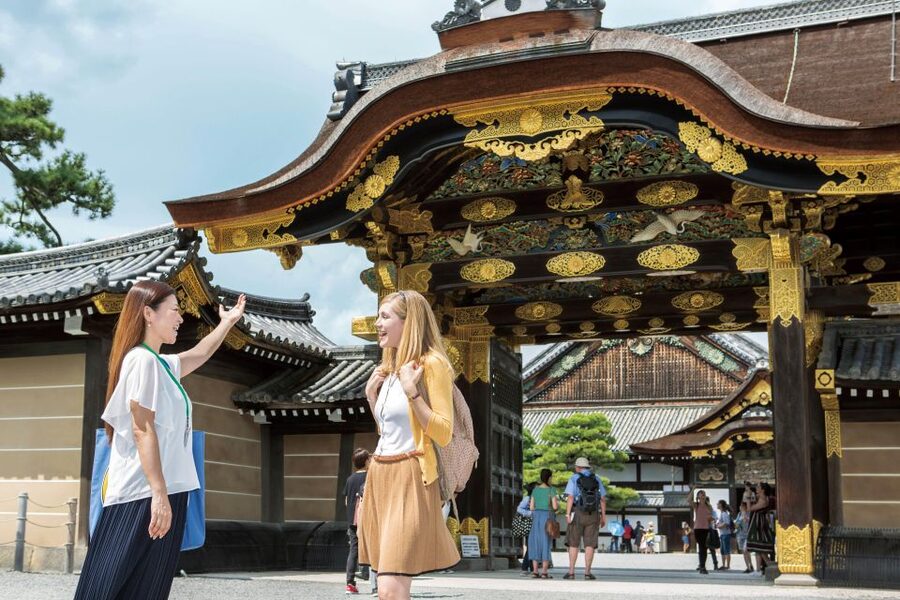
The tour runs based on availability and the castle has regular shutdown days. Nijo-jo is closed on every Tuesday of July, August, December, and January. It also closes from December 26 to January 3 due to the closure of Ninomaru Goten.
This matters because the palace is the centerpiece. If your Kyoto dates land on a closure day, you may have to adjust your schedule or pick a different day.
Should you book the Nijo-jo Castle and Ninomaru Palace guided tour?
Book it if you want the best use of an hour. This is ideal for first-time Kyoto visitors who want a focused lesson in feudal architecture and shogun-era political life, without turning it into a half-day project.
Skip it only if both of these are true: you do not care about guided interpretation and you plan to spend more time wandering the broader castle grounds on your own. If you want context, this tour gives you more than a checklist of sights. It helps you read the castle as a designed system for authority.
One final thought: if you are the type who loves details, this tour rewards you. After the hour, you will recognize parts of the complex faster, and the palace will feel less like scenery and more like history with purpose.
FAQ
How long is the Kyoto Nijo-jo Castle and Ninomaru Palace guided tour?
It lasts about 1 hour.
Is the Nijo-jo Castle admission fee included in the $16 tour price?
No. Venue admission fees are not included and must be paid with cash on site.
What language is the tour guide?
The tour is conducted only in English.
Where do I meet the guide?
Meet at the Nijo Castle Tour Ticket Booth, enter through the East Main Gate, and gather at the reception area next to the General Reception (left side after entering). You are also instructed to notify staff at the reception.
What parts of the castle are included in the tour?
The included route covers the Higashi Ote-mon Gate, Kara-mon Gate, Ninomaru-goten Palace, and the Ninomaru Garden.
Are earphones provided during the tour?
Yes, earphones are provided to paid participants.
Can I bring a child for free?
Each paid participant can bring 1 child aged 0-12 to join for free, and the child must be accompanied by an adult.
Are there days the tour is affected by closures?
Nijo-jo is closed on every Tuesday of July, August, December, and January, and it is closed from December 26 to January 3 due to the closure of Ninomaru Goten.
New This Season
- Koyasan Day Trip by Private Car from Kyoto
- Old Port Town and Ultimate Sake Tasting Private Tour From Kyoto
- Kyoto’s Timeless Charm: 3hr Exploration of History and Peace
- Kyoto: 5 Types of Sushi Making
- Sacred Peak & Ancient Paths: Kurama-Kibune Hiking Experience
- Kyoto: Exclusive ZEN practice at Manpukuji temple in Uji
- Kyoto: Private Seasonal Aroma Yoga Class
- Traversing Kyoto’s Scenic West – Arashiyama to Kinkakuji
Nijo Castle Visits, compared.
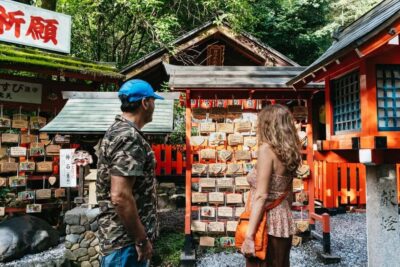
Nijo Castle, Kiyomizu & Fushimi Inari Guided Tour
Read our review →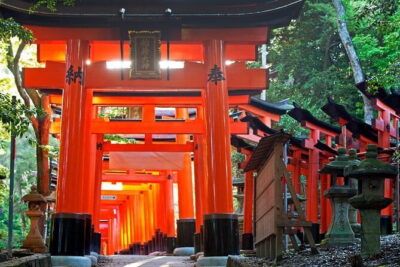
Nijo, Kinkaku-ji, Arashiyama, Kiyomizu & Fushimi Inari
Read our review →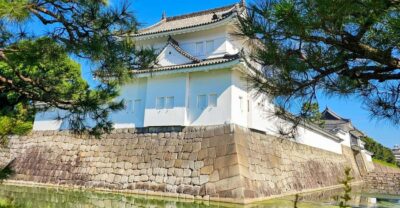
Imperial Palace & Nijo Castle Guided Walking Tour
Read our review →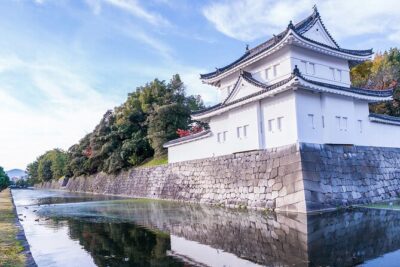
Nijo Castle World Heritage Guided Tour with Admission
Read our review →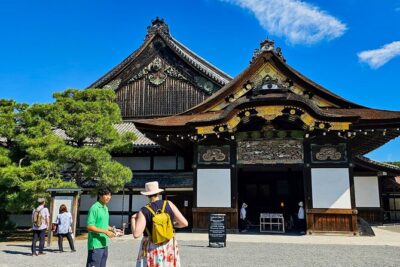
Kyoto Imperial Palace & Nijo Castle Guided Walking Tour – 3 Hours
Read our review →
Nijo Castle and Kyoto Imperial Palace Guided Tour
Read our review →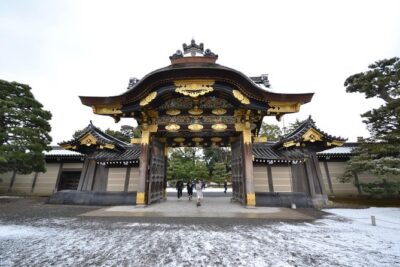
Nijo Castle and Imperial Palace Visit with Guide
Read our review →
Golden Pavilion, Nijo Castle, & Nishiki Market Half day tour
Read our review →Also filed under