
Reviewed · NIJO CASTLE VISITS
Kyoto: Nijo Castle and Kyoto Imperial Palace Guided Tour
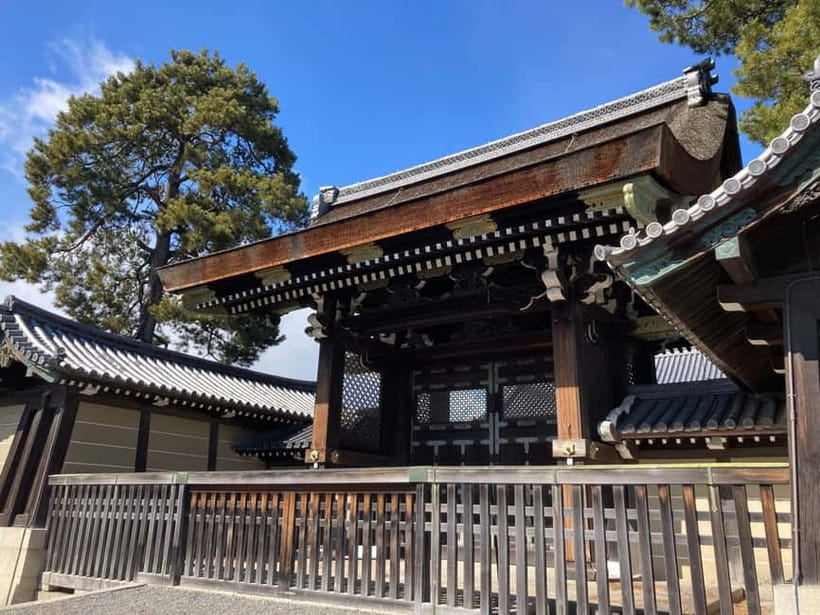
Kyoto politics lives in wood and stone. This 3-hour tour makes that idea easy to see, with Nijo Castle showing the shogunate’s power and Kyoto Imperial Palace showing the emperor-centered side of Japan’s past. What I like most is how your guide turns buildings into stories, and how the day naturally mixes big landmark moments with calmer garden scenes and street views.
One thing to plan around: access at the Imperial Palace can be limited on some days, so you might end up seeing more exteriors than interiors. Also, this is a walking-focused visit, and shorts are not allowed, so dress with that in mind.
In This Review
- Key highlights you will feel right away
- Meeting at the Nakadachiuri Gate, then walking with purpose
- Nijo Castle and the Tokugawa message in architecture
- The Kyoto street walk: townhouses, seasonal spots, and culture talk
- Kyoto Imperial Palace: emperor-centered setting and seasonal gardens
- What the guides do so well: history, politics, and clear explanation
- Price and value: why $63 can be a smart deal for a 3-hour day
- Practical tips for your day: what to bring and how to dress
- Who should book this guided walk?
- Should you book it or skip it?
- FAQ
- How long is the Kyoto Nijo Castle and Imperial Palace guided tour?
- Where is the meeting point?
- How big is the group?
- What’s included in the admission tickets?
- What languages are available for the live guide?
- What should I bring?
- Are shorts allowed?
- Is this tour suitable for pregnant women?
- Do I pay immediately when I book?
- What is the cancellation policy?
Key highlights you will feel right away
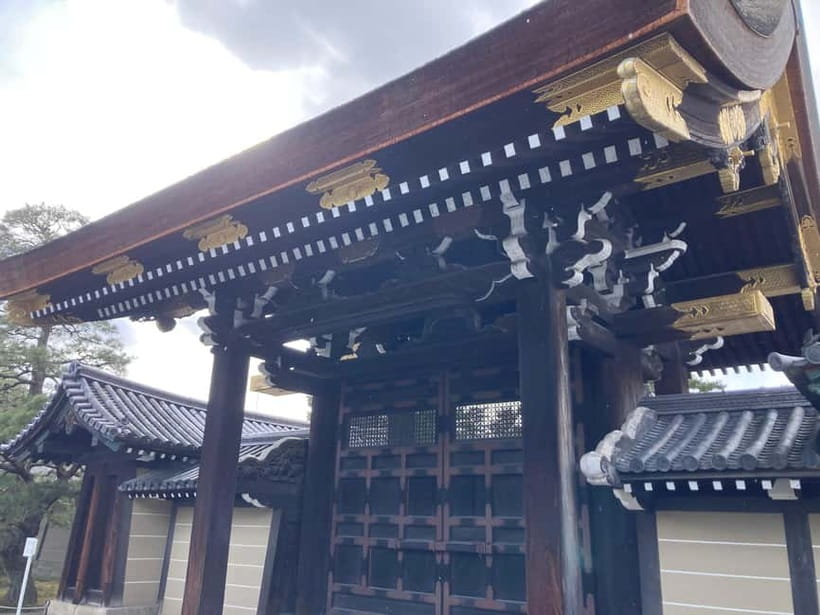
- Nijo Castle and Ninomaru Palace tickets included, so you are not hunting for add-ons on the spot
- Tokugawa Ieyasu context that explains what the castle was meant to project
- Kyoto Imperial Palace gardens in season, with beauty that changes through the year
- Small group size (up to 9) keeps questions and photo stops from feeling rushed
- Guides like Kayo, Nene, Taku, and Goku get praised for clear explanations and good humor
Meeting at the Nakadachiuri Gate, then walking with purpose
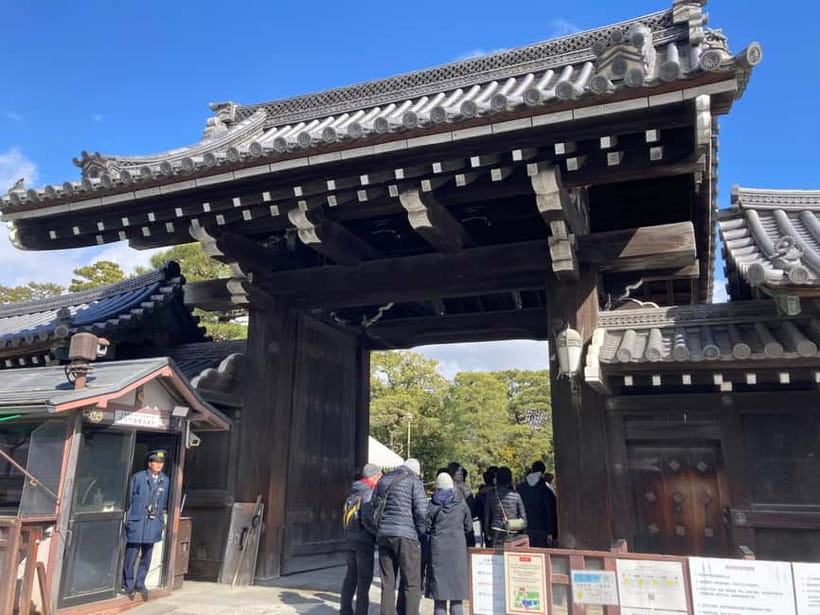
You start at the Nakadachiuri Gate of the Kyoto Imperial Palace. It is a helpful anchor point, especially if you are juggling multiple Kyoto sights in one day. Right before the tour, the operator contacts you in advance with guidance on what your guide will look like and what they will be wearing, so you can spot them quickly and move on.
This is a small group tour, capped at 9 participants. That matters more than it sounds. In Kyoto, group tours can get crowded fast, and it becomes harder to stop and ask follow-up questions. Here, the format makes it easier to pace yourself and actually understand what you are seeing.
The tour runs about 3 hours, so it has a tight, efficient rhythm. Think of it as a curated history walk rather than a long, everything-and-the-kitchen-sink tour. If you like getting your bearings fast, this format works.
Nijo Castle and the Tokugawa message in architecture
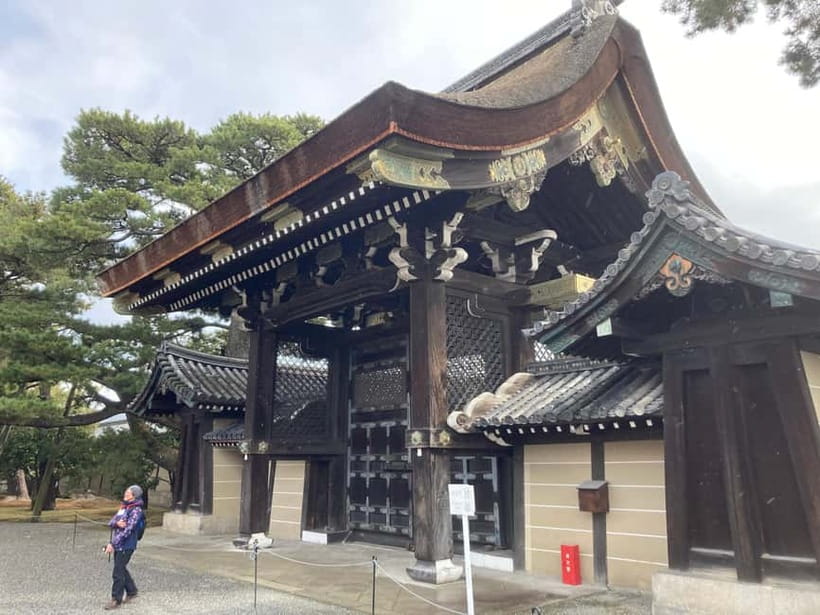
Nijo Castle is where the tour shifts into power and authority mode. Built by Tokugawa Ieyasu, the castle is presented as a symbol of control, not just a pretty historic site. I like that the guide does not treat it like a static museum stop. Instead, you get architectural and political context, so the lavish interiors and intricate details start making sense as messages.
One practical advantage: admission is included, including entry for Nijo Castle and Ninomaru Palace. That means you spend your time learning, not queue-managing. The tour also includes an Art Gallery ticket. Even if you are not an art fanatic, it helps break up the day and gives you a wider view of how aesthetics and power sat side by side.
Here is what tends to click for many people on this stop:
- You are shown how the design communicates hierarchy and official authority.
- You learn about the political climate tied to the era of Tokugawa Ieyasu, which helps you understand why the castle is staged the way it is.
- You get a walking pace that lets you pause for photos while still keeping momentum.
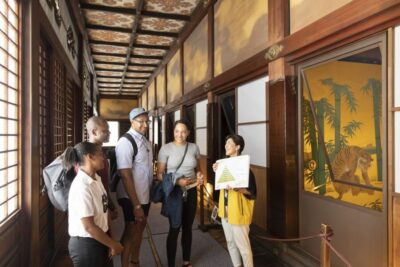
Guides often tailor their storytelling style. Kayo, for example, gets praised for being both very informative and funny, and Nene earns repeat mentions for explaining the Imperial Palace and Nijo Castle clearly and engagingly. If you like history told with personality, you are likely to enjoy this portion.
Nightingale floors that sing when you walk
- Kyoto: Nijo-jo Castle and Ninomaru Palace Guided Tour
★ 4.7 · 1,020 reviews - Kyoto: Nijo Castle, Kiyomizu & Fushimi Inari Guided Tour
★ 4.7 · 700 reviews - Kyoto: Nijo, Kinkaku-ji, Arashiyama, Kiyomizu & Fushimi Inari
★ 5.0 · 699 reviews - Kyoto: Imperial Palace & Nijo Castle Guided Walking Tour
★ 4.7 · 453 reviews
The Kyoto street walk: townhouses, seasonal spots, and culture talk
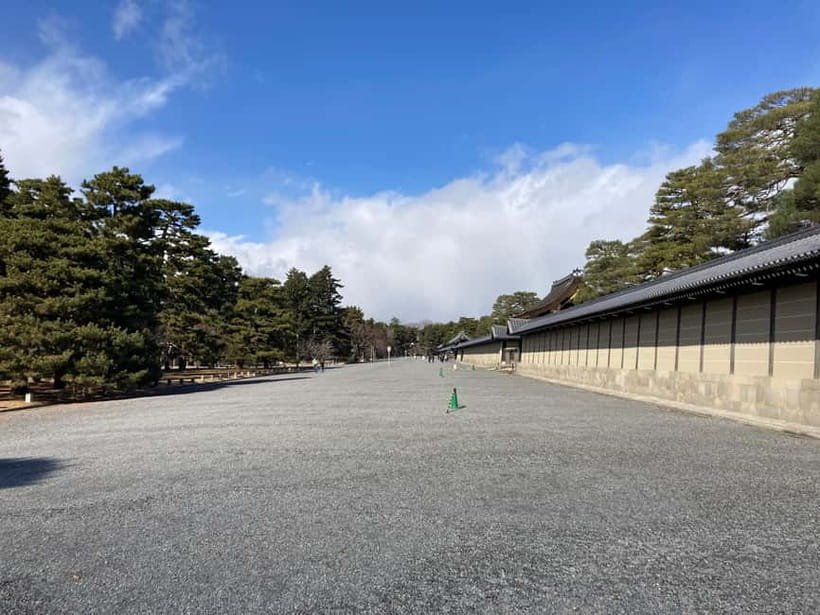
Between big-ticket sights, Kyoto’s streets do their job. This tour uses the walking time well, turning the in-between areas into part of the experience rather than dead time. You get to see charming streets and traditional townhouses, plus a spot known for cherry blossoms.
If you travel in spring, that cherry blossom moment can feel like a built-in payoff, because it connects the political and architectural story to Kyoto’s seasonal rhythms. Even outside cherry blossom season, the garden focus at the Imperial Palace later on keeps the day from feeling like pure stone-and-scrolls history.
Some guides also use the walk to connect cultures in a way that feels natural rather than forced. One example from a past group experience includes a discussion about Western and Japanese culture during a stretch that moves from the Imperial Palace area toward the Ninno-ji direction. You should not assume the exact stop layout will match every schedule perfectly, but the broader point holds: the guide uses walking time to keep the conversation going.
Also, because it is a small group, you can usually move at a comfortable pace. You can ask questions, and you can say, I want a photo there, without the whole group feeling like you are slowing them down.
Kyoto Imperial Palace: emperor-centered setting and seasonal gardens
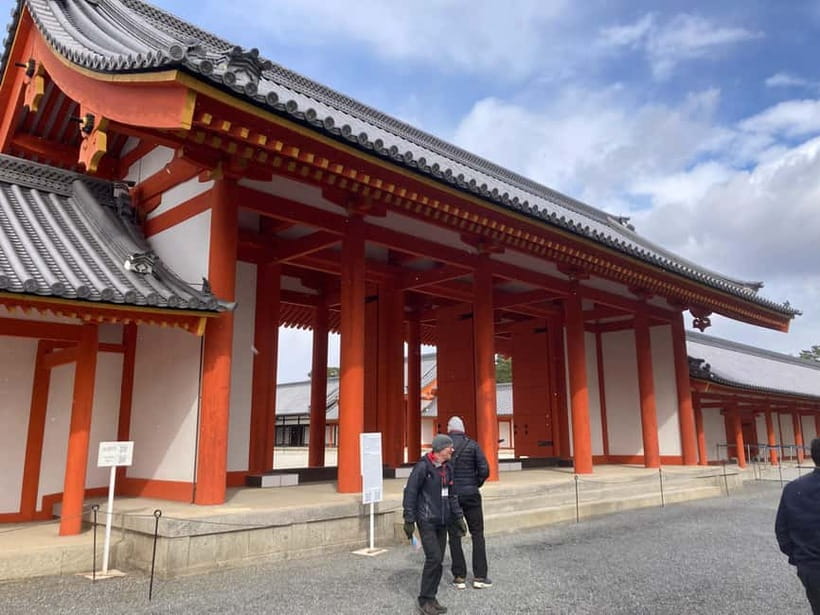
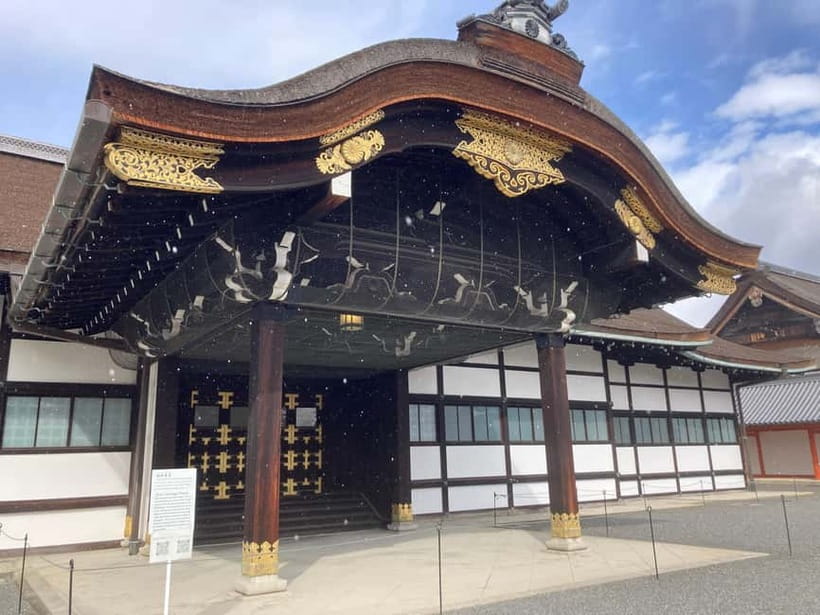
Kyoto Imperial Palace is approached from a different angle than Nijo Castle. Where Nijo Castle represents a power base linked to shogunal authority, the Imperial Palace is framed as the residence of Japan’s emperors and the heart of Japan’s cultural continuity.
This stop is where the scenery often shifts for people. You get grand architecture and a sense of refined Japanese tradition, plus gardens designed to show seasonal beauty. The tour highlights that you are not just viewing grounds, you are learning how the gardens are meant to be experienced across the year.
What to expect here:
- Time for guide-led explanation about the palace’s cultural role
- Time in the garden areas, with seasonal charm that changes depending on when you go
- A better understanding of how architecture and landscape design work together in Japanese tradition
A key consideration: the Imperial Palace experience may not always include full interior access. One group experience noted that the visit was not optimal because only exteriors were visible. So if you are the kind of traveler who plans your day around inside-the-buildings access, keep expectations flexible.
Still, the overall value stays strong because you are not wandering alone. The guide connects what you see to what it meant, and that turns gardens and walls into part of the story, not background decoration.
What the guides do so well: history, politics, and clear explanation
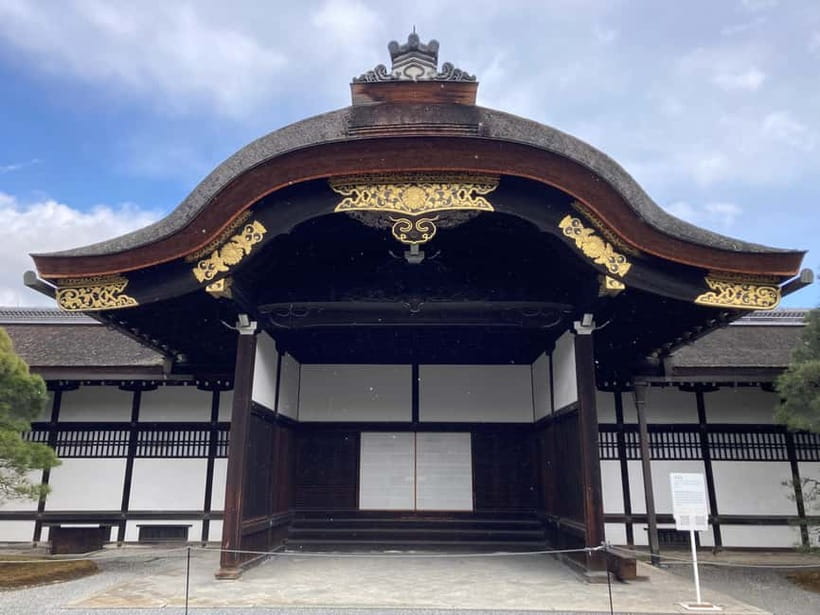
The biggest differentiator here is the guide. Across many group experiences, the common thread is clear, engaging explanation with enough depth to satisfy history-minded travelers.
Some examples of the kinds of guide skills people mention:
- Kayo described as exceptionally informative with great humor, making a short 3-hour tour feel like it flew by
- Nene praised for explaining both locations in a clear and engaging way
- Taku noted for balancing history, architecture, art, and politics, and for providing useful local tips
- Goku repeatedly praised for being friendly, patient, and able to answer detailed questions quickly, including deeper history-minded ones
Even if you do not consider yourself a history buff, the guide-led approach helps you avoid a common Kyoto trap: seeing impressive places without understanding why they were built or what they were meant to communicate.
You also get a practical benefit for photo people. One past solo traveler experience shared that the guide helped take photos, which is always a small but meaningful kindness. In a place like Kyoto, where you often want a wide shot, having someone help keeps your time from turning into awkward arm-stretching.
Price and value: why $63 can be a smart deal for a 3-hour day
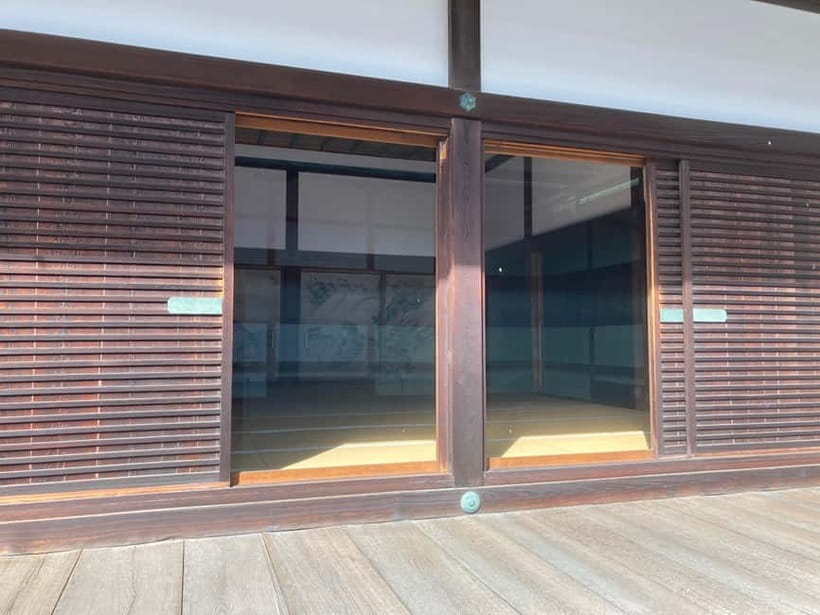
At $63 per person for 3 hours, this tour is priced like a focused guided add-on, not a budget walk. The value comes from what is actually included.
You get:
- A professional English-speaking tour guide
- Admission tickets for Nijo Castle, Ninomaru Palace, and the Art Gallery
- A walking tour experience that also includes time for explanations and seasonal garden viewing
In practical terms, you are paying for three things at once: access, interpretation, and time saved. Kyoto can swallow hours if you are constantly working out where to go next and how to make sense of each site. Here, the structure keeps things efficient. And because it is a small group, you typically get more interaction than on large tours.
One more value point: multiple guides are praised for customizing or responding to interests, from architecture and politics to more general cultural questions. That can matter a lot if your group has mixed preferences.
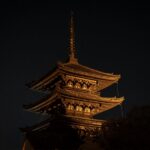
A quieter way to spend a day in Kyoto

Practical tips for your day: what to bring and how to dress
Bring a camera and cash. The cash part is listed specifically, so it is worth having some on hand.
Dress smartly for walking. Shorts are not allowed, so use long pants. Also, comfortable shoes matter because the tour is built as a walking experience, and you will be moving between key areas.
One more important note: this tour is not suitable for pregnant women. If that applies to you or your group, it is best to look for an alternative with different pacing or accessibility.
Who should book this guided walk?
This is a strong choice if you:
- Want a clear, guided introduction to Kyoto’s former capital story
- Like history connected to architecture and political context, not just dates
- Enjoy small groups where you can ask questions
- Care about gardens and seasonal beauty, not only sightseeing stamps
It also works well for travelers who want balance. You get landmark intensity at Nijo Castle, a contrasting imperial setting at Kyoto Imperial Palace, plus calmer street moments along the way.
If you prefer totally independent pacing, you can do these sites on your own. But if you want the why behind the what, a guide is what makes the short 3-hour format feel worth it.
Should you book it or skip it?
I would book this tour if you want a tight, high-impact history and architecture day without spending your Kyoto time figuring everything out yourself. The included admissions, the small group size, and the repeated praise for guides like Kayo, Nene, Taku, and Goku all point to the same practical outcome: you learn more per hour.
I would hesitate if your top priority is guaranteed full interior access at the Imperial Palace. Access can vary, and at least one experience noted mostly exterior viewing. If you are okay with that risk in exchange for a guided, well-paced tour, it still makes sense.
FAQ
How long is the Kyoto Nijo Castle and Imperial Palace guided tour?
The tour lasts 3 hours.
Where is the meeting point?
Meet at the Nakadachiuri Gate of the Kyoto Imperial Palace.
How big is the group?
It is a small group limited to 9 participants.
What’s included in the admission tickets?
Admission tickets are included for Nijo Castle, Ninomaru Palace, and the Art Gallery.
What languages are available for the live guide?
The tour offers live guiding in English, French, Spanish, Japanese, Portuguese, and Russian.
What should I bring?
Bring a camera and cash.
Are shorts allowed?
No, shorts are not allowed.
Is this tour suitable for pregnant women?
No, it is not suitable for pregnant women.
Do I pay immediately when I book?
You can reserve now and pay later.
What is the cancellation policy?
You can cancel up to 24 hours in advance for a full refund.
New This Season
- Koyasan Day Trip by Private Car from Kyoto
- Old Port Town and Ultimate Sake Tasting Private Tour From Kyoto
- Kyoto’s Timeless Charm: 3hr Exploration of History and Peace
- Kyoto: 5 Types of Sushi Making
- Sacred Peak & Ancient Paths: Kurama-Kibune Hiking Experience
- Kyoto: Exclusive ZEN practice at Manpukuji temple in Uji
- Kyoto: Private Seasonal Aroma Yoga Class
- Traversing Kyoto’s Scenic West – Arashiyama to Kinkakuji
Nijo Castle Visits, compared.
Nijo-jo Castle and Ninomaru Palace Guided Tour
Read our review →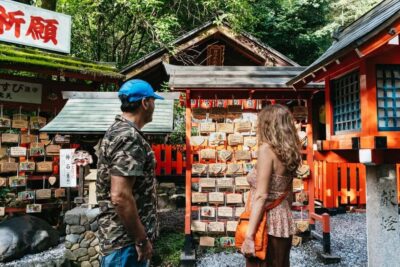
Nijo Castle, Kiyomizu & Fushimi Inari Guided Tour
Read our review →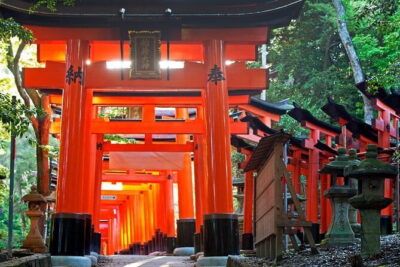
Nijo, Kinkaku-ji, Arashiyama, Kiyomizu & Fushimi Inari
Read our review →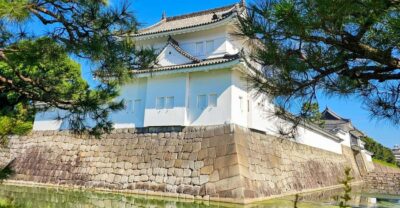
Imperial Palace & Nijo Castle Guided Walking Tour
Read our review →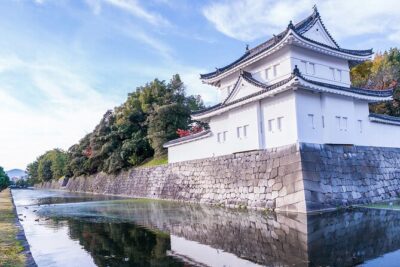
Nijo Castle World Heritage Guided Tour with Admission
Read our review →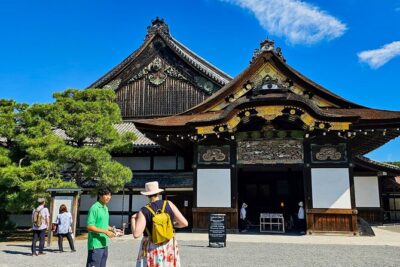
Kyoto Imperial Palace & Nijo Castle Guided Walking Tour – 3 Hours
Read our review →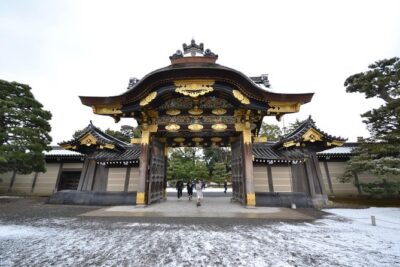
Nijo Castle and Imperial Palace Visit with Guide
Read our review →
Golden Pavilion, Nijo Castle, & Nishiki Market Half day tour
Read our review →Also filed under