Reviewed · ZEN MEDITATION SESSIONS
Kyoto Zen Meditation & Garden Tour at a Zen Temple with Lunch
Kyoto can feel loud fast, even at temples. This small-group tour pairs a real Zen meditation session with a calm walk through well-kept temple grounds and gardens, then tops it off with an included Buddhist-style lunch. I love that temple admission is handled for you, and I love that the day includes an authentic zazen practice guided on-site. One thing to consider: during the meditation, you’ll be expected to keep quiet and limit conversation, so it is not the best fit if you want lots of chat time.
You’ll start near Tofukuji and spend about 4.5 hours moving through the temple area with a guide who explains what you’re seeing, then you’ll end near Chishaku-in Temple (with the group likely to break at the last shop). The schedule is also strict, so arriving on time matters.
If you like reflective travel, this is a strong choice. The value is good for the price because you get guided temple access, a guided zazen session, and lunch, all in one package, rather than piecing it together yourself.
In This Review
- Key points to know before you go
- Entering the Tofukuji Zen world, minus the tourist chaos
- Meeting at FamilyMart Nakai Tofukuji: how to plan your arrival
- Walking the Tofukuji area and seeing why guides matter
- The dry Zen garden walk: how to slow down without overthinking
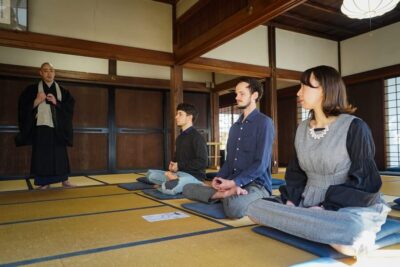
- Zazen at a major Kyoto Zen temple: what the session really feels like
- A respectful heads-up
- Lunch after meditation: what’s included and how to handle diet needs
- Timing and where the tour ends near Chishaku-in
- Price and value: why $110.10 can make sense here
- Who should book this Kyoto Zen tour
- Practical tips: heat, socks, and temple manners
- Should you book Kyoto Zen Meditation and Garden Tour with Lunch?
Key points to know before you go
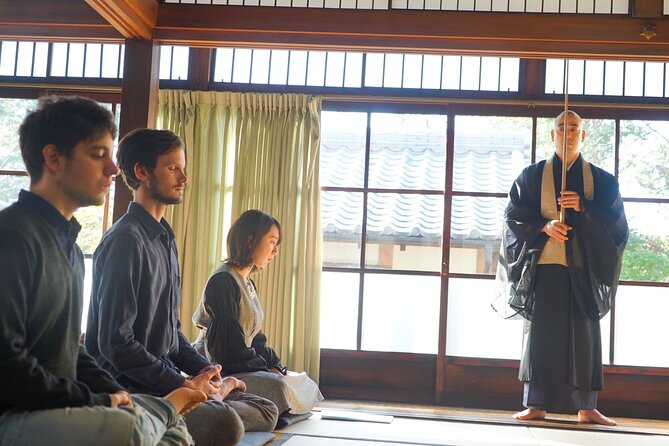
- Real zazen practice: A monk-led meditation session with quiet, step-by-step guidance and silent reading materials.
- Temple entry included: No extra admission fee to worry about during the temple stops.
- Tofukuji-area atmosphere: You walk the temple area with commentary, then slow down for a dry Zen garden view.
- Traditional Buddhist lunch included: A meal historically served by Zen monks, often vegetarian-style on the day.
- Small group size, max 7: More personal access to your guide for questions outside meditation.
- Ends near Chishaku-in: You may disband at the last shop even if the plan says you return to the meeting point.
Entering the Tofukuji Zen world, minus the tourist chaos
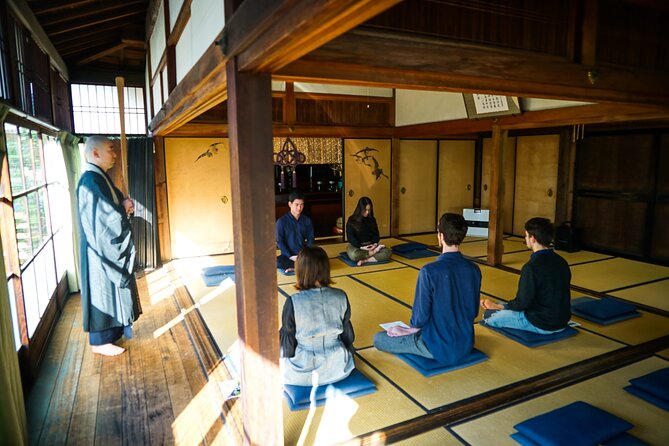
This tour’s biggest strength is its rhythm. You are not just ticking off temple names. You’re in a real Zen temple setting, with the day shaped around silence and attention first, then food and a relaxed walk after.
The group stays small (maximum 7), which matters in Kyoto. In big crowds, you rush. Here, you can actually hear your guide’s explanations, and you have a better chance to ask questions when you’re not in the meditation period.
Also, the “no admission fee” part is not just a savings line. It removes friction. You’re not managing tickets while trying to respect temple etiquette. That keeps the day calm and keeps you focused on what the place is actually for.
Meeting at FamilyMart Nakai Tofukuji: how to plan your arrival
Your meeting point is at FamilyMart Nakai Tofukuji (12-chōme-232 Honmachi, Higashiyama Ward, Kyoto). It is a helpful choice because FamilyMart locations are easy to find, and it’s stated to be near public transportation.
Still, the tour runs like a temple visit should: it starts on time. If you’re late and miss the group, you won’t be able to join, and you cannot get a refund or reschedule. So I’d treat it like a train connection, not a casual meet-up.
One more timing note that affects your day: if you book a start time of 10:45, lunch comes at 14:15 after the meditation experience. If your appointment is near midday, you’ll want enough breakfast or brunch so you’re not hungry during the quiet parts.
Sit in silence at a Zen temple
- Kyoto: Zen Experience in a Hidden Temple
★ 5.0 · 437 reviews - Kyoto: Tea Ceremony Meditation – Make Matcha with Tea Master
★ 4.8 · 406 reviews - Kyoto: Zen Meditation at a Private Temple with a Monk
★ 5.0 · 202 reviews - Kyoto: Zen Meditation at a Private Temple with a Monk
★ 5.0 · 25 reviews
Walking the Tofukuji area and seeing why guides matter
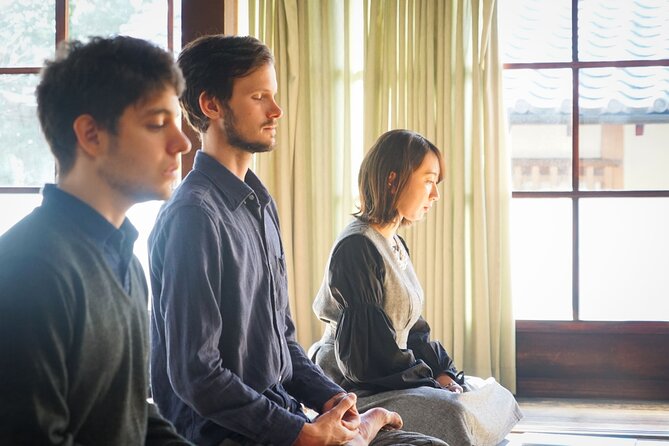
Early on, you head into the Tofukuji area and move through temple streets and grounds with commentary. One of the most praised elements is how the guide reads the space for you, not just the history in a lecture way.
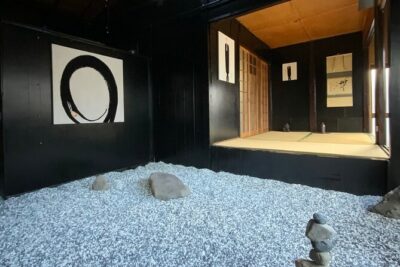
You’ll also get a Zen garden walk with commentary. Dry landscape gardens can look simple at first glance, but when someone explains how to “read” the composition, you start noticing patterns, lines, and intentional emptiness. That helps turn a photo stop into a slow moment.
This is also where group size helps again. With a small group, it’s easier to keep together, and your guide can point things out without shouting over a crowd.
The dry Zen garden walk: how to slow down without overthinking
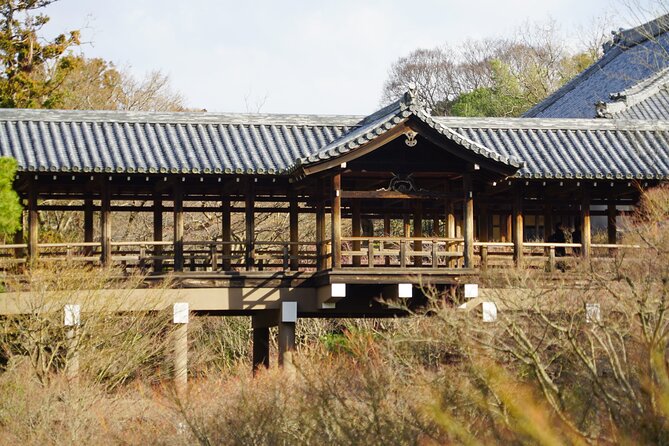
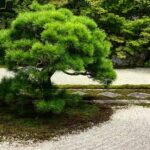
The tour specifically includes a dry Zen garden (the classic gravel-and-structure style). Your guide’s commentary is the key. Without it, a dry garden can feel like, well, a garden.
With the guidance, you learn what you’re looking at and why it’s arranged the way it is. That changes the whole mood. You’ll likely find yourself standing longer than you expected, just because you know what you’re noticing.
A practical tip: bring your patience, not just your camera. This segment is about quiet observation, not speed.
Zazen at a major Kyoto Zen temple: what the session really feels like
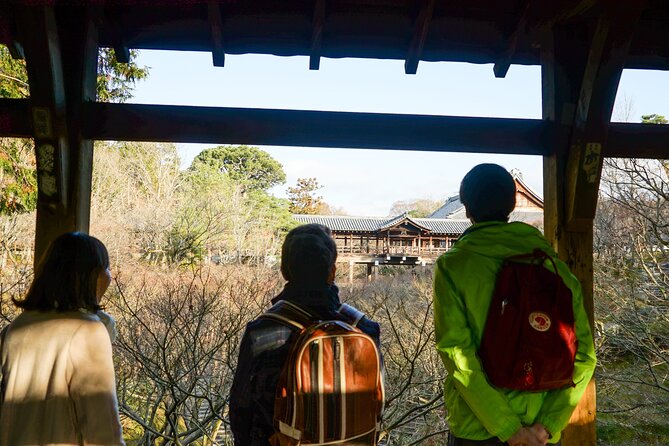
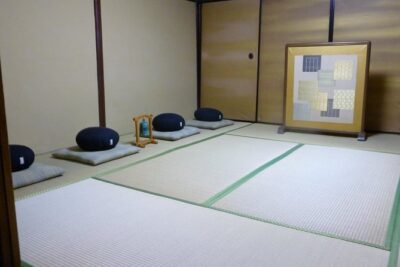
The core of the experience is zazen, Zen meditation, at one of the five major Zen temples in Kyoto. This part is the reason many people rate the tour a perfect score.
Here is what to expect based on the tour rules and how the meditation is described:
- During zazen, private conversations are generally prohibited out of respect for other guests.
- You’ll be given materials to read silently.
- The session is structured so you can follow the monk’s lead, even if you’ve never done meditation before.
What makes this stand out is the monk-led approach. In one set of experiences, the monk leading the meditation spoke Japanese, and the guide helped with translation and tips before and during the session. Even if language details vary by group and temple day, the important takeaway is this: your guide helps bridge the gap so you’re not lost.
After the meditation, there is typically a chance for questions. Several accounts highlight that the monk came over and made time for questions, with translation support from the guide when needed. That gives you closure and makes the practice feel more understandable, not mysterious.
A respectful heads-up
You should come ready to be quiet. If you like your tours chatty and social at all times, this may feel a bit strict during the meditation. But if you want a reflective reset, it’s exactly the right tone.
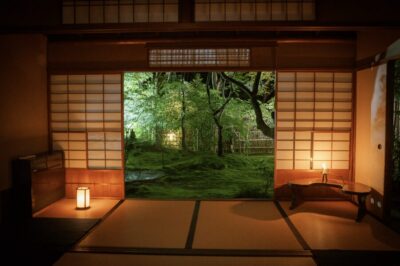
Moss, stone, and raked gravel gardens
Lunch after meditation: what’s included and how to handle diet needs
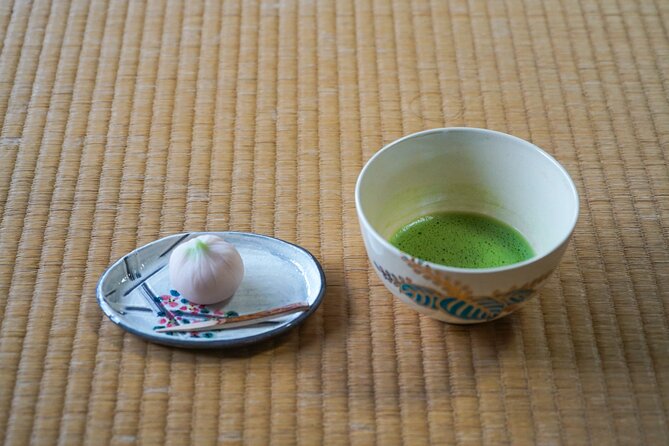
You’ll end up with a traditional Buddhist lunch historically served by Zen monks. The included lunch is a big part of the value, because it’s not a tiny snack. One account describes it as vegetarian and big enough to feel genuinely satisfying.
A few practical things to know:
- Allergy-free meals are not guaranteed. The food is prepared in kitchens that do not belong to MagicalTrip.
- If you have dietary requests, you must ask in advance by the day before. Same-day changes are not accepted.
- Substitutions might not always be possible at every stop, though the tour aims to compensate at other points.
So, if you have allergies or a strict diet, plan ahead. If your needs are more general like vegetarian, you’re more likely to be comfortable, but I’d still confirm in writing before you go.
Timing and where the tour ends near Chishaku-in
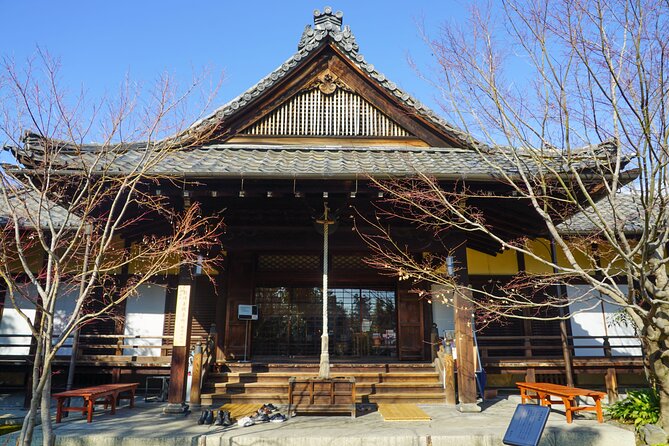
The tour runs about 4 hours 30 minutes. That’s long enough to feel like you did something meaningful, but not so long that you lose the whole day to commuting.
The end point is listed as back at the meeting point, but there’s an important real-world detail: the plan says you return, yet the group disbands at the last shop. The tour notes that it ends near Chishaku-in Temple. So treat the “back at meeting point” language as flexible.
For your planning, I’d assume you’ll be in the Chishaku-in area when you finish, and you may not finish with a tight group stroll all the way back to the exact FamilyMart.
Price and value: why $110.10 can make sense here
At $110.10 per person, this is not a budget-only activity. But the value is real because you’re paying for several things that add up on your own:
- Guided access to temple areas, with admission included
- A monk-led zazen session, with guided support from your tour guide
- A guided Zen garden walk with commentary
- A traditional Buddhist lunch included
A lot of temple tours charge for guidance but don’t include the meditation session or a meal. Here, the meal is part of the cultural experience, not a cheap add-on. The small group size also matters, because it increases your time with your guide, especially for questions outside the meditation.
If you price it as separate tickets plus a guided session plus lunch, the total tends to climb quickly. This package tries to keep the day simple.
Who should book this Kyoto Zen tour
This is a great fit if you:
- Want one of your Kyoto days to slow down and reflect
- Are curious about Zen meditation and want a guided first session
- Like thoughtful, quiet travel where your guide explains what you’re seeing
- Appreciate included food that’s tied to the culture of the place
It’s not the best fit if you:
- Want constant conversation and frequent stops for shopping
- Are unwilling to be quiet during the meditation segment
- Are hoping the lunch will work with complex dietary restrictions without advance coordination
Practical tips: heat, socks, and temple manners
Kyoto changes fast by season, and the tour notes a couple of essentials that you should take seriously.
- In summer, it’s hot and humid. Bring water and wear a hat to help prevent heat issues.
- In winter, temple floors can be cold. Thick socks are a smart idea.
- During meditation, follow the quiet expectations. You’ll be given materials to read silently, so you can still focus even if you’re not speaking.
Also, aim to arrive early enough to feel calm. Temple days run on timing, and starting on time keeps the whole group respectful.
Should you book Kyoto Zen Meditation and Garden Tour with Lunch?
Book it if you want a Kyoto experience that feels intentional. The strongest reasons to choose this tour are the monk-led zazen meditation session, the well-guided dry Zen garden walk, and the included traditional lunch. The small group size also supports a calmer experience where you can actually ask questions.
Skip it or consider alternatives if you’re looking for a loud, social tour, or if you have dietary needs that require special handling and you’re not able to request them by the day before.
If you’re the kind of traveler who likes to understand the why behind what you see, this is a good use of your time in Kyoto, not just a sightseeing detour.
Lunch in Kyoto

Temples and Shrines

New This Season
- Koyasan Day Trip by Private Car from Kyoto
- Old Port Town and Ultimate Sake Tasting Private Tour From Kyoto
- Kyoto’s Timeless Charm: 3hr Exploration of History and Peace
- Kyoto: 5 Types of Sushi Making
- Sacred Peak & Ancient Paths: Kurama-Kibune Hiking Experience
- Kyoto: Exclusive ZEN practice at Manpukuji temple in Uji
- Kyoto: Private Seasonal Aroma Yoga Class
- Traversing Kyoto’s Scenic West – Arashiyama to Kinkakuji
Zen Meditation Sessions, compared.
Tea Ceremony Meditation – Make Matcha with Tea Master
Read our review →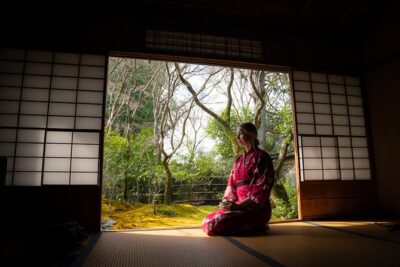
Zen Meditation and Garden Tour at a Temple with Lunch
Read our review →Zen Meditation at a Private Temple with a Monk
Read our review →