
Reviewed · TEMPLE GARDENS
Kyoto: Zen Garden, Zen Mind (Private)
Zen gardens change how you look. This private Kyoto walk links Nanzen-ji gardens with the thinking behind Zen aesthetics, guided by Andrew from An Design. I especially like that the tour is built around temple sub-sites you cannot just grab with a quick bus stop, and that Andrew explains garden design in a way that also makes Buddhist practice easier to grasp. One consideration: temple admission fees (for the three places) are extra, so your real cost is higher than the tour price alone.
You’ll get a calm, on-foot route through Kyoto’s temple lanes with a small private group dynamic, so the pacing stays thoughtful rather than rushed. I also like the way the stops connect, starting at Konchi-in, moving through Tenjuan Temple, and ending at Nanzen-ji, the head temple that frames the whole experience. If you hate walking, or if you want a fast highlights tour with less explanation, you may find this format a bit too slow and reflective.
In This Review
- Key things to know before you go
- Kyoto Zen gardens, with Nanzen-ji as the main story
- From Keage Station to temple lanes: why this tour works best on foot
- Stop 1, Konchi-in: the sub-temple start that sets your eyes
- Stop 2, Tenjuan Temple: reading design with a Zen mindset
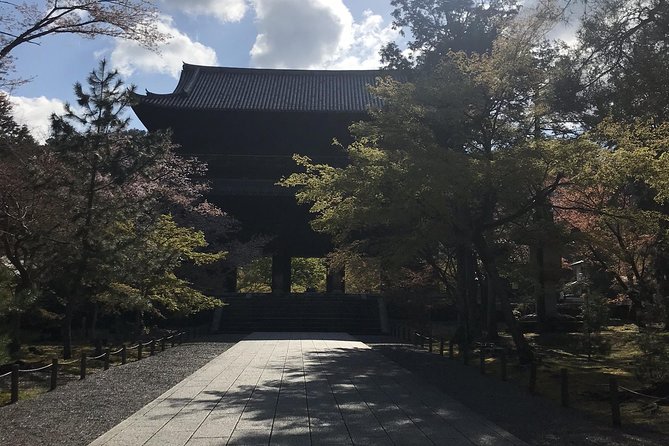
- Stop 3, Nanzen-ji: the head temple that ties it all together
- Andrew (An Design) and the 15-year design lens
- What you’ll actually learn to notice in Zen gardens
- Practical timing, price, and value for a private Kyoto tour
- How to plan your day around the route
- Who should book Zen Garden, Zen Mind?
- Should you book this private Kyoto Zen garden tour?
- FAQ
- How long is the Zen Garden, Zen Mind private tour?
- Where does the tour start and where does it end?
- What temples are included in the itinerary?
- Are temple entrance fees included in the tour price?
- Who is the guide for this tour?
- Is this tour private or shared?
- How big is the group for the private tour?
- Do I receive a mobile ticket?
- Does the tour require good weather?
- What is the cancellation policy?
Key things to know before you go
- Private group up to 4 with a single guide, so questions do not get lost in a crowd
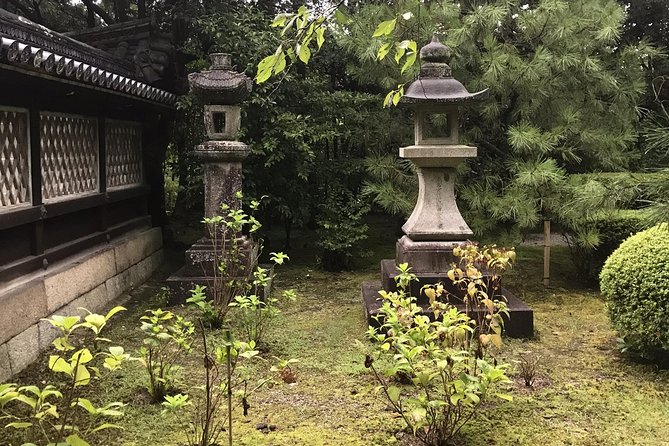
- Three Nanzen-ji temple stops: Konchi-in, Tenjuan Temple, and Nanzen-ji itself
- A 15-year garden-design lens paired with Zen and related spiritual context
- On foot exploration that takes you to spaces cars and buses do not easily reach
- Mobile ticket and a clear end point in front of Nanzen-ji
Kyoto Zen gardens, with Nanzen-ji as the main story
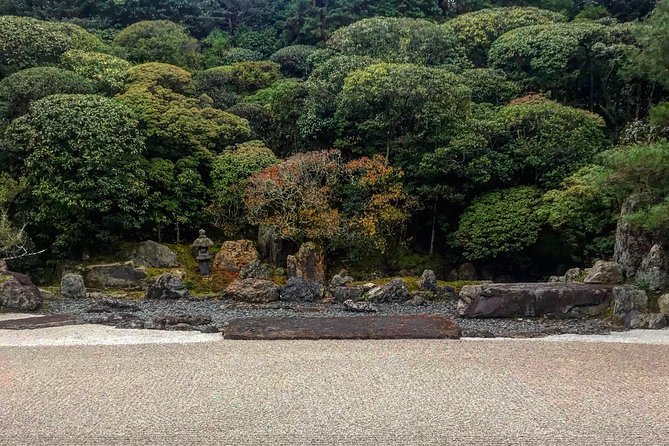
Kyoto has plenty of gardens, but Zen gardens feel different once you understand how they are meant to be read. This tour is designed around one temple complex, Nanzen-ji, and that structure matters. Instead of bouncing across the city, you get time to notice patterns, viewpoint logic, and symbolism as the “meaning layer” gets added at each stop.
What makes Nanzen-ji a smart anchor is that it is not just a pretty backdrop. It is the head temple of the Nanzen-ji Zen monastery, and the sub-temples around it help show how the same Zen ideas can shift in style from place to place. That theme is exactly what Andrew brings into focus: garden design is treated as a language. You do not need a background in religion or architecture, but it helps to have an open mind and a willingness to slow down.
I like that the tour targets nature lovers and people curious about Japanese spirituality. If you like the outdoors and also enjoy quiet mental focus, this is a strong match. You will leave with more than photos. You’ll leave with a way to interpret what you see.
From Keage Station to temple lanes: why this tour works best on foot
The route starts at Keage Sta. Higashikomonozacho in Higashiyama Ward, and it ends in front of Nanzen-ji. That matters because the garden experience is not just inside temple courtyards. It is also in the approach: side streets, walking pace, and the way Kyoto reveals itself when you are not fighting traffic or waiting for buses.
Exploring on foot is a key promise of the tour. You get access to places that are hard to reach by car or public bus. Translation: you spend more time where the atmosphere lives, and less time commuting. With a private group, the walking pace can stay comfortable, and you can ask questions without the guide constantly rushing to keep a timetable.
Practical note: this is a 3.5-hour experience, so you should plan for steady walking. The good news is that the tour is positioned as something most travelers can participate in, and it runs near public transportation, so it is easy to plug into a Kyoto itinerary.
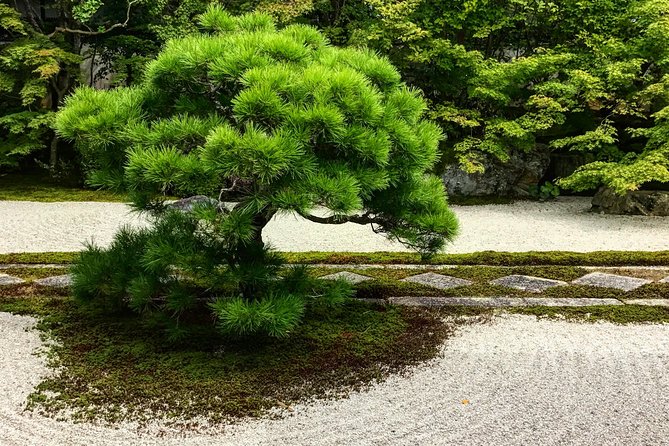
Moss, stone, and raked gravel gardens
- Kyoto Arashiyama Walking Tour: Bamboo, Monkeys, Gardens & Secrets
★ 5.0 · 1,216 reviews - Kyoto Zen Meditation & Garden Tour at a Zen Temple with Lunch
★ 5.0 · 441 reviews - Kyoto Arashiyama Bamboo forest & Garden Half-Day Walking Tour
★ 5.0 · 413 reviews - Kyoto Kiyomizu Tea Ceremony with Scenic Garden Views
★ 5.0 · 101 reviews
Stop 1, Konchi-in: the sub-temple start that sets your eyes
The first stop is Konchi-in, a sub-temple of Nanzen-ji. This opening matters because it gives you a “warm-up lens.” Garden design can look like decoration until someone points out how the elements work together. Starting at a smaller site first is a practical move, because you can focus on the big ideas without immediately feeling overwhelmed by a larger complex.
At Konchi-in, expect a guided walk that connects what you are seeing to why it was arranged that way. Andrew’s style, based on what you’ll hear during the tour, is not just facts. It is interpretation. He frames the garden elements through Zen principles, and he also ties the viewing experience to wider cultural context. That approach shows up again and again throughout the tour, and it is the reason first-time visitors often feel like the gardens finally “click.”
If you are the type who likes to ask, what does that stone placement mean, or why is the space left open, this is where the answers start. And if you are not sure what questions to ask yet, Andrew does that for you by guiding your attention step by step.
Stop 2, Tenjuan Temple: reading design with a Zen mindset

Next comes Tenjuan Temple, also a sub-temple of Nanzen-ji, with about an hour there. This is where the tour tends to feel most “Zen mind” aligned. By now you have your footing, and you can notice how the thinking behind Zen garden design expresses itself differently across related temple grounds.
What I like about this second stop is the balance of art and spirituality. You get explanations grounded in garden design principles, including how rock gardens are built and how they communicate through layout and texture. Reviews also highlight that Andrew connects the garden conversation to both Zen and other traditions that are part of Kyoto’s spiritual landscape, including basic context around Shinto and Buddhist practices.
This is also where the pace can feel calmer, especially if you have chosen a time when the site is not crowded. A quiet setting makes it easier to experience the garden as a space for contemplation rather than a background for selfies. Even if you are not practicing Zen yourself, the tour encourages you to slow down enough to actually look.
Stop 3, Nanzen-ji: the head temple that ties it all together
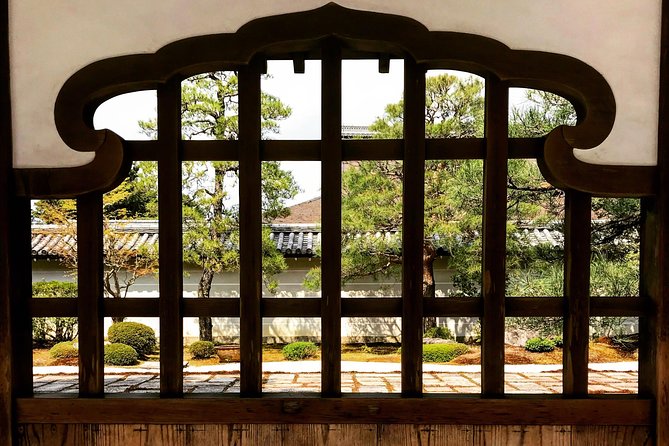
Finally, you reach Nanzen-ji, the head temple of the Nanzen-ji Zen monastery. This stop is the big payoff. By the time you arrive, you have already learned how Andrew thinks about garden design, and now you can compare that framework to what Nanzen-ji represents as a central site.
Ending here also helps your navigation after the tour. The tour concludes at Nanzen-ji Fukuchicho, in front of Nanzen-ji. You can naturally continue your day from there, rather than having to plan an immediate transfer.
What you should expect is a shift from “learning how to read the garden” toward “understanding the bigger picture.” Andrew’s explanations are designed to connect garden aesthetics with Zen philosophy, Japanese history, and how the traditions show up in contemporary Kyoto life. That is why many people come away feeling that the tour changed how they look at not only gardens, but also the choices temples make across the landscape.
If you like stories with structure, this is the best sequence: start small, then compare, then close at the core temple.
Andrew (An Design) and the 15-year design lens
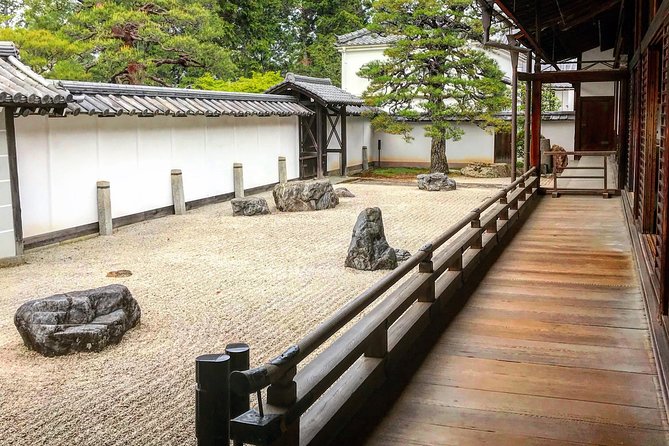
The guide for this experience is Andrew from An Design, and the tour is narrated by a landscape designer with 15 years of experience. You can hear the design training in the way explanations land. It is not vague spirituality talk, and it is not just garden trivia either.
From the way Andrew teaches, you should expect three things:
- A focus on design principles for Zen gardens, especially rock garden construction and the visual logic behind it
- Context about Zen philosophy and why certain visual choices matter
- Answers that connect spiritual practice with everyday cultural meaning in Kyoto
One of the most praised aspects is the clarity. People come away saying they gained a new perspective on Japanese gardens after the tour, because Andrew teaches both the how and the why. He also seems happy to customize. If you have specific interests, you can steer the conversation, rather than getting the same script regardless of your questions.
A helpful detail from feedback you can take seriously: Andrew’s explanations can be very personal in tone. That matters because Zen garden understanding is not only technical. It is interpretive. If you want your guide to treat the subject with real respect, Andrew’s approach tends to feel that way.
A quieter way to spend a day in Kyoto


What you’ll actually learn to notice in Zen gardens
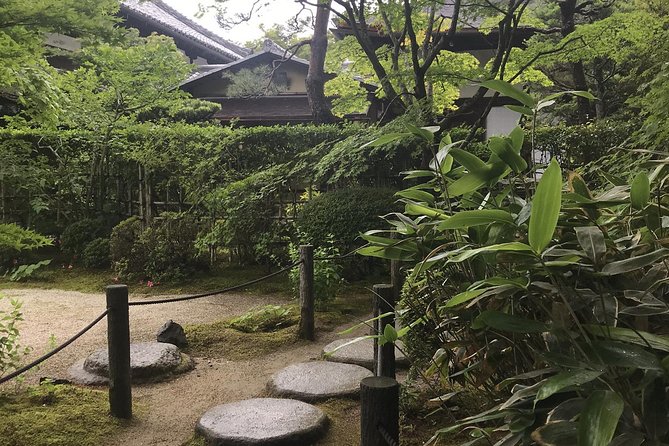
You do not need to memorize Japanese terms before you go, but you will learn a set of attention skills that makes Zen gardens easier to read.
Here are the kinds of ideas Andrew’s tour emphasizes, based on the guide’s garden-design focus and the spiritual connections made along the way:
- Why stones and gravel are arranged the way they are, and how that arrangement shapes your viewpoint
- How the garden’s “empty” spaces are part of the message, not missing decoration
- How Zen aesthetics connect to broader Buddhist ideas about perception and mindfulness
- How Kyoto’s spiritual traditions show up beyond temples, in the overall cultural setting
If you come in expecting only pretty scenery, you may still enjoy the beauty. But the real value is that you will know what to look for. That is the difference between taking photos and having an experience that changes your internal lens.
I also like that the tour does not pretend Zen gardens exist in isolation. Andrew brings in related spiritual context, so you are not left asking, what does any of this connect to in Japanese life.
Practical timing, price, and value for a private Kyoto tour
This is a 3 hours 30 minutes experience, and the price is $380 per group for up to 4 people. The booking pace is solid, with an average booking window of 53 days in advance, so you should plan to lock it in ahead of time, especially if you travel during peak months.
Value comes from three buckets:
- You are paying for a private guide with a design background
- You get multiple temple stops in one coherent route, all tied to the same theme
- You get a guided explanation that helps you understand what you are seeing, not just where it is
But be sure to account for the extra cost: temple admissions for the three places total ¥1,600 per person and are not included in the tour price. That means the full budget is tour price plus admissions.
For a group of 4, the per-person tour portion becomes much more reasonable. For a solo traveler, it is pricier, but still can feel worthwhile if you care deeply about design, gardens, and spirituality, and you want real time with a specialized guide.
Also, the tour includes a walking tour and narrated guidance, and you’ll receive a mobile ticket. That makes it easier to manage without paper chaos.
How to plan your day around the route
Because the tour is built for slow looking, plan your schedule with breathing room. Don’t stack it right before a super long travel transfer or another experience that requires immediate energy. You will likely want a quiet moment after.
A few planning tips:
- Wear comfortable shoes. This is an on-foot temple route that rewards steady walking.
- Bring a light layer. Temple areas can feel cooler or shadier depending on the day.
- Go with questions, even simple ones like, why does this garden feel calm, or how do you read the layout.
- If you care about crowd levels, aim for a time of day that tends to be less busy for you.
Weather matters too. The experience requires good weather. If it is canceled due to poor weather, you will be offered a different date or a full refund. So have some flexibility if your Kyoto schedule is tight.
Who should book Zen Garden, Zen Mind?
Book this if you match at least two of these:
- You love Kyoto gardens and want the design meaning, not just a scenic walk
- You are curious about Japanese spirituality, especially Zen and how it connects to aesthetics
- You enjoy a guide who can connect philosophy to what you are looking at, with real design training
- You want a calmer, quieter experience than the typical big-group circuit
It might not be your best pick if:
- You only want quick sightseeing with minimal walking
- You do not want any spiritual or historical context, and prefer pure visual browsing
The private format helps both ways. If you want to move slowly and ask lots of questions, it supports that. If you want a more straightforward walk, you can ask for a simpler pace too.
Should you book this private Kyoto Zen garden tour?
I think you should book it if you want your Kyoto garden time to feel purposeful. The combination of Nanzen-ji, its sub-temples Konchi-in and Tenjuan Temple, and Andrew’s explanations through both garden design and Zen context makes the experience more than a checklist stop.
The best-case outcome is that you learn how to see. That changes what you notice not just here, but on your future temple visits across Kyoto.
Just go in with two expectations set clearly: plan for the extra ¥1,600 per person admissions, and make sure you are comfortable with a 3.5-hour walking route. If those fit, this is one of the most rewarding ways to experience Kyoto’s Zen garden tradition with real guidance.
FAQ
How long is the Zen Garden, Zen Mind private tour?
It lasts about 3 hours 30 minutes.
Where does the tour start and where does it end?
The tour starts at Keage Sta. Higashikomonozacho, Higashiyama Ward, Kyoto, and ends at Nanzenji Fukuchicho, with the tour ending in front of Nanzen-ji.
What temples are included in the itinerary?
You visit Konchi-in, Tenjuan Temple, and Nanzen-ji.
Are temple entrance fees included in the tour price?
No. Temple admissions for the three temples total ¥1,600 per person and are not included.
Who is the guide for this tour?
The guided narration is provided by a landscape designer with 15 years of experience, from An Design.
Is this tour private or shared?
It is private. Only your group participates.
How big is the group for the private tour?
The tour price is per group, up to 4 people.
Do I receive a mobile ticket?
Yes. The tour offers a mobile ticket.
Does the tour require good weather?
Yes. It requires good weather. If canceled due to poor weather, you will be offered a different date or a full refund.
What is the cancellation policy?
You can cancel up to 24 hours in advance for a full refund. Cancellations made less than 24 hours before the start time are not refunded.
New This Season
- Koyasan Day Trip by Private Car from Kyoto
- Old Port Town and Ultimate Sake Tasting Private Tour From Kyoto
- Kyoto’s Timeless Charm: 3hr Exploration of History and Peace
- Kyoto: 5 Types of Sushi Making
- Sacred Peak & Ancient Paths: Kurama-Kibune Hiking Experience
- Kyoto: Exclusive ZEN practice at Manpukuji temple in Uji
- Traversing Kyoto’s Scenic West – Arashiyama to Kinkakuji
- Kyoto: Private Seasonal Aroma Yoga Class
Temple Gardens, compared.
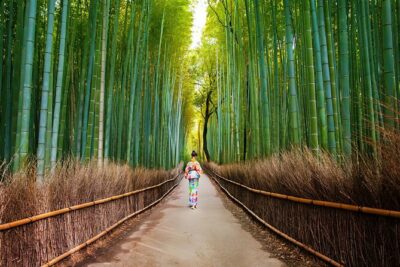
Kyoto Arashiyama Walking Tour: Bamboo, Monkeys, Gardens & Secrets
Read our review →
Kyoto Zen Meditation & Garden Tour at a Zen Temple with Lunch
Read our review →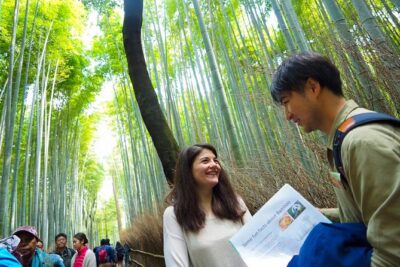
Kyoto Arashiyama Bamboo forest & Garden Half-Day Walking Tour
Read our review →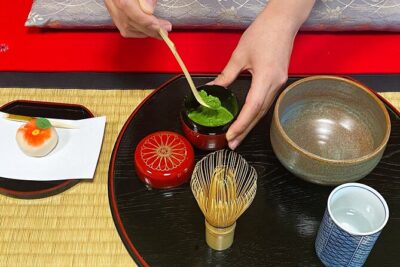
Kyoto Kiyomizu Tea Ceremony with Scenic Garden Views
Read our review →
Zen Meditation and Garden Tour at a Temple with Lunch
Read our review →
Stunning Private Tea Ceremony: Camellia Garden Teahouse
Read our review →
Also filed under