Reviewed · ZEN MEDITATION SESSIONS
Kyoto: Zen Meditation and Garden Tour at a Temple with Lunch
Quiet and focused, inside one of Kyoto’s Zen centers. This half-day format pairs a guided Zen garden walk with hands-on zazen instruction at Tofukuji Temple, with English support and a calm pace that helps the ideas make sense. I especially like how the guide connects what you see in the temple grounds to what you do during meditation, and how guides like Yutaka tend to explain the why, not just the what.
My other big win is the meal. You end with Shojin Ryori, a traditional monk-style vegetarian lunch, and you’ll get dashi-fish broth plus a bit of dairy, all served in a setting tied to the training of large numbers of monks in the past.
One drawback to keep in mind: during the meditation, the guide stays silent and you’ll mostly rely on silent reading materials. If you want lots of live Q&A while sitting, this is not that kind of session.
In This Review
- Key things to know before you go
- Getting oriented at Tofukuji Station, Exit 2
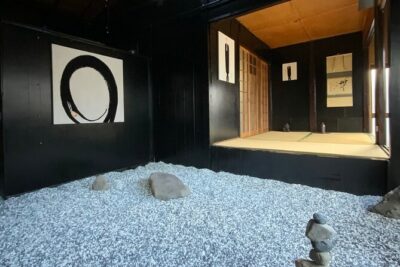
- Kōmyō-in Temple garden: learning how to look at Zen
- Inside Tofukuji: San-mon gate, dragon ceilings, and an oddly specific toilet
- The zazen hour: posture, breathing, and temple silence
- Shōrin-ji (Bishamon-do) and a calmer pace after sitting
- Shojin Ryori lunch: what’s actually in the monk-style meal
- Small-group details that make the Zen day feel real
- Timing and what to pack for a zazen-friendly Kyoto
- Price and value: is $107 fair for a Kyoto Zen day?
- Who this Kyoto Zen meditation and garden tour suits best
- Should you book this Kyoto Zen meditation and garden tour?
- FAQ
- Where is the meeting point?
- How long is the tour?
- What is included in the price?
- Is this tour suitable for children?
- What should I do if I book a 10:45 start time?
- Are there any food limits?
Key things to know before you go
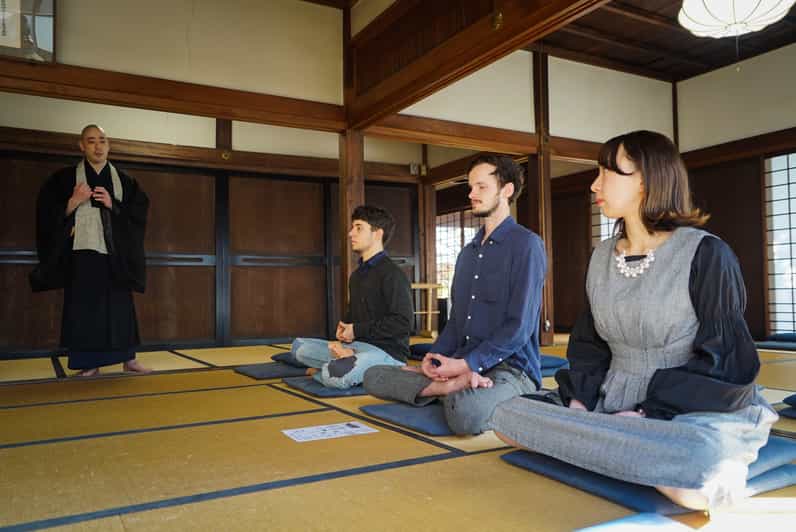
- Small group of up to 7 keeps questions and photo moments from feeling rushed
- Zen garden first so zazen has context, not just instructions
- One-hour zazen session with posture, breathing, and focus cues
- Temple details you might miss alone like the San-mon gate and dragon ceiling paintings
- Shojin Ryori lunch with dashi (vegetarian, but not vegan)
- Plan for temperature and silence: bring water for summer, thick socks in winter, and expect quiet during zazen
Getting oriented at Tofukuji Station, Exit 2
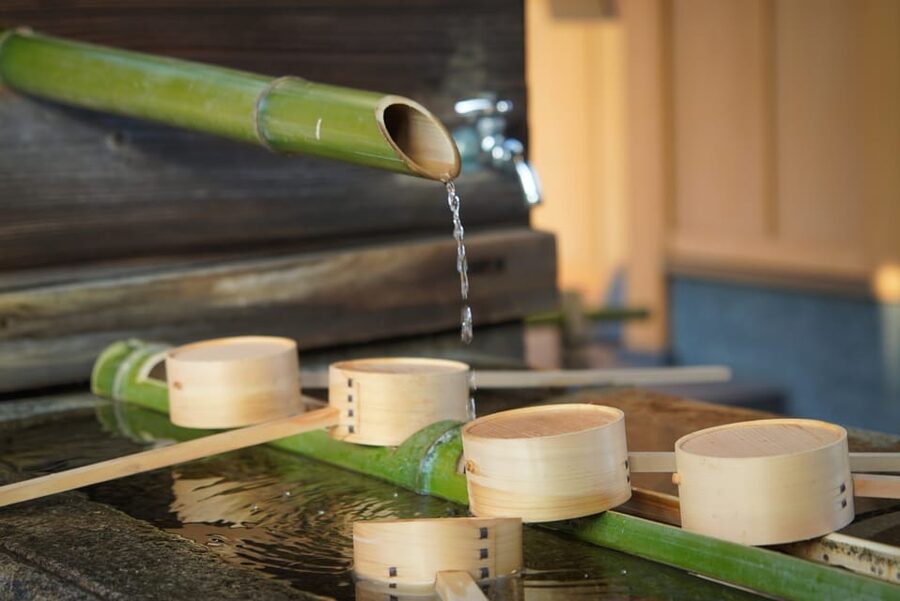
You start outside Tofukuji Station, Exit 2, next to a FamilyMart. That matters more than it sounds, because this is a temple day where timing is strict: the tour must start on time, and if you’re late and miss the group, you won’t be able to join or reschedule.
The upside of starting at a clear transit landmark is that you can get your bearings fast and avoid burning your best energy hunting for the meeting spot. Kyoto can be a little chaotic on the first day, so having a simple starting point helps you stay in the right frame of mind.
Kōmyō-in Temple garden: learning how to look at Zen
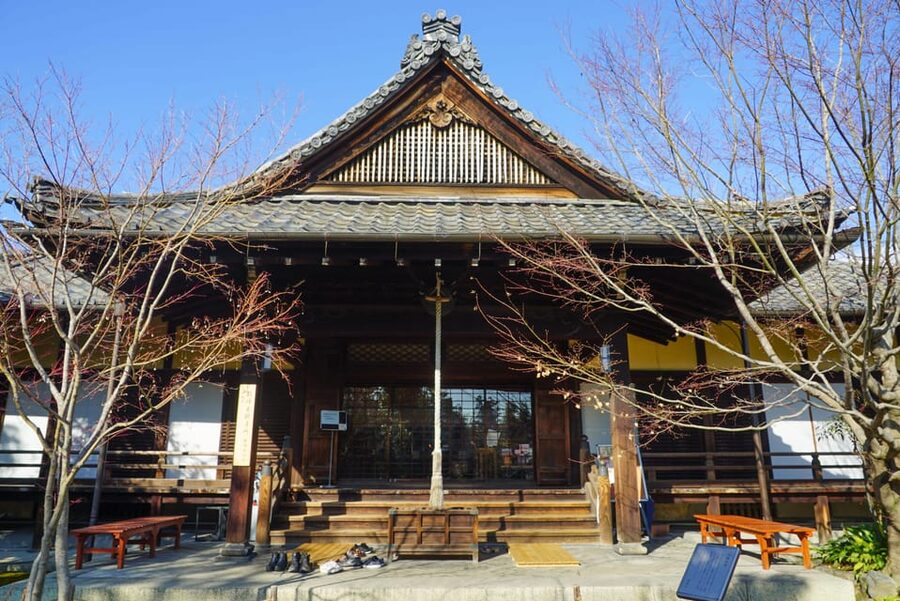
Your first stop is Kōmyō-in Temple for about 40 minutes. This is where the tour makes a smart choice: it doesn’t jump straight into sitting and counting breaths. Instead, you begin with the garden, and your guide offers commentary on what you’re seeing and how it ties to Zen principles.
What I like about this approach is that it gives you something concrete to do before you go quiet. You’re not just waiting for the meditation portion to start. You learn what Zen tries to train in you: attention, patience, and a way of observing that feels calm rather than forced.
Tip for getting value here: treat the garden walk like a warm-up, not sightseeing. Slow down your pace. Let the guide’s explanations guide where you look, but also pause when something catches your eye. Zen gardens are built for still observation.
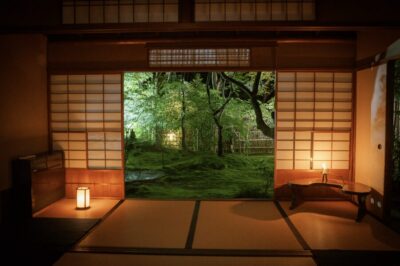
Sit in silence at a Zen temple
- Kyoto Zen Meditation & Garden Tour at a Zen Temple with Lunch
★ 5.0 · 441 reviews - Kyoto: Zen Experience in a Hidden Temple
★ 5.0 · 437 reviews - Kyoto: Tea Ceremony Meditation – Make Matcha with Tea Master
★ 4.8 · 406 reviews - Kyoto: Zen Meditation at a Private Temple with a Monk
★ 5.0 · 202 reviews
Inside Tofukuji: San-mon gate, dragon ceilings, and an oddly specific toilet
Next you visit Tofukuji Temple itself. Even with a shorter stop time, this is packed with standout sights that many independent visits don’t naturally connect for first-timers.
You’ll have a chance to see the impressive San-mon gate, intricate dragon ceiling paintings, and even the oldest surviving toji (toilet). That last one sounds like a joke until you remember what temples are: places of living, training, maintenance, and routine. The tour uses those details to remind you that religious practice is also daily life.
The practical benefit of a guided pass here is interpretation. Without a guide, it’s easy to admire the visuals and miss the point. With the guide, you get a clearer sense of why these elements matter to temple culture and how to read the space.
If you’re the type who likes history, this stop also places you in the right era, with Tofukuji serving as a residence and practice site for monks since the 13th century. That helps the rest of the day feel less like a performance and more like a continuing tradition.
The zazen hour: posture, breathing, and temple silence
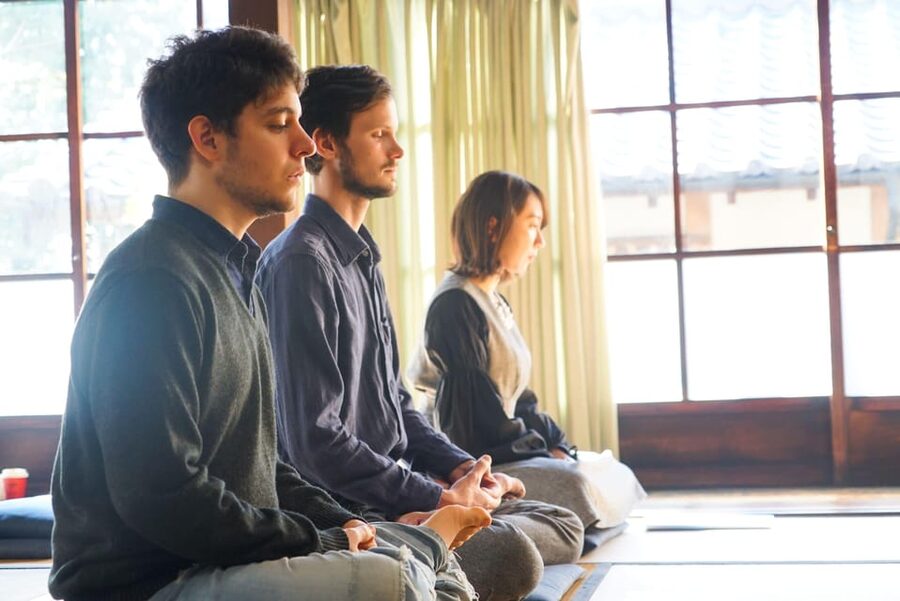
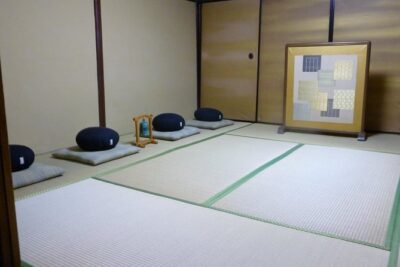
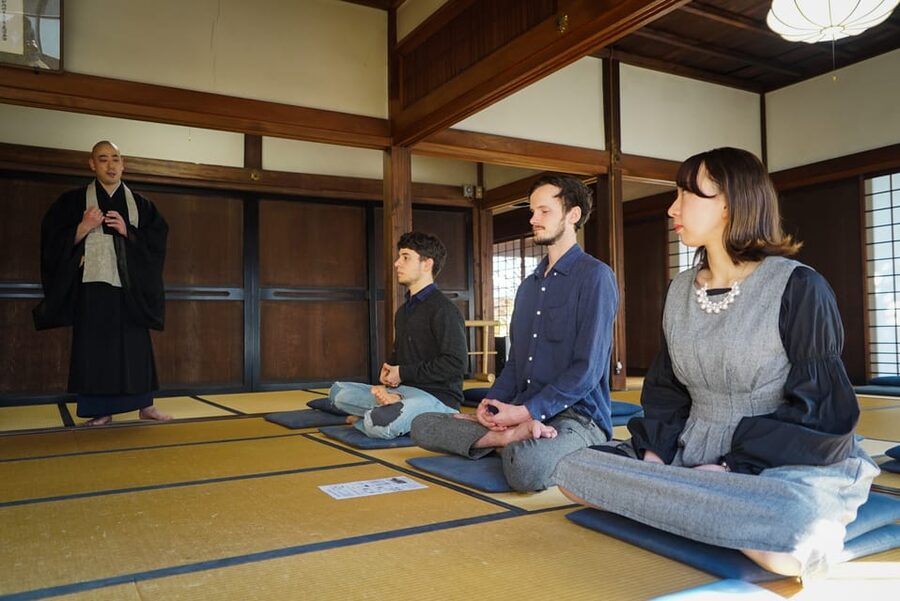
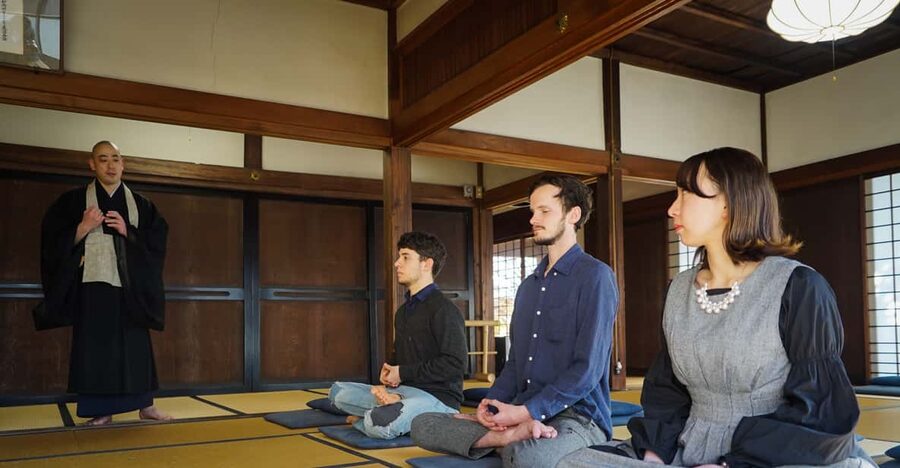
Now the main event: a one-hour zazen experience. Before you sit, the guide leads you through basics tied to posture, breathing techniques, and the methods and ideas behind Zen meditation.
Here’s the key rule to be ready for: during zazen, the guide stays silent. You’ll be given special silent reading materials so you’re not left totally blank. This is also when private conversations are generally prohibited, since everyone is there for a shared quiet practice.
I like this format because it protects the atmosphere. Kyoto temples work best when you respect the soundscape. If you come in expecting a chatty class, you may feel frustrated at first. But if you can lean into the quiet, the session becomes more than a lesson.
After you stand up, you’re not left hanging. There’s a brief discussion following the meditation where you share thoughts and experiences with monks. That’s your moment to convert the silence into understanding.
Also, watch your body. Temple floors can get cold, especially in winter, so thick socks are a smart move. Your comfort directly affects how well you can settle.
Shōrin-ji (Bishamon-do) and a calmer pace after sitting
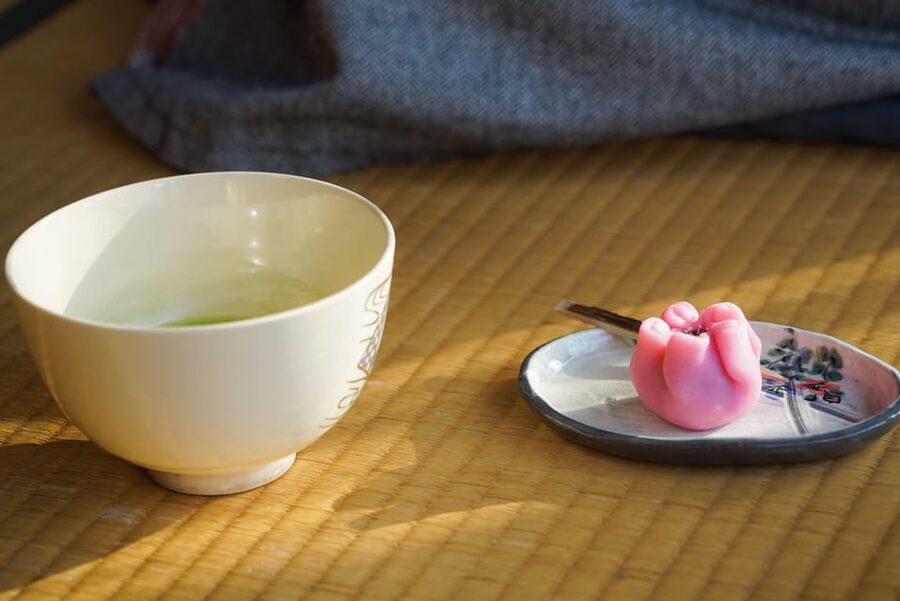
Your itinerary includes a longer temple block at Shōrin-ji (Bishamon-dō) for about 70 minutes. This is a good counterbalance after the meditation, because it keeps the day grounded in the temple environment rather than rushing you straight to lunch.
This part of the experience also supports one of the tour’s themes: learning to feel Zen, not only hear about it. After zazen, you take a short walk and continue through temple and garden space with commentary, so you can connect what you felt during sitting to what you see afterward.
If you tend to get “performance tired” on tours, this is the kind of structure that helps. You get one meaningful quiet block, then you transition gently instead of constantly hopping.
Shojin Ryori lunch: what’s actually in the monk-style meal
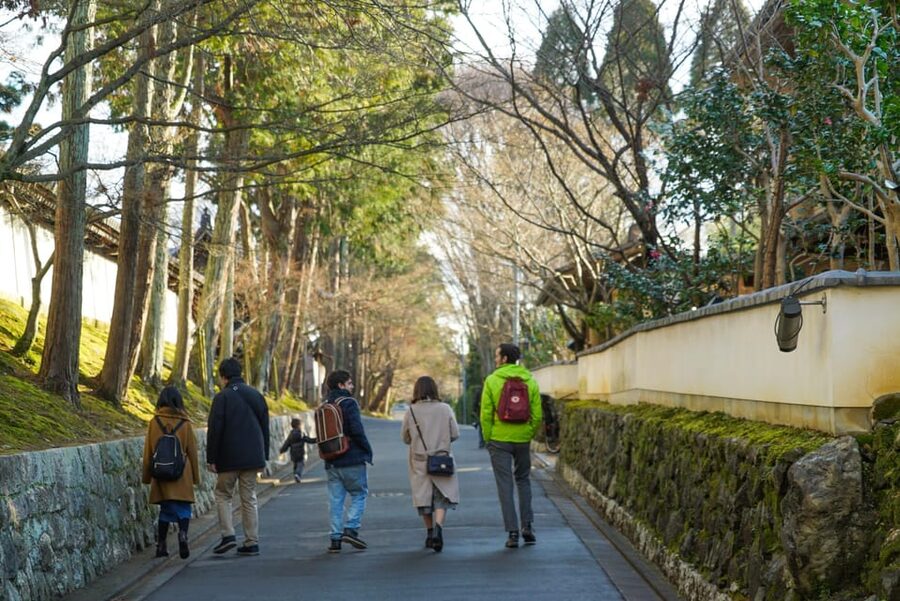
Lunch is about 45 minutes at a local restaurant. It’s vegetarian Shojin Ryori, a temple tradition that uses vegetables, mushrooms, and seaweed, and avoids meat and fish. The summary also notes dashi-fish broth is included, plus a bit of dairy.
That combination is important for expectations:
- You will get a monk-style vegetarian meal, not a meat-heavy Japanese set.
- It is not vegan because dashi uses fish and there is some dairy.
The tour places lunch next to a temple area that once trained as many as 1,200 Buddhist monks. Even if you never visit that kind of training space on your own, eating nearby adds a layer of meaning. You’re not just fueling up, you’re participating in a tradition.
A practical note: the tour is not suitable for people with gluten intolerance. If that affects you, skip this one rather than hoping you can “handle it.” Temple cuisines can be complicated with seasonings, and the tour is specifically flagged for this reason.
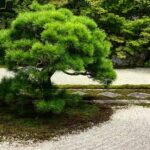
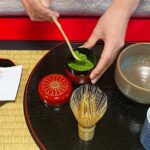
Moss, stone, and raked gravel gardens
Small-group details that make the Zen day feel real
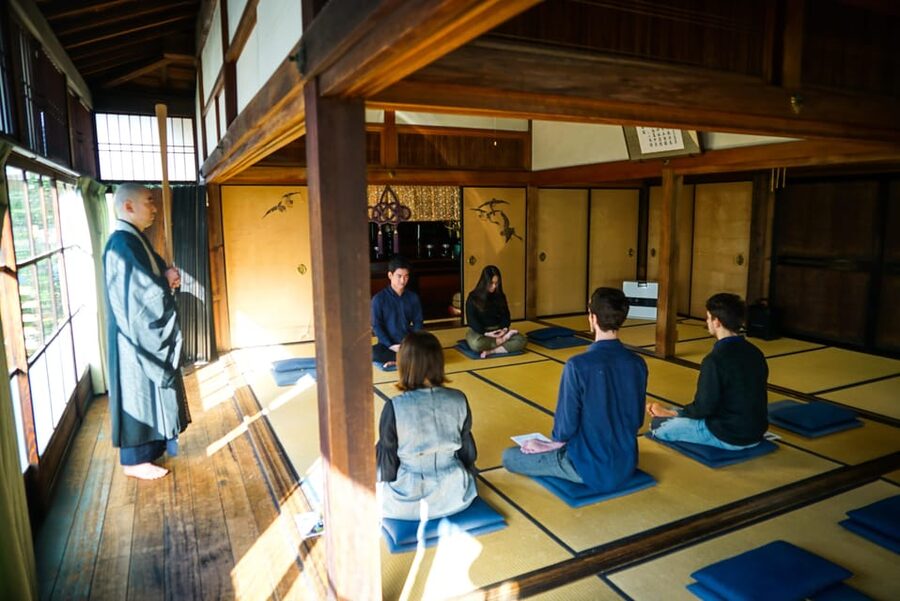
This tour is limited to 7 participants. In practice, that small size changes the whole vibe.
First, it makes it easier to keep the group together during temple transitions. Second, it supports better interaction after zazen when you’re invited to share experiences. Third, photos are handled during the tour, which is a real help because temples and quiet spaces often discourage constant phone-fiddling.
English guidance matters too. The tour runs with a live English guide, and in past experiences with guides such as Yutaka, Louis, and Eri, the strongest praise has been for clear explanations of Zen concepts and Japanese Buddhism, along with patience for questions.
If you’re a solo traveler, the group size also makes it feel less like you’re “on rails” and more like you’re joining a shared practice.
Timing and what to pack for a zazen-friendly Kyoto
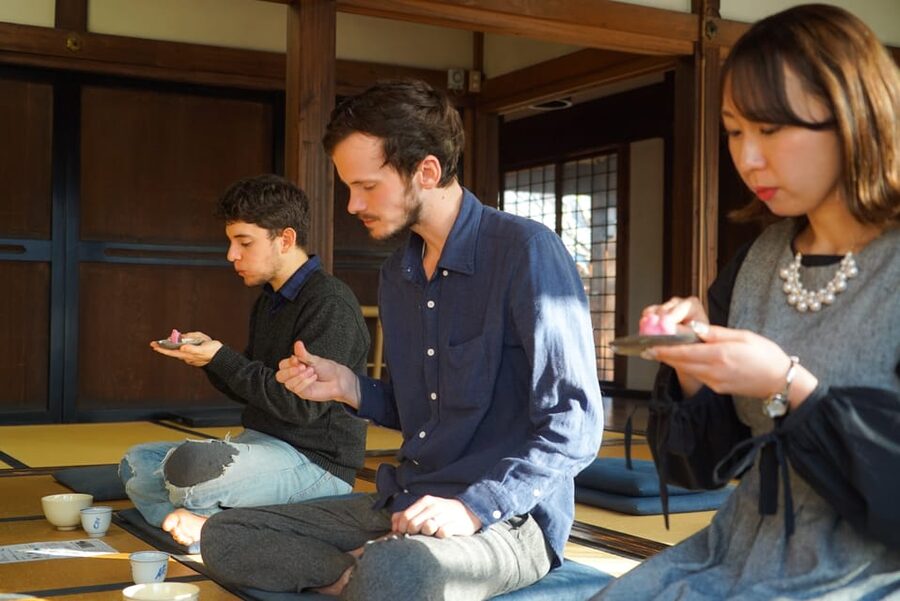
The tour lasts about 270 minutes, or roughly 4.5 hours. That timing is short enough to fit into a Kyoto itinerary, but long enough to avoid the “checklist” feeling.
If you book the 10:45 starting time, lunch doesn’t happen until about 14:15. Plan to have enough breakfast or brunch, because this is not a snacks-between-stops setup.
Packing that really matters:
- Summer: Japan can be hot and humid, so bring water and a hat to help prevent heat stroke.
- Winter: temple floors can be cold, so wear thick socks.
- During zazen: expect quiet. Save questions for after, and let the silent materials do their job.
Price and value: is $107 fair for a Kyoto Zen day?
At $107 per person, you’re paying for more than entry tickets. The price includes:
- temple and garden admission fees
- a one-hour Zen meditation experience
- Shojin Ryori lunch
- services of an English local guide
- photo support during the tour
For me, the value comes from two things you can’t easily DIY in a calm way: a guided zazen session that sets you up correctly, and a lunch that matches the temple tradition you just learned about. If you were doing it alone, you’d still spend time figuring out where to go, what to notice, and how to prepare for the rules of silence.
Also, small-group size helps justify the cost. It’s not a big bus tour where you get a quick look and move on. You get time to settle into the spaces, and that’s what Zen asks for.
Who this Kyoto Zen meditation and garden tour suits best
You’ll enjoy this most if:
- you want a structured introduction to Zen meditation (zazen), not just a museum-style explanation
- you like temples where the pace slows down and rules matter
- you’re interested in Japanese Buddhist food culture through Shojin Ryori
- you prefer small groups, around 7 people, with a guide who can answer questions at the right time
You might skip it if:
- you’re traveling with children under 12
- you have gluten intolerance
- you need lots of conversation during the meditation portion
Should you book this Kyoto Zen meditation and garden tour?
Yes, book it if you want a respectful, guided Zen day that connects garden viewing, sitting practice, and temple-style lunch in one smooth flow. The biggest payoff is the combination: the garden gives context, the one-hour zazen teaches the basics, and Shojin Ryori finishes the experience with food that matches the philosophy.
Skip it if silence would feel uncomfortable for you, or if dietary needs make Shojin Ryori a problem for you. If you can show up ready to slow down, this is the kind of Kyoto experience that sticks.
FAQ
Where is the meeting point?
You meet outside Tofukuji Station, Exit 2, next to the Family Mart.
How long is the tour?
The tour duration is 270 minutes.
What is included in the price?
It includes the Zen meditation experience, Shojin traditional Buddhist lunch (Shojin Ryori), temple and garden admission fee, photos during the tour, and services of a local English guide.
Is this tour suitable for children?
No. It is not suitable for children under 12 years old.
What should I do if I book a 10:45 start time?
Lunch would be around 14:15, so plan to have enough breakfast or brunch beforehand.
Are there any food limits?
The tour is not suitable for people with gluten intolerance.
Lunch in Kyoto

Temples and Shrines

New This Season
- Hands On Uji Matcha Experience in Seika Town
- Suntory Whisky and Beer Tasting Walking Tour in Kyoto
- 7hr Private Wazuka True Hidden Kyoto Matcha Farm Experience
- Shibori Fukusa Course at Kyoto Shibori Museum
- Kyoto Satoyama Cycling with Lunch and English guide
- Kyo-arashi Shibori Scarf Class at Kyoto Shibori Museum
- Arashiyama Walking Tour with Optional Sagano Romantic Train Ride
- Amanohashidate Sand bar & culture e-bike tour
Zen Meditation Sessions, compared.
Kyoto Zen Meditation & Garden Tour at a Zen Temple with Lunch
Read our review →
Tea Ceremony Meditation – Make Matcha with Tea Master
Read our review →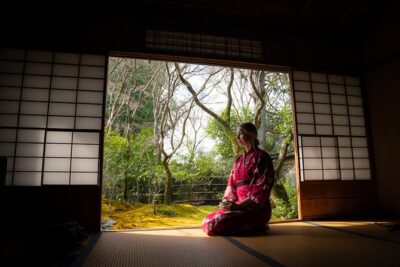
Zen Meditation at a Private Temple with a Monk
Read our review →