
Reviewed · MATCHA & GREEN TEA TASTINGS
7hr Private Wazuka True Hidden Kyoto Matcha Farm Experience
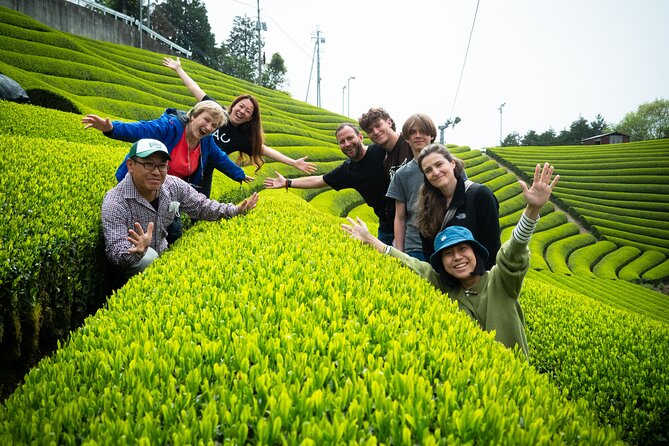
Matcha tastes better in the tea fields. I love how a 5th generation farmer shows the real matcha process, and I love the take-home Imperial Family matcha. Plan for muddy, bumpy farm paths.
Expect a private half-day in rural Wazuka, with pickup offered and only your group participating. You start at 10:00 am at Wazuka-cha CafeJapan, then return to the meeting point after about 6 hours.
In This Review
- Key Highlights You Will Care About
- Wazuka Is the Matcha Side of Kyoto
- Meeting a 5th Generation Matcha Farmer, Not a Script
- Two Matcha Farms You Can Actually See and Walk
- Lunch That Feels Like You Stepped Into Tea Country
- Matcha Tasting and Tea Tasting, With a Purpose
- The Workshop Part, Where You Get More Than Photos
- Hearing 800 Years of Tea Making in Plain, Practical Terms
- The Imperial Family Matcha Take-Home Twist
- Price and Value: What $520 Gets You in Real Life
- Start Location, Pickup, and How to Plan Your Time
- What to Wear for Bumpy, Muddy Farm Access
- Group Discounts and the Private Advantage
- Who This Wazuka Matcha Farm Tour Fits Best
- Should You Book This Tour?
- FAQ
- FAQ
- Where does the Wazuka matcha experience start?
- When does it start?
- How long is the experience?
- Is this a private tour?
- What farms and activities are included?
- Do we get lunch during the tour?
- Do you take matcha home?
- Is pickup available?
- Is the tour refundable if I cancel?
- Are service animals allowed?
Key Highlights You Will Care About
- 5th generation host guidance that connects farm work to the flavors you taste
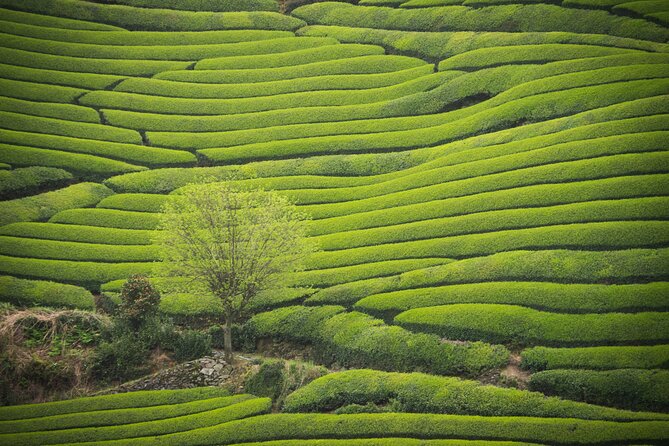
- Two working matcha tea farms plus a walk through the tea fields you see on postcards
- Matcha lunch set in a traditional-style home followed by tasting time
- Matcha and tea tastings that help you separate how aroma, texture, and bitterness work
- Take-home premium matcha linked to a farm once owned by the Imperial Family
- Tea making tradition going back around 800 years (you hear it explained in everyday terms)
Wazuka Is the Matcha Side of Kyoto
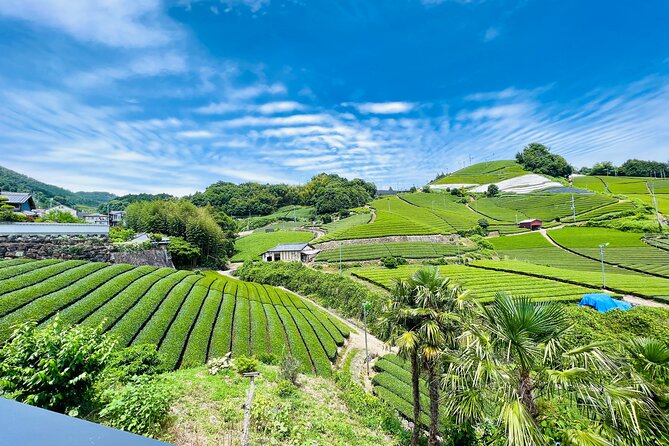
If you’ve only had matcha in a city cafe, you might be missing half the story. Wazuka is where the leaves grow, where the work happens, and where flavor starts long before it hits your cup.
This tour is interesting because it stays in the countryside instead of bouncing between quick photo stops. You’ll move through real tea farm areas, meet matcha makers, and learn why this tea tastes the way it does when it’s grown and processed locally.
I also like that the experience is private. When it’s just your group, you can ask the practical questions, slow down when you want to, and get answers tailored to your interest level.
Meeting a 5th Generation Matcha Farmer, Not a Script
The host for this experience is a local matcha farmer, a 5th generation tea grower. That matters because you’re not being “performed at” or handed a memorized speech. You’re getting the point of view of someone who has done the work for their whole life, and now teaches it.
You’ll hear about the tradition of matcha production, including the 800 year old continuity of tea making in the region. Instead of thinking matcha is just a modern trend, you start to see it as a craft with routines, tools, and preferences that get passed down.
I especially like the “five senses” angle the vibe suggests, even before you taste anything. You smell the leaves and the processing cues, you see how the farm environment shapes the harvest, and then you translate all of that into what you taste in the cup.
Whisk your own bowl of matcha
- Hands On Uji Matcha Experience in Seika Town
★ 5.0 · 1 review - Kyoto: Arashiyama Bamboo Forest, Monkeys, Matcha & Temple Tour
★ 5.0 · 759 reviews - Kyoto: Tea Museum Tickets and Matcha Grinding Experience
★ 4.9 · 739 reviews - Kyoto: Tea Ceremony Meditation – Make Matcha with Tea Master
★ 4.8 · 406 reviews
Two Matcha Farms You Can Actually See and Walk
Many tea tours show you one place and call it “authentic.” Here you visit two local matcha tea farms, which gives you better context. Each farm visit helps you compare how tea is grown and handled, and how that links to different matcha experiences.
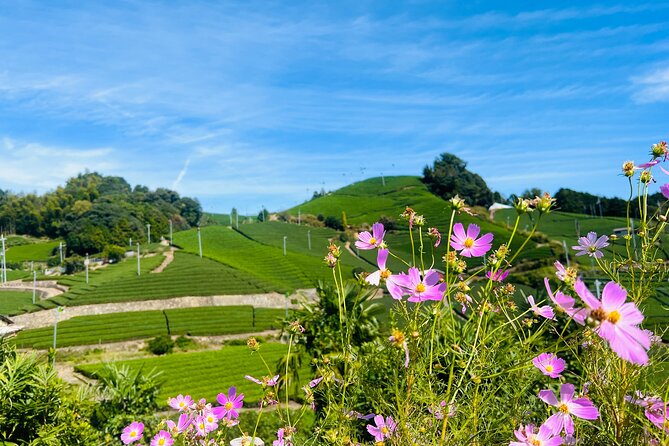
You’ll walk through the tea farm areas during the visit. That walk is more than sightseeing. It helps you understand why this region is so well suited for matcha, and why the ground and climate matter for the leaves.
One practical consideration: farm access can be bumpy and muddy. If it has rained recently, expect uneven footing. Bring shoes you can trust, and don’t plan on anything fragile or slippery.
Lunch That Feels Like You Stepped Into Tea Country
Between the farm walks and tastings, you get a traditional Japanese-style home lunch experience. You’ll enjoy a delicately crafted matcha lunch set, which is exactly the kind of meal that makes the day click.
The value here is not the meal by itself. The meal is timed and designed to reinforce what you’re learning. You taste flavors, you pair them with tea, and you leave with a better understanding of how matcha can work beyond a latte.
For me, this is the difference between “I learned about matcha” and “I understood matcha.” Eating while you’re in the middle of the lesson makes the information stick.
Matcha Tasting and Tea Tasting, With a Purpose
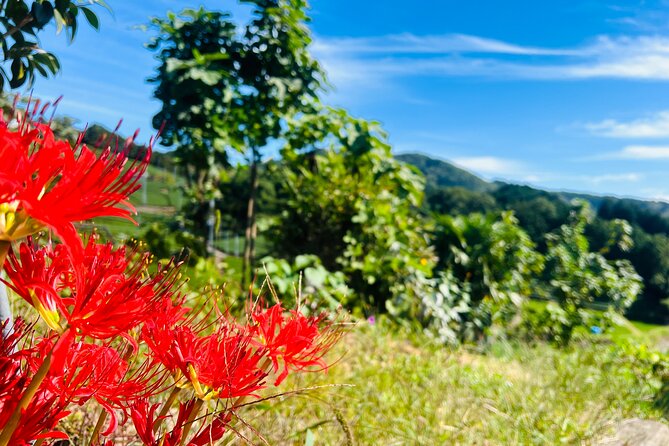
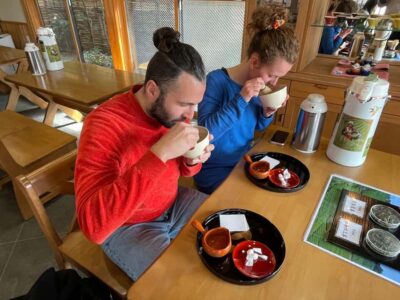
This tour isn’t just sipping and nodding. You’ll participate in matcha tasting plus tea tasting, and you’ll have time to notice differences instead of rushing past them.
Even if you’re new to matcha, tasting can be guided without being complicated. You start to connect what you smell and see to what you taste: bitterness, sweetness, body, and that lingering afterfeel many people notice with higher quality matcha.
I like how this kind of tasting helps you stop treating matcha as one flavor. You begin to expect variation, and you learn what to look for when you try matcha later in Tokyo or back home.
The Workshop Part, Where You Get More Than Photos
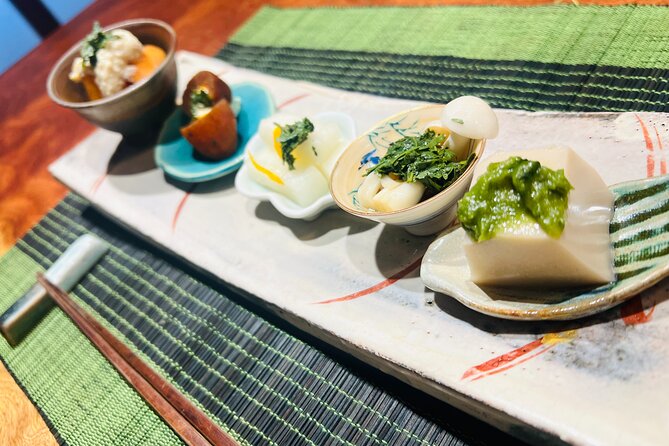
You’ll join a matcha workshop as part of the day. Workshops are the point where “learning” turns into something you can recreate or at least describe confidently.
The main value of the workshop for you is control. You’re not just watching someone make tea. You’re getting hands-on time within the structure of the craft, so you can better understand the steps and why they matter.
If you like doing things with your hands, this is the part you’ll talk about later. If you’re more of a listener, the workshop still helps because it anchors the tasting and the history in real technique.
A quieter way to spend a day in Kyoto


Hearing 800 Years of Tea Making in Plain, Practical Terms
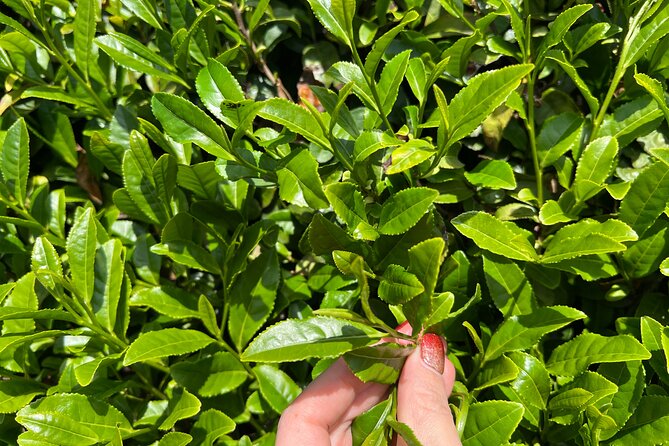
The day includes time to hear about the tradition of matcha production, including around 800 years of tea making history. That could sound heavy, like a lecture you’d struggle to remember.
Here, it’s presented in a way that connects to farm life and to the end result in your cup. You learn how the “why” behind the process supports the “how,” and why matcha is treated as more than just another crop.
If you care about culture but hate museum-style talking, this is a good fit. You get tradition explained while you’re surrounded by the environment that produced it.
The Imperial Family Matcha Take-Home Twist
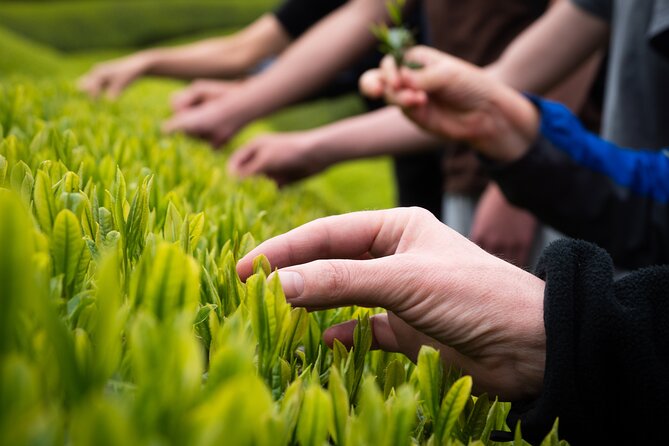
One of the biggest reasons this tour stands out is the take-home matcha. You’ll be able to take premium matcha from a farm previously owned by the Imperial Family.
That matters for two reasons. First, it gives you a souvenir that is actually tied to the experience, not just a branded package. Second, it gives you a chance to taste again later and remember what you learned about aroma and flavor differences.
For best results at home, store it carefully and use it soon after opening. Matcha flavor can fade, and you’ll want to preserve the quality you experienced during the tasting.
Price and Value: What $520 Gets You in Real Life
At $520 per person, this is not a budget activity. But it is also not “paying for views” or “paying for a generic demo.” You’re paying for a private, guided day with access to two working farms, lunch, tastings, and a workshop, plus take-home premium matcha.
Private tours cost more because you’re essentially reserving expert time. In this case, that time includes a host who is a 5th generation matcha farmer, and coordination around farm visits and a traditional meal.
If you’re traveling as a solo, it’s a splurge. If you have a small group, it can feel more reasonable because you’re splitting the total guided effort across people who all get the same one-on-one attention.
A helpful way to decide is to compare what you’d pay for a standard matcha class plus a separate farm visit plus a meal. When you price it out that way, $520 starts to look like fewer separate expenses wrapped into one day.
Start Location, Pickup, and How to Plan Your Time
The tour starts back at Wazuka-cha CafeJapan in Wazuka, Kyoto. The start time is 10:00 am, and it ends back at the meeting point, so you don’t have to worry about complicated end-of-day logistics.
Pickup is offered. If you’re staying in Kyoto city, pickup can save time and stress, especially when you don’t want to figure out rural transit on a tight schedule. If you prefer public transit, it’s also listed as near public transportation.
Plan for a half-day commitment. Even with the stated approximate duration of about 6 hours, the day feels like a full experience once you add walking, tasting, and moving between the two farms.
What to Wear for Bumpy, Muddy Farm Access
This is rural. The farm access can be bumpy and muddy, so comfort beats style here.
I recommend sturdy closed-toe shoes with grip. Bring layers, too, because tea fields and countryside spaces can feel cooler or windier than the city depending on the day. If you’re wearing anything delicate, keep it protected.
Also think about your camera plan. You’ll want photos, but make sure you can move safely. One good tip: put your phone away when you’re tasting or listening closely, so you stay present.
Group Discounts and the Private Advantage
The experience is private, meaning only your group participates. That’s great if you want quiet attention and a tailored pace instead of feeling like you’re part of a time slot.
Group discounts are listed. If you’re traveling with friends or family, ask at booking time how the discount works. You’ll often get better value when you bring more people who can share the private guide time.
Private is also a plus if someone in your group has questions about matcha preparation or flavor preferences. The host can respond to your curiosity right there.
Who This Wazuka Matcha Farm Tour Fits Best
This tour is best for people who want more than a tasting. You’ll enjoy it most if you care about how food is made, like seeing processes instead of reading about them later.
It also suits visitors who like small moments. Lunch in a traditional-style home, hands-on workshop time, and tasting sessions work well for travelers who appreciate slower, more sensory travel.
Families can be interested too, but this is still a farm day with walking and muddy spots. If you go with kids, keep an eye on footwear and comfort.
If you’re the kind of traveler who collects experiences that change how you order food afterward, this matches that style. After this, you’ll likely pay closer attention to the matcha quality and how it’s prepared.
Should You Book This Tour?
Book this if you want a serious matcha day in rural Kyoto, with two farm visits and a real host who teaches from long experience. It’s also a strong choice if you want a take-home product that actually connects to what you learned, not just a souvenir.
Skip it if you’re only chasing a quick matcha drink with minimal walking. The muddy, bumpy farm reality means you should be comfortable with countryside conditions. Also, if $520 per person is out of range, consider a less structured tasting class.
One more practical note: the tour is often booked about 35 days in advance on average. If your dates are fixed, start looking early.
FAQ
FAQ
Where does the Wazuka matcha experience start?
It starts at Wazuka-cha CafeJapan, located at 619-1222 Kyoto, Soraku District, Wazuka, Shirasu, Ōhazama 35 グリンティ和束 1階.
When does it start?
The start time is 10:00 am.
How long is the experience?
It is approximately 6 hours.
Is this a private tour?
Yes, it is a private tour or activity. Only your group participates.
What farms and activities are included?
You visit two local matcha tea farms, walk through the farm areas, and take part in a matcha workshop, matcha tasting, and tea tasting.
Do we get lunch during the tour?
Yes. You’ll enjoy a matcha lunch set at an invited traditional Japanese-style home.
Do you take matcha home?
Yes. You’ll take home some premium matcha from a farm previously owned by the Imperial Family.
Is pickup available?
Pickup is offered. The experience is also listed as near public transportation.
Is the tour refundable if I cancel?
No. This experience is non-refundable and cannot be changed for any reason.
Are service animals allowed?
Yes. Service animals are allowed. Note that farm access can be bumpy and muddy.
New This Season
- Hands On Uji Matcha Experience in Seika Town
- Suntory Whisky and Beer Tasting Walking Tour in Kyoto
- Shibori Fukusa Course at Kyoto Shibori Museum
- Kyoto Satoyama Cycling with Lunch and English guide
- Kyo-arashi Shibori Scarf Class at Kyoto Shibori Museum
- Arashiyama Walking Tour with Optional Sagano Romantic Train Ride
- Amanohashidate Sand bar & culture e-bike tour
- kyoto:Experience creating one-of-a-kind special fragrances
Matcha & Green Tea Tastings, compared.

Arashiyama Bamboo Forest, Monkeys, Matcha & Temple Tour
Read our review →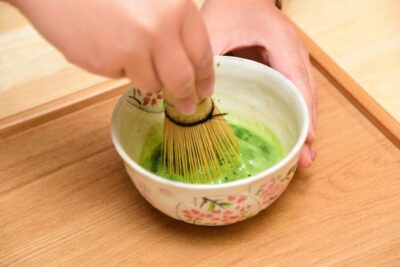
Tea Museum Tickets and Matcha Grinding Experience
Read our review →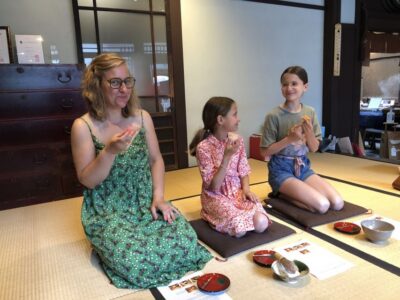
Tea Ceremony Meditation – Make Matcha with Tea Master
Read our review →Arashiyama Bamboo, Matcha, Monkeys & Temple Tour
Read our review →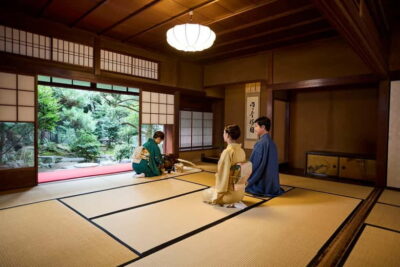

Arashiyama Bamboo, Temple, Matcha, Monkeys & secret spots
Read our review →
Green Tea Tour with Byodoin and Koshoji Temple Visits
Read our review →Also filed under