Reviewed · TEA CEREMONIES
Kyoto: Kimono Tea Ceremony with Matcha and Sweet
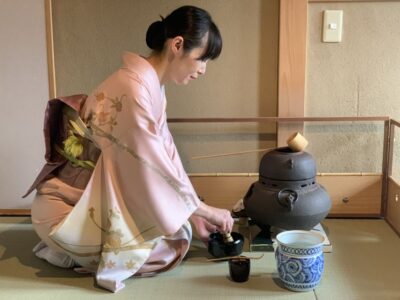
Tea, matcha, and kimono culture in Kyoto. This experience pairs kimono dressing with a traditional, guided tea ceremony where you also do hands-on matcha. It is a calm break from sightseeing, and the details are what make it feel truly Japanese.
I like that the session is structured around real etiquette, not just a “make matcha and take photos” vibe. I also like the small-group feel, with around 12 to 14 participants, which makes it easier to follow along and ask questions in English. One possible drawback: if you are hoping to do your own makeup or spend extra time getting ready, the dressing part can feel fairly efficient, and the ceremony sits you in formal kimono mode where comfort and movement take a quick adjustment.
In This Review
- Key things to know before you go
- Kyoto kimono tea ceremony, what the 90 minutes feels like
- Start with kimono dressing and photo time you can actually enjoy
- Inside the tea room, etiquette is the real star
- Learning the matcha steps, watching first, then doing it yourself
- Wagashi sweets: the seasonal detail you will remember
- Group size, comfort options, and how to plan your body and expectations
- Zen principles you will actually feel during the ritual
- Price and value: why $66 can feel fair, not cheap
- Who should book this Kyoto tea and kimono experience
- Real names you might meet, and what guests notice most
- Should you book this Kyoto kimono and matcha ceremony?
- FAQ
- How long is the Kyoto kimono tea ceremony experience?
- What is included in the $66 per person price?
- Is transportation to and from the venue included?
- Is the ceremony led in English?
- Can children under 7 participate?
- Do I have to sit on tatami mats?
- How many people are in each session?
- Are the matcha and wagashi included?
- What is the cancellation policy?
Key things to know before you go
- Pick your kimono first, then get fitted and styled before you enter the tea room.
- Expect full English guidance, with a tea master leading the ceremony steps.
- Hands-on matcha prep is part of the experience, not just watching.
- Seasonal wagashi sweets are served alongside your tea.
- Tatami seating is common, but you can request wooden or bamboo chairs ahead.
Kyoto kimono tea ceremony, what the 90 minutes feels like
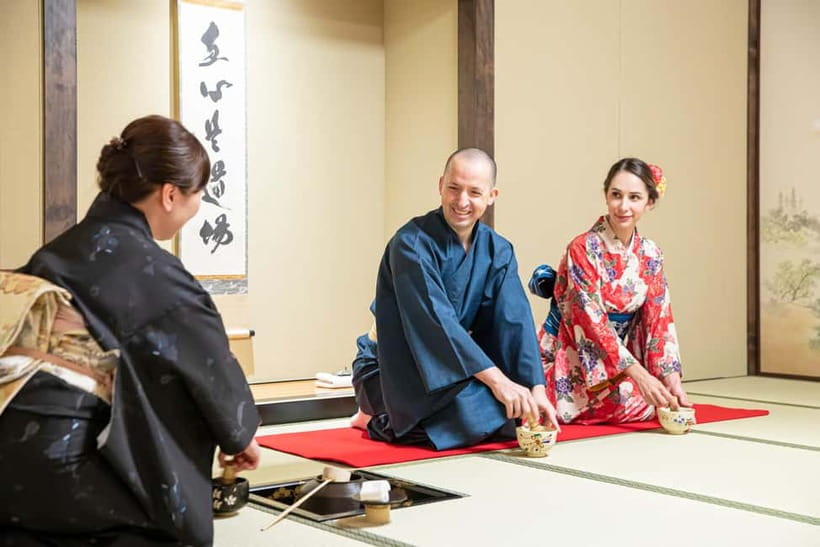
Kyoto is the kind of city where you can walk from shrine to shrine and still feel like you missed something. This is different. You slow down on purpose, pull on a kimono, and learn how people used tea to practice focus, respect, and quiet manners.
The flow is simple, which is good, because you want your attention on the ritual. You start with dressing, move into a traditional tea room, watch the ceremony steps explained in English, then make your own bowl of matcha and taste seasonal wagashi.
Pricing is $66 per person, which is not a bargain compared with casual activities. But it is also not just a show. You get a full outfit fitting, tea tools instruction, matcha practice, and sweets, all with a tea master guiding you through the details.
Start with kimono dressing and photo time you can actually enjoy
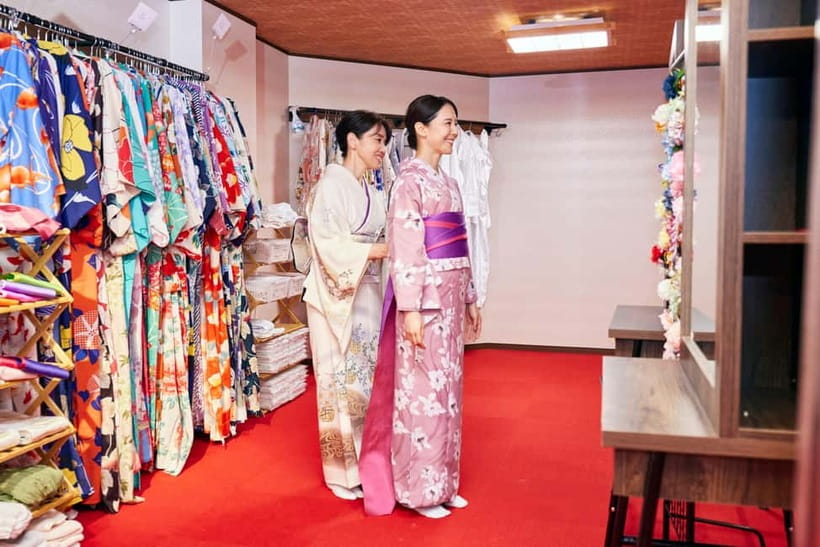
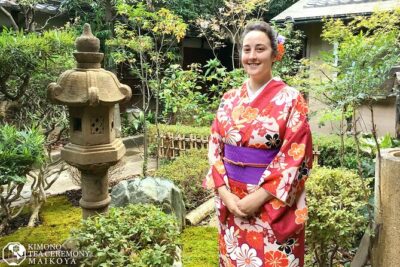
Your session begins with kimono selection and dressing. Staff assist you with putting on the kimono so it looks right and feels secure. If you are a woman with long hair, hair styling is included, but only for long hair, so plan around that.
In the reviews, this part is consistently praised as a highlight. One guest specifically called out how patient and detailed the fitting felt, and another noted they got kimono socks and could choose hair accessories like flowers. Even if your experience varies by day and styling options, the overall pattern is the same: you are not just handed a robe, you are dressed properly.
Practical tip: wear slip-on shoes and keep your jewelry minimal before dressing. You will be focused on fit and comfort, and you will want fewer distractions.
Also, plan on photos. More than one review mentions photo opportunities in kimono before and after the ceremony. If you are traveling for pictures, you will likely get time to take them without panicking your schedule.
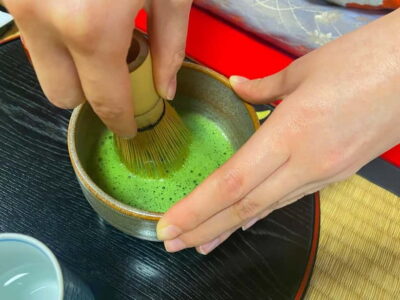
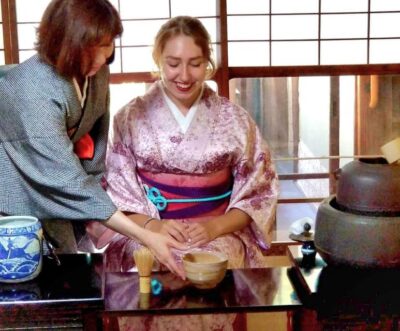
Whisk your own bowl of matcha
- Kyoto: Arashiyama Bamboo Forest, Monkeys, Matcha & Temple Tour
★ 5.0 · 759 reviews - Kyoto: Tea Ceremony Meditation – Make Matcha with Tea Master
★ 4.8 · 406 reviews - Kyoto: Arashiyama Bamboo, Matcha, Monkeys & Temple Tour
★ 4.9 · 291 reviews - Kyoto: Arashiyama Bamboo, Temple, Matcha, Monkeys & secret spots
★ 5.0 · 219 reviews
Inside the tea room, etiquette is the real star
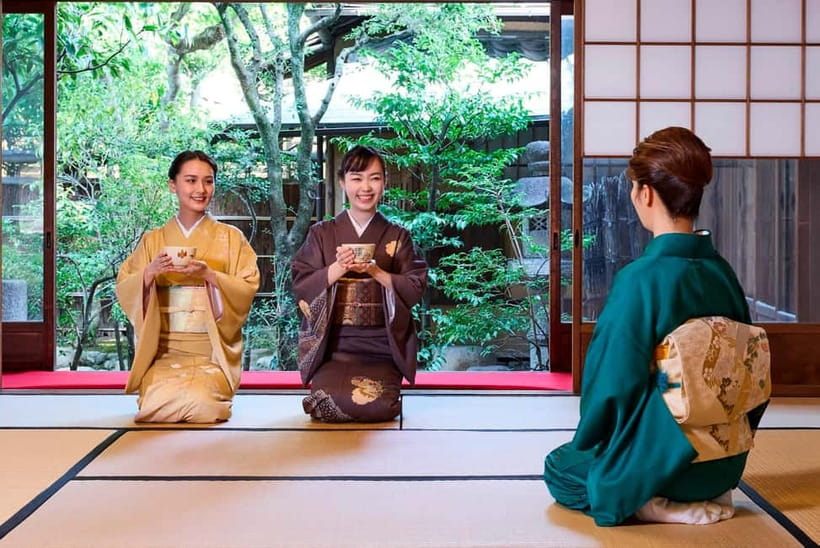
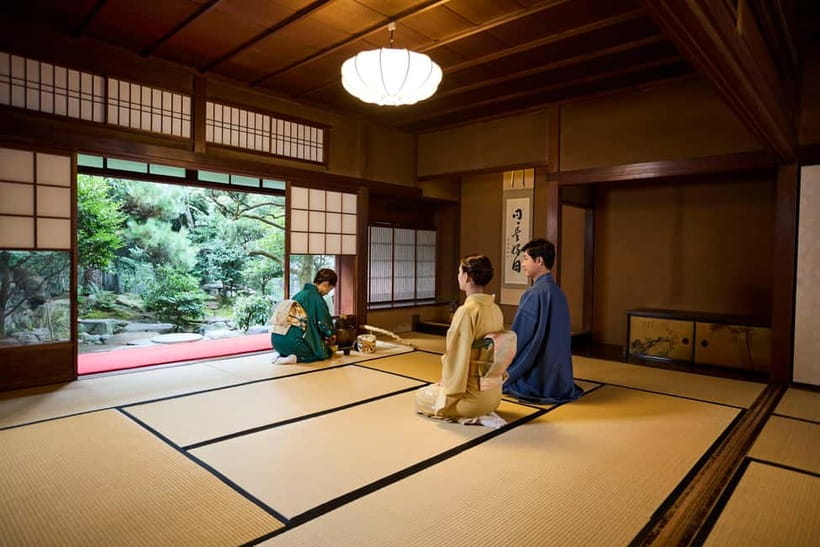
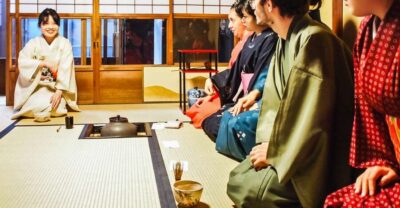
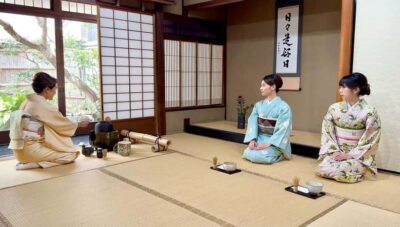
After dressing, you enter a traditional tea room where the tools and utensils are arranged for the ritual. Sitting on tatami mats is customary, but wooden chairs are available if you request them. Bamboo chairs are also available upon advance request if you prefer not to sit on tatami.
This is one of those “small details matter” moments. If you have ever sat on tatami for a while, you know your legs can file a complaint. So if you have knee or mobility issues, request the chair early. Your ceremony will feel calmer when your body is comfortable enough to focus.
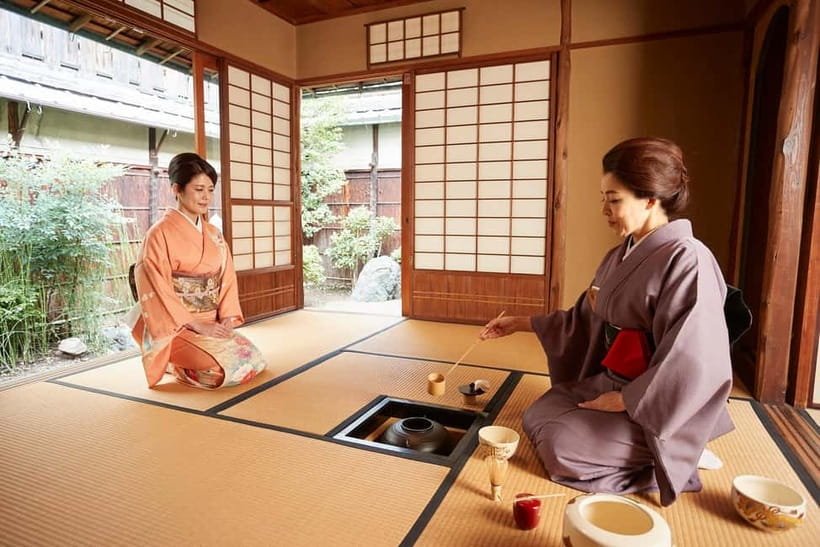
Your tea master guides you through the ceremony steps and explains the meaning behind them. This includes the history, the tools, and the etiquette, not just the choreography. Staff also connect it to Zen principles: Wa (harmony), Kei (respect), Sei (purity), and Jaku (tranquility). When those ideas are explained while you are actually performing the actions, they make instant sense.
You will also notice the pacing. It is slow by design. That is the point. Kyoto can be loud and crowded, and here you get the opposite.
Learning the matcha steps, watching first, then doing it yourself
A big reason this works well for first-timers is the structure: you observe the process, then you do it. That hands-on part is key. You learn what the tea master does, why each step exists, and then you practice making your own bowl of matcha using premium matcha powder.
From the reviews, guests love the feeling of being taught how to do it correctly. One guest praised the froth and creaminess, which is what you are aiming for when whisking matcha properly. Another highlighted a host who made the experience comfortable and relaxed, which matters when you are performing a technique you do not already know.
What you should pay attention to while making matcha:
- How the bowl and whisk are handled
- How quickly and how consistently you whisk
- The look and texture you aim for, especially once the surface froths
Do not stress about perfection. The goal is understanding the steps and the mindset behind them.
Wagashi sweets: the seasonal detail you will remember
Before or alongside your tea, you are served Japanese sweets called wagashi. These change with the seasons in flavor, color, and design, which means your bowl of tea comes with a matching little artwork.
This is not just dessert. Wagashi is part of the ceremony’s rhythm. It prepares your palate, and it signals that the experience is tied to time and place, not a repeatable script.
In reviews, people often mention enjoying both the tea and the sweets as a pair. You will likely taste sweetness that feels lighter than many Western desserts, with textures that are meant to complement the bitterness and earthiness of matcha.
Group size, comfort options, and how to plan your body and expectations
Your session includes about 12 to 14 participants. That is large enough to feel lively, but small enough for real guidance. Reviews also praise patient hosts who explain slowly and clearly in English, which is a huge deal if you want to actually understand the etiquette rather than just follow hands-on steps.
Comfort is built in, but you still need to plan for the reality of kimono and tatami. Kimono takes a little getting used to, and it can limit arm and leg movement slightly. If you are taking photos or sitting for a while, you will appreciate gentle, slow movements and shoes that do not require bending.
If you want to make the most of the kimono part, you might want to arrive ready for fit. One review mentioned the dressing part felt quick and did not leave time for makeup. That is a good warning for anyone who likes to do a full beauty routine before wearing a kimono. You can still look great, just shift your expectations.
Walk the old streets in kimono


Zen principles you will actually feel during the ritual
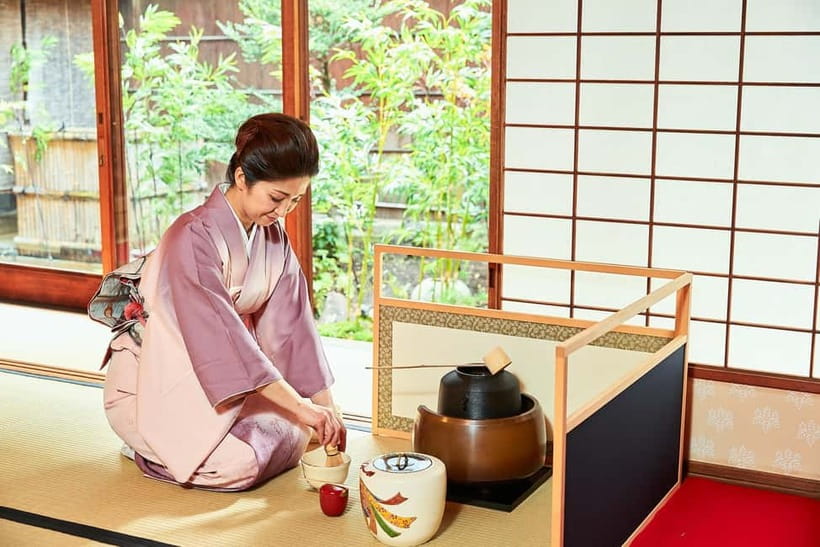
The ceremony includes explanations of Zen principles that shape the tea ritual: Wa (harmony), Kei (respect), Sei (purity), and Jaku (tranquility). You might think these are just nice words. In practice, they show up in the way the host guides you.
- Wa is reflected in the calm, balanced pacing of the steps.
- Kei shows up in how you handle utensils and how you move with care.
- Sei connects to cleanliness and attention to detail in the tools and preparation.
- Jaku is the final effect you feel when you sit, taste, and slow down.
I like this part because it gives you something to take home. You can try it yourself later, even if you never host a full tea ceremony again.
Price and value: why $66 can feel fair, not cheap
Let’s be honest about value. $66 is not pocket change. But you are paying for several things that usually cost extra if booked separately:
- Kimono dressing and fitting help
- A tea master-led traditional ceremony in English
- Hands-on matcha preparation using premium matcha
- Japanese sweets (wagashi)
- Bilingual staff assistance throughout
- Hair styling for women with long hair
Also, the session duration is about 90 minutes, with guidance that it can run 90 to 120 minutes. That time matters. It is long enough for real instruction and for your brain to switch from sightseeing mode to mindful mode.
If you love culture experiences that are participatory, not just observational, this is a strong match. If you only want a quick activity, you might find the time long for the price.
Who should book this Kyoto tea and kimono experience
Book it if:
- You want a meaningful Kyoto cultural activity that also gives you a fun outfit moment
- You like learning etiquette, history, and symbolism while doing the steps
- You want an English-friendly tea ceremony with real participation
It also works well for:
- Couples, because it is easy to follow together and you get shared photos
- Solo travelers who like structured activities with guidance
- People who enjoy mindful breaks during busy days
Skip it if:
- You do not want to sit on tatami for any length of time and you cannot request a chair in advance
- You want a casual, low-structure activity
- You are traveling with children under 7, since the experience is not suitable for them
Real names you might meet, and what guests notice most
The host or tea master matters, and it shows in the feedback. Some guests mentioned Maki, describing her as very nice and knowledgeable, and others praised Megumi for making the ceremony comfortable and informative.
The most repeated praise points are pretty clear:
- The instruction feels patient and easy to follow
- The ceremony feels authentic and elegant
- The atmosphere helps you relax instead of rushing
Even a more critical review did not call the whole thing bad. It suggested that the experience might feel more like a kimono rental plus a matcha workshop than a full, teacher-serving tea ritual. That is useful if you are expecting to be the guest of honor for every step. But with the hands-on matcha and guided etiquette, you should still leave with something real.
Should you book this Kyoto kimono and matcha ceremony?
Yes, if you want a culture activity that is both instructional and calming, with photo-friendly kimono time. It is one of the best ways to slow down in Kyoto, learn how the ritual works, and come away with a skill you can actually repeat at home.
I would book it without hesitation if:
- You are comfortable with structured guidance in a small group
- You care about the etiquette and meaning, not just the end product
- You want the full package, dressing plus tea plus sweets
I would think twice if:
- You are very sensitive about sitting on traditional flooring and cannot request a chair
- You are hoping for an extended, flexible beauty prep window before photos
- You prefer tea ceremonies where you strictly watch while a tea master serves every bowl
If that sounds like you, this experience will likely be a satisfying, memorable Kyoto afternoon or morning, with a matcha lesson you will not forget.
FAQ
How long is the Kyoto kimono tea ceremony experience?
The experience is listed at 90 minutes, and it can run approximately 90 to 120 minutes.
What is included in the $66 per person price?
Included are kimono dressing, a traditional tea ceremony led by a tea master, hands-on matcha preparation, Japanese sweets (wagashi), bilingual staff assistance, and hair styling for women with long hair only.
Is transportation to and from the venue included?
No. Transportation is not included.
Is the ceremony led in English?
Yes. The instructor is English, and staff provide bilingual assistance.
Can children under 7 participate?
No. Children under 7 are not allowed.
Do I have to sit on tatami mats?
No. Tatami seating is customary, but wooden chairs are available upon request. Bamboo chairs are available upon advance request.
How many people are in each session?
Your session will have about 12 to 14 participants.
Are the matcha and wagashi included?
Yes. You make matcha as part of the experience, and you are also served wagashi sweets.
What is the cancellation policy?
You can cancel up to 24 hours in advance for a full refund.
Traditional Tea Ceremonies
New This Season
- Koyasan Day Trip by Private Car from Kyoto
- Old Port Town and Ultimate Sake Tasting Private Tour From Kyoto
- Kyoto’s Timeless Charm: 3hr Exploration of History and Peace
- Kyoto: 5 Types of Sushi Making
- Sacred Peak & Ancient Paths: Kurama-Kibune Hiking Experience
- Kyoto: Exclusive ZEN practice at Manpukuji temple in Uji
- Kyoto: Private Seasonal Aroma Yoga Class
- Traversing Kyoto’s Scenic West – Arashiyama to Kinkakuji
Tea Ceremonies, compared.
Tea Ceremony in a Traditional Tea House in Kiyomizu
Read our review →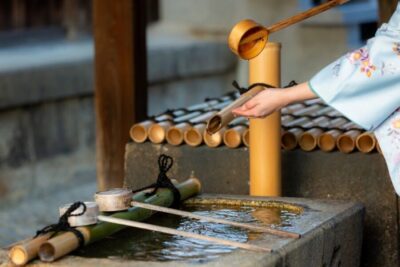
Kimono Tea Ceremony at Kyoto Maikoya, NISHIKI
Read our review →
Tea Ceremony in 100-year-old Kyo-Machiya Townhouse
Read our review →