
Reviewed · ARTISAN CRAFT WORKSHOPS
Kyo-arashi Shibori Scarf Class at Kyoto Shibori Museum
A shibori scarf is wearable proof. This Kyo-arashi class teaches you the tube-and-string resist method that creates sharp, graphic patterns, then lets you explore the museum while your piece dries.
I like the hands-on feel because you are actively making something, not just watching. I also like the museum bonus, since you can wander through shibori masterpieces, tools, and samples while the work sits and sets.
One thing to keep in mind is that the whole experience is time-boxed to about an hour, so it is best if you genuinely want to focus on scarf-making and museum browsing, not a long, deep textile lecture.
In This Review
- Key Things to Know Before You Go
- Kyoto Shibori Museum Location, and Why It Matters for Your Day
- Kyo-arashi Shibori, What You Learn and What It Creates
- Inside the 1-Hour Class With Up to 8 People
- The Best Part: Museum Browsing While Your Scarf Dries
- Museum Tools, Samples, and the Craft Perspective You Get
- Kyoto Shibori Museum Shop: What to Look For After Class
- Price and Value: Is $49 Worth It?
- Who This Shibori Scarf Class Suits Best (and Who Should Skip It)
- Should You Book the Kyo-arashi Shibori Scarf Class?
- FAQ
- How long is the Kyo-arashi Shibori Scarf Class?
- Where is the Kyoto Shibori Museum located?
- How much does it cost?
- How many people are in the class?
- What languages are available for instruction?
- What technique will I learn?
- Is museum admission included?
- Do I get a chance to explore the museum during class?
- Final Call: Quick Booking Checklist
Key Things to Know Before You Go
- Kyo-arashi shibori technique: tube-and-string resist dyeing for structured patterns
- Small group size: limited to 8 participants, with English or Japanese instruction
- Museum time while it dries: browse samples and displays during the waiting period
- Shibori-focused museum: opened in 2001, with tools and works shown from multiple angles
- Shop stop: original items, souvenirs, and fabrics to look at after class
Kyoto Shibori Museum Location, and Why It Matters for Your Day
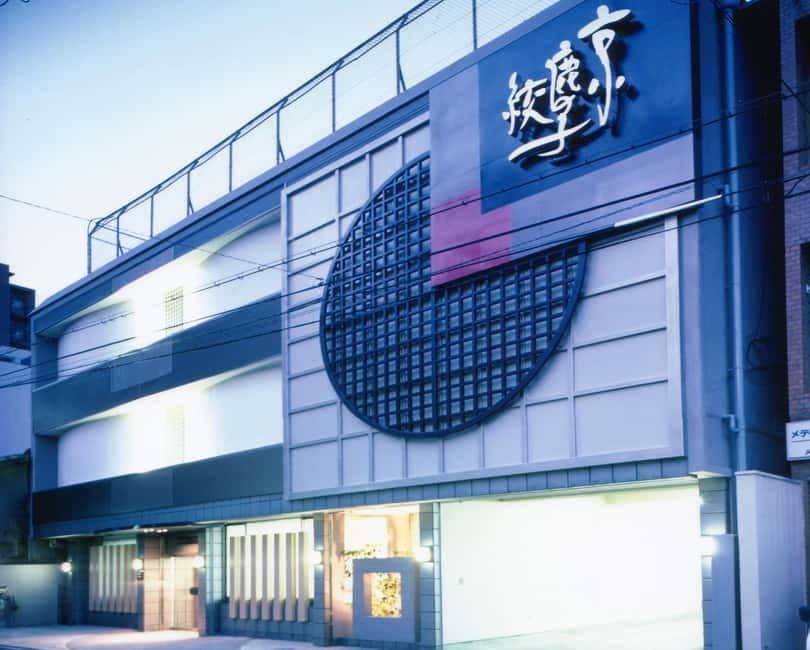
The Kyoto Shibori Museum sits in a very practical spot, about a 5-minute walk from Nijo Castle. That makes this class easy to tuck into a Kyoto itinerary without turning your day into a transport marathon.
I like that the museum is shibori-only minded. It opened in 2001 and exists to spread shibori to the world, showing how the craft looks as finished art and also as a process. If you are the type who enjoys seeing the how behind the what, that focus pays off.
A simple planning tip: since your scarf needs time to dry, treat this class as part workshop, part museum visit. You will get more out of it if you keep your schedule flexible enough to wander after the hands-on portion.
Kyo-arashi Shibori, What You Learn and What It Creates
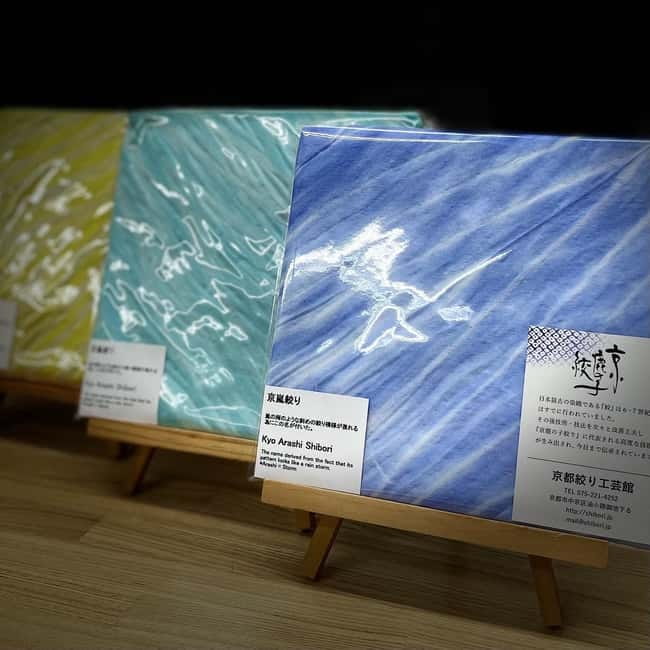
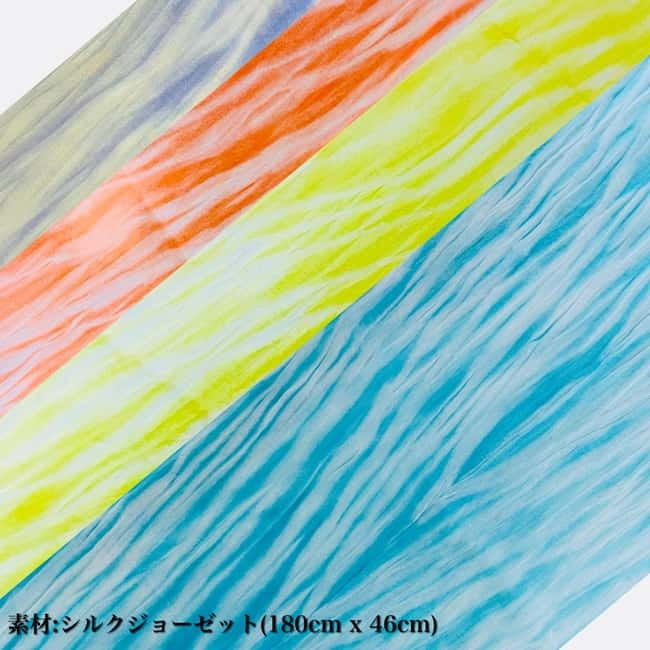
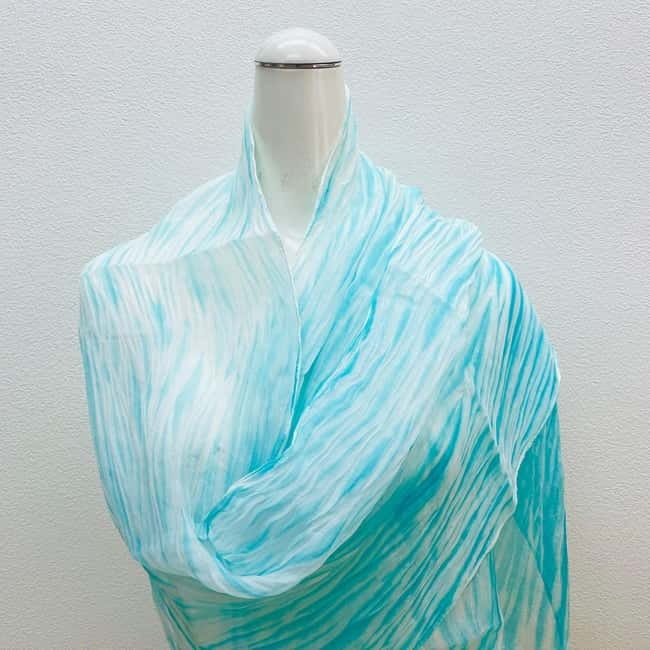
This is not generic scarf crafting. You are specifically learning Kyo-arashi, a style of shibori that uses a tube and string setup to resist dyeing. The resist is what shapes the final pattern.
You can think of it like this: the way you bundle and bind the fabric determines the lines and design you end up with. That is why the museum calls this course popular. It produces highly designed patterns, and the scarf can look very stylish even if you are new to textile crafts.
The museum also frames shibori in terms of craft choices. You will see displays of shibori works and examples that help you connect technique to result. That makes the experience feel less like a single class and more like a small, guided lesson in how pattern control works in dye-resist processes.
Make something with a Kyoto craftsman
- Kyoto: Ikebana (Japanese Flower Arrangement)
★ 3.7 · 9 reviews - kyoto:Experience creating one-of-a-kind special fragrances
★ 4.8 · 8 reviews - Shibori Fukusa Course at Kyoto Shibori Museum
★ 5.0 · 3 reviews - Authentic knife making experience at a blacksmith in Kyoto
★ 4.8 · 350 reviews
Inside the 1-Hour Class With Up to 8 People

The class runs for about 1 hour, with the hands-on portion described as roughly 30 to 60 minutes. Since the group is capped at 8 participants, you are less likely to feel lost when questions pop up.
The instruction is available in English and Japanese. Based on the way the class is described, you can expect staff to help the process move smoothly, especially if you are unfamiliar with shibori tools and steps. Several past participants specifically highlighted the staff as friendly and helpful, and that matters because shibori is touch-and-timing based. If you miss a step, the pattern can change.
I also like that the teaching is tied to the museum’s collection. You are not learning in a vacuum. You can see samples and art around you, which helps you understand what you are aiming for.
One consideration: because the experience is short, it is best to show up with a calm, patient mindset. This kind of craft has a rhythm, and you get the best results when you follow directions and work at the pace the instructor sets.
The Best Part: Museum Browsing While Your Scarf Dries
Shibori is one of those arts where the work continues after your hands stop. Here, that is built into the experience.
As your scarf piece is drying, you can explore the displays: art pieces and samples are available to look at while you wait. One review notes enjoying the museum upstairs, and that matches the idea that there is plenty to see beyond the workshop room.
This is where the class earns its keep, even if you mainly came for the scarf. The museum is meant for looking. You can spend time comparing patterns, studying how different shibori outcomes look, and reading the technique context that is shown through tools and examples.
Practical way to use this time: pick a few pieces to focus on, then look for what might explain their pattern logic. Try to connect what you did with string and binding to the visual effects you see in finished works. It turns waiting into learning, and learning into better appreciation of what you created.
Museum Tools, Samples, and the Craft Perspective You Get
The Kyoto Shibori Museum is not just a showroom. It shows valuable tools used in the shibori process, and that helps you understand that shibori is a system, not a single trick.
You also get exposure to shibori from multiple perspectives. The museum opened back in 2001 with the mission of spreading shibori worldwide, and it has built displays that help you see the craft as both traditional technique and modern design language.
In other words, the museum does the job of connecting your scarf class to the bigger art form. If you only cared about leaving with a souvenir, you might skip the upstairs browsing. But if you enjoy crafts and design, the tool and sample displays make the experience feel much richer.
Kyoto Shibori Museum Shop: What to Look For After Class
After you finish the class portion, the museum shop is a big part of the experience. You can admire original items, souvenirs, and fabrics there.
I like shop time right after making something, because you can compare real products to what you just learned. If you are deciding what to bring home, it is easier to look at materials and patterns when your brain is still in workshop mode.
A smart approach: browse for scarves and smaller accessories first if you want something wearable and compact. If you are shopping for fabric, take your time and check the feel and finish, since shibori outcomes can look very different depending on how the resist is applied.
Indoors, when temple-hopping wears thin


Price and Value: Is $49 Worth It?
The price is listed at $49 per person for a 1-hour experience. The headline value is the combination of a guided scarf-making workshop plus museum access.
Here is the part that makes the math friendlier: workshop participants receive free admission to the Kyoto Shibori Museum, which is normally 1,000 yen. So you are not paying museum entry twice, and you are getting time to explore while your work dries.
For me, that is what justifies the cost. You are buying:
- instruction for a specific shibori method (Kyo-arashi tube-and-string resist)
- a finished scarf project you are actively creating
- museum access timed to the scarf-drying period
If you are only interested in a quick photo stop, this might feel pricey. If you want a structured craft experience with a museum payoff attached, it is strong value.
Who This Shibori Scarf Class Suits Best (and Who Should Skip It)

This class fits best if you like tactile activities and design-based crafts. Beginners are welcome in practice because the group is small and the course is taught with English or Japanese support. It also suits couples and small friend groups since the setting is intimate.
You should especially consider it if:
- you want to understand shibori as a technique, not only a pattern
- you like museums where you can study tools and sample outcomes
- you want a Kyoto-based craft souvenir you helped make
You might skip it if:
- your schedule is packed and you cannot spare a full hour
- you prefer purely sightseeing with minimal workshop time
- you are mainly looking for shopping without any hands-on component
Should You Book the Kyo-arashi Shibori Scarf Class?
Book it if you want a memorable Kyoto experience that mixes craft instruction with museum browsing at a convenient location near Nijo Castle. The small group size and bilingual instruction make it feel manageable, and the built-in museum time while your scarf dries is a smart way to get more out of the hour.
Skip it if your ideal Kyoto day is long temple walks and zero craft focus. This is a workshop-first experience, and you will enjoy it most when you are ready to concentrate on shibori pattern-making.
FAQ
How long is the Kyo-arashi Shibori Scarf Class?
The class is about 1 hour, and the scarf-making portion is described as roughly 30 to 60 minutes.
Where is the Kyoto Shibori Museum located?
The museum is about a 5-minute walk from Nijo Castle.
How much does it cost?
It costs $49 per person.
How many people are in the class?
The class is limited to a small group of up to 8 participants.
What languages are available for instruction?
Instruction is available in English and Japanese.
What technique will I learn?
You learn the Kyo-arashi shibori method, which uses a tube and string resist approach to dyeing.
Is museum admission included?
Yes. Workshop participants receive free admission to the Kyoto Shibori Museum, which is normally 1,000 yen.
Do I get a chance to explore the museum during class?
Yes. You can explore shibori art pieces, samples, and displays while your piece dries.
Final Call: Quick Booking Checklist
If you want to leave Kyoto with something you helped create, and you are curious about how shibori patterning works, this class is an easy yes. Plan for a full hour, keep some time after the class to browse, and you will get the best payoff from the workshop plus the museum.
More Workshops in Kyoto Prefecture


New This Season
- Hands On Uji Matcha Experience in Seika Town
- Suntory Whisky and Beer Tasting Walking Tour in Kyoto
- 7hr Private Wazuka True Hidden Kyoto Matcha Farm Experience
- Shibori Fukusa Course at Kyoto Shibori Museum
- Kyoto Satoyama Cycling with Lunch and English guide
- Arashiyama Walking Tour with Optional Sagano Romantic Train Ride
- Amanohashidate Sand bar & culture e-bike tour
- kyoto:Experience creating one-of-a-kind special fragrances
Artisan Craft Workshops, compared.
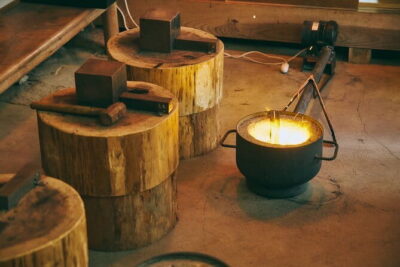
Authentic knife making experience at a blacksmith in Kyoto
Read our review →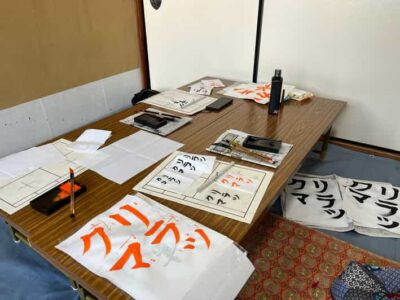
Calligraphy class at Buddhist temple in city center
Read our review →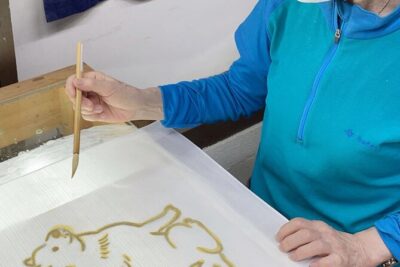
Roketsu dyeing experience: M course Roketsu Dyeing Experience
Read our review →

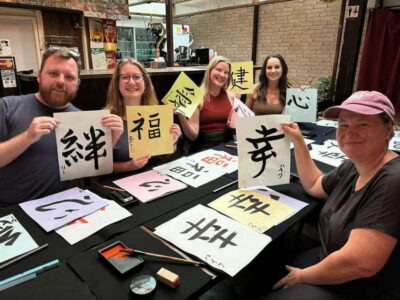
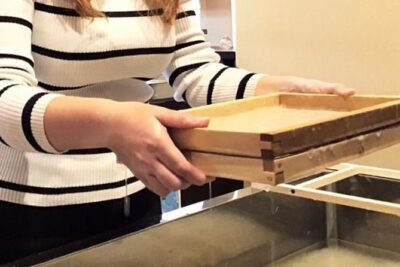
Traditional Japanese Washi Papermaking- Kyoto morning
Read our review →
Also filed under