

Reviewed · ARTISAN CRAFT WORKSHOPS
Itajime Shibori Scarf Class
Kyoto shibori hands-on time beats museum-only days. This 30 to 60-minute itajime shibori scarf class lets you make your own patterned dye work with a teacher, then connect it to what you see upstairs at the Kyoto Shibori Museum. I love how practical it feels, not arts-and-crafts theater.
Two things I especially like: the class size (max 10), which makes it feel personal, and the fact that you can choose from Japanese fabrics before dyeing. One small drawback to plan around is wayfinding, the classroom sits on the 2F and may not be obvious from street level.
You’re paying for a real craft experience, plus a museum visit, not just watching someone else work. If you want a calm, hands-on Kyoto moment that ends with something you can wear or gift, this is a strong pick.
In This Review
- Key highlights to look for
- Kyoto Shibori Museum, at a craft level that feels doable
- The scarf-making moment, starting with choices you can actually see
- Itajime shibori, what you’re doing and why it works
- Kyoto Shibori Museum upstairs: exhibits that explain what your hands just did
- Timing that actually fits a Kyoto day: 30 to 60 minutes, plus museum time
- What you get to take home, and why that souvenir has real value
- Price and value: $43.60 for craft plus museum admission
- Who should book this shibori class in Kyoto
- Getting the most out of your visit
- Should you book the Itajime Shibori Scarf Class?
- FAQ
- How long is the itajime shibori scarf class in Kyoto?
- Where does the class take place?
- What does the ticket include?
- Can I choose fabrics for my scarf?
- How many people are in each class?
- What is the minimum age to participate?
- Do I receive a mobile ticket?
- Is free cancellation available?
Key highlights to look for
- Small group (max 10), so you get clearer help while your scarf is being made
- Choose your fabric before you start, which changes the whole feel of the final look
- Traditional tools and dyeing steps with simple, hands-on guidance
- Kyoto Shibori Museum upstairs includes exhibits and a process movie while you wait for drying
- You take your scarf home as a finished souvenir, packaged and ready
Kyoto Shibori Museum, at a craft level that feels doable
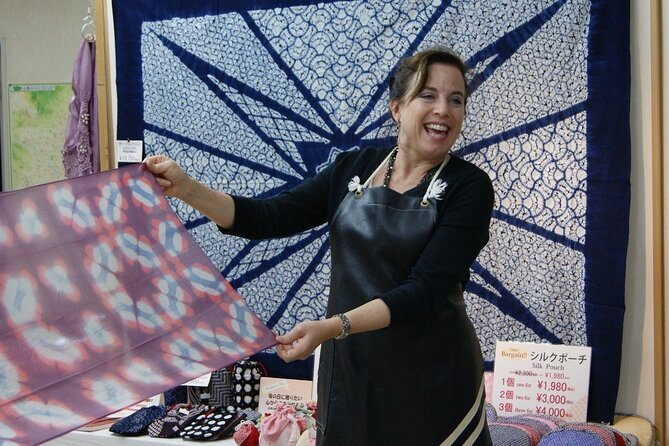
This class is set in Kyoto Shibori Museum, and the experience is built around one idea: you learn shibori by doing shibori. The workshop time runs about 30 to 60 minutes, with the museum visit included as part of your ticketing. For me, that mix matters. If all you want is shopping or photos, this is too hands-on. If you like understanding how things are made, it’s a great fit.
I also like that the pace works for a wide range of people. The minimum age is 6, and most people can participate, which tells you the steps are taught in a way that isn’t locked behind advanced art skills. You do have to pay attention during the dyeing steps, but you are not expected to be an expert.
One more practical plus: the museum is near public transportation. I like experiences like this where the “getting there” part is straightforward, especially if you’re pairing it with other Kyoto sights.
The scarf-making moment, starting with choices you can actually see
The first practical step is choosing your fabric from what’s available. That might sound simple, but it changes everything, because shibori is as much about material and dye response as it is about the folding and shaping. I love activities where you have input before the work begins. It makes the end result feel more yours.
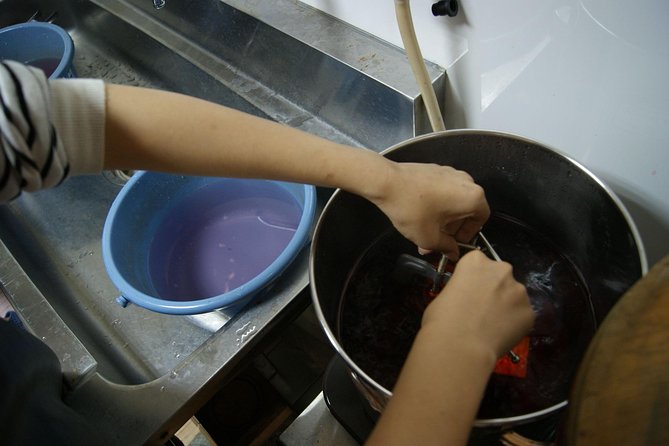
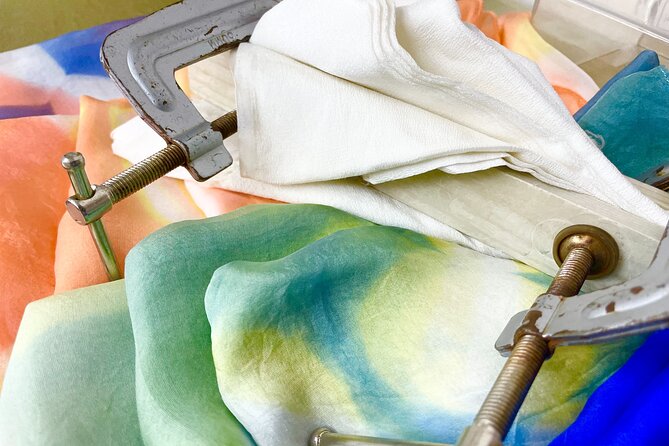
From there, you follow the teacher through the itajime shibori process using traditional tools and fabric handling steps. The goal is a scarf with a crisp resist pattern, the kind you expect from itajime work. Expect instructions that are clear and hands-on, not vague. In particular, people often mention a patient, one-on-one style of help, and staff members named Kenji and an instructor named June come up in accounts of the class.
What you’re really learning is how resist methods create pattern. You’re not just coloring cloth, you’re controlling where dye can and cannot go.
Make something with a Kyoto craftsman
- Authentic knife making experience at a blacksmith in Kyoto
★ 4.8 · 350 reviews - Kyoto: Calligraphy class at Buddhist temple in city center
★ 5.0 · 167 reviews - Roketsu dyeing experience: M course Roketsu Dyeing Experience
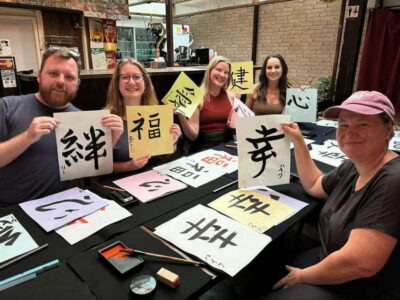
★ 5.0 · 163 reviews - Kyoto: Japanese Calligraphy Class
★ 4.8 · 89 reviews
Itajime shibori, what you’re doing and why it works
Shibori is one of Japan’s older dyeing methods, often described as the oldest dyeing approach in the country. Even if you don’t memorize dates, you’ll feel the logic quickly. With itajime, the pattern comes from how the fabric is shaped and held so dye reaches only certain areas.
In practical terms, you’ll spend your workshop time on the key build steps:
- Preparing the fabric so the resist pattern will form
- Working the dyeing step carefully, with guidance on technique and timing
- Getting your scarf finished for drying, then using the wait time to learn more upstairs
The class format keeps you moving, but not rushed. The wait for drying is part of the rhythm. You do the work, then you shift from hands-on creation to museum exploration until your scarf is ready.
That split is smart for first-timers. You’re not stuck “waiting for paint to dry” with nothing to do. You’re learning why the technique matters.
Kyoto Shibori Museum upstairs: exhibits that explain what your hands just did

The museum isn’t an afterthought. The ticket includes admission, and you get to see shibori as an art form, with displays that show the range of techniques and finished pieces. One of the unexpected perks is that while your scarf dries, you can tour exhibits on the upper floor, including an area with a process movie.
I like that the museum ties the class to a bigger picture. You’ll leave with a souvenir scarf, but also with the context to talk about it. If someone asks what makes your scarf special, you can point to the resisting method and explain how pattern is created through controlled dye access.
There’s also a “serene atmosphere” vibe in the museum space. It’s not a hectic factory tour. It’s more like a quiet place where people want you to understand craft, not just consume an activity.
One thing to note is that the classroom is on the 2F, and some people find it a little hard to spot from street level. Give yourself a few extra minutes to orient yourself once you arrive.
Timing that actually fits a Kyoto day: 30 to 60 minutes, plus museum time
The class itself is about 30 to 60 minutes, but your total experience is built around that workshop plus museum time. That timing matters because it’s a good “in-between” activity. It can be an early afternoon reset when your legs need a break, or a calmer start to your day before you hit busier neighborhoods.
The group size is capped at a maximum of 10, which helps the class feel paced for individuals. It also tends to make the teacher’s instructions clearer, because you aren’t blended into a huge crowd.
Also consider the drying step. The class ends with your scarf being ready and packaged. In accounts of the experience, people often mention that by the time they finish looking around and shopping, their scarves are dry and set for pickup. That makes the overall timing feel smooth, as long as you keep an eye on your scarf while you tour.
What you get to take home, and why that souvenir has real value

The obvious takeaway is your handmade scarf. But the real value is that it’s made through a process, not just a printed design. You choose fabric, follow the shaping and dye steps, then watch how shibori creates pattern through resist.
That’s why so many people recommend this class as a gift idea. You’re not buying a souvenir that’s the same as everyone else’s. Even if multiple people use similar materials, the resist pattern will reflect the specific process in the moment.
You may also notice small extra touches. For example, one account mentions a certificate created for a child after finishing the scarf. That kind of finish turns the class into an activity with a memory attached, not just a bag you carry out.
If you’re the type who likes wearing what you made while traveling, a scarf is ideal. It’s practical in cool Kyoto evenings and also easy to pack.
A quieter way to spend a day in Kyoto

Price and value: $43.60 for craft plus museum admission
At $43.60 per person, the price is reasonable when you look at what’s included. You’re getting:
- A 30 to 60-minute hands-on itajime shibori scarf-making class
- Access to the Kyoto Shibori Museum exhibits (admission ticket included)
- A scarf you take home, made through traditional resist-dye technique
In other words, you’re paying for instruction plus a finished souvenir, not paying mainly for a lecture. The short duration also helps value. You get a complete experience without losing half a day, which matters in Kyoto where you want time for streets, temples, and food.
The max group size of 10 is another value signal. A small class usually means more direct help, and you’re less likely to feel lost while you’re working with dye and resist handling.
If your budget is tight, this is the kind of activity that feels worth it because it ends with something physical and meaningful.
Who should book this shibori class in Kyoto
This is a great match if you want:
- A craft you can understand and explain afterward
- A small-group activity with real guidance
- A souvenir that feels handmade in a way you can appreciate
It also fits families, since the minimum age is 6 and adults pricing applies to all ages. That means kids can participate, and the class is set up so younger students can still make progress. People also report that teenagers enjoy it, especially when they like seeing the process and getting a tangible result.
If you’re not into crafts, you might find it more work than you bargained for. But if you can handle following steps carefully and taking your time, you’ll likely enjoy it. The experience is also described as relaxing by people who wanted a calm break.
Getting the most out of your visit
To make this easy on yourself, do two things:
- Plan to arrive with a little extra time to find the 2F classroom area inside the museum building.
- Wear or bring clothing you don’t mind getting close to dyes while you work, and listen closely during the dyeing steps.
The museum upstairs works well as your “wait time” plan. As your scarf dries, use that time to watch the process movie and look at the exhibits. This makes the end result feel more meaningful because you’re pairing your hands-on work with examples of finished shibori artistry.
If you want photos, you can do it, but the real win is learning what makes shibori patterns possible. The best memory here is the scarf in your hands and the story you can tell about how it was made.
Should you book the Itajime Shibori Scarf Class?
I’d book this if you want a small-group Kyoto activity that ends with a wearable craft souvenir and includes a museum visit that actually explains the technique. The combination of hands-on itajime shibori and time spent inside the Kyoto Shibori Museum is a strong value play for $43.60.
Skip it if you only want sightseeing, or if you hate hands-on steps. Also, give yourself time to locate the classroom on the upper floor, since signage from street level can be tricky.
If you’re deciding between this and another quick “make something” experience, this one has the advantage of pairing your work with museum displays and process context. It’s a clever way to leave Kyoto with both a scarf and a deeper understanding of shibori.
FAQ
How long is the itajime shibori scarf class in Kyoto?
The class runs about 30 minutes to 1 hour.
Where does the class take place?
It takes place at the Kyoto Shibori Museum in Kyoto, and it is near public transportation.
What does the ticket include?
Your ticket includes admission to the Kyoto Shibori Museum, and you also participate in the scarf-making class.
Can I choose fabrics for my scarf?
Yes, you can choose from Japanese fabrics.
How many people are in each class?
The activity has a maximum of 10 travelers.
What is the minimum age to participate?
The minimum age is 6 years, and adult pricing applies to all ages.
Do I receive a mobile ticket?
Yes, the class uses a mobile ticket.
Is free cancellation available?
Yes. You can cancel for a full refund up to 24 hours in advance of the experience start time.
New This Season
- Koyasan Day Trip by Private Car from Kyoto
- Old Port Town and Ultimate Sake Tasting Private Tour From Kyoto
- Kyoto’s Timeless Charm: 3hr Exploration of History and Peace
- Kyoto: 5 Types of Sushi Making
- Sacred Peak & Ancient Paths: Kurama-Kibune Hiking Experience
- Kyoto: Exclusive ZEN practice at Manpukuji temple in Uji
- Kyoto: Private Seasonal Aroma Yoga Class
- Traversing Kyoto’s Scenic West – Arashiyama to Kinkakuji
Artisan Craft Workshops, compared.
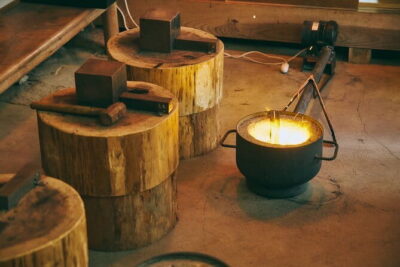
Authentic knife making experience at a blacksmith in Kyoto
Read our review →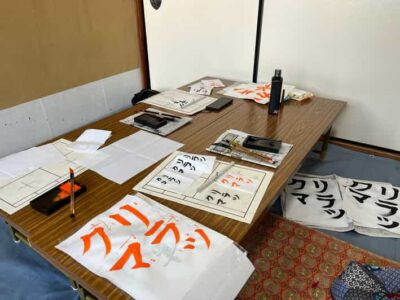
Calligraphy class at Buddhist temple in city center
Read our review →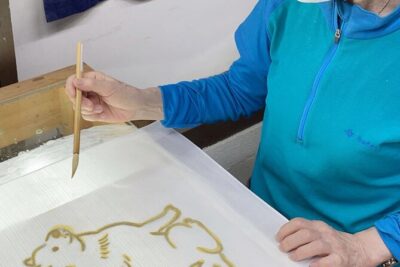
Roketsu dyeing experience: M course Roketsu Dyeing Experience
Read our review →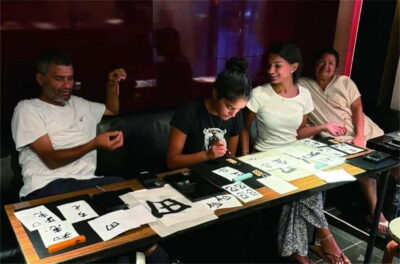
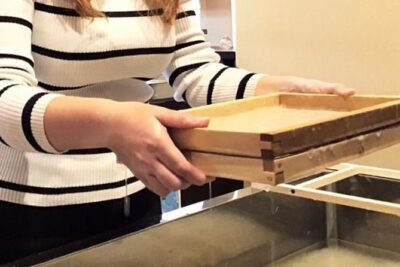
Traditional Japanese Washi Papermaking- Kyoto morning
Read our review →
Also filed under