
Reviewed · ARTISAN CRAFT WORKSHOPS
Traditional Japanese Washi Papermaking- Kyoto morning
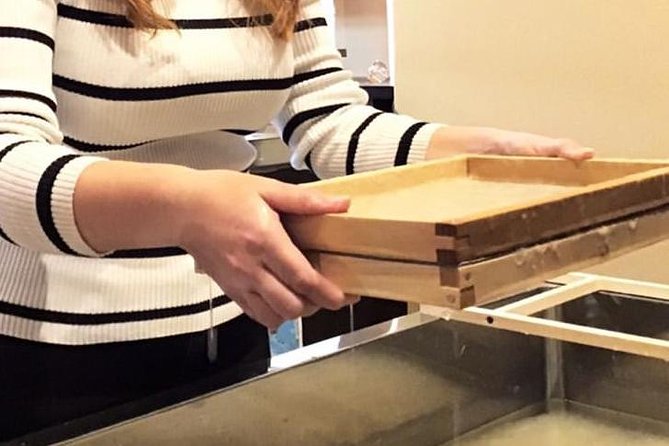
Paper making in Kyoto feels like magic. In this 1-hour morning class, you create traditional washi paper from raw materials and design it with seasonal botanicals like cherry blossoms and maple leaves. I love the hands-on process and the fact that the instructors are bilingual (Japanese and English). One possible drawback: it moves fast, so if you want lots of gifts, the optional extra hour is worth considering.
Set in a traditional-style Japanese house near Karasuma Station and Shijo Station, it’s a calm break from sightseeing, with a maximum group size of 4. You’ll leave with a finished souvenir, typically items like postcards, a table mat, or a lampshade, and you can also add more unlimited papermaking time at your expense.
In This Review
- Key Highlights to Know Before You Go
- Kyoto Morning Washi Papermaking, Tiny Studio, Real Craft Steps
- Where It Is, How to Get There, and What to Plan For
- What You Actually Make: Postcards, Mats, and a Lampshade
- The Lesson Flow in Plain English: From Raw Materials to Your Take-Home Paper
- Why the Seasonal Botanicals Are the Point (and How Not to Overthink It)
- Bilingual Instructors and Small-Group Calm
- Price and Value: Is It Worth $33.03?
- The Optional Extra Hour: When to Add Unlimited Papermaking Time
- What to Expect After the Class: Browsing the Shop and Leaving With Stuff
- Who This Workshop Is Best For
- Quick FAQ for Planning Your Kyoto Morning
- FAQ
- How long is the washi papermaking class?
- What is the price, and what is included?
- Is transportation to the workshop included?
- Where is the meeting point?
- What languages do the instructors speak?
- Is the class suitable for kids?
- Should You Book This Kyoto Washi Papermaking Class?
Key Highlights to Know Before You Go
- Small group attention with a maximum of 4 travelers, so you are not just watching
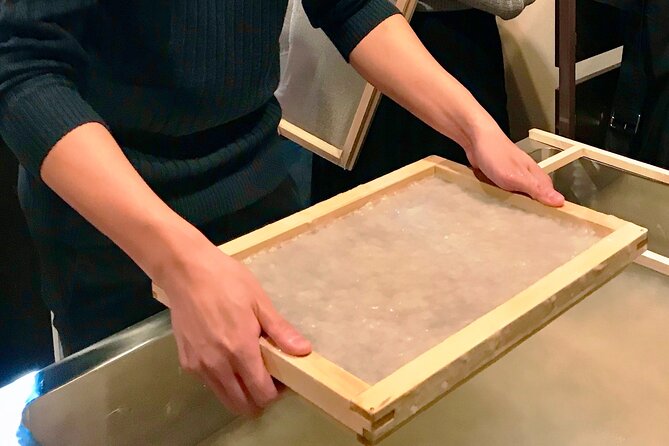
- Washi from raw materials plus a hands-on design step using seasonal pressed flowers and leaves
- Bilingual instruction (Japanese and English), which makes the steps easier to follow
- Seasonal botanical choices such as cherry blossoms and maple leaves, plus paper cut-outs
- A short educational video during drying time to explain the process and context
- Take-home packaging so your finished paper products make the trip home safely
Kyoto Morning Washi Papermaking, Tiny Studio, Real Craft Steps
If your Kyoto plan is all temples, crowds, and lines, this kind of class is a refreshing reset. Washi papermaking is slower, more tactile, and surprisingly calming. You are not simply painting something. You are making the material itself, then turning that sheet into a personal keepsake.
What I like most is that the class is designed around real craft steps, from working with raw materials to shaping and finishing a paper product. You also get a choice in what you make, which matters because it turns the workshop from a single-use activity into something you can actually use or gift. A table mat feels practical. Postcards feel fun. A lampshade feels special, especially if you are into artsy home details.
The workshop is small, and that shows. You can ask questions, get corrections early, and still finish with something you feel good about carrying home.
Where It Is, How to Get There, and What to Plan For
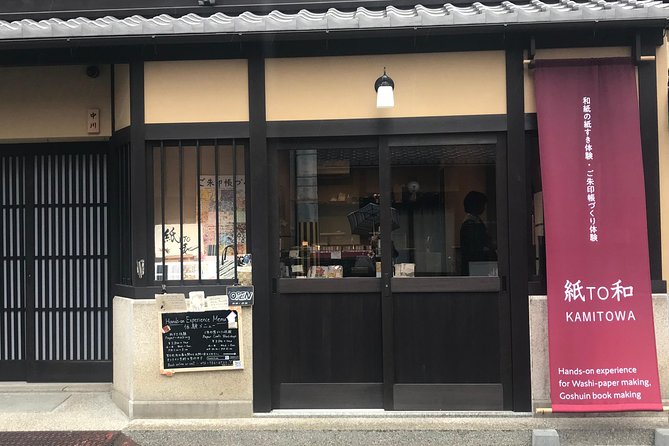
This class starts at 345 Sanjōchō, Nakagyo Ward, Kyoto. It ends back at the same meeting point. You will make your own way there, so treat this as a morning anchor you build the rest of your day around.
Location-wise, it is very workable:
- About a 9-minute walk from Shijo Station (Kyoto Metro Karasuma Line), using Exit #24
- About a 6-minute walk from Karasuma Oike Station (Kyoto Metro Karasuma Line), using Exit #6
- It is also near Karasuma Station on the Hankyu Line
Why that matters: you can fit this into a Kyoto day without burning your time on complicated transfers. And because it is close to transit, you can come here before lunch, then head straight into the rest of the city.
Duration is about 1 hour. That time block is enough to learn, make, decorate, and leave with a finished item. Just remember that papermaking includes drying time, so the class pacing is built around what can be completed in that 60 minutes.
Make something with a Kyoto craftsman
- Authentic knife making experience at a blacksmith in Kyoto
★ 4.8 · 350 reviews - Kyoto: Calligraphy class at Buddhist temple in city center
★ 5.0 · 167 reviews - Roketsu dyeing experience: M course Roketsu Dyeing Experience
★ 5.0 · 163 reviews - Kyoto: Japanese Calligraphy Class
★ 4.8 · 89 reviews
What You Actually Make: Postcards, Mats, and a Lampshade
The workshop is built around creating your own washi sheet and then using it for a chosen project. The options you may be offered include:
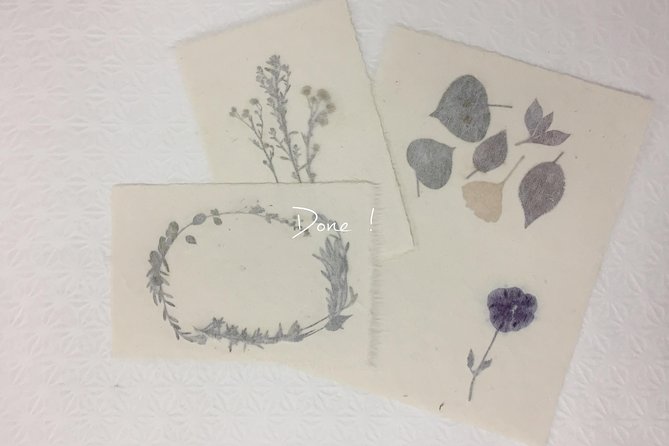
- A set of postcards
- A table mat
- A wraparound lampshade
- A tapestry panel option
- Some sessions also align with lantern-style projects
The seasonal theme is a big part of why this is fun. You get to work with items like cherry blossoms and maple leaves, plus paper cut-outs, so your design is tied to what is happening in nature.
Here is the practical angle: the project you choose affects what you will enjoy most afterward. If you want something easy to share or mail, go for postcards. If you want a daily-use item, pick a table mat. If you want that wow factor, the lampshade or lantern style is the one people tend to remember.
Also keep in mind that the supplies you place into the paper need to match how washi sheets are made. The instructors guide you step-by-step, so you are not guessing your way through a craft you have never done before.
The Lesson Flow in Plain English: From Raw Materials to Your Take-Home Paper
This is a hands-on class inside a traditional-style Japanese house. You start with introductions, then you learn the papermaking process under instructor guidance. The overall format is:
- Get shown how to work with the raw materials
- Help create your own washi sheet
- Add seasonal pressed flowers, leaves, and design elements
- Work through finishing steps while paper sets and dries
- Watch a short educational video that ties it all together
- Leave with your finished product (packaged for travel)
Even though it is about paper, the experience is not fussy or hard. Multiple reviews highlight that everything is well explained and that the pace is manageable even if the overall process has many steps. You are guided through each step, and that support is a major reason people rate it so highly.
What you will likely notice is how methodical the craft is. The satisfaction comes from seeing the process through from beginning to end, instead of only making the decorative part. It gives you a real feel for why washi is valued and not just treated as “craft paper.”
Why the Seasonal Botanicals Are the Point (and How Not to Overthink It)
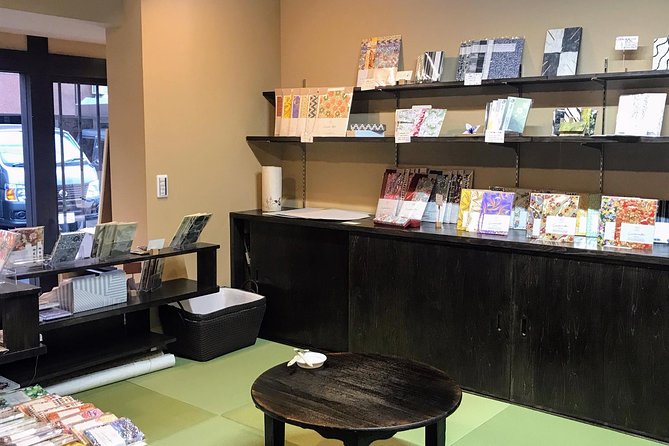
The botanical design element is what makes this class feel distinctly Kyoto. Instead of generic craft materials, you are designing with elements tied to the seasons, like maple leaves and cherry blossoms, plus cut-outs.
You do not need artistic training. The instructors help you place and arrange. The goal is a balanced look that works with the paper-making process, not a Pinterest-perfect composition.
My advice: decide what vibe you want before the class gets going. If you want a delicate, light look, choose thinner, more delicate botanicals. If you want something that reads clearly as a pattern, use stronger shapes and layering. The instructors can help you steer toward choices that fit your selected item, whether it is a postcard set or a lampshade.
And since you have limited time, keep your plan simple. A clear design beats a complicated one when you are working in a small, timed session.
Bilingual Instructors and Small-Group Calm
One of the most reassuring parts of this workshop is the language support. The instruction is Japanese and English, and you also get support from the team during the hands-on portion.
In reviews, the hosts include names like Hiro and Junko, and the tone that comes through is patient and gentle. That matters because paper-making is not a “press the button, move on” activity. You are learning a sequence, and you want to understand what you are doing.
The class size also helps. With a maximum of 4 travelers, you tend to get attention without feeling rushed or lost. If you are traveling solo, that small group can feel more like a workshop than a tour. If you are traveling with kids, it helps because guidance is close by.
If you want a calm morning instead of another busy Kyoto block, this fits that mood. It is a chance to create something quietly while learning a traditional craft.
Beat the crowds with an early start

Price and Value: Is It Worth $33.03?
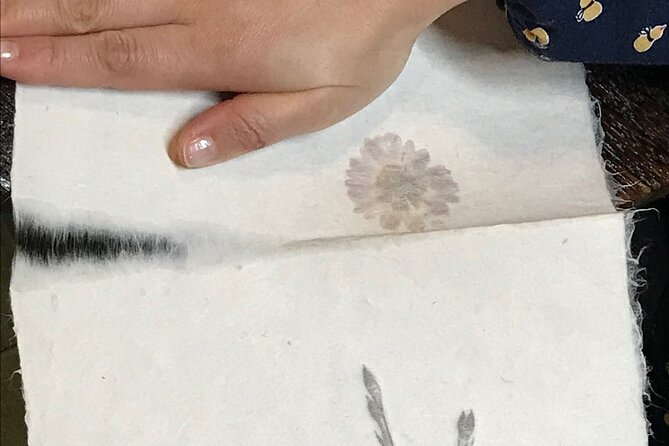
At $33.03 per person, the price is easy to justify for what you get: you learn traditional washi paper production, then you make a decorative item with your own design. You also get bilingual instruction, all taxes and fees, and a class that runs in about an hour.
Where the value shows up:
- You are making the paper, not just decorating a pre-made sheet
- Small-group support means less time struggling, more time actually finishing a keepsake
- Seasonal materials add a Kyoto-specific touch
- Take-home packaging helps you treat it like a real purchase, not a fragile souvenir
One tradeoff is that the base session is timed. If you want multiple gifts, you may feel the urge to do the optional extra time so you can make more items at your expense.
Still, for most people, the standard session is a smart way to get a real cultural craft experience without giving up half a day.
The Optional Extra Hour: When to Add Unlimited Papermaking Time
There is an add-on option to extend the class by an additional hour for unlimited papermaking. The cost of that extra time is listed as an additional expense.
You should consider adding it if:
- You want more postcards or multiple gift items
- You want to experiment with design variations
- You are making this as a main souvenir, not a side activity
If you are the type who likes to watch, learn, and then head out, the one-hour session is still satisfying. Just don’t expect a marathon of multiple creations unless you choose the longer time.
What to Expect After the Class: Browsing the Shop and Leaving With Stuff
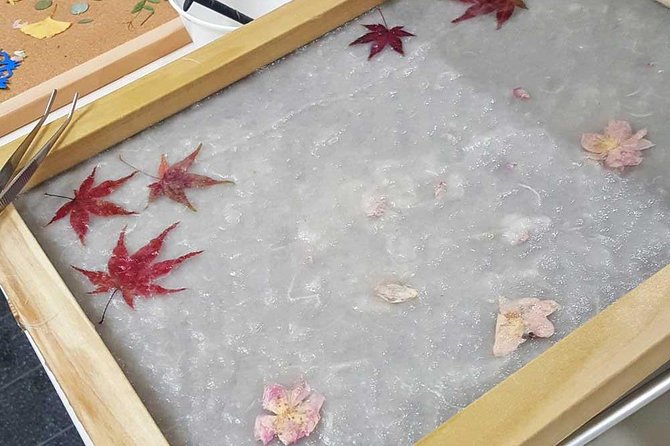
This workshop includes a shop area where you can browse paper goods after class. Several reviews mention enjoying the shop atmosphere, with the right amount of browsing time and no pushiness to buy.
What you take home is the key point. Your finished paper products are designed as keepsakes. Reviews also note that finished items are packaged well, which is exactly what you want if you are moving around Kyoto on foot and train.
One practical tip from the vibe of the experience: treat your finished item like something you want to protect on your day out. Follow the packing provided, and handle it carefully when you are transferring stations.
Who This Workshop Is Best For
This is a strong fit if you want:
- A hands-on Kyoto activity that is not crowded or stressful
- A cultural craft with visible process, not just a demo
- Something creative you can actually take home
- An indoor option for rainy weather or a morning where you want quiet
It is also good for families. Reviews mention kids enjoying it, and that children must be accompanied by an adult. The small class size likely makes it easier for kids to participate without getting overwhelmed.
If you hate crafts or dislike slow, careful work, you may find the pace too gentle. But if you are open to learning a craft step-by-step, you will probably enjoy how guided and calm it feels.
Quick FAQ for Planning Your Kyoto Morning
FAQ
How long is the washi papermaking class?
The class is about 1 hour.
What is the price, and what is included?
It costs $33.03 per person. All taxes, fees, and handling charges are included.
Is transportation to the workshop included?
No. You will need to make your own way to the location.
Where is the meeting point?
The meeting point is 345 Sanjōchō, Nakagyo Ward, Kyoto, 604-8205, Japan, and the activity ends back there.
What languages do the instructors speak?
Instructors provide Japanese and English support.
Is the class suitable for kids?
Children must be accompanied by an adult. The workshop is designed so most travelers can participate.
Should You Book This Kyoto Washi Papermaking Class?
Yes, if you want a genuine craft experience that feels Kyoto without requiring artistic talent. The big reasons to book are the small group size, bilingual instruction, and the chance to make your own washi using seasonal botanicals like cherry blossoms and maple leaves. If your priority is shopping for souvenirs, this is a better choice because it becomes a personal item you made yourself.
Consider adding the optional extra hour if you want multiple gifts or you know you will want more than one set of postcards or one finished piece. If you prefer a focused one-hour activity and then moving on to the rest of Kyoto, the standard session should still leave you with something memorable and usable.
New This Season
- Koyasan Day Trip by Private Car from Kyoto
- Old Port Town and Ultimate Sake Tasting Private Tour From Kyoto
- Kyoto’s Timeless Charm: 3hr Exploration of History and Peace
- Kyoto: 5 Types of Sushi Making
- Sacred Peak & Ancient Paths: Kurama-Kibune Hiking Experience
- Kyoto: Exclusive ZEN practice at Manpukuji temple in Uji
- Kyoto: Private Seasonal Aroma Yoga Class
- Traversing Kyoto’s Scenic West – Arashiyama to Kinkakuji
Artisan Craft Workshops, compared.
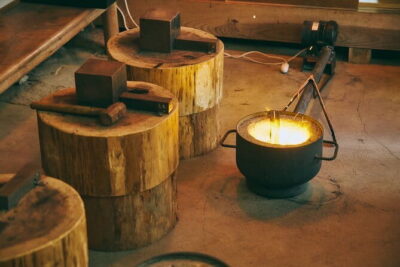
Authentic knife making experience at a blacksmith in Kyoto
Read our review →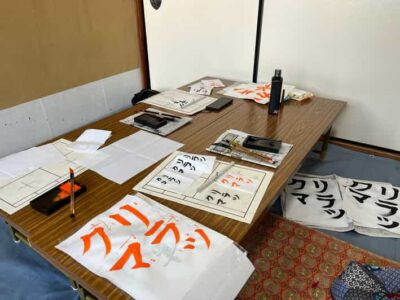
Calligraphy class at Buddhist temple in city center
Read our review →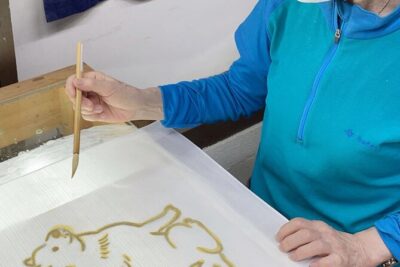
Roketsu dyeing experience: M course Roketsu Dyeing Experience
Read our review →

Also filed under