
Reviewed · ARTISAN CRAFT WORKSHOPS
Shibori Fukusa Course at Kyoto Shibori Museum
Shibori turns silk into a pattern you control. In this small-group Kyoto Shibori Museum workshop, you learn the practical steps behind Fukusa-style dyeing, then you get time to look around while your piece sets.
What I like most is the hands-on craft, including the Kasamaki shibori winding and Nuishime shibori sewing techniques. I also like that the museum keeps you busy with displayed samples and tools while you wait for your fabric to dry.
The main thing to consider is timing. The experience is about an hour, so you need to be okay with a portion of that time spent waiting for your dyed piece to dry before it’s fully ready.
In This Review
- Key things to know before you go
- A hands-on shibori workshop just steps from Nijo Castle
- From Kasamaki winding to Nuishime sewing, the steps that matter
- The “drying time” museum tour you’ll actually enjoy
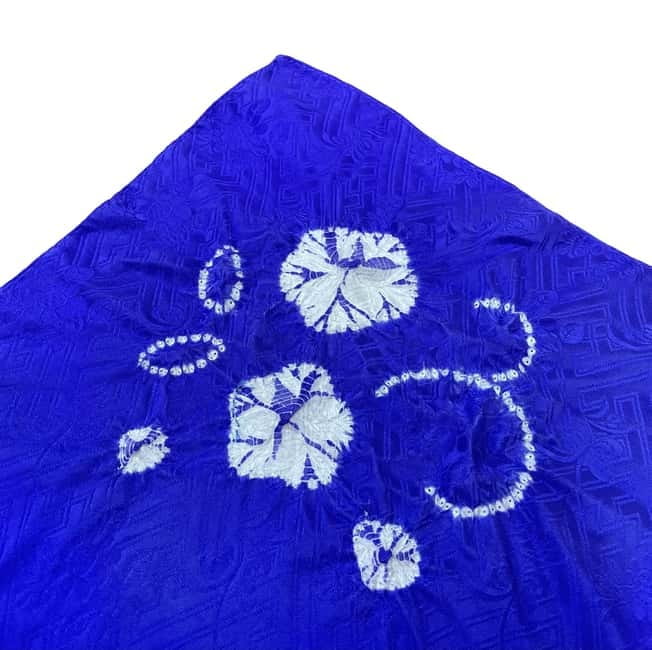
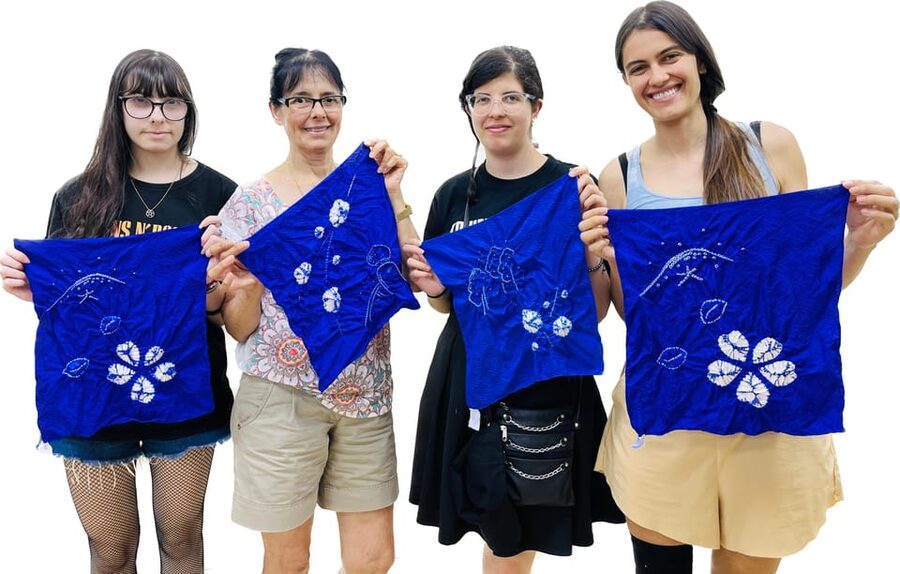
- What you’ll make: a dyed silk scarf with real technique behind it
- Kyoto Shibori Museum: tools, masterpieces, and the craft viewpoint
- Value check: why $70 for about one hour can still be a smart buy
- Who should book this shibori class, and who should skip it
- Should you book the Shibori Fukusa course?
- FAQ
- How long is the Shibori Fukusa Course class?
- What will I make during the workshop?
- Which shibori techniques are included?
- Is the Kyoto Shibori Museum admission included?
- How large is the group?
- Where is the museum located in Kyoto?
Key things to know before you go
- Small group size (max 8 people) keeps the class personal.
- Kasamaki shibori winding + Nuishime shibori sewing are both part of the process.
- A silk scarf project is dyed after the techniques are applied.
- Your piece dries while you explore, so you get workshop plus museum time.
- You use a shibori stand for the techniques, which helps you follow the steps.
- Museum admission is included (normally 1,000 yen) with your workshop spot.
A hands-on shibori workshop just steps from Nijo Castle
This class is for people who want more than photos of kimono-era crafts. You get a live, practical lesson in shibori, one of Japan’s most recognizable resist-dyeing traditions.
The Kyoto Shibori Museum is a dedicated place for this art. It opened in 2001, and the goal is simple: spread shibori to the world and help more people understand how it’s made. That focus shows in the way the workshop and museum displays work together, so you don’t just leave with a scarf, you leave with context.
Location helps too. The museum is about a five-minute walk from Nijo Castle, which makes it easy to stitch into a Kyoto day without complicated routing. If you already plan to visit Nijo Castle, this workshop fits neatly around that plan.
From Kasamaki winding to Nuishime sewing, the steps that matter
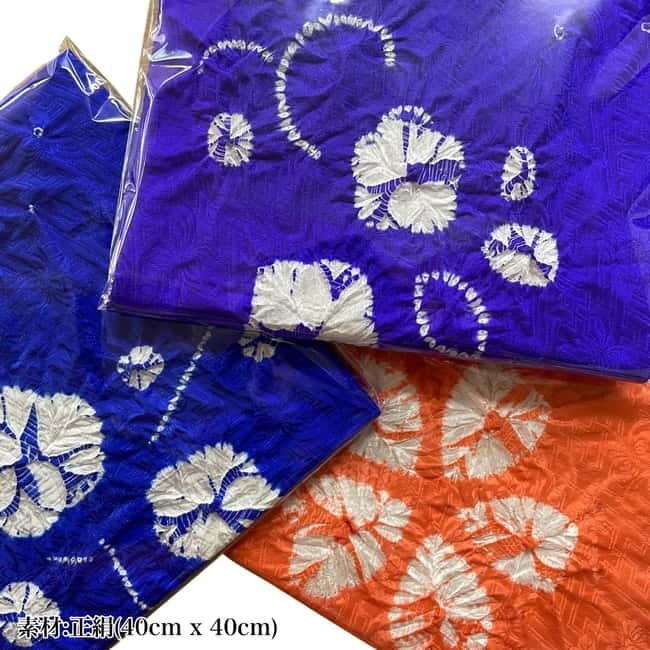
Here’s the core of what you’ll do. You start with a silk fabric that has a nice background pattern. Then you apply resist techniques before dyeing, using a shibori stand to help you work through the process.
The two techniques you learn are Kasamaki shibori and Nuishime shibori.
Kasamaki shibori is the winding approach. You wind the fabric in a way that creates tight areas and hidden folds. When dye hits the silk later, those tight spots resist the color and form texture and pattern.
Nuishime shibori is the sewing approach. Instead of relying only on winding, you also use stitching to create controlled resist areas. In plain terms, it’s how you turn intentional handling into intentional dye results.
After you complete those steps, the fabric is dyed. Then the waiting begins, because the resist effects only fully read once the dye has done its job and the piece dries properly.
One good reason to pay attention here is that shibori is not just “pretty patterns.” The pattern is a record of your handling, your tension, and your choices. Even with a guided class, you’ll feel that cause-and-effect right away, because small adjustments can change the look of the final result.
Make something with a Kyoto craftsman
- Kyoto: Ikebana (Japanese Flower Arrangement)
★ 3.7 · 9 reviews - kyoto:Experience creating one-of-a-kind special fragrances
★ 4.8 · 8 reviews - Kyo-arashi Shibori Scarf Class at Kyoto Shibori Museum
★ 5.0 · 6 reviews - Authentic knife making experience at a blacksmith in Kyoto
★ 4.8 · 350 reviews
The “drying time” museum tour you’ll actually enjoy
A lot of workshops have a hurry-up-and-wait rhythm. This one turns the wait into part of the experience.
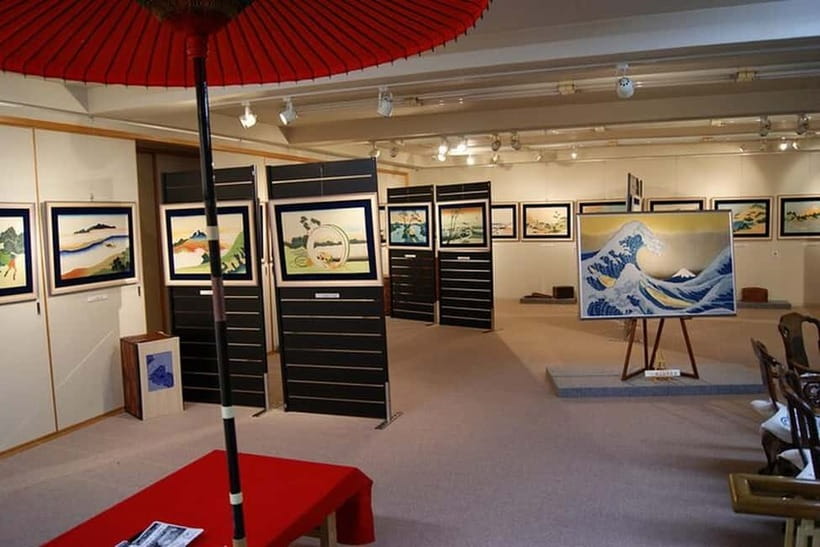
While your piece dries, you can explore the museum’s displays. You’ll see shibori samples, art pieces, and demonstrations of how different techniques produce different visual effects. You can also check out valuable tools used in the shibori process, which is where the craft stops being abstract.
This is also where the museum’s specialization pays off. Since the whole building is about shibori, the displays stay focused. Instead of guessing what you’re looking at, you’re surrounded by examples of methods and finished works that match the same world your hands are working in.
If you’re the kind of person who likes to understand the “why” behind a souvenir, use this time well. Look closely at the samples. Notice how the textures look different when the resist method changes. Then go back in your mind to what you did with winding and sewing.
What you’ll make: a dyed silk scarf with real technique behind it
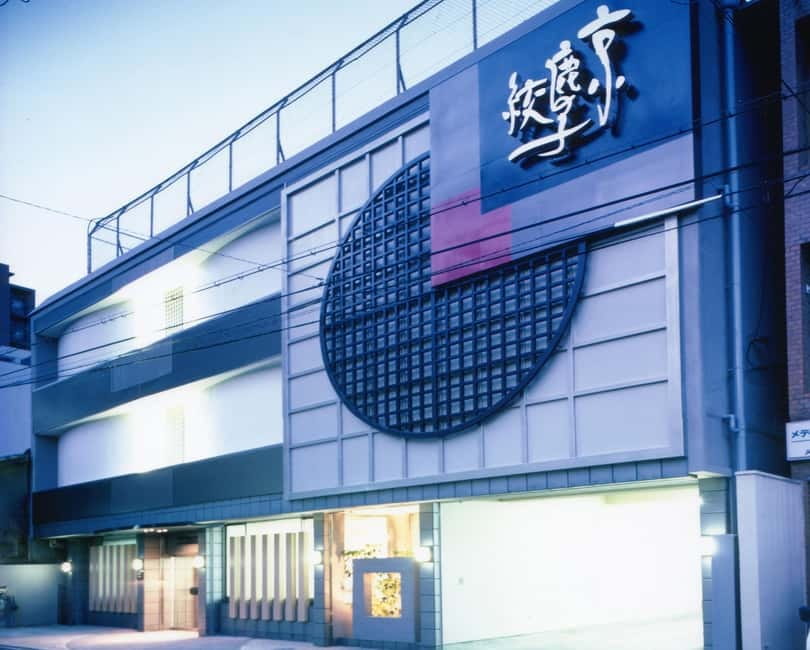
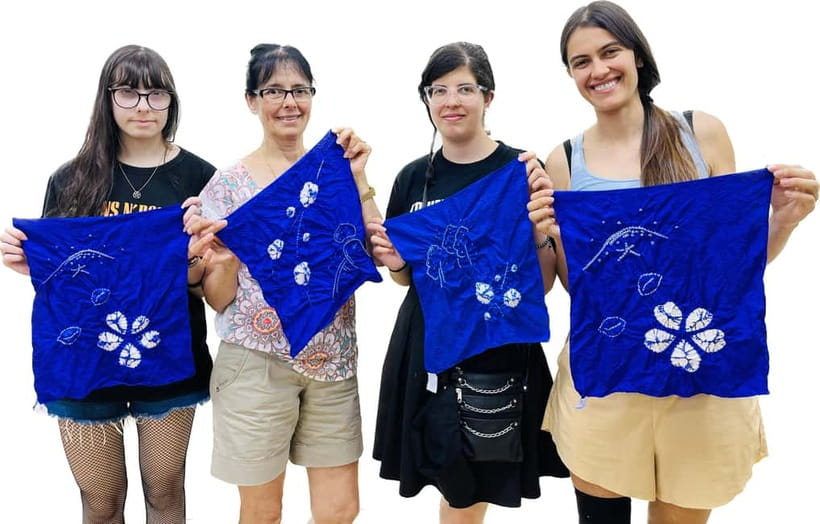
The highlight here is straightforward: you learn how to make your own shibori scarf in a class that lasts about 30 to 60 minutes. Since the full experience is listed as 1 hour, expect the rest of that time to be for instruction, dyeing steps, and the drying-and-exploring rhythm.
Your final piece starts as silk with a background pattern. After you apply the Kasamaki and Nuishime techniques, the silk is dyed. That means you’re working with a material that’s already designed to look good, then you’re adding the resist structure that creates the shibori look.
For most people, that’s the best kind of crafting memory. A scarf is wearable proof that you did something specific, not just watched a demonstration. And because shibori involves both winding and sewing, your scarf will feel like it has a story you understand.
One practical note: since the class includes drying time, plan your expectations accordingly. This is not the kind of workshop where everything is finished instantly, right at the end of the teaching. You’ll have museum time built in, which is a nice trade.
Kyoto Shibori Museum: tools, masterpieces, and the craft viewpoint
The museum isn’t just a backdrop. It’s a teaching tool.
You can see various shibori masterpieces made with different methods. You can also see valuable tools used in the shibori process displayed alongside the works. That matters because shibori is technical work. Tools and handling are part of the art, not optional extras.
The museum opened in 2001, and its mission is to spread shibori to more people. You’ll feel that message in the way the displays are organized. The museum doesn’t just show finished art. It helps you see shibori from different perspectives, including the process side.
Even if your hands are doing the basics in the workshop, the museum gives you a broader “language” for what you just learned. You can connect your winding and sewing to the variety you see in the gallery.
Then there’s the shop. In the museum shop, you can admire original items, souvenirs, and fabrics. This is a good place to slow down and compare what’s possible with shibori, once you’ve made your own piece.
Value check: why $70 for about one hour can still be a smart buy
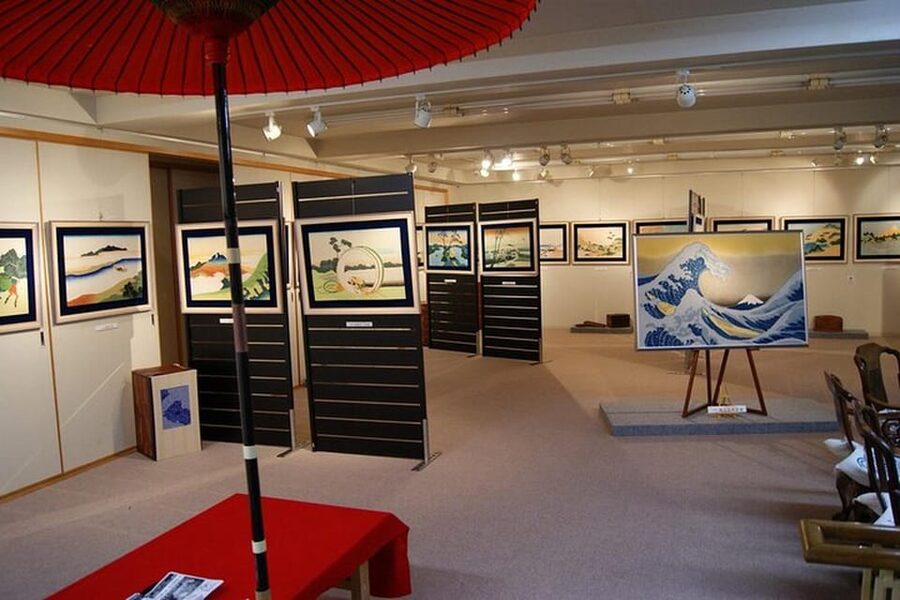
At around $70 per person for about 1 hour, the price might look steep if you compare it to general museum entry. But this experience includes real instruction, a guided hands-on dye process, and (importantly) admission to the museum.
Workshop participants receive free admission to the Kyoto Shibori Museum, which is normally 1,000 yen. That doesn’t turn the workshop into a bargain on its own, but it does mean you’re not paying twice for the building. You’re paying for guided craft plus access to the specialized exhibits.
You’re also paying for something you can’t easily recreate at home in a safe, practical way. Shibori involves specific handling and process steps. Doing it with a small group and an instructor who can explain what to do in English or Japanese is a big part of the value.
The small-group format is limited to 8 participants. That size matters because it supports hands-on help, rather than a quick walk-through where you do everything alone.
If you’re deciding whether this fits your budget, use a simple test. Would you pay extra to turn shibori from a photo subject into a technique you actually practiced? If yes, this workshop is a strong match. If your goal is purely sightseeing and you’re short on time, you might feel better prioritizing the museum alone.
Indoors, when temple-hopping wears thin


Who should book this shibori class, and who should skip it
This workshop is ideal for:
- People who like crafts with a clear step-by-step method.
- Anyone who enjoys learning how materials become patterns, not just buying a finished item.
- Travelers who want a compact experience in Kyoto that pairs well with other plans near Nijo Castle.
You might want a different option if:
- You only want a quick souvenir and you don’t care about process.
- You dislike waiting for dyed fabric to dry as part of the schedule.
- You’re expecting a long, wandering museum day. The workshop is 1 hour total, so you get museum time during drying, not a full self-paced day plan.
If you’re traveling solo or with a friend, the small group still feels friendly. If you’re traveling with kids, the data doesn’t specify ages, so you’d want to confirm that with the provider before booking.
Should you book the Shibori Fukusa course?
I’d book it if you want a practical Kyoto experience that teaches you something real. The mix of Kasamaki shibori, Nuishime shibori, and museum time while your piece dries is a smart design. You leave with a scarf you made, plus a stronger understanding of why shibori looks the way it does.
Skip it if your day is packed and you only want passive sightseeing. This is a making-focused class, not just gallery time.
If you can spare an hour near Nijo Castle, this is one of the better ways to spend it: not trendy, not vague, just hands-on technique in a museum that actually knows its subject.
FAQ
How long is the Shibori Fukusa Course class?
The experience lasts 1 hour in total, with the hands-on class portion described as about 30 to 60 minutes.
What will I make during the workshop?
You’ll dye and finish a shibori scarf using shibori techniques taught during the class.
Which shibori techniques are included?
The workshop includes Kasamaki shibori (winding technique) and Nuishime shibori (sewing technique).
Is the Kyoto Shibori Museum admission included?
Yes. Workshop participants receive free admission to the Kyoto Shibori Museum, which is normally 1,000 yen.
How large is the group?
It’s a small group limited to 8 participants.
Where is the museum located in Kyoto?
The Kyoto Shibori Museum is about a 5-minute walk from Nijo Castle.
New This Season
- Hands On Uji Matcha Experience in Seika Town
- Suntory Whisky and Beer Tasting Walking Tour in Kyoto
- 7hr Private Wazuka True Hidden Kyoto Matcha Farm Experience
- Kyoto Satoyama Cycling with Lunch and English guide
- Kyo-arashi Shibori Scarf Class at Kyoto Shibori Museum
- Arashiyama Walking Tour with Optional Sagano Romantic Train Ride
- Amanohashidate Sand bar & culture e-bike tour
- kyoto:Experience creating one-of-a-kind special fragrances
Artisan Craft Workshops, compared.
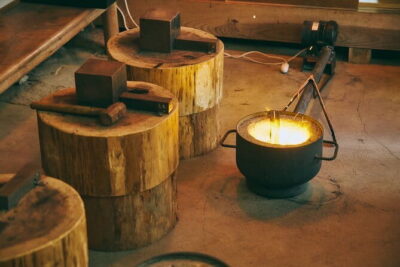
Authentic knife making experience at a blacksmith in Kyoto
Read our review →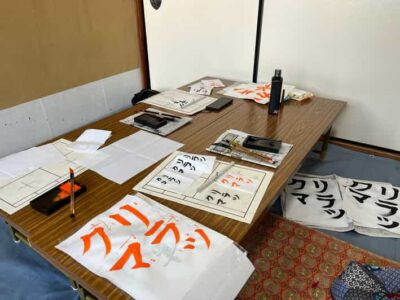
Calligraphy class at Buddhist temple in city center
Read our review →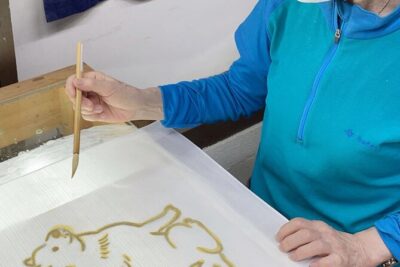
Roketsu dyeing experience: M course Roketsu Dyeing Experience
Read our review →

Traditional Japanese Washi Papermaking- Kyoto morning
Read our review →
Also filed under