
Reviewed · ARTISAN CRAFT WORKSHOPS
Kyoto: Ikebana (Japanese Flower Arrangement)
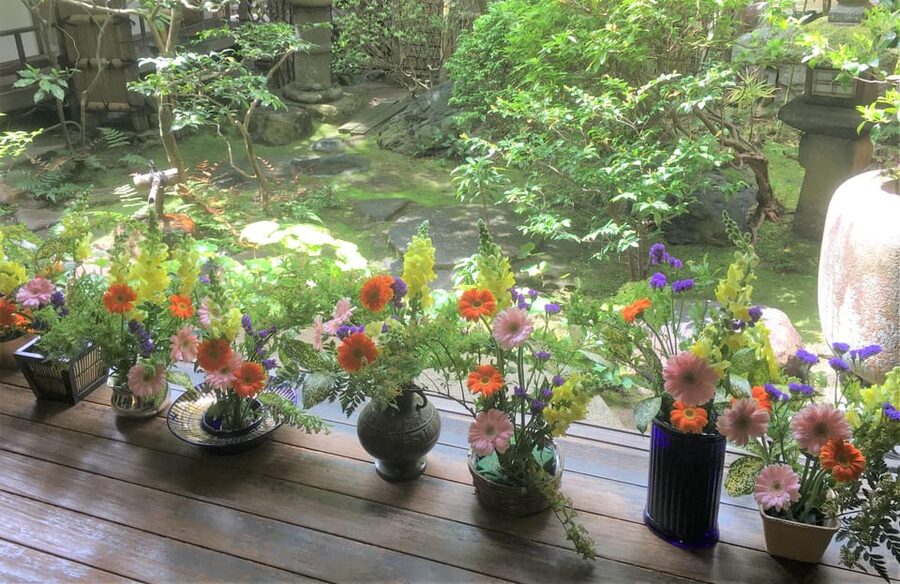
That first flower arrangement can feel like magic. This beginner Ikebana lesson in Kyoto is paired with time in a historic machiya townhouse, so you get both hands-on making and a sense of place. I like that the session is structured for beginners, with an instructor walking you through the steps, and I also like the photo-friendly finish with your completed work displayed in front of the garden. The one possible drawback is that, based on mixed feedback about lesson depth and time, you should be ready to ask questions early if you want more theory or longer instruction.
You start at Tondaya, a 140-year-old Nishijin machiya in Kamigyo. Then you move from the art of arranging seasonal stems into a museum-like stroll where you can see how Kyoto lived, not just how it looks on postcards.
In This Review
- Key things to know before you go
- The 1462 Kyoto origin story you get before you touch the flowers
- Inside the 90-minute flow: history, your arrangement, then photos
- How the lesson feels in practice
- The part that makes it memorable
- A real consideration: lesson depth can be uneven
- Socks, floor space, and what you should wear
- Tondaya Nishijin Lifestyle Museum: the machiya setting that adds meaning
- Price and value: is $122 fair for 90 minutes?
- Who should book this Kyoto Ikebana workshop
- Practical checklist so you enjoy it more
- Should you book it?
- FAQ
- Where is the meeting point for the Kyoto Ikebana experience?
- How long is the Ikebana and machiya experience?
- What should I bring?
- Are bare feet allowed?
- What languages are available during the lesson?
- Is there a minimum number of participants to book?
Key things to know before you go
- Beginner-friendly Ikebana format, with seasonal flowers and all the tools provided
- Meet and chat with an Ikebana master, guided through a traditional style
- A hands-on arrangement you can take pictures of, displayed in front of the garden after class
- Tondaya machiya museum visit, with artifacts and stories from staff
- Socks required, bare feet not allowed, and stockings or tights should be avoided
- Private group, but you need a minimum of two participants for the booking to run
The 1462 Kyoto origin story you get before you touch the flowers
Ikebana has a cleaner idea than it sounds like: it is not just about making something pretty. The lesson is framed around a moment in Kyoto in 1462, when a flower arrangement was admired for its beauty and elegance, designed to express harmony between nature and human space. In other words, you are learning a way of seeing, not just placing stems.
Before you arrange, you get the background that helps your brain stop treating flowers like decorations. It turns the lesson into a design process with purpose, where space and balance matter. That context is especially helpful if this is your first time doing any Japanese art form.
One note from the value angle: some people want more explanation and rules than others. If you care a lot about the reasoning behind each placement, go in with a curious attitude, and don’t be shy about asking for clarification during the lesson.
Inside the 90-minute flow: history, your arrangement, then photos
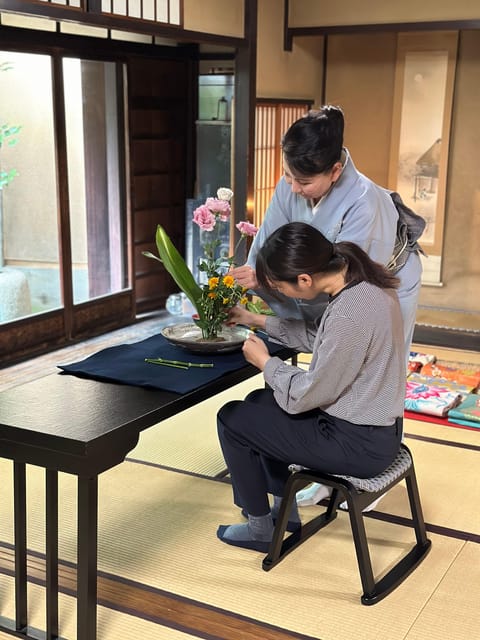
This experience is 90 minutes long and designed as a single, connected block. You will spend the first part making your Ikebana arrangement with seasonal flowers, with all necessary tools included.
Make something with a Kyoto craftsman
- kyoto:Experience creating one-of-a-kind special fragrances
★ 4.8 · 8 reviews - Kyo-arashi Shibori Scarf Class at Kyoto Shibori Museum
★ 5.0 · 6 reviews - Shibori Fukusa Course at Kyoto Shibori Museum
★ 5.0 · 3 reviews - Authentic knife making experience at a blacksmith in Kyoto
★ 4.8 · 350 reviews
How the lesson feels in practice
You are guided by an Ikebana master through the traditional flower arrangement process. Since the activity is for beginners, the pacing is meant to be approachable, and the structure should help you avoid the stuck-at-step-one problem. If you are traveling with someone who is artistic and likes careful guidance, this format tends to work well for shared focus.
Language support is available in English and Japanese. Some situations may use a translation device, and the provider says they will do their best to arrange an interpreter if staff do not speak English.
The part that makes it memorable
After you complete the arrangement, it is displayed in front of the garden. That is a big deal if you care about photos, because you are not just holding your work for a few minutes and then packing it away.
In a perfect world, you leave with two things: a finished arrangement you made, and the mental model for repeating the idea later. In reality, the quality of instruction can vary by session, so if you want a deeper explanation, treat the instructor conversation as part of the value. Ask questions about why stems go where they go, and what the balance is trying to express.
A real consideration: lesson depth can be uneven
Some feedback points to short or light instruction, with expectations of more demonstration or more theory not fully met. Duration is listed as 90 minutes, so if your time feels compressed once you arrive, that is worth saying kindly during the session. The safest strategy is to show up on time and come prepared to participate, because the whole experience assumes you will be actively arranging, not just watching.
Socks, floor space, and what you should wear
This is where practical planning saves your comfort.
You must bring socks. Bare feet are not allowed, and the instructions ask you to avoid wearing stockings or tights. It is the kind of rule that sounds small until you get caught at the door in sandals.
If you wear socks that are thin and slippery, you might want slightly grippier ones. You may be standing or moving around as the instructor sets up the lesson space, and comfortable footing helps you focus on the arrangement rather than balancing.
A day of temples goes further with something to break it up.

Tondaya Nishijin Lifestyle Museum: the machiya setting that adds meaning
After Ikebana, you tour Nishijin Lifestyle Museum Tondaya, a 140-year-old machiya (traditional Kyoto townhouse). The property is designated as a culturally significant landmark by Kyoto City Government, which is helpful context because you are not just in a themed space. You are inside a protected kind of Kyoto architecture where daily life shaped the layout.
The visit is guided by knowledgeable staff who share historically valuable artifacts and stories. Even if you came for flowers, this stop changes how you understand the lesson. Ikebana is about harmony between nature and human space, and a machiya gives you that “human space” part in a very tangible way.
This is also where you may get extra cultural add-ons, depending on what the session includes. One piece of feedback mentions an optional kimono moment for a small extra cost and a short tour connected to wearing it. If that is of interest, you will want to ask during the visit, since it is not guaranteed to be part of the base experience.
Price and value: is $122 fair for 90 minutes?
At $122 per person, this is not a budget activity. But it is also not priced like a private luxury performance. The math that makes it feel more reasonable is that you are paying for several bundled pieces:
- A guided beginner Ikebana workshop with an instructor
- Seasonal flowers and tools (materials are included)
- Entry into the Tondaya cultural experience
- A display moment in front of the garden for your completed arrangement
- A private group structure (with English or Japanese support)
Where value can drop is when your expectations are more like a long lecture or heavy demonstration. Some people felt the session was too short for the price and wanted more explanation or rules. If that sounds like you, go in expecting hands-on making first, with theory offered but not necessarily extended to the depth of a dedicated classroom-style workshop.
A practical way to judge fit: if you want a structured, step-by-step introduction and you enjoy taking photos of your finished work in a historic setting, the price often makes sense. If you mainly want deep technique breakdown and you are hoping for a lot of time watching the master demonstrate, you might feel the squeeze.
Who should book this Kyoto Ikebana workshop
This experience is a good match if:
- You are a beginner who wants a clear starting point, not a sink-or-swim craft class
- You like the idea of combining a creative workshop with a Kyoto machiya cultural stop
- You care about design and balance, and you enjoy learning how art relates to space
- You want an instructor-led session in English or Japanese, with translation support if needed
It may not be the best fit if:
- You want an extended, rules-heavy lecture with lots of watching and repeated demonstrations
- You are extremely time-sensitive and can get frustrated if instruction feels lighter than expected
- You dislike any situation where instruction could depend on staff availability or session flow
The overall vibe I get from the information is positive, especially about friendliness and step-by-step guidance. The mixed comments are mainly about lesson depth and expectations, not about the beauty of the setting or the basic concept.
Practical checklist so you enjoy it more
- Wear socks and avoid stockings or tights
- Arrive on time, because the flow depends on everyone starting together
- Come ready to actively arrange, not just observe
- If you want more theory, plan to ask questions early
- Bring your phone for photos, since your arrangement is displayed in front of the garden
Also remember the booking minimum: the reservation requires at least two participants. If you are traveling solo, you will need to see if you can pair up through your own plans or look for a different option.
Should you book it?
I think it is worth booking if your goal is a beginner-friendly Kyoto Ikebana session with a real sense of place. The pairing with Tondaya and its machiya atmosphere is the kind of value that makes craft lessons feel like Kyoto, not just a one-off activity.
I would book it with two expectations set correctly. First, expect hands-on instruction with seasonal materials and a photo-ready result. Second, don’t assume it will be a long, rules-heavy lecture. If you want lots of theory, go in ready to ask, and treat the instructor guidance as your chance to get the clarity you care about.
If that sounds like your style, this is the sort of workshop that leaves you with something you can remember every time you think about harmony in space and nature.
FAQ
Where is the meeting point for the Kyoto Ikebana experience?
You meet at Tondaya – Nishijin Japanese Cultural Experience Museum, 697 Ishiyakushichō, Kamigyo Ward, Kyoto, Japan.
How long is the Ikebana and machiya experience?
It lasts 90 minutes.
What should I bring?
You should bring socks.
Are bare feet allowed?
No. Bare feet are not allowed, and you are asked to refrain from wearing stockings or tights.
What languages are available during the lesson?
The activity offers English and Japanese. A translation device may be used when necessary, and the provider will try to arrange an interpreter if needed.
Is there a minimum number of participants to book?
Yes. Reservations must be made for a minimum of two participants.
New This Season
- Hands On Uji Matcha Experience in Seika Town
- Suntory Whisky and Beer Tasting Walking Tour in Kyoto
- 7hr Private Wazuka True Hidden Kyoto Matcha Farm Experience
- Shibori Fukusa Course at Kyoto Shibori Museum
- Kyoto Satoyama Cycling with Lunch and English guide
- Kyo-arashi Shibori Scarf Class at Kyoto Shibori Museum
- Arashiyama Walking Tour with Optional Sagano Romantic Train Ride
- Amanohashidate Sand bar & culture e-bike tour
Artisan Craft Workshops, compared.
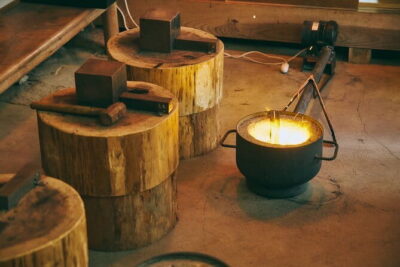
Authentic knife making experience at a blacksmith in Kyoto
Read our review →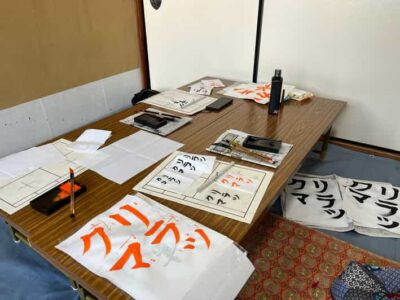
Calligraphy class at Buddhist temple in city center
Read our review →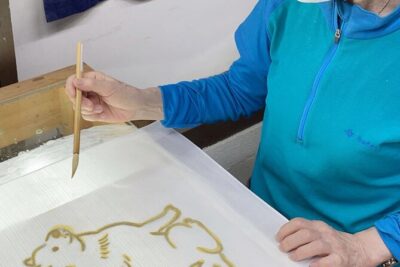
Roketsu dyeing experience: M course Roketsu Dyeing Experience
Read our review →

Traditional Japanese Washi Papermaking- Kyoto morning
Read our review →
Also filed under