
Reviewed · CYCLING TOURS
Kyoto Satoyama Cycling with Lunch and English Guide
E-biking Kyoto’s back roads feels like a reset. This half-day ride takes you off the main streets and into Sonobe, where you’ll get an English guide born and raised in town and a hands-on look at soba-making and local shrines. One catch: the experience depends on good weather, and the full timing includes biking time between stops.
You’ll start in the countryside and end right back where you met, usually in the late morning. Pick Course A for soba you help make plus a soba meal, or Course B for lunch featuring local produce at a traditional-style restaurant in a Japanese house. Extra options can add fun, like a kimono photo, playing koto, and exploring Mt. Komugi (the Mario connection), but they can also push the finish time later.
In This Review
- Key points before you go
- Why Sonobe, Kyoto works so well for an e-bike day
- Course A vs Course B: picking the lunch that matches your day
- Course A: soba-making plus a soba set meal
- Course B: local produce lunch in a traditional Japanese house
- One quick decision tip
- Ikimi Tenmangu Shrine: the learning-success stop
- Sonobe Castle ruins: what’s left of the last castle built in Japan
- A closed elementary school soba workshop: where the day gets hands-on
- Make Shrine: farming roots and a thatched roof detail
- Mt. Komugi (Mario Mountain) and the optional extras that change your finish time
- E-bike ride reality check: what the 10 to 20 minute legs mean
- The value question: is $78.83 worth it?
- Who this Sonobe tour suits best
- Should you book this tour?
Key points before you go
- Sonobe is a real day-trip alternative to central Kyoto, with a quieter pace and rural scenery
- English guidance from locals who know the town and can explain what you’re seeing
- Two lunch styles: soba-making with a meal, or local produce in a traditional house
- Shrine stops with clear themes, from learning success to farming roots
- Extra activities are optional, including kimono photos and koto playing
- Weather matters, and the tour team plans around safety and comfort
Why Sonobe, Kyoto works so well for an e-bike day
Sonobe is not the Kyoto most people rush through. It’s the Kyoto feeling slower, greener, and more human, the kind of place where you notice small details like quiet roads, farmed areas, and the sound of birds near the river.
This tour is set up for that. You’re on an e-bike, so you can enjoy the ride without turning it into a workout you regret. And because Sonobe is about a 30-minute train ride from Kyoto City, you can keep it a true half-day escape rather than a long, stressful journey.
The group experience is also practical. It’s a private tour, so you’re not squeezed into a big crowd. In real life, that matters when you’re stopping at shrines, getting equipment sorted, and timing lunch without chaos.
Course A vs Course B: picking the lunch that matches your day
Both courses end in food that feels like you ate in Sonobe, not just picked up lunch. But the setup is different, and your choice can shape the whole vibe of the morning.
Lunch, wedged between temple visits
- Kyoto: Zen Meditation and Garden Tour at a Temple with Lunch
★ 4.9 · 86 reviews - Kyoto Satoyama Cycling with Lunch and English guide
★ 5.0 · 4 reviews - Bike Tour Exploring North Kyoto plus Lunch
★ 5.0 · 1,087 reviews - Osaka/Kyoto: Arashiyama, Nara & Fushimi Inari Shrine w/Lunch
★ 4.4 · 754 reviews
Course A: soba-making plus a soba set meal
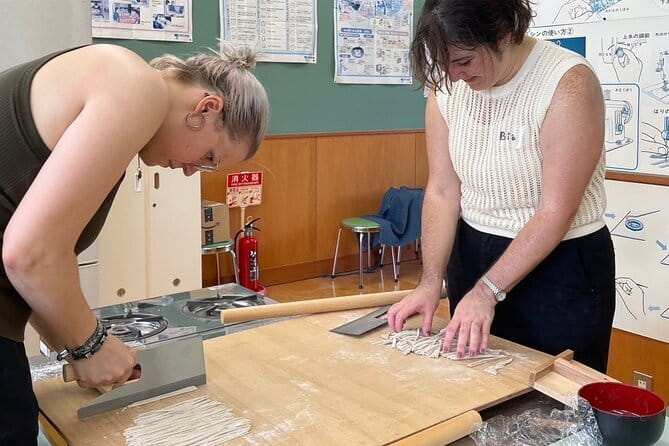
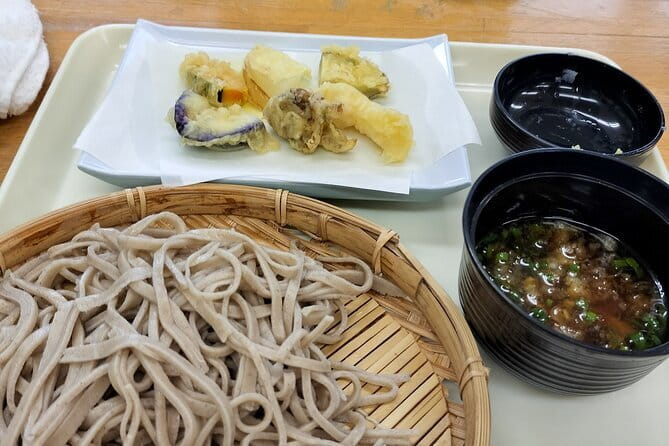
If you like doing things with your hands, Course A is the obvious pick. You’ll work with buckwheat flour harvested locally, make your own soba, and then eat freshly boiled soba. The meal also includes sides like tempura and rice balls.
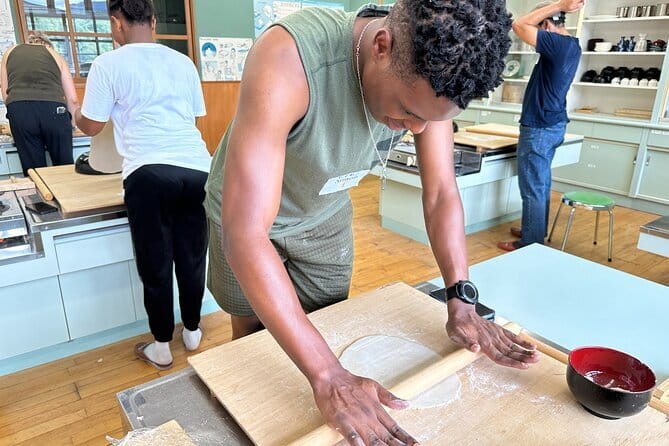
This is the course that turns the tour into a mini workshop day. Even if you’ve never made noodles before, the point is you’re guided step-by-step, and you get to eat what you helped make.
Course B: local produce lunch in a traditional Japanese house
Course B is more about tasting local flavors in a traditional setting. You’ll eat at a restaurant in a Japanese house, with lunch featuring local produce.
This option tends to fit better if you want a lighter activity load and more time for scenery and stops. You’ll still get the same countryside riding and shrine atmosphere, but the lunch feels less hands-on and more like a calm meal break.
One quick decision tip
If you’re traveling with kids, classmates, or anyone who gets a kick out of making something, Course A often feels more memorable. If your group prefers sitting, chatting, and tasting, Course B can be the better match.
Ikimi Tenmangu Shrine: the learning-success stop
Your morning begins at Ikimi Tenmangu Shrine, described as the oldest Tenmangu shrine in Japan. It’s dedicated to Sugawara no Michizane, the figure associated with learning and exam success, which is why students and families come to pray.
Tenmangu shrines aren’t just pretty buildings. They’re a window into how Japanese spiritual life connects to daily goals. Here, the theme is study, so the atmosphere feels purposeful rather than purely scenic.
Admission at this stop is free, so you’re not paying extra to add meaning to your day. It’s a quick stop too, about 10 minutes, which keeps the ride moving.
A quieter way to spend a day in Kyoto

Sonobe Castle ruins: what’s left of the last castle built in Japan
Next up are the ruins of Sonobe Castle. The tour framing is specific here: it’s said to be the last castle built in Japan. What you see today includes the main gate, castle walls, turrets, and a guardhouse.
The twist that makes this stop feel real is that the remaining main gate is used as the main gate of Sonobe High School. So you’re looking at history that still plays a role in everyday life, not something fenced off and forgotten.
You’ll spend around 20 minutes here, and admission is free. That short time window works well because it gives you context without dragging the schedule, especially when you’re also doing a hands-on soba stop later.
A closed elementary school soba workshop: where the day gets hands-on
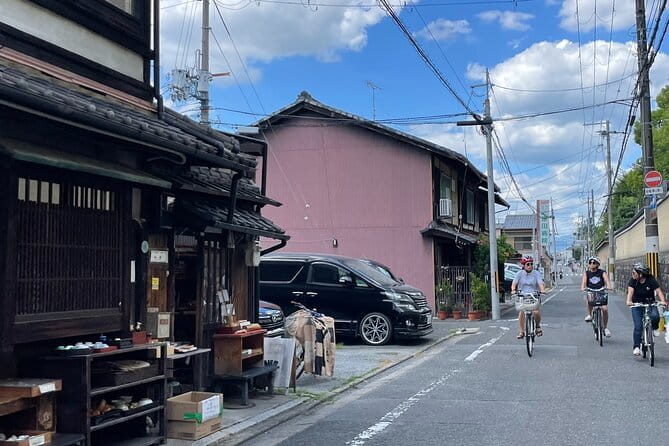
Then the tour turns practical in the best way. You’ll visit a spot at the front of a closed elementary school where you experience making soba using buckwheat flour harvested in the local area.
The key word here is local. The flour comes from nearby, and the process is designed so you can see what happens from grain to noodle. You’ll also enjoy freshly boiled soba, served with tempura and rice balls.
This stop runs about 1 hour and 50 minutes, so it’s the longest block of the morning. That’s also the reason it’s such a standout for many groups: it slows things down enough to feel like an actual activity day, not just a checklist of sights.
If you’re worried about timing, plan to be present and flexible. This is the kind of workshop where instructions matter, and you’ll get the best experience if you go with the flow rather than trying to multitask.
Make Shrine: farming roots and a thatched roof detail
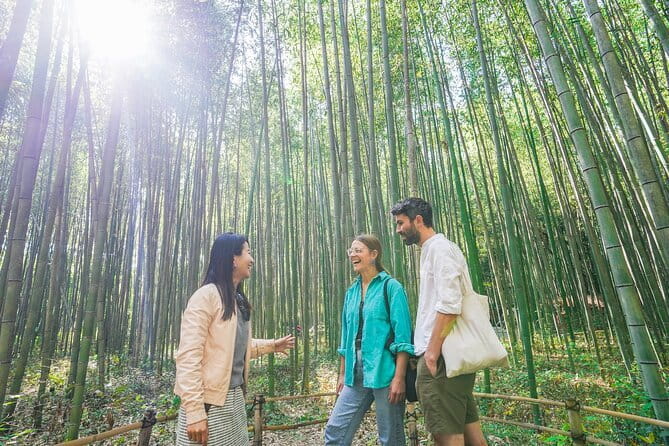
After lunch, you shift from food craft to place-based culture at Make Shrine. This shrine is tied to agriculture in the Tanba region, which historically supported Kyoto’s food supply.
The roof detail is one of the charms: the main hall has a traditional thatched roof. Even if you’re not a shrine expert, that detail gives you something to notice besides signs and pathways.
This stop is about 30 minutes, and admission is listed as free. For me, what makes it work is how it connects earlier parts of the day. You’ve seen the learning theme at Ikimi Tenmangu, you’ve seen the castle past, and now you’re given the agriculture backbone that helped keep Kyoto going.
Mt. Komugi (Mario Mountain) and the optional extras that change your finish time
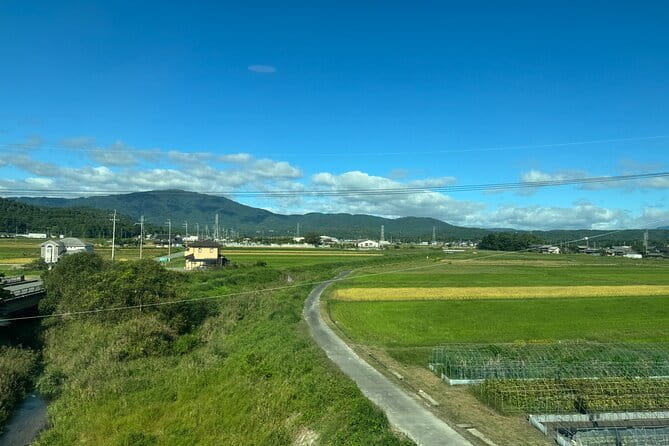
One of the most fun parts of this tour is that it offers add-ons that can make the experience feel more personal. You can choose extra experiences included in the tour price, and some of them can extend the day.
Two big examples:
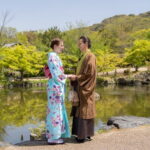
- Kimono photo (included)
- Playing koto (included)
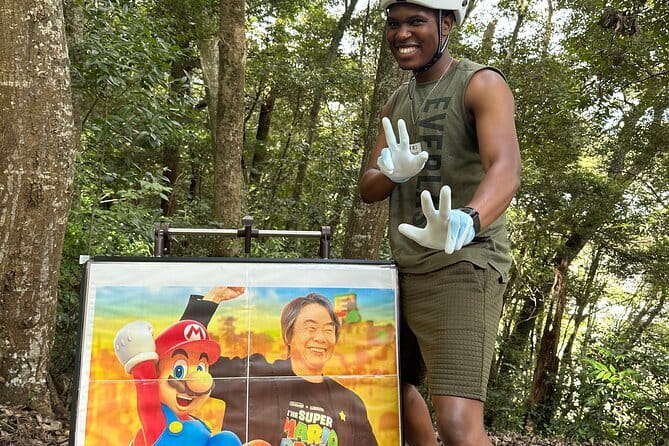
There’s also an option for drinking spring water, described as something you’ll do over a small mountain. And if you’re into the pop-culture connection, there’s Mario Mountain exploration, tied to Mt. Komugi, the birthplace of Super Mario.
The important practical note: some choices can push the tour past 2 PM. If you’re catching a later train back to Kyoto City or you have evening plans, choose extras with timing in mind.
E-bike ride reality check: what the 10 to 20 minute legs mean
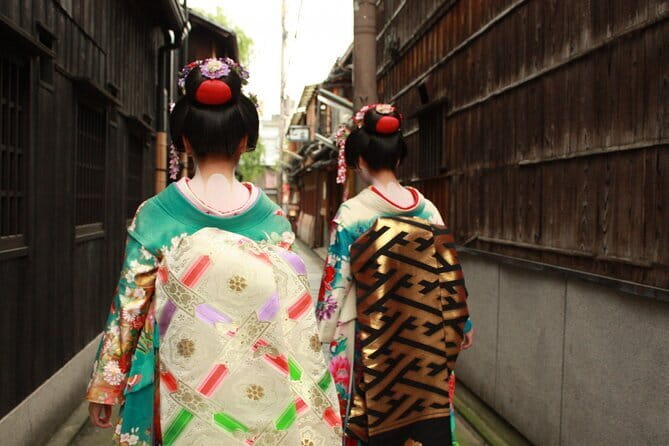
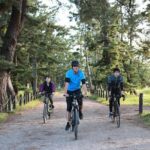
Between stops, you’re riding about 10 to 20 minutes each segment. That’s long enough to feel like you’re actually traveling through the countryside, but short enough that you’re not stuck in the saddle for hours at a time.
The total duration is listed as about 4 to 5 hours, and that includes your cycling travel time. So even though you’re not gone all day, you still need to treat it like a real block, especially if you’re traveling with kids or a mixed group.
What to expect for comfort:
- You’ll get safety equipment and clear instructions before you roll
- The tour team provides warming items like disposable hand warmers and neck warmers, which helps a lot in cooler months
- Weather planning matters, since the tour is stated as requiring good weather
If the forecast looks questionable, I’d still plan on dressing for the conditions. Even with warmers, you’ll be outside and moving.
The value question: is $78.83 worth it?
At $78.83 per person (with a listed participation fee of 15,000 yen), this tour doesn’t feel like a bargain bargain. But it also doesn’t feel like you’re paying just for riding in a circle.
Here’s what you’re getting value for, based on what’s included and how the day runs:
- An e-bike countryside experience with travel between multiple stops
- English guidance from locals who can explain what you’re seeing
- Multiple cultural stops, including shrines and a castle site tied into modern life
- A real lunch component that matches your course choice, either soba-making with a meal or local produce at a traditional-style house
- Optional extras included such as kimono photo and koto playing
The best value angle is that you get both culture and a hands-on piece. A lot of half-day tours do one or the other. This one does both, and it stays structured enough that you’re not wandering around hoping someone else has planned it.
Also, with an average booking lead time of about 86 days, this tour isn’t a fly-by-the-seat-of-your-pants plan if you want a specific date. If you’re traveling in peak season or around school trips, booking early helps you lock in a spot.
Who this Sonobe tour suits best
This is the kind of tour that works for a wide mix of travelers because it’s built around different rhythms.
You’ll likely love it if you:
- want a Kyoto countryside day that’s not the same as the usual temples-and-tea route
- like food experiences that go beyond eating, especially soba-making
- appreciate a guide who explains context, not just points and photos
- want kid-friendly energy, since the day includes activities and shorter stop windows
It may be less ideal if you:
- hate weather-dependent plans, since the tour requires good weather
- have very inflexible timing, since optional extras can extend beyond 2 PM
- prefer slow museum pacing over active riding and short stop-and-go segments
Should you book this tour?
Yes, if you want an authentic-feeling day in rural Kyoto with structure, guidance, and lunch that actually connects to place. I like that the tour gives you more than one kind of experience, shrine and castle context plus either hands-on soba or a traditional produce meal.
Before you book, think about your priority for the day:
- Choose Course A if you want the hands-on soba moment and a set meal.
- Choose Course B if you want more tasting time and a traditional house lunch.
- If you care about the extra activities, decide early, because kimono, koto, spring water, and Mario Mountain can affect how late the day runs.
If you’re set on a Kyoto itinerary that includes some real distance from the main crowds, this Sonobe e-bike tour is a smart, practical way to do it.
New This Season
- Hands On Uji Matcha Experience in Seika Town
- Suntory Whisky and Beer Tasting Walking Tour in Kyoto
- 7hr Private Wazuka True Hidden Kyoto Matcha Farm Experience
- Shibori Fukusa Course at Kyoto Shibori Museum
- Kyoto Satoyama Cycling with Lunch and English guide
- Kyo-arashi Shibori Scarf Class at Kyoto Shibori Museum
- Arashiyama Walking Tour with Optional Sagano Romantic Train Ride
- Amanohashidate Sand bar & culture e-bike tour
Cycling Tours, compared.
Bike Tour Exploring North Kyoto plus Lunch
Read our review →
Arashiyama Bamboo Forest & Hidden Gems Bike Tour (Early Bird)
Read our review →
5 Top Highlights of Kyoto Full Day Bike Tour (E-bike option)
Read our review →
Full Day Biking Tour Exploring the Best of Kyoto
Read our review →

Afternoon Kyoto Bike Tour: Bamboo Forest, Monkeys & Hidden Spots
Read our review →
South Kyoto in a Nutshell: Gentle Backstreet Bike Tour!
Read our review →Also filed under