
Reviewed · CYCLING TOURS
Hidden Kyoto E-Biking tour
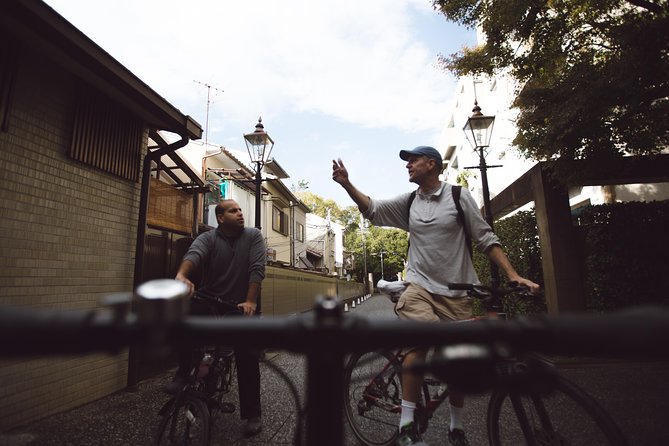
Kyoto without the crowds starts on two wheels. I love how the foldable e-bikes and helmets make this route feel easy, even when Kyoto throws in hills near temples. I also love the Zen-focused guide storytelling, with English-language coordinators like Yuta or Michael turning stops like Kinkakuji and the Daitoku-ji area into clear context you can actually use. One drawback to know: depending on the guide, you may spend more time listening at stops than you expect, especially if you prefer pure riding time.
This “Hidden Kyoto” style tour is built for a calmer side of the city, with a max group size of 8 and a route coordinator guiding you through famous sights and quieter backstreets. You’ll start at NORU Kyoto Bike Tours in Kamigyo, ride roughly 7 to 8 km total, and return to the shop, with water included and a mobile ticket.
In This Review
- Key highlights worth planning for
- Why this Kyoto e-bike route feels different than temple checklist tours
- NORU Kyoto Bike Tours and what “small group” means in practice
- The ride length and pacing: what “3 hours 45 minutes” really gives you
- Stop-by-stop: how each Kyoto location changes the mood
- Stop 1: Kinkakuji Temple, the big opening statement
- Stop 2: Daitoku-ji Temple Complex, where Zen takes the wheel
- Stop 3: Kitano Tenmangu Shrine, Shinto rhythm in the middle of the day
- Stop 4: Koto-in, the intimate garden stop
- Stop 5: Zuihoin, finishing with a Zen-leaning calm
- The e-bike experience: easy riding, but still ride like you mean it
- Temple etiquette and what the guide helps you do right
- Weather and comfort: plan for Kyoto days, not just perfect postcards
- Is it worth $116? A practical value check
- Who should book this, and who might skip it
- Should you book Hidden Kyoto E-Biking Tour with NORU?
- FAQ
- Where do I meet for the Hidden Kyoto E-Biking tour?
- How long is the tour, and about how far do we ride?
- Are the rental bike and helmet included?
- Which temples and shrines are included on the route?
- How difficult is the ride, and is there a minimum age?
- What departure times are available?
- What happens if the weather is poor?
- Is food included during the tour?
Key highlights worth planning for
- Electric assist that keeps the ride relaxed: you get the help without turning it into a stroller ride
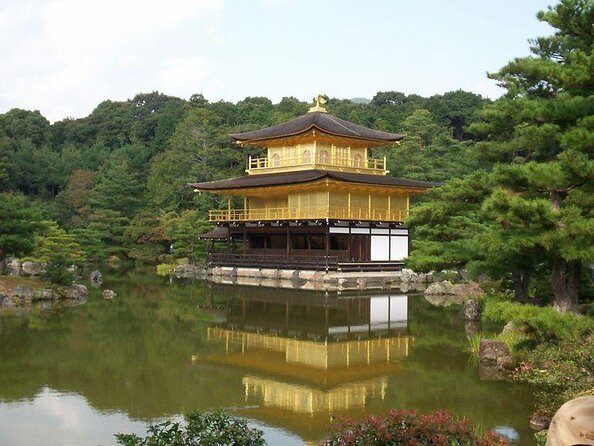
- UNESCO-listed Kinkakuji plus Zen gardens: major shrine power, then the quieter spaces nearby
- Small group pace: a max of 8 makes it easier to regroup and ask questions
- Real neighborhood riding: backstreets and side lanes, not just temple fronts
- Stops that mix Shinto and Buddhism: Kitano Tenmangu alongside Daitoku-ji temple complex areas
Why this Kyoto e-bike route feels different than temple checklist tours
This tour is a smart way to see Kyoto without doing the usual park-and-queue routine. You start with a big-name hit, Kinkakuji, then you gradually shift into quieter temple precincts and side streets where you can actually hear yourself think.
What makes it work is the blend: a short guided ride with frequent stops. You get the landmarks you planned for, but you also get the in-between Kyoto that shows how the city lives day to day. The e-bike matters here. Kyoto can look flat on a map, then you hit a slope and suddenly you are walking. With electric assist, you keep moving, so the day feels active instead of exhausting.
The route is also designed for a wide range of cyclists. The ride is described as easy and safe with minimal effort, and the minimum age is 13, so it’s not just for hardcore riders.
NORU Kyoto Bike Tours and what “small group” means in practice
You meet at NORU Kyoto Bike Tours at 429-22 Takigahanachō, Kamigyo Ward. It’s close to public transportation, and you’ll use your mobile ticket for check-in.
You should show up early. The tour says you need to arrive 15 minutes before departure. Departures include 8:30, 9:00, 12:30, and 1:00. Miss the timing and you do not get a refund, so treat this like a train. If you’re the type who strolls up right at the hour, set a more human schedule.
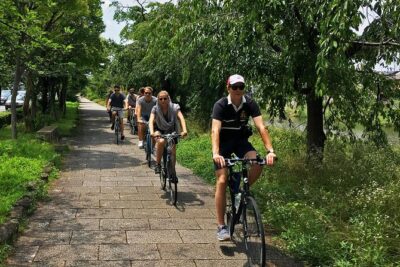
Once you arrive, you get outfitted with the rental bike, plus a helmet. The bikes are foldable, which is useful because Kyoto has plenty of tight sidewalks and you do not want to fight a giant bike at every stop. After that, you ride out with a route coordinator who keeps the group together and explains what you are seeing.
The max group size of 8 is not just a marketing number. It affects how much the guide can tailor explanations, how fast you can regroup after a stop, and how easily slower riders can keep up.
A quieter way to spend a day in Kyoto
- 5 Top Highlights of Kyoto Full Day Bike Tour (E-bike option)
★ 5.0 · 511 reviews - E-Bike Tours of the highlights of Kyoto!!!
★ 5.0 · 291 reviews - Kyoto: City Secrets eBike Tour
★ 4.9 · 196 reviews - Kyoto: Hidden Gems E-Bike Tour with Local Japanese Guide
★ 4.9 · 189 reviews
The ride length and pacing: what “3 hours 45 minutes” really gives you
Plan on about 3 hours 45 minutes total. The cycling distance is described as roughly 7 km, and other wording puts it around 8 km. Either way, you are not signing up for a long endurance ride.
Instead, it’s a half-day tour where the value comes from movement plus context. You get a steady flow: bike, short stop, explanation, then onward. The best part is that you get to see more than you would on foot, without feeling like you are rushing through a checklist.
The e-bike assist changes your relationship with the route. Steeper sections near temples stop being a threat and start being part of the fun. Even if you consider yourself an occasional cyclist, the electric help makes it realistic.
Stop-by-stop: how each Kyoto location changes the mood
Below is how the itinerary comes together, and why each stop matters beyond the name on your map.
Stop 1: Kinkakuji Temple, the big opening statement
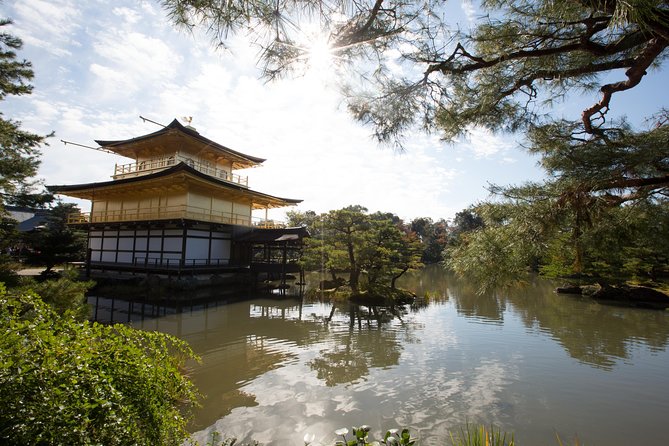
Kinkakuji is the iconic start because it sets the visual tone immediately. You arrive to one of Kyoto’s most recognizable temples, and you get your bearings fast: sacred space, strong symbolism, and a sense of why Kyoto built its reputation around religion and gardens.
This first stop also works psychologically. Once you see Kinkakuji, you can understand what you are about to ride toward: calmer temple compounds and quieter precincts in the same broader cultural world.
A practical note: this is a famous site. Even if the rest of the ride helps you escape crowds, expect busier surroundings around the big landmark itself.
Stop 2: Daitoku-ji Temple Complex, where Zen takes the wheel
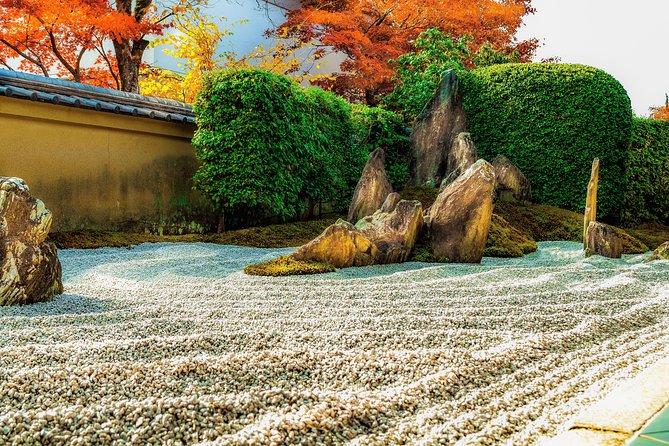
After the spotlight temple, the tour shifts toward Daitoku-ji Temple Complex. This is where the day starts feeling more like Kyoto’s private world. Daitoku-ji is known for Zen temple precincts, and the route tends to bring you into that quieter, more meditative atmosphere.
This is also where the guide’s style shows. English-speaking coordinators on this tour often share context about Zen Buddhism and temple etiquette, and many of the named guides in the experience have a teaching style. If your guide is Yuta, for example, you may get detailed explanations about Zen Buddhism, Shinto versus Buddhism, and how that shows up in daily life and visitor behavior. If your guide is Michael, you might get a more storytelling-heavy approach that turns the setting into a lesson you can remember later.
Either way, this stop is about learning how to look, not just where to stand for a photo.
A day of temples goes further with something to break it up.

Stop 3: Kitano Tenmangu Shrine, Shinto rhythm in the middle of the day
Kitano Tenmangu Shrine adds a different energy. It’s a major shrine, and the tour uses it as a pivot point between the Zen temple precinct mood and the smaller, calmer garden-and-street rhythm that follows.
Tenmangu sites connect strongly with Shinto traditions, and the route helps you notice the differences in how sacred spaces feel and how people behave inside and around them. That matters because Kyoto is not one uniform religious atmosphere. It’s a layered city.
If you care about seeing how Shinto and Buddhism coexist in Kyoto’s spaces, this stop is one of the reasons the ride feels more “Kyoto” and less “just photos.”
Stop 4: Koto-in, the intimate garden stop
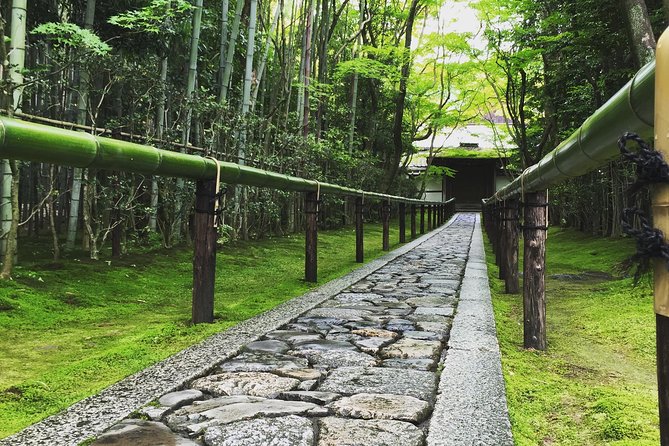
Koto-in is part of what makes this tour more than a transport method. You are not just riding past places. You are stepping into smaller, more intimate temple settings.
That intimacy is the point. Big sights tell you what Kyoto is famous for. Smaller temple garden stops show you why Kyoto’s quiet corners matter. On a bike, you can reach those calmer places without spending hours walking between them.
Stop 5: Zuihoin, finishing with a Zen-leaning calm
The tour concludes with Zuihoin, continuing the Zen garden feeling from the earlier parts of the ride. This is where the day’s pacing makes sense: start at a bright, iconic temple, then gradually reduce the noise until you end in a calmer mindset.
By the time you reach the finish back at NORU Kyoto Bike Tours, you are usually ready to slow down. You’ve seen enough structure and symbolism for the day, and you can decide what you want to return to later on your own.
The e-bike experience: easy riding, but still ride like you mean it
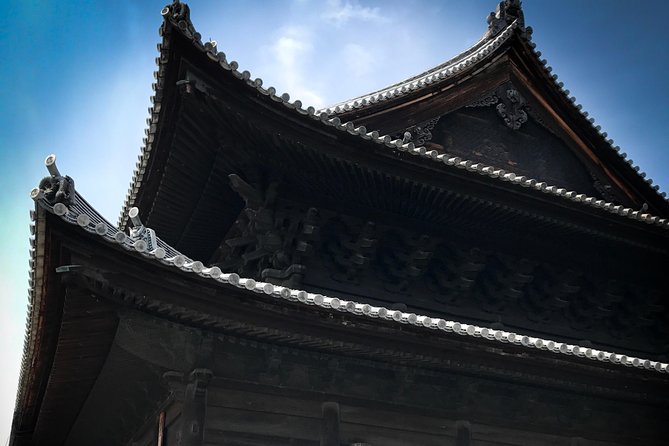
Electric assist is a game changer in Kyoto, especially if you have never biked much. The tour description frames it as easy and safe, and the reviews you can read reflect that same reality: people who were nervous about biking found the bikes manageable, and hills felt doable.
Still, this is not a scooter tour. You will steer, brake, and navigate temple-area sidewalks. You should ride like a polite cyclist, keep control on turns, and follow the guide’s cues.
What I like is that helmets and coordination are included from the start. You are not wondering what the safety plan is.
Also, the day includes water. That’s a small detail that matters. You can stay focused on the ride and the stops instead of worrying about basic hydration.
Temple etiquette and what the guide helps you do right
The best part of a cultural tour is not the facts. It’s the manners that make you fit into the space.
This route includes guidance on customs for visiting temples and shrines, with explanations that can cover things like Shinto versus Buddhist practices and practical do and don’t behaviors. Guides such as Yuta and Michael are specifically noted for teaching visitors how to understand what they are seeing, and how to act respectfully while you look.
If you want fewer awkward moments, this tour helps. You’ll feel more comfortable walking into sacred spaces and moving through quiet garden areas.
Weather and comfort: plan for Kyoto days, not just perfect postcards
This experience requires good weather. If conditions are poor, the tour can be canceled and you’ll be offered a different date or a full refund.
Kyoto weather can shift fast. If rain is in your forecast, bring something that actually keeps you dry, not just a thin umbrella. A solid raincoat or poncho is a good idea, and weatherproof gloves can help if your hands get cold or wet.
Even in good weather, mornings can feel cooler then warmer as you ride. Wear breathable layers, and use your pockets smartly so you do not have to stop and rummage constantly.
Is it worth $116? A practical value check
At $116 per person, you are paying for more than the bike rental. You’re paying for:
- a coordinated route with multiple major religious stops
- an English-speaking route coordinator
- the included helmet, bike, and water
- the small-group format that keeps the pace manageable
For many visitors, the biggest hidden cost in Kyoto is time. If you try to replicate this route on your own, you need navigation skills, a bike plan, and the knowledge to understand what matters at each stop. A taxi solution gets expensive quickly, and walking between distant points can be slow.
This tour hits a middle ground: it’s structured enough to feel guided, but not so rigid that you feel trapped. If you want an active half-day that covers famous sites plus quieter Kyoto neighborhoods, the price starts to feel reasonable.
Who should book this, and who might skip it
Book this if:
- you want a half-day plan that covers multiple temple and shrine areas without turning into a marathon
- you want less crowd energy once you get past the first big landmark
- you like history and culture, but you also want hands-on movement instead of a bus ride
You might prefer something else if:
- you hate stops where the guide talks for a while, because the tour mixes riding with explanations
- you want a totally unguided bike route, where you control every second
This tour is a great match for first-time Kyoto visitors who want orientation beyond the most obvious hits. It’s also useful for returning visitors who want a calmer, more local-feeling side street route.
Should you book Hidden Kyoto E-Biking Tour with NORU?
I think you should book it if you want an easy, well-paced way to see Kyoto’s main religious landmarks and then ride into quieter spaces. The combination of e-bike assist plus multiple temple stops makes it feel both efficient and meaningful.
You should probably pass if you are the type who wants nonstop movement and almost no standing around. But if you’re okay with a few pauses in exchange for context, this is a strong value plan for a single morning or afternoon in Kyoto.
If you do book, show up on time, wear weather-ready gear, and bring your curiosity. Kyoto is at its best when you slow down just enough to notice what the city is doing behind the famous faces.
FAQ
Where do I meet for the Hidden Kyoto E-Biking tour?
You meet at NORU Kyoto Bike Tours, 429-22 Takigahanachō, Kamigyo Ward, Kyoto, 602-8336, Japan.
How long is the tour, and about how far do we ride?
The tour runs about 3 hours 45 minutes. The biking distance is described as about 7 to 8 kilometers (roughly 4.3 to 4.9 miles).
Are the rental bike and helmet included?
Yes. The tour includes a rental bike and a rental helmet, plus water.
Which temples and shrines are included on the route?
The stops listed are Kinkakuji Temple, Daitoku-ji Temple Complex, Kitano Tenmangu Shrine, Koto-in, and Zuihoin.
How difficult is the ride, and is there a minimum age?
The ride is described as easy, safe, and fun, with minimal effort required. The minimum age is 13, and it’s suitable for most travelers.
What departure times are available?
Departures are at 8:30, 9:00, 12:30, and 1:00. You must arrive 15 minutes prior to departure.
What happens if the weather is poor?
The experience requires good weather. If it is canceled due to poor weather, you will be offered a different date or a full refund.
Is food included during the tour?
Food and drinks are not included unless specified. Water is included, but you should plan to pay separately for any snacks or meals.
New This Season
- Koyasan Day Trip by Private Car from Kyoto
- Old Port Town and Ultimate Sake Tasting Private Tour From Kyoto
- Kyoto’s Timeless Charm: 3hr Exploration of History and Peace
- Kyoto: 5 Types of Sushi Making
- Sacred Peak & Ancient Paths: Kurama-Kibune Hiking Experience
- Kyoto: Exclusive ZEN practice at Manpukuji temple in Uji
- Kyoto: Private Seasonal Aroma Yoga Class
- Traversing Kyoto’s Scenic West – Arashiyama to Kinkakuji
Cycling Tours, compared.
Bike Tour Exploring North Kyoto plus Lunch
Read our review →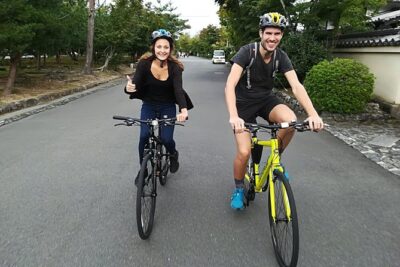
Arashiyama Bamboo Forest & Hidden Gems Bike Tour (Early Bird)
Read our review →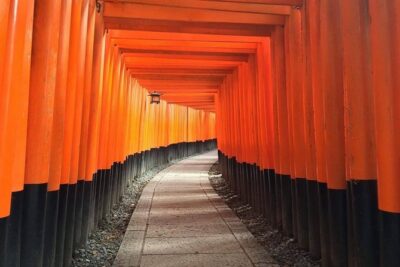
5 Top Highlights of Kyoto Full Day Bike Tour (E-bike option)
Read our review →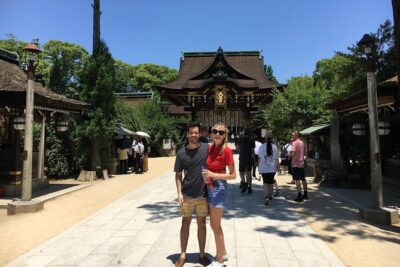
Full Day Biking Tour Exploring the Best of Kyoto
Read our review →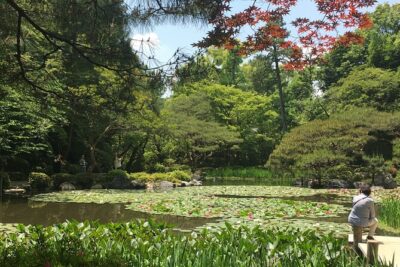

Afternoon Kyoto Bike Tour: Bamboo Forest, Monkeys & Hidden Spots
Read our review →
South Kyoto in a Nutshell: Gentle Backstreet Bike Tour!
Read our review →
Also filed under