
Reviewed · NARA & DEER PARK DAY TRIPS
Kyoto: Nara & Traditional Matcha Experience Bus Tour
Two big Japan icons in one day.
You get Nara’s World Heritage sights and Uji matcha, packed into a practical coach tour that moves at a tourist-friendly pace.
I like two things a lot: you’re guided by a professional English-speaking guide, and you actually make tea yourself in Uji instead of just watching. In past departures, guides like At-chan and Mai also add helpful culture context and quick Japanese tips so the day feels easier to navigate.
One consideration: you walk stairs and hills, and the tour is not suitable for wheelchairs or people with mobility impairments. Also, the deer at Nara Park are cute, but they can be bold, so keep a little space and don’t wave crackers like bait.
In This Review
- Key Highlights You’ll Remember
- A Smooth Nara and Uji Day Trip from Kyoto Station
- Meeting at Tully’s Kyoto Avanti, Then Off at 8:00
- Todaiji Temple in a Giant Wooden Hall
- Nara Park Deer Time, with a Realistic Heads-Up
- Kasuga Taisha’s 3,000 Lanterns and the Shrine Atmosphere
- Lunch on a Schedule, Plus Time to Shop in Uji
- Byodoin Temple and the Phoenix Hall on the 10 Yen Coin
- Making Matcha in Uji, Where Tea Turns into an Activity
- Price and Value: What You Get for $122
- Who Should Book This Nara and Matcha Tour
- Should You Book It?
- FAQ
- What time does the tour start and where do I meet?
- Is hotel pickup included?
- What’s included in the price?
- Do I get skip-the-line entry?
- Is lunch included?
- What languages are available for the audio guide?
- Is there free Wi-Fi on the coach?
- Is the tour suitable for wheelchair users or mobility impairments?
- What should I bring?
- Is cancellation free?
Key Highlights You’ll Remember
- Todaiji Temple inside one of Japan’s largest wooden halls, with the Great Buddha as the main event
- Nara Park deer time, including moments like the classic bow when you feed them rice crackers
- Kasuga Taisha and its 3,000 stone lanterns, plus a calm, sacred feel that’s different from temple crowds
- Byodoin Temple and the Phoenix Hall, famous from the 10 yen coin design
- Uji matcha making where you learn what finely ground green tea powder actually is and how it changes flavor
- A smooth day on an air-conditioned coach with free Wi-Fi and multilingual audio headsets
A Smooth Nara and Uji Day Trip from Kyoto Station
This is the kind of day trip that works if you want big highlights without getting stressed about trains, timing, and ticket lines. You leave Kyoto in the morning, spend the day between Nara and Uji, then return to the same pickup point.
The tour is built around three World Heritage stops plus a hands-on matcha experience. That matters because it turns a “see a few famous places” outing into a more connected story: Buddhist architecture in Nara, sacred Shinto traditions at Kasuga, then matcha culture in Uji.
For $122, the value comes from what’s included. Admission fees for Todaiji and Byodoin are covered, plus the matcha experience cost is included, and you also get skip-the-line help. If you’ve ever paid separate admission and then added a private driver, the math usually goes sideways fast.
Meeting at Tully’s Kyoto Avanti, Then Off at 8:00
You meet in front of Tully’s Coffee at Kyoto Avanti. Check-in is at 7:50 AM, and the bus leaves at 8:00 AM, so plan to arrive early and avoid the “Kyoto Station maze” problem.
Look for the green and white flag for Japan Panoramic Tours. The tour doesn’t include hotel pickup, so you’ll want to be comfortable getting yourself to Kyoto Avanti Station area.
On the road, you’re not just riding. The coach passes by places like Fushimi Castle and Heijokyo palace, and you get guiding commentary plus an audio guide system in multiple languages. That combination helps first-timers understand what they’re seeing even if they’re new to Japanese temple and shrine layouts.
One more practical note: the order can shift due to traffic or weather, and the operator may swap an alternative site if a planned stop is closed. That’s common for day tours, but it’s good to know so you’re not surprised on the day.
Whisk your own bowl of matcha
- Kyoto: Arashiyama Bamboo Forest, Monkeys, Matcha & Temple Tour
★ 5.0 · 759 reviews - Kyoto: Tea Ceremony Meditation – Make Matcha with Tea Master
★ 4.8 · 406 reviews - Kyoto: Arashiyama Bamboo, Matcha, Monkeys & Temple Tour
★ 4.9 · 291 reviews - Kyoto: Kimono Tea Ceremony with Matcha and Sweet
★ 4.9 · 249 reviews
Todaiji Temple in a Giant Wooden Hall
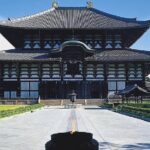
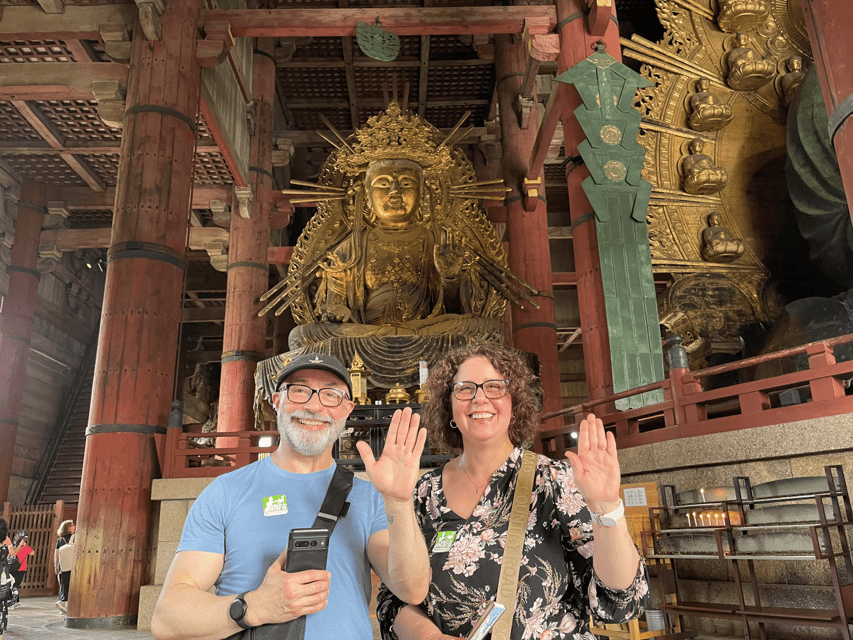
Todaiji is the reason many people make the trip to Nara in the first place, and this tour gives it the time it needs. You get about 50 minutes at the complex, with the focus on Daibutsuden Hall, home to the Great Buddha of Nara.
What makes Todaiji worth your attention is the scale. It’s not just a “pretty building” stop. This hall is one of the world’s largest wooden buildings, and your brain takes a second to adjust to how big it feels in person.
The tour timing is also helpful. You arrive before the day gets too hectic, and you’re not forced into a rushed photo frenzy. You also get to use the skip-the-ticket-line benefit, which saves you from wasting minutes in front of ticket counters.
Good shoe choice matters here. Even with a guide keeping the group moving, temple complexes involve walking and stairs, and you’ll likely climb uneven ground paths to reach viewpoints.
Nara Park Deer Time, with a Realistic Heads-Up
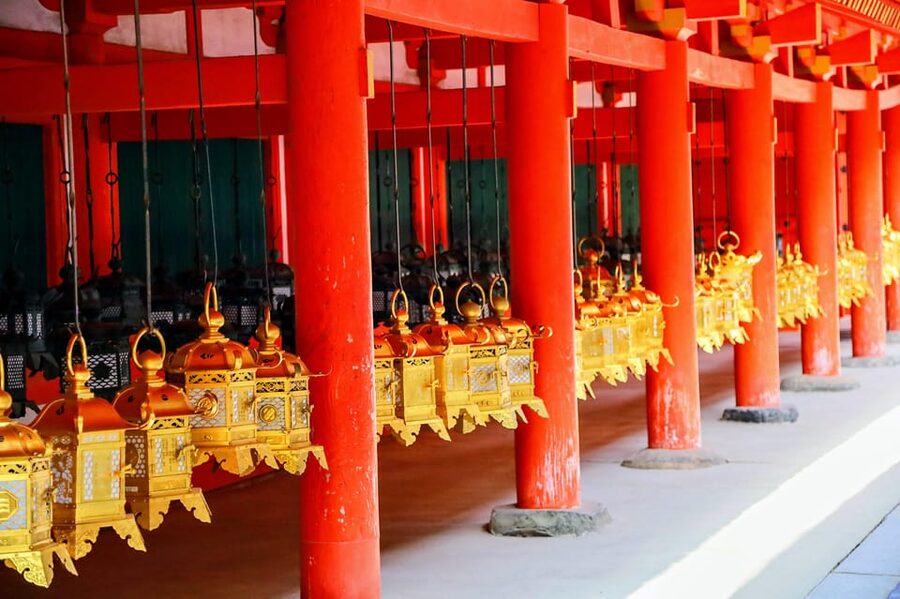
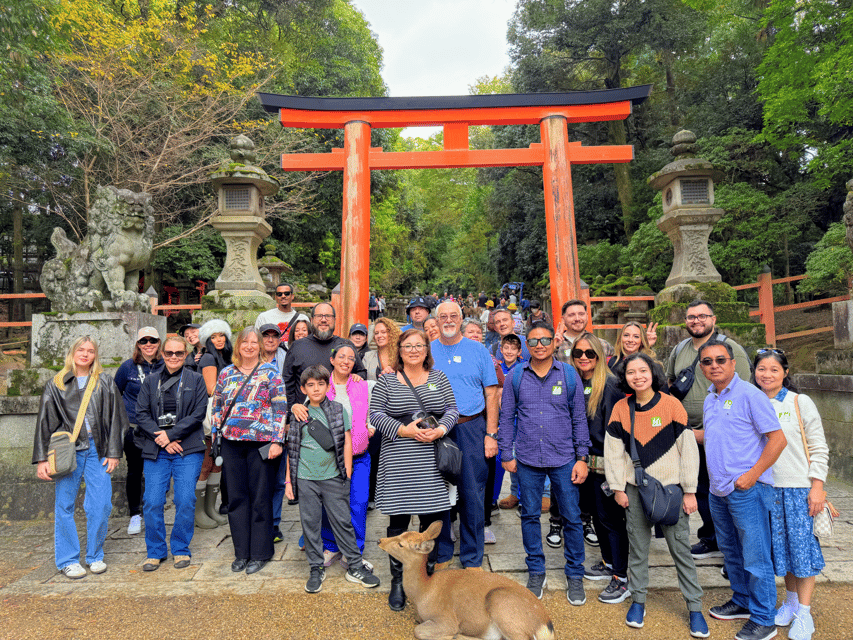
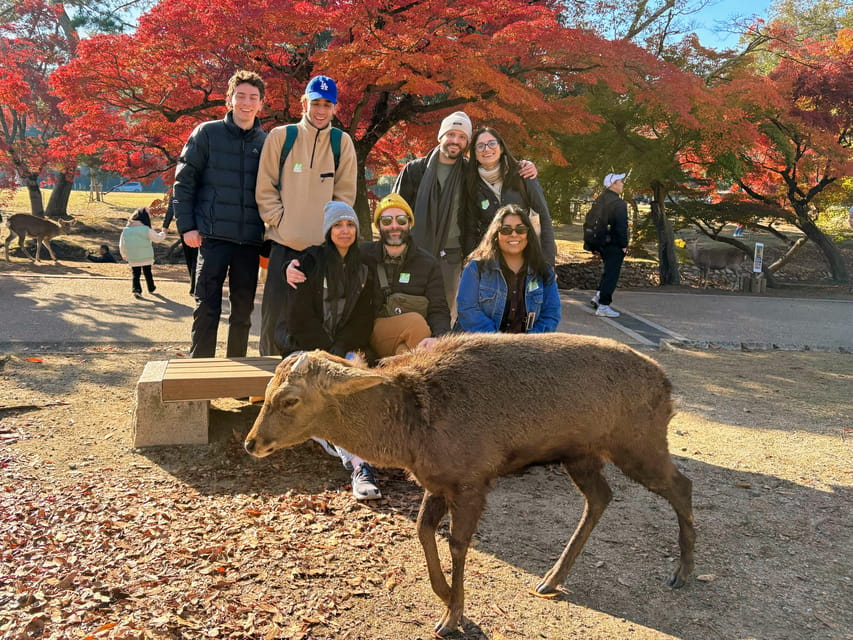
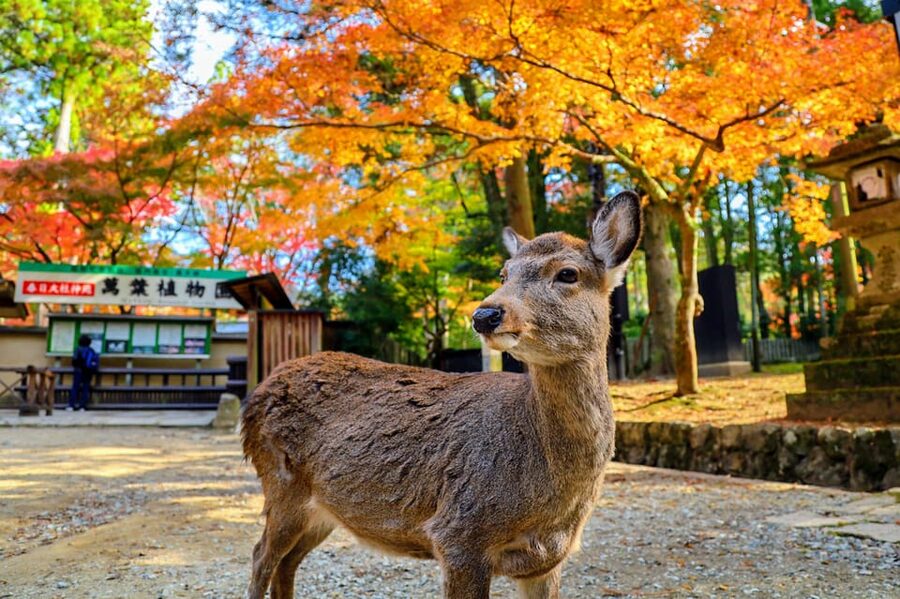
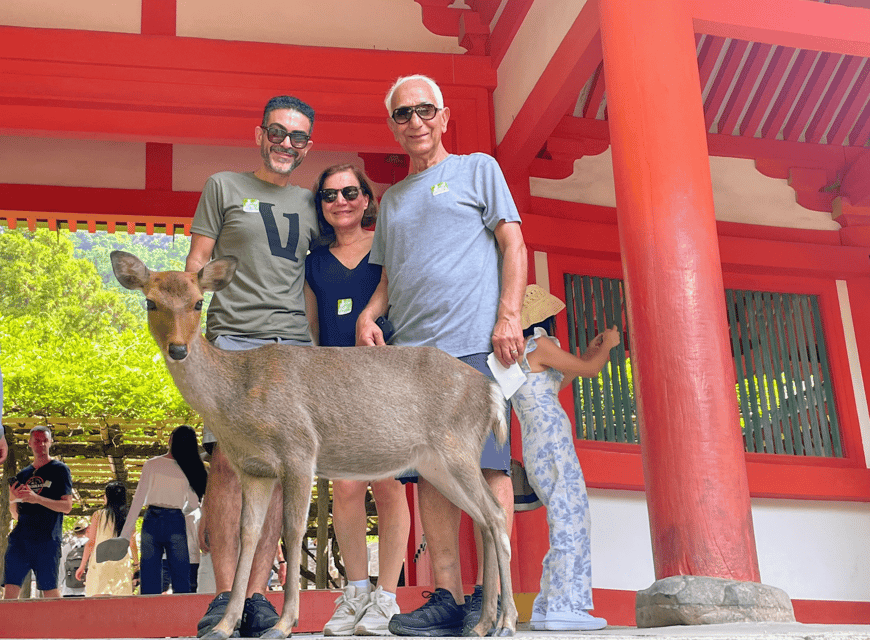
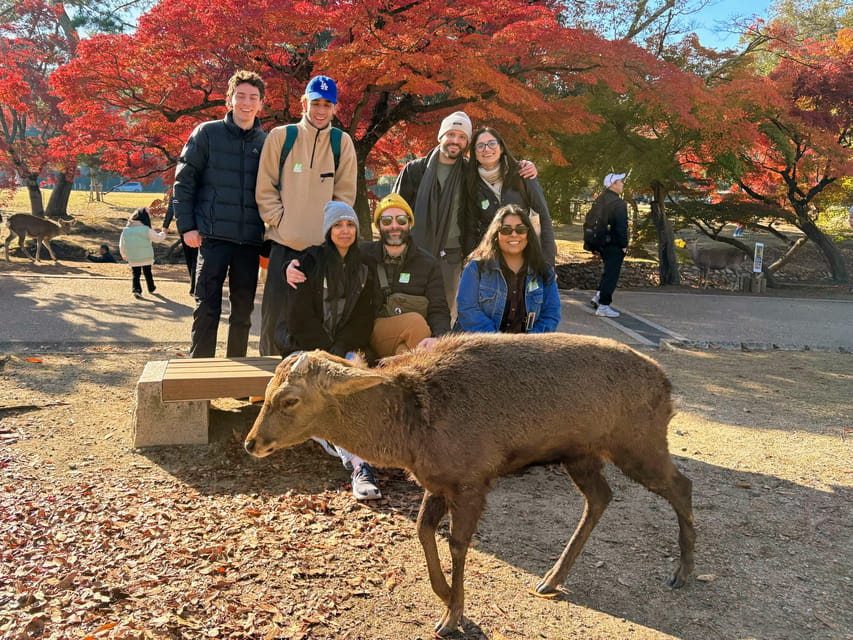
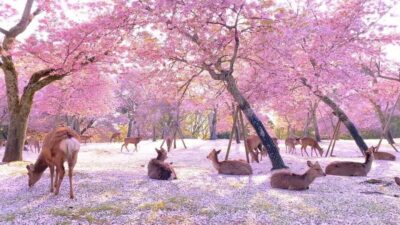
Right next to Todaiji is Nara Park, and this is where the day becomes memorable in a playful way. You get around 30 minutes to explore, and the highlight is the chance to see the famous wild deer up close.
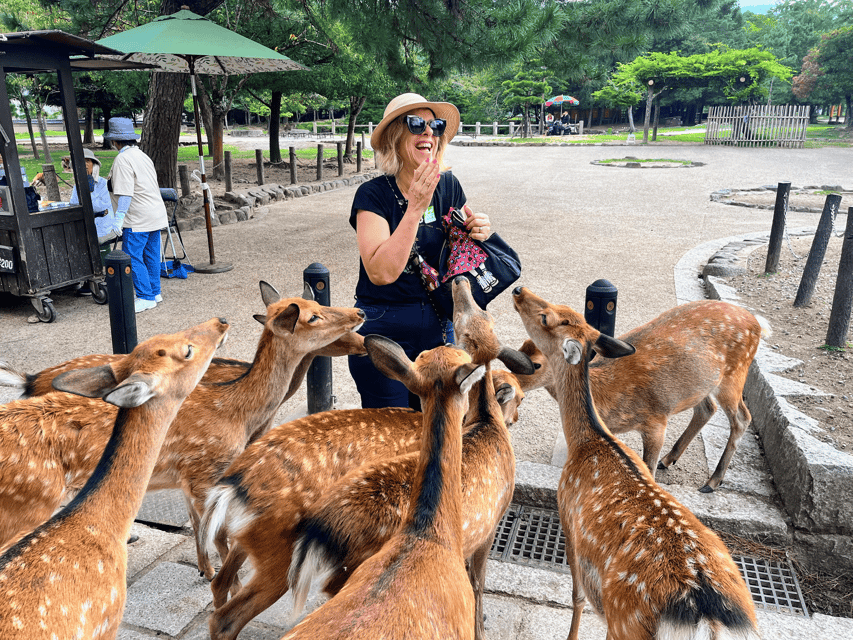
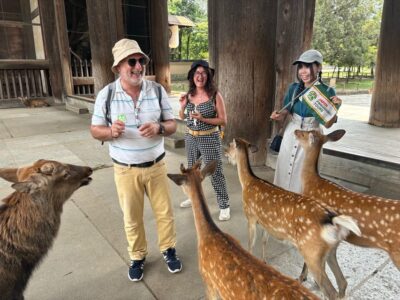
You can buy rice crackers from roadside stalls and around shrine areas in Nara Park, and when you feed the deer, you may get that classic little bow. It’s charming, and it’s also a quick reality check about animal behavior in a busy tourist zone.
Here’s my practical advice: hold crackers low but don’t yank them toward the deer. Keep your fingers away from their mouths, and give them space to take the food. One guide moment from a past group included a reminder to be careful since they can bite when they’re overeager.
If you want better photos, step just slightly to the side of the main crowd, wait a few seconds, and let the deer move toward you. With a short time window, patience usually beats sprinting.
Kasuga Taisha’s 3,000 Lanterns and the Shrine Atmosphere
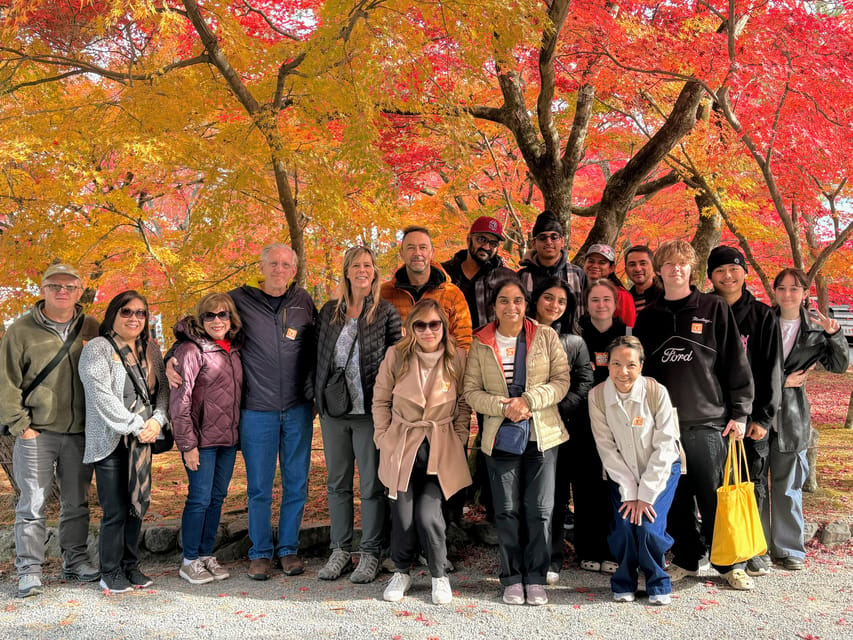
After Nara Park, you head to Kasuga Taisha Shrine for about 30 minutes. This stop has a completely different feel than Todaiji, more intimate and lantern-driven.
The headline is the 3,000 stone lanterns. If you’ve only seen lanterns in photos, the in-person version feels more like a rhythm. You notice repeating shapes, walkways, and the way light and shadow shift as you move.
Kasuga Taisha is also a great place to slow down mentally. You’re not trying to cram in five more things before lunch, you’re just soaking up one strong visual theme plus the quiet shrine vibe.
The drawback? Thirty minutes can feel short if you like to read inscriptions and take your time around details. If that’s your style, keep your phone notes ready before you go, and focus on a few spots rather than trying to see everything.
Lunch on a Schedule, Plus Time to Shop in Uji
Lunch happens after Nara sightseeing, with about 50 minutes at a local restaurant. If you selected the lunch option, you’ll get a traditional Japanese meal, and if you need vegetarian arrangements, you can request them up to 2 days before the tour date.
If you didn’t select lunch, you’ll still have time to grab something, but the tour does not include extra food and drinks beyond what’s specified. Bring some cash for snacks and souvenirs, since you might see small shops and kiosks along the way.
Then comes the best kind of transition. You head to Uji, the matcha area. Uji is smaller and quieter than central Kyoto, which makes it a pleasant change of pace when you’ve spent the morning between big temple sites.
You’ll get free time later around Uji too, so you’re not trapped inside one single activity. That free time is where you can browse matcha shops, pick up tea souvenirs, and compare packaging and gift sets.
Deer that bow back, a short ride away
Byodoin Temple and the Phoenix Hall on the 10 Yen Coin
Byodoin Temple is another big name, mainly because the Phoenix Hall is the star and it’s famously depicted on the 10 yen coin. You get about 1 hour at the site.
This stop matters because it gives you a clean contrast to Nara’s architecture. The setting and the way the Phoenix Hall reads as a focal point makes it easy to understand why it became such an iconic symbol.
It’s also registered as UNESCO World Heritage as part of the Historic Monuments of Ancient Kyoto. That label isn’t just trivia. It’s a useful lens for how these sites connect across time and geography.
If you’re short on time, don’t skip the core hall views and the main photospots. With an hour, you can do the essentials, then add a slow walk if you still have energy.
Again, plan for walking. Even if you’re not doing huge hikes, you’ll deal with stairs, paths, and uneven ground.
Making Matcha in Uji, Where Tea Turns into an Activity
This is the part you feel in your hands. After sightseeing at Byodoin, the tour shifts into the matcha experience with about 70 minutes in Uji, including time for tea ceremony.
Matcha is finely ground green tea powder, and it’s used in tea ceremonies but also in sweets and cooking. The point of doing it here is that you stop treating matcha as a single “flavor trend” and start understanding it as something you prepare.
You’ll make your own matcha from scratch, and the experience fee is included in the tour price. That inclusion is a big deal for value because tea classes and hands-on food experiences in Japan can vary widely in cost.
What I like about the Uji structure is that it pairs learning with freedom. After the matcha session, there are small shops and places to buy souvenirs nearby, so you can turn what you just learned into something you take home.
Past groups have also enjoyed guide help during the shopping period, including advice on where to find specific tea shops. So if you’re hoping to buy something better than generic packets, ask your guide during the free time.
Price and Value: What You Get for $122
At $122 per person, this tour isn’t the cheapest way to see Nara and Uji. But it often works better than the “pay-as-you-go” approach if you value your time.
Here’s why it can feel fair:
- Major admission fees are included for Todaiji and Byodoin
- The matcha experience fee is included
- You skip the worst parts of ticket friction at key sites
- Transportation is provided on an air-conditioned coach with free Wi-Fi
- A live English-speaking guide keeps the day organized, so you’re not constantly re-checking routes
The only real extra costs are personal shopping, additional snacks, and drinks. If you’re already planning to do paid entries and want a structured day with a guide, this price can land in the sweet spot.
One more value point from the guides: multiple guides have used small teaching moments to help you connect faster, like basic Japanese phrases and counting. That kind of add-on doesn’t show up on a brochure, but it makes your day easier and more fun.
Who Should Book This Nara and Matcha Tour
This tour fits best if you’re:
- A first-timer in Kyoto who wants the biggest Nara sights without planning stress
- Interested in Buddhist and shrine culture but prefer a guided explanation
- Curious about matcha beyond buying it from a store
- Comfortable walking stairs and hills for temple and shrine visits
It’s also a nice “change of pace” day if you find Kyoto’s inner-city sightseeing too intense. Nara and Uji feel calmer in a different way once you leave the center.
You might want to skip it if you:
- Need wheelchair access or have mobility limitations, since it’s not suitable for mobility impairments
- Want a very slow, no-schedule day with long stays at each stop
- Can’t handle deer encounters in close tourist settings, since they do come near and may bite if you act recklessly
Should You Book It?
Yes, I’d book this tour if you want a well-organized day that hits the essentials of Nara and Uji and also gives you an active matcha experience. The biggest reasons are practical: included admissions, included matcha, and a real guide who helps you understand what you’re seeing.
I’d be extra selective if you’re sensitive to stairs or you need full mobility support. Also, if you hate tight time windows, remember you’re packing multiple major sites into one day.
If you do book, come ready with comfortable shoes, water, and some cash. Arrive at Tully’s Kyoto Avanti early, look for the Japan Panoramic Tours flag, and let the guide set the pace. You’ll leave with a short list of “I saw that in person” memories, plus tea you made yourself.
FAQ
What time does the tour start and where do I meet?
You meet in front of Tully’s Coffee (Kyoto Avanti Store). Check-in is at 7:50 AM and departure is at 8:00 AM.
Is hotel pickup included?
No, hotel pickup and drop-off are not included.
What’s included in the price?
Included items are a professional English-speaking tour guide, air-conditioned bus transportation with free Wi-Fi, admission fees for Todaiji Temple and Byodoin Temple, and the matcha experience fee in Uji. If you select it, a Japanese lunch is included.
Do I get skip-the-line entry?
Yes. The tour includes skip-the-ticket-line access.
Is lunch included?
Lunch is included only if you booked the tour with the lunch option. Lunch time is about 50 minutes.
What languages are available for the audio guide?
English is covered by the live guide, and audio headsets are available in Spanish, French, Italian, German, Portuguese, and Ukrainian.
Is there free Wi-Fi on the coach?
Yes, the coach has free Wi-Fi.
Is the tour suitable for wheelchair users or mobility impairments?
No. It is not suitable for people with mobility impairments or wheelchair users.
What should I bring?
Bring comfortable shoes, water, and cash.
Is cancellation free?
You can cancel up to 24 hours in advance for a full refund.
New This Season
- Koyasan Day Trip by Private Car from Kyoto
- Old Port Town and Ultimate Sake Tasting Private Tour From Kyoto
- Kyoto’s Timeless Charm: 3hr Exploration of History and Peace
- Kyoto: 5 Types of Sushi Making
- Sacred Peak & Ancient Paths: Kurama-Kibune Hiking Experience
- Kyoto: Exclusive ZEN practice at Manpukuji temple in Uji
- Kyoto: Private Seasonal Aroma Yoga Class
- Traversing Kyoto’s Scenic West – Arashiyama to Kinkakuji
Nara & Deer Park Day Trips, compared.
Kinkakuji,Arashiyama,FushimiInariShrine,NaraPark
Read our review →
Nara, Fushimi Inari Taisha, Arashiyama Bus Tour
Read our review →
Arashiyama, Nara & Fushimi Inari Shrine w/Lunch
Read our review →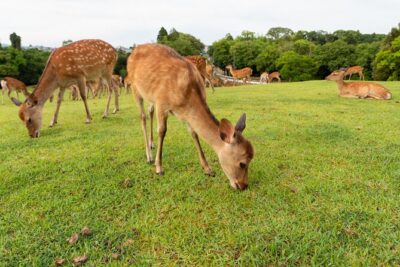
Full Day Guided Tour to Kyoto and Nara from Osaka by Van
Read our review →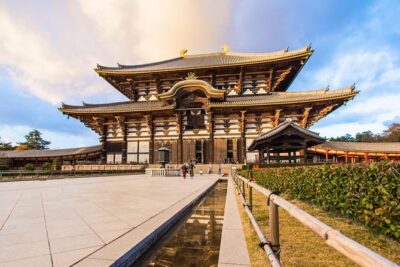
Also filed under