
Reviewed · MATCHA & GREEN TEA TASTINGS
Uji: Green Tea Tour with Byodoin and Koshoji Temple Visits
Green tea tastes different in Uji. This 4-hour guided tour pairs a hands-on Gyokuro tasting with temple walks tied to Heian-era stories and two UNESCO stops, Byodo-in and Koshoji.
I love how the morning starts at the world’s oldest teahouse still operating since 1160, then connects that tea tradition to a family shop passed down for 24 generations. I also like the Shinto side, including purification at Ujigami Shrine and the idea that the spring water used by tea houses comes from this sacred place.
One possible drawback is physical fit. The route includes stairs, and it is not recommended if you have limited mobility, back problems, or other mobility or heart concerns.
In This Review
- Key highlights to know before you go
- Why Uji makes green tea feel personal, not touristy
- Getting there and keeping the 4-hour flow
- The world’s oldest operating teahouse, plus a 24-generation backstory
- Gyokuro tasting: learning why brewing changes everything
- After the cups: leftover leaves with ponzu sauce
- Ujigami Shrine purification and the tea-water connection
- Walking across to Byodo-in: war stories meet tea shop streets
- Byodo-in Temple and the Phoenix Hall, with museum time
- Koshoji Temple: choosing quiet over crowds
- Price and value: what $111 buys you in real terms
- Practical tips so the day feels easy
- Who this tour suits best
- Should you book this Uji green tea tour?
- FAQ
- How long is the Uji green tea tour?
- What time does the tour start?
- Where do I meet the guide?
- Does the tour end at the same meeting point?
- What’s included in the $111 price?
- Are food and drinks included?
- What languages are the guides?
- What should I wear?
- Is the tour suitable for limited mobility or back problems?
Key highlights to know before you go
- 1160 AD teahouse start: Begin where tea culture has been happening for centuries.
- Gyokuro tasting with a flavor lesson: Learn how brewing changes taste, then taste more than one style.
- Ponzu leaf eating: Use leftover tea leaves with ponzu sauce after your cups.
- Ujigami Shrine purification: See how spring water and ritual connect to tea traditions.
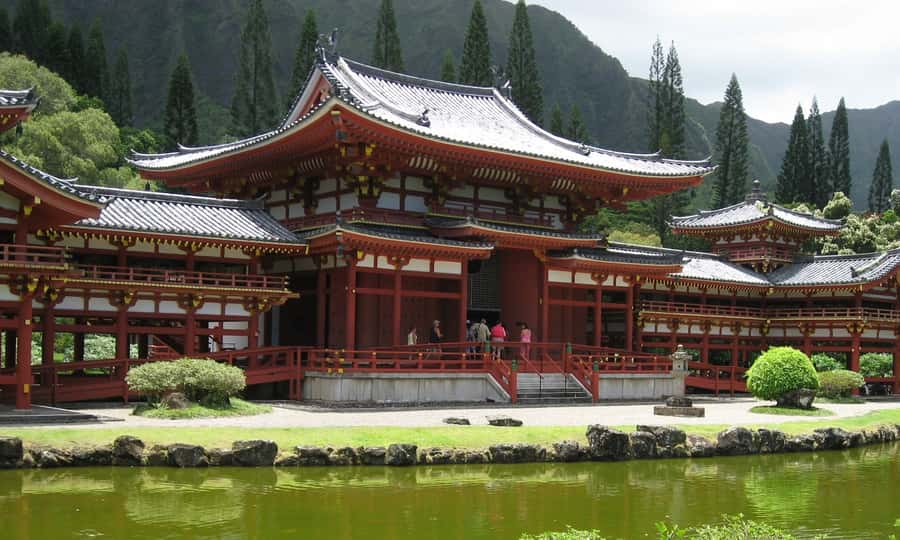
- UNESCO Byodo-in and Phoenix Hall: Add a museum stop inside the Byodo-in complex.
- Koshoji Temple on the mountainside: Finish with a calmer, nature-heavy temple experience.
Why Uji makes green tea feel personal, not touristy
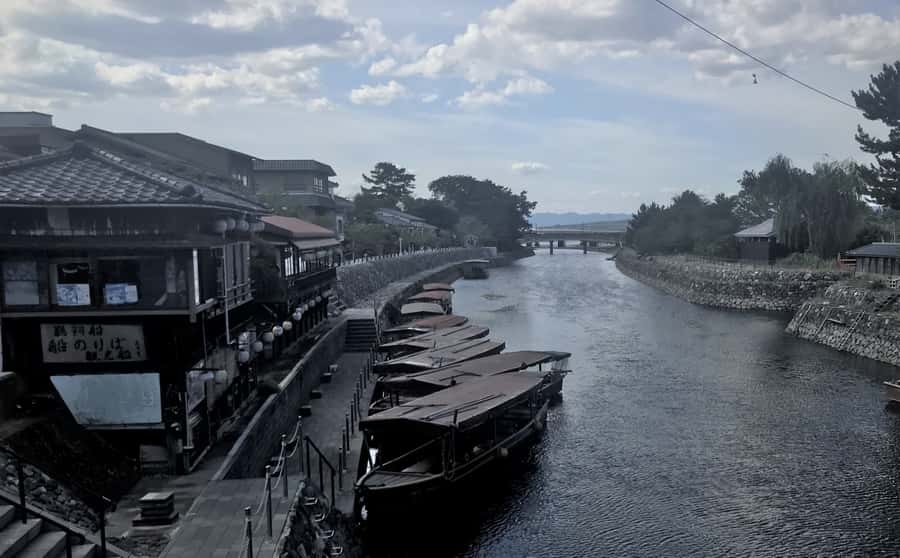
Uji is Kyoto’s tea-producing corner, but the real reason it works is pace and setting. You get river and mountain views, and you spend the morning moving between places that shaped tea culture instead of just photo stops.
It also helps that Uji has major heritage sites close together. Within a short walk you can visit UNESCO temple sights, then shift gears to the Shinto shrine that connects directly to tea water and local beliefs.
Getting there and keeping the 4-hour flow
This is a half-day tour designed for a straightforward morning. Plan on about 30 minutes by local train from central Kyoto areas like Gion or Kyoto Station, then meet your guide at Keihan Uji Station.
The meeting point is simple: the only exit at Keihan Uji Station. There is an escalator that goes all the way up to ground level, so you can get your bearings fast before walking.
You’ll also want to plan for a loop route. The tour ends back at the meeting point, so you do not need to figure out a complicated second transit step at the end.
Whisk your own bowl of matcha
- Kyoto: Tea Museum Tickets and Matcha Grinding Experience
★ 4.9 · 739 reviews - Slow Cycling Tour at Uji’s Matcha Green Tea Fields and Heritage
★ 5.0 · 25 reviews - Kyoto Matcha Green Tea Tour
★ 4.5 · 23 reviews - Uji and Wazuka Matcha Farm Half Day Private Guided Tour
★ 5.0 · 21 reviews
The world’s oldest operating teahouse, plus a 24-generation backstory
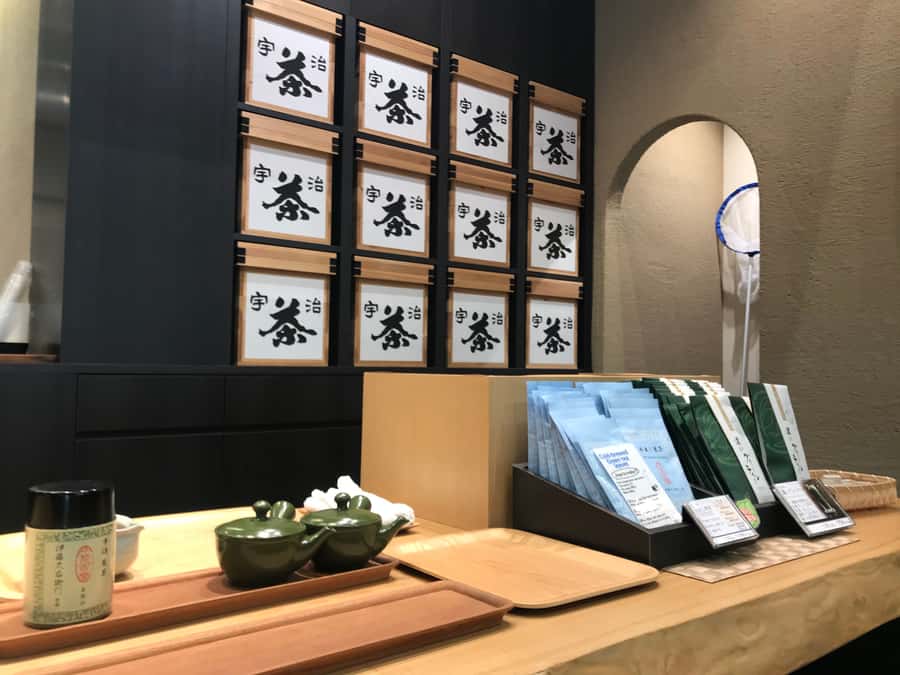
Your day starts at a teahouse that has stayed in operation since 1160 AD. That matters because tea here is not presented as a trendy drink, it is shown as a living craft with family continuity.
You’ll hear a shop origin story connected to samurai ties and the way religion and tea culture grew up together in Uji. Then you move into the tasting part of the experience, where the guide explains what grade green tea means and how quality shows up in flavor.
You do not need to know anything about tea first. The tour is paced so you can follow along step by step, from farming and growth to what happens when tea meets hot water.
Gyokuro tasting: learning why brewing changes everything
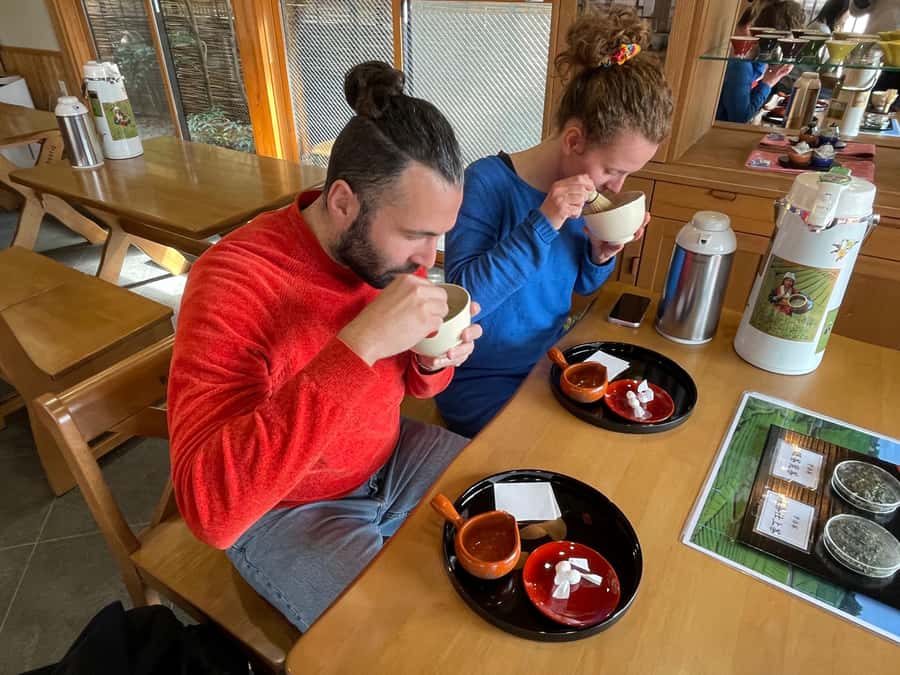
The tea portion centers on Japanese gyokuro, often described as a top-grade green tea. You will taste and compare, and the guide will explain how different brewing choices change the flavor profile.
A big win here is that you are not just sipping. You learn the logic behind what you are tasting, so when you go to a tea shop later, you can actually ask better questions and recognize better tea.
This is also where group size becomes a practical advantage. With a private or small-group format, you can ask follow-ups and take your time between tastings without feeling rushed.
After the cups: leftover leaves with ponzu sauce
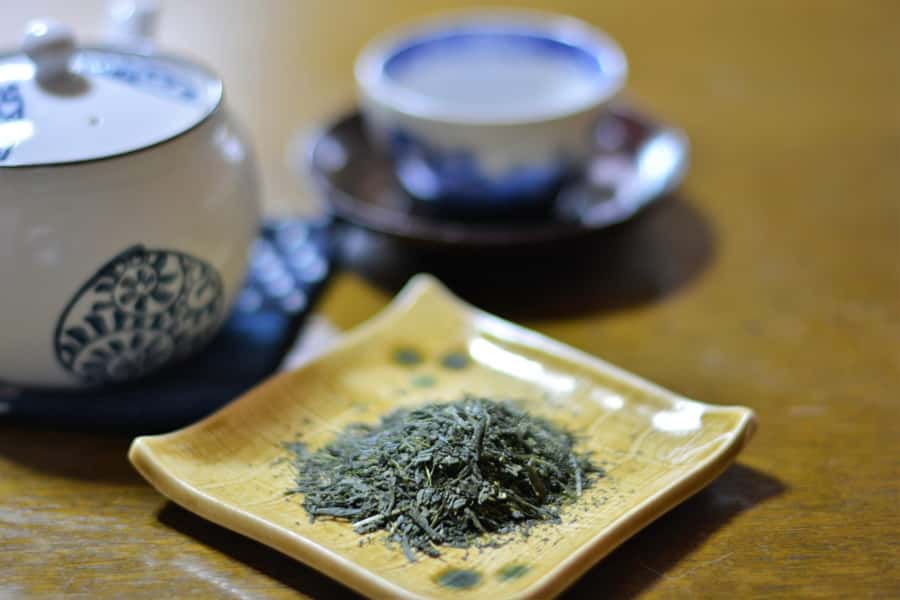
One of the more memorable moments is what you do with the remaining tea leaves. After you savor your cups, you mix the leftover leaves with ponzu sauce and eat them as is.
It sounds unusual if you think of tea as only something you drink, but it makes sense in a food culture way. It turns waste into part of the experience and gives you another flavor dimension beyond the first steep.
If you have a sensitive palate, go slowly here. The point is to try the full local ritual, not to force a fast reaction.
Ujigami Shrine purification and the tea-water connection
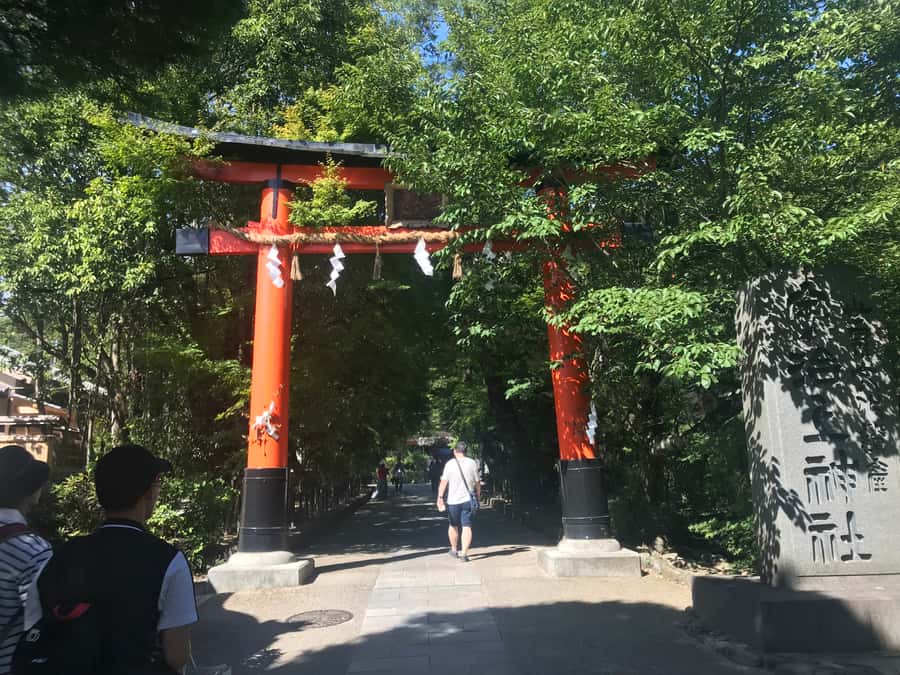
Next comes the mountain side spiritual side at Ujigami Shrine. This is described as the oldest original Shinto shrine in Japan, and it also holds UNESCO World Heritage status.
You’ll learn about the guardian deities of Uji, and you’ll also hear a practical link that tea people care about: Ujigami Shrine houses what is described as the last remaining source of natural spring water that many tea houses still collect for brewing.
Then you step into the setting for purification. There is a stone grotto where water is used for cleansing, and you’ll get a sense of why ritual and everyday crafts kept such close company in this region.
This is also the part where your guide’s role matters. In the strongest versions of this tour, guides explain what to do respectfully, and some will teach you a simple blessing routine at shrines so you can repeat it at later stops.
More rooftops worth a detour

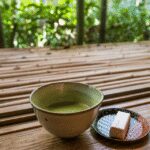

Walking across to Byodo-in: war stories meet tea shop streets

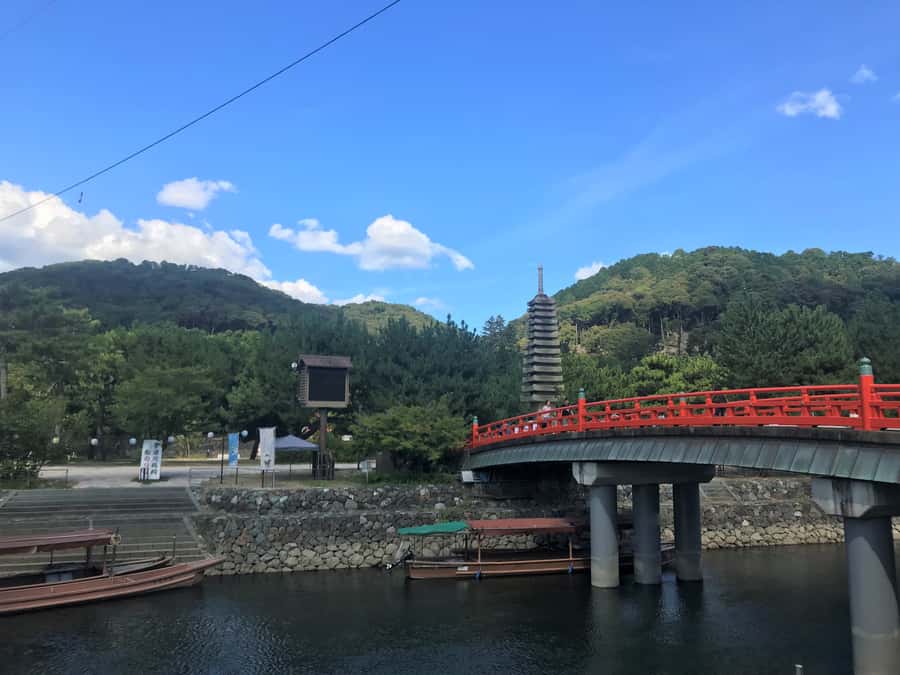
After the shrine, you cross the river and head toward Byodo-in Temple. The route includes a pilgrimage path lined with tea shops that go back to the medieval period, so the area feels like a trade route as much as a sightseeing corridor.
You’ll also hear how Heian Period architecture and stories of war connect into what you see. It gives you a reason to look up at details rather than just admiring buildings from street level.
If you like photo breaks, this section gives them naturally. You can stop for views, then move again without needing to hunt for benches or timing.
Byodo-in Temple and the Phoenix Hall, with museum time
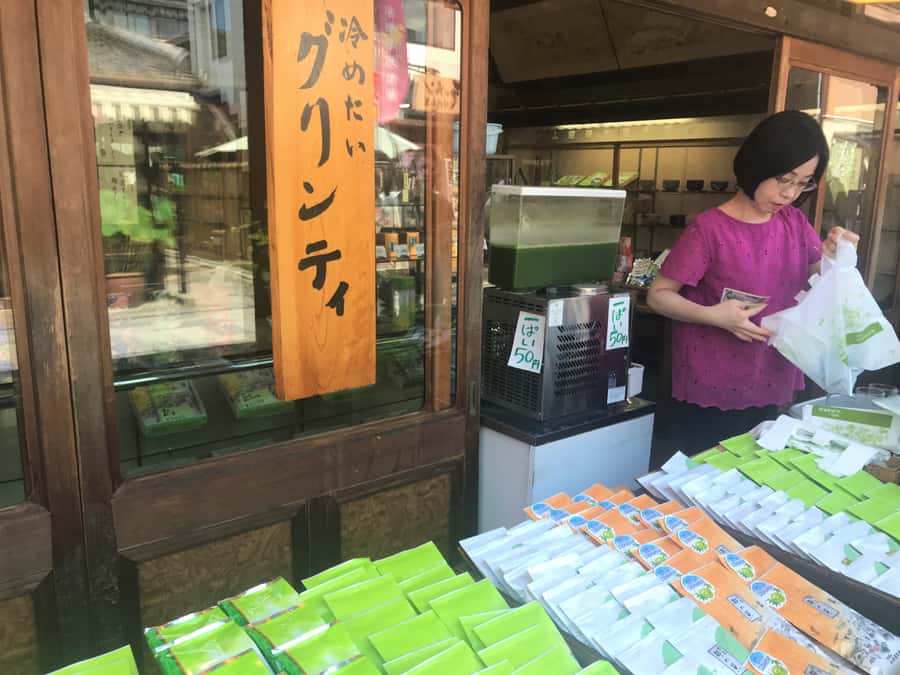
Byodo-in is the UNESCO anchor stop, and the tour includes admission. You’ll see the famous Phoenix Hall, one of the most recognizable images associated with Japanese Buddhist architecture.
What I find useful is that Byodo-in also includes a modern museum component, and museum entry is part of what you get. That helps bridge the gap between what you see at a glance and what the objects, setting, and story actually mean.
Expect your guide to connect themes you already heard in the tea segment. Samurai influence, religion, and Uji’s tea identity all get tied together here, so the morning stops stop feeling like separate activities.
Koshoji Temple: choosing quiet over crowds

You finish with Koshoji Temple, described as dramatic and tucked against the mountains. This is where the day shifts from big landmark energy to a calmer, more nature-focused temple feel.
The tour frames it as a chance for Zen time, which basically means you slow down. You are not rushed through a checklist, and you can take in the surrounding green and the mountain hug of the site.
If you prefer fewer crowds compared with central Kyoto, this final stretch is often where you feel the payoff. Uji is not as packed as the most famous Kyoto lanes, and Koshoji fits that calmer rhythm.
Price and value: what $111 buys you in real terms
At $111 per person for about 4 hours, this is not a bargain-basement walking tour. But you are paying for several things at once: a guide, UNESCO temple admissions for Byodo-in and Koshoji, and a structured green tea experience with tasting.
The tea portion matters for value because it is not just a drink. You get the Japanese gyokuro tasting, explanations on tea growth and brewing, and a hands-on experience that includes eating leftover leaves with ponzu sauce.
You are also saving time and effort. In Uji, the cultural logic is hard to stitch together on your own if you want it to make sense quickly. A good guide helps you connect the dots without you having to research each stop mid-trip.
Still, there is one value check to consider. Food and drink outside the tea experience are not included, so you’ll want to budget for a snack or meal before or after the tour.
Practical tips so the day feels easy
Start with footwear. Comfortable shoes are a must because temple paths and stairs are part of the route.
Because the tour runs rain or shine, pack for weather quickly. A small umbrella or rain jacket helps you stay upright and unhurried, especially around shrine areas and river crossing parts of the day.
If you want great photos, aim for the quiet side moments. Morning temple and tea streets are often calmer before midday, and Uji’s less crowded vibe works best when you do not treat every stop like a race.
Finally, bring curiosity. The tour rewards you if you ask questions about why tea grown in this region tastes the way it does, or how Shinto purification connects to local practices.
Who this tour suits best
This is a strong match if you are a tea lover, a temple-and-shrine person, or you want something slightly off the main Kyoto track. Uji gives you UNESCO temples and Shinto ritual without the same intensity as the city center.
It also fits couples, friends, and families in a small-group or private format, since the guide can adjust pace. In the past, guides like Damien, Ferdinand, and Brian have been praised for explaining Shinto and Buddhist practices clearly and staying flexible when the tea tasting flow needs a change.
If your priorities are food-only tasting, this may feel a bit too focused on tea and heritage. If your priorities are understanding the craft and the meaning behind it, this hits the sweet spot.
Should you book this Uji green tea tour?
Book it if you want a half-day in Uji that connects tea, temples, and water into one coherent morning. The included admissions and the structured gyokuro tasting lesson make the price feel justified, especially if you’d rather not piece together temple etiquette and tea history solo.
Skip or think twice if stairs and uneven paths are a problem for you. The tour is not recommended for limited mobility, and it is also listed as not suitable for people with back problems or mobility or heart concerns.
If you’re traveling in Kyoto and you want a quieter, more meaningful tea stop than the usual crowd magnet, this is a smart way to spend your hours. You’ll leave with more than tastes in your head, you’ll understand why Uji tea culture developed the way it did.
FAQ
How long is the Uji green tea tour?
It lasts about 4 hours.
What time does the tour start?
Starting times are shown when you check availability.
Where do I meet the guide?
Meet at the only exit at Keihan Uji Station. There is an escalator that goes up to ground level.
Does the tour end at the same meeting point?
Yes. The tour ends back at the meeting point.
What’s included in the $111 price?
A tour guide, Byodo-in temple entrance fees, Koshoji Temple entrance fees, a Japanese gyokuro green tea experience, and a tea tasting.
Are food and drinks included?
Food and drink outside of the tea experience are not included.
What languages are the guides?
The live guide is available in English and Spanish.
What should I wear?
Wear comfortable shoes. The tour includes stairs.
Is the tour suitable for limited mobility or back problems?
It is not recommended for people with limited mobility, and it is not suitable for people with back problems or mobility impairments.
New This Season
- Kyoto: Discover Uji’s Two Hidden World Heritage Treasures
- Kyoto: Enjoy Byodoin Temple and Tea Sweets – 90 Min Tour
- Kyoto & Uji Private Customized Tour with English Driver
- Kyoto: Zen Meditation & Zen workshops with a Westerner Monk!
- Kyoto: Tea Museum and Tsuen Teahouse Guided Tour
- 7 Hours Private Guided Tour Uji and Wazuka Matcha Farm
- Experience Authentic Japanese Home Cooking in Kyoto
- Utilising upcycled Matcha! Creating matcha incense (Uji, Kyoto)
Matcha & Green Tea Tastings, compared.

Arashiyama Bamboo Forest, Monkeys, Matcha & Temple Tour
Read our review →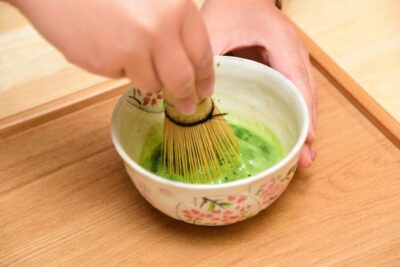
Tea Museum Tickets and Matcha Grinding Experience
Read our review →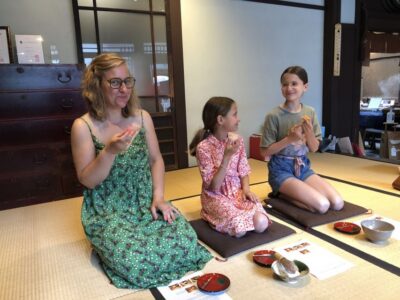
Tea Ceremony Meditation – Make Matcha with Tea Master
Read our review →Arashiyama Bamboo, Matcha, Monkeys & Temple Tour
Read our review →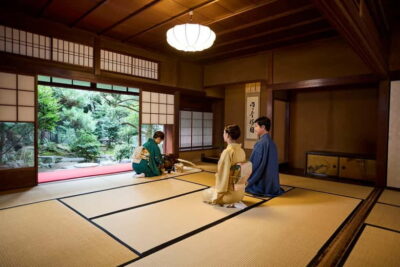

Arashiyama Bamboo, Temple, Matcha, Monkeys & secret spots
Read our review →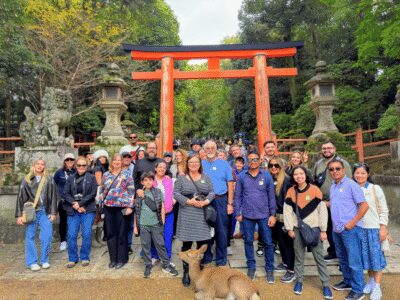
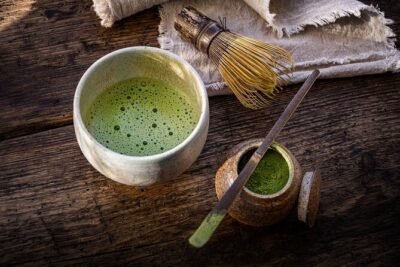
Scenic Green Tea Fields of Hidden Kyoto & Local Tea Exp (Private)
Read our review →Also filed under