
Reviewed · MATCHA & GREEN TEA TASTINGS
7 Hours Private Guided Tour Uji and Wazuka Matcha Farm
One tea town, two centuries of stories. This private 6-hour day connects Uji landmarks like Byodo-in with Wazuka’s matcha farms, with your guide Masae explaining how tea moves from leaf to cup.
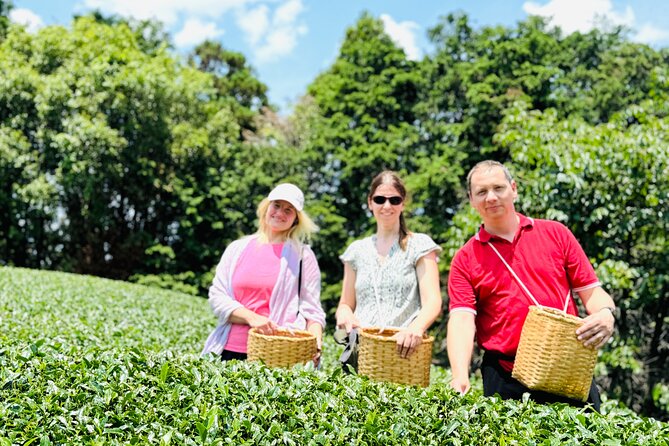
I especially love the hands-on parts, leaf picking and whisking matcha in the traditional way. You also get a structured tasting that includes local tea (minimum 3 kinds) plus ceremonial-grade matcha, not just one quick sip.
One thing to plan for is comfort. Farm paths can be bumpy and muddy, so this is not a “cute shoes only” outing.
In This Review
- Key Things to Know Before You Go
- Byodo-in in Uji, Where Tea Culture Has Teeth
- Uji Station to the Tea Day Rhythm
- The Viewpoint Stop, Then Straight to Real Tea Country
- Wazuka’s 800-Year Tea Story Meets a Living Farmer
- Tea Farm Walk, What the Ground Teaches You
- Picking Leaves and Whisking Matcha the Traditional Zen Way
- Tea Tasting at the Farm: More Than One Kind of Green
- Bento Lunch in a Traditional Home Setting
- Imperial-Family Matcha, and What “Premium” Really Means
- Price and Logistics for a $520 Private Matcha Day
- What to Wear, Bring, and Ask Masae
- Who This Tour Is Best For
- Should You Book This Uji and Wazuka Matcha Farm Tour?
- FAQ
- How long is the private guided tour?
- Where do I meet, and where does the tour end?
- What is included in the matcha experience?
- Are snacks or extra drinks included?
- Is there a vegetarian option for lunch?
- Is the tour private, and is it close to public transportation?
Key Things to Know Before You Go
- Uji + Byodo-in first, then tea fields in Wazuka, so the story has both culture and craft
- Masae guides you through the details, and she’s noted for speaking English clearly
- You’ll taste at least 3 local teas, then move into ceremonial matcha
- Hands-on matcha making includes picking leaves and whisking the tea in a Zen-style way
- The farm visit is real and physical, expect uneven ground and mud
Byodo-in in Uji, Where Tea Culture Has Teeth
Uji is not just a pretty postcard stop, it’s one of the places where Japanese tea culture feels grounded in daily life. Starting with Byōdō-in (平等院) gives your brain something historical to hold onto while the day shifts toward tea craft.
Byodo-in is iconic Buddhist architecture, and even if temples are not your usual thing, this stop works because it sets the why behind tea rituals. Tea in Japan isn’t only taste, it is also routine, etiquette, and quiet focus, the kind you practice with your senses.
Practical tip: if you want good photos, start with your camera ready as soon as you’re near the temple. The day later gets greener and more open, but Byodo-in’s details reward early energy.
Uji Station to the Tea Day Rhythm
Your tour day begins and ends back at Uji Station. That matters more than you might think, because it keeps the logistics simple if you’re bouncing between Kyoto and Osaka or building a day around Uji.
This experience is also private, meaning it’s only your group. In a tour like this, that can be a big deal, because tea talk gets more specific when you can ask follow-ups without feeling rushed.
You’ll likely spend time moving through town, then transition toward the farm area. Since the farm access can be bumpy and muddy, plan your timing like you’d plan for a light hike, not a museum day.
Whisk your own bowl of matcha
- Kyoto: Tea Museum Tickets and Matcha Grinding Experience
★ 4.9 · 739 reviews - Uji: Green Tea Tour with Byodoin and Koshoji Temple Visits
★ 4.8 · 72 reviews - Slow Cycling Tour at Uji’s Matcha Green Tea Fields and Heritage
★ 5.0 · 25 reviews - Kyoto Matcha Green Tea Tour
★ 4.5 · 23 reviews
The Viewpoint Stop, Then Straight to Real Tea Country
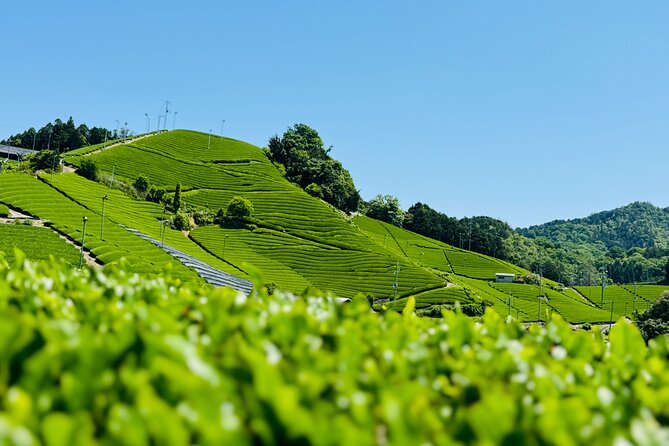
A “magnificent viewpoint visit” is included, which is great because it gives you context before you go hands-on. When you can see how the hills shape the farms, the explanation about growing conditions makes more sense than just hearing it.
Next comes tea country, and that is where the day shifts from stories to your senses. Expect rolling green hills and a slower pace as your guide points out what makes good tea possible.
If you’re the type who likes to understand how scenery connects to food, this is a satisfying pause. You get the overview first, then the specifics later.
Wazuka’s 800-Year Tea Story Meets a Living Farmer
The star region is Wazuka, described as a tea village with over 800 years of production. The tour frames it as Japan’s best-known source of high-quality matcha, and it also connects it to its imperial past, when the finest tea was reserved for the Imperial Family.
This is the part of the day where I think you benefit most from a guide like Masae. Tea is one of those foods where everyone has an opinion, but few people can explain why the product is different. Here, you’re given a clear link between place, people, and process.
A standout detail is that you learn from a tea farmer who is described as 5th-generation. That kind of family knowledge shows up in the way questions get answered, and it helps you understand matcha as something practiced, not just manufactured.
Tea Farm Walk, What the Ground Teaches You
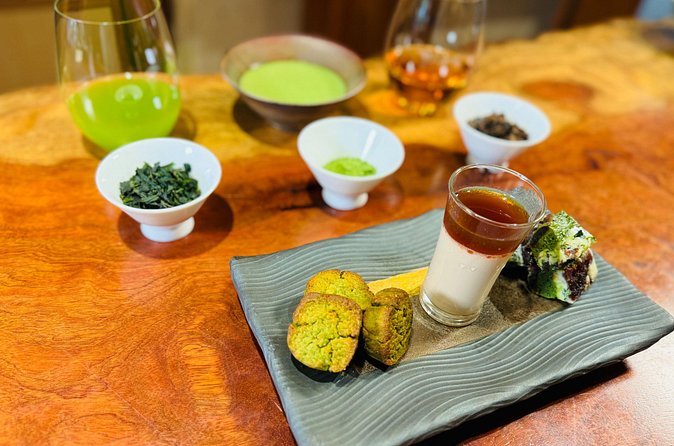
The farm walk is included, and it’s not just a gentle stroll through pretty rows. The access can be bumpy and muddy, so bring footwear that can handle uneven ground.
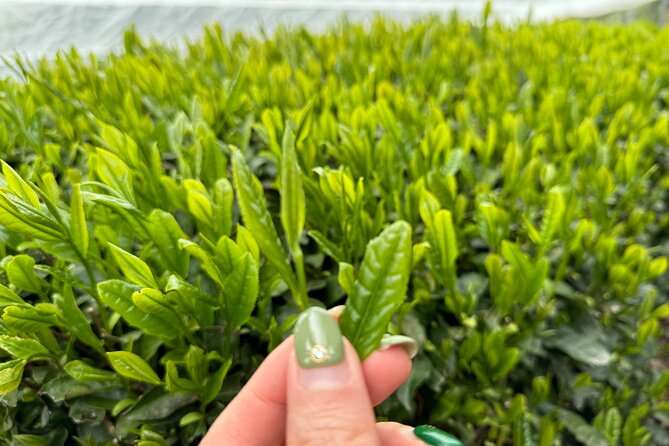
You’ll be close enough to the tea plants to notice details that disappear when you only see finished products in a shop. That matters for matcha, because the plant is not only an ingredient, it is the start of everything you later taste.
If you’re visiting in wet weather, think of the farm path as “weather plus traction required.” You’ll have a better time if you don’t spend the day adjusting your footing.
Picking Leaves and Whisking Matcha the Traditional Zen Way
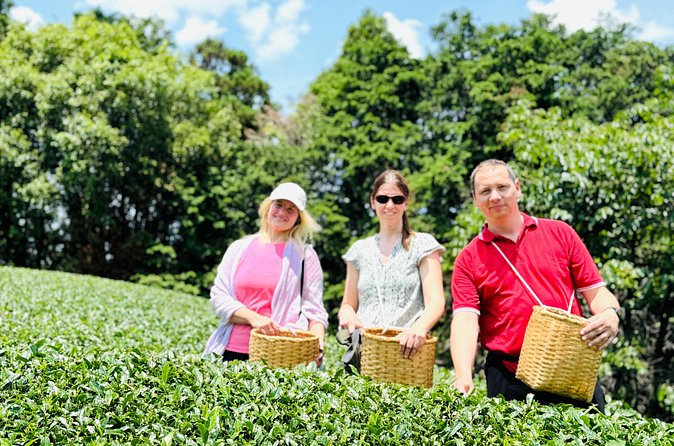
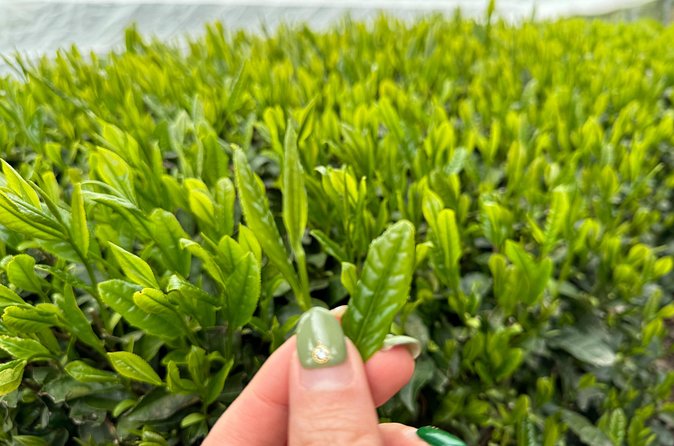
This tour goes beyond tasting by teaching the basics of making matcha. You get to try hand-picking tea leaves and then whisk matcha in the traditional way associated with Zen-style tea practice.
What I like about this is that it explains why matcha feels different when you make it properly. The action is part of the craft, not a gimmick. When you do it yourself, you start noticing texture, aroma, and how the tea behaves as it’s whisked.
Masae’s role here is key. She connects the technique to what you later experience in the cups, so the tasting stops being random and starts being structured.
A quieter way to spend a day in Kyoto


Tea Tasting at the Farm: More Than One Kind of Green
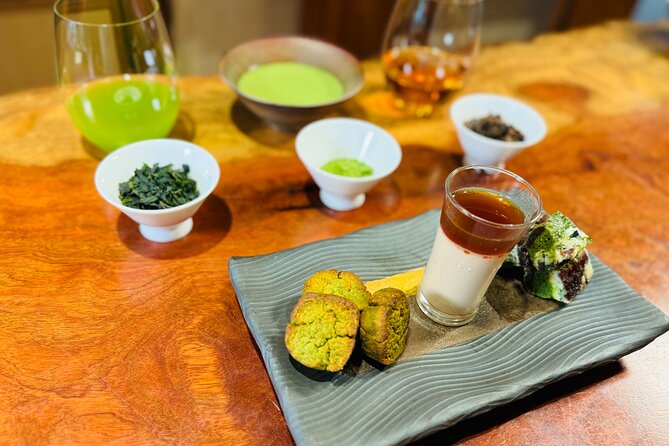
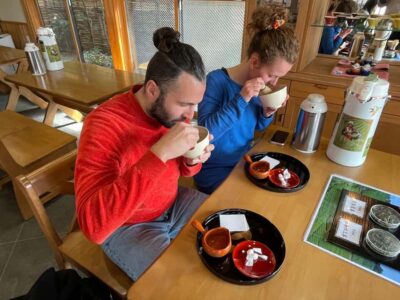
Coffee and/or tea tasting is included, and you should expect at least three different local teas. Then you move into multiple premium matcha tasting, described as ceremonial grades.
That setup is smart for your palate. If you only taste one matcha, it can be hard to tell what you’re responding to, flavor, aroma, or texture. With multiple types, you start building a comparison framework that actually helps you shop later.
In practice, I’d treat the tasting like a mini class. Take notes on what feels different, thick versus lighter mouthfeel, grassy versus mellow aroma, and any bitterness that shows up. Even rough notes help you remember what to buy when you’re back home.
Bento Lunch in a Traditional Home Setting
A Japanese lunch set is included, and there is a vegetarian option if you request it in advance. That detail matters because tea days can be long, and it’s easier to enjoy the tasting when you’re not hungry or stuck searching for food.
The lunch is described as part of a traditional Japanese-style home experience. That setting helps you slow down at the right time in the itinerary, right when your senses might be shifting from outdoor air to indoor tea focus.
Practical tip: if you’re vegetarian, send your request early so the kitchen has time to plan. If you wait, you might end up with limited options, and you didn’t come all this way for stress.
Imperial-Family Matcha, and What “Premium” Really Means
The overview says you may taste and take home premium matcha from a farm previously owned by the Imperial Family. That’s the kind of claim that can sound marketing-heavy, so the real value here is that you taste in a way that lets you judge for yourself.
Instead of treating premium matcha as a status symbol, the tour frames it as a difference you can perceive: aroma, sweetness, bitterness balance, and how it feels when whisked. When you connect those sensations to the farmer and the farm walk, “premium” becomes a story you understand, not a label you accept.
If you do take some home, use it soon after opening. Matcha quality is tied to freshness, and you’ll get the best experience when the flavor is at its peak.
Price and Logistics for a $520 Private Matcha Day
At $520 per person for a private guided tour, this is not a budget activity. The good news is that it includes a lot that normally costs extra: a guide, multiple tastings (including at least three local teas), farm walk time, lunch, and the hands-on matcha experience.
You are also paying for the private, instruction-heavy approach. If you’ve ever done a group food tour where you spend more time waiting than learning, you’ll feel the difference here. Private time means fewer rushed moments, more targeted questions, and a smoother flow between temple, town, and tea fields.
Booking is listed as typically happening about 28 days in advance on average. I’d treat that as a sign that the tour is popular with matcha lovers, so earlier planning usually keeps your options open, especially if you’re traveling around weekends or peak seasons.
What to Wear, Bring, and Ask Masae
Because farm access can be bumpy and muddy, wear closed-toe shoes you trust. Bring a light layer too, because temperatures can shift between the temple area, town, and the open hills of tea country.
For your bag, keep it simple: water if you usually like having it, and a small towel or tissues if you tend to get fingerprints and tea handling on your hands. Snacks and extra drinks are not included, but you can buy them on the street if you need something during the day.
Ask Masae questions that match what you’re tasting. If you notice one matcha is smoother, ask what farming or processing differences might lead to that. The more you connect the cup to the plant and technique, the more satisfying the whole day becomes.
Who This Tour Is Best For
This is a strong choice for matcha lovers who want more than a quick tasting counter experience. It’s also a good fit if you like cultural context, because Byodo-in and Uji’s setting give the tea day a cultural backbone.
If you travel solo, private tours can feel less efficient, but here it actually helps. You can slow down during tastings, ask follow-ups, and get personal guidance on what you like.
Families can work well too, as long as everyone can handle the outdoor farm walk and the possibility of mud. For anyone who wants everything indoors and perfectly paved, this may not match your comfort level.
Should You Book This Uji and Wazuka Matcha Farm Tour?
Book it if you want a hands-on matcha experience led by Masae, with a temple stop that adds cultural depth, and a tasting plan that compares multiple teas instead of just one. The price is high, but the mix of lunch, farm walk, multiple tastings, and private guidance is where the value comes from.
Skip it or choose a lighter option if you dislike uneven ground or hate getting your shoes dirty. Also, if you mainly want a casual photo stop for matcha, this is likely more structured than you need.
If you’re coming for quality, technique, and the kind of tea day where you leave understanding what you tasted, this private Uji and Wazuka tour is one of the more focused ways to do it.
FAQ
How long is the private guided tour?
It runs about 6 hours.
Where do I meet, and where does the tour end?
You meet at Uji Station in Uji, Kyoto (611-0021 京都府宇治市宇治宇文字1716), and the tour ends back at the meeting point.
What is included in the matcha experience?
Included items are a viewpoint visit, a tea farm walk, local tea tasting (minimum 3 different kinds, with coffee and/or tea), a Japanese lunch set (vegetarian option with advanced request), and guidance through the town of Uji.
Are snacks or extra drinks included?
No. Snacks and extra drinks on the street are not included, but you can purchase them.
Is there a vegetarian option for lunch?
Yes, a vegetarian option is available if you request it in advance.
Is the tour private, and is it close to public transportation?
Yes, it is a private tour, and it is near public transportation.
New This Season
- Kyoto: Discover Uji’s Two Hidden World Heritage Treasures
- Kyoto: Enjoy Byodoin Temple and Tea Sweets – 90 Min Tour
- Kyoto & Uji Private Customized Tour with English Driver
- Kyoto: Zen Meditation & Zen workshops with a Westerner Monk!
- Kyoto: Tea Museum and Tsuen Teahouse Guided Tour
- Experience Authentic Japanese Home Cooking in Kyoto
- Utilising upcycled Matcha! Creating matcha incense (Uji, Kyoto)
- Kyoto tea town for matcha lovers
Matcha & Green Tea Tastings, compared.

Arashiyama Bamboo Forest, Monkeys, Matcha & Temple Tour
Read our review →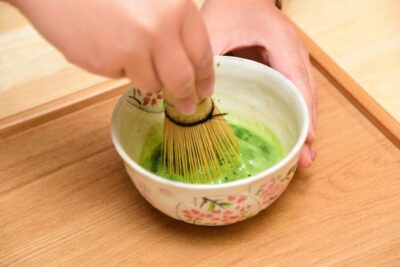
Tea Museum Tickets and Matcha Grinding Experience
Read our review →
Tea Ceremony Meditation – Make Matcha with Tea Master
Read our review →Arashiyama Bamboo, Matcha, Monkeys & Temple Tour
Read our review →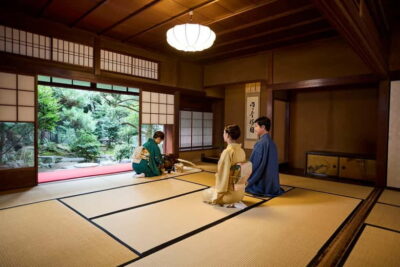

Arashiyama Bamboo, Temple, Matcha, Monkeys & secret spots
Read our review →
Green Tea Tour with Byodoin and Koshoji Temple Visits
Read our review →Also filed under