Reviewed · PRIVATE
Uji: Private immersion into Kyoto’s tea and reglious culture
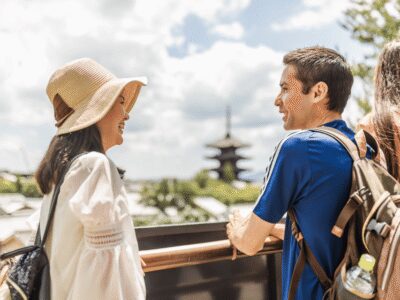
Tea in Uji feels quietly magical. This private half-day guides you through Kyoto’s tea and religious culture with a gyokuro tasting and UNESCO temple visits, not just photo stops. I especially like how the day connects tea practice to spirituality, including Zen links at Koshoji Temple.
I also really like the pacing. You move from Takumi-no Yakata to Ujigami Shrine, then onto Byodo-in and the tea shop street, with breaks that keep it relaxed instead of rushed.
One thing to consider: the route includes many stairs, so if walking is tough, tell the operator ahead of time so they can adjust.
In This Review
- Key reasons this Uji tour works so well
- Price and value for a 4-hour private Uji day
- Where you start, what you do first, and how the day flows
- Takumi-no Yakata: the gyokuro lesson that sets the tone
- Ujigami Shrine: UNESCO reverence plus Uji’s water story
- Koshoji Temple: where Zen history meets tea practice
- Byodo-in Temple and museum: the Heian setting that feels like a scene
- Byodo-in Omotesando: the pilgrimage street and its tea-shop rhythm
- Uji Park and the river pause with cormorant fishing history
- Guides, language, and why the group size feels right
- Getting the most out of the stairs and the early start
- Who should book this Uji tea and Buddhism tour
- Should you book this tour?
- FAQ
- How long is the Uji private tea and Buddhism tour?
- What is the price per person?
- Is this tour private?
- Where does the tour meet, and when does it start?
- Does the tour include admission tickets?
- What tea experience is included?
- Are meals included besides the tea tasting?
- What UNESCO sites will I visit?
- Is the tour near public transportation?
- Is cancellation free?
- Does the route involve stairs?
Key reasons this Uji tour works so well
- Gyokuro experience first: You start with Japan’s highest-grade green tea style, slowly prepared as part of the lesson.
- Tea and Buddhism connect in real places: You visit temples tied to how tea culture developed alongside religious practice.
- Two UNESCO sites without the Kyoto crush: Ujigami Shrine and Byodo-in Temple give weight to the story.
- You get a guided temple visit plus a museum: Byodo-in includes time not only in the hall but also at the museum.
- A tea-street walk with context: Byodo-in Omotesando is more than shopping, it’s a pilgrimage approach lined with tea shops.
- A calmer nature pause: Uji Park adds riverside atmosphere and a look at traditional cormorant fishing.
Price and value for a 4-hour private Uji day
This experience runs about 4 hours and costs $162.41 per person. For a private tour that packs in multiple temple stops plus a tea tasting with admission included, it’s in the range where you’re paying for time, access, and interpretation, not just entry fees.
The small group size matters. The tour allows a maximum of 8 people, so you get enough attention for questions, while still having a tour flow that works like a set route. It’s also offered with a mobile ticket, which keeps things simple once you’re in Uji.
One practical thing: this is typically booked about 38 days in advance on average. If you’re traveling in busy seasons or want the 9:00 am start, reserve sooner rather than later to avoid missing your preferred day.
Where you start, what you do first, and how the day flows
You meet at Keihan Uji Station Information Centre (Otsukata 713, Keihan Uji Building 1F). The tour starts at 9:00 am and ends back at the same meeting point. That round-trip setup is handy because it reduces last-mile confusion, especially in a place like Uji where the charm comes from walking and side lanes.
You’ll follow a steady sequence of tea and sacred sites:
Takumi-no Yakata for gyokuro preparation and tasting, then Ujigami Shrine, then Koshoji Temple, then Byodo-in Temple and its museum. After that, you finish with Byodo-in Omotesando and a riverside stroll at Uji Park.
The day is built for variety. Temple interiors and museum time give you context, while the Omotesando tea street and Uji Park walk add breathing room.
A quieter way to spend a day in Kyoto
- Uji and Wazuka Matcha Farm Half Day Private Guided Tour
★ 5.0 · 21 reviews - 7 Hours Private Guided Tour Uji and Wazuka Matcha Farm
★ 5.0 · 2 reviews - Kyoto & Uji Private Customized Tour with English Driver
★ 5.0 · 1 review - Fushimi Inari Hidden Hiking Tour (Private Option Available)
★ 5.0 · 1,750 reviews
Takumi-no Yakata: the gyokuro lesson that sets the tone
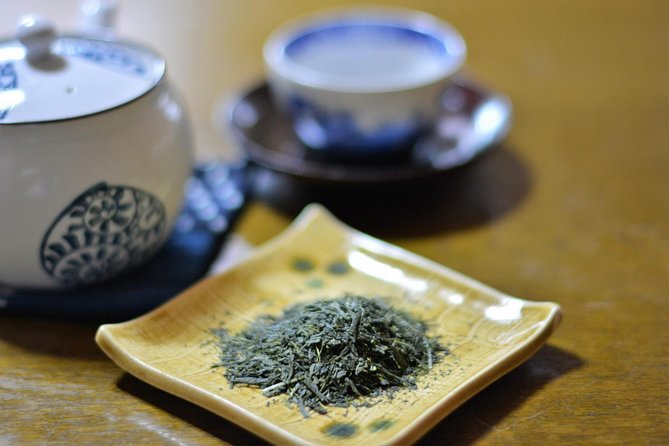
The tour begins at Takumi-no Yakata, and it’s a smart choice because it puts tea first, before temples. You’ll get the chance to experience a one-of-a-kind gyokuro tea drinking experience. Gyokuro is described as the highest grade of green tea in Japan, and the preparation style is part of the lesson.
In this tea experience, you slowly steam the leaves in increasingly warm water while learning how the process changes what you taste. That’s the key. Instead of treating tea like a souvenir sip, you’re taught the mechanics behind the flavor.
You’re also included in a pairing with Japanese sweet. It’s a small inclusion, but it helps you reset your palate and understand tea as a full moment, not just a drink.
A tip if you’re new to green tea: pay attention to aroma and temperature as you sip. The preparation is intentionally slow, so your senses need a little time to catch up.
Ujigami Shrine: UNESCO reverence plus Uji’s water story
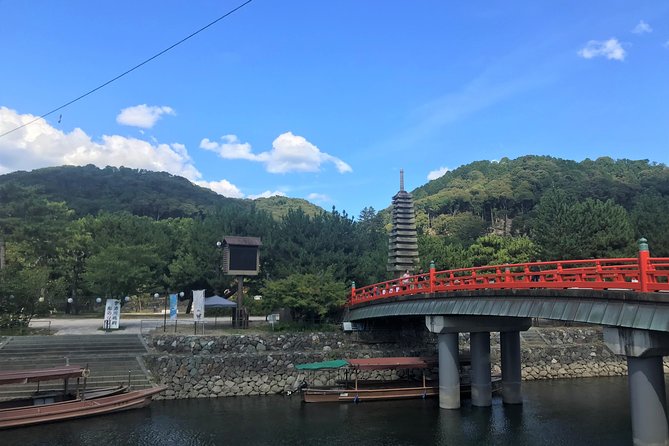
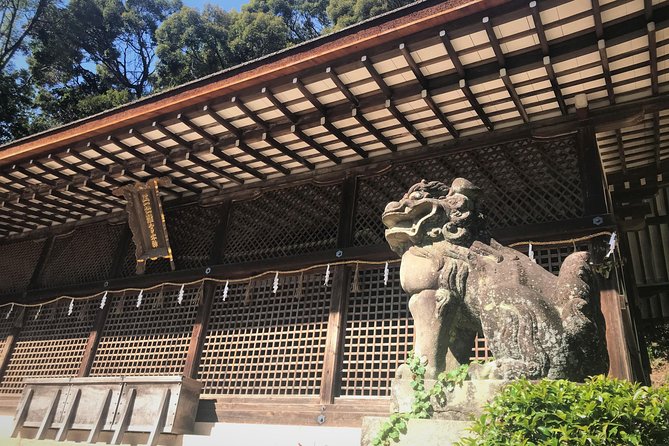
Next comes Ujigami Shrine, a UNESCO world heritage site and described as the oldest original shrine in Japan. It also has a distinctive detail that connects strongly to Uji’s identity: it houses the last of Uji’s underground spring water that naturally bubbles up to the surface.
That water detail matters because it links the religious site to something practical. In Uji, tea, daily life, and spirituality are not separate topics. Seeing the spring water story in a shrine setting makes it feel real rather than symbolic.
Expect a thoughtful visit rather than a quick pass. The tour gives you about 30 minutes here, enough time to absorb the atmosphere without feeling you’re being herded.
If you care about religious architecture or shrine traditions, this stop is one of the strongest anchors of the whole itinerary.
Koshoji Temple: where Zen history meets tea practice
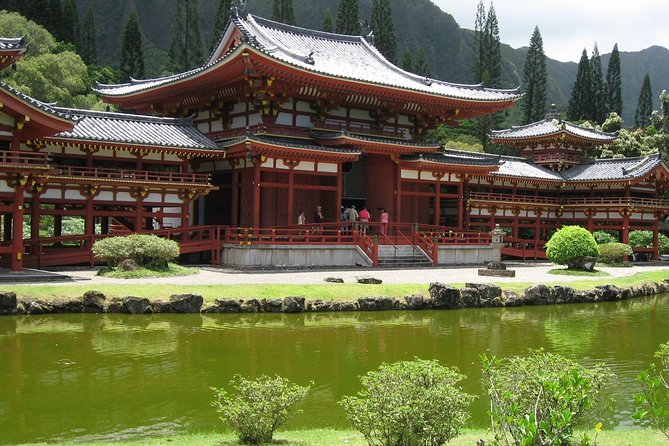
At Koshoji Temple, you finish the tea story through Buddhism. This is described as the oldest Soto Zen temple in Kyoto. You also get the specific connection that Zen Buddhism originally came in from China and helped pioneer the tea ceremony in Japan.
That line is the value here. You’re not just told tea history in a classroom voice. You’re standing at a temple point where tea practice and Zen culture intersect, and you can connect the dots yourself.
You’ll have about 30 minutes for this stop. It’s long enough for the main sights and for your guide to explain how tea ceremony developed alongside religious customs.
If you prefer your explanations tied to place and ritual, this is a great moment to slow down.
Byodo-in Temple and museum: the Heian setting that feels like a scene
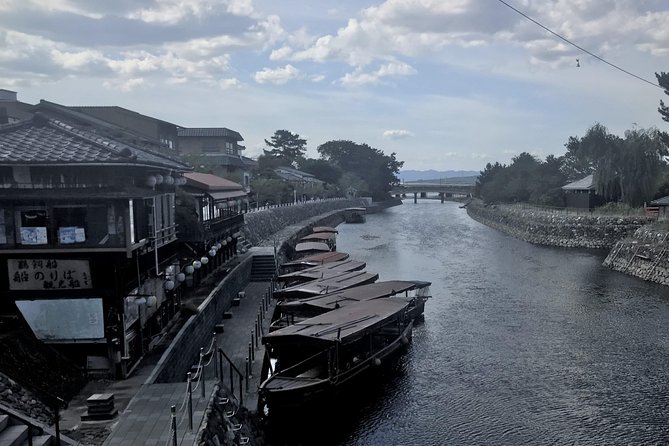
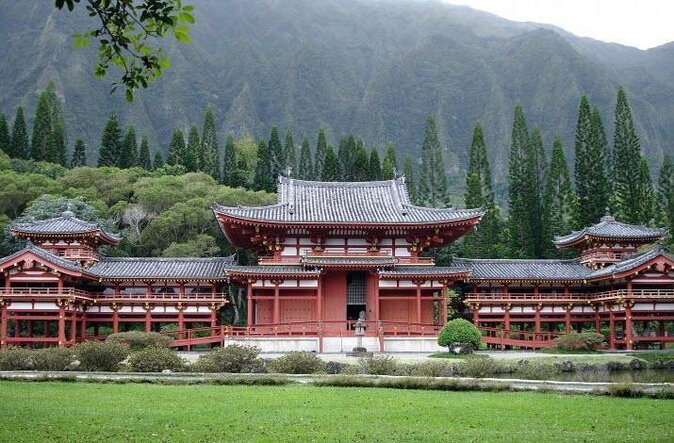
Then the tour moves into Byodo-in Temple, dating back to the Heian period. This is another UNESCO world heritage site, and the description is vivid: the magnificent temple hall sits on a man-made lake.
That layout changes how you experience the building. You’re not just looking at walls. You’re taking in the composition, the water setting, and the sense that the whole space was designed for contemplation.
Time-wise, you get about 45 minutes here, including access to the museum. The museum is a notable inclusion. Even if you feel temple fatigue after several sites in Kyoto, the museum portion gives context that makes the temple hall easier to interpret.
If you want a single signature moment on this tour, Byodo-in is it. It’s also the temple featured on the 10 yen coin, a detail that can make you see it differently once you arrive.
A day of temples goes further with something to break it up.

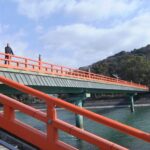
Byodo-in Omotesando: the pilgrimage street and its tea-shop rhythm

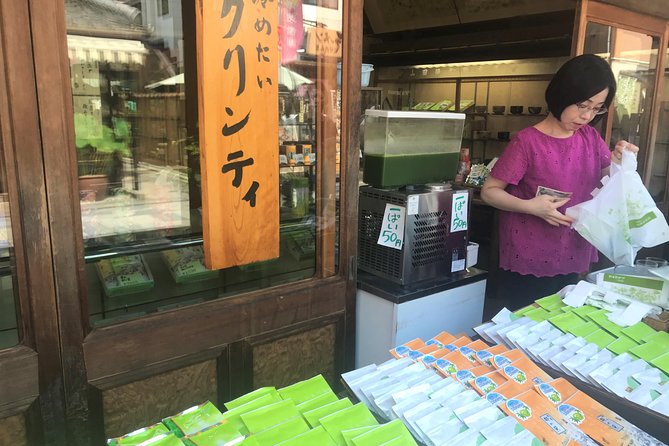
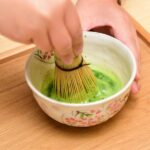
After the temple, you walk down Byodo-in Omotesando, a historic street leading to Byodo-in Temple. It’s lined with tea shops, and some are described as going back to the medieval period.
This stop is more than strolling. It’s part of how people traveled and prepared for the pilgrimage up to the temple. Seeing tea shops along a route with a spiritual purpose helps you understand why Uji became famous.
You get about 45 minutes here. That’s enough time to browse for tea items if you want, but also enough to simply notice the aromas and the rhythm of the street.
Practical note: if you’re shopping, plan to keep your purchases compact. This tour is mostly walking with stairs later, and you’ll appreciate having less to carry.
Uji Park and the river pause with cormorant fishing history
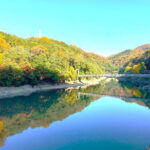
To close, the tour heads to Prefectural Uji Park for a riverside stroll along an island in the middle of the river. This is a nice contrast to temple walls and museum rooms.
The park stop includes a local tradition: cormorant fishing. You’ll learn about the ancient tradition of using birds for fishing, which ties Uji’s daily life to the waterways that supported trade and tea.
It’s about 30 minutes, a calm ending that helps your legs recover after temple steps. The river also gives you a sense of why Uji mattered historically, especially as a route between Kyoto and Nara for tea, sake, and other goods.
Guides, language, and why the group size feels right
One reason this tour earns such strong feedback is the guide experience. In the feedback you’ll see names like Ferdi, Damian, Kevin, Mika, and Lito attached to the best moments, including the calm tone and clear explanations.
From a practical perspective, guide quality affects everything here:
- Tea preparation is more enjoyable when you understand what to watch for.
- Temple visits feel better when the stories are organized and spoken in plain language.
- Scheduling two UNESCO sites in one half-day only works if the guide manages transitions smoothly.
The tour format also supports questions because the group is small. That makes a difference for people who want to learn how to order tea properly, what to look for, or why certain rituals matter.
One helpful tip from experience: bring cash. At least one person found it useful during the day, likely for purchases along the tea street. Don’t rely only on cards if you plan to buy tea items.
Getting the most out of the stairs and the early start
The itinerary includes many stairs. That’s not a reason to skip it, but it is a reason to plan.
If you have mobility concerns, tell the operator in advance. The tour specifically notes that modifications can be made if stairs pose a problem. You’ll be happier if you handle that before you arrive.
Also, expect an early start at 9:00 am. You’ll cover multiple sites in a half-day, which means you should eat before you go if you’re sensitive to mornings. The tour includes tea and a sweet, but it doesn’t claim to cover full meals.
If you want lunch afterward, ask your guide. In one piece of feedback, the group ended with lunch together at a local restaurant chosen by Lito, which suggests guides can help you find something practical that fits your timing.
Who should book this Uji tea and Buddhism tour
Book this if you:
- Want tea culture connected to religion, not just tasting.
- Prefer a calmer alternative to cramming through central Kyoto.
- Enjoy UNESCO sites but don’t want the entire day consumed by crowds.
- Like guided explanations, especially about how rituals connect to daily life.
Skip it if you:
- Struggle with stairs and can’t adjust plans for a route with many steps.
- Want a tour that includes lunch or lots of food beyond the included tea sweet (that part is limited).
- Only want a quick look at temples with zero time for interpretation.
Should you book this tour?
Yes, if your ideal Kyoto day includes Uji’s tea identity plus real context at temples like Ujigami Shrine and Byodo-in. The combination of a gyokuro-focused start, UNESCO weight, and an ending that slows you down by the river is a strong mix for a half-day.
I’d book it especially if you care about understanding. This tour doesn’t treat tea as a checkbox. The tasting is built into the story, and the religious sites explain why tea belongs in the same conversation.
One last decision check: you should be comfortable with stairs or be willing to request modifications. If you’re good with that, this is one of the more satisfying ways to experience Uji without turning the day into a sprint.
FAQ
How long is the Uji private tea and Buddhism tour?
It’s about 4 hours.
What is the price per person?
The price is listed as $162.41 per person.
Is this tour private?
It’s described as a private guided tour, with a maximum group size of 8.
Where does the tour meet, and when does it start?
You meet at Keihan Uji Station Information Centre, Otsukata 713, Uji, Otsukata 713, and the start time is 9:00 am.
Does the tour include admission tickets?
Yes. Admission to all temples and the museum at Byodo-in is included.
What tea experience is included?
You’ll have a gyokuro tea house experience, including Japanese sweet.
Are meals included besides the tea tasting?
Food and drink outside of the tea experience are not included.
What UNESCO sites will I visit?
You’ll visit Ujigami Shrine and Byodo-in Temple, both UNESCO world heritage sites.
Is the tour near public transportation?
Yes, it’s near public transportation.
Is cancellation free?
Yes. You can cancel for a full refund up to 24 hours in advance.
Does the route involve stairs?
The tour includes many stairs. If this poses a problem, you should let the operator know so suitable modifications can be arranged.
New This Season
- Kyoto: Discover Uji’s Two Hidden World Heritage Treasures
- Kyoto: Enjoy Byodoin Temple and Tea Sweets – 90 Min Tour
- Kyoto & Uji Private Customized Tour with English Driver
- Kyoto: Zen Meditation & Zen workshops with a Westerner Monk!
- Kyoto: Tea Museum and Tsuen Teahouse Guided Tour
- 7 Hours Private Guided Tour Uji and Wazuka Matcha Farm
- Experience Authentic Japanese Home Cooking in Kyoto
- Utilising upcycled Matcha! Creating matcha incense (Uji, Kyoto)
Private, compared.
Fushimi Inari Hidden Hiking Tour (Private Option Available)
Read our review →
Private Kyoto Tour with a Local, Highlights & Hidden Gems, Personalised
Read our review →
Kyoto 6hr Private Tour with Government-Licensed Guide
Read our review →
10 Must-see Spots in Kyoto One Day Private Tour (up to 7 people)
Read our review →
Kyoto 4hr Private Tour with Government-Licensed Guide
Read our review →
Private Kyoto Tour with Licensed Guide & Vehicle (Max 15 persons)
Read our review →