Reviewed · GUIDED
Kyoto 4hr Private Tour with Government-Licensed Guide
Kyoto in four hours, made personal. This private half-day tour is built around a nationally licensed guide and a customizable plan, so you can match the day to your interests instead of being dragged through a fixed route. The tradeoff is simple: it is a walking-heavy experience, and you will cover real ground, often including hills and time on trains or taxis.
What I like most is the balance of “see the icons” plus “understand what you are looking at.” You get on-the-spot context for places like shrines, Zen temples, and Kyoto’s old neighborhoods, and guides often help you find smart photo viewpoints and less-stress routes between stops. Another big plus is the way the day is tailored, with guides asking what you care about and adjusting pacing when kids or mobility limits show up.
The one consideration to keep in mind is time. Because you choose only 2-3 sites, it is not a full Kyoto sampler, and ticketed attractions may require you to commit to a priority list early in the day.
In This Review
- Key Things to Know Before You Go
- Kyoto’s Advantage: A Licensed Guide Who Speaks Your Language
- How to Choose Your 2-3 Stops in 4 Hours
- Fushimi Inari, Nijo Castle, Gion, and Nishiki Market
- Kiyomizu-dera, Kyoto Imperial Palace, Pontocho, and Higashiyama
- East Kyoto Zen Options: Ginkaku-ji, Nanzenji Suirokaku, Tofuku-ji, and Toji
- Kinkaku-ji, Ninna-ji, Shugakuin Imperial Villa, and Kyoto’s “Royal” Side
- Ryoan-ji, and the Kyoto Reality of Crowds and Timing
- Arashiyama: Bamboo Groves, Togetsukyo Bridge, and Tenryu-ji
- Katsura Imperial Villa and Shugakuin Imperial Villa: Garden Design as a Whole Experience
- The Northern Mountains Option: Kibune, Kurama, and Forest Temples
- Kennin-ji and How to Add Atmosphere Without Losing Time
- Getting Around Like You Mean It: Trains, Taxis, and Footwear
- Price and Value: Is $109.43 a Good Deal?
- Should You Book This Kyoto 4-Hour Private Tour?
- FAQ
- What is included in the tour?
- Do I need to pay for temple or castle entrances?
- Is this tour fully private?
- Is there hotel pickup?
- How do we travel between places?
- Can I combine this tour with another group?
- Are transportation costs included?
- Is lunch included?
- What is the cancellation policy?
- Are service animals allowed?
Key Things to Know Before You Go
- Nationally licensed English speaking guide to explain culture and practical details while you walk and transit.
- Choose 2-3 sites from a large menu, which helps you avoid rushing through too much.
- Hotel pickup on foot within a designated meetup area, plus optional upgrades if you want a private vehicle.
- Mix of free areas and ticketed sights, so budgeting matters for entrances.
- Public transit and taxis are part of the plan, and you will get guidance that saves time.
- Guides tailor the day for families and for people who want quieter routes or easier walking.
Kyoto’s Advantage: A Licensed Guide Who Speaks Your Language
Kyoto can be tricky even when you have good maps. A big part of the value here is not just translation, it is interpretation. A guide can explain why a place looks the way it does, what rituals mean, and how the different neighborhoods connect historically. That matters at shrines like Fushimi Inari, and just as much at temples such as Kiyomizu-dera or Ryoan-ji, where the “why” is often the real experience.
Another practical win is navigation. You are not left trying to decode stations and signage at speed. Many guides are used to getting people from one area to the next with minimal confusion, whether that means trains and buses or a quick taxi when time matters.
You will also notice how much guides try to make the day feel complete, not just a sequence of landmarks. Some focus on photo angles and small routes that reduce crowd friction. Others spend more time on cultural context and on explaining what you should look for while you are there.
How to Choose Your 2-3 Stops in 4 Hours
This tour works best when you plan like a local: pick a theme, then pick the places that fit that theme. With a 4-hour private format, the worst-case scenario is trying to see everything and ending up with short visits at each place. The best-case scenario is walking away with a clear sense of Kyoto’s character.
Here are three easy ways to build a smart plan:
1) First-timer classics, mostly in central Kyoto
Pair Fushimi Inari with Gion or Nishiki Market, then add a temple stop on the way. Fushimi Inari is popular, but starting early on a private schedule helps, and the guide can keep you moving while you absorb the details. Gion’s narrow lanes and old streets are great for photos and atmosphere, and Nishiki Market is a quick hit for Kyoto food culture.
2) Temple-and-garden focus
Choose one major Zen highlight (like Kinkakuji or Ginkakuji), then add a quieter temple option that matches the vibe you want. Some days feel better with two temple stops rather than mixing too many neighborhoods, especially if you like architecture, gardens, and Buddhist symbolism.
3) East Kyoto old-town feel
Higashiyama is a classic for a reason. It is compact, historic, and ideal for walking between standout sights. Add Kiyomizu-dera if you want the headline temple experience, and consider a second stop that balances crowd levels.
A key point: not everything on the list is equally easy to combine in 4 hours. Remote options in the northern mountains or farther east can work, but your guide may lean toward faster connections or taxis to keep the schedule realistic.
A quieter way to spend a day in Kyoto
- Fushimi Inari Hidden Hiking Tour (Private Option Available)
★ 5.0 · 1,750 reviews - Private Kyoto Tour with a Local, Highlights & Hidden Gems, Personalised
★ 5.0 · 1,543 reviews - Kyoto 6hr Private Tour with Government-Licensed Guide
★ 5.0 · 1,369 reviews - 10 Must-see Spots in Kyoto One Day Private Tour (up to 7 people)
★ 5.0 · 1,108 reviews
Fushimi Inari, Nijo Castle, Gion, and Nishiki Market
Fushimi Inari-taisha is the obvious opening move. Yes, you already know the famous vermillion torii gates, but the real payoff is understanding what the shrine complex means and how the experience changes as you move beyond the first picture-perfect stretch. The best time-saver is choosing how far you want to go before the day pulls you elsewhere.
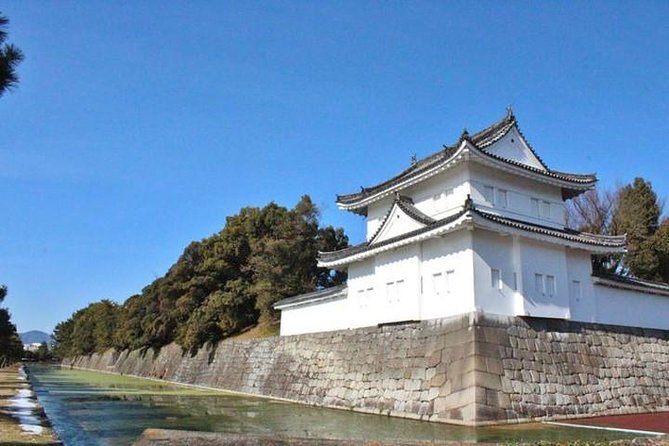
If Nijo Castle is on your list, you are choosing Edo-period history. It is a UNESCO site and a Kyoto residence connected to Tokugawa Ieyasu. It is not the same style of “sacred scenery” as a shrine walk, so if you like castles and political history, it is a strong second or third stop.
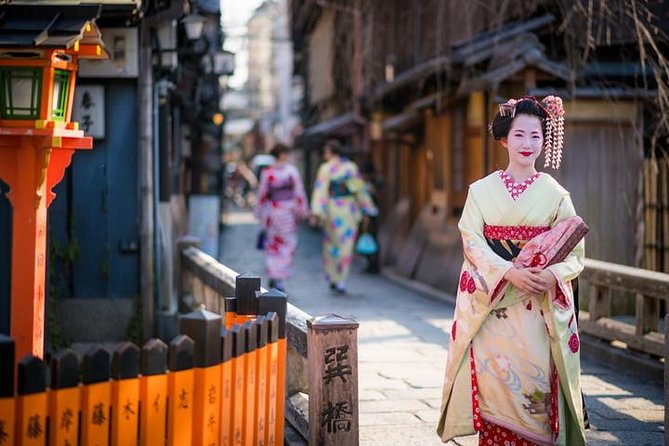
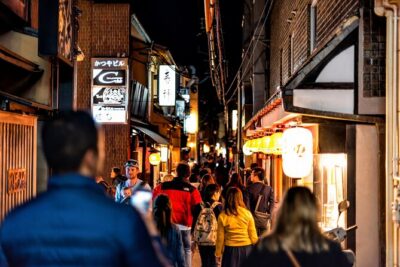
Then comes Gion, Kyoto’s famous geisha district lanes. What I like about adding Gion to a private half day is that you do not waste time trying to figure out where to stand. A good guide helps you read the neighborhood, understand the rituals and traditions around it, and spot calmer streets that still feel authentic.
Nishiki Market is the food-culture layer. It is a narrow shopping street with a dense concentration of shops and stalls, often described as a kitchen of sorts. For a short visit, it is perfect because you can sample, snack, and browse without needing hours.
Kiyomizu-dera, Kyoto Imperial Palace, Pontocho, and Higashiyama
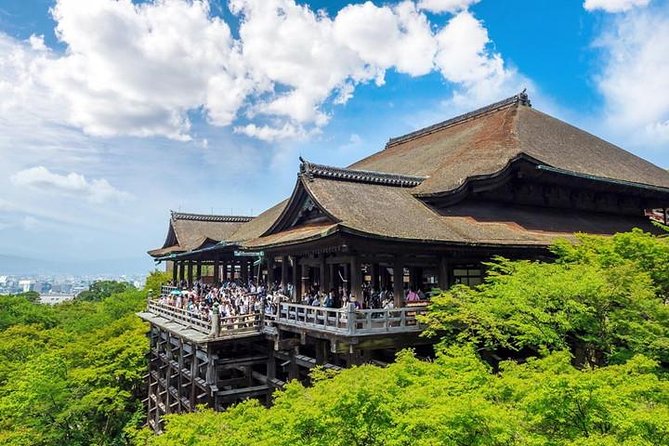
Kiyomizu-dera is one of those Kyoto targets that feels bigger than the walk leading up to it. The temple grounds can be crowded, so a guide’s job is to help you pace your visit and understand the religious background so you are not just watching crowds pass by. Expect extra effort if you add it later in the day, because popular times build quickly.
Kyoto Imperial Palace adds a different tone. This is the former home base of Japan’s Imperial Family before the capital moved to Tokyo. If you like governance, court life, and “Kyoto as the seat of power,” this makes a lot of sense as your structured break from purely religious sites.
Pontocho is where the day shifts into evening mood. It is a narrow dining alley near the Kamogawa River, and it has an atmosphere that feels uniquely Kyoto. If your schedule lands you near dinner time, it is a great place to pause and plan your next meal without needing to figure everything out from scratch.
Higashiyama, meanwhile, is the whole vibe. It is one of Kyoto’s best preserved historic areas, and it works well because you can move between sights without feeling like you are constantly hunting for them. If you want to “feel old Kyoto” as much as you want to check boxes, Higashiyama is often the strongest choice.
East Kyoto Zen Options: Ginkaku-ji, Nanzenji Suirokaku, Tofuku-ji, and Toji
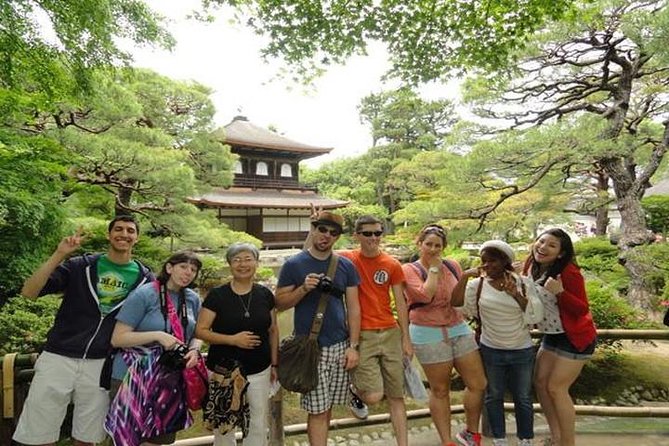
Ginkaku-ji (Silver Pavilion) is a Zen temple choice that appeals to people who like gardens and slow observation. It is modeled after a retirement villa concept, and a guide can help you focus on what is important rather than just walking through and hoping it clicks.
Nanzenji Suirokaku is a bigger Zen temple area option at the base of Higashiyama. This is the sort of place that can feel more spacious and less frantic than the biggest headline sites. If you want a break from crowds, this is often a good swap.
Tofuku-ji gives you another Zen contrast, and it is particularly known for seasonal colors in autumn. If you are visiting outside fall, you still get a meaningful temple experience, and the guide can tell you what makes it special year-round.
Toji is a Heian-period temple option that is often overlooked when people chase only the most famous names. It is literal, it is historic, and it can fit well into an itinerary because it is a powerful stop without forcing you into a long, slow day.
Kinkaku-ji, Ninna-ji, Shugakuin Imperial Villa, and Kyoto’s “Royal” Side
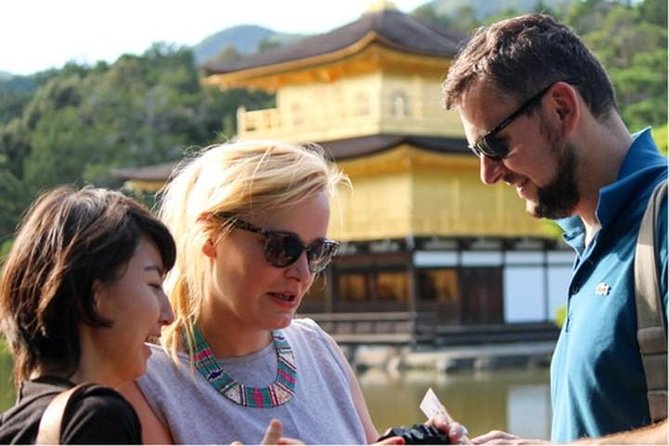
Kinkaku-ji, the Golden Pavilion, is the icon choice. Even if you have seen photos, the effect on-site is different, and a guide can help you understand why gold leaf matters in the story of the place. It is ticketed, so you should plan entrance time into your chosen 2-3 stops.
Ninna-ji is another World Heritage listed temple option, tied to Shingon Buddhism and the Omuro School. If you like temple grounds and want something with a more contemplative feel, it is a solid add.
Shugakuin Imperial Villa is for people who want gardens and imperial tastes. It is made up of Upper, Middle, and Lower Villa areas and managed by the Imperial Household Agency. Because it can be more structured and time-based than a free-roaming neighborhood, it can be a great fit if you already know you like garden design.
These “royal side” choices work best when paired with one other nearby stop. In 4 hours, they are usually not the best backbone of a plan if you also want far-flung mountains.
A day of temples goes further with something to break it up.

Ryoan-ji, and the Kyoto Reality of Crowds and Timing
Ryoan-ji is famous for its rock garden. That is why it is on the list, and it is why you should bring patience. On a tight schedule, you want your guide’s help with pacing, so you are not spending your whole visit stuck at the busiest entry or circulation points.
If you like minimal, symbolic spaces, Ryoan-ji can feel like the perfect “breathing room” between louder neighborhoods. If you hate crowds, consider pairing it with a slightly quieter temple option instead of piling it onto the busiest areas of the day.
Arashiyama: Bamboo Groves, Togetsukyo Bridge, and Tenryu-ji
Arashiyama is where Kyoto turns into a nature-meets-history scene. For many people, it is the most memorable part of a short visit because it feels scenic and immediate.
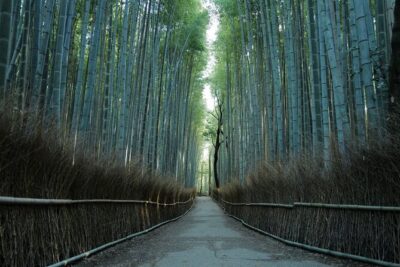
Togetsukyo Bridge is the iconic landmark, and the guide can explain the historical background while you walk near the river and take photos. The bamboo grove paths are the other key draw, and they are one of those places where motion matters. Even on a short visit, you can feel the atmosphere change with the wind and the way the stalks sway.
Tenryu-ji is a major temple anchor in Arashiyama. It is widely respected among Kyoto’s Zen temples and is registered as a World Heritage site. If you are only picking one Arashiyama temple, Tenryu-ji is usually the name that makes your time count.
Okochi Sanso Garden is a different style of stop. It is the former villa of actor Okochi Denjiro, hidden inside bamboo groves and designed as multiple garden spaces. If you like architecture and garden planning, it can be a standout third stop after the bridge and temple.
If you want to go deeper into Arashiyama history, options like Daikaku-ji and Yoshimine-dera can expand the day’s story. They are temple choices that can feel more local depending on how the schedule lands.
Katsura Imperial Villa and Shugakuin Imperial Villa: Garden Design as a Whole Experience
Katsura Imperial Villa is one of Kyoto’s biggest garden design draws. It is often described as a top example of Japanese architecture and garden planning, and it can feel like a “choose your pace” place because the experience is about viewing sequences and design layout.
In a 4-hour private format, it can work well if you are already focused on gardens rather than trying to fit in multiple neighborhood icons. If your priorities are Fushimi Inari plus a late-day Arashiyama stroll, the villa might be too much. If you want a calm, structured experience, it can be perfect.
Shugakuin Imperial Villa is another garden and villa option. If you are picking between Katsura and Shugakuin, your decision is really about the kind of environment you want, and how your guide can keep the day on time.
The Northern Mountains Option: Kibune, Kurama, and Forest Temples
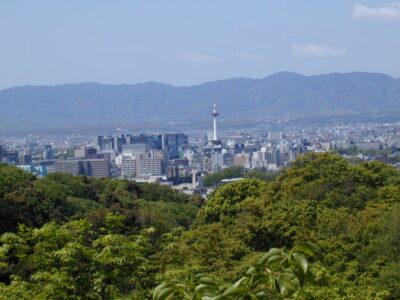
Kyoto’s northern mountains feel like a different planet compared with the central streets. Kibune is a small forest valley town built around Kifune Shrine, and it can be a great choice if you want quiet scenery and a calmer pace.
Kurama-dera pairs well with that mountain mood. It is a known temple stop and part of a rural northern route that can be a refreshing change from the biggest crowds.
Then there are the smaller hillside temple options that are often about quiet and shade. Jojakkoji, Nisonin, and Gioji are all hillside temples with understated atmospheres and garden or moss-focused features. If you like moss, stone, and the feeling of stepping into an older, quieter Kyoto, this cluster can work nicely.
Adashino Nenbutsu-ji and Otagi Nenbutsu-ji are also temple choices that center on stone statuary and a more unusual sightseeing element. In a short tour, they work best when you pick them because they fit your interests, not because they are famous in the way the big icons are.
Kennin-ji and How to Add Atmosphere Without Losing Time
Kennin-ji is close to the bustle areas near Hanamikoji and Shijo streets, but the grounds are pleasant to walk. It is a good option if you want a temple experience without losing the sense of being in the middle of Kyoto’s daily flow.
It is also a convenient stop in real life because it can help you balance “historic” with “I want to roam around a little too.” If your other two stops are more sightseeing-focused, Kennin-ji can be a grounding choice.
Getting Around Like You Mean It: Trains, Taxis, and Footwear
This is fundamentally a walking tour. You will use public transportation or taxis based on the route and the day’s energy level. That is a good thing, because it keeps the experience local and helps you see neighborhoods instead of just riding through them.
But be realistic about steps. One guide tour experience included about 20k steps, and other days include a lot of hills depending on what you pick. My practical advice is to treat this like an active half day, not a gentle stroll.
If you are using trains and buses, consider getting a transit card like Suica in advance. You will often glide through station payment faster that way. Also, bring some yen in cash, because you might run into places where cash is still the easiest option.
Hydration matters too, especially in summer heat. Guides also adjust when families need breaks, including arranging taxis when smaller travelers hit their limit.
Price and Value: Is $109.43 a Good Deal?
At $109.43 per person for a 4-hour private tour, the value depends on how you travel and what you want from Kyoto.
You are paying for three things:
1) A licensed guide who can explain and translate in real time
2) A tailored plan so you only focus on 2-3 priority stops
3) Time savings from smoother transit, route choices, and less wandering
If you were to do the same day alone, you would still spend time figuring out directions, researching which entrances are worth it, and trying to interpret what you are seeing once you arrive. This tour reduces that friction and helps you use your limited hours more wisely.
If you are traveling in a group, the guide’s value increases because you can split the cost and still keep the day private. If you prefer comfort and minimal walking, you might want the private vehicle upgrade option, since the default format is walk and transit.
The only “cost shock” to watch for is entrances and lunch. Many of the major sites listed are not included for admission fees, so you should expect to pay extra once you choose your stops.
Should You Book This Kyoto 4-Hour Private Tour?
Book it if you want Kyoto to feel understandable, not just photographed. This is a strong choice for first-timers, for history and culture lovers, and for anyone who has limited time and does not want to waste it figuring out where to go next.
Skip it or rethink your picks if you want a long list of many neighborhoods. Because you choose only 2-3 sites in 4 hours, this tour is not designed to cover every famous landmark in one day.
My best advice for making it work: before you lock in your stops, decide your theme. If you go in with one clear theme (shrines and markets, Zen temples, or Arashiyama nature), your guide can build the route around it and your half day will feel complete.
FAQ
What is included in the tour?
You get a licensed local English-speaking guide, a customizable tour where you choose 2-3 sites, and a meet-up on foot within a designated Kyoto area.
Do I need to pay for temple or castle entrances?
Entrance fees are not included. Some stops are listed as free areas, but ticketed temples and castles require separate payment.
Is this tour fully private?
Yes. It is a private tour/activity, and only your group participates.
Is there hotel pickup?
Pickup is offered, but the tour notes that pick up is on foot, with meet-up on foot in a designated area in Kyoto.
How do we travel between places?
The tour uses public transportation or taxi. A private vehicle can be added via an upgrade.
Can I combine this tour with another group?
No. You cannot combine multiple tour groups.
Are transportation costs included?
No. Transportation fees are not included.
Is lunch included?
No. Lunch and other personal expenses are not included.
What is the cancellation policy?
Free cancellation is available up to 24 hours in advance for a full refund.
Are service animals allowed?
Yes, service animals are allowed.
New This Season
- Koyasan Day Trip by Private Car from Kyoto
- Old Port Town and Ultimate Sake Tasting Private Tour From Kyoto
- Kyoto’s Timeless Charm: 3hr Exploration of History and Peace
- Kyoto: 5 Types of Sushi Making
- Sacred Peak & Ancient Paths: Kurama-Kibune Hiking Experience
- Kyoto: Exclusive ZEN practice at Manpukuji temple in Uji
- Kyoto: Private Seasonal Aroma Yoga Class
- Traversing Kyoto’s Scenic West – Arashiyama to Kinkakuji
Guided, compared.
Kyoto Early Morning Tour with English-Speaking Guide
Read our review →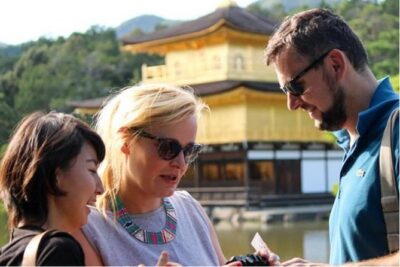
Kyoto 6hr Private Tour with Government-Licensed Guide
Read our review →Early Morning Tour with English-Speaking Guide
Read our review →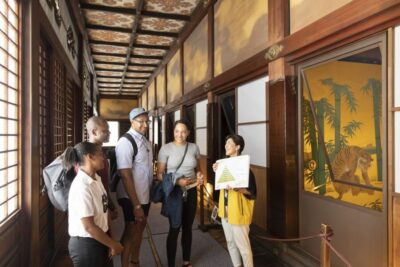
Nijo-jo Castle and Ninomaru Palace Guided Tour
Read our review →
Kyoto Gion Night Walk & Geisha District Guided Tour
Read our review →
Nijo Castle, Kiyomizu & Fushimi Inari Guided Tour
Read our review →