
Reviewed · TEA CEREMONIES
Kyoto: Tea Museum and Tsuen Teahouse Guided Tour
Tea plus time travel, in one stop. This Kyoto-style experience takes you to Chazuna, a modern tea museum in Uji, then to Tsuen, a legendary teahouse by the Uji Bridge. If you like your culture hands-on, the format is simple: you learn, you look closely, then you taste.
I especially like how the museum uses more than glass cases. You get a clear sense of how tea is grown and processed in Uji, and you also see why tea matters in daily Japanese life. The other big win is Tsuen itself, founded in 1160, with tea service that feels rooted in centuries of hospitality.
One drawback to consider is the short, focused timing. You only have 90 minutes, so if you want a long tea workshop or extra time for photos, you may want to add time before or after the tour.
In This Review
- Key highlights to look for
- Meeting in Uji: how to start without stress
- Chazuna tea museum: modern design, practical tea learning
- The Uji Bridge area and Tsuen Main Branch stop
- Tsuen teahouse: hospitality you can feel
- Tea basics you will be able to explain after
- Tea and sweets tasting: how to get the most out of it
- Price and value for a 90-minute private tour
- Languages and group style: why it matters in a tea setting
- Who should book this Uji tea tour
- Practical tips for your day in Uji
- Should you book this Kyoto tea museum and Tsuen teahouse guided tour?
- FAQ
- Where does the tour start?
- Where does the tour end?
- How long is the tour?
- How much does the tour cost?
- What is included in the tour?
- Is the tour private?
- What languages are available?
- Is there a tea tasting?
- Do I need to plan what to wear?
- What is the best reason to do this tour?
Key highlights to look for
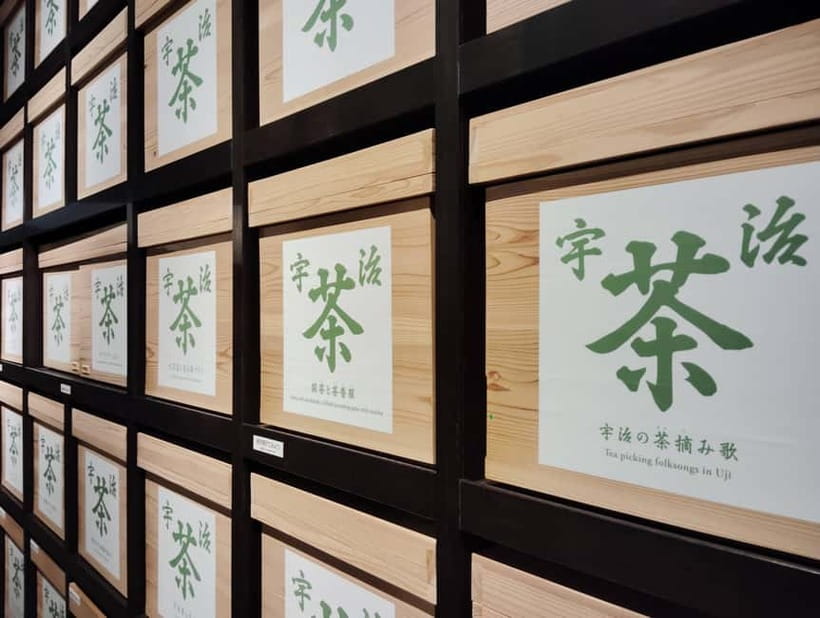
- Chazuna museum that explains tea culture through design, media, and hands-on displays
- Tsuen Main Branch, founded in 1160, at the foot of the Uji Bridge
- Tea and tea sweets tasting at a traditional teahouse
- A local guide in English or Japanese for a private group
- Uji tea basics, from cultivation to processing, explained in real-life context
- A smooth, walk-friendly plan that fits well into a Kyoto area day
Meeting in Uji: how to start without stress
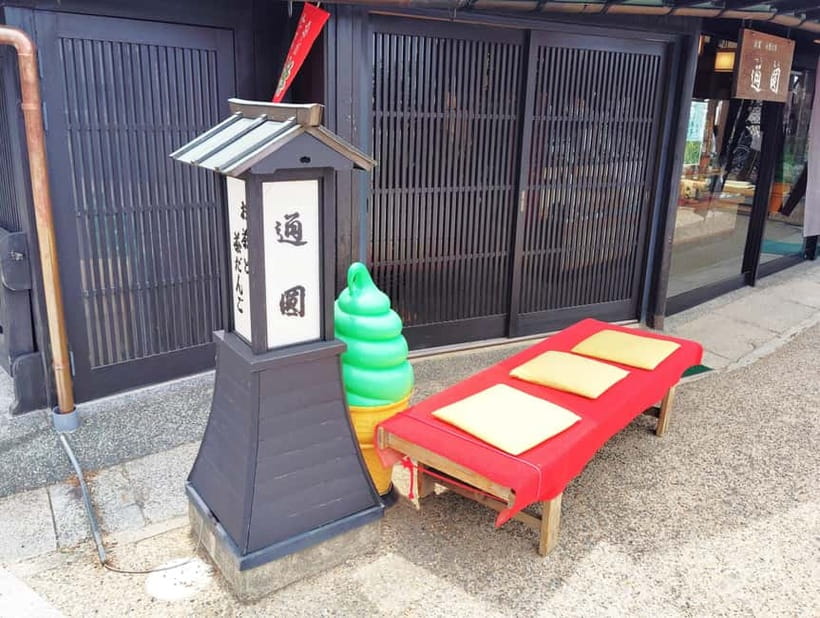
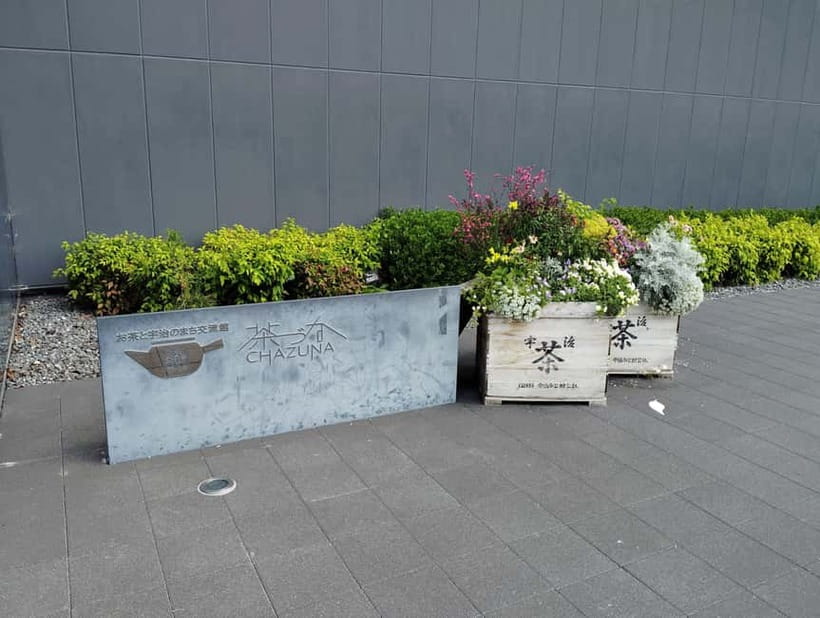
This tour begins at the Ocha to Uji no Machi Koryukan Chazuna area. Plan to arrive a bit early so you are not rushed by train timing or a short walk. Your guide meets you at the entrance of Chazuna and holds a yellow sign that says DeepExperience.
Because this is a private group, the pace usually feels under control. You can ask quick questions as you go, and the guide can adjust attention based on your interests, like tea tasting versus tea history. For 90 minutes, getting the start right matters.
Uji is the tea region you want for a tea experience, and that is part of the value here. You are not just learning about tea as an idea, you are learning about tea in the place it comes from.
Chazuna tea museum: modern design, practical tea learning
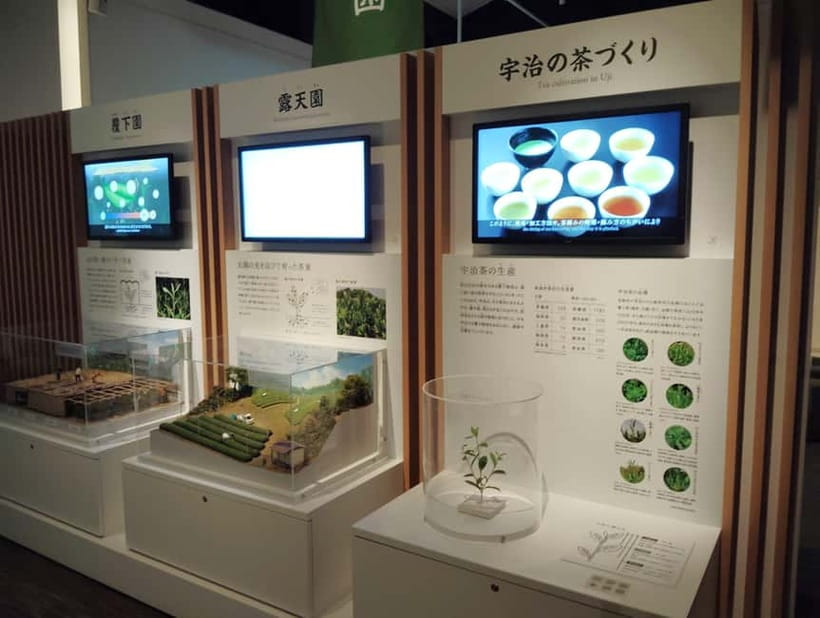
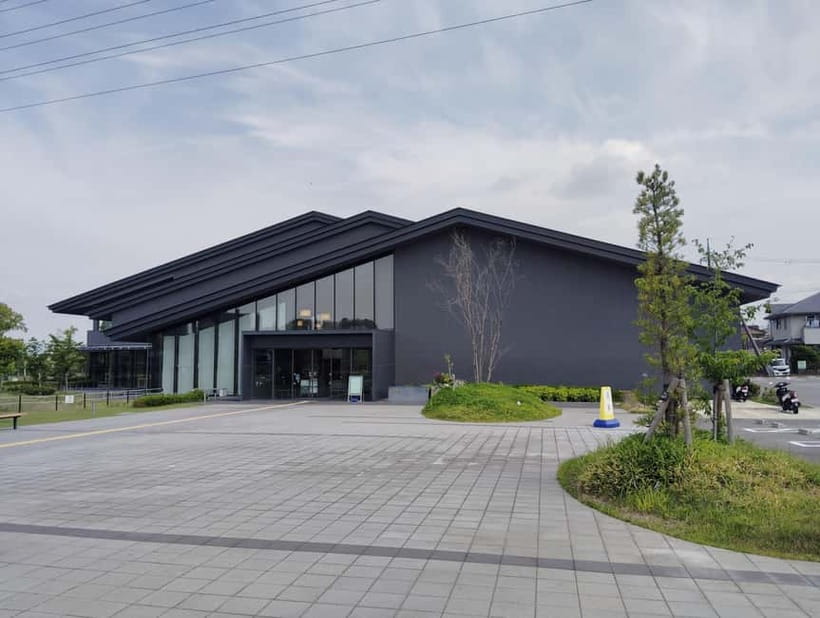
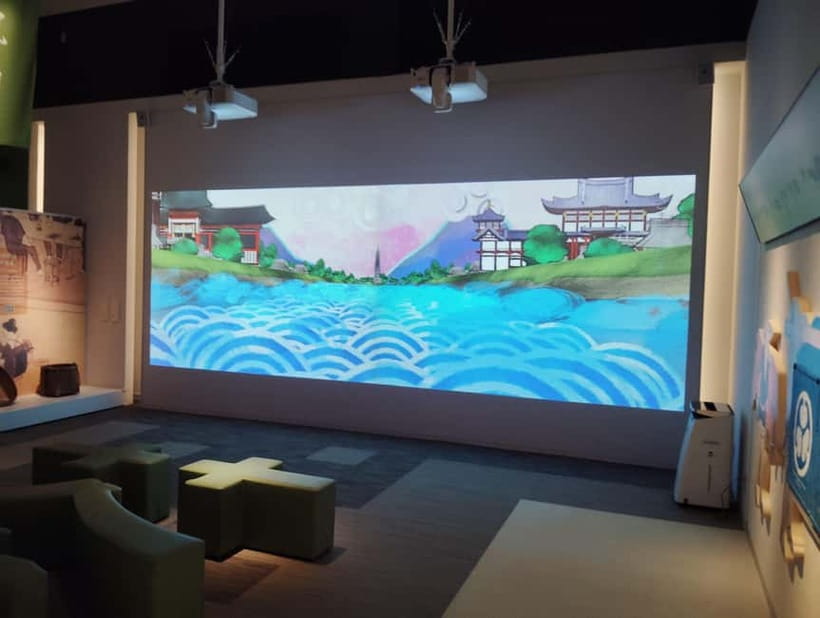
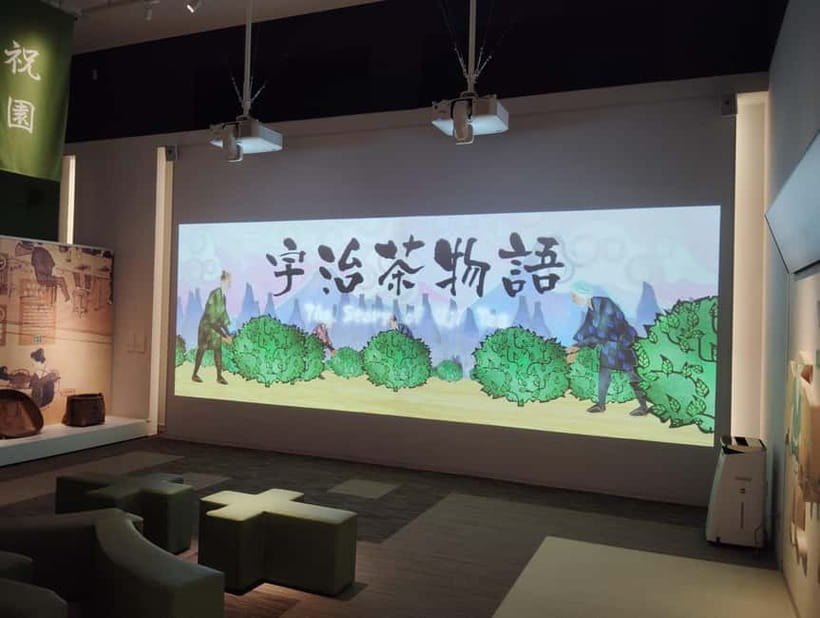
Chazuna is a modern museum focused on tea, and the layout is meant to keep you moving, looking, and understanding. Instead of a dry lecture vibe, the exhibits rely on immersive elements like multimedia and hands-on displays, so the topic feels human and current.
I like that you spend about an hour here, with time for both a guided tour and a photo stop. That mix helps if you want visuals to take home, but you still want the explanation. The museum also draws inspiration from the harmony of tea and nature, so the space feels calm instead of crowded.
Here is what you should expect to absorb during your visit. You will get a clearer sense of the cultivation and processing side of tea in Uji. In practical terms, that means you can connect what you see later at the teahouse to what you learned earlier.
If you are the kind of person who likes to know where flavors come from, Chazuna is a strong first half. It sets up your tasting, so the tea is not just something you drink, it becomes something you can interpret.
More bowls, poured the traditional way
- Uji: UNESCO Heritage & Tea Ceremony Walking Tour
★ 4.6 · 54 reviews - Uji Tea Ceremony and UNESCO Heritage Walking Tour
★ 5.0 · 20 reviews - Kyoto: Tea Ceremony in a Traditional Tea House in Kiyomizu
★ 4.9 · 3,519 reviews - Kyoto: Tea Ceremony Ju-An at Jotokuji Temple
★ 4.9 · 3,207 reviews
The Uji Bridge area and Tsuen Main Branch stop
After Chazuna, the tour shifts to Tsuen Main Branch for about 30 minutes. The change of setting is part of the point: you go from a contemporary museum experience to a traditional teahouse atmosphere near the Uji Bridge.
Tsuen is among Japan’s oldest teahouses, founded in 1160. That date matters because it places tea service into a much bigger story than a single menu item. You learn how this teahouse has hosted generations of travelers, including samurai, monks, and even emperors.
You also get a short break built in. That is useful because tasting works better when you are not rushed or swallowing over a tired brain. If you want photos, there is also time for a photo stop, so you can capture the scene without feeling like you are blocking your own guide.
One consideration: the Tsuen portion is shorter. You will likely appreciate it most if you are after a guided introduction, not an extended ceremony. If you want a longer stay, you can always return after the tour on your own.
Tsuen teahouse: hospitality you can feel
Tsuen is the kind of place where the building and the service both teach you something. The tour focuses on the teahouse itself, and walking through the timeworn doors gives you that feeling of stepping into living history.
What I find valuable here is that the guide ties the experience to omotenashi, Japanese hospitality. This is not treated like a buzzword. Instead, you get to experience it through how you are welcomed and how tea service unfolds.
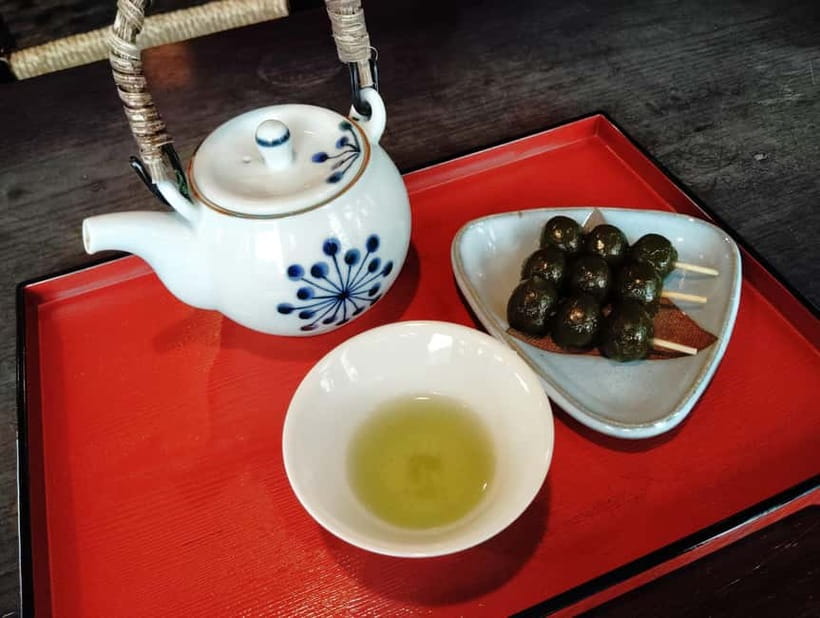
The most practical moment is the break time followed by the tea tasting. You do not just listen, you taste. And because tea sweets are included, you get a fuller sense of how tea works as a paired experience, not only as caffeine.
The teahouse items are also described as delicious, and that matters for value. If you go to a tea tour expecting learning only, you can leave disappointed. Here, you get both: context plus something you genuinely enjoy.
Tea basics you will be able to explain after
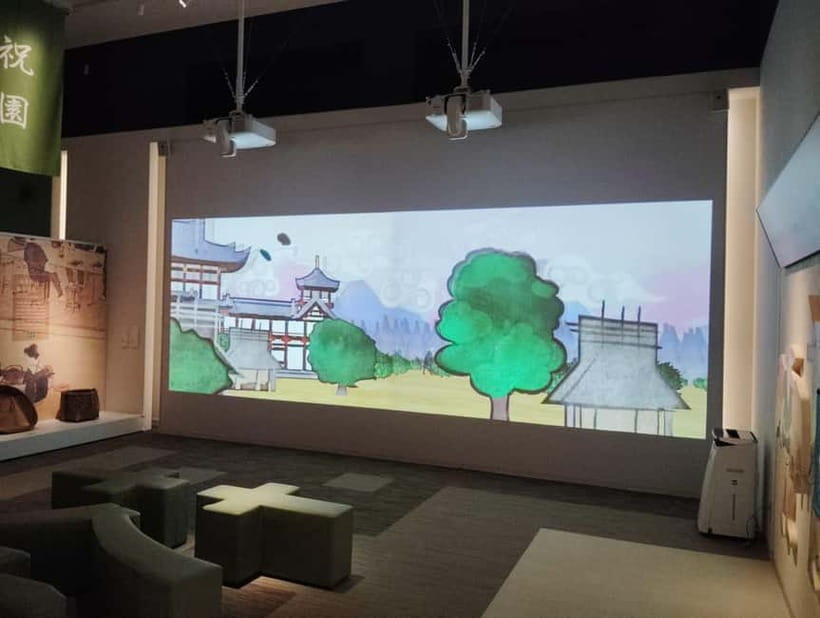
A good guided tea experience helps you notice details. This tour aims to do that by connecting tea culture to what happens in the region.
In Chazuna, you focus on cultivation and processing of tea in Uji. That is important because “Japanese tea” is not one flavor. There are steps that shape aroma, color, and taste, and those steps are part of why Uji tea is known the way it is.
Then, at Tsuen, you shift from the science of tea to the social side. Tea in Japan is tied to manners, seasonal rhythms, and the way people host. That is the cultural significance you are meant to pick up, and the guide’s job is to translate it into plain, understandable terms.
If you like to talk while you travel, this tour gives you easy topics. You can ask why certain teas show up with certain sweets, or how the region’s methods influence what you are tasting. A private guide also means you are not stuck waiting for your turn.
Tea and sweets tasting: how to get the most out of it
Tasting can be fun, but it gets more interesting when you treat it like a mini lesson. At Tsuen, you will enjoy tea plus tea sweets at a traditional teahouse, guided as part of the experience.
Here is how I suggest you approach it. Take a slow sip first, then try the sweet second, and then go back to the tea. That order helps you notice what changes when sugar enters the mix. You might catch more bitterness, more sweetness, or a shift in the tea’s aroma.
Also, pay attention to temperature and texture. Tea service in traditional settings is rarely accidental. The goal is balance, and you will feel that balance as you move between tea and sweets.
You will also likely feel more comfortable asking questions during tasting. That is where a great guide earns their keep.
In one past experience, the guide named Teppei was praised for being kind and accommodating, and that makes a difference when you are trying a new cultural routine. If you are traveling with family or just want a relaxed vibe, having someone like Teppei in your corner can turn tasting from awkward to confident.
Indoors, when temple-hopping wears thin



Price and value for a 90-minute private tour
The price is $68 per person for a 90-minute tour. On paper, that might sound like a museum and a tea break, but the value comes from what is included.
You are paying for three main things:
- Professional local guide support for both stops
- Tea and tea sweets tasting as part of the program
- Guided interpretation of what you see in Chazuna and how it connects to Tsuen
Private group tours are often pricier than group shuttles, but they can be worth it when you want flexibility and focused attention. If you are traveling as a couple, or you want your family to move at a comfortable pace, this format can feel efficient instead of expensive.
Ninety minutes is also a smart length for Uji. It fits into a Kyoto area day without swallowing your whole afternoon. You get a complete arc: museum first, then historic teahouse and tasting.
If you are a serious tea person, you might wish for more time at each location. But for a first taste of Uji tea culture with guidance, the timing and inclusions make sense.
Languages and group style: why it matters in a tea setting
The tour is available in English and Japanese. That is helpful because tea culture can include details about etiquette, history, and regional production methods that do not translate well through casual sightseeing alone.
Because it is a private group, the guide can keep the pace comfortable. You are not competing with other people for answers, and you can spend a little longer at the places that catch your eye. That matters in museums where some exhibits need a second look to connect the story.
The guide also meets you right at the entrance of Chazuna. That reduces confusion, especially if you are arriving from Kyoto by train or bus and you want to get oriented fast.
Who should book this Uji tea tour
This tour is a good match if you want a short, guided introduction to Japanese tea culture in the real production region. You will like it if you enjoy museums that explain concepts in more than one way, and if you want the experience to end with tasting instead of stopping at information.
It is also a solid choice for people traveling with family. In a previous experience, a family was happy with how the guide made the experience easy and enjoyable. Tea tours can sometimes feel stiff, so a friendly, accommodating approach is a plus.
You might want to choose something else if you are looking for a hands-on tea-making class with a long ceremony structure. This tour focuses on museum learning, historic context, and tasting, not deep multi-hour practice.
Practical tips for your day in Uji
Bring a calm mindset and expect gentle walking. The route is short and designed to keep you within a tight schedule, so sturdy shoes are still smart, but you will not need hiking gear.
If you care about photos, use the photo stops wisely. The museum is designed for viewing, and Tsuen near the Uji Bridge offers a classic setting. Try to capture images while you still have guidance, so you can also understand what you are photographing.
Finally, treat the tea tasting as part of the learning. You can ask simple questions during the tasting, and your new context from Chazuna will help you appreciate the flavors and the etiquette.
Should you book this Kyoto tea museum and Tsuen teahouse guided tour?
Yes, I think you should book it if you want a focused 90-minute guided experience that blends museum learning with a historic teahouse tasting in Uji. The strongest selling points are the museum setup, the Tsuen legacy starting from 1160, and the included tea and sweets that let you experience tea culture, not just read about it.
Skip it if you need a longer ceremony or a full tea production workshop. This is a guided highlight tour, not a multi-hour deep practice.
If you are planning a Kyoto area itinerary and you want one activity that feels authentic, local, and easy to fit into the day, this is a practical pick.
FAQ
Where does the tour start?
The meeting point is in front of the entrance to Chazuna, the Uji Tea Museum.
Where does the tour end?
The tour finishes at Tsuen Main Branch, also listed as 通圓本店.
How long is the tour?
The duration is 90 minutes.
How much does the tour cost?
The price is $68 per person.
What is included in the tour?
It includes visits to Chazuna and Tsuen teahouse, a tea and tea sweets tasting, and a professional local guide.
Is the tour private?
Yes, the tour is a private group.
What languages are available?
The tour guide is available in English and Japanese.
Is there a tea tasting?
Yes. You will have tea and tea sweets tasting at a traditional teahouse.
Do I need to plan what to wear?
The tour involves walking between stops, so comfortable shoes are a good idea.
What is the best reason to do this tour?
You get guided context on Japanese tea culture, including cultivation and processing in Uji, plus a tasting at a historic teahouse dating back to 1160.
New This Season
- Kyoto: Discover Uji’s Two Hidden World Heritage Treasures
- Kyoto: Enjoy Byodoin Temple and Tea Sweets – 90 Min Tour
- Kyoto & Uji Private Customized Tour with English Driver
- Kyoto: Zen Meditation & Zen workshops with a Westerner Monk!
- 7 Hours Private Guided Tour Uji and Wazuka Matcha Farm
- Experience Authentic Japanese Home Cooking in Kyoto
- Utilising upcycled Matcha! Creating matcha incense (Uji, Kyoto)
- Kyoto tea town for matcha lovers
Tea Ceremonies, compared.
Tea Ceremony in a Traditional Tea House in Kiyomizu
Read our review →
Kimono Tea Ceremony at Kyoto Maikoya, NISHIKI
Read our review →
Tea Ceremony in 100-year-old Kyo-Machiya Townhouse
Read our review →
Also filed under