
Reviewed · HISTORICAL TOURS
Kyoto: Discover Uji’s Two Hidden World Heritage Treasures
Uji is where Kyoto slows down. This guided walk links four major landmarks in Uji into one smooth route, so you see world-heritage sites and understand the meaning behind them. You start at Murasaki Shikibu’s statue area, then move along calm riverside paths and temple gates toward Byodoin Temple.
I really like how the tour keeps a proper walking pace. Each stop has enough time to look, read the space with your eyes, and absorb the stories instead of rushing for photos. I also love that admissions are smartly handled, with ticket-free visits at most stops and the Byodoin Temple visit included.
One consideration: you only get about two hours total, so it is not the best choice if you want to linger for long independent wandering or extra detours.
In This Review
- Key highlights you will actually feel
- Why Uji’s UNESCO trail feels different from Kyoto
- Ujibashi Bridge, the 7th-century crossing over calm water
- Uji Shrine at Mount Asahi’s foot: quiet Shinto meaning
- Ujigami Shrine’s UNESCO weight, and why age matters
- Byodoin Temple and the Phoenix Hall, 1052 and Pure Land icon power
- What you learn beyond temple facts
- Price and value, what you are paying for
- Logistics that affect your comfort (without stealing your day)
- Who should book this Uji UNESCO walk
- Should you book this tour?
- FAQ
- How long is the Uji UNESCO walking tour?
- What does it cost per person?
- Is this tour private?
- Are there admission fees during the tour?
- Where does the tour start and end?
- What is the cancellation policy?
Key highlights you will actually feel

- A tight 2-hour route that stitches together Ujibashi Bridge, Uji Shrine, Ujigami Shrine, and Byodoin Temple
- UNESCO context on the ground, including what makes Ujigami Shrine historically important
- Free admission for key stops, which helps the value math
- Byodoin Temple time built in, with the major sights handled during the tour window
- If your guide is Kina, you may get added perspective on both Uji and contemporary Japan
Why Uji’s UNESCO trail feels different from Kyoto
Uji can be quiet in a way that Kyoto often is not. That matters, because these stops are not just objects on a list, they are places where you can hear your own footsteps and notice how people use the space. With a local guide, you also get the why, not only the what.
This is a private tour, meaning it is just your group. That typically makes it easier to ask questions, adjust your pace, and actually connect with what you are seeing. It is also listed as near public transportation, which helps if you are stitching it into a longer day.
At $114.59 per person for about 2 hours, you should treat this as a focused culture walk, not a budget day out. The value comes from the combination of guided storytelling plus the fact that the Byodoin Temple portion is included while other stops are free.
Ujibashi Bridge, the 7th-century crossing over calm water
You begin at Ujibashi Bridge, also called Ujibashi. The big hook here is age. The bridge was first built in the 7th century, so you are standing at a crossing that has shaped movement and daily life for centuries.
In practice, the experience works because the bridge is simple to approach, and the surrounding river space gives you room to slow down. You can look at the water, notice the quiet, and then connect it to what your guide explains about its long role in the area. If you like photos, this is a strong starting point because you can get an establishing view before the more enclosed shrine and temple spaces.
Time on this stop is short, around 10 minutes. That is not a long sit-and-stare, but it is enough to get the context your guide is aiming for and then move on smoothly.
More of Kyoto's centuries, explained
- Uji: UNESCO Heritage & Tea Ceremony Walking Tour
★ 4.6 · 54 reviews - Slow Cycling Tour at Uji’s Matcha Green Tea Fields and Heritage
★ 5.0 · 25 reviews - Uji Tea Ceremony and UNESCO Heritage Walking Tour
★ 5.0 · 20 reviews - Kyoto Gion: 2-Hour Geisha Culture & History Walking Tour
★ 5.0 · 1,186 reviews
Uji Shrine at Mount Asahi’s foot: quiet Shinto meaning
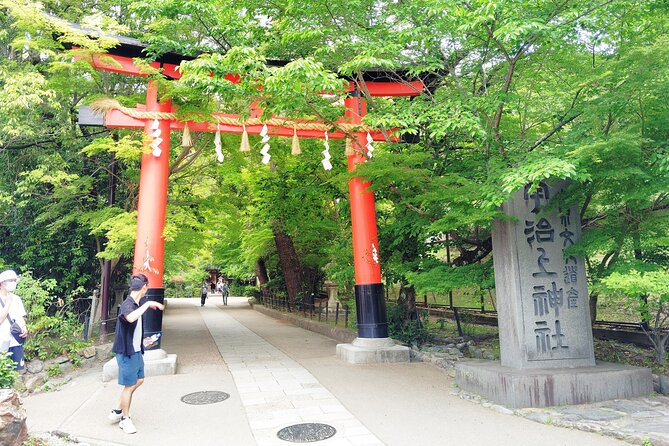
Next you go to Uji Shrine. This is a more local-feeling Shinto sanctuary, and the location matters because it sits at the foot of Mount Asahi. Your guide’s job here is to translate what that setting implies and who the shrine honors.
Uji Shrine is dedicated to the spirit of Prince Uji no Wakiiratsuko, a figure associated with loyalty. Even if you are not a specialist in Japanese shrine traditions, the tour structure makes it understandable: you see the shrine space, then you connect it to the person or spirit the shrine is honoring.
This stop takes about 15 minutes, which is a good length for a shrine visit on a walking route. You get time to observe the atmosphere without feeling like you are trapped in a museum line. The main drawback is the same as the bridge: if you want a long, private moment for quiet reflection, 15 minutes may feel too brief.
One practical tip: wear shoes you trust. The walking between the shrine cluster and the next uphill approach is part of the charm, and comfortable footing helps you enjoy it instead of focusing on stairs and uneven ground.
Ujigami Shrine’s UNESCO weight, and why age matters
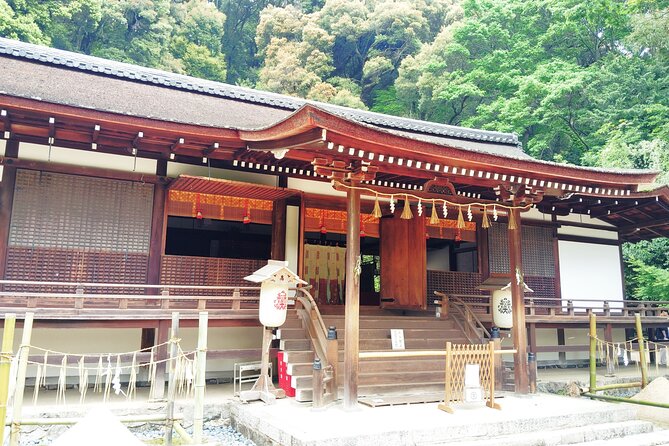
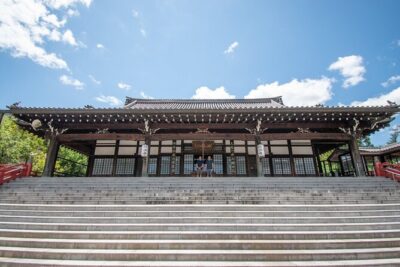
After Uji Shrine, you head uphill to Ujigami Shrine. This is one of the tour’s most important moments, because it is a UNESCO World Heritage Site and is described as Japan’s oldest existing Shinto shrine structure.
You are there for the architecture and for the historical role it played as a protective shrine. With your guide’s storytelling, you can connect the physical age of the shrine to its cultural job in the past, which is often the difference between seeing a building and understanding why people cared about it.
Expect about 30 minutes here, which gives you room to look closely. This is also the stop where you are most likely to feel the tour’s value as a guided experience. Without context, it is easy to treat a shrine as a quick stop. With context, you start noticing what the guide points out, like the long continuity of a worship site.
If you are sensitive to crowds, you will probably appreciate the general calm of Uji. Still, shrine sites can have visitors, so arrive with a flexible mindset and expect the pace to be slow and deliberate.
Byodoin Temple and the Phoenix Hall, 1052 and Pure Land icon power
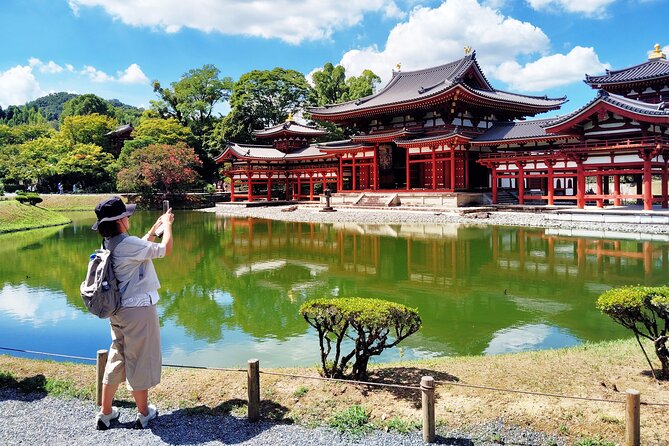
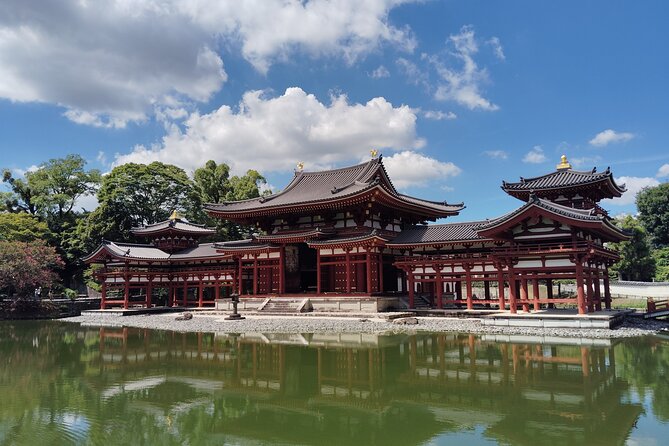
The final stop is Byodoin Temple, the crown jewel of Uji’s cultural heritage on this route. Construction dates back to 1052, and the real star is the Phoenix Hall.
Your tour includes the Byodoin Temple admission, so you do not need to worry about ticket timing for this part. The Phoenix Hall is highlighted as one of the finest surviving examples of Pure Land Buddhist architecture, and it is a national icon. You will also get context tied to its cultural importance, which helps you understand why this hall is so often referenced when people talk about Japanese Buddhist art and design.
Time here is about 50 minutes, which is a solid chunk. It is long enough to take in the hall, understand what makes it distinct, and still have time to look around before you wrap up. The likely downside is that Byodoin can become a visual “stop clock,” meaning you may want more time for photos and quiet looking. But the tour is designed to end here, not to turn it into a full self-guided day.
The end location is convenient too. You finish at Byodo-in Temple, which is described as easily accessible to the train station and other destinations. That is helpful if you plan to keep moving the same day.
What you learn beyond temple facts
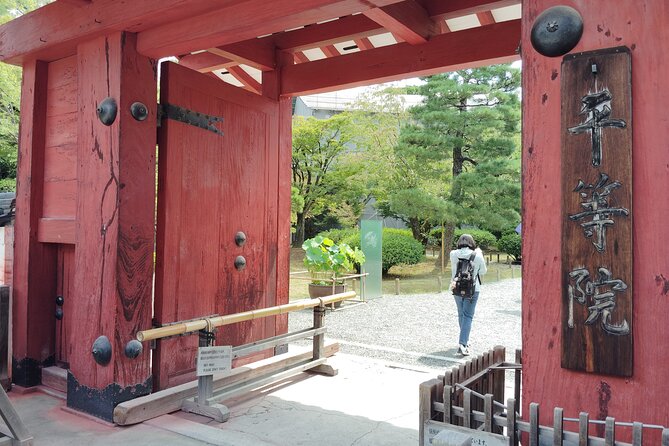
A strong guided tour does two things: it gives you context, and it gives you ways to keep seeing after you leave. This one leans into both.
One guide mentioned in a standout experience is Kina, who is described as full of knowledge about Uji and Japan overall. The really practical part is that she also gave insight into contemporary Japan, which can change how you interpret daily life you see outside the temples. When a guide connects past and present, you stop thinking of these sites as isolated artifacts.
Even if your guide is different, you can expect the tour to focus on stories and historical meaning, not just directions. You are walking through multiple spiritual spaces, and the guide helps you avoid mixing them up in your head. You also get that “feel it” element the tour description is pointing toward, where riverside paths and gates become part of the lesson.
If you like learning that stays grounded, this is a good style. It is not a marathon lecture, and it is not a scavenger hunt for landmarks. It is a structured walk with human pacing.
A day of temples goes further with something to break it up.




Price and value, what you are paying for
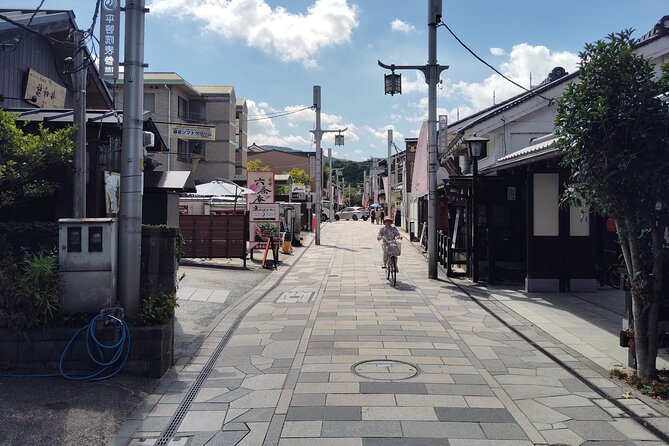
Let’s be honest about the number. At $114.59 per person for about 2 hours, this is not a cheap add-on. But it is also not charging you only for walking next to a map.
You are paying for a professional local guide, plus an itinerary that organizes time across major sites. You also benefit from free admission at Ujibashi Bridge, Uji Shrine, and Ujigami Shrine, while Byodoin Temple admission is included. That mix matters because it reduces the “wait, buy, re-check, lose time” friction that self-guided days often create.
You may also see group discounts, and the tour uses a mobile ticket. Those are small details, but they affect stress level. Less hassle on arrival means you can spend more of those two hours actually looking at the places.
The best value tends to show up if you do not want to research for hours ahead. If you already know Japanese temple history deeply, you may find the guidance less essential. If you are more curious than informed, it is usually worth paying for the context.
Logistics that affect your comfort (without stealing your day)
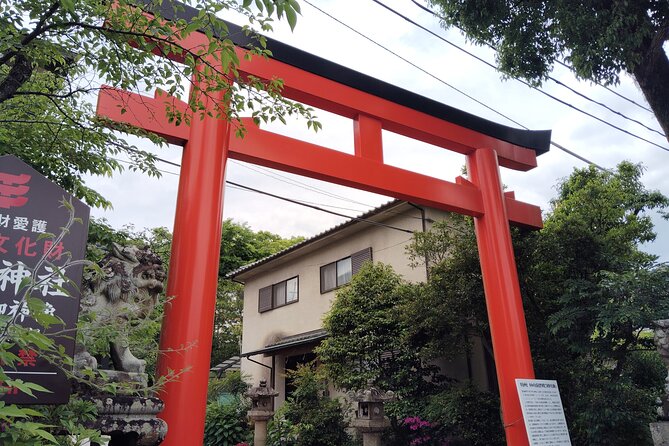
This tour is listed as mobile-ticket friendly and private for your group. It is also near public transportation, and the route starts at the Statue of Murasaki Shikibu area in Uji and ends at Byodoin Temple.
Because the duration is short, timing matters. If your day is already packed, plan buffer time around the start point. Uji is generally calmer than central Kyoto, but you still want to show up with enough margin to settle in before the first stop.
Also consider the amount of walking. It is a walking tour, and while it is not described as an all-day hike, you will move between sites. Comfortable shoes are the simplest “bring this or regret it” item for this kind of route.
Who should book this Uji UNESCO walk
This tour is a strong fit if you want a structured introduction to Uji without turning the day into a research project. It also suits people who like spiritual sites but want the meaning explained in plain terms.
You might especially enjoy it if:
- You are spending time in Kyoto area and want a different pace than the busiest tourist corridors
- You want UNESCO context without switching between separate ticket lines and maps
- You prefer a local guide who connects history with how Japan feels today
It might be less satisfying if you are a hardcore architecture lover who wants long, detailed study time at just one location. In that case, you might want a longer Byodoin Temple plan and extra independent time around the grounds.
Should you book this tour?
If you want a focused, low-stress way to see Uji’s most important heritage sites in one smooth route, I would book it. The pairing of free-admission stops plus guided time at Byodoin Temple makes the price feel more rational, and the private group setup helps you keep control of the pace.
I’d especially choose it if you value storytelling and want someone to connect the dots between a 7th-century bridge, older Shinto structures, and Pure Land architecture from 1052. If you end up with a guide like Kina, you should get extra payoff from thoughtful explanations and links to contemporary Japan, not just temple trivia.
FAQ
How long is the Uji UNESCO walking tour?
The tour runs for about 2 hours (approximately).
What does it cost per person?
The price is $114.59 per person.
Is this tour private?
Yes. It is listed as a private tour or activity, meaning only your group participates.
Are there admission fees during the tour?
Admission is free for Ujibashi Bridge, Uji Shrine, and Ujigami Shrine. Admission to Byodoin Temple is included.
Where does the tour start and end?
It starts at the Statue of Murasaki Shikibu, Renge-5-2 Uji, Kyoto 611-0021, Japan, and it ends at Byodo-in Temple, Renge-116 Uji, Kyoto 611-0021, Japan.
What is the cancellation policy?
Free cancellation is available up to 24 hours in advance of the experience start time for a full refund.
New This Season
- Kyoto: Enjoy Byodoin Temple and Tea Sweets – 90 Min Tour
- Kyoto & Uji Private Customized Tour with English Driver
- Kyoto: Zen Meditation & Zen workshops with a Westerner Monk!
- Kyoto: Tea Museum and Tsuen Teahouse Guided Tour
- 7 Hours Private Guided Tour Uji and Wazuka Matcha Farm
- Experience Authentic Japanese Home Cooking in Kyoto
- Utilising upcycled Matcha! Creating matcha incense (Uji, Kyoto)
- Kyoto tea town for matcha lovers
Historical Tours, compared.

Kyoto Gion: 2-Hour Geisha Culture & History Walking Tour
Read our review →
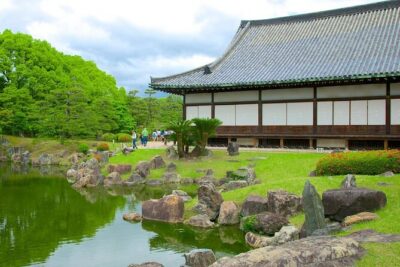
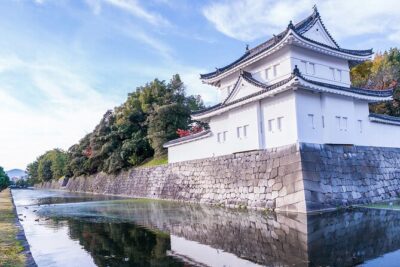
Nijo Castle World Heritage Guided Tour with Admission
Read our review →
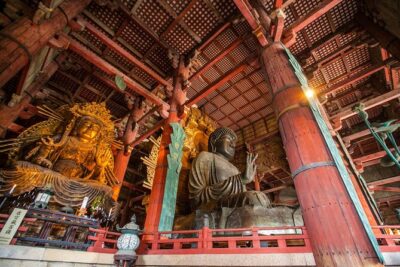
Nara History Guided Half Day Bus Tour with Lunch
Read our review →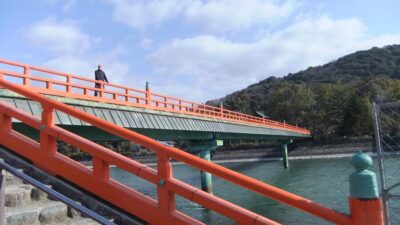
Private car tour Let’s uncover secrets of majestic Kyoto history
Read our review →Also filed under