
Reviewed · MATCHA & GREEN TEA TASTINGS
Uji and Wazuka Matcha Farm Half Day Private Guided Tour
Tea heaven, minus the tourist script. This 4-hour private matcha tour threads Uji River strolls and the historic Ujibashi Bridge into the tea hills of Wazuka, with a real farm walk and multiple tastings.
I especially like the tea tasting with at least three different kinds, and the Japanese bento lunch that feels like part of the day, not an afterthought. Your guide Masae brings the stories, too, so you understand what you are drinking instead of just buying it.
One drawback to plan for: the farm access can be bumpy and muddy, so you will want shoes that handle uneven ground and damp paths.
In This Review
- Key highlights at a glance
- Uji to Wazuka, the tea route that feels local
- What you do with guide Masae in a private setting
- Stop 1: Uji River stroll and tea-town browsing
- Stop 2 and 3: Uji Shrine and Ujibashi Bridge
- Wazuka-cho tea valley, where the matcha tradition is the main event
- Tea tastings: how you learn to taste the difference
- Lunch is included, and it changes the feel of the day
- Price and value: when $360 per person makes sense
- Logistics that matter: time, meeting point, and the ride plan
- What to wear and bring for a real farm walk
- Who this tour fits best
- Should you book Uji and Wazuka Matcha Farm private tour?
- FAQ
- How long is the Uji and Wazuka Matcha Farm tour?
- What is included in the tea tasting?
- Is lunch included, and can I request a vegetarian meal?
- Where do I meet for the tour?
- Is this tour private?
- Will the tea farm walk be difficult?
Key highlights at a glance
- A private, guided matcha route from Uji into Wazuka, with an A/C vehicle and no need to figure out transit
- Tea tasting with at least 3 types of local tea, plus coffee and/or tea to go with your meal
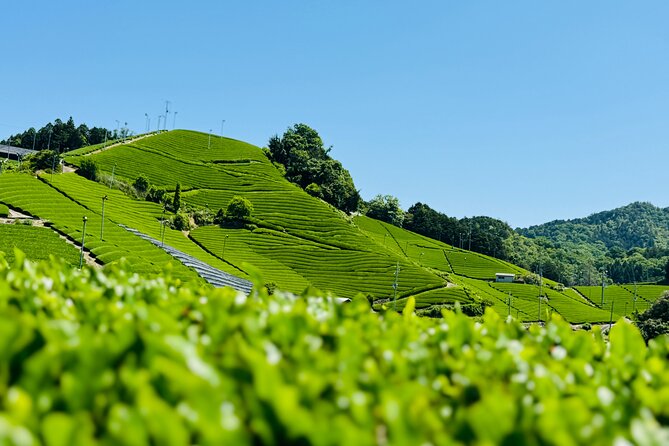
- Farm walking and a viewpoint stop in the tea valley area, so you see the setting, not just the product
- Japanese bento lunch included, with a vegetarian option if you request it in advance
- Historic Uji sights first, including Uji Shrine and Ujibashi Bridge
- Guide Masae as the anchor, with clear explanations and a friendly, patient approach
Uji to Wazuka, the tea route that feels local
If you care about matcha beyond the souvenir tin, this tour makes a strong case for why Uji and Wazuka matter. You start in Uji City, where tea shops, small streets, and river views set the mood. Then you move to Wazuka, the tea-producing valley where matcha has been grown for centuries.
The big difference here is that you do not just pass through the area. You slow down. You walk where the tea is grown. And you taste multiple types, which is the fastest way to understand how matcha can vary.
This is also a smart format if you do not have a full day to spare. Four hours is enough time to see the highlights and still feel like you did something meaningful.
What you do with guide Masae in a private setting
This is a private tour, meaning it is only your group. That matters in Japan, where shared tours can sometimes feel like a conveyor belt. With your own guide, you can set a calmer pace, ask questions, and spend a little extra time at the spots you care about most.
Your guide is Masae. Across the experience details, Masae is positioned as the person who explains tea farming and matcha culture in a way that connects history, flavor, and how the work gets done. Expect a friendly flow, not a lecture. The tour is built around walking, tasting, and eating, so the explanations fit naturally into the day.
The transport is also handled for you. You ride in an air-conditioned vehicle between stops, which is a comfort win in warm or humid weather.
Whisk your own bowl of matcha
- Kyoto: Tea Museum Tickets and Matcha Grinding Experience
★ 4.9 · 739 reviews - Uji: Green Tea Tour with Byodoin and Koshoji Temple Visits
★ 4.8 · 72 reviews - Slow Cycling Tour at Uji’s Matcha Green Tea Fields and Heritage
★ 5.0 · 25 reviews - Kyoto Matcha Green Tea Tour
★ 4.5 · 23 reviews
Stop 1: Uji River stroll and tea-town browsing
The tour begins around JR Uji Station, at the meeting point listed as Itoh Kyuemon in the station area. From there, you head into central Uji for a walk along the Uji River and the surrounding small-town streets.
This part lasts about 30 minutes. It is short, but it is a good way to get your bearings quickly. You also have time to pass by shops and matcha cafes, which is handy if you like looking before you buy.
Practical note: if you are hoping for a deep shopping session, this is not the longest stop. Think of it as a warm-up, so you can spot what style of tea products you might want later.
Stop 2 and 3: Uji Shrine and Ujibashi Bridge
After Uji River, you visit Uji Shrine for about 10 minutes. The tour info lists admission ticket free for this stop. It is a quick visit, but it adds context to the area’s long relationship with tradition and local culture.
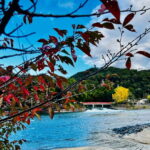
Then comes Ujibashi Bridge, also about 10 minutes, listed as the oldest bridge of Japan in the tour description. Even if you only spend a few minutes here, it is a classic Uji photo moment. More importantly, it helps frame why Uji is the kind of place where tea culture is not new or trendy, it is part of everyday life.
These two stops work well because they break up the day: you get a calm, historic start before switching gears into the working tea valley in Wazuka.
Wazuka-cho tea valley, where the matcha tradition is the main event

The real heart of the tour is Wazuka-cho. This is where the schedule shifts from short sightseeing pieces into a longer, around 3-hour segment centered on tea.
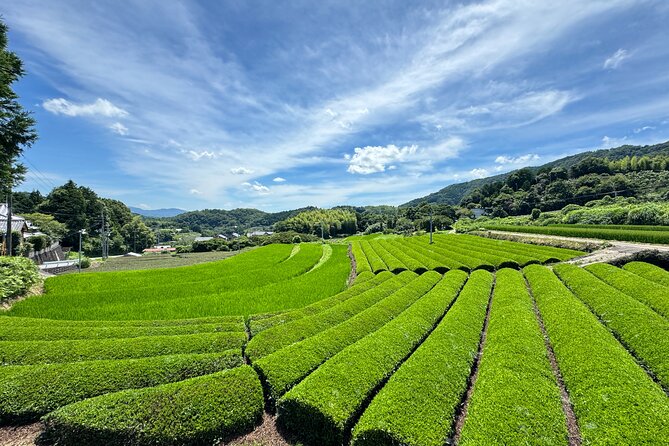
The tour describes Wazuka as a tea paradise in rolling green hills, a valley surrounded by mountains and traversed by a river. It also notes a long timeline, with matcha production going back over 800 years, once reserved exclusively for the Imperial Family.
What you actually do here is more than standing and admiring views. The experience includes:
- A magnificent viewpoint visit
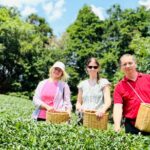
- A tea farm walk
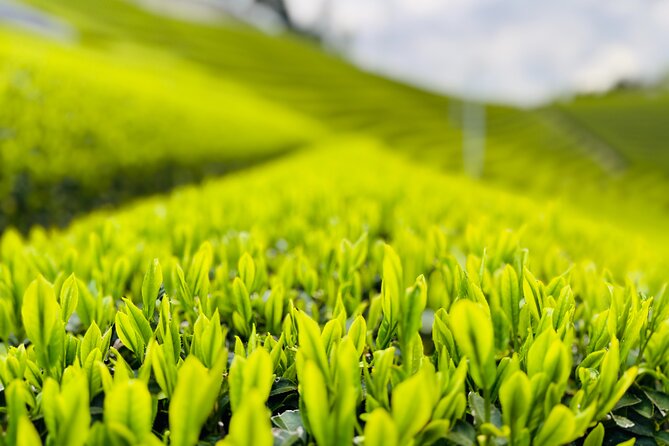
The farm walk is the part you will remember most, because it turns matcha from a taste into a process you can picture. You see the setting, you get the tea-farm perspective, and you walk close enough to understand what makes the place suitable for growing high-quality leaves.
Just be realistic about the walking conditions. The info explicitly warns that farm access can be bumpy and muddy. Wear shoes you trust on uneven ground. If you hate getting a little dirt on your soles, you may want to bring a small plastic bag to stash clean socks or wipe down shoes afterward.
Tea tastings: how you learn to taste the difference
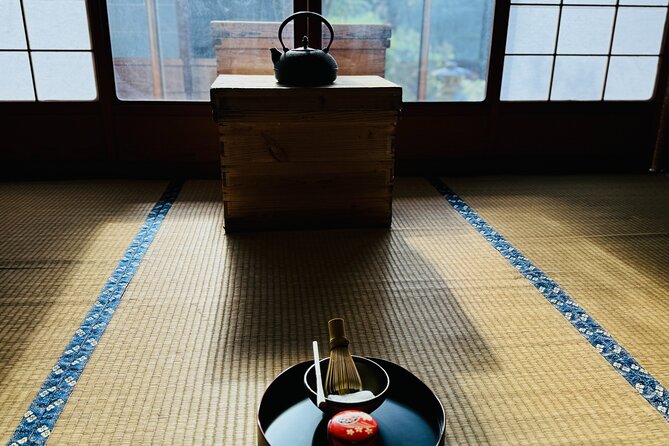
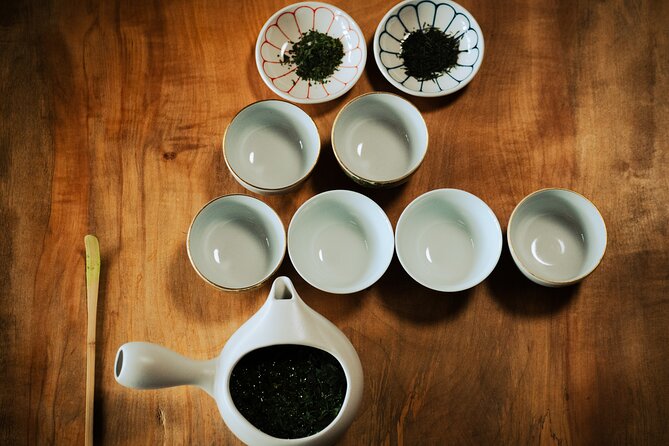
This tour includes a tea tasting as part of the experience, with coffee and/or tea plus local tea tasting in at least three different kinds. This is a big deal for value.
Why? Because tasting multiple types does not just let you buy a favorite. It teaches you what to notice. You start connecting matcha quality to taste and texture, not just to the brand name on the package.
You will also have the guide explain what you are tasting. With Masae, the goal is to make matcha make sense in your head while you still taste it fresh in your mouth. That is how you end up buying tea you actually understand, not just tea that looks good in a bag.
Depending on timing and the day’s flow, you might also get an extra hands-on moment. One portion of the experience details mentions mochi, and at least one guest experience reports making and eating mochi during the visit. I would treat that as a possible bonus rather than a guaranteed part of every tour, but it fits the overall pattern of learning through doing.
A quieter way to spend a day in Kyoto
Lunch is included, and it changes the feel of the day
A lot of half-day tours skip the real comfort part. This one includes lunch: a Japanese bento lunch set. There is also a vegetarian option if you request it in advance.
That matters because tea tasting works better with a solid meal. It also slows the pacing so your guide can take a breather, talk through what you learned, and make sure you are not rushing through the farm portion on an empty stomach.
The bento lunch is also a value anchor. At $360 per person, you are paying for more than “a driver plus photos.” The meal and the tastings are part of the package that turns the day into a full experience, not just transportation.
Price and value: when $360 per person makes sense
$360 per person for a private 4-hour tour is not a bargain price. But it can still feel reasonable depending on what you value.
Here is what you are buying for that cost:
- Private guide service with Masae
- Private transportation in an A/C vehicle
- Tea farm walking and a viewpoint visit
- Tea tasting of at least three local types
- Lunch, including a Japanese bento set
- The historic Uji stops that frame the tea story
The value equation gets better if:
- You would otherwise spend time and effort figuring out local transit to Wazuka
- Your group is small and you want flexibility
- You care about tasting and learning, not only seeing
It may be less worth it if:
- You mainly want a quick scenic outing and plan to drink tea only once
- You are traveling with a larger group and can split taxis or hire your own driver cheaply
- You do not want any walking, especially the muddy farm access risk
For many matcha lovers, the included tastings and lunch make the price feel less intimidating than it sounds at first glance.
Logistics that matter: time, meeting point, and the ride plan
The tour lasts about 4 hours. The first stops are shorter, then you spend about 3 hours in the Wazuka-cho area. That means most of your time goes to the tea-centered part of the day, which is exactly what you want.
You meet at the address tied to Itoh Kyuemon near JR Uji Station. The listed start is Itoh Kyuemon, JR Uji Station / SaboUmonji-16-1, Uji, Kyoto 611-0021, Japan.
The tour ends in a different location than where you started. The exact end point is not detailed in the provided info, but the key takeaway is to plan your onward transport accordingly. If you are catching a train or dinner reservation right after, leave a little buffer so the ending location does not surprise you.
What to wear and bring for a real farm walk
This is the one part you should take seriously. The experience notes that the farm access can be bumpy and muddy.
My practical advice:
- Wear closed-toe shoes with grip (think walking shoes, not dress shoes)
- Dress in layers, since tea areas can feel cool in the shade
- Bring a small towel or wipes if you like your hands and sleeves clean
- If you plan to buy tea afterward, consider a tote bag so shopping does not become awkward
Also, this tour includes tea tasting and lunch. You do not need to bring snacks as part of the planned experience. The info does say you can buy extras on the street if you get hungry later.
Who this tour fits best
This is a great match for:
- Matcha lovers who want more than one flavor and want context
- People who like hands-on learning, like a tea farm walk
- Solo travelers who want the comfort of private guidance
- Families that want a structured half-day with food included
- Culture-minded visitors who want both historic Uji sights and working tea life
If your idea of travel is mostly fast museum stops and no walking, you might find the farm segment tougher. But if you are okay with short-to-moderate walking on uneven ground, you will likely enjoy it.
Should you book Uji and Wazuka Matcha Farm private tour?
Book it if you want a tea day that feels like it has a point. The combination of Uji River and historic Uji sights, followed by a long Wazuka tea-valley segment, makes the day feel balanced. The tea tasting of at least three kinds plus lunch included is what turns it from a tour into a full food and flavor experience.
I would not book it if you are expecting a purely scenic sit-down experience, or if muddy farm walking is a hard no. In that case, you might prefer a simpler Uji-focused tea and shopping outing.
If you do book, my top tip is to request the vegetarian option early if it applies to your group. And plan your shoes like you are going for a real walk, because in Wazuka, that is exactly what you will do.
FAQ
How long is the Uji and Wazuka Matcha Farm tour?
The tour is about 4 hours.
What is included in the tea tasting?
You get coffee and/or tea, plus a local tea tasting with a minimum of 3 different kinds.
Is lunch included, and can I request a vegetarian meal?
Yes. Lunch is included as a Japanese bento lunch set, and there is a vegetarian option with advanced request.
Where do I meet for the tour?
The meeting point is Itoh Kyuemon at JR Uji Station, with the listed address SaboUmonji-16-1, Uji, Kyoto 611-0021, Japan.
Is this tour private?
Yes. It is a private tour, and only your group participates.
Will the tea farm walk be difficult?
The tour info notes that farm access can be bumpy and muddy, so it is best to wear shoes that handle uneven, damp ground.
New This Season
- Kyoto: Discover Uji’s Two Hidden World Heritage Treasures
- Kyoto: Enjoy Byodoin Temple and Tea Sweets – 90 Min Tour
- Kyoto & Uji Private Customized Tour with English Driver
- Kyoto: Zen Meditation & Zen workshops with a Westerner Monk!
- Kyoto: Tea Museum and Tsuen Teahouse Guided Tour
- 7 Hours Private Guided Tour Uji and Wazuka Matcha Farm
- Experience Authentic Japanese Home Cooking in Kyoto
- Utilising upcycled Matcha! Creating matcha incense (Uji, Kyoto)
Matcha & Green Tea Tastings, compared.

Arashiyama Bamboo Forest, Monkeys, Matcha & Temple Tour
Read our review →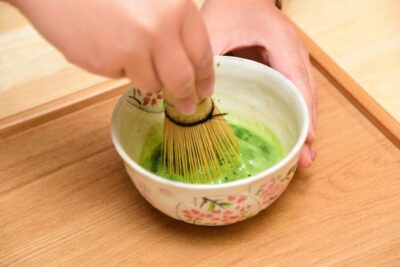
Tea Museum Tickets and Matcha Grinding Experience
Read our review →
Tea Ceremony Meditation – Make Matcha with Tea Master
Read our review →Arashiyama Bamboo, Matcha, Monkeys & Temple Tour
Read our review →

Arashiyama Bamboo, Temple, Matcha, Monkeys & secret spots
Read our review →
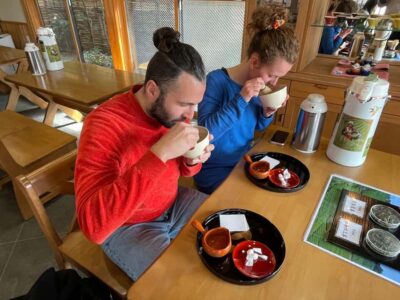
Green Tea Tour with Byodoin and Koshoji Temple Visits
Read our review →Also filed under