
Reviewed · MATCHA & GREEN TEA TASTINGS
Slow Cycling Tour at Uji’s Matcha Green Tea Fields and Heritage
Uji tastes like matcha and calm. I like the slow pace and the fact that you ride a real BROMPTON bike while a guide handles the route, timing, and history stops. You will see classic Uji highlights like Uji Shrine, Koshoji, and the river walk by Amagase, plus matcha-focused tea culture at Chazuna. One thing to plan for is that a couple of entry fees are optional extras, so your final spend may be a bit more than the headline price.
This is a 4 hour 30 minute, small-group tour capped at 6 people, starting at Chatsubo PostboxJapan near Uji Station and ending back where you began. The course can also be arranged according to your wishes, which is a nice flex when you have limited time in Kyoto’s tea town.
In This Review
- Key points before you go
- Uji by Brompton: why this slow cycling format works
- Price and value: what the $130.46 includes (and what it does not)
- Starting with tea culture at Chazuna (Chazuna exchange center)
- Uji Shrine: a short stop with big meaning
- Ujigami Shrine and Kirihara Water: where the grounds still matter
- Asagiri Bridge: the quick photo break that changes the mood
- Koshoji Temple and the Kotosaka stone approach
- Amagase Dam and the Amagase Bridge: the calm river stretch
- Byodoin Omotesando and the Phoenix Hall add-on at the end
- The guide experience: English, flexible pacing, and real local guidance
- Who should book this Uji slow cycling tour, and who should skip it
- Should you book? My take on booking this 4.5-hour Uji tour
- FAQ
- What is the duration of the Uji Slow Cycling Tour?
- How much does the tour cost?
- What time does the tour start, and where does it meet?
- Are the bicycle and safety items included?
- Are admission tickets included?
- Is insurance included?
- What if the weather is bad?
Key points before you go
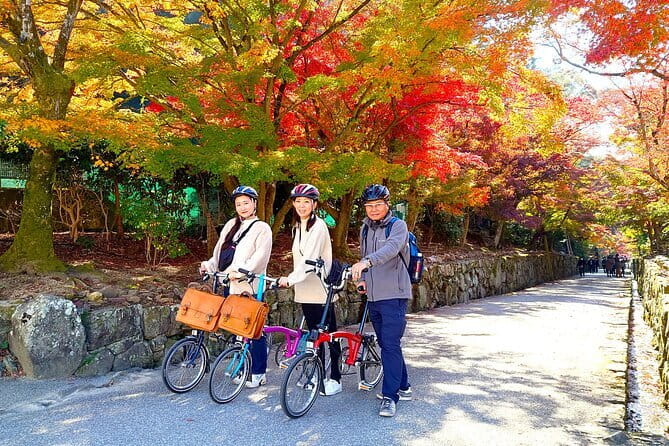
- Brompton ride, not a big-bike commitment: You get helmets and carry-friendly bike bags, and the pace is easy for most people.
- Tea culture starter at Chazuna: A 45 minute stop gives context for what you are tasting later.
- Shrines, temples, and peaceful water views: Uji’s quieter spiritual sites plus photo moments like Asagiri Bridge.
- Amagase stretch feels like a reset: A 1 hour nature trail along the river leads to the wooden Amagase Bridge.
- Small group, English guide, and flexible course: You get an English navigator who can tailor the day to your wishes.
Uji by Brompton: why this slow cycling format works
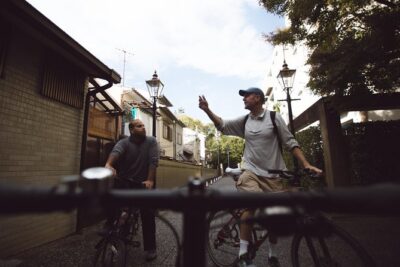
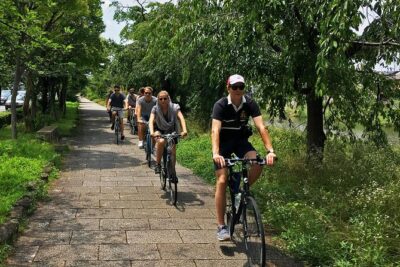
If you want Uji to feel calm instead of crowded, this format is the reason. Riding a Brompton at an easy rhythm lets you actually look around, stop for photos without rushing, and chat with your guide when something sparks your interest.
I also like that the setup is low-stress. You do not need to bring cycling gear, because helmets and bike equipment are provided, plus there is luggage space for wheeled transport bags. With a group capped at 6 travelers, you are not lost in a crowd, and the navigator can keep everyone together.
The bikes and the ride style also help if you are not especially confident physically. “Slow cycling” here is not just a marketing label, it is baked into the itinerary timing, with lots of short stops and a big chunk of gentle riding.
Price and value: what the $130.46 includes (and what it does not)
The listed price is $130.46 per person, and it covers the core experience ingredients. You get the bicycle rental fee, the exclusive navigator fee, bicycle equipment like helmets and transport bags, and an English guide.
Where value gets real is that you are paying for local routing and timing, not just for a bike. Uji’s best spots include small roads and calm back routes where a navigator helps you avoid wandering and helps you understand what you are looking at once you arrive.
You should budget a little extra for optional costs. Insurance is an optional add-on (500 yen). The Chazuna entrance ticket is optional (600 yen), and the Byodoin Phoenix Hall entrance fee is optional (700 yen). Snacks are also not included, but your navigator can suggest places to eat based on your preferences.
Whisk your own bowl of matcha
- Kyoto: Tea Museum Tickets and Matcha Grinding Experience
★ 4.9 · 739 reviews - Uji: Green Tea Tour with Byodoin and Koshoji Temple Visits
★ 4.8 · 72 reviews - Kyoto Matcha Green Tea Tour
★ 4.5 · 23 reviews - Uji and Wazuka Matcha Farm Half Day Private Guided Tour
★ 5.0 · 21 reviews
Starting with tea culture at Chazuna (Chazuna exchange center)
The tour begins at Chatsubo PostboxJapan, near Uji Station, which is practical if you are already moving around Kyoto by train. Once you start cycling, your first real learning moment is Chazuna, the Tea and Uji Town Exchange Center.
This stop is 45 minutes, and it focuses on Kyoto tea culture and history. If you love matcha, I think this is the smartest early stop because it gives you language and context before you start seeing temples and river scenery that shaped tea culture over centuries.
Chazuna admission is optional, so decide based on your interest level. If you are a serious matcha fan, I would treat the 600 yen as a small upgrade for understanding what you are tasting later. If you are more in the mood for scenic stops, you can potentially skip the ticket and use the time for the broader tea-culture vibe.
Uji Shrine: a short stop with big meaning
Next up is Uji Shrine for about 30 minutes. It is a very old shrine with a history of more than 1,700 years, and it is believed to be beneficial for academic success and childbirth success.
This stop is brief, which is a good thing when you are cycling between sites. You get to experience the shrine atmosphere without burning your energy, and your guide can frame what you are seeing in a way that makes the visit feel intentional rather than just photogenic.
Admission here is free, so you are not juggling ticket decisions mid-day. It is also a useful pause to slow your body down after the first riding segment.
Ujigami Shrine and Kirihara Water: where the grounds still matter
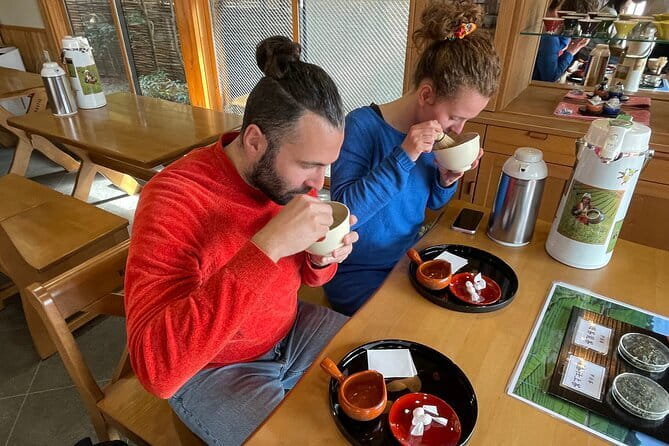
You then visit Ujigami Shrine, paired with Uji Shrine, also for about 30 minutes. This stop includes the spring known as Kirihara Water, one of the seven famous waters of Uji, still gushing from the grounds.
I like this part because it is not just “look at a shrine.” Water, local sources, and place-based meanings show up again and again in Uji, and this is one of the clearest examples. You get a sense of how the environment feeds the culture, even before you reach the river and dam segment later.
Admission is free, so your focus stays on the experience. Expect your guide to connect the dots between the tea-town reputation and what people have valued here for a long time.
Asagiri Bridge: the quick photo break that changes the mood
After the shrine stops, you ride to Asagiri Bridge for about 15 minutes. This is one of those “stop, breathe, take photos” moments over the Uji River, and it is also a nice transition from spiritual sites to nature scenery.
It is free, and the time is short on purpose. Use this moment to reset your eyes, because the next stretches are longer and more outdoorsy.
If you are bringing a camera, this is the point where you can grab a clean river shot without needing a full sightseeing budget. Also, it is a good time to check your gear, because you will soon be on a nature trail segment.
More of Kyoto's centuries, explained
Koshoji Temple and the Kotosaka stone approach
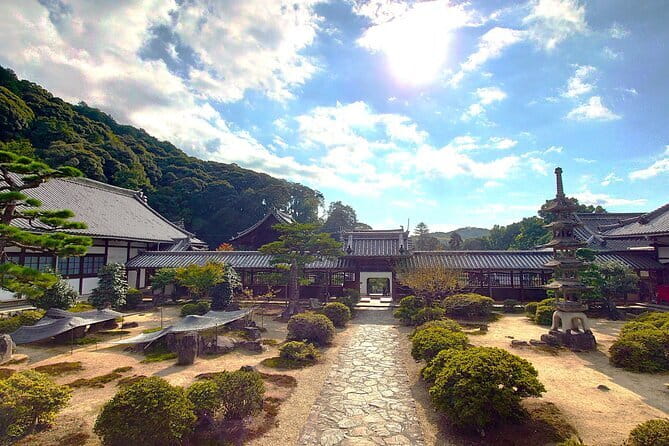
Koshoji Temple is next, again around 30 minutes. It is a Zen temple with a history of about 800 years, and the Kotosaka slope from the stone gate to the temple grounds is a beautiful stone-walled path.
This is the kind of stop I appreciate on a slow cycling day. You are not sprinting from one attraction to the next, and you get a proper walking segment inside the temple approach. The stone walls and the slope give you depth and shape to photograph, even when the day is overcast.
Admission is free, which makes it easier to keep your day flowing. The guide’s explanations here matter, because Zen spaces reward quiet attention, and it helps to know what you are looking at when you arrive.
Amagase Dam and the Amagase Bridge: the calm river stretch
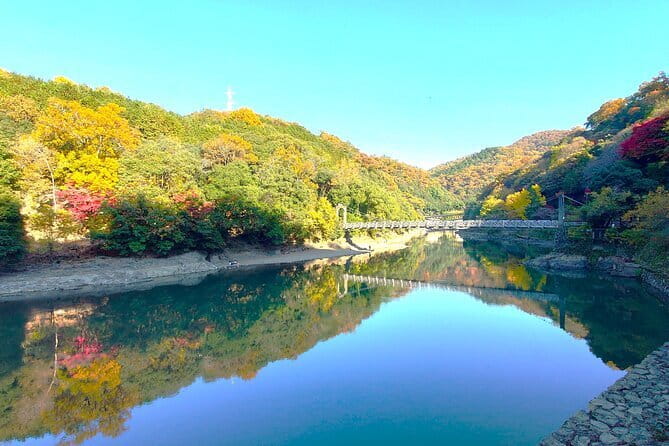
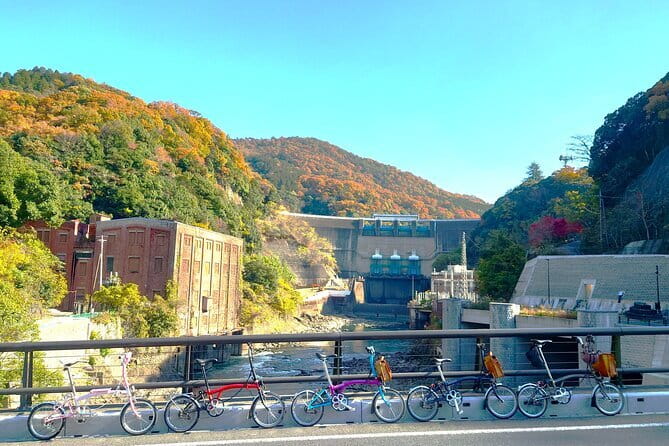
Then comes the longest segment, about 1 hour, at the Amagase Dam area. The plan is a nature trail along the Uji River that leads to the wooden Amagase Bridge, where the valley view can feel like you have stepped away from Kyoto’s energy.
I like this stop for one main reason: it adds breathing room. The shrine and temple portion gives you culture and meaning, and the river trail gives you scale and stillness. Even in hot weather, this kind of shaded riverside routing can make the difference between a tiring day and a genuinely enjoyable one.
Admission is free, and the time is long enough that you can actually enjoy the scenery instead of just snapping a quick picture and moving on. If you want a “slow travel” feeling in practical terms, this is where it shows.
Byodoin Omotesando and the Phoenix Hall add-on at the end
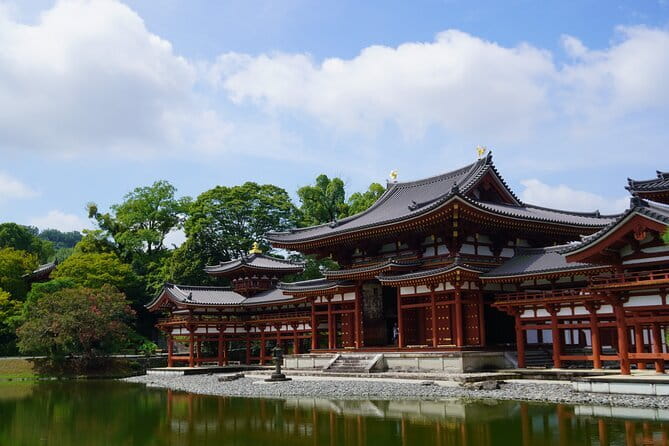
To close the day, you visit Byodo-in Omotesando. This is about 1 hour, and it is positioned as the grand finish if you want to include the UNESCO World Heritage Phoenix Hall.
By the time you return to the city, you can either visit the Byodoin Phoenix Hall, or stop for a cup of tea in one of Uji’s tea shops. If you want the UNESCO site, the Phoenix Hall entrance fee is optional at 700 yen, so it is an easy decision based on your priorities.
This finish works well because you get a mix of experiences: earlier you had tea culture framing at Chazuna, you had shrines and temples for context, and now you have a major landmark plus the option to slow down with a final tea stop.
It also helps that the tour ends back at the meeting point, so you are not left figuring out transport at the end of a half-day.
The guide experience: English, flexible pacing, and real local guidance
A big reason this tour earns top marks is the navigator quality. You get an English guide, and the course can be arranged according to your wishes, which means you are not locked into a rigid script if something interests you more.
The name Takashi shows up in the experience feedback, and the common theme is that the guide stays friendly and gives clear explanations at each stop. That kind of guiding matters most in places like shrines, temples, and tea-culture centers, where small details can be missed if you only skim.
I also like that lunch is handled in a practical way. Snacks are not included, and the navigator suggests restaurant options according to your preferences. If you care about dietary needs, you might find options like vegan and gluten-free are possible in the area, based on what I have seen tied to this kind of tour routing.
And yes, you can take photos with the stylish Brompton bike, which sounds minor until you realize you are actually in a scenic tea town, not just posing in front of a generic attraction.
Who should book this Uji slow cycling tour, and who should skip it
This tour is built for people who want a gentle active day. Most travelers can participate, and slow cycling is explicitly aimed at those who are not confident about physical fitness. If that describes you, you will likely appreciate the short stop structure and the easy rhythm.
It is also a strong match if you are a matcha fan. You get tea culture context at Chazuna and multiple chances to connect that with the places Uji is known for, from shrine beliefs to river calm.
You might want to think twice if you want a fully ticketed experience with no optional fees. Between the optional Chazuna ticket and the optional Phoenix Hall entrance, plus insurance if you choose it, your total cost can move upward. Also, if you crave long, intense cycling distances, the half-day pacing is intentionally conservative.
Should you book? My take on booking this 4.5-hour Uji tour
I would book this if your goal is a low-stress way to see Uji properly. You get a real bike experience on a Brompton, you get an English guide who can explain what you are seeing, and your route includes both cultural stops and nature scenery that feels like a break from Kyoto.
This is also a good use of limited time. At 4 hours 30 minutes, it gives you a full mini-journey across tea, shrines, temples, and river views without swallowing your whole day.
If you are deciding between skipping Uji entirely or adding a calm half-day, this tour is a smart middle path. You come away with clearer context for matcha culture and a handful of memorable places, plus the kind of photos you actually want to keep.
FAQ
What is the duration of the Uji Slow Cycling Tour?
The tour runs for about 4 hours 30 minutes.
How much does the tour cost?
The price is $130.46 per person.
What time does the tour start, and where does it meet?
It starts at 10:00 am at Chatsubo PostboxJapan, Kyoto, Uji, Umonji 1716 near Uji Station. The tour ends back at the same meeting point.
Are the bicycle and safety items included?
Yes. The tour includes bicycle rental, bicycle equipment such as helmets, and bags for wheeled transport, along with an English guide and navigator fee.
Are admission tickets included?
Not all of them. Chazuna entrance is optional (600 yen), and Byodoin Phoenix Hall entrance is optional (700 yen). Uji Shrine, Ujigami Shrine, Asagiri Bridge, and Koshoji Temple are free based on the provided details.
Is insurance included?
Insurance is not included, but an optional insurance fee is available for 500 yen.
What if the weather is bad?
The experience requires good weather. If it is canceled due to poor weather, you will be offered a different date or a full refund.
More Cycling Tours in Uji

New This Season
- Kyoto: Discover Uji’s Two Hidden World Heritage Treasures
- Kyoto: Enjoy Byodoin Temple and Tea Sweets – 90 Min Tour
- Kyoto & Uji Private Customized Tour with English Driver
- Kyoto: Zen Meditation & Zen workshops with a Westerner Monk!
- Kyoto: Tea Museum and Tsuen Teahouse Guided Tour
- 7 Hours Private Guided Tour Uji and Wazuka Matcha Farm
- Experience Authentic Japanese Home Cooking in Kyoto
- Utilising upcycled Matcha! Creating matcha incense (Uji, Kyoto)
Matcha & Green Tea Tastings, compared.
Arashiyama Bamboo Forest, Monkeys, Matcha & Temple Tour
Read our review →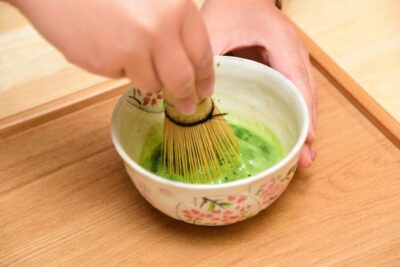
Tea Museum Tickets and Matcha Grinding Experience
Read our review →
Tea Ceremony Meditation – Make Matcha with Tea Master
Read our review →Arashiyama Bamboo, Matcha, Monkeys & Temple Tour
Read our review →
Arashiyama Bamboo, Temple, Matcha, Monkeys & secret spots
Read our review →
Green Tea Tour with Byodoin and Koshoji Temple Visits
Read our review →Also filed under