
Reviewed · TEA CEREMONIES
Uji Tea Ceremony and UNESCO Heritage Walking Tour
Uji feels like a calmer cousin to Kyoto, and this tour is a smart way to see why fast. You get two big wins right away: the UNESCO Byodo-in stop and a real tea ceremony at Taihoan. I also like that it is paced for a small group, max 9 people, so you are not just shuffled around. One thing to think about: the day is weather dependent and it is a lot of walking for about three hours, so bring shoes you can trust.
I like the way the route connects history to what you taste in the end. You start at Byodo-in’s Phoenix Hall, then you step into the tea world at Taihoan, and you finish with Uji green tea and local treats around Uji Bridge. Guides named Naoki, Maru, Katsuhiko, and Nobumasa Myake come up often for being friendly and explaining the meaning behind each stop, which makes the sights stick.
If you are hoping for a long, slow, no-rush tea immersion, you may find the tea ceremony portion on the shorter side. Still, at this price and with the included entrance fee, it is a lot of culture in one morning without the stress of planning.
In This Review
- Key highlights to look for
- Why Uji’s tea culture feels worth a short trip
- Byodo-in Temple and the Phoenix Hall in one guided hour
- Taihoan tea ceremony, 30 minutes of matcha craft
- Asagiri and Tachibara suspension bridges, plus shrine calm
- Uji Bridge finish: green tea and local treats
- Price and value: is $70 fair for this Uji day?
- Meeting point, timing, and the “real” pacing of a 3-hour walk
- What to wear and bring for Uji bridges and temple grounds
- Who should book this Uji walking tour
- Should you book the Uji Tea Ceremony and UNESCO Heritage Walking Tour?
- FAQ
- What is the duration of the Uji Tea Ceremony and UNESCO Heritage Walking Tour?
- Where do I meet the guide, and where does the tour end?
- What is included in the price?
- Is hotel pickup or drop off included?
- What is the group size limit?
- Is the tour affected by weather?
Key highlights to look for
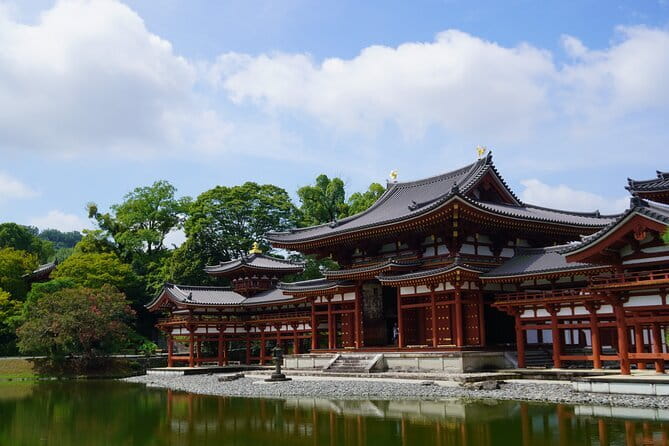
- Byodo-in in Phoenix Hall time, with admission included and a full hour on site
- Taihoan tea ceremony focus, timed and structured, with ticket included
- Bridges plus shrines, including Asagiri and Tachibara suspension bridges, plus Uji and Ujigami shrines
- A tea and snack finish at Uji Bridge, where the town’s famous green tea comes last
- Small group, max 9, which keeps questions from getting lost in the crowd
Why Uji’s tea culture feels worth a short trip
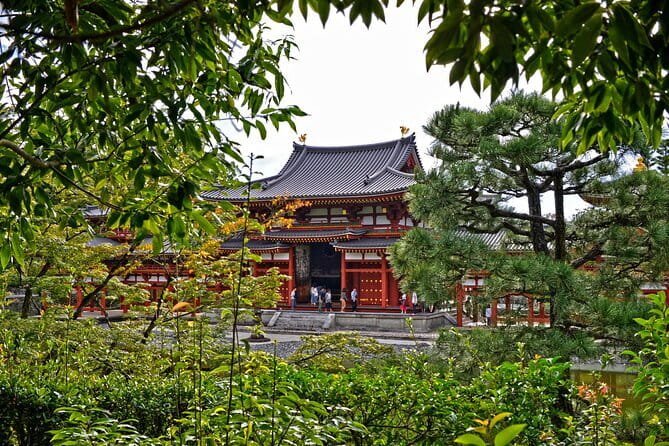
Uji is where Japan’s green tea reputation gets real, not just souvenir-real. You will feel that connection during the walk. The tour is built around places that explain how tea culture and local belief systems grew together in this area.
What makes the experience practical is that it is designed for a short window. You are not trying to see everything in Kyoto. Instead, you sample the heart of Uji: a major temple site, the tea ceremony tradition at its origin point, and the quieter shrine areas that sit along the river approach.
And because it ends at Uji Bridge, you finish somewhere easy to keep exploring on your own if you want to. You are not stuck turning around at the same exact spot.
Byodo-in Temple and the Phoenix Hall in one guided hour
Byodo-in is the anchor stop. This is the UNESCO listed temple complex, and the highlight is the Phoenix Hall, tied to more than a thousand years of history. With a full hour on site, you get time to slow down enough to notice why the architecture matters, not just take photos and rush out.
A good thing about having an English speaking guide here is interpretation. Temple buildings are impressive, but the meanings are not always obvious if you are just looking at stone and wood. A guide can point out how the Phoenix Hall’s design connects to the temple’s role and reputation over time.
You also get time around the broader temple area, and there is a museum component at the Byodo-in site that many people enjoy. If you like history that you can look at closely, this is the part of the tour most likely to satisfy you.
Practical tip: start with comfortable posture. You will be looking up and around, and you will probably stop for photos. If you have any mobility concerns, this is where you should consider going at your own pace, since the rest of the day has additional walking.
More bowls, poured the traditional way
- Uji: UNESCO Heritage & Tea Ceremony Walking Tour
★ 4.6 · 54 reviews - Kyoto: Tea Museum and Tsuen Teahouse Guided Tour
★ 5.0 · 2 reviews - Kyoto: Tea Ceremony in a Traditional Tea House in Kiyomizu
★ 4.9 · 3,519 reviews - Kyoto: Tea Ceremony Ju-An at Jotokuji Temple
★ 4.9 · 3,207 reviews
Taihoan tea ceremony, 30 minutes of matcha craft

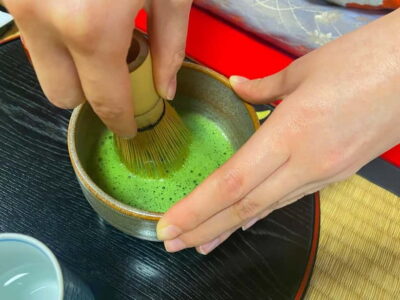
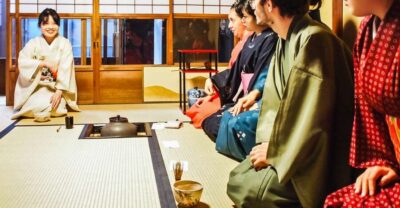
Taihoan is the tea stop, and it is the one that turns Uji from a place you visited into a place you remember. This is where the tradition of tea preparation is taught in a formal, step-by-step way. It is described as the birthplace of Japan’s green tea, and that context changes how you pay attention.
The tea ceremony block is listed as 30 minutes, with about 40 minutes total at Taihoan. That timing matters. You get a real ceremony experience, but it is not a half-day event. One downside you should know: if you were hoping for a very long, slow ceremony with lots of extra practice time, you might feel the session is brief. Still, short does not mean shallow here. The value is in doing it in a guided setting where you understand what each movement is for.
If you are doing this as a Kyoto add-on, it is also the right contrast. Temples can be grand and visually heavy. The ceremony is quiet, precise, and focused on taste and ritual.
What to do before you sit down: take a breath first. People sometimes show up a bit keyed up from walking and photos. Let yourself settle. The best part of a tea ceremony is how it teaches you to notice small differences, and you will get more out of it if your mind is not sprinting.
Asagiri and Tachibara suspension bridges, plus shrine calm
After Byodo-in and Taihoan, the pace shifts to outdoors and quieter places. This is where the tour becomes scenic without getting overly touristy.
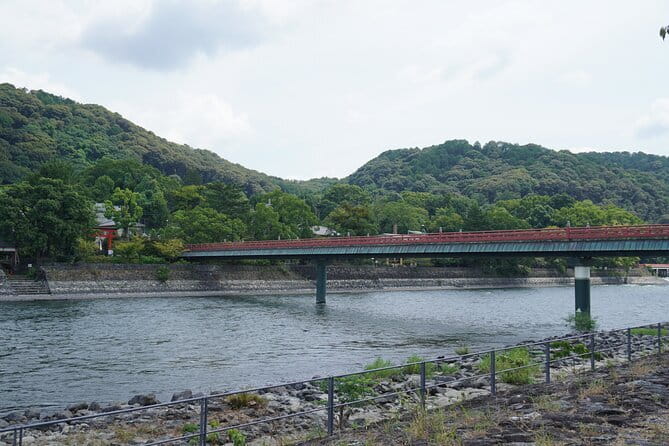
You will spend time around Asagiri Bridge, including views from the Tachibara and Asagiri suspension bridge areas. Expect short scenic breaks rather than a long hike. The payoff is a few strong viewpoints where the river approach and hills make Uji feel distinct from bigger-city sights.
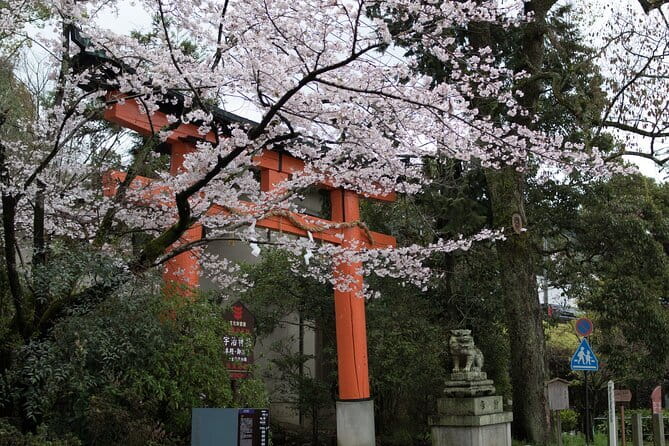
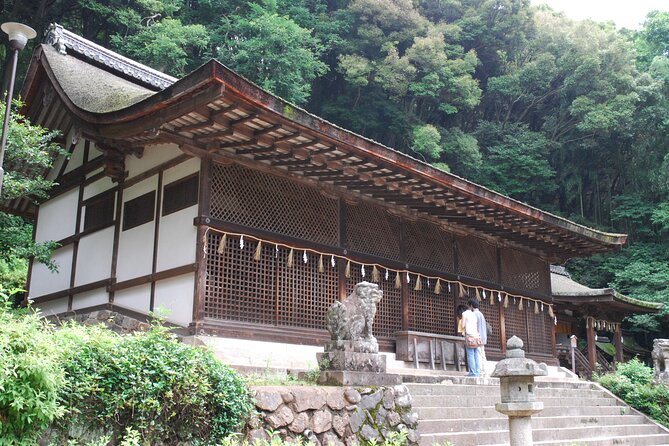
Then you move into shrine time with Uji Shrine and Ujigami Shrine. These are historic sites, and the point here is atmosphere. Shrines work best when you are not rushing through. The route gives you about 20 minutes at this stop area, which is enough to pause, look around, and take in the cultural significance without turning it into a checklist.
Practical tip: bring a small layer if it is cool. Bridge areas can feel breezier than you expect. Also, since this is a walking tour, keep an eye on footwear. Suspension bridge sections can be photogenic, but the ground still needs traction.
Uji Bridge finish: green tea and local treats
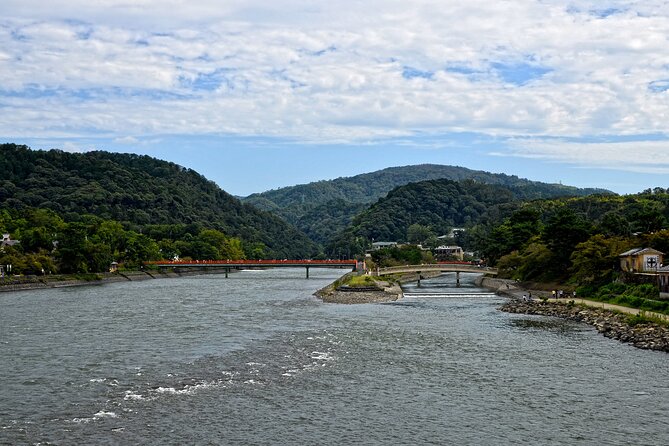
The last stop is Uji Bridge, and this is where the tour cashes in on the tea theme. You get about 45 minutes here, and it is the stretch that feels most like a normal Uji morning, not a schedule.
The tour description highlights tasting Uji’s famed green tea and local delicacies to end the experience. That is a smart way to close the loop. After learning about tea preparation and the town’s tea roots, you finally get the flavor in your hand.
One caution: the tour includes tea ceremony and Byodo-in admission, but it does not list every snack cost as included. Personal expenses are not included. So I treat this as a chance to sample included or offered tastes, then decide what else you want to buy on your own.
If you are a matcha person, this is where you can compare what you learned at Taihoan with what the town serves in everyday form. If you are not a matcha person, green tea tasting still helps you understand why Uji is famous, even if you keep it to a small portion.
Price and value: is $70 fair for this Uji day?
At $70 per person, you are paying for three things that are hard to replicate cheaply on your own: an English speaking guide, admission for Byodo-in, and a tea ceremony experience with tickets included.
Break it down in plain terms. A guided walk saves you time figuring out what matters at Byodo-in. Tea ceremony pricing varies, and you are getting a structured experience plus the ceremony location logistics. Then there is the UNESCO stop, which is the most ticketed part of the day.
What helps this price feel fair is the group size cap of 9 travelers. Small groups usually mean more questions answered and fewer moments of being left behind. It also means the guide can keep you on a good rhythm between stops, which matters when you only have about three hours.
If you compare this to doing it independently, the biggest cost is not just money. It is your energy and planning time. This tour buys you a coherent route: temple to tea to bridges to shrines to tasting, all in one morning.
More of Kyoto's centuries, explained


Meeting point, timing, and the “real” pacing of a 3-hour walk
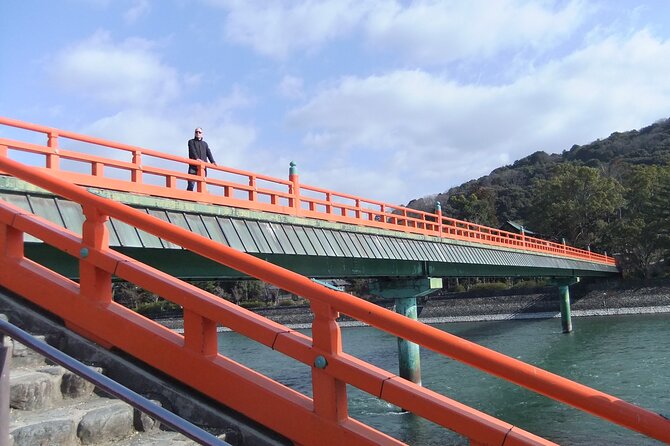
The tour starts at 9:45 am at Uji Station, located at 1716 Uji Ujimonji, Uji, Kyoto (611-0021). You end at Uji Bridge, Otsukata Uji, Kyoto (611-0021). There is no hotel pickup or drop off, and the meeting point is near public transportation.
The total duration is about 3 hours. That sounds short until you realize you have a full hour at Byodo-in plus a tea ceremony session plus several scenic and shrine stops. The good news is the time is broken into chunks, so you are not standing in one place for long stretches.
Here is the practical rhythm you will feel:
- An hour for Byodo-in, where you have time to look properly
- About 40 minutes at Taihoan, including a 30-minute ceremony block
- Short bridge viewing time
- A shrine visit long enough to slow down
- A longer final hang at Uji Bridge for tea and tasting
Because it requires good weather, you should plan your day with flexibility. If conditions are rough, the experience can be changed or refunded.
What to wear and bring for Uji bridges and temple grounds
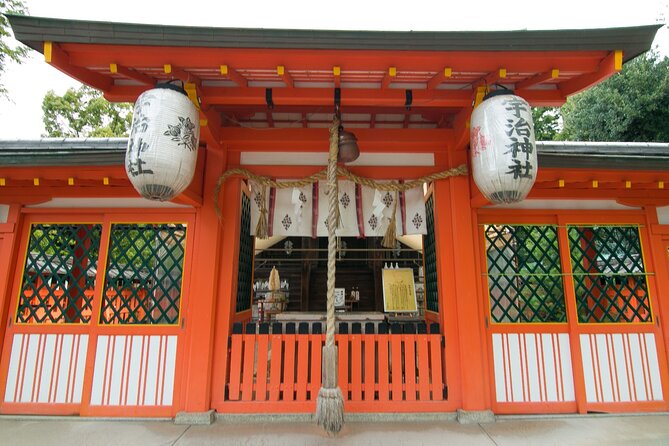
This tour is outdoors more than you might expect, even though it starts with a temple. You will be walking between sites and spending time near bridges where wind and uneven ground can happen.
Wear:
- Comfortable shoes with grip
- A layer you can add or remove (bridges can feel cooler)
Bring:
- A small day bag for water and a light snack, since personal expenses are not included beyond what the tour provides
- Your camera, but also your time. The best views often happen when you step back from the phone screen.
Also, because you start at 9:45 am, give yourself buffer time getting to Uji Station. Near public transportation is a plus, but trains and connections still need a little cushion.
Who should book this Uji walking tour
This is a strong match for people who like history with meaning, not just photos. If you want to connect UNESCO architecture and ritual tea culture to the landscape of Uji, this tour does that in one morning.
It is also a good option if you are staying around the Kyoto area but want a different vibe than the city crowds. Uji feels quieter, and the schedule reflects that with shrine calm and bridge viewpoints.
It can work for families too, especially if your kids can handle short segments and a guided story. One of the guide experiences highlighted smooth timing with children, which suggests the route can be family friendly when guided well.
Should you book the Uji Tea Ceremony and UNESCO Heritage Walking Tour?
I would book it if you want a clear, low-stress route through Uji that mixes the big names with the quieter spiritual stops, and you are willing to walk for about three hours. The tea ceremony at Taihoan is the emotional core, and the Byodo-in stop is the historical anchor. Finish with the tasting, and you leave with both a story and a flavor.
I would reconsider if you dislike walking, if you are sensitive to weather changes, or if you only want a long, in-depth tea session. The ceremony is real, but it is timed.
If your goal is to understand why Uji tea matters, not just to buy it, this tour is a tidy value at $70. Small group size and included admission make it feel like a guided morning you will actually use later when you talk about the trip.
FAQ
What is the duration of the Uji Tea Ceremony and UNESCO Heritage Walking Tour?
The tour runs for about 3 hours.
Where do I meet the guide, and where does the tour end?
You meet at Uji Station (611-0021 京都府宇治市宇治宇文字1716). The tour ends at Uji Bridge (Otsukata Uji, Kyoto 611-0021).
What is included in the price?
The tour includes an English speaking guide, a tea ceremony (listed as 30 minutes), and entrance fees to Byodo-in. The itinerary also lists tickets included for Byodo-in and Taihoan.
Is hotel pickup or drop off included?
No. Hotel pickup and drop off are not included.
What is the group size limit?
The tour has a maximum of 9 travelers.
Is the tour affected by weather?
Yes. The experience requires good weather. If it is canceled due to poor weather, you will be offered a different date or a full refund. You can cancel for a full refund if you cancel at least 24 hours in advance.
More Walking Tours in Uji


New This Season
- Kyoto: Discover Uji’s Two Hidden World Heritage Treasures
- Kyoto: Enjoy Byodoin Temple and Tea Sweets – 90 Min Tour
- Kyoto & Uji Private Customized Tour with English Driver
- Kyoto: Zen Meditation & Zen workshops with a Westerner Monk!
- Kyoto: Tea Museum and Tsuen Teahouse Guided Tour
- 7 Hours Private Guided Tour Uji and Wazuka Matcha Farm
- Experience Authentic Japanese Home Cooking in Kyoto
- Utilising upcycled Matcha! Creating matcha incense (Uji, Kyoto)
Tea Ceremonies, compared.
Tea Ceremony in a Traditional Tea House in Kiyomizu
Read our review →
Kimono Tea Ceremony at Kyoto Maikoya, NISHIKI
Read our review →
Tea Ceremony in 100-year-old Kyo-Machiya Townhouse
Read our review →
Also filed under