
Reviewed · TEA CEREMONIES
Uji: UNESCO Heritage & Tea Ceremony Walking Tour
Matcha finds its voice in Uji. This 3-hour walking tour strings together Byodoin Temple (a UNESCO World Heritage Site), a tea ceremony at Taihoan, and scenic bridge crossings for a day that feels both cultural and easy to follow. I especially like the way the tour gives context at the big sights, and I like the calm, hands-on structure of the tea ceremony so you know what you are seeing and doing. One heads-up, the tea ceremony has rules, including no photo or video and a Japanese-only flow with guide translation.
I also love the pacing for a small group, capped at 9 people, so questions do not get lost in the crowd. The walking portions are short, and the best part for many people is crossing the Tachibara and Asagiri suspension bridges for wide views over Uji. The main consideration is simply that this is not a sit-everywhere tour, so wear comfortable shoes and be ready for a gentle but steady walk.
In This Review
- Key points to lock in before you go
- From JR Uji Station to a City Built on Tea
- Byodoin Temple: The UNESCO Stop You Actually Get
- Taihoan Tea Ceremony: Etiquette, Translation, and Calm
- Tachibara and Asagiri Suspension Bridges for Big Uji Views
- Uji Shrine and Ujigami Shrine: Meaning Beyond the Signboard
- Snacks and Matcha Stops: Taste What Uji Does Best
- Price and Timing: Why $66 Can Feel Fair
- Small-Group Guides, Real Personality, and What to Ask
- Who This Tour Fits Best (and Who Should Skip)
- Should You Book Uji UNESCO and Tea Ceremony Walking Tour?
- FAQ
- Where does the tour start?
- How long is the Uji walking tour?
- What is included in the price?
- Is the tea ceremony filmed or photographed?
- Is the tea ceremony in English?
- What should I bring?
- Is this tour suitable for everyone?
Key points to lock in before you go
- Byodoin Temple, guided, with the UNESCO context made practical
- Taihoan tea ceremony, with clear etiquette and guide translation
- Suspension bridge views on Tachibara and Asagiri for dramatic angles
- Uji Shrine and Ujigami Shrine, explained in a way that connects to daily life
- Green tea and snack time so matcha is not just a word on a menu
From JR Uji Station to a City Built on Tea
The tour starts at JR Uji Station (South Exit), where your guide waits with a TripGuru shirt or a sign. That matters because Uji is small enough that getting turned around early can waste your energy, and this meeting point keeps things simple. You are walking through town at a comfortable pace, which is a big plus when you only have half a day.
At 3 hours total and a maximum group size of 9, the flow stays manageable. I like that you spend real time at the key stops instead of doing a quick photo sprint, and you still get room for cultural stops and food. The guide is there to steer you, so you can focus on what you are seeing, not on translating every label by yourself.
Timing is straightforward on paper, but in Japan, reality can differ. The tour info calls out heavy morning traffic as a factor that can vary from what navigation apps show, so leave extra margin when you head to the station.
Byodoin Temple: The UNESCO Stop You Actually Get
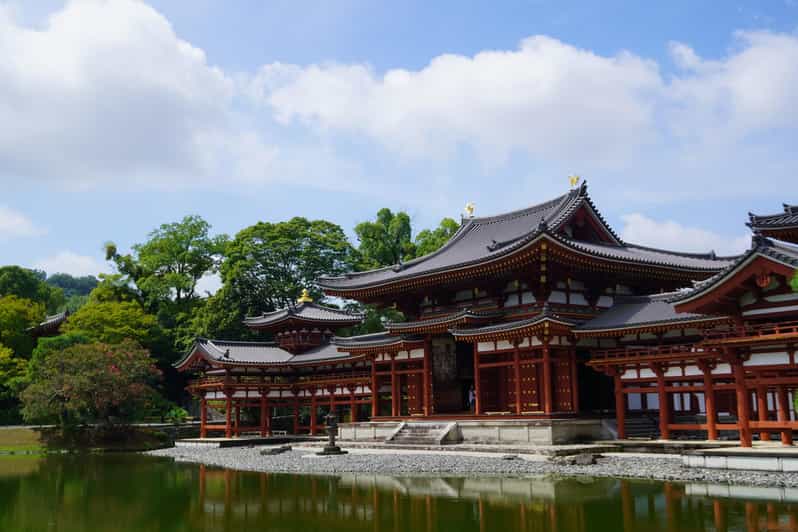
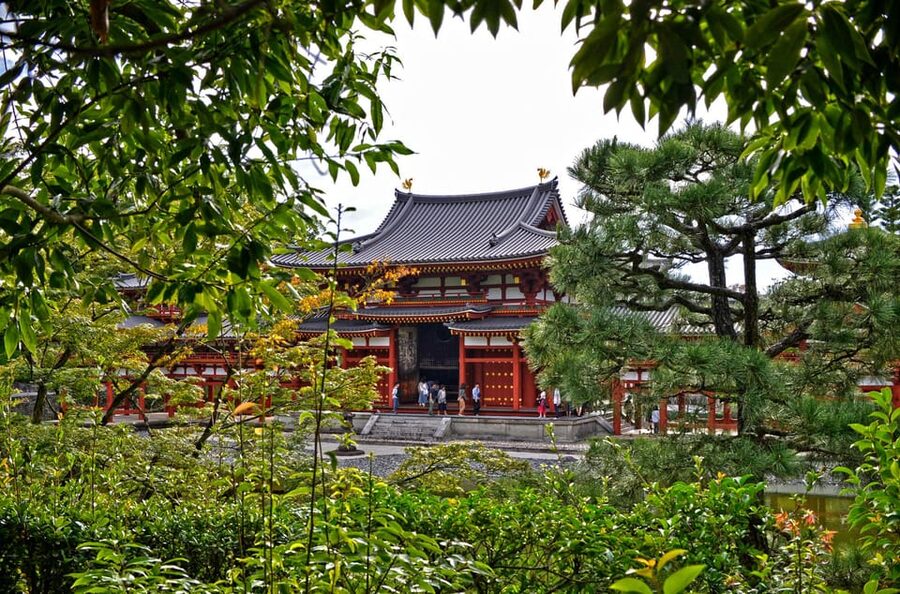
You spend about 50 minutes at Byodoin Temple with a guided visit. This is the centerpiece for many people, and it is the one place where the tour earns its keep. UNESCO sites can be impressive, but without context they can feel like a checklist. Here, you get help connecting the architecture and the spiritual setting to the larger story of Uji.
Byodoin is iconic for a reason, and it is the kind of place where small details matter. With a guide talking through what you are looking at, you are less likely to miss the cues that explain the site’s importance. And because the group is small, it is easier to pause when something catches your eye.
A practical note: you will be on your feet and moving through temple grounds, so comfy shoes really do matter here. Also, have your camera ready for temple moments, then remember the tea ceremony has different photo rules.
More bowls, poured the traditional way
- Uji Tea Ceremony and UNESCO Heritage Walking Tour
★ 5.0 · 20 reviews - Kyoto: Tea Museum and Tsuen Teahouse Guided Tour
★ 5.0 · 2 reviews - Kyoto: Tea Ceremony in a Traditional Tea House in Kiyomizu
★ 4.9 · 3,519 reviews - Kyoto: Tea Ceremony Ju-An at Jotokuji Temple
★ 4.9 · 3,207 reviews
Taihoan Tea Ceremony: Etiquette, Translation, and Calm
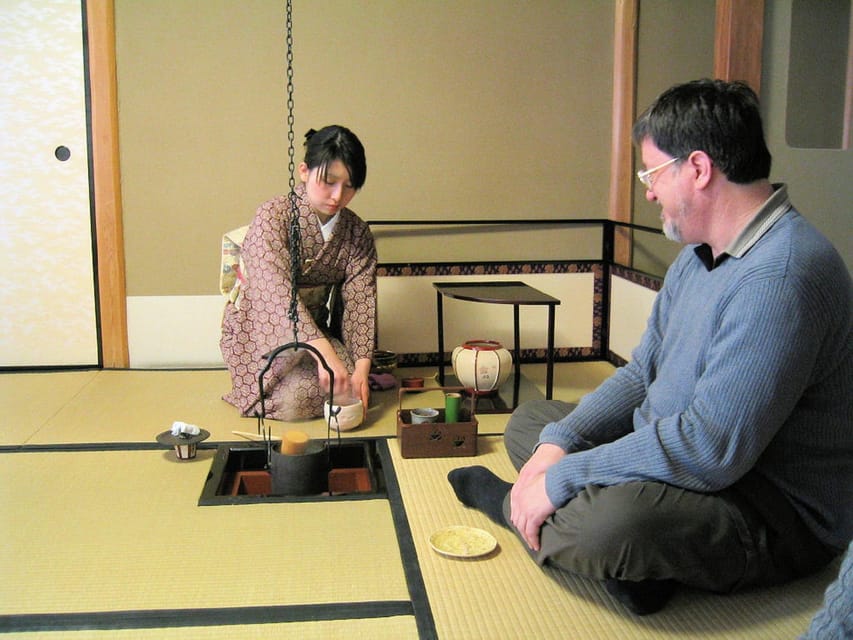
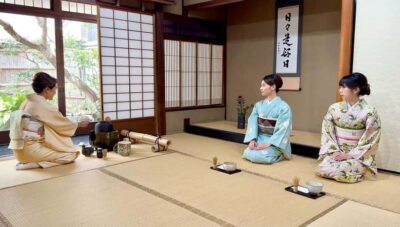
The tea ceremony at Taihoan is scheduled as a major block on the tour. The listing you get before you go shows about 30 minutes included, while the route description lists the ceremony segment as 40 minutes. Either way, plan on it being the emotional slow-down of the tour.
Here is what makes it worthwhile: you are not just watching. You get an explanation of how to behave, what the gestures mean, and what to pay attention to as the ritual unfolds. The ceremony is Japanese only, but the guide translates, so you are not left guessing. One review detail that I take seriously is how patient hosts were if guests did something imperfect, meaning you do not need to be a tea expert to get value out of it.
Two rules you should respect:
- No photo or video recording during the tea ceremony
- Follow the host’s pace and instructions, even if you are unsure of the language
If you have never done a Japanese tea ceremony before, this is a good first attempt. It is structured enough to feel safe and understandable, but quiet enough that you can actually experience it instead of just completing it.
Tachibara and Asagiri Suspension Bridges for Big Uji Views
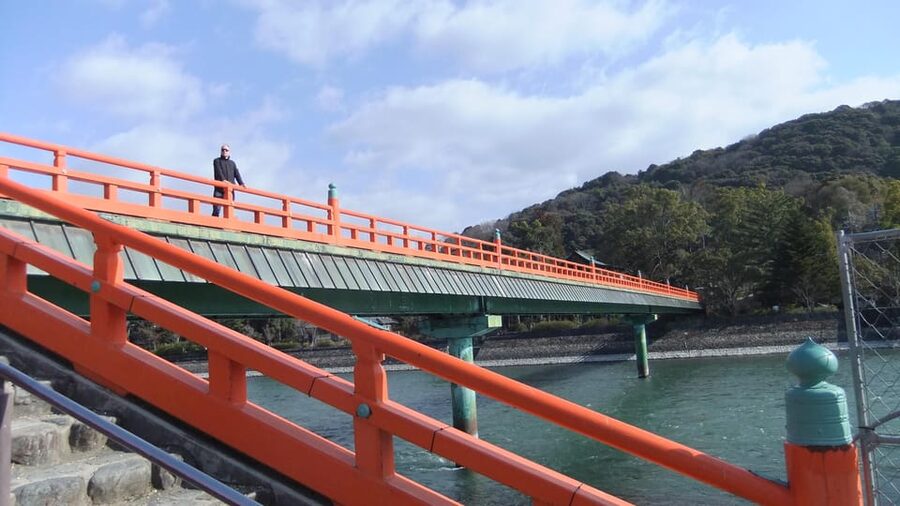
After the tea, you move into the scenic part of the tour. You cross Tachibara and Asagiri suspension bridges, and this is where Uji stops being a set of landmarks and becomes a place with breathing room.
Even if you are not a big bridge person, these crossings work because they give you angles you cannot get from streets or temple courtyards. Suspension bridges tend to frame water and treelines, and the route info specifically highlights stunning views. For practical travelers, that is also an easy win for photos, as long as you are not in the tea ceremony portion where recording is prohibited.
The route suggests a shorter walking connection segment between stops, but the bigger point is that the bridges break up the tour rhythm. You are not just hearing facts, you are getting a visual reset that makes everything else feel more grounded.
Uji Shrine and Ujigami Shrine: Meaning Beyond the Signboard
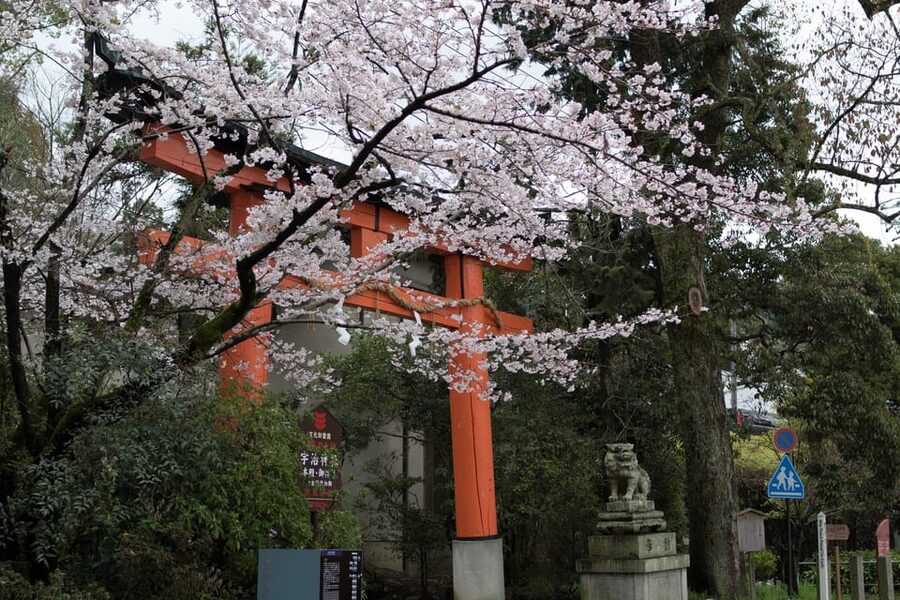
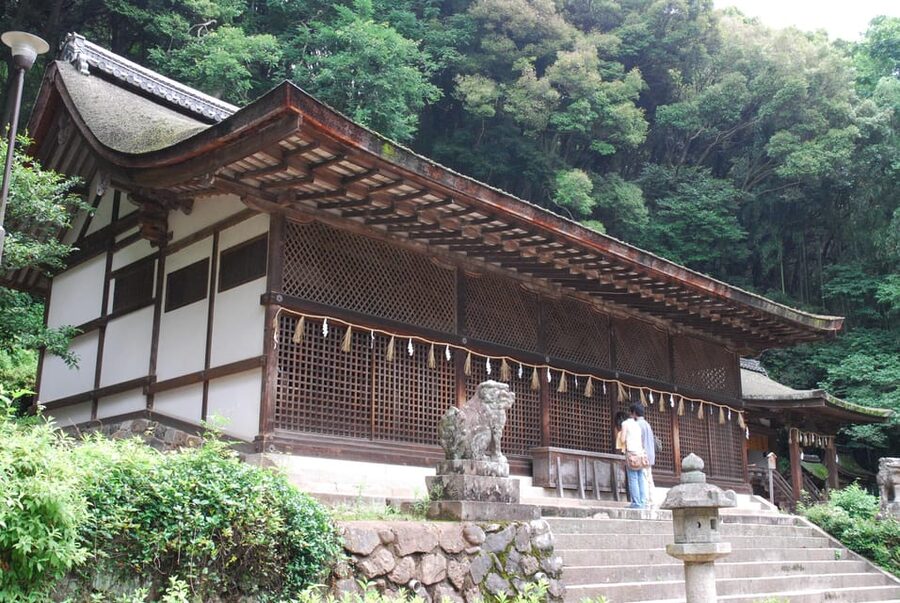
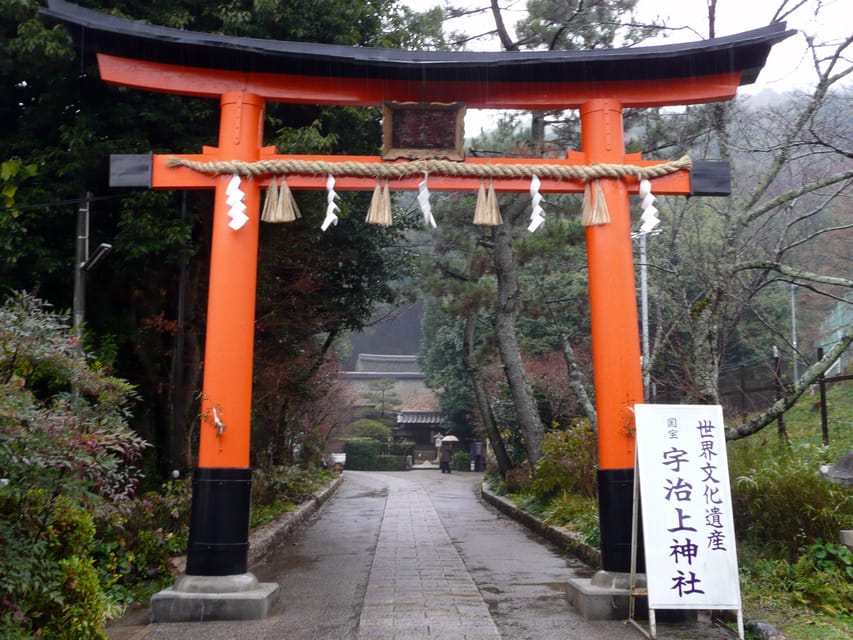
Next up are the shrines: Uji Shrine and Ujigami Shrine, each with guided time. This is one of those segments where translation and context really matter. Shinto spaces can look similar at first glance, but a guide can point out what the setting is communicating and how it connects to local belief and practice.
You also get a sense of why Uji is not only about tea. It is about the systems of belief and the daily rhythms of a place where shrines sit in walking reach of everyday life. I like that this section does not feel like a detour. It fills in the cultural logic that makes temple and tea stops feel less random.
If you already read some about Shinto and Buddhism, this kind of visit can still be useful because you get “what to look for” guidance, not just definitions. And if you are new to it, the guided structure is what turns confusion into understanding.
Snacks and Matcha Stops: Taste What Uji Does Best
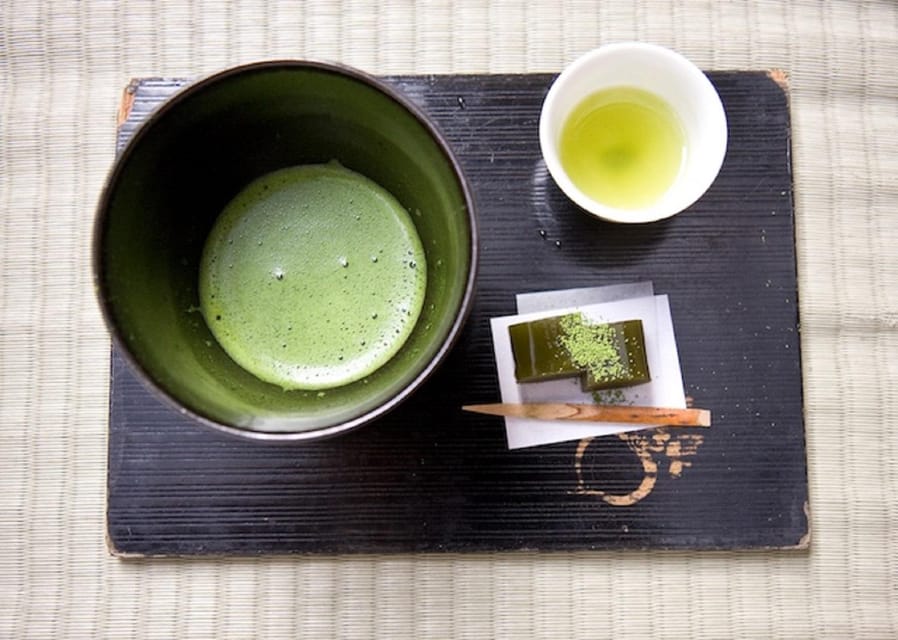
The tour finishes with local snacks and time to eat and taste Uji’s famous green tea. This is not an afterthought. Food stops are where you confirm the story you heard earlier, and matcha is the obvious tie-in.
The tour description frames it as green tea and culinary treats, and it also hints at the kind of local flavors you will want to chase after the tour ends. In the reviews, I saw people light up about matcha shops and mochi shop recommendations from guides. That kind of local direction is exactly what you want from a walking tour, because it turns one afternoon into a longer memory.
Bring cash for snacks, since the info specifically calls it out. Also, even if you bring a camera, remember the tea ceremony has recording restrictions. After that, you should be good to capture food and streets as you head toward the endpoint.
More of Kyoto's centuries, explained


Price and Timing: Why $66 Can Feel Fair
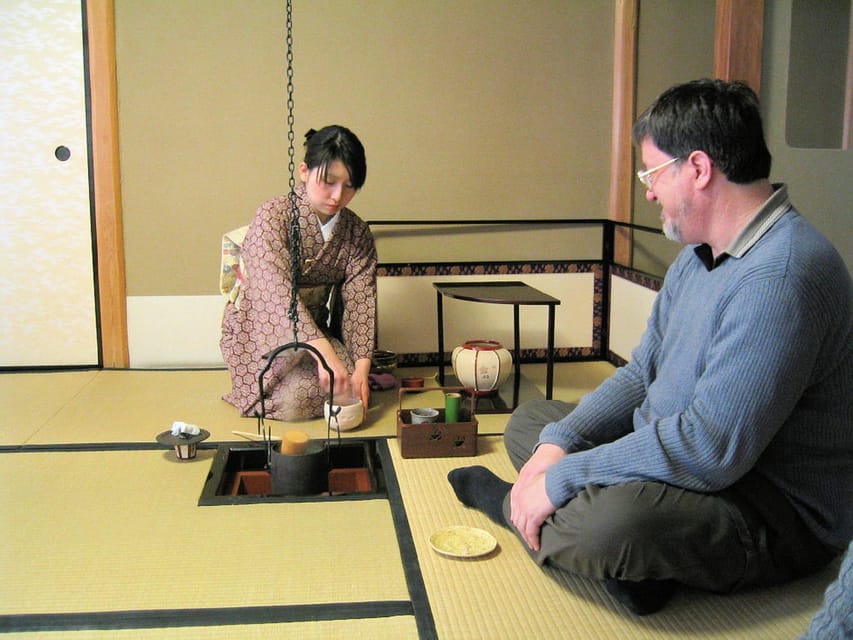
At $66 per person for a 3-hour small-group experience, the value comes from three things: guided context, the UNESCO admission piece, and the included tea ceremony.
You get:
- An English-speaking guide
- Entrance fees to Byodoin Temple
- A tea ceremony that is included and timed as the tour highlight
- Limited group size (up to 9)
If you try to assemble this on your own, you would need to figure out timing and entry details for Byodoin, then coordinate a tea ceremony slot, and then still connect the dots across shrines, bridges, and tea culture. Paying for the guide is not paying for comfort. It is paying for efficiency and clarity.
Is it pricey for a simple walk? Yes, if that is all you want. But if you want the tea ceremony and the UNESCO stop explained, and you want a plan that does not leave you wandering, this is a fair deal.
The pacing also feels right. You have multiple anchors (temple, tea, shrines) and a visual reset (bridges), so you do not end the tour exhausted or underinformed. And the guide can handle question moments, which small-group tours tend to do better than large buses.
Small-Group Guides, Real Personality, and What to Ask
One consistent theme in the feedback is that the guides brought energy and clarity. Names that stood out include Yuko, Katsu/Katsuhiko, Miyake-san, and Nobumasa Miyake. People praised the same traits over and over: patient explanations, friendly help, and a strong sense of how to connect cultural facts to what you are seeing in front of you.
I like that guides also make the day useful after the walking ends. Several reviews mention recommendations for places to eat and buy matcha and mochi in Uji, which is exactly the kind of practical tip that makes a tour feel like more than a checklist.
When you go, ask two simple questions early:
- What should I look for at Byodoin that I might miss alone?
- If I want to keep tasting Uji after this, where should I go for the next matcha or mochi?
Guides can usually steer you toward what fits your tastes, and with a small group, you can get a real answer rather than a generic one.
Who This Tour Fits Best (and Who Should Skip)
This tour involves walking, temple/shrine visits, and a tea ceremony that requires following instructions in a specific setting. It is also not suitable for:
- Pregnant women
- People with mobility impairments
- People with heart problems
- People with respiratory issues
If you fall into one of those groups, it is better to choose a different style of tour that matches your needs and allows more control over breaks and movement.
For everyone else, it is a great fit if you want a focused 3-hour introduction to Uji. It works especially well for first-timers who want to understand why tea matters here, and for food-minded travelers who want matcha and snacks tied to culture.
It is also a good choice if you dislike overpacked tours. With up to 9 people, the experience feels more conversational. You are not fighting for a view, and it is easier to get explanations at the moment you need them.
Should You Book Uji UNESCO and Tea Ceremony Walking Tour?
Yes, if you want the big Uji highlights with explanation and time to enjoy them. This is not just walking from one spot to another. You get Byodoin Temple with guided context, a real Taihoan tea ceremony with etiquette coaching (and translation), bridge views across Tachibara and Asagiri, plus shrine visits and time to taste Uji’s green tea and snacks.
I would book it if:
- You care about culture but do not want to guess your way through it
- You want a calm tea experience, not a rushed demo
- You like small-group tours with time for questions
I would rethink it if:
- You are sensitive to standing and walking during temple and shrine visits
- You strongly rely on being able to film everything during ceremonies, because the tea ceremony prohibits photo and video
If you want one simple way to experience Uji in a half day, this tour is built for exactly that. Plan for good shoes, bring cash for snacks, and treat the tea ceremony like the main event it is.
FAQ
Where does the tour start?
The meeting point is JR Uji Station (South Exit). Your guide will be waiting there wearing a TripGuru shirt or holding a TripGuru sign.
How long is the Uji walking tour?
The tour duration is 3 hours.
What is included in the price?
Included items are an English speaking guide, an included tea ceremony (listed as 30 minutes in the inclusions), and entrance fees to Byodoin.
Is the tea ceremony filmed or photographed?
No. Photo and video recording is prohibited during the tea ceremony.
Is the tea ceremony in English?
The tea ceremony is conducted in Japanese only, and your guide will translate for you.
What should I bring?
Bring comfortable shoes, a camera (noting the tea ceremony photo rule), and cash.
Is this tour suitable for everyone?
No. It is not suitable for pregnant women, people with mobility impairments, people with heart problems, or people with respiratory issues.
More Walking Tours in Uji

New This Season
- Kyoto: Discover Uji’s Two Hidden World Heritage Treasures
- Kyoto: Enjoy Byodoin Temple and Tea Sweets – 90 Min Tour
- Kyoto & Uji Private Customized Tour with English Driver
- Kyoto: Zen Meditation & Zen workshops with a Westerner Monk!
- Kyoto: Tea Museum and Tsuen Teahouse Guided Tour
- 7 Hours Private Guided Tour Uji and Wazuka Matcha Farm
- Experience Authentic Japanese Home Cooking in Kyoto
- Utilising upcycled Matcha! Creating matcha incense (Uji, Kyoto)
Tea Ceremonies, compared.
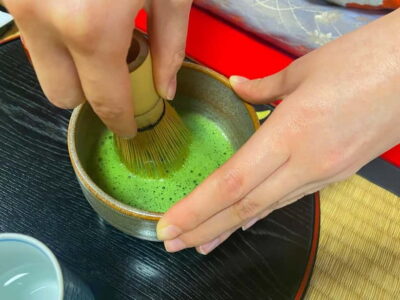
Tea Ceremony in a Traditional Tea House in Kiyomizu
Read our review →
Kimono Tea Ceremony at Kyoto Maikoya, NISHIKI
Read our review →
Tea Ceremony in 100-year-old Kyo-Machiya Townhouse
Read our review →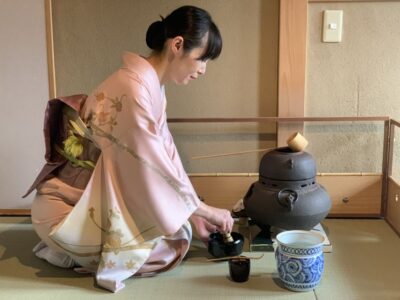
Also filed under