
Reviewed · ZEN MEDITATION SESSIONS
Kyoto: Zen Meditation & Zen workshops with a Westerner Monk!
Zen gets real when someone explains it clearly. This Kyoto-area experience is built around a rare setup: you get to spend the day with Pierre, a Westerner monk, and ask questions in English without the usual translation friction. I especially liked the mix of guided zazen plus hands-on workshops that make Zen feel practical, not fuzzy. One heads-up, though: you will do a little walking and you should plan to handle your own food and drinks for the break.
If you want Zen that connects to everyday life, this is a strong pick. You will get a private visit to Koshoji Temple in Uji, time to reflect in a traditional garden, then a series of interactive sessions like koans and haiku, calligraphy, and even close-up magic. It is also family-friendly, with activities kids usually enjoy, and it stays light on the feet while still respectful of temple rules.
In This Review
- Key highlights
- Pierre the Westerner Monk, and Why Clear English Matters in Zen
- Meeting at Surugaya Keihan Uji Station and the Short Walk to Koshoji
- Private Visit to Uji Koshoji Temple: Getting the Story Behind the Silence
- Garden Contemplation Workshop: Understanding the Symbolism in Japanese Gardens
- Haiku and Koan Workshops Plus Laughter: Serious Practice, Playful Delivery
- Zazen Meditation and Buddhism History Lectures: Practice With Context
- Close-up Magic and Calligraphy Souvenir Time
- Food and Drinks, plus What to Bring So the Day Stays Comfortable
- Price and Group Value: Why $473 Can Make Sense
- Who This Zen Day Suits Best (And Who Might Skip It)
- Should You Book Kyoto Zen Experience in Uji?
- FAQ
- Where is the meeting point for this experience?
- How long does the full experience last?
- What do I do first on the day?
- Is this experience private and how big is the group?
- What language options are available with the monk?
- Is zazen meditation included?
- What souvenirs or hands-on activities are included?
- Do I need to bring my own lunch and drinks?
- Can I cancel for a full refund?
- Quick decision: book or pass
Key highlights
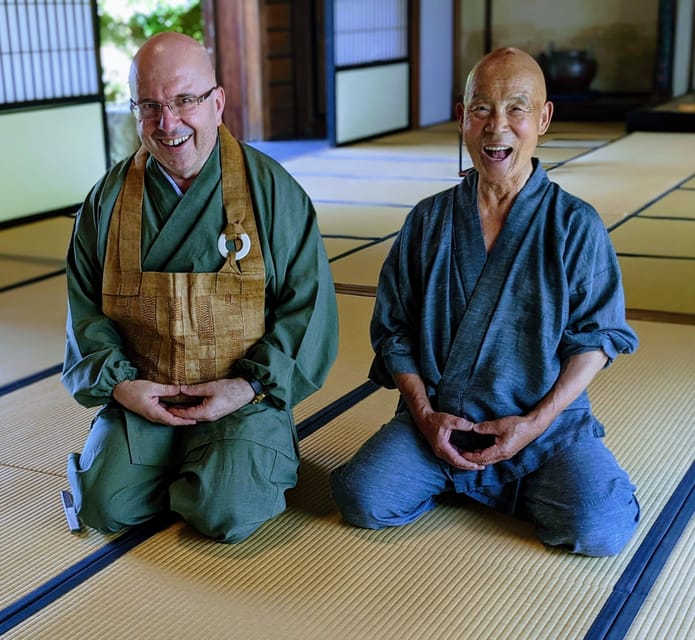
- Pierre is a Westerner monk, speaking French, Japanese, and English, so you can ask anything and follow along
- Koshoji Temple in Uji gets you off the usual crowded track with a guided, professional visit
- Garden contemplation workshop helps you understand symbolism behind rocks, plants, and arrangement
- Haiku and koan workshops turn serious ideas into playful practice (yes, with laughter)
- Guided zazen meditation plus Buddhism history lectures gives Zen context you can actually use
- Close-up magic and calligraphy leave you with both a memory and a hands-on souvenir
Pierre the Westerner Monk, and Why Clear English Matters in Zen
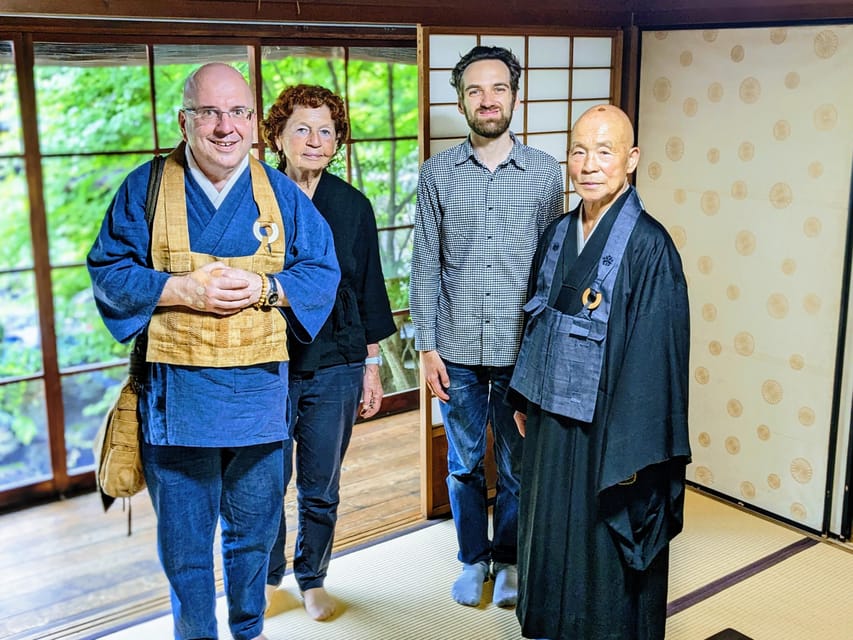
Zen lessons often fail for one simple reason: people try to study it like a textbook. Here, you learn Zen through experience, and the language barrier gets handled upfront. Pierre, the monk leading the day, is the big reason this works so well. When you can ask direct questions in English, the ideas stop feeling abstract. You start connecting sutras, statues, gardens, and meditation to the way people actually practice.
I also like that the day does not treat you like a passive audience. You are invited into the meaning, not just shown the meaning. That matters because Zen is full of references that can look random if nobody explains the logic behind them. Pierre’s style keeps the pace friendly, and you get room to ask anything that pops into your head.
The experience is also designed to be fun. That is not a gimmick. It is a teaching method. When you do something with your hands or laugh during a workshop, you remember it later. Zen practice is about attention, and play can sharpen attention instead of wasting it.
Meeting at Surugaya Keihan Uji Station and the Short Walk to Koshoji
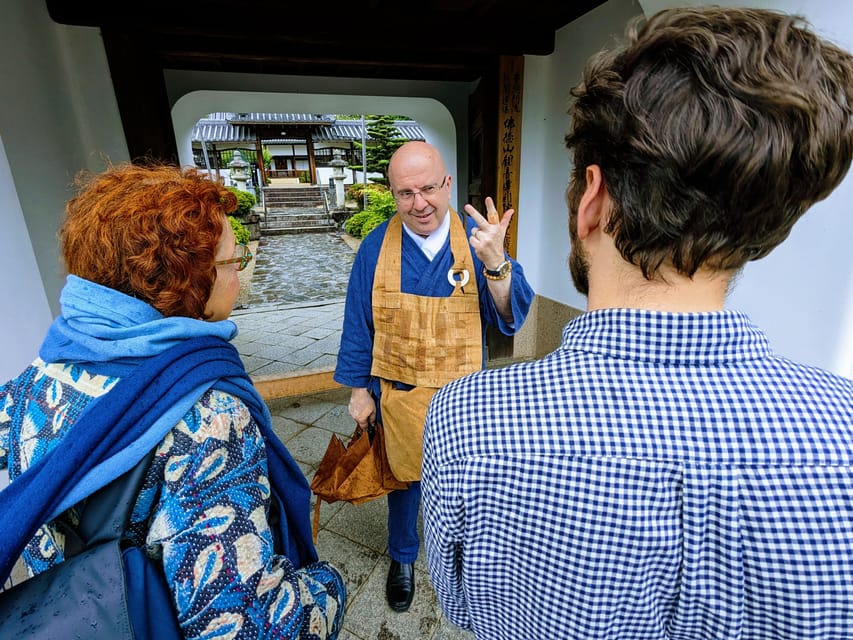
The day starts at 9:45am at Surugaya Keihan Uji Station. Pierre will be wearing Buddhist garb, so you can spot him easily. From there, you walk about 15 minutes to your first temple stop. This short transfer is practical, but it also gives you a buffer to shift gears. If you arrive frazzled, you lose the calm fast. The walk helps reset you.
Once you are at Uji Koshoji, you get a guided tour for about 30 minutes. This is not a rush-through “see it, leave it” style visit. It is paced so you can look, ask, and understand what you are seeing.
Since this is a private group, the tone tends to stay relaxed. You are less likely to feel like you are interrupting the schedule. That is a big deal in temples, where silence and etiquette matter.
One practical point: wear comfortable clothes. You will be spending most of the day on your feet, and temple grounds are not designed for heavy, stiff footwear.
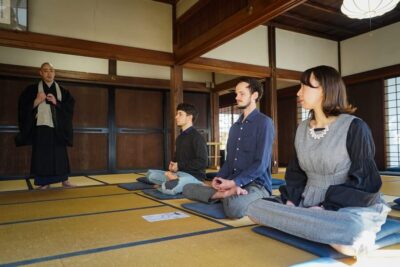
Sit in silence at a Zen temple
- Kyoto Zen Meditation & Garden Tour at a Zen Temple with Lunch
★ 5.0 · 441 reviews - Kyoto: Zen Experience in a Hidden Temple
★ 5.0 · 437 reviews - Kyoto: Tea Ceremony Meditation – Make Matcha with Tea Master
★ 4.8 · 406 reviews - Kyoto: Zen Meditation at a Private Temple with a Monk
★ 5.0 · 202 reviews
Private Visit to Uji Koshoji Temple: Getting the Story Behind the Silence
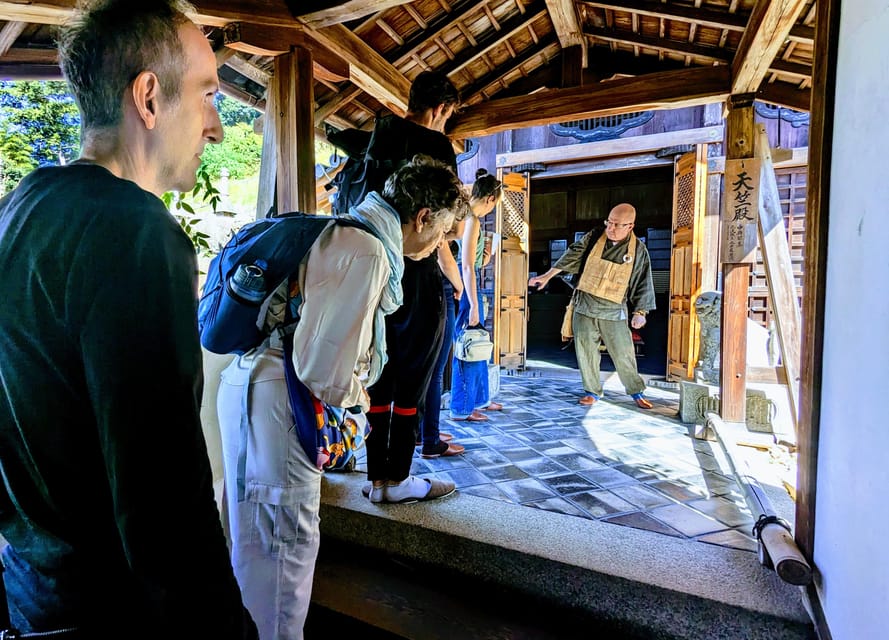
Koshoji Temple in Uji is the centerpiece of the experience, and you spend time there beyond photos. You start with a professional guided visit, which sets the context for what you will later reflect on in the garden and in meditation.
Here is what makes this temple time valuable for you: temples are full of objects that have layered meanings, and you often do not know what to ask. Pierre helps you connect the dots. Instead of treating statues and garden elements as decoration, you learn how they function in practice, memory, and teaching.
Another strong point is that you are not shoved into a cookie-cutter script. In the day you also get structured lectures, workshops, and guided meditation. That means the temple visit is not isolated. It is the foundation that everything else builds on.
From one experience I read, the visit was to a beautiful temple that did not feel touristic. You can likely expect something similar: a more focused atmosphere where you are there to learn practice, not just collect sights.
Garden Contemplation Workshop: Understanding the Symbolism in Japanese Gardens
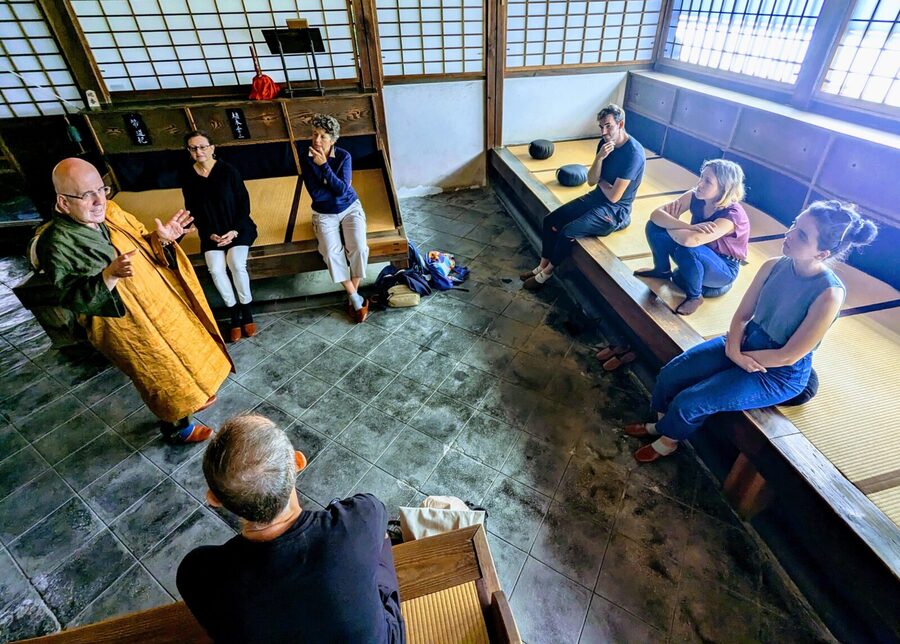
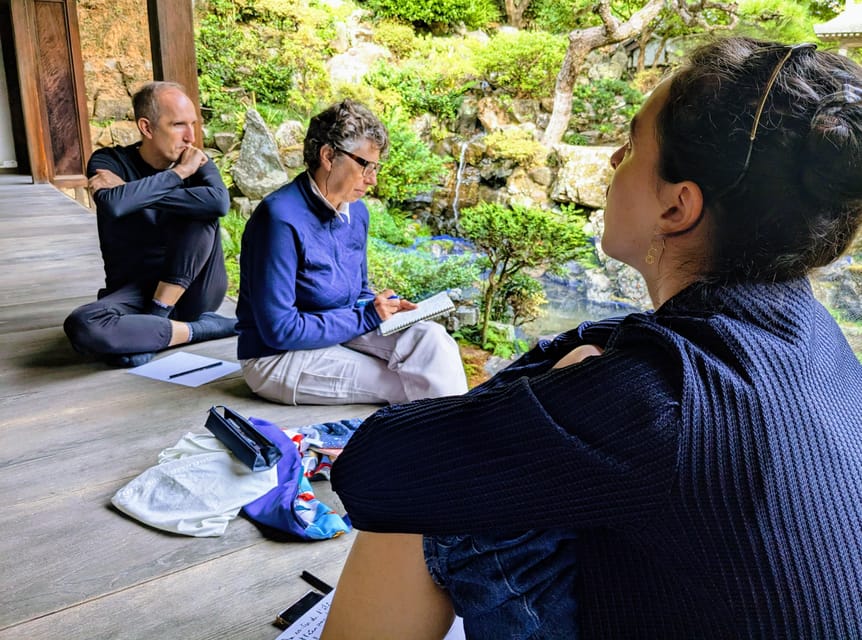
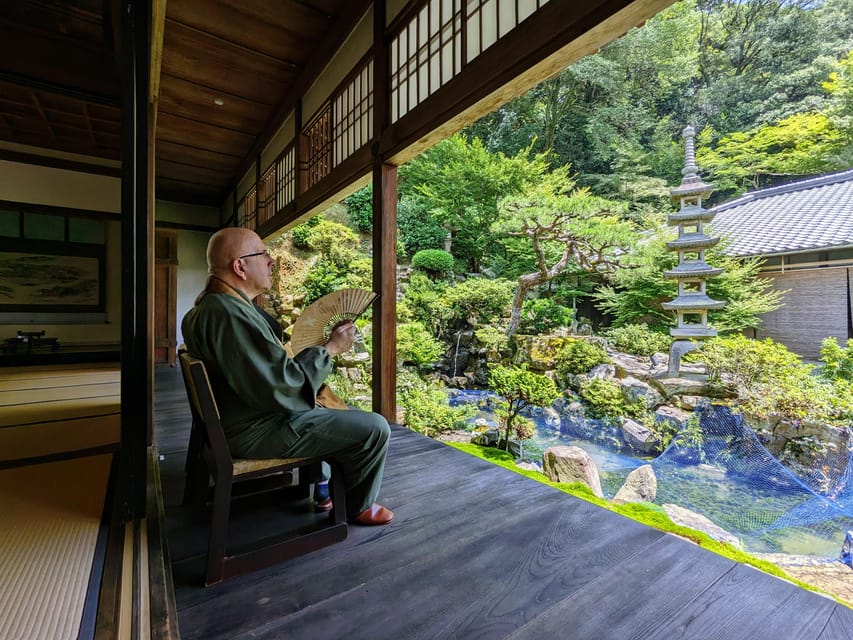
After the initial temple time, the day turns to stillness and reflection with a garden contemplation workshop. This is one of those activities that can sound vague if you have not seen a good guide explain it. The point is not to admire the garden from a distance. You are taught how to notice things and what those details might mean.
Japanese gardens often communicate ideas through arrangement. Rocks, plant choices, sightlines, and water features can all point to concepts like impermanence, balance, and mindful attention. The workshop helps you slow down enough to see patterns instead of just scenery.
What I like about this part is that it trains a Zen skill: attention without forcing it. If you go in expecting a checklist, you miss the feeling. Pierre’s approach pushes you to look, then interpret, then reflect. That is exactly how Zen learning sticks.
Also, the garden time is a nice contrast to the workshop energy later. It gives your brain a quiet reset, so when you shift into haiku, koan activities, and calligraphy, you do not feel overstimulated.
Haiku and Koan Workshops Plus Laughter: Serious Practice, Playful Delivery
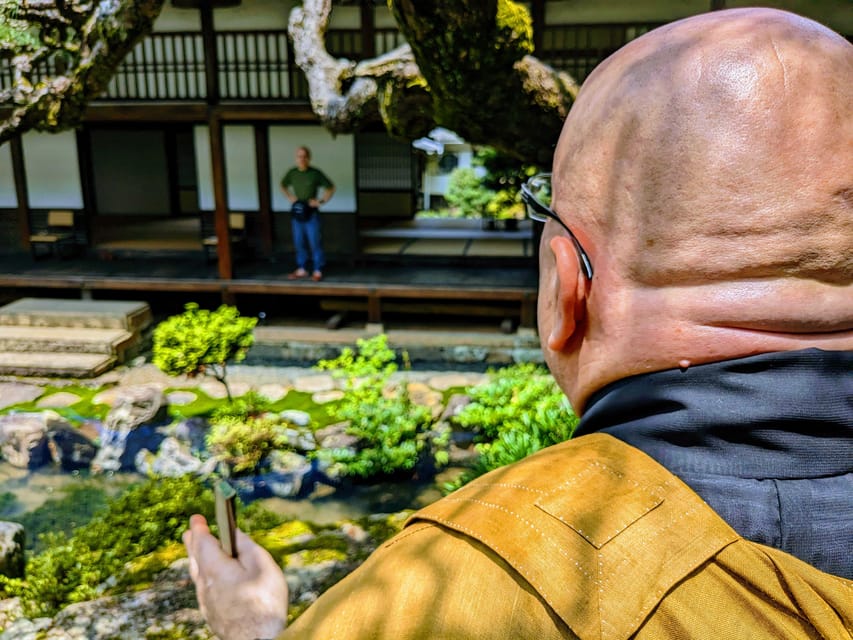
Next comes the creative portion of the day: haiku and koan workshops. This is where the experience proves its promise that Zen can be fun. The activities are structured, but they are not stiff. In fact, the day includes a healthy dose of laughter.
Why you will probably enjoy this: koans can feel intimidating if you treat them like puzzles with a single answer. In a workshop setting, you can work with them in a more human way. You begin to understand why they are used as tools for breaking automatic thinking. You are not just hearing about koans, you are practicing the mindset behind them.
Haiku also works well because it pushes you to focus on a moment, then shape it. Even if you do not write perfect poems, you learn how attention and wording connect. That kind of training makes meditation feel less like sitting in silence and more like building a way of seeing.
If you are traveling with kids, this is also a major win. The day explicitly fits families, and close-up magic plus creative workshop formats tend to hold children’s attention. Even adults who think they are not creative often surprise themselves once they start.
Zazen Meditation and Buddhism History Lectures: Practice With Context
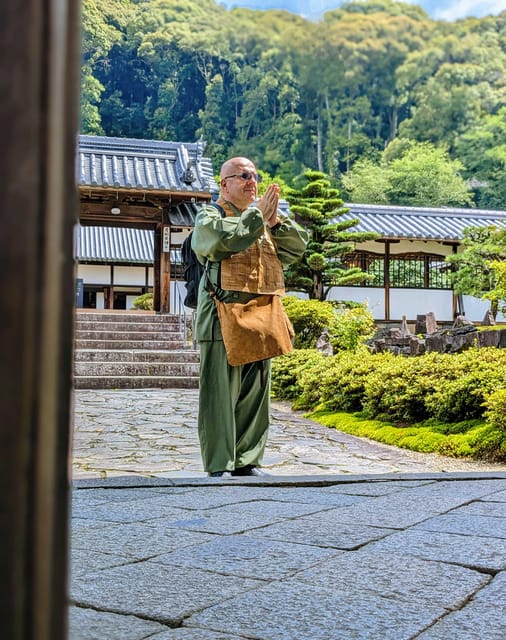
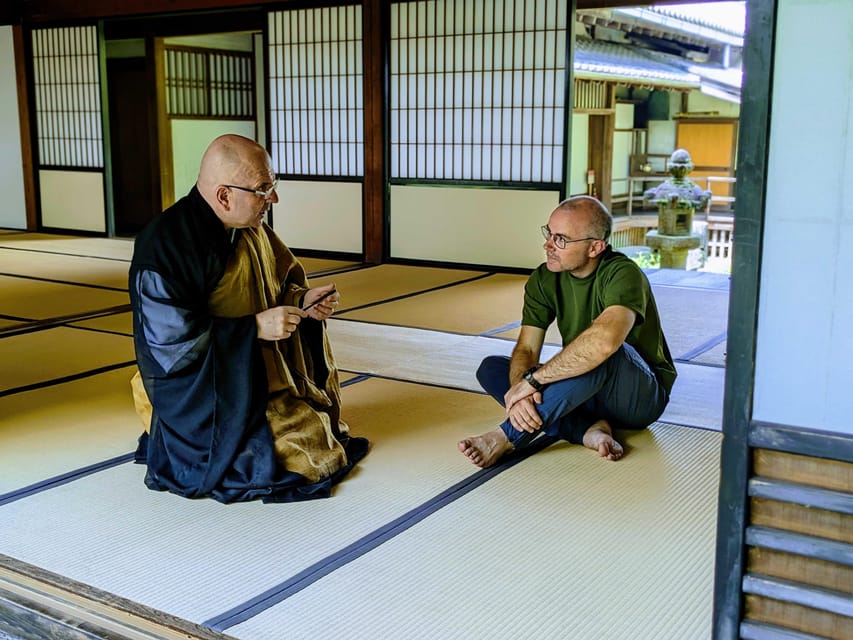
You get zazen meditation in the program, guided so you know what to do and what to watch for. Guided zazen is especially helpful if you have never tried it before. Your mind will do what it always does, wander, plan, judge, and repeat. A good guide helps you notice those patterns without turning it into frustration.
In the experience I read, meditation happened in the monks’ quarters. If you are offered something similar, that is a powerful detail because it changes the atmosphere. You are not meditating like a performance. You are meditating in a place connected to everyday monastic life.
After meditation, the day includes Buddhism history lectures, with emphasis on Zen. This part matters because Zen is not just breathing and posture. It comes from a longer chain of ideas and practices. If you only practice one technique without context, you might miss why certain teachings emphasize certain behaviors or viewpoints.
Pierre also creates room for Q&A. I cannot stress enough how helpful it is to ask follow-up questions on the spot. It prevents the classic problem where you understand a concept in theory, but your brain keeps asking, so you cannot relax into the experience.
A quieter way to spend a day in Kyoto


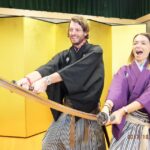
Close-up Magic and Calligraphy Souvenir Time
Two of the most memorable workshop elements are close-up magic and calligraphy.
Close-up magic might sound like a detour until you experience how it is used here. The workshop is framed as a way to understand the message of Zen in a fun and memorable manner. Magic is essentially attention plus timing plus awareness of what you think you see versus what is actually happening. That fits Zen perfectly: it teaches that perception is not automatic truth.
Then comes calligraphy. You get a chance to write a kanji yourself, and it becomes an unforgettable souvenir. This is one of those activities where the value is more than the object. You are slowing down, focusing on detail, and making something personal. If you have ever bought calligraphy as a souvenir, you know it can feel disconnected. Doing it yourself makes it stick.
Practical tip: bring a camera, because there is also photo shooting during the day and you receive the pictures a few days later.
Food and Drinks, plus What to Bring So the Day Stays Comfortable
This is a full stretch of time from 9:45am to 4pm, so planning helps. The materials say to bring your own food and drinks for the break. It also notes that a shop nearby sells bento lunch boxes.
At the same time, the inclusions list mentions a seasonal bento lunch and also says special needs will be accommodated. Since that conflicts with the other note, I recommend you confirm what applies to your specific booking. Either way, the safe plan is the same: bring water and be ready with lunch, or be ready to buy bento nearby.
What else to bring:
- Comfortable clothes
- A camera (optional but recommended)
- Your own drinks
- Basic respect for temple rules and guidelines
This is one of those days where being underprepared can quietly ruin the mood. You do not want to spend hours thinking about where to buy water.
Price and Group Value: Why $473 Can Make Sense
The price is listed as $473 per group, for a private group up to 15 people, for about 210 minutes of structured activities. That is not a budget price if you are traveling solo. But the value changes fast depending on group size.
Here is the simple math if you fill close to the maximum group size: $473 divided by 15 is about $32 per person for a half-day temple visit plus guided meditation, workshops, lectures, calligraphy, and a magic session. Even if your group is smaller, you are still paying for a high-touch day with a monk plus private guided time.
What makes it feel worth it:
- Private group format, so you can ask questions
- Temple time that is guided and contextualized
- A balanced schedule, temple quiet, garden reflection, meditation, then hands-on creative work
- A souvenir you make yourself
So, for you, the key question is not the raw number. It is whether you are splitting the cost with a group and whether you want more than a standard temple tour.
Who This Zen Day Suits Best (And Who Might Skip It)
This experience fits best if you want Zen practice with explanations you can actually use. If you care about understanding what you are seeing, this day gives you tools. You will not just walk through a temple. You will learn how to look at a garden, how to relate to koans, and how calligraphy and mindful attention connect to practice.
It is also a strong fit for families because magic tricks and creative workshops tend to land well with kids. Adults can enjoy it, too, because play is part of the learning method, not just a distraction.
I would also consider it if you are the kind of traveler who likes small-group attention and hates feeling rushed. The private format helps you move at a human pace.
You might choose something else if you want a totally self-guided temple day. This is structured, interactive, and planned for learning. If you want to wander without instruction, you may find the workshop schedule less appealing.
Should You Book Kyoto Zen Experience in Uji?
If you can form a group, or you simply want a high-touch Zen day, I think you should book it. The standout reasons are practical: you get a Westerner monk leading the day in languages you can follow, you get guided meditation, and you get workshops that translate Zen concepts into something you can do and remember.
Book it when you want more than photos. This is about understanding temples, gardens, sutras, meditation, and Zen through guided practice plus hands-on creativity. Just do your part, wear comfortable shoes, bring your drinks, and plan your lunch so you can stay relaxed through the full day.
FAQ
Where is the meeting point for this experience?
You meet at Surugaya Keihan Uji Station at 9:45am.
How long does the full experience last?
The full experience is about 210 minutes, and it runs from 9:45am to 4pm.
What do I do first on the day?
After meeting at Surugaya Keihan Uji Station, you walk about 15 minutes to Uji Koshoji Temple, then start with a guided temple visit.
Is this experience private and how big is the group?
It is listed as a private group, priced per group up to 15 people.
What language options are available with the monk?
Languages listed are French, Japanese, and English.
Is zazen meditation included?
Yes. Guided zazen meditation is included in the day.
What souvenirs or hands-on activities are included?
You get a calligraphy session where you write a kanji, and you take part in workshops including close-up magic. Photo shooting during the day is also included, and you receive the pictures a few days later.
Do I need to bring my own lunch and drinks?
The notes say to bring food and drinks. Bento boxes are sold nearby, but there is also an inclusion note mentioning a seasonal bento lunch, so it is smart to confirm what applies to your booking.
Can I cancel for a full refund?
Free cancellation is offered up to 24 hours in advance for a full refund.
Quick decision: book or pass
Book if you want a structured Zen day with hands-on workshops, guided meditation, and explanations in English led by Pierre. Pass if you want a fully self-guided temple wander where you do not want to participate in activities.
New This Season
- Kyoto: Discover Uji’s Two Hidden World Heritage Treasures
- Kyoto: Enjoy Byodoin Temple and Tea Sweets – 90 Min Tour
- Kyoto & Uji Private Customized Tour with English Driver
- Kyoto: Tea Museum and Tsuen Teahouse Guided Tour
- 7 Hours Private Guided Tour Uji and Wazuka Matcha Farm
- Experience Authentic Japanese Home Cooking in Kyoto
- Utilising upcycled Matcha! Creating matcha incense (Uji, Kyoto)
- Kyoto tea town for matcha lovers
Zen Meditation Sessions, compared.
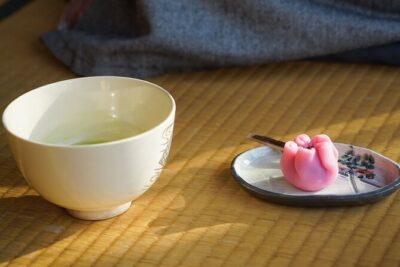
Kyoto Zen Meditation & Garden Tour at a Zen Temple with Lunch
Read our review →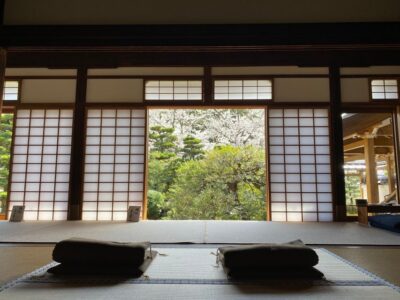
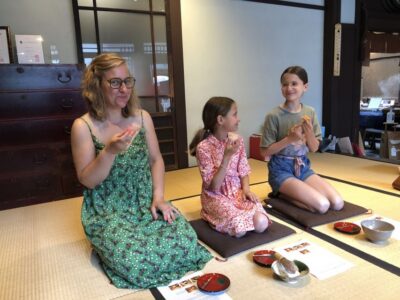
Tea Ceremony Meditation – Make Matcha with Tea Master
Read our review →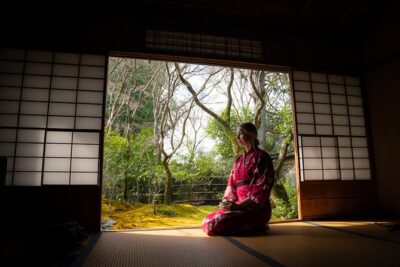
Zen Meditation and Garden Tour at a Temple with Lunch
Read our review →Zen Meditation at a Private Temple with a Monk
Read our review →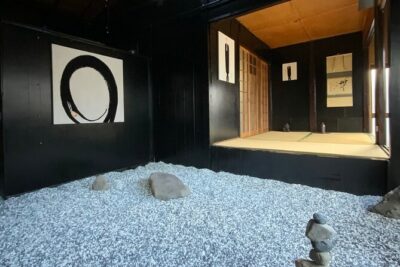
Also filed under