
Reviewed · ZEN MEDITATION SESSIONS
Kyoto: Zen Experience in a Hidden Temple
Two hours of quiet can recalibrate your day. In Kyoto, you sit with Eitetsu Nishida at Jusho-in for guided zazen meditation, then you learn how matcha and seasonal sweets connect to Zen practice. It is a calm break from Kyoto’s crowd energy, and the whole experience is built around learning by doing, not memorizing.
I especially like the structure, two separate 20-minute zazen rounds, so you are not just dropped into the deep end. I also like that the experience ends with a matcha moment that is thoughtful, not rushed. One thing to consider, the sitting posture can be tough if you are not used to it, but chairs are available if you need them.
In This Review
- Key highlights worth showing up early for
- Kyoto Zen experience at Jusho-in: not a performance, a practice
- Where Jusho-in sits inside Myoshin-ji
- Getting there: meeting at Myoshin-ji’s north gate
- Zazen meditation at Jusho-in: two 20-minute sessions that actually teach you
- What the guide team handles well
- Rinzai Zen philosophy explained through questions, not lectures
- Matcha and sweets: why tea belongs in a Zen session
- What you should notice while drinking matcha
- The garden view: centuries-old calm you can feel in your body
- Photos included: a nice memory without taking over your attention
- Timing, logistics, and what to bring (keep it simple)
- Price and value: why $109 can make sense
- Who this Kyoto Zen experience is best for
- Should you book this zazen and matcha session at Jusho-in?
- FAQ
- Is the Kyoto Zen experience at Jusho-in open to everyone?
- How long is the experience?
- Do I need to bring anything or wear special clothing?
- What happens during the zazen meditation?
- Are chairs available during zazen?
- What is included besides meditation?
- Is there a photographer, and will I receive photos?
- Is the tour held rain or shine?
- What restrictions apply during the temple experience?
- How does cancellation work?
Key highlights worth showing up early for
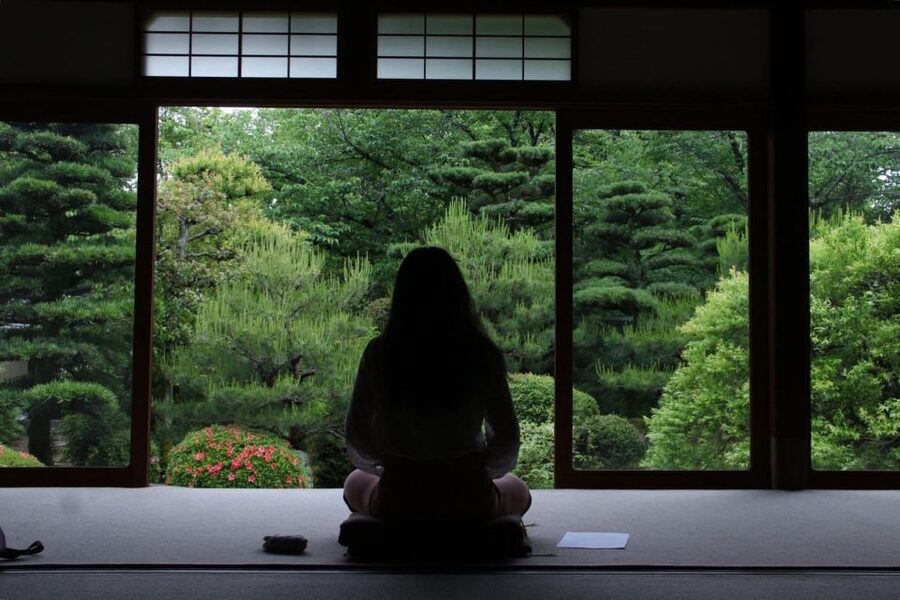
- Zazen led by abbot Eitetsu Nishida, the 16th generation chief at Jusho-in
- Two 20-minute meditation sessions, with time to reset and ask questions between
- Matcha explained by the chief priest, plus seasonal Japanese sweets served afterward
- A garden with 400-plus years of continuity, attributed to Eitoku Kano and unchanged since creation
- Photos captured on-site by an SLR camera, with data sent to you after the tour
Kyoto Zen experience at Jusho-in: not a performance, a practice
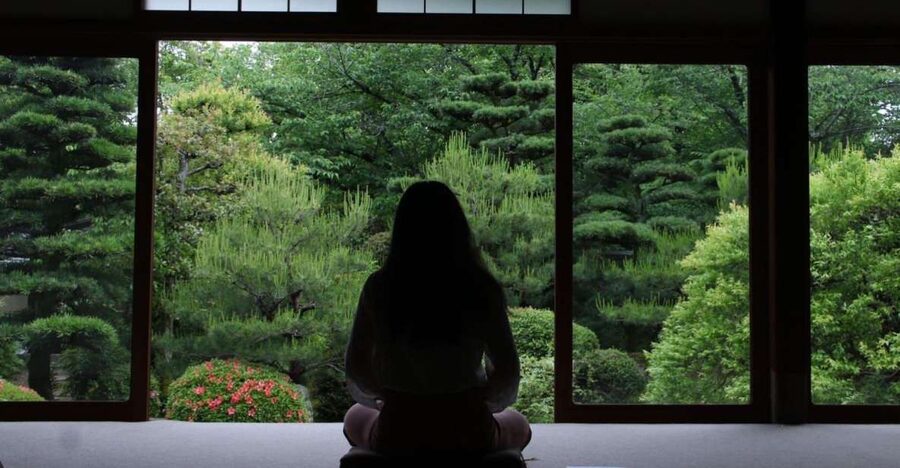
If you want Kyoto without the nonstop foot traffic, this is a smart choice. Jusho-in sits inside Myoshin-ji, one of Japan’s largest Zen temple complexes, yet the zazen space itself feels intentionally quiet. The focus is simple: you practice, you ask, you drink tea, and you leave with a clearer sense of how Zen training works.
I like that this is not just a sight-seeing add-on. You spend real time sitting, guided by a Zen leader, in a setting that is meant for contemplation. And yes, you will learn why matcha matters here, not just what it tastes like.
Where Jusho-in sits inside Myoshin-ji
Jusho-in was founded in 1599, and it is one of 46 sub-temples within Myoshin-ji. Myoshin-ji is known as the largest Zen temple in Japan, and that matters because it places you in a living tradition, not a museum exhibit.
The tour also leans into Rinzai Zen context. Zen emphasizes direct experience through zazen meditation more than religious texts. Rinzai Zen, introduced in Japan in the 12th century, is known for intense training and the idea of sudden enlightenment, often described as satori.
You do not need to know the vocabulary. The experience is designed to translate the ideas into what you do with your body and attention during meditation.
Sit in silence at a Zen temple
- Kyoto Zen Meditation & Garden Tour at a Zen Temple with Lunch
★ 5.0 · 441 reviews - Kyoto: Tea Ceremony Meditation – Make Matcha with Tea Master
★ 4.8 · 406 reviews - Kyoto: Zen Meditation at a Private Temple with a Monk
★ 5.0 · 202 reviews - Kyoto: Zen Meditation at a Private Temple with a Monk
★ 5.0 · 25 reviews
Getting there: meeting at Myoshin-ji’s north gate
You meet at the north gate of Myoshin-ji and walk to Jusho-in with a guide. Depending on how you book, your exact meeting point may be one of two options, including the north gate area and a meeting address listed as 18 Taniguchisonomachi, 北総門.
That short walk is not filler. It helps you shift gears before you sit. Kyoto can be loud even in sacred spaces, so the timing here matters. By the time you reach the meditation area, you are already moving into the right mental frame.
The tour is rain or shine, so plan to dress for weather. Temple practice spaces can be chilly, especially outside.
Zazen meditation at Jusho-in: two 20-minute sessions that actually teach you
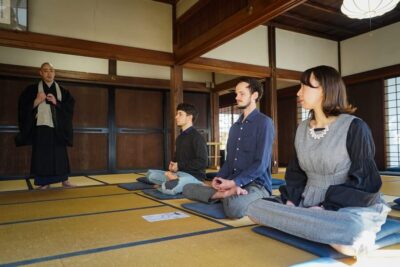
The core of the experience is zazen with the chief priest, Eitetsu Nishida. You get two rounds of 20 minutes each. That pacing is practical for beginners because it gives you a chance to learn posture and focus, then try again with better understanding.
Here is the reality check you should expect: doing zazen can feel harder than people imagine. Your mind will not magically go blank. The “work” is noticing what happens and gently returning to the practice, with guidance that helps you stop fighting your own thoughts.
Seating is assigned based on reservation order. If you care about getting the chair option, ask early when you arrive. Chairs are available for those who need them during zazen, which is a big deal if you have back issues or limited flexibility.
If you wear a rented kimono, you might find it difficult to sit comfortably. The tour specifically warns against it for meditation comfort, so choose clothes that let you sit with stability.
What the guide team handles well
The meditation itself is organized with clear instruction and supportive staff. In the feedback you’ll see repeated praise for patient guidance and a relaxed tone. People often mention that the chief monk is humorous and kind while explaining the practice, which helps when you are trying to focus and feel awkward.
You also get a break between the two zazen rounds for stretching and questions. That stops the experience from turning into silent suffering. It also gives you a way to clear up etiquette and technique before the second sit.
Rinzai Zen philosophy explained through questions, not lectures
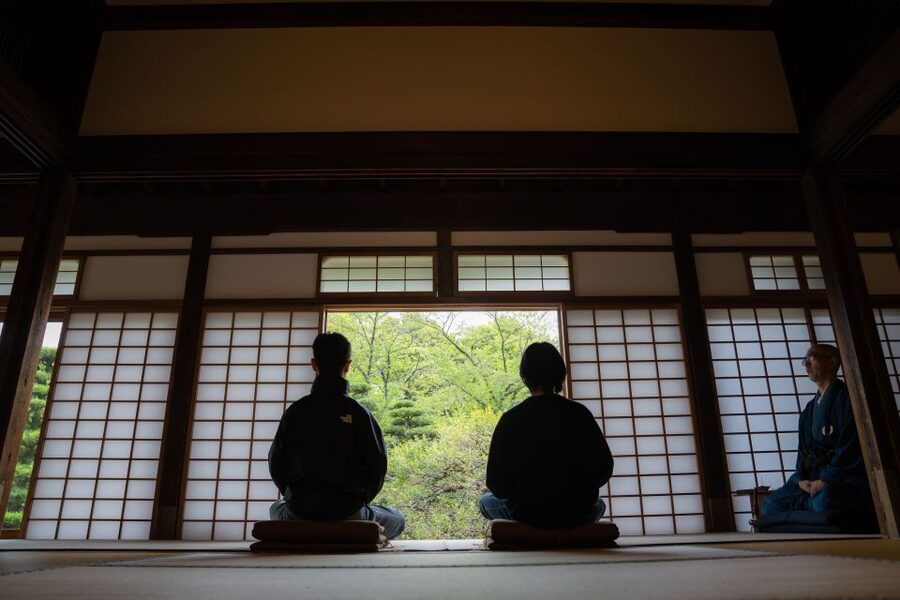
After zazen begins, you do not get stuck in vague talk. The chief priest’s sermon and explanation connect what you just tried to the bigger Zen idea: attention and direct experience.
Rinzai Zen is often discussed with the concept of sudden enlightenment, satori, and intense practice. In this kind of setting, that is not theoretical. You experience it as training your attention through repetition, stillness, and awareness of the present moment.
If you want to ask about how Zen thinking shows up in daily life, this is the right format. The tour gives space for questions during the flow, not only at the end. When you leave, you are more likely to know what to practice on your own, even if you keep it simple.
More rooftops worth a detour

Matcha and sweets: why tea belongs in a Zen session
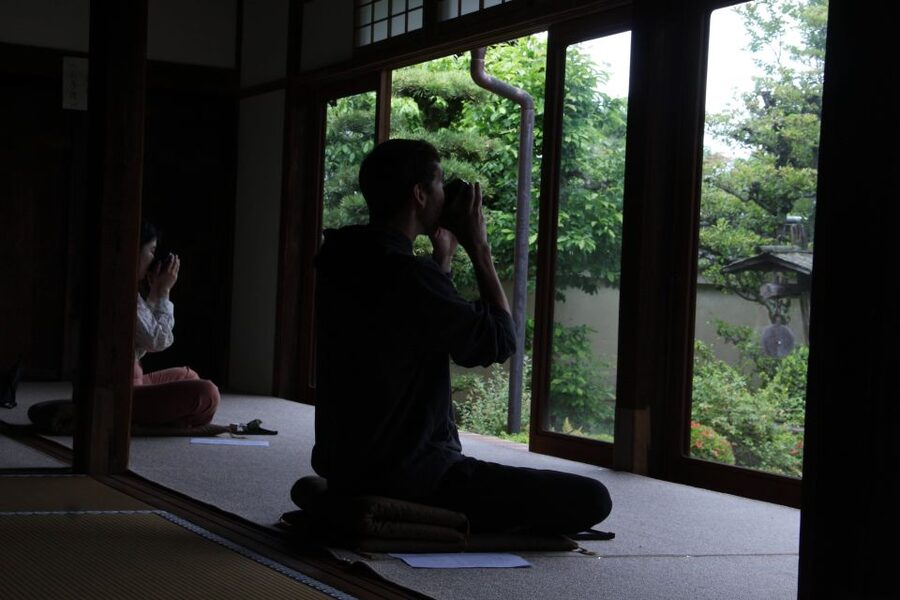
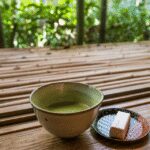
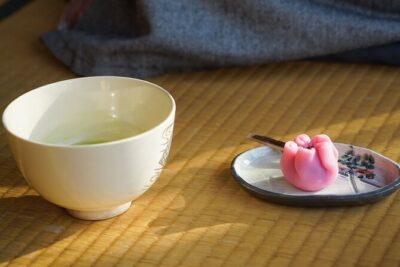
After meditation, you shift from sitting still to tasting with intention. Eitetsu Nishida guides you on enjoying matcha, including its history and how it should be prepared and served in a traditional way. Then you eat seasonal Japanese sweets alongside the tea.
This part hits for two reasons.
First, it is calming. Your senses are still awake from zazen, so matcha and wagashi feel like a continuation, not a break for snacks.
Second, it is educational without being heavy. People often remember the pairing, because the sweetness and the matcha taste sit together in a way that feels planned, not random. The sweets are seasonal, so the menu changes with the time of year.
What you should notice while drinking matcha
Watch how you receive the cup and how you handle it. Even if you do not know the ceremony rules, you learn by following along. And if you are new to matcha, this is a good first lesson because the staff explains the basics before you try.
If it is cold, you may appreciate small practical touches. Some participants report blankets being offered when temperatures drop, and that kind of care makes the tea break feel supportive, not uncomfortable.
The garden view: centuries-old calm you can feel in your body
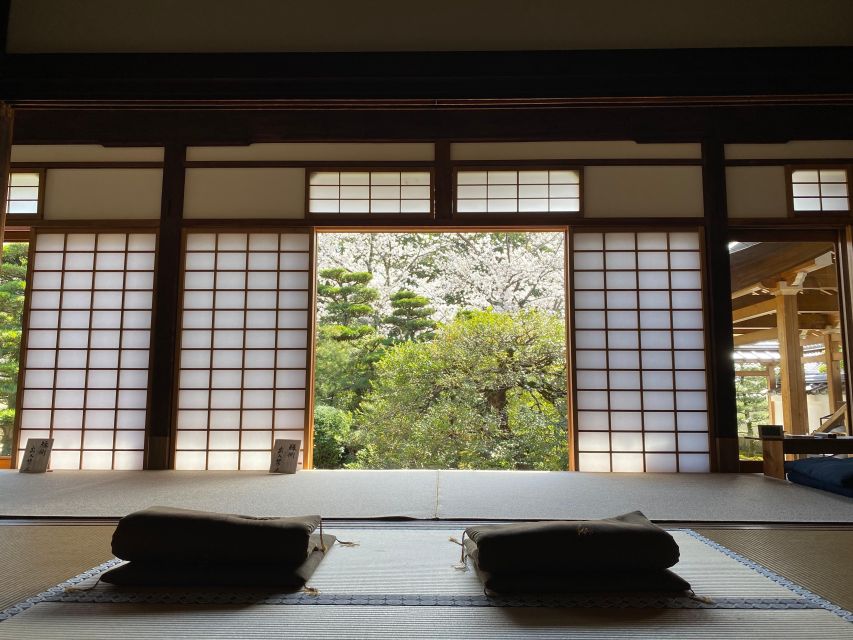
One of the most praised parts of this experience is the garden setting. Jusho-in’s garden is attributed to Eitoku Kano, a renowned painter from the 16th century. It remains unchanged since its creation, which is a rare kind of continuity.
Reviews repeatedly point to the way you can see the garden while you sit and then again while you enjoy tea. The experience is designed so the space reinforces the practice. You are not just in a temple building, you are held by a view that shifts with the seasons.
The garden shows different seasonal beauty: cherry blossoms in spring, fresh greenery in summer, autumn leaves, and snow in winter. So even though the structure of the tour stays the same, the atmosphere you get can feel different.
Photos included: a nice memory without taking over your attention
This tour includes a photoshoot by an SLR camera. You do a commemorative photo as part of the experience, and you receive the photo data a few days after the tour ends.
That matters because it solves a common problem. You can focus on meditation and tea without stopping to set up your camera every five seconds. For anyone who wants quiet time, this is a smart design choice.
Timing, logistics, and what to bring (keep it simple)
The total duration is about 2 hours. That time includes zazen explanations and the tea experience. With a short overall length, you can fit it into a Kyoto morning or afternoon without losing your whole day to travel.
No hotel pickup is included. You will plan your own trip to the meeting point. Because you meet at Myoshin-ji’s north gate and then walk to Jusho-in, build in a little extra time to find the right spot.
What to bring: nothing required. Still, I’d bring a small layer for cool weather. If you are sensitive to temperature, the temple can feel colder than the street outside.
What to wear: comfortable clothes that let you sit. Avoid rentals like kimono if you expect limited leg flexibility. You do not need special shoes or meditation gear.
Bathrooms are available, which you will appreciate once you commit to two meditation rounds.
Price and value: why $109 can make sense
At $109 per person for a 2-hour experience, this is not the cheapest thing on the Kyoto list. But it is also not just a guided walk.
You are paying for a full teaching moment inside an operating Zen temple, including:
- a live English guide
- temple entry
- the chief priest’s sermon
- zazen instruction and practice time
- a matcha and sweets experience
- an on-site SLR photoshoot, with photo data sent afterward
If you try to recreate this on your own, you typically spend time and money figuring out access, finding a teacher, and coordinating a tea or etiquette session. Here, the structure is handled for you, and you get instruction from a chief abbot at Jusho-in, which is the real value driver.
For many people, the price feels fair because the experience is calm, organized, and focused. You leave with more than photos, you leave with a practiced understanding of what zazen and matcha training feel like together.
Who this Kyoto Zen experience is best for
This works well if you:
- want a quiet Kyoto experience away from the busiest tourist areas
- are curious about Zen and want a practical start, not a textbook overview
- like structured instruction and a friendly atmosphere
- enjoy tea culture and want to understand the connection to Zen practice
It can also suit families and mixed-age groups, since it is described as open to all ages. But if you have mobility constraints, note that the tour is not wheelchair accessible. Chairs are offered for zazen support, which helps many people, but the space still has limits.
If you have any fear about meditation being too hard, this is a good entry point. The two-session format, the chance to ask questions, and the option of chairs make it beginner-friendly without turning it into a watered-down intro.
Should you book this zazen and matcha session at Jusho-in?
I think you should book if you want Kyoto to slow you down in a real way. This is one of those activities where the value is not in the number of stops, it is in the quality of the time you spend sitting and learning. The garden, the temple setting, and the tea follow-through turn it into a complete experience, not a half-hour demo.
I would skip it if you expect something purely scenic and low-effort. You will sit for 20 minutes twice, and the etiquette matters. Also, you should pick comfortable clothing and be ready to focus.
If you want a meaningful break from the crowds, and you are open to learning Zen through practice, this is one of the best ways to do it near Kyoto.
FAQ
Is the Kyoto Zen experience at Jusho-in open to everyone?
It is open to all ages. However, it is not wheelchair accessible.
How long is the experience?
The total duration is about 2 hours, including explanations of zazen and the tea experience.
Do I need to bring anything or wear special clothing?
No special requirements are listed. Wear something comfortable for sitting, and avoid renting a kimono if you expect trouble getting into a meditative position.
What happens during the zazen meditation?
You practice zazen meditation with guided instruction and you do two sets of 20-minute sessions.
Are chairs available during zazen?
Yes. Chairs are available for those who need assistance during zazen.
What is included besides meditation?
You get a matcha and Japanese sweets experience, plus explanations of matcha, and a commemorative photo.
Is there a photographer, and will I receive photos?
Yes. There is a photoshoot by an SLR camera, and you receive the photo data as a keepsake a few days after the tour ends.
Is the tour held rain or shine?
Yes, the tour takes place rain or shine.
What restrictions apply during the temple experience?
Weapons or sharp objects are not allowed. Alcohol and drugs are also not allowed.
How does cancellation work?
Full refunds are available if you cancel up to 24 hours before the tour starts. No refunds apply after that window.
New This Season
- Koyasan Day Trip by Private Car from Kyoto
- Old Port Town and Ultimate Sake Tasting Private Tour From Kyoto
- Kyoto’s Timeless Charm: 3hr Exploration of History and Peace
- Kyoto: 5 Types of Sushi Making
- Sacred Peak & Ancient Paths: Kurama-Kibune Hiking Experience
- Kyoto: Exclusive ZEN practice at Manpukuji temple in Uji
- Kyoto: Private Seasonal Aroma Yoga Class
- Traversing Kyoto’s Scenic West – Arashiyama to Kinkakuji
Zen Meditation Sessions, compared.
Kyoto Zen Meditation & Garden Tour at a Zen Temple with Lunch
Read our review →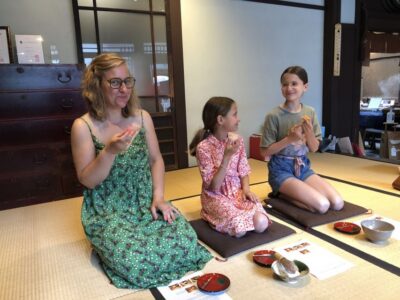
Tea Ceremony Meditation – Make Matcha with Tea Master
Read our review →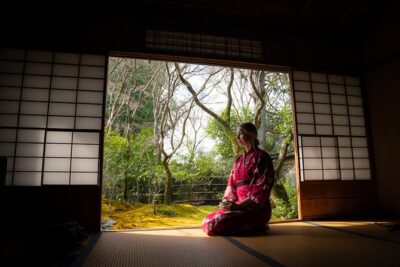
Zen Meditation and Garden Tour at a Temple with Lunch
Read our review →Zen Meditation at a Private Temple with a Monk
Read our review →
Candlelit Zen: Evening Meditation at Kyoto’s Secret Temple
Read our review →Also filed under