
Reviewed · ZEN MEDITATION SESSIONS
Kyoto: Zen Meditation at a Private Temple with a Monk
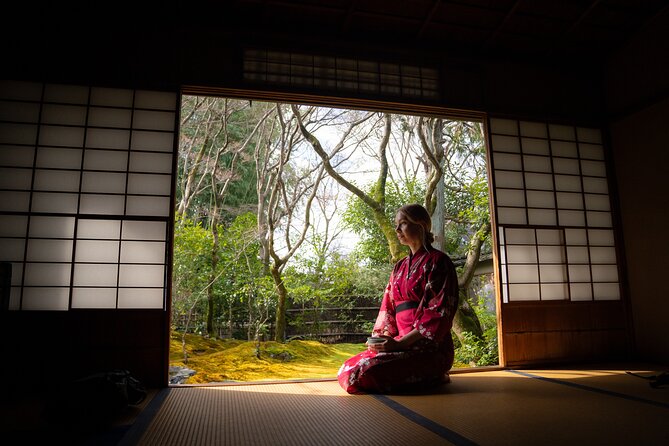
Kyoto gets quieter when you sit with a monk. This 90-minute Zazen session takes you to a temple not open to the general public, then guides you through seated meditation and reflection. I also like that it ends with tea and a real discussion with the monk. One consideration, the space and setup are not suitable for people with claustrophobia or mobility impairments.
What makes this feel different from a basic meditation class is the human part. With guides such as Kohtaro and Soma translating from Japanese into clear English, you are not just doing a routine. You get help understanding what to do, you can ask questions after, and you can even take photos with the monk and around the temple grounds.
In This Review
- Key things that make this Kyoto Zen meditation special
- Zen meditation at a private Kyoto temple, not a performance
- Getting to Kodaiji Park and the meeting point puzzle
- The monk’s Zazen lecture: technique, posture, and breath rhythm
- Practice session: how guided silence changes the feel
- Tea ceremony and garden views after you sit
- Questions with the monk: turning Zen into something personal
- Photos with the monk and temple: do it, but keep the tone right
- Price and value: $91 for 90 minutes, what you are really paying for
- Who this Kyoto Zen meditation fits best
- Should you book this Kyoto Zen meditation session?
- FAQ
- FAQ
- How long is the Kyoto Zen meditation experience?
- Where do I meet for the tour?
- Is transportation included?
- What’s included in the ticket price?
- What language is the tour guide speaking?
- Is it private or small-group?
- Is the experience suitable for children?
- Is it suitable for people with mobility impairments?
- Is it suitable for claustrophobia or fear of heights?
- Does the experience include tea and discussion with the monk?
Key things that make this Kyoto Zen meditation special
- Private temple access where you can experience Zen without the usual public crowd pressure
- Zazen coaching from a monk, with posture and technique guidance through English translation
- Matcha tea and sweets after meditation, served while you enjoy garden views
- Q&A with the monk so the practice connects to real life, not just theory
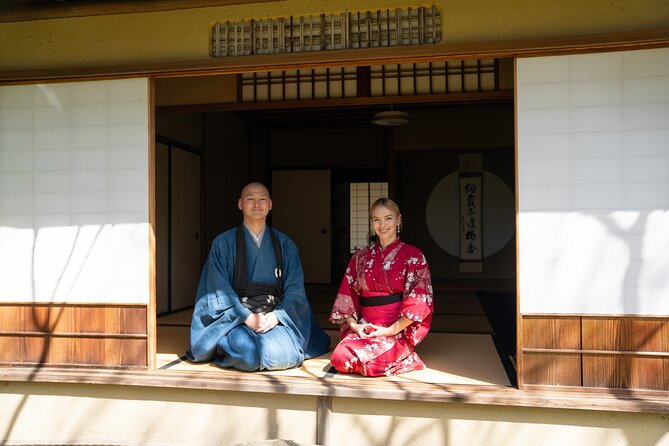
- Photo opportunities with the monk and in the temple and gardens
Zen meditation at a private Kyoto temple, not a performance
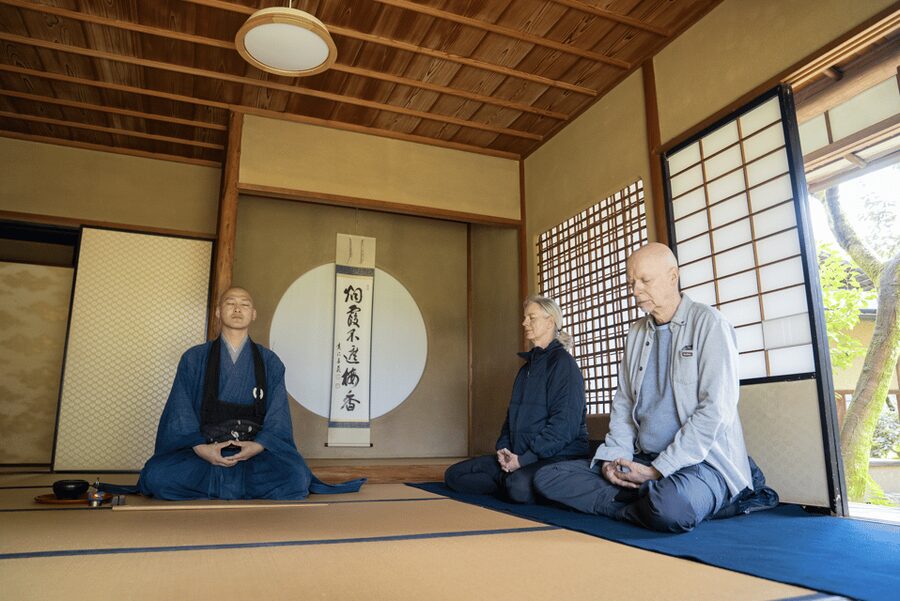
Kyoto can feel like a theme park when you hit it at peak time. This experience cuts under the surface. You are walking into a temple that is not open to the general public, so the mood changes fast. Instead of chasing sights, you slow down. You sit. You breathe. You listen.
And yes, it is spiritual. But it is also practical. The monk teaches Zazen, the core practice of Zen Buddhism, and you do it with guidance rather than guessing. In the feedback I saw again and again, people loved how welcoming and calm the monk felt, and how the guide helped them understand the meaning behind the technique, not just the steps.
If you are new to meditation, that matters. A first attempt in an empty room at home can be awkward. Here, your mind has support. You get a short cultural and Zen orientation first, and then you get a structured lecture on how to meditate seated, including what to focus on and how to sit. You are not thrown in alone and told to figure it out.
Getting to Kodaiji Park and the meeting point puzzle
You meet at Kodaiji Park. The exact instruction is to meet at the toilet at Kodaiji Park, with the guide waiting on the northern side of the toilet.
Is that funny in a slightly stressful way? Yes. Is it also easy once you know where you are going? Also yes. The best move is to zoom in on your map right before you leave the hotel, then match what you see on the ground with the location your guide describes.
The walk from the park to the temple is short, about 10 minutes on foot. In other words, you are not dealing with a long commute right before you sit down. That helps the whole point of the session, you arrive already slowed.
Sit in silence at a Zen temple
- Kyoto Zen Meditation & Garden Tour at a Zen Temple with Lunch
★ 5.0 · 441 reviews - Kyoto: Zen Experience in a Hidden Temple
★ 5.0 · 437 reviews - Kyoto: Tea Ceremony Meditation – Make Matcha with Tea Master
★ 4.8 · 406 reviews - Kyoto: Zen Meditation at a Private Temple with a Monk
★ 5.0 · 25 reviews
The monk’s Zazen lecture: technique, posture, and breath rhythm
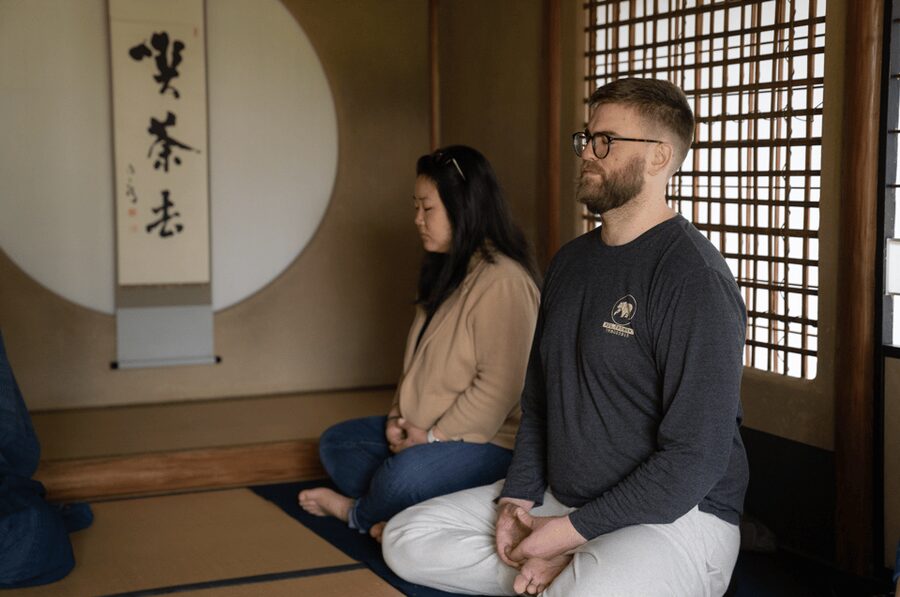
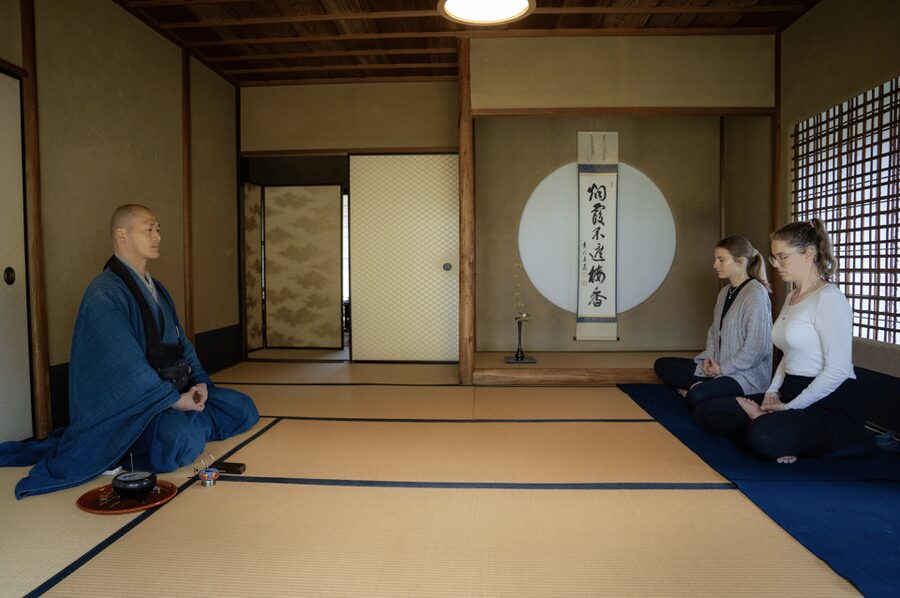
The core teaching is Zazen, seated meditation. Before you sit, you get a lecture that explains the principles and techniques. This is not just religious talk. It is focused on what to do with your body and what to do with your attention.
From the info you are given, the theme is consistent:
- you unify the mind through disciplined awareness
- you work on detaching from ego and worldly concerns
- you use steady, rhythmic breathing as an anchor
- you learn proper posture and technique so the seat supports the practice
The big value here is guidance through translation. In multiple accounts, English translation was a standout. Guides such as Kohtaro and Soma were described as fluent and clear, so the monk’s points land in real language you can use. That matters if you have ever sat in silence and thought, Am I doing this right?
Also, you are not limited to lecture. You get time to practice right after. That turns the whole thing from an interesting talk into an actual skill you can carry home.
Practice session: how guided silence changes the feel
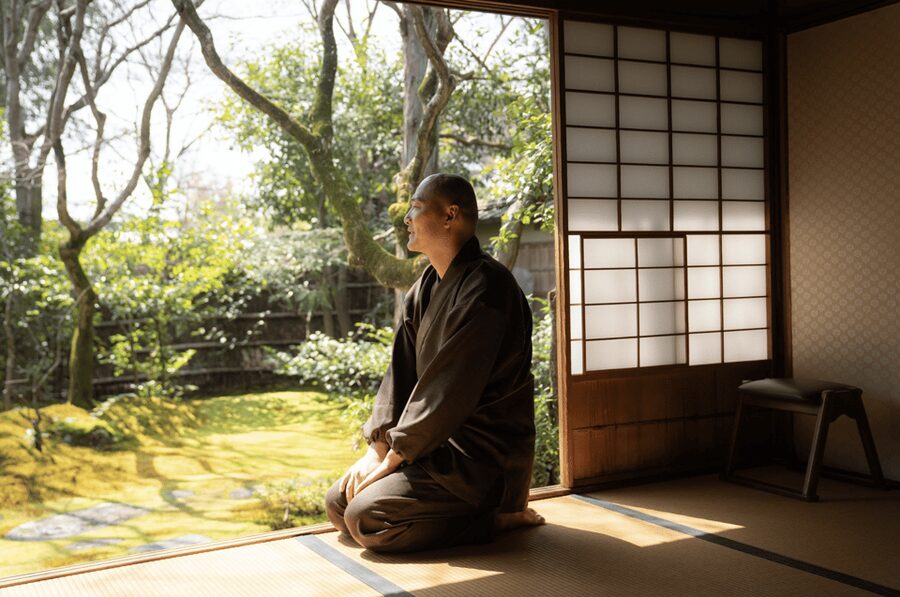
Then comes the part everyone hopes for and quietly fears a little, sitting long enough for your brain to stop narrating your life story.
The practice is guided. You listen, you follow the posture and technique instructions, and you focus on breath and attention. People in the feedback repeatedly described the session as calming, focused, and accessible, even for their first time. One person noted that they learned a way to meditate that helped them quiet constant thoughts, and others emphasized how welcoming the monk made the whole experience.
A detail that stands out for beginners: you are given enough structure to feel safe. You do not have to guess how to sit, how to hold your attention, or how to stay present. And because the temple setting is peaceful, the practice feels natural rather than forced.
Timing matters too. The total experience is 90 minutes, with practice as part of a paced flow rather than a random long sit. That keeps the day from feeling like a meditation test.
Tea ceremony and garden views after you sit
After meditation, the experience shifts from internal focus to gentle hospitality. Tea ceremony happens at the end, paired with a view of the temple gardens.
This is where the session becomes memorable in a sensory way. Matcha tea and sweets are mentioned in the feedback often, and you taste something traditional while the mood stays calm. It is not a rushed handshake at the end. It is a slower close that helps you absorb what you just did.
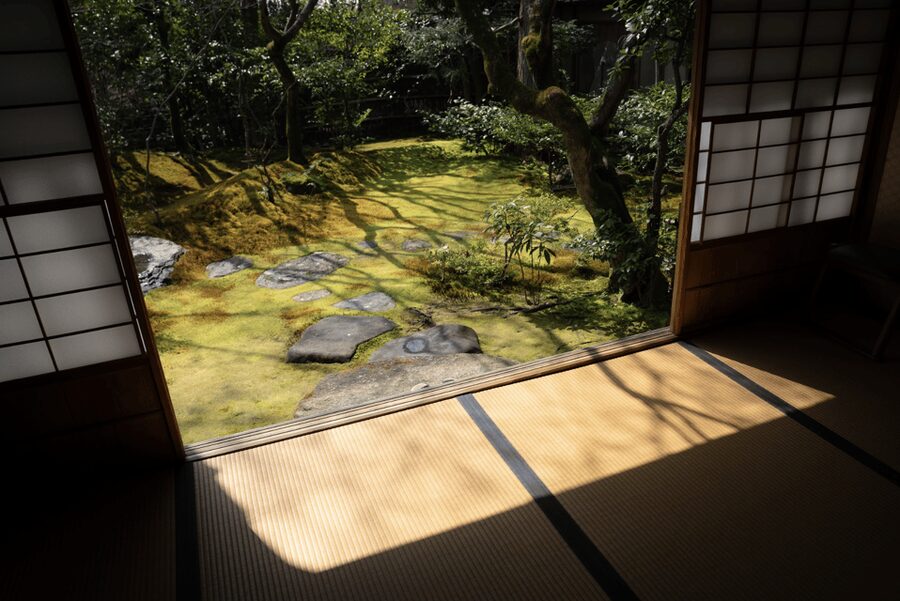
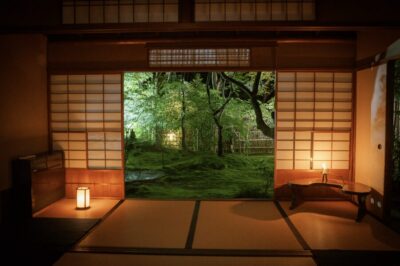
The gardens are another huge part. People highlighted the peaceful atmosphere and often referenced mossy, quiet garden views. Even if you think you will not remember details, you will remember the feeling of sitting there with your thoughts finally quieter than your schedule.
If you like photos, this is also one of the best times. You can take pictures of the temple and gardens, and you can take photos with the monk. Just keep it respectful. If the group is instructed to pause, pause.
Questions with the monk: turning Zen into something personal
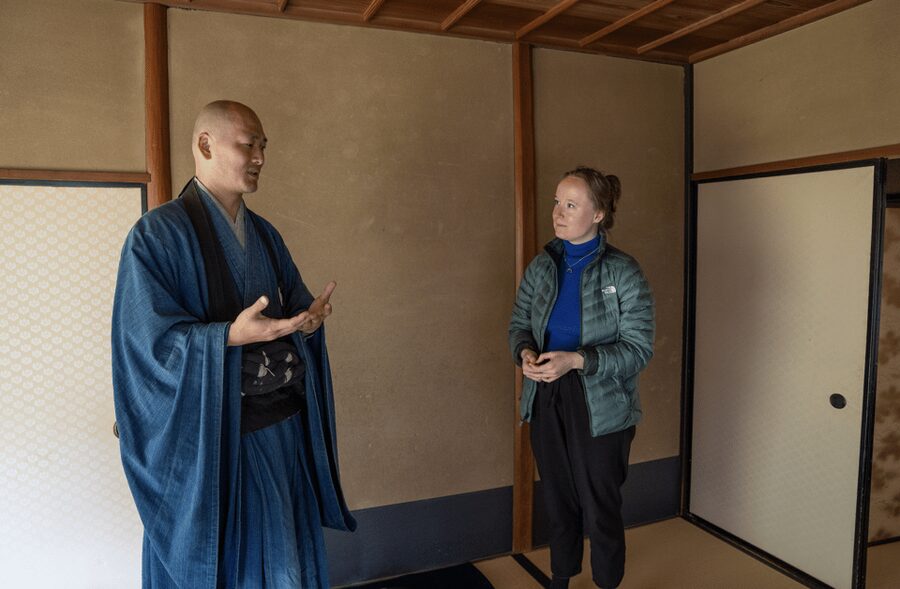
The experience does not end when you leave the seated area. You also get a chance to talk with the monk. This is where many people feel the practice becomes real.
In feedback, people loved being able to ask questions about Zen meditation, the monk’s life, and how the practice fits into everyday choices. There is a feeling of being treated like a person, not a tourist collecting stamps. Several accounts mention the monk and guide being friendly and open.
One booking mentioned the monk allowed extra time for follow-up questions after the group finished, which tells you something important. This is not a strict, assembly-line experience where everyone is cut off at the minute. If you have real questions, ask them. Prepare one or two ahead of time so you do not freeze in the moment.
The guide also plays a big role here. Because the guide translates, you can ask direct questions without turning everything into pantomime.
More rooftops worth a detour

Photos with the monk and temple: do it, but keep the tone right
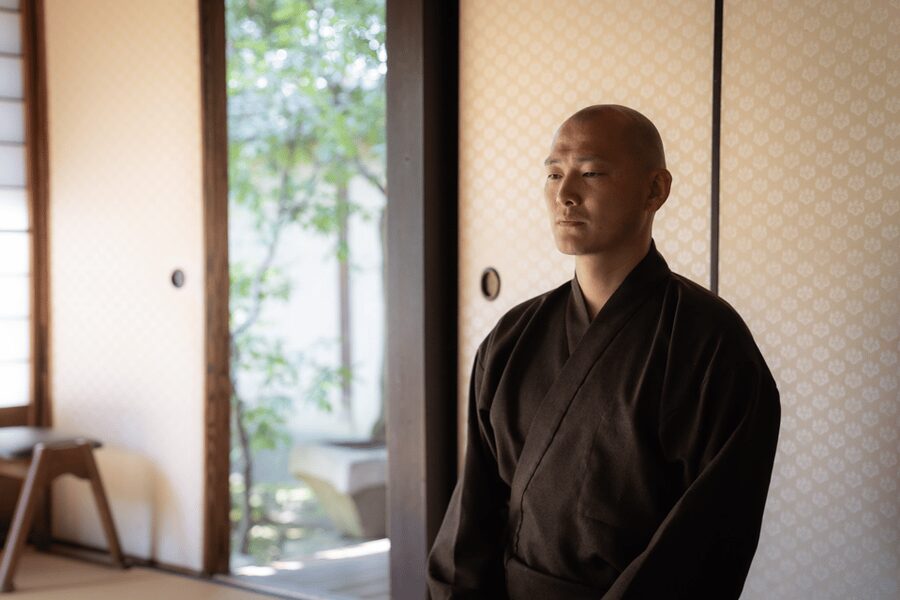
It is included that you can take photos with the monk and of the temple and gardens.
A practical tip: take photos when the monk and guide are ready to pause. In a meditation space, timing is respectful. If you snap every second, you may break the mood for yourself and others. If you take a few calm photos, it will feel like a souvenir, not a disruption.
Also, wear comfortable clothing. You are sitting during Zazen, and the day is paced around the ceremony. If you plan to take photos afterward, you do not want to be tugging at clothing or trying to look composed while your posture is fighting you.
Price and value: $91 for 90 minutes, what you are really paying for
Yes, $91 per person can feel steep at first glance, especially when it is 90 minutes.
Here is why it can still be good value. You are paying for:
- access to a temple not open to the general public
- a full Zen orientation plus instruction on Zazen
- entry to the temple grounds
- an English-speaking live guide
- a monk-led meditation practice
- tea ceremony at the end
- and time for Q&A and photos
Most cheaper meditation options in big cities are either generic classes, self-guided audio, or crowded group events. This one is premium because it is personal, structured, and hosted in a real temple environment.
One practical catch: transportation is not included. That means you need to plan how you get to Kodaiji Park. If you are staying far away, the real cost includes your transit time and money.
So I would frame it like this: if you want a calm, guided, in-person Zazen introduction in a non-public Kyoto temple setting, this price starts to look fair. If you mostly want a quick photo stop, you would likely feel it is overpriced.
Who this Kyoto Zen meditation fits best
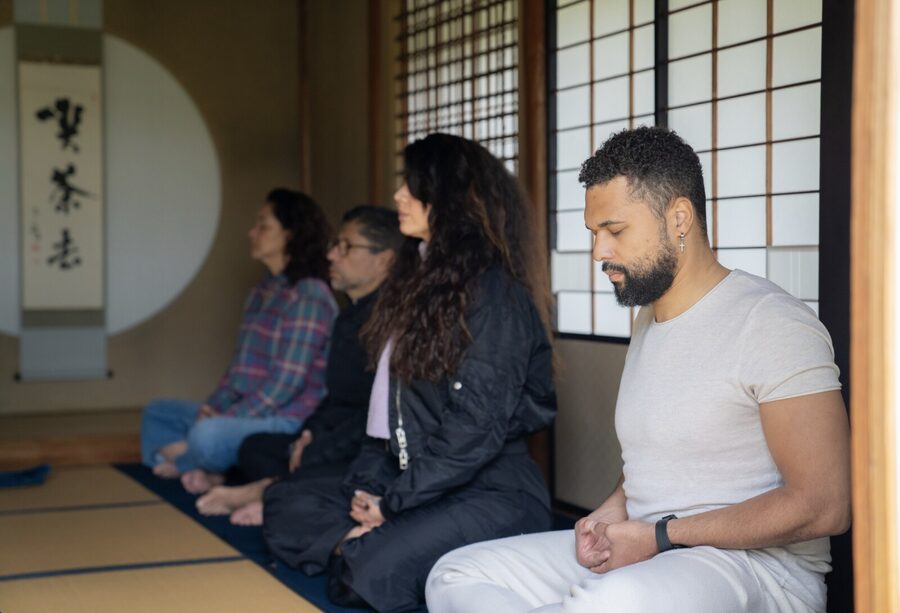
This is a great fit if you:
- want a guided introduction to Zazen (especially if it is your first time)
- prefer quieter experiences that feel like part of local life, not a rushed sightseeing circuit
- like asking questions and understanding what you are doing, not just following along
- want a break early in your Kyoto day to reset your nervous system
It is less of a fit if you:
- are traveling with children under 12 (not suitable)
- have mobility impairments (not suitable)
- have claustrophobia (not suitable)
- are afraid of heights (not suitable)
Those limits matter more than any itinerary detail. If your body and comfort do not match the space constraints, the calming effect will be harder to access.
Should you book this Kyoto Zen meditation session?
If you are seeking calm with structure, I think you should book it. The combo of monk-led Zazen instruction, English translation clarity, tea, garden time, and a real discussion creates a full experience, not a quick activity.
I would especially recommend it as a first meditation experience in Japan, because the guide support makes the practice feel doable. And if you are the type who gets irritated by crowds, the private temple access is a huge win.
Skip it only if the comfort restrictions apply to you, or if you are expecting something more like a temple tour. This is meditation first, hospitality second, sightseeing last.
FAQ
FAQ
How long is the Kyoto Zen meditation experience?
The experience lasts 90 minutes.
Where do I meet for the tour?
Meet at the toilet at Kodaiji Park. The guide waits for you on the northern side of the toilet.
Is transportation included?
No, transportation is not included.
What’s included in the ticket price?
You get the Zen experience, entry to the temple, a lecture on meditation principles and techniques, and practice of Zazen.
What language is the tour guide speaking?
The live tour guide speaks English.
Is it private or small-group?
Private or small groups are available.
Is the experience suitable for children?
No, it is not suitable for children under 12.
Is it suitable for people with mobility impairments?
No, it is not suitable for people with mobility impairments.
Is it suitable for claustrophobia or fear of heights?
No, it is not suitable for people with claustrophobia or people afraid of heights.
Does the experience include tea and discussion with the monk?
Yes. It ends with a tea ceremony and a discussion with the monk.
New This Season
- Koyasan Day Trip by Private Car from Kyoto
- Old Port Town and Ultimate Sake Tasting Private Tour From Kyoto
- Kyoto’s Timeless Charm: 3hr Exploration of History and Peace
- Kyoto: 5 Types of Sushi Making
- Sacred Peak & Ancient Paths: Kurama-Kibune Hiking Experience
- Kyoto: Exclusive ZEN practice at Manpukuji temple in Uji
- Traversing Kyoto’s Scenic West – Arashiyama to Kinkakuji
- Kyoto: Private Seasonal Aroma Yoga Class
Zen Meditation Sessions, compared.
Kyoto Zen Meditation & Garden Tour at a Zen Temple with Lunch
Read our review →
Tea Ceremony Meditation – Make Matcha with Tea Master
Read our review →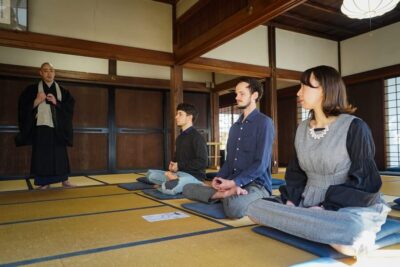
Zen Meditation and Garden Tour at a Temple with Lunch
Read our review →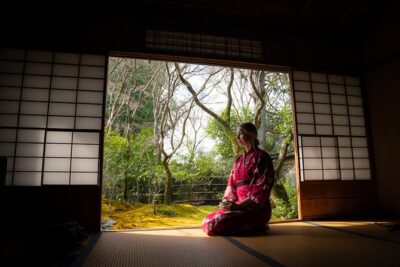
Zen Meditation at a Private Temple with a Monk
Read our review →
Candlelit Zen: Evening Meditation at Kyoto’s Secret Temple
Read our review →Also filed under