
Reviewed · DRINKING TOURS
Japanese whiskey tasting; relaxed and educational in the bar
Rare bottles, taught like a casual lesson. In Sanjo, I love the way this tasting moves from a Suntory Kaku high-ball start to straight pours of Hibiki 17, Yamazaki 12, and Taketsuru, and I also love the relaxed, hands-on explanations led by Kenji, including how a little water changes the flavor. One thing to consider is the price, $197.14 for about 1.5 hours, so it is best if you truly enjoy Japanese whiskey, not just a quick sip.
You meet at the Statue of Takayama Hikokurō in Higashiyama Ward, and you spend the evening in a real bar setting, with small-group attention and time to ask questions. Then you end back at the meeting point with local tips, including a walk through the Geisha district and restaurant suggestions that match what you like to eat.
In This Review
- Key highlights you will feel right away
- Why this Kyoto Japanese whiskey bar format works
- The 1.5-hour flow, from Suntory Kaku to rare pours
- Meet in Sanjo, get Kyoto context fast
- First stop: Suntory Kaku and the high-ball lesson
- Next step: Hibiki 17, Yamazaki 12, and Taketsuru
- A conversation part that actually feels natural
- Hibiki 17, Yamazaki 12, Taketsuru, what to notice
- Straight tasting: what the bottle is doing on its own
- Water with 2 drops: how the character changes
- High-ball versus neat: why your palate learns faster
- Where the Geisha district fit matters for your night
- Price and value: is $197.14 worth it
- Best for who, and who should skip
- Practical details that affect your experience
- Should you book this Kyoto Japanese whiskey tasting?
- FAQ
- What is the meeting point for the Kyoto Japanese whiskey tasting?
- How long does the experience last?
- What whiskey do you taste?
- Is this a small group activity?
- Where is it located, and is it easy to reach?
- What if the experience is canceled due to weather or you need to change plans?
Key highlights you will feel right away
- High-ball first, because it is the real Kyoto starting point: learn the most common way Japanese whiskey gets served.
- Rare bottles for your flight: Hibiki 17, Yamazaki 12, and Taketsuru are hard to find, and the pours feel special.
- A simple water technique that changes the glass: add 2 drops of water and watch the character open up.
- Small group size (max 8): you get enough time to talk, not just watch.
- Kenji leads the pace: friendly guidance, with recommendations and room for your questions.
- Sanjo orientation plus a Geisha district finish: a little Kyoto context and useful dinner ideas.
Why this Kyoto Japanese whiskey bar format works
Kyoto can feel like two things at once. You have historic streets and quiet shrines, and then you have very modern nightlife pockets like Sanjo, where locals actually hang out and drink. This experience leans hard into the second side, the bar culture that helps you understand why Japanese whiskey has such a devoted following.
What I like most is that it is not only about handing you a flight. You are taught how to taste in a practical way: start with a familiar style, then compare how the whiskey behaves when served straight versus lightly diluted. That structure gives you a fair test, so you can actually tell what you like, instead of just thinking everything tastes like alcohol.
The other win is the tone. It is relaxed and educational, not formal. Kenji sets the mood so you can ask normal questions like why people in Japan choose certain serving styles or what to watch for when a bottle is rare.
The 1.5-hour flow, from Suntory Kaku to rare pours
The timing is tight but not rushed. Plan on about 1 hour 30 minutes total, and note that it ends back at the meeting point, so you do not need extra coordination afterward.
A quieter way to spend a day in Kyoto
- Kyoto Night Foodie Tour in Gion (9+ dishes + 6 Sake tastings)
★ 5.0 · 1,762 reviews - 3-Hour Kyoto Insider Sake Brewery Tour with Tastings & Pairings
★ 5.0 · 917 reviews - Arashiyama Bamboo, Temple, Monkeys, or Secret Sake Brewery
★ 4.8 · 886 reviews - Kyoto: Izakaya Bars Guided Walking Tour
★ 4.9 · 815 reviews
Meet in Sanjo, get Kyoto context fast
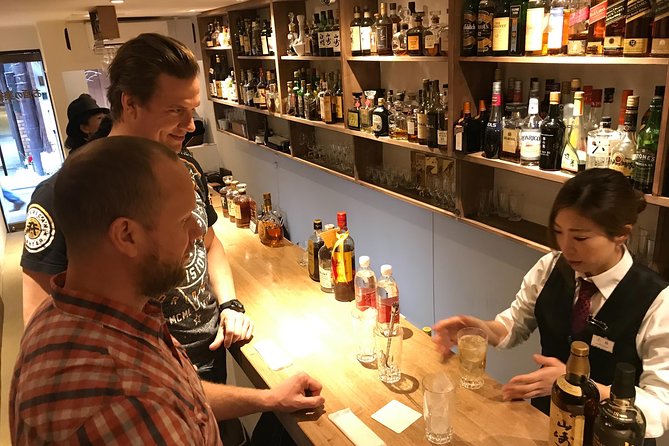
You start at the Statue of Takayama Hikokurō, near Sanjo, which is one of Kyoto’s most convenient entertainment areas. Kenji explains general Kyoto info and specifically what to know about Sanjo, so you have a mental map before you step into the bar.
This matters because Kyoto can confuse first-timers. When you understand where Sanjo sits and what the area is like at night, your evening after the tasting becomes easier. You can focus on dinner, not logistics.
First stop: Suntory Kaku and the high-ball lesson
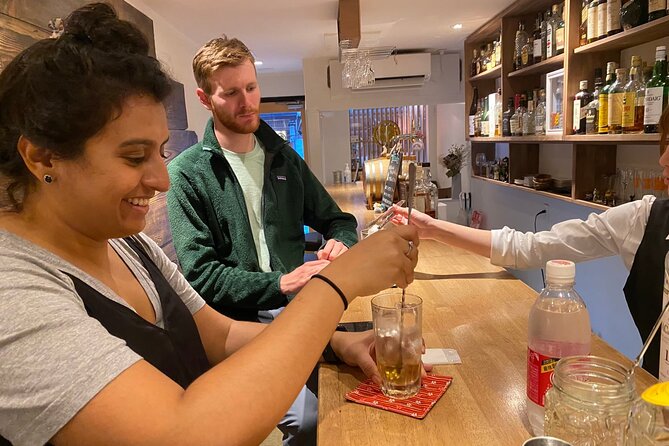
The bar starts you with Suntory Kaku, described as the most popular and representative option for Japanese whiskey. Then you make a high-ball, whiskey mixed with soda, which is the standard drink format in Japan.
This is a smart choice for two reasons:
- It gives you an anchor. If you only taste neat whiskey, you may miss the style most people actually enjoy.
- It shows you how Japanese whiskey is built for balance, not just intensity.
High-balls also help if you are not fully sure you want straight spirits yet. The soda lightens the feel, so your palate wakes up without getting overwhelmed in the first minutes.
Next step: Hibiki 17, Yamazaki 12, and Taketsuru
After the high-ball start, you move into the real showpieces. The tasting includes Hibiki 17 years, Yamazaki 12 years, and Taketsuru. These are explicitly presented as very rare and expensive options, and that context changes how you pay attention.
You get the experience in two rounds:
- First, you taste the whiskey straight.
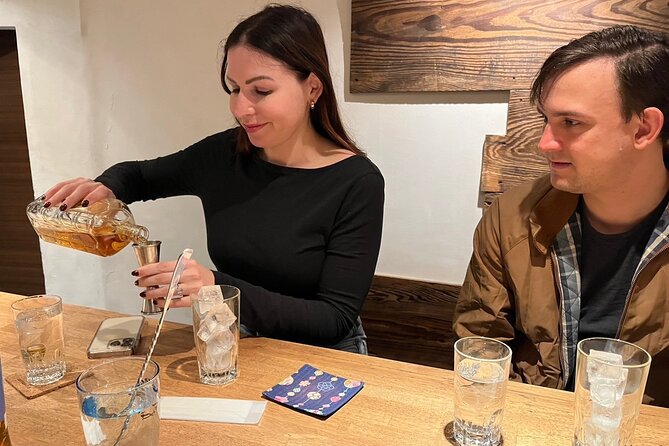
- Then Kenji has you add 2 drops of water, after which the flavor opens up, turning sweeter and more mellow.
That water step is the most useful part for real-life drinking. It teaches you that you can adjust the glass. If you ever wondered why one pour feels sharper and another tastes softer, this gives you a simple method to experiment on your own later.
A conversation part that actually feels natural
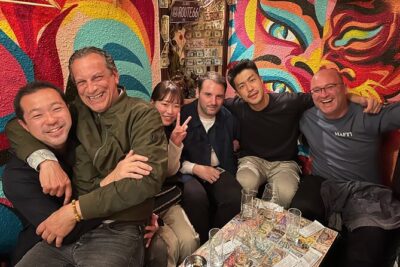
There is time to talk with local whiskey fans in the bar. This is not staged networking. It is more like, you are in a place where people care about whiskey, so questions and small observations naturally turn into conversation.
If you are shy, you can still enjoy it. The bar setting does a lot of the work for you. If you like to talk, you will get more than a script, you will hear how people in Japan describe flavor and serving choices.
A day of temples goes further with something to break it up.
Hibiki 17, Yamazaki 12, Taketsuru, what to notice
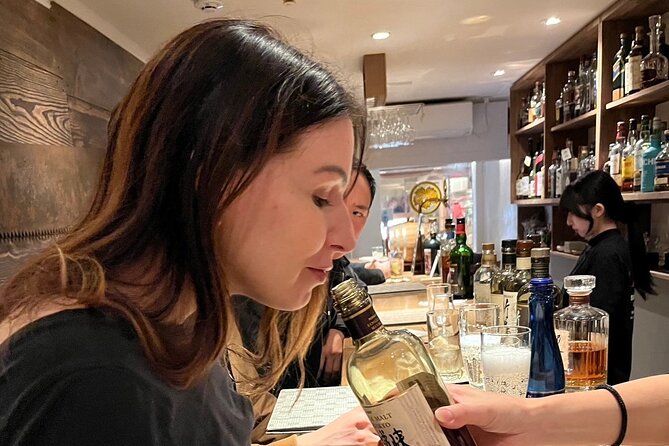
You are tasting three different expressions, and the point is not to memorize tasting notes. The point is to practice noticing differences you can explain later.
Here is what the structure helps you pick up:
Straight tasting: what the bottle is doing on its own
When you taste neat, you notice the whiskey’s core personality first. This is where strength and first impressions show up. With rare bottles, it is easy to think you need to be an expert. You do not. Just focus on how the first mouthfeel hits, and what stays with you after you swallow.
Water with 2 drops: how the character changes
The 2-drop water method is simple, but it creates a big shift. You are basically letting the spirit relax and blend its aromas. In this tasting format, Kenji guides you to notice that the flavor becomes sweeter and more mellow after the water step.
If you want to get the most out of it, do this in your head:
- Compare neat versus water right away.
- Pay attention to aroma changes before you taste again.
- Notice whether the finish feels smoother, not just different.
It is a practical skill. You can use it later if you find one bottle again and want to decide how you personally like it.
High-ball versus neat: why your palate learns faster
Do not skip the high-ball stage even if you usually drink spirits differently at home. Starting with Suntory Kaku helps your palate calibrate. By the time you reach Hibiki 17 and the others, you are not starting from zero.
High-ball also reinforces something important about Japanese whiskey. These bottles are often enjoyed for balance, not only for punch.
Where the Geisha district fit matters for your night
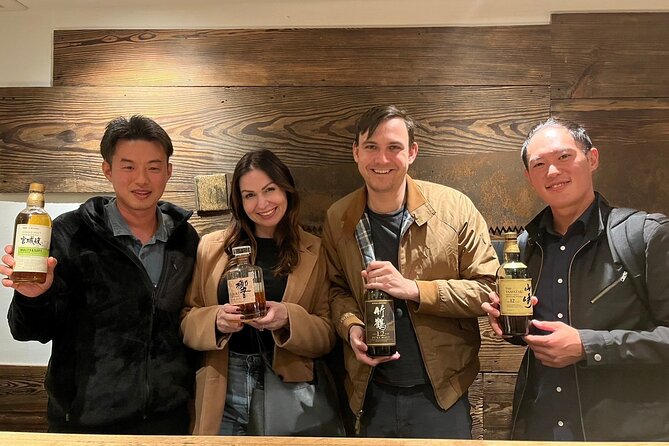
After the tasting, you get a light walk and guidance around the Geisha district. The tour also includes restaurant recommendations based on your preferences.
This is more than a casual add-on. It closes the loop. A whiskey tasting can leave you hungry, and it can also make you want a meal that feels local and matched to the mood. Having someone point you toward options in the area saves time and prevents that common first-night trap, picking a place that looks nice but is far from the vibe you want.
You end back at the meeting point, so you do not have to worry about getting stranded across town with one last drink in your system.
Price and value: is $197.14 worth it
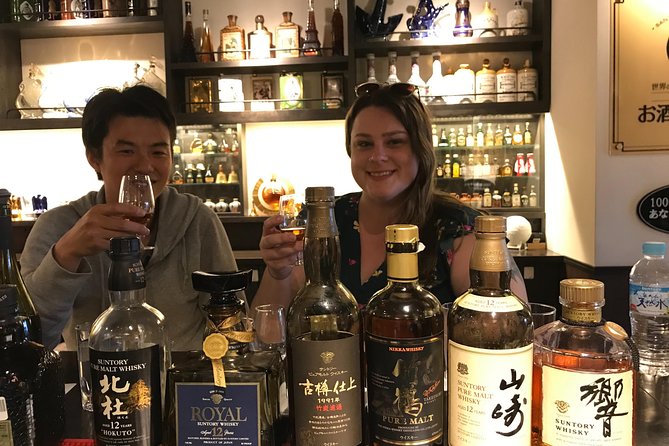
At $197.14 per person for about 1.5 hours, this is not a budget activity. You should see it as a specialty tasting experience centered on bottles that are hard to get.
The value comes from three concrete things you are paying for:
- The rare pours: Hibiki 17, Yamazaki 12, and Taketsuru are the reason many people book in the first place.
- The guided tasting method: straight tasting paired with the 2-drop water technique, plus your high-ball making lesson.
- The small group feel: max 8 travelers, so it is easier to actually ask questions and get attention.
Also, the booking horizon matters. This type of experience is often reserved ahead of time, and the average booking is about 27 days in advance. If you wait too long, you may find dates limited.
If you love Japanese whiskey and you want to taste in a guided way, the price starts to make sense. If you are only casually curious, you might consider trying a standard bar tasting first, then upgrading to a rare bottle session later.
Best for who, and who should skip
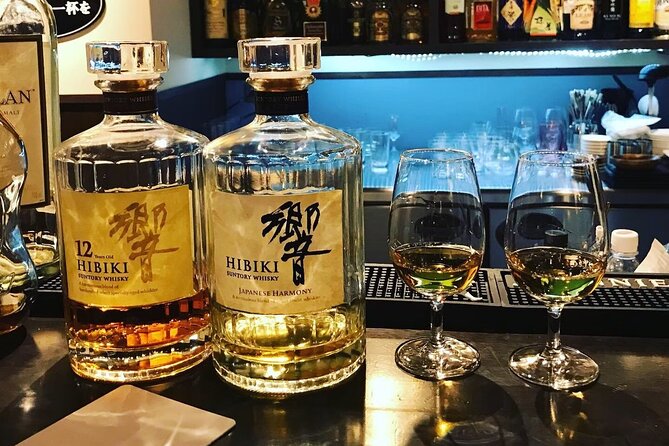
I think this fits best if you fall into one of these buckets:
- You already like Japanese whiskey and want a guided comparison.
- You enjoy tasting with rules, like straight versus lightly diluted.
- You want a Kyoto night with a local bar atmosphere, not only sightseeing.
- You like small groups where you can talk, ask questions, and get real recommendations.
Skip this if:
- You mainly want a photo-and-stroll type outing.
- You are not comfortable spending on alcohol-focused experiences.
- You prefer very long itineraries. This one is compact and centered on the bar tasting.
Practical details that affect your experience
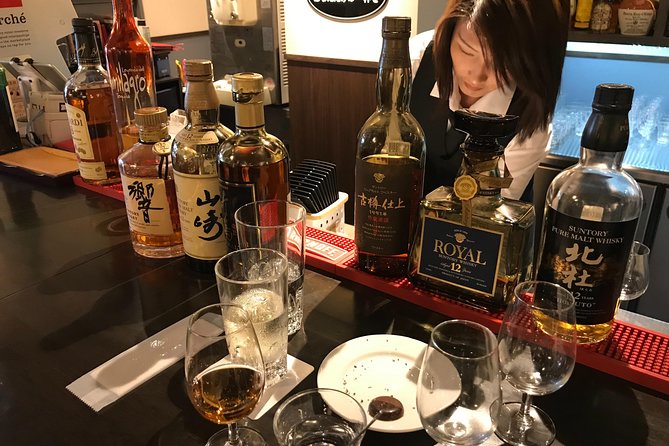
A few basics can make or break your night.
- Group size: max 8 travelers, which is part of why the pace feels relaxed.
- Transportation: the meeting point is near public transportation, so you should be able to get there without drama.
- Ticket: you get a mobile ticket.
- Timing: about 1 hour 30 minutes.
- Location: starts and ends at the meeting point near Sanjo in Kyoto.
Weather matters. The experience requires good weather, and if it is canceled due to poor weather, you are offered a different date or a full refund.
Should you book this Kyoto Japanese whiskey tasting?
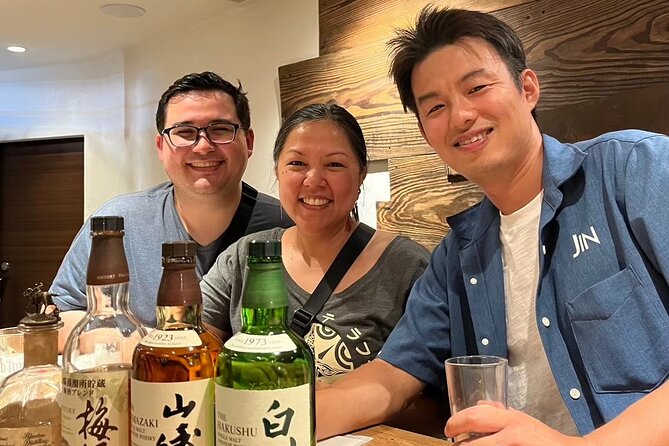
If you care about Japanese whiskey, I would book it. The combination of a real local style drink lesson (the Suntory Kaku high-ball) and a guided tasting of rare bottles (Hibiki 17, Yamazaki 12, Taketsuru) is a strong match for people who like learning while they drink. Kenji’s role stands out because the explanations are practical, and the tasting steps help you notice differences instead of guessing.
The main reason not to book is the price. At $197.14 for roughly 1.5 hours, it is a splurge. But if your goal is a Kyoto whiskey highlight that also leaves you with dinner leads around the Geisha district, it is the kind of evening that turns into a story, fast.
FAQ
What is the meeting point for the Kyoto Japanese whiskey tasting?
You meet at the Statue of Takayama Hikokurō in Higashiyama Ward, Ōhashichō, 三条, Kyoto, and the activity ends back at the meeting point.
How long does the experience last?
It runs for about 1 hour 30 minutes.
What whiskey do you taste?
The tasting includes Suntory Kaku for making a high-ball, plus special tasting of Hibiki 17 years, Yamazaki 12 years, and Taketsuru.
Is this a small group activity?
Yes. The maximum group size is 8 travelers.
Where is it located, and is it easy to reach?
It is in Kyoto, and it is near public transportation.
What if the experience is canceled due to weather or you need to change plans?
The experience is non-refundable and cannot be changed for any reason. If it is canceled due to poor weather, you will be offered a different date or a full refund. If it is canceled because the minimum number of travelers is not met, you will be offered a different experience or a full refund.
New This Season
- Koyasan Day Trip by Private Car from Kyoto
- Old Port Town and Ultimate Sake Tasting Private Tour From Kyoto
- Kyoto’s Timeless Charm: 3hr Exploration of History and Peace
- Kyoto: 5 Types of Sushi Making
- Sacred Peak & Ancient Paths: Kurama-Kibune Hiking Experience
- Kyoto: Exclusive ZEN practice at Manpukuji temple in Uji
- Kyoto: Private Seasonal Aroma Yoga Class
- Traversing Kyoto’s Scenic West – Arashiyama to Kinkakuji
Drinking Tours, compared.
Kyoto Night Foodie Tour in Gion (9+ dishes + 6 Sake tastings)
Read our review →
3-Hour Kyoto Insider Sake Brewery Tour with Tastings & Pairings
Read our review →
Arashiyama Bamboo, Temple, Monkeys, or Secret Sake Brewery
Read our review →
Insider Sake Brewery Tour with Sake and Food Pairing
Read our review →
Also filed under