

Reviewed · SAKE TASTING EXPERIENCES
Kyoto: Beyond the Insider Sake Tasting Experience
Sake gets complicated fast, and in a good way. I loved the 10 rare varieties you get to taste and how a certified sake sommelier turns sake production into something you can actually understand. The main catch is it is strictly for legal-age alcohol tasting, and you must be on time.
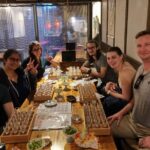
This is not the typical Kyoto pour-and-pray experience. You sit in a dedicated private tasting room and follow the guide through sake categories, key ingredients, and what makes each bottle taste the way it does. The sake lineup also focuses on styles that are harder to find overseas, including versions made with older techniques, microorganism-driven concepts, and local wood influences.
Even if you are a beginner, you will get enough structure to enjoy it. Just know there is no food pairing included, so plan your meal timing around the tasting rather than expecting snacks to solve hunger.
In This Review
- Key points before you go
- Why this Kyoto sake tasting goes beyond the usual bottles
- Private room + certified sommelier, where the learning actually sticks
- What you’ll taste in Kyoto, and what makes these sakes different
- 1) Sake made using ancient methods
- 2) A newer type that uses the characteristics of microorganisms
- 3) Sake brewed using local wood
- How the guide builds the basics while you taste
- Your tasting notes, and how to use them after the session
- Price and value: is $66 per person fair?
- Who this Kyoto tour is for, and who should skip it
- Practical logistics, so you do not lose your spot
- Should you book this Kyoto Beyond the Insider Sake tasting?
- FAQ
- How many sake types will I taste?
- Is there a private tasting room?
- Do I need prior sake experience?
- Is food pairing included?
- What languages are offered?
- What are the age and alcohol rules?
- What is the policy if I am late?
- Can I cancel and get a refund?
Key points before you go
- 10 varieties, not 1 or 2, chosen to show how brewing choices change flavor
- Certified sake sommelier-led explanations that connect what you taste to how it is made
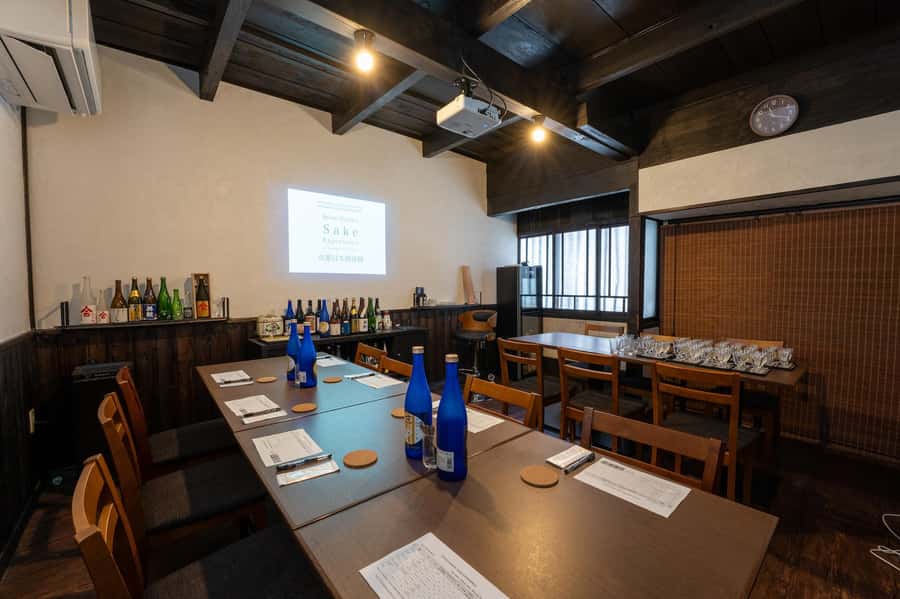
- Private tasting room, so you can take notes and ask questions without the noise
- Rare overseas styles, including ancient-method sake, microorganism concept sake, and wood-influenced brewing
- Tasting notes provided, making it easier to remember what you liked (and why)
Why this Kyoto sake tasting goes beyond the usual bottles
If you have had Japanese sake abroad, you have probably had a simplified version of the story. Many tastings abroad focus on a few popular styles, and the rest is left as a blur of sweetness, dryness, and alcohol strength. This Kyoto experience pushes past that comfort zone.
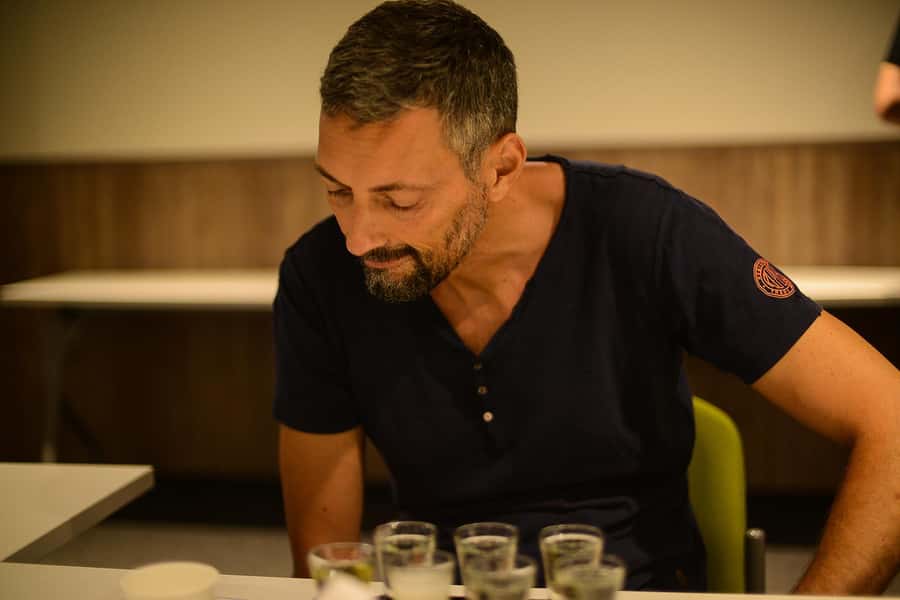
What I like most is that the tasting is built around contrast. You are not just sampling 10 drinks. You are learning how different ingredient choices and brewing approaches create different taste outcomes. That makes each pour feel like a clue, not a coincidence.
The big headline is the lineup: 10 unique varieties rarely found overseas. The second headline is the focus on how they were made. You get a guide-led look at the basics of production and the sake categories, then you taste sakes that highlight specific concepts.
One note to keep expectations realistic: this experience is advanced in flavor exploration, but it is also designed to work for total beginners because the guide covers the fundamentals during the session.
Private room + certified sommelier, where the learning actually sticks
Most “tours” end up feeling like a lecture you endure while you sip. Here, it is more like a guided tasting where each step helps you taste better.
You are in a dedicated private sake tasting room, and that matters more than people think. Less foot traffic means you can actually follow the guide’s pacing. You can take your tasting notes without fighting noise or distractions.
And you are not stuck with a random host who learned the basics yesterday. The guides are certified sake sommeliers, and the experience is structured around explanations of ingredients and how sake is produced. That certification shows up in the way the session is taught: clear enough for beginners, but still detailed enough for experienced drinkers.
A practical bonus: the experience includes tasting notes. If you have ever left a tasting with a vague memory like I liked the fruity one, this gives you something to hold onto.
More cups to sample before dinner
- Kyoto Night Foodie Tour in Gion (9+ dishes + 6 Sake tastings)
★ 5.0 · 1,762 reviews - 3-Hour Kyoto Insider Sake Brewery Tour with Tastings & Pairings
★ 5.0 · 917 reviews - Arashiyama Bamboo, Temple, Monkeys, or Secret Sake Brewery
★ 4.8 · 886 reviews - Kyoto: Insider Sake Brewery Tour with Sake and Food Pairing
★ 5.0 · 704 reviews
What you’ll taste in Kyoto, and what makes these sakes different
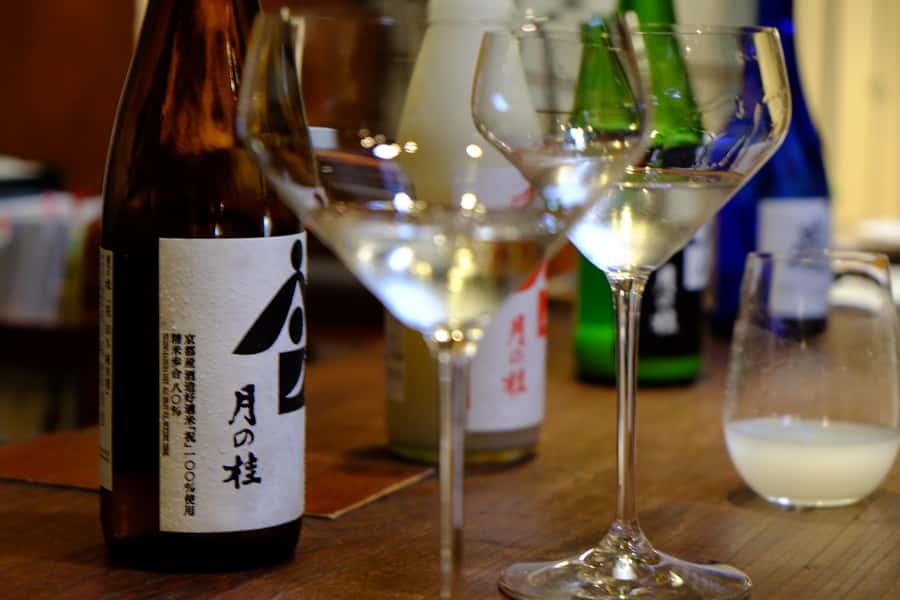
This tasting experience is built on a “different concept” approach compared with basic sake tours. Instead of only running through common modern styles, the session highlights sakes made with approaches that produce distinct character.
You will taste three standout themes across the 10 varieties:
1) Sake made using ancient methods
Ancient-method sake is not just a marketing label. It points to a different approach to brewing, which can change how the fermentation behaves and how the final flavor lands in your glass. The guide’s job is to connect your tasting to the idea behind the method, so it makes sense when you notice differences in aroma, texture, and finish.
For you, this is valuable because it answers a common question: why do two “similar looking” sakes taste nothing alike? You start to see that sake flavor is not only about sweetness versus dryness. It is also about how the process shaped the end result.
2) A newer type that uses the characteristics of microorganisms
Another set of sakes in the lineup uses microorganisms in a way that influences the flavor profile. You will learn the concept behind how those microorganisms contribute, not just the end flavor notes.
This is one of the reasons the experience feels educational rather than decorative. It helps you understand sake as a living fermentation story, not a static product.
3) Sake brewed using local wood
One of the more memorable concepts in the lineup is sake brewed with local wood. Wood can affect the brewing environment and the way flavors develop, so you should expect a sense of place. The guide will help you taste the regional character rather than letting it stay abstract.
This is also a good moment to slow down. Wood-influenced brewing can create subtle changes that are easy to miss if you treat each pour like a quick sip.
A quieter way to spend a day in Kyoto


How the guide builds the basics while you taste
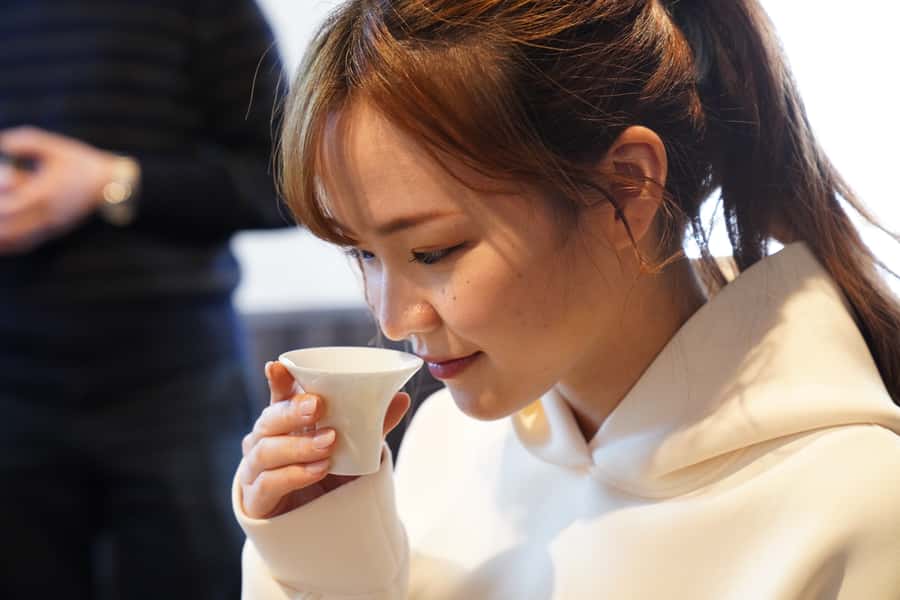
Even though the lineup can feel “special,” the experience is designed to be welcoming. In the session, you also cover the basics of sake production and sake categories.
That matters because sake vocabulary can be a trap. If you do not know what category you are tasting, your brain defaults to one comparison, like beer versus wine. Here, you get a framework so you can describe what you actually like.
Here is what that framework does for you in real terms:
- It helps you connect what you notice, aroma, sweetness level, texture, and finish, to what the producer did during brewing.
- It gives you language for future tastings, so you can seek out styles you genuinely enjoy.
- It keeps experienced tasters engaged, because you are not re-learning everything from scratch.
And the guide’s approach is built for questions. If you have ever wondered why one bottle tastes clean and another tastes round or pronounced, this format gives you time to ask and compare.
Your tasting notes, and how to use them after the session
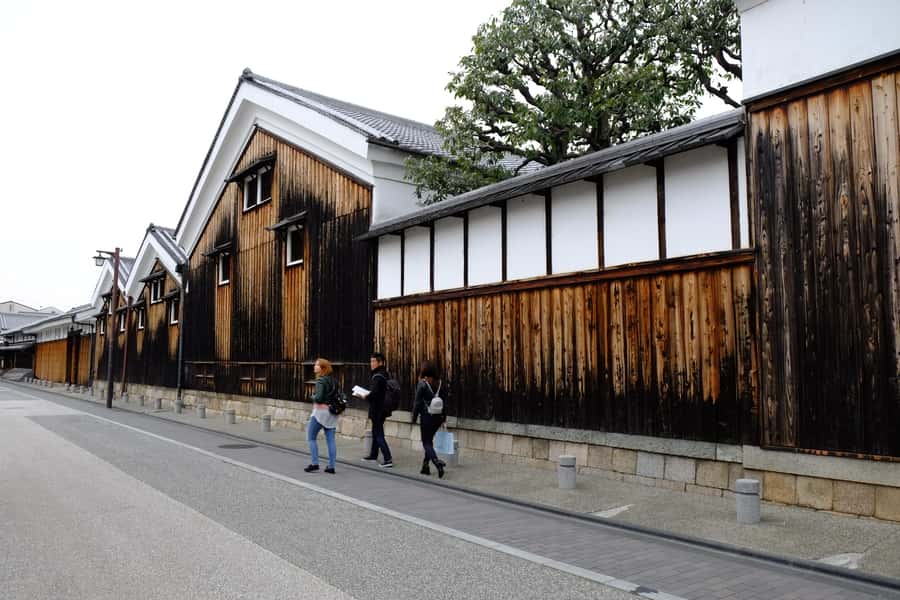
The included tasting note sheet is not just a souvenir. It is a tool. Use it immediately while flavors are still fresh in your memory.
My practical advice: write one or two words per pour, then add one reason you think it tastes that way. Even a simple note like more aromatic, drier finish, or more textured can be enough. When the guide explains the ingredient or production concept, connect it to your note.
After the tasting, you can use those notes to shop with confidence. Instead of hunting for “the best” sake, you can look for the types that match what you already enjoyed: styles created by older techniques, microorganism-focused concepts, or wood-influenced regional brewing.
Also, since food pairing is not included, think ahead about your timing. Have a meal before you go if you want comfort. If you plan to eat after, keep it simple at first, you do not want your dinner flavors to erase what you just learned in the tasting room.
Price and value: is $66 per person fair?
$66 per person is not cheap, but it also is not random spending. For me, the value comes from three things you rarely get together:
1) 10 unique varieties focused on concepts that are harder to find overseas
2) A certified sake sommelier guide who connects flavor to production
3) A dedicated private tasting room, which usually means a more controlled, higher-attention setting
If you compare this to cheaper tastings that give you a flight of common styles with limited explanation, this experience is built for understanding. You are paying for better context, not just better alcohol.
That said, it only feels worth it if you plan to participate fully. You need time to listen, taste deliberately, and actually use the tasting notes. If you show up distracted and hungry with no interest in the basics, you will miss what makes this special.
Who this Kyoto tour is for, and who should skip it
This is a strong fit if you fall into any of these categories:
- You want to go beyond basic sake flavors and understand why they differ
- You are a beginner who wants structure, not a confusing bar menu
- You are an experienced sake drinker who still wants a guided look at ingredients and categories
- You enjoy food and drink learning experiences where you can ask questions and compare bottles
It is also clearly guided toward adults in terms of alcohol rules. For safety and legal reasons, alcohol will not be served to guests who arrive by car or bicycle, and guests under legal drinking age are served non-alcoholic drinks only. The experience is not suitable for people under 19, children under 3, and pregnant women.
If any of those categories apply, you may still be able to join only if your situation matches the non-alcoholic rules and age requirements. Otherwise, it is better to pick a different activity that fits your needs.
Practical logistics, so you do not lose your spot
This one is simpler than many Kyoto tours because it runs from the starting meeting point and ends back there.
Still, you should plan carefully:
- Transportation and hotel pickup or drop-off are not included, so you are responsible for getting there
- Alcohol service depends on safety and legal conditions, including how you arrive
- If you are more than 10 minutes late, your booking is canceled
- You need a reservation. Without one, including children and non-drinkers, you will not be allowed to join
- The tour is in English
If you want this to feel smooth, give yourself extra buffer time. Kyoto streets can move you around faster than you expect, and that time buffer protects your reservation.
Should you book this Kyoto Beyond the Insider Sake tasting?
Book it if you want real learning, not just sipping. The combination of 10 rare varieties, a certified sake sommelier, and a private room setup makes it a smart choice for people who like to understand what they are drinking. Even beginners benefit because the guide covers sake categories and production basics during the tasting.
Skip it if you are looking for a casual, food-heavy evening where your main goal is to eat well and drink without stopping to think. This experience is about taste education, and there is no food pairing included, so you will want to handle meals separately.
If you have limited time in Kyoto and you already know you love sake, this is a good step up. If you are new to sake, you will likely enjoy taking a basic-style introduction first, then coming back for this more concept-driven lineup.
FAQ
How many sake types will I taste?
You will taste 10 kinds of sake selected by a sake sommelier.
Is there a private tasting room?
Yes. The experience includes a dedicated private sake tasting room.
Do I need prior sake experience?
No. The session covers the basics of sake production and sake categories, so beginners can enjoy it.
Is food pairing included?
No. Food pairing is not included in this experience.
What languages are offered?
The tour is offered in English.
What are the age and alcohol rules?
In Japan, the legal drinking age is 20. Guests under 20 will only be served non-alcoholic drinks. Alcohol will not be served to guests who arrive by car or bicycle for safety and legal reasons.
What is the policy if I am late?
If you are more than 10 minutes late, your booking will be canceled.
Can I cancel and get a refund?
Yes. You can cancel up to 7 days in advance for a full refund.
More Food & Drink in Kyoto
New This Season
- Koyasan Day Trip by Private Car from Kyoto
- Old Port Town and Ultimate Sake Tasting Private Tour From Kyoto
- Kyoto’s Timeless Charm: 3hr Exploration of History and Peace
- Kyoto: 5 Types of Sushi Making
- Sacred Peak & Ancient Paths: Kurama-Kibune Hiking Experience
- Kyoto: Exclusive ZEN practice at Manpukuji temple in Uji
- Kyoto: Private Seasonal Aroma Yoga Class
- Traversing Kyoto’s Scenic West – Arashiyama to Kinkakuji
Sake Tasting Experiences, compared.
Kyoto Night Foodie Tour in Gion (9+ dishes + 6 Sake tastings)
Read our review →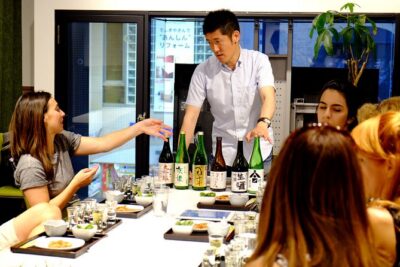
3-Hour Kyoto Insider Sake Brewery Tour with Tastings & Pairings
Read our review →
Arashiyama Bamboo, Temple, Monkeys, or Secret Sake Brewery
Read our review →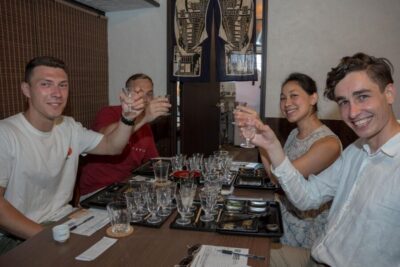
Insider Sake Brewery Tour with Sake and Food Pairing
Read our review →
1.5-Hour Kyoto Insider Sake Experience with 7 Tastings & Pairings
Read our review →
Insider Sake Experience with 7 Tastings and Snacks
Read our review →
Private Tea Ceremony and Sake Tasting in Kyoto Samurai House
Read our review →Also filed under