
Reviewed · SAKE TASTING EXPERIENCES
Kyoto Newly Opened Sake Tasting – Sanjo Chasuian
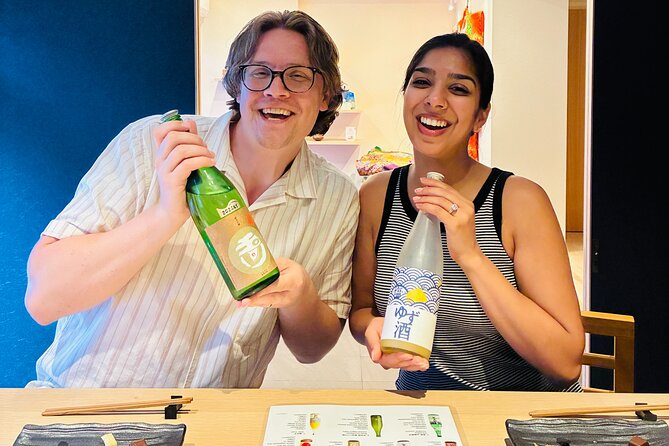
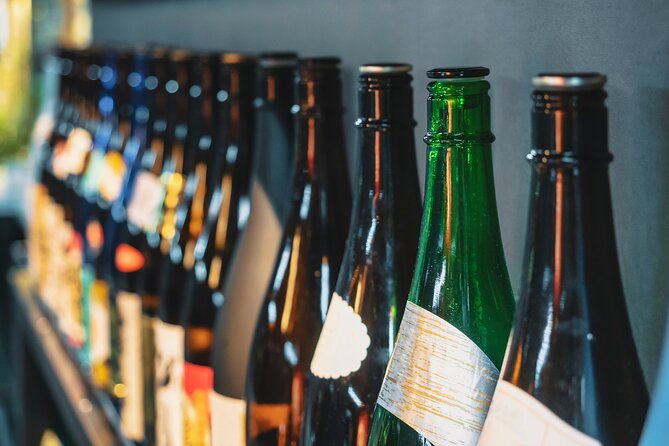
Sake tasting in central Kyoto is the real treat here. This newly opened spot, Sanjo Chasuian, runs a relaxed English-led session led by a female instructor (International Sommelier of Sake certification) who even welcomes you in a traditional kimono, and it starts just a short walk from Karasuma Oike Station. I love how beginner-friendly it feels, because you get the story of sake plus practical tasting guidance instead of just glass clinking.
My other favorite part is the structure: you taste seven different types of Japanese sake (with a welcome drink, so eight sakes total), and each one comes with snack pairings that show you how flavor and aroma can shift. The one consideration is the price: at $648.23 per person for 1 hour 20 minutes, this is a splurge, so it’s best if you want real learning, not just drinking.
In This Review
- 5 Quick Reasons This Sanjo Chasuian Sake Tasting Works
- Sanjo Chasuian Location, Timing, and What the 1h 20m Feels Like
- Who You’ll Meet: English Guidance, Kimono Welcome, and Beginner Steps
- The Flow of the Experience: Tea Ceremony Moment, Then 7 Sake Types and Snacks
- Why They Teach You Label Reading, Brewing, and Types
- The Vessel Lesson: Aroma and Flavor Change with Traditional Cups
- Snacks Pairing: How You Learn to Taste Sake Like Food Pairing
- Price and Value: What $648.23 Actually Buys You Here
- Who This Sake Tasting Fits Best (and Who Might Skip It)
- After the Tasting: Buying Your Favorite Sake and Cups
- Quick Tips Before You Go
- Should You Book Sanjo Chasuian’s Newly Opened Sake Tasting?
- FAQ
- Where is the meeting point for the Tea Ceremony and Sake Tasting at Sanjo Chasuian?
- How close is it to public transportation?
- How long does the experience last?
- Is this tour beginner-friendly?
- How many sake types will I taste?
- Is there food included with the tastings?
- Is the instruction offered in English?
- What is the age requirement?
- Can you accommodate dietary restrictions?
- Do I get a refund if I cancel?
5 Quick Reasons This Sanjo Chasuian Sake Tasting Works
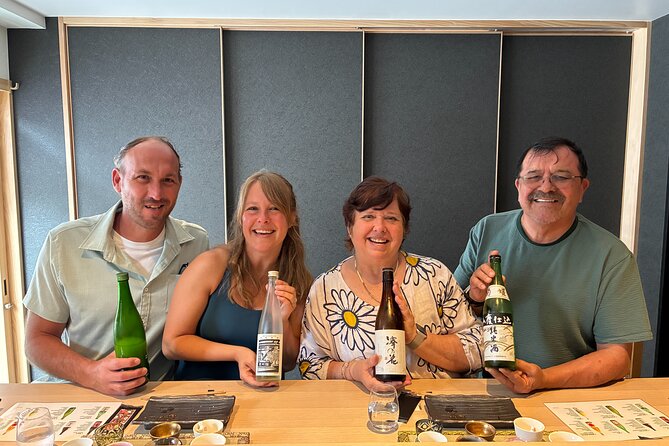
- Max group size of 6 travelers means more time for questions and answers
- English guidance from an International Sommelier of Sake instructor, with a kimono welcome
- 8 sakes total, paired with snacks across seven sake types
- Tasting in different vessels so you notice aroma and flavor changes
- Karasuma Oike access with a 5-minute walk from the subway
Sanjo Chasuian Location, Timing, and What the 1h 20m Feels Like
Sanjo Chasuian is in the center of Kyoto, and you’re looking at about a five-minute walk from Karasuma Oike Station. That matters more than it sounds. Kyoto is easy to navigate once you’re near a subway line, and this keeps the experience from turning into a transit chore.
Plan for roughly 1 hour 20 minutes total. It’s not a long, slow cultural evening. It’s a focused tasting session that moves at a good pace, with learning built into the tasting rather than tacked on at the end. A smaller group also helps the flow, since the instructor can keep things moving without leaving you behind.
The venue setup is either table seating or a Japanese-style room, depending on how the space is arranged that day. Either way, it’s designed for conversation and guided tasting, not a loud standing-party vibe. You’ll also get a mobile ticket, so you’re not hunting for paper in your hotel room.
Who You’ll Meet: English Guidance, Kimono Welcome, and Beginner Steps
This is aimed at adults 20 and over, and it’s made for people new to sake as well as those who want to feel more confident. The big reason I think this works is the teaching style. The instructor is a female with International Sommelier of Sake certification, and she guides in English. That’s not a small detail in a city full of food and drink experiences that can be hard to follow if you don’t read labels.
She also welcomes you wearing a traditional kimono. That’s not just for photos. It sets the tone: respectful, calm, and culturally grounded. You’ll spend time learning the basics, like sake’s history in Japan (over 2,000 years), brewing methods, and the major types you’ll see on shelves.
Most tastings rely on you already knowing what to look for. Here, you’re taught how to read sake labels so your next purchase does not feel like guessing. That’s a practical goal, and it’s especially useful if you’ve ever tried to order sake in a restaurant and ended up overwhelmed by options.
More cups to sample before dinner
- Kyoto Night Foodie Tour in Gion (9+ dishes + 6 Sake tastings)
★ 5.0 · 1,762 reviews - 3-Hour Kyoto Insider Sake Brewery Tour with Tastings & Pairings
★ 5.0 · 917 reviews - Arashiyama Bamboo, Temple, Monkeys, or Secret Sake Brewery
★ 4.8 · 886 reviews - Kyoto: Insider Sake Brewery Tour with Sake and Food Pairing
★ 5.0 · 704 reviews
The Flow of the Experience: Tea Ceremony Moment, Then 7 Sake Types and Snacks
The whole experience is called Tea Ceremony and Sake Tasting at Sanjo Chasuian. That tells you the session has a tea component before or alongside the sake tasting. The point is to slow down your senses before alcohol enters the picture.
After the tea introduction, the tasting sequence begins. You’ll receive a welcome drink, and then you’ll taste seven different types of Japanese sake. In total, the experience includes eight sakes, which is a satisfying amount for a short 1 hour 20 minute slot. It also means you’re not just sampling one style and calling it done. You’re comparing.
What makes the tasting feel more than casual is the snack pairing. You’ll have complementary snacks that match the sake you’re drinking. Expect the instructor to guide you through what to notice, like how sweetness, acidity, or aroma profiles can change how the snacks taste. This is where sake becomes less mysterious. You start to taste like a shopper, not like a tourist.
The space is set up for your group to sit and focus. With a maximum of six travelers, it tends to stay conversational. In the one review available, the staff was described as accommodating, and the education plus food pairings were singled out. That lines up with how this format is designed.
Why They Teach You Label Reading, Brewing, and Types
Here’s the value you’ll feel after the tasting ends: you’ll know how to choose sake on your own. During the session, you learn about history, brewing methods, and different types of sake. That background turns tasting from a guessing game into a logic problem.
You also learn how to read sake labels, which is huge. In Kyoto, and across Japan, sake menus and bottle labels can be loaded with terms you might not understand on first glance. The goal is not to memorize everything. It’s to recognize enough to buy a bottle that fits what you already like.
For example, you’ll leave with a sense of what kinds of flavor profiles tend to match certain styles. You’ll also get better at describing what you taste, which makes it easier to ask staff questions later. Even if you only buy one bottle during your trip, that skill pays off.
The Vessel Lesson: Aroma and Flavor Change with Traditional Cups
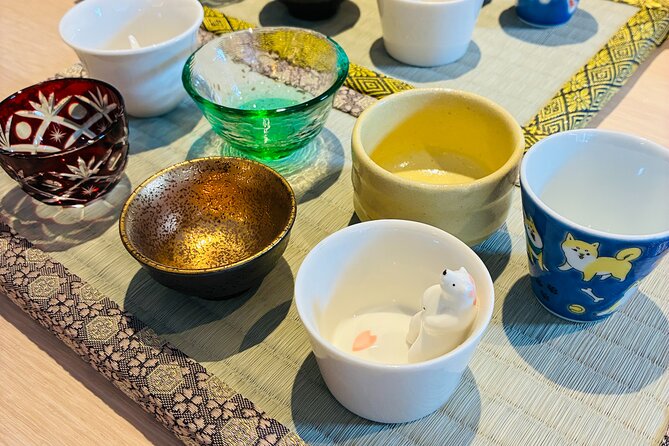
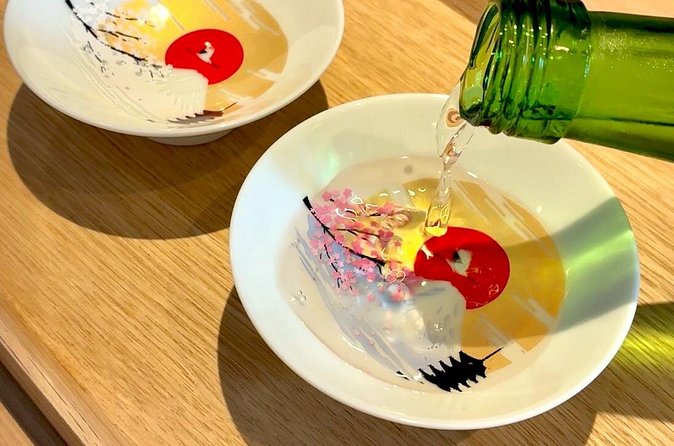
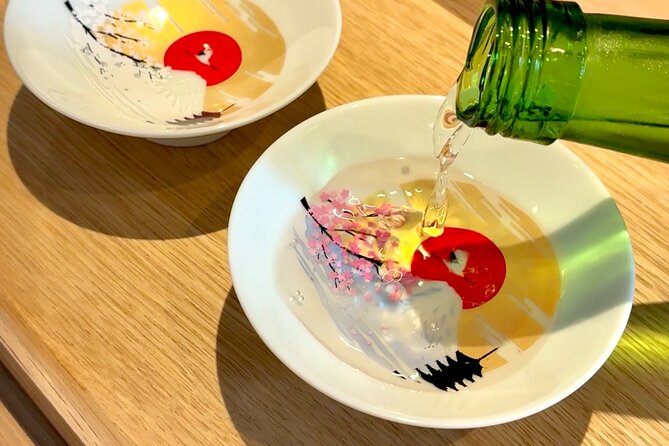
One of the most fun and practical parts is the focus on the vessel. You’ll explore how the flavor and aroma of sake can change depending on the cup or vessel. This is the kind of detail that sounds fancy, but it’s easy to understand when you’re guided through it.
Traditional sake cups are part of the experience for a reason. Different shapes and materials can alter how aromas reach your nose and how the first sip lands on your palate. In a short tasting, that effect becomes obvious quickly because you’re comparing multiple sake types in a guided sequence.
If you’ve ever wondered why a place serves the same drink in different glassware and it seems different each time, this section explains the why. It turns a cultural detail into a sensory tool you can actually use again later.
You’ll also have the chance to appreciate the beauty and uniqueness of those traditional sake cups, so it’s not only science. It’s also art and craft, and it helps you pay attention during each pour.
Snacks Pairing: How You Learn to Taste Sake Like Food Pairing
The pairing is built into the tasting, not treated like an afterthought. Each sake type has complementary snacks. That does two things for you.
First, it trains your palate to notice contrast and harmony. Sake does not taste the same when your mouth is empty. Food changes texture, fat content, saltiness, and sweetness, all of which can shift how sake reads.
Second, it shows you how to think about ordering in real life. You’ll start mapping sake to food categories instead of chasing one flavor you liked earlier. That is how you end up with better matches back at your hotel or at a restaurant.
The review feedback that exists for this place also highlighted great food pairings. That’s a strong sign that the snack choices are treated as part of the tasting, not filler.
A quieter way to spend a day in Kyoto


Price and Value: What $648.23 Actually Buys You Here
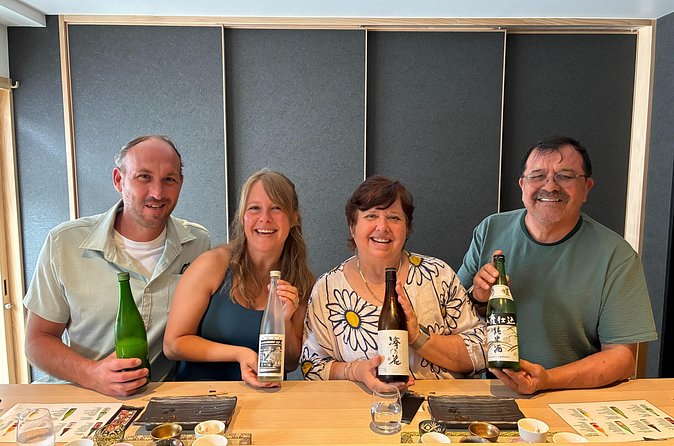
Let’s talk money. $648.23 per person is not casual. For that amount, you should expect more than just a few small pours.
What you’re getting is:
- A structured learning experience aimed at beginners
- English guidance throughout
- A certified instructor with International Sommelier of Sake credentials
- A tea ceremony component
- Eight sakes total, including a welcome drink
- Snack pairings for each tasting segment
- Hands-on lessons on how to read labels and how vessels affect aroma and flavor
Also, the group size caps at six, which matters for value because it keeps the experience personal. If you’ve done tasting tours in larger groups, you know how often “guided learning” becomes watching quietly while someone else asks the questions.
One practical angle: this is timed at 1 hour 20 minutes, so you’re paying for density. You get a lot of guided comparisons in a short window, rather than stretching it into something longer where you might not retain as much.
If you’re the type who likes tasting tours but hates feeling rushed, this format still tends to work well because it’s seated and instructed. If you only want to drink, you’ll likely find the educational portion heavy for your taste. If you want to understand what you’re drinking, it’s easier to justify.
Who This Sake Tasting Fits Best (and Who Might Skip It)
This experience is best for:
- Adults 20+ who want an introduction to sake without feeling lost
- People who like food pairing concepts and want an explanation, not just a menu
- Anyone who wants a confident way to read sake labels later
- Travelers who prefer small groups and guided tastings in English
- Sake fans who are curious about how vessels change aroma and flavor
It might not be the right fit if:
- You’re looking for a budget evening. This one is pricey.
- You don’t want alcohol-related experiences at all, since you’ll be tasting multiple sakes during the session.
- You plan to drive or cycle afterward. Alcohol is strictly prohibited for those who drive cars or bicycles, so build your schedule accordingly.
After the Tasting: Buying Your Favorite Sake and Cups
You’ll have a chance to explore your personal preferences during the tastings. A practical payoff is that your favorite sake and sake vessels are available for purchase at the shop.
This is useful because you’re not relying on memory alone. When you find something you actually liked, you can bring it home or take it with you during your trip. And since you learn what labels mean, you’re less likely to buy a bottle that you don’t understand.
If you’re also interested in the vessel lesson, this is where it becomes more than a curiosity. You can match the cup type you noticed during tasting with something you can use yourself.
Quick Tips Before You Go
A few simple steps will make the session go smoother:
- Arrive ready to taste and learn, not to multitask on your phone
- If you have dietary restrictions, message in advance by email or WhatsApp so they can do their best to accommodate
- Wear something comfortable for sitting, since you’ll be in table seating or a Japanese-style room
- If you’re sensitive to alcohol, tell yourself the session is short but still includes eight sakes total
Also note that guidance is in English, and the experience welcomes guests with interpreters. If you come with an interpreter, an interpreter fee applies, since the interpreter is counted as one guest.
Should You Book Sanjo Chasuian’s Newly Opened Sake Tasting?
I’d book it if you want a guided, beginner-friendly sake experience in central Kyoto and you care about understanding what you taste. The combo of tea ceremony framing, International Sommelier of Sake instruction, English explanations, label reading, and the vessel experiment gives this more substance than a basic pour-and-smile tasting.
Skip it if your only goal is low-cost drinks or if you’re not interested in learning. At $648.23 per person, you’re paying for education plus a fairly structured comparison of seven sake types with snack pairings.
If you want a trip memory that sticks, not just a night you can’t fully explain, this is the kind of tasting that helps you carry Kyoto sake knowledge home.
FAQ
Where is the meeting point for the Tea Ceremony and Sake Tasting at Sanjo Chasuian?
The meeting point is Tea Ceremony & Sake Tasting Kyoto – Sanjo Chasuian, 324-2 Sanjōchō, Nakagyo Ward, Kyoto 604-8205, Japan. The experience ends back at the meeting point.
How close is it to public transportation?
It’s about a five-minute walk from Subway Karasuma Oike Station.
How long does the experience last?
It runs about 1 hour 20 minutes.
Is this tour beginner-friendly?
Yes. It’s described as perfect for those who are new to sake and also for people who want a relaxed, welcoming learning experience.
How many sake types will I taste?
You’ll enjoy a welcome drink plus seven different types of sake, for a total of eight sakes.
Is there food included with the tastings?
Yes. The experience includes snack pairings alongside the sake tasting.
Is the instruction offered in English?
Yes. All guidance and explanations are offered in English.
What is the age requirement?
Participants must be 20 years of age or older.
Can you accommodate dietary restrictions?
You should inform them of any dietary restrictions by email or WhatsApp, and they will do their best to accommodate your request.
Do I get a refund if I cancel?
Free cancellation is available. You can cancel up to 24 hours in advance for a full refund, based on local time.
More Food & Drink in Kyoto
New This Season
- Koyasan Day Trip by Private Car from Kyoto
- Old Port Town and Ultimate Sake Tasting Private Tour From Kyoto
- Kyoto’s Timeless Charm: 3hr Exploration of History and Peace
- Kyoto: 5 Types of Sushi Making
- Sacred Peak & Ancient Paths: Kurama-Kibune Hiking Experience
- Kyoto: Exclusive ZEN practice at Manpukuji temple in Uji
- Traversing Kyoto’s Scenic West – Arashiyama to Kinkakuji
- Kyoto: Private Seasonal Aroma Yoga Class
Sake Tasting Experiences, compared.
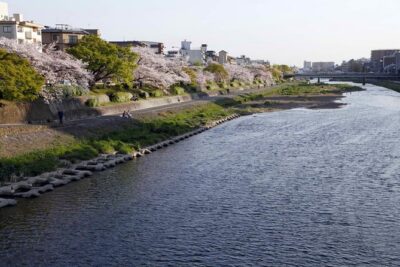
Kyoto Night Foodie Tour in Gion (9+ dishes + 6 Sake tastings)
Read our review →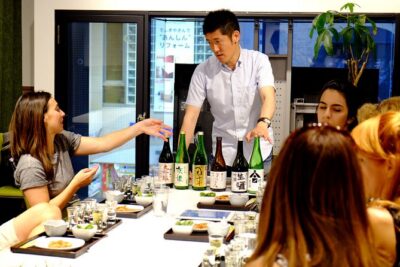
3-Hour Kyoto Insider Sake Brewery Tour with Tastings & Pairings
Read our review →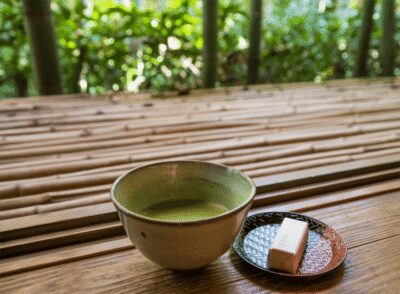
Arashiyama Bamboo, Temple, Monkeys, or Secret Sake Brewery
Read our review →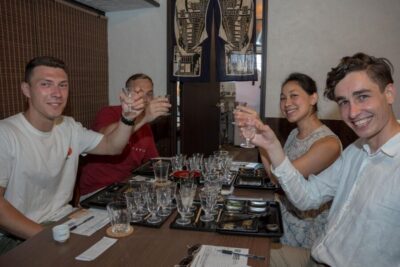
Insider Sake Brewery Tour with Sake and Food Pairing
Read our review →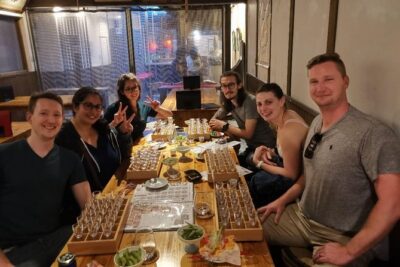
1.5-Hour Kyoto Insider Sake Experience with 7 Tastings & Pairings
Read our review →
Insider Sake Experience with 7 Tastings and Snacks
Read our review →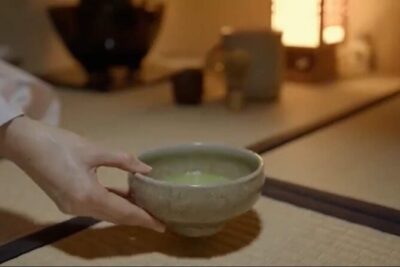
Private Tea Ceremony and Sake Tasting in Kyoto Samurai House
Read our review →Also filed under