
Reviewed · SAKE TASTING EXPERIENCES
Kyoto: Newly Opened Sake Tasting – Sanjo Chasuian
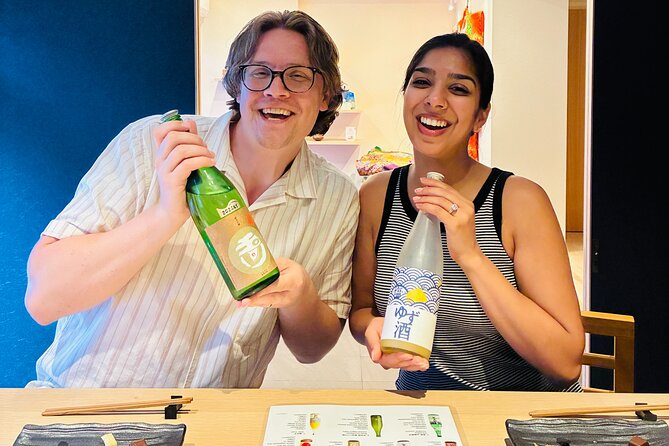
Kyoto’s sake lesson starts at street level. This newly opened stop, Sanjo Chasuian, turns a basic tasting into an 80-minute intro you can actually use, led by a certified instructor in a traditional kimono. I like the 7 sake styles matched with snacks, and I also like that you get hands-on practice with different sake vessels, not just a quick pour-and-go. One thing to consider, it is a shared group session, so you are not getting a private, tailor-made experience.
This is also an easy one to fit into a day. You are about a 5-minute walk from subway Karasuma Oike station, the guidance is in English, and the group is limited to 6 participants. If you are expecting a party atmosphere, you may find the tone more focused and instructional than wild.
In This Review
- Key things to know before you go
- Where Sanjo Chasuian fits into a Kyoto day near Karasuma Oike
- Meeting your instructor and getting oriented fast
- The flow of the 80 minutes: what happens before and after each pour
- The 7 sake styles and snack pairings: how to taste like you mean it
- A quick palate tip you can use
- Why sake vessels change what you experience
- Instructor-led learning in plain English, and why that’s a value
- Price and value: is $50 for 80 minutes fair?
- Best for what kind of traveler (and who should skip it)
- What to ask yourself before you book
- Should you book Sanjo Chasuian’s newly opened Kyoto sake tasting?
- FAQ
- How long is the Kyoto sake tasting experience?
- What is included in the price?
- Is this experience suitable for anyone under 20?
- Is the instruction offered in English?
- How many people are in each group?
- Can I bring an interpreter?
- Can dietary restrictions be accommodated?
- Is alcohol allowed for people who are driving?
Key things to know before you go
- A short walk from Karasuma Oike: convenient access without complicated transfers
- Kimono welcome from a certified instructor: you get context before you taste
- 7 sake styles paired with snacks: the food is part of the lesson, not an afterthought
- Multiple sake vessels: you learn how aroma and flavor can shift
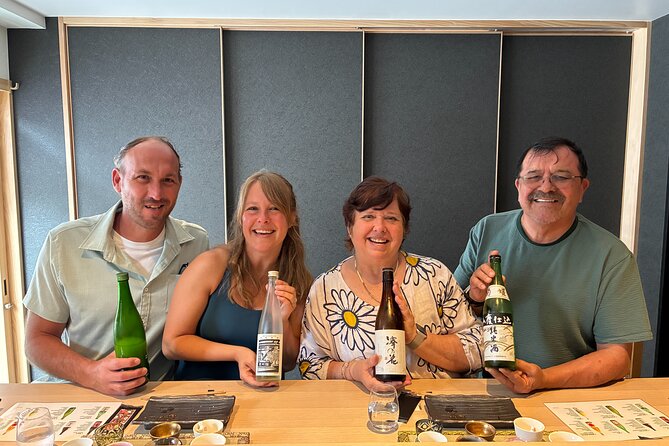
- Small shared group (up to 6): enough interaction, still social
- Beginner-friendly, with label-reading tips: you leave knowing what to look for
Where Sanjo Chasuian fits into a Kyoto day near Karasuma Oike
Sanjo Chasuian is set up for people who want a real Kyoto cultural experience without spending your evening trapped in transit. The meeting point is easy to spot: a big sign with the Sanjo Chasuian logo name, and staff waiting once you open the door.
The practical win is the location. You are only about a 5-minute walk from Karasuma Oike station, so you can pair this with other nearby activities. Because the session is 80 minutes, you can plan it as a calm anchor in your itinerary, either before dinner or as a lighter alternative to a long meal.
The venue for the experience uses either table seats or a Japanese-style room. That matters if you prefer upright seating, or if you are comfortable sitting in a traditional room setup for a short lesson. Plan to wear something you can sit in comfortably for the full session.
Meeting your instructor and getting oriented fast
Before the tasting begins, you get the cultural and practical framing that makes the whole experience click. The instructor, a female guide holding the International Sommelier of Sake certification, welcomes you in a traditional kimono. That is not just for photos. It sets the tone that this is about understanding sake, not just sampling alcohol.
You are guided in English, and the content is designed for people who do not yet feel confident around sake categories, brewing methods, or labels. The goal is simple: by the time you reach your last pour, you should be able to describe what you like and why.
A small detail with big value is that you are taught how to read labels. When you are shopping later, those printed terms stop looking like random Japanese words. Even if you still need to check a translation or two, you will have a starting point that makes choices feel less intimidating.
More cups to sample before dinner
- Kyoto Night Foodie Tour in Gion (9+ dishes + 6 Sake tastings)
★ 5.0 · 1,762 reviews - 3-Hour Kyoto Insider Sake Brewery Tour with Tastings & Pairings
★ 5.0 · 917 reviews - Arashiyama Bamboo, Temple, Monkeys, or Secret Sake Brewery
★ 4.8 · 886 reviews - Kyoto: Insider Sake Brewery Tour with Sake and Food Pairing
★ 5.0 · 704 reviews
The flow of the 80 minutes: what happens before and after each pour
This is a structured tasting, not a free-for-all. You are there for 80 minutes, and the experience is built around a clear sequence: introduction, learning how to taste, then repeated tasting paired with snacks.
Expect the session to unfold in stages:
1) Welcome drink and setup
You start with a welcome drink, then settle in for the tasting format.
2) Sake basics you can use immediately
You will learn sake history and why season and region matter, along with brewing and the main types of sake. You also get practical tips on how to evaluate what you taste.
3) Progressive tasting with snack pairing
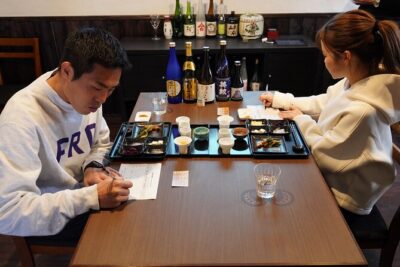
Then the core of the session begins: 7 types of Japanese sake paired with complementary snacks. The snacks are not background. They are designed to work with the sake as if they are co-stars.
4) Sake vessels and your personal favorites
Later, you focus on how the same sake can feel different depending on the vessel you use. You also work toward finding your favorite types and pairing ideas.
5) Wrap-up and shopping option
The experience ends with a chance to buy your preferred sake and sake vessels at the shop. That is a smart extra step because it turns the lesson into a takeaway you can actually use at home.
The 7 sake styles and snack pairings: how to taste like you mean it
The standout feature is the 7 types of sake × snack pairing. You get 8 sakes in total because the experience also includes a welcome drink, and then you taste the 7 selected styles during the main tasting portion.
What I like about this setup is that it treats pairing as a learning skill. Instead of handing you snacks and hoping you connect the dots, the pairing is built into how you taste. You learn practical tips for matching sake with different foods, and you get a chance to notice how the flavors react to each other.
A useful way to think about this: you are training your palate to spot patterns. One pour might feel cleaner or more aromatic next to a certain snack. Another might feel rounder or more balanced when paired differently. Even if you cannot name every flavor at first, you start building a vocabulary, and you start trusting your own impressions.
Snack pairing also makes the tasting more comfortable for beginners. It gives you a rhythm, something to compare between sips, and it keeps the focus on taste rather than pure alcohol strength. Since this is a group session with limited participants, you can also ask questions and steer your attention toward what you personally care about.
A quick palate tip you can use
As you taste, try to do two simple mental steps: notice aroma first, then flavor. If you only focus on taste, it is easy to miss what changes when you switch vessels later.
Why sake vessels change what you experience
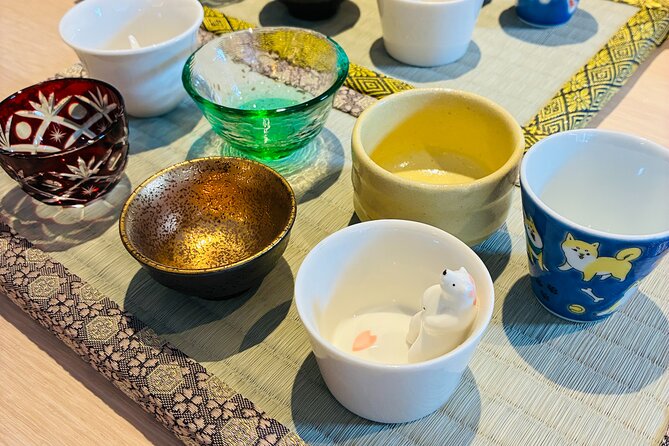
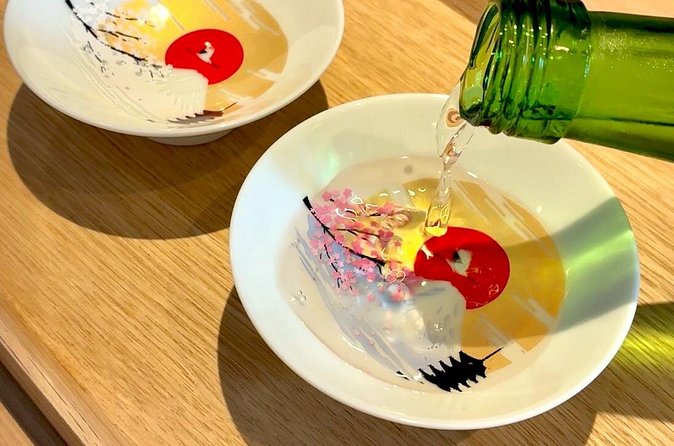
This is one of those ideas that sounds simple until you actually try it. The experience includes a variety of sake vessels, and part of the lesson is understanding that the flavor and aroma can change depending on the vessel.
This matters because people often treat sake as fixed, like one drink with one identity. In real life, presentation and vessel shape can change how aroma rises, how heat transfers, and how the first sip lands in your mouth. You do not need to be a scientist to notice the difference. You just need the right comparison, and that is what this session gives you.
You also get the visual side, which is part of why this cultural experience feels special. The cups are not random. They are chosen so you can see and taste the differences side by side.
At the end, if you find a vessel that matches what you like, you can purchase it. That is a practical souvenir. It is also a way to recreate your favorites when you are back home and the only thing you miss is the exact moment of that tasting.
A quieter way to spend a day in Kyoto

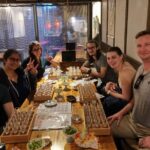


Instructor-led learning in plain English, and why that’s a value
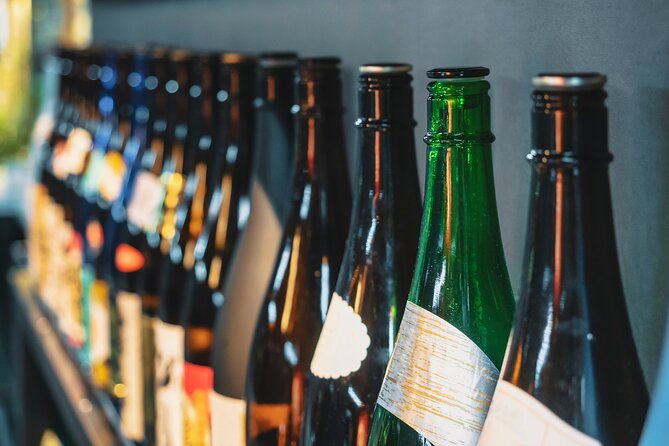
Some sake experiences talk at you. This one tries to bring you along.
Because the instructor has the International Sommelier of Sake certification, you get structured explanations. You learn about sake history, brewing methods, and how to read labels. You also learn how to choose sake to suit your taste, which is what most people actually want when they buy bottles later.
The English instruction is another value point. You are not stuck with a phrasebook. You can ask questions, and you can follow the explanation well enough to remember it when you are standing in a shop aisle.
Finally, the group size helps. With a maximum of 6 participants, it tends to be interactive enough that you can clarify doubts without waiting through a long classroom script.
Price and value: is $50 for 80 minutes fair?
At $50 per person for an 80-minute session, this can feel like a lot if you are comparing it to a normal bar stop. But it is easier to judge the value if you look at what is included.
You get:
- A welcome drink
- 7 types of sake (8 sakes total)
- Snack pairing throughout
- English instruction from a certified instructor
- Tastings tied to vessel differences
- A chance to buy preferred sake and vessels afterward
- A small group format (up to 6)
So you are not paying just for alcohol. You are paying for the structure that turns tasting into understanding. If you are a beginner, that structure saves time and frustration. If you already like sake, it helps you refine your preferences instead of guessing.
There is also a note about a grand opening discount until September 15th. If you visit during that window, you are getting a better deal for basically the same lesson.
Best for what kind of traveler (and who should skip it)
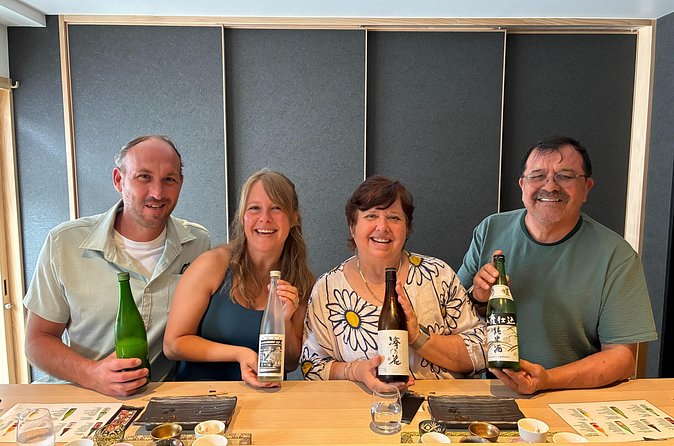
This experience is a strong fit if you want:
- A calm, guided Kyoto food and drink lesson
- Something beginner-friendly that still feels cultural
- Help choosing sake based on what you like
- A tasting format that includes pairing, not just sips
It is also ideal if you like small group activities and you enjoy asking questions in English.
Who might not love it:
- If you want something nightlife-style or highly energetic, the format is more instructional than party-like.
- If you are under 20, it is not suitable.
- If you have very specific dietary needs, you should contact the team in advance so they can do their best to accommodate your request.
One more practical point: alcohol drinking is strictly prohibited for people who drive cars or bicycles. If you are planning to ride, use taxis, or just want to stay fully in control, it is good to know the policy up front.
What to ask yourself before you book
Before you book, think about what you want from sake.
If your goal is to walk away knowing what to buy and how to pair, this session is designed for you. You are taught how to read labels, plus you taste multiple types so you can connect theory to experience.
If your goal is only to try sake casually, you might wonder if 80 minutes is more than you need. But the vessel comparisons and snack pairings are the kind of details that make it feel worth the time.
Should you book Sanjo Chasuian’s newly opened Kyoto sake tasting?
If you are in Kyoto and you want a beginner-friendly sake experience that actually teaches you what matters, I would book it. The small group, the English instruction, and the fact that you taste 7 sake styles with snack pairings plus explore how vessels change flavor and aroma make this more than a simple tasting.
Book it especially if you like learning while you eat and drink, and if you want a practical takeaway you can repeat later by buying a favorite bottle or cup.
FAQ
How long is the Kyoto sake tasting experience?
It lasts 80 minutes.
What is included in the price?
You get a welcome drink and 7 types of sake (8 sakes in total), plus snack pairing.
Is this experience suitable for anyone under 20?
No. Participants must be 20 years of age or older.
Is the instruction offered in English?
Yes, the instructor provides guidance in English.
How many people are in each group?
This is a small group experience limited to 6 participants.
Can I bring an interpreter?
Yes, interpreters are welcome, but please note the interpreter will also be charged the participation fee as one guest.
Can dietary restrictions be accommodated?
You should inform the team of any dietary restrictions by email or WhatsApp, and they will do their best to accommodate your request.
Is alcohol allowed for people who are driving?
Alcohol is strictly prohibited for those who drive cars or bicycles.
More Food & Drink in Kyoto
New This Season
- Koyasan Day Trip by Private Car from Kyoto
- Old Port Town and Ultimate Sake Tasting Private Tour From Kyoto
- Kyoto’s Timeless Charm: 3hr Exploration of History and Peace
- Kyoto: 5 Types of Sushi Making
- Sacred Peak & Ancient Paths: Kurama-Kibune Hiking Experience
- Kyoto: Exclusive ZEN practice at Manpukuji temple in Uji
- Kyoto: Private Seasonal Aroma Yoga Class
- Traversing Kyoto’s Scenic West – Arashiyama to Kinkakuji
Sake Tasting Experiences, compared.
Kyoto Night Foodie Tour in Gion (9+ dishes + 6 Sake tastings)
Read our review →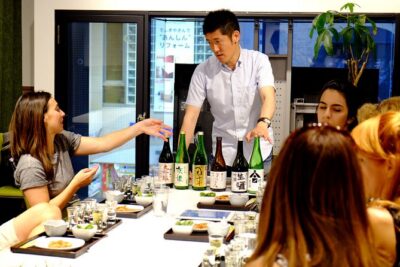
3-Hour Kyoto Insider Sake Brewery Tour with Tastings & Pairings
Read our review →
Arashiyama Bamboo, Temple, Monkeys, or Secret Sake Brewery
Read our review →
Insider Sake Brewery Tour with Sake and Food Pairing
Read our review →
1.5-Hour Kyoto Insider Sake Experience with 7 Tastings & Pairings
Read our review →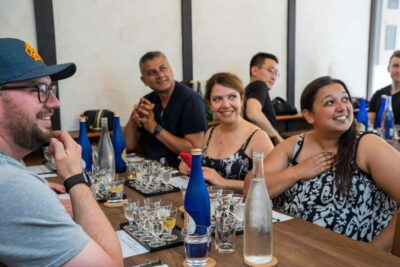
Insider Sake Experience with 7 Tastings and Snacks
Read our review →
Private Tea Ceremony and Sake Tasting in Kyoto Samurai House
Read our review →Also filed under