
Reviewed · SAKE TASTING EXPERIENCES
Kyoto: Sake Blending and Tasting Experience
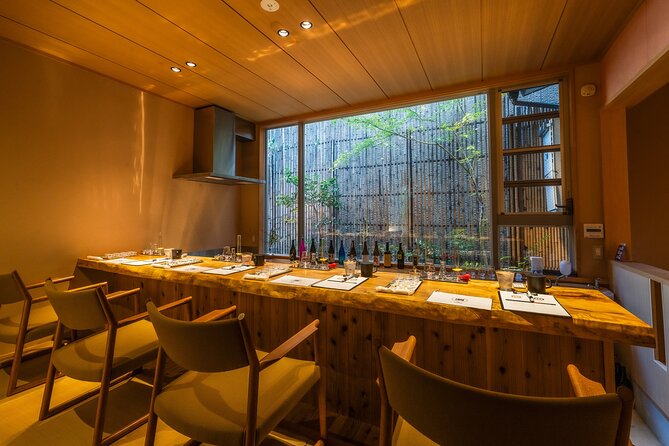
Sake tasting in Kyoto can be surprisingly hands-on. This workshop at My Sake World Oike Bettei pairs a clear explanation of sake with a guided lineup of 12 different pours, so you taste with purpose, not just curiosity.
I like the structure a lot: you learn the basics first, then taste from one style to the next with straightforward instructions. I also really valued hearing guide Natsuki, whose English was very good and made the history and sake types easy to follow.
One thing to plan around: this is adults age 20+ only, and you’ll stand for the session with short walking. There’s also a small step at the access corridor, so wheelchair access may require assistance.
In This Review
- Key takeaways before you book
- Kyoto sake workshop basics, and why it works
- Entering with sake history and styles, not just facts
- The main event: tasting 12 styles from ginjo to aged
- How the tasting instructions help you read flavor
- Optional sake blending: the fun add-on, with a real price tag
- Timing, group size, and what the hour feels like
- Price and value: what you really get for $58.28
- Practical tips: how to make your tasting session go smoothly
- Where to meet in Kyoto, and how the format feels on arrival
- Should you book this Kyoto sake blending and tasting experience?
- FAQ
- How long is the Kyoto sake tasting workshop?
- What is included in the ticket price?
- How many different sakes will I taste?
- Is this experience for adults only?
- What is the minimum walking required?
- Is the venue accessible for wheelchair users?
- Is sake blending included in the price?
- What are the cancellation rules?
Key takeaways before you book
- 12-sake tasting in one session, spanning daiginjo, nama, junmai, and aged styles
- Guide-led, start-to-finish tasting, so you know what you’re noticing
- Small group limit of 6, which keeps the pace personal
- Optional sake blending after the main tasting, for a more creative finish
- Minimal walking (up to about 200 m), mostly standing and staying in one room
- No kids, age 20+, plus legal rules for anyone driving or cycling
Kyoto sake workshop basics, and why it works
This is the kind of Kyoto activity that fits people who want culture without a museum rush. The workshop is staff-guided, and the goal is simple: help you understand Japanese sake by tasting it across real styles, not just one “kind of sake.”
The location is a short, practical stop near public transportation in Kyoto’s Nakagyo Ward. Expect a setup built for a group experience, with a small team guiding you through explanations and tasting steps inside the experience room. The total time runs about 1 hour 10 minutes, with the core guided portion listed as 30 minutes, so you can expect a short, efficient session rather than an all-day food crawl.
With a max group size of 6, I think you get two benefits at once. You’re not lost in a big crowd, and you also have enough time to ask questions and compare notes with the people next to you.
Entering with sake history and styles, not just facts
Before the tasting starts, you get a guided workshop focused on the basics of Japanese sake. The tone is instructional, not overly academic. You’ll learn how sake is categorized and what to listen for with your senses while you taste.
I like that this first part sets you up to taste better right away. Instead of guessing, you get a mental map for what you’re about to encounter, including different styles like ginjo/daiginjo, junmai, nama, and aged sake. If you have never tasted sake before, this “orientation phase” is exactly what makes the rest of the session click.
And if you already know some terms, you’ll still benefit because the tasting is guided in a way that connects the style labels to flavor impressions. That matters, because sake labels can feel like code until someone walks you through what they mean in practice.
More cups to sample before dinner
- Kyoto Night Foodie Tour in Gion (9+ dishes + 6 Sake tastings)
★ 5.0 · 1,762 reviews - 3-Hour Kyoto Insider Sake Brewery Tour with Tastings & Pairings
★ 5.0 · 917 reviews - Arashiyama Bamboo, Temple, Monkeys, or Secret Sake Brewery
★ 4.8 · 886 reviews - Kyoto: Insider Sake Brewery Tour with Sake and Food Pairing
★ 5.0 · 704 reviews
The main event: tasting 12 styles from ginjo to aged
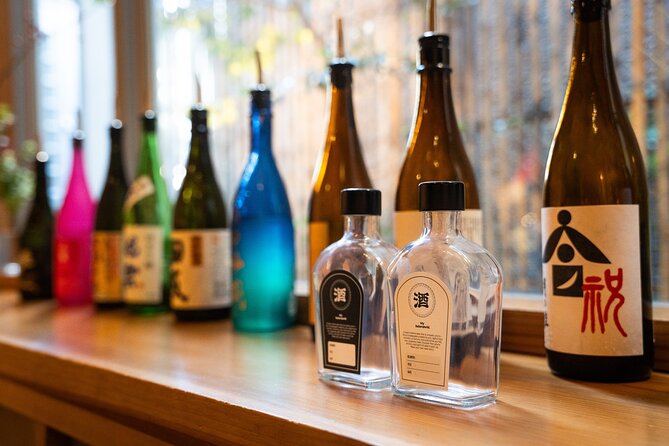
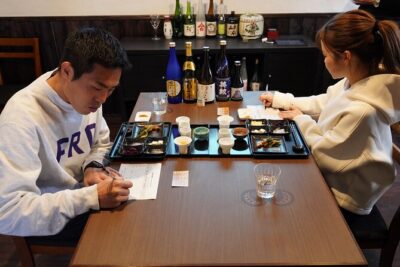
The heart of the experience is the guided tasting of 12 selected premium sakes. You’ll sample a range of types, including daiginjo, nama, junmai, and aged sake, with explanations offered as you go.
What makes this more valuable than a generic tasting flight is the step-by-step flow. You’re not just handed a list and left to figure it out. The guide gives you a consistent framework for what to notice at each step, so each pour feels connected to the next one.
A quick practical note on mindset: tasting 12 sakes can feel like a lot if you treat it like a marathon. The better approach is to slow down for each cup. Pay attention to three things each time, aroma first, then the sip, then the after-feel. If you do that, the differences between styles become obvious fast.
Also, 12 is a sweet spot for learning. Fewer than that might leave you wondering what you missed. More than that can blur together. Here, the variety is high enough to teach you something real, but it still stays within a session length that’s manageable.
How the tasting instructions help you read flavor
The guide’s job here is to translate label language into sensory language. That’s where the experience becomes useful for you beyond the tasting room. Once you learn what certain styles tend to do, you can recognize those patterns later when you’re ordering in a shop or restaurant.
For example, you’ll start associating styles with impressions you can actually detect. Daiginjo and other ginjo-category sakes often bring a different flavor profile than junmai, and nama pours tend to come with a freshness angle that feels different from aged styles. Aged sake, on the other hand, tends to broaden into deeper notes that change how the palate experiences sweetness, aroma, and texture.
Don’t worry if you can’t name what you’re tasting. You’re not graded on it. The point is to build a vocabulary and a set of personal cues. If you leave with even a few clear preferences, you’ll get far more value from the experience than the cost of the tickets alone.
One more thing I liked from the positive experience feedback: the environment is described as spotless and enjoyable. That matters in a tasting room. It keeps focus on the sakes and the guide’s explanations, not on distractions.
Optional sake blending: the fun add-on, with a real price tag
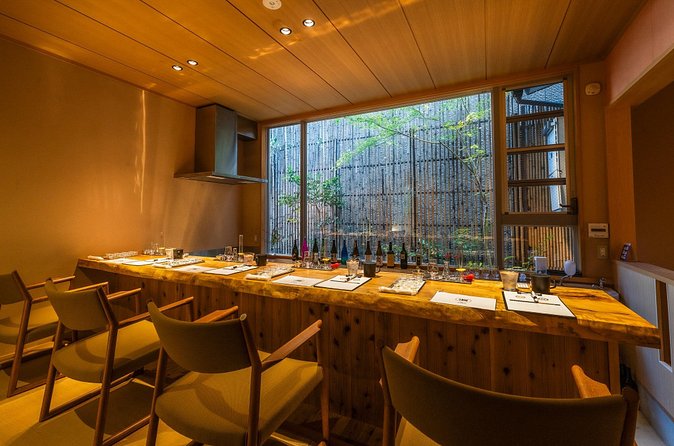
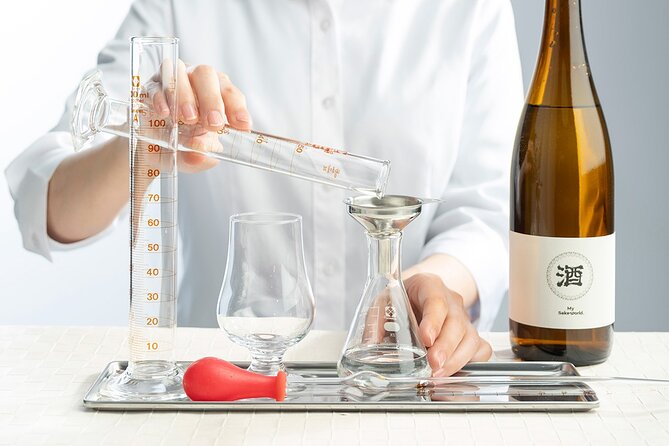
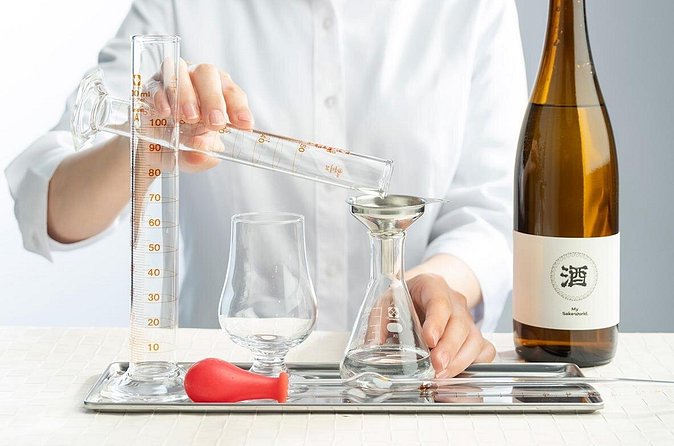
After the main tasting, there’s an optional sake blending experience you can join. This is not included in the base price and costs ¥3,650 per person.
That extra activity is worth considering if you’re the type who likes to experiment, not just observe. The tasting gives you the contrast between styles. Blending takes that contrast and asks you to make choices, like what you want to emphasize and how you want to balance. Even if you end up with something that’s just for fun, it’s a memorable way to turn learning into action.
If you’re on a tight schedule or you mostly want to taste and learn, you can skip blending and still leave with a solid understanding of styles through those 12 samples. Just remember to factor the added time if you plan to do it.
Timing, group size, and what the hour feels like
You’re looking at about 1 hour 10 minutes total, with the guided tasting portion listed as 30 minutes. The pacing is designed to keep things moving while still letting the guide explain each step clearly.
Group size is limited to 6 travelers, which changes the experience. With fewer people, the guide can keep the tasting flow tighter and answer questions without losing the room’s rhythm. It’s also easier to hear the explanation clearly, especially if you’re sitting in a small cluster.
Fitness level is minimal. You’ll stand for the experience and walk only short distances, listed as up to about 200 meters total. In plain terms, this is not a hiking day, but it is not a full sit-down either.
If you’re sensitive to standing time, plan accordingly. Wear comfortable shoes, and take a slow pace in and out of the room. The access corridor includes one small step, and wheelchair users may need assistance, so it’s smart to mention mobility needs when booking.
A quieter way to spend a day in Kyoto


Price and value: what you really get for $58.28
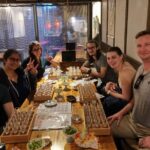
At $58.28 per person, the value comes from two included parts: the tasting and the guidance. The experience includes alcoholic beverages (a tasting of 12 premium sakes) and an explanation of basic sake information.
If you’ve ever priced tastings in specialty bars or bottle shops, you’ll know that paying for multiple samples adds up quickly. Here, the pricing bundles the tasting lineup with an instructor who helps you interpret what you’re drinking. That combination is what turns the cost into something practical. You’re not only consuming, you’re learning a way to taste.
The optional blending add-on is separate for a reason. You’re paying extra for the hands-on component. If you skip it, you’re still getting the core “learn + taste across styles” experience at the base price. If you love creating your own mix, then the additional fee makes sense because it builds on what you learn during the 12-sake lineup.
Practical tips: how to make your tasting session go smoothly
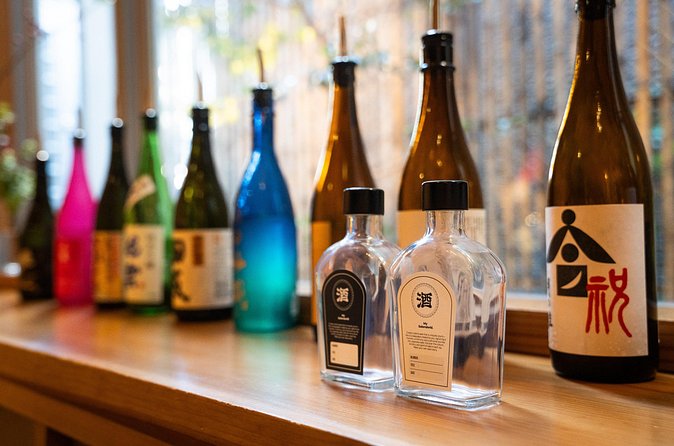
Because this is an alcohol experience, it helps to treat it like a learning class with tasting breaks. You’ll do best if you go in with a curious but calm attitude. If you try to cram it like a party event, it’s easy to lose track of what matters.
A few things you should know before you arrive:
- You’re in Kyoto, and this specific experience is adult-only (20+), with a clear request to not bring children.
- There are legal and safety rules about drinking if you’re driving a car or riding a bicycle. The activity states you’re prohibited from consuming alcoholic beverages in those cases.
- You’ll use a mobile ticket, so have your confirmation ready on your phone.
If you’re sensitive to strong alcohol, pace your sipping. You can also focus on comparing styles rather than trying to finish every sip quickly. The learning is in the contrast, not the volume.
Where to meet in Kyoto, and how the format feels on arrival
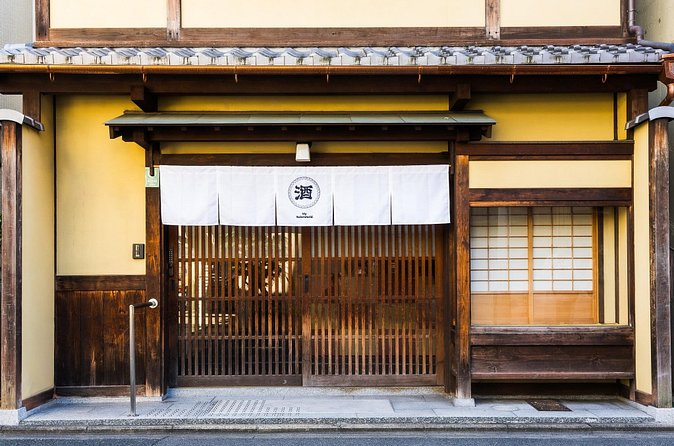
You meet at My Sake World Oike Bettei, address 123 Fukunagachō, Nakagyo Ward, Kyoto 604-8084, Japan. The activity ends back at the meeting point.
Because it’s near public transportation, it’s easy to plug into a Kyoto day without needing a private plan. This also helps if you’re combining it with other neighborhood activities around central Kyoto.
The session itself is designed for a small group in an experience room. Expect a guided flow where your focus stays on the sake selection and the explanation. From what’s described in the best feedback, the space is kept clean and organized, which helps you settle in quickly.
Should you book this Kyoto sake blending and tasting experience?
Book it if you want a structured, guided way to learn Japanese sake by tasting. The 12-style lineup and the step-by-step instructions are exactly what help you go from label confusion to real flavor recognition. With a small group size and an English-speaking guide like Natsuki, it’s also a strong choice if you don’t want a language barrier to slow you down.
Skip it if you’re hoping for a food-heavy pairing format or if you need a fully seated experience. This is about tasting and learning, mostly while standing. Also, if the one small step at the access corridor is a concern for you, check in on mobility support before you commit.
If you’re deciding between base tasting only versus adding blending, I’d use this rule. Choose the blending option if you like making choices and experimenting. Stick with the included tasting if you want the learning and the variety without the extra add-on cost.
FAQ
How long is the Kyoto sake tasting workshop?
The experience is listed as about 1 hour 10 minutes. The key info also notes a duration of 30 minutes for the guided portion.
What is included in the ticket price?
Your ticket includes a tasting of 12 selected premium sakes and an explanation of basic information about sake.
How many different sakes will I taste?
You’ll taste 12 unique types of sake during the guided session.
Is this experience for adults only?
Yes. It is intended for adults aged 20 years and above, and children are asked not to be brought.
What is the minimum walking required?
Fitness level is minimal. You’ll stand and walk short distances, listed as up to about 200 meters total.
Is the venue accessible for wheelchair users?
There is one small step in the access corridor leading to the experience room. Wheelchair users may require assistance, so you should mention any mobility restrictions when booking.
Is sake blending included in the price?
No. The optional sake blending experience costs ¥3,650 per person and is not included.
What are the cancellation rules?
You can cancel for a full refund up to 24 hours in advance of the experience start time. Cancellation less than 24 hours before start is not refunded.
More Food & Drink in Kyoto
New This Season
- Koyasan Day Trip by Private Car from Kyoto
- Old Port Town and Ultimate Sake Tasting Private Tour From Kyoto
- Kyoto’s Timeless Charm: 3hr Exploration of History and Peace
- Kyoto: 5 Types of Sushi Making
- Sacred Peak & Ancient Paths: Kurama-Kibune Hiking Experience
- Kyoto: Exclusive ZEN practice at Manpukuji temple in Uji
- Kyoto: Private Seasonal Aroma Yoga Class
- Traversing Kyoto’s Scenic West – Arashiyama to Kinkakuji
Sake Tasting Experiences, compared.
Kyoto Night Foodie Tour in Gion (9+ dishes + 6 Sake tastings)
Read our review →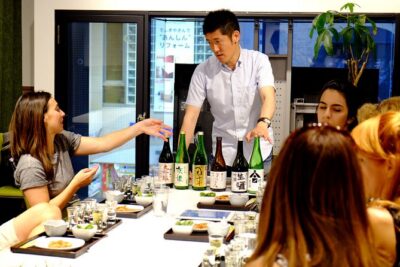
3-Hour Kyoto Insider Sake Brewery Tour with Tastings & Pairings
Read our review →
Arashiyama Bamboo, Temple, Monkeys, or Secret Sake Brewery
Read our review →
Insider Sake Brewery Tour with Sake and Food Pairing
Read our review →
1.5-Hour Kyoto Insider Sake Experience with 7 Tastings & Pairings
Read our review →
Insider Sake Experience with 7 Tastings and Snacks
Read our review →
Private Tea Ceremony and Sake Tasting in Kyoto Samurai House
Read our review →Also filed under