Reviewed · SAKE TASTING EXPERIENCES
Kyoto Sake Brewery Tour with Lunch
Sake tastings in Fushimi are surprisingly educational. This 3-hour Kyoto tour pairs Gekkeikan Okura Sake Museum with time to sample sake, then follows up with an easy local lunch at yakitori speed. I love the small-group feel, and I like that you get both a sense of how sake is made and how it tastes in real life. One drawback to plan for: the tour explains the brewing process, but you cannot access the active brewing areas.
You’ll meet in Fushimi-Momoyama and walk through the area that locals associate with Kyoto’s sake scene. It’s built for newcomers, but it also works if you already care about the difference between sweet, dry, and fragrant pours. Expect a guide-led pace, plus enough samples to help you form your own opinions fast.
The tour runs for about 3 hours with a mobile ticket, and the group tops out at 10 people. Start at 11:00 am, and you’ll end back near Fushimi-Momoyama Station after stops that include temples and park breaks, plus time around local shops.
In This Review
- Key highlights you should know
- Why Fushimi is the right setting for a Kyoto sake tour
- Meeting at Softbank in Otesuji Shotengai and orienting around Fushimi Inari
- Lunch first: yakitori, seasonal food, and real pairing practice
- Gekkeikan Okura Sake Museum: how techniques get explained
- Comparing small and large breweries, with limited factory access
- Temple stops after the museum: a calm walk to end near Fushimi-Momoyama
- Price and what $227 buys you in real terms
- Practical tips so you enjoy every tasting
- Who should book this Kyoto sake and yakitori tour
- Should you book this Kyoto sake brewery tour?
- FAQ
- How long is the Kyoto Sake Brewery Tour with Lunch?
- What is included in the price?
- Is hotel pickup and drop-off included?
- What is the minimum age for the sake tastings?
- Can the tour accommodate dietary needs?
- What happens if it gets canceled due to weather?
Key highlights you should know
- Small-group, big-district energy: up to 10 people, focused stops, and a guided stroll through Fushimi’s sake lanes
- Gekkeikan Okura Museum basics, made concrete: a quick history of Japanese sake and tasting time in the museum area
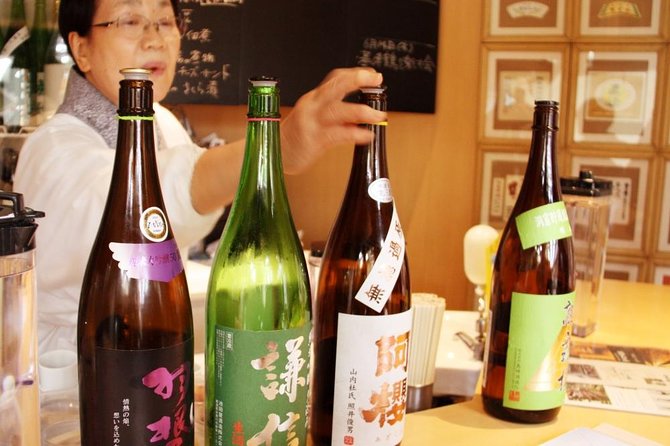
- Yakitori lunch paired with sake: a practical way to understand what flavors work together
- See both scale and approach: you’ll visit a smaller and a larger brewery to compare how operations differ
- Hands-on brewing access is limited: actual active brewing areas are inaccessible, so learning comes through demonstrations and explanations
Why Fushimi is the right setting for a Kyoto sake tour
Kyoto’s sake world is not just a museum hobby. In Fushimi, the whole neighborhood feels like it has been built around rice wine for centuries. That matters because you are not only tasting. You’re also learning where the tradition lives, how it shows up in everyday storefront life, and why locals keep coming back to the same districts.
This tour is timed well for a first visit. You get a concentrated dose of sake culture in about half a day, and you’re not stuck riding between far-flung sights. With only 3 hours on the clock, the guide keeps momentum, and you move between tastings, lunch, and key stops without turning it into a long trek.
I also like the practical tone here. You are not left staring at labels and guessing. You get several tastings, and you have a lunch break where you can connect flavors to food instead of treating sake like a stand-alone drink.
Meeting at Softbank in Otesuji Shotengai and orienting around Fushimi Inari
Your morning starts at the Softbank Fushimimomoyama meeting spot, in front of Softbank in Otesuji Shotengai. That is an easy landmark to find, and it’s helpful if you are navigating Kyoto on public transportation. Since hotel pickup and drop-off are not included, this kind of clear meeting point really matters.
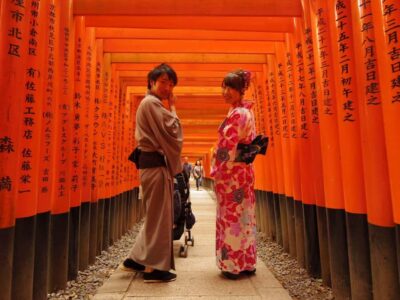
Right away, you get pulled into the Fushimi rhythm. The tour includes a stop at Fushimi Inari Taisha, one of the most famous shrine sites in Kyoto. Even if you do not get hours inside, it’s a great anchor for the district. Inari is more than photo ops in this context. It also helps you understand why people associate Fushimi with prosperity themes, rice, and agricultural roots, which is exactly the kind of background that makes sake history make more sense.
One thing I appreciate is that you are not just dropped at a museum. You walk first. That means when the tour shifts to tasting and techniques, you already have bearings. You’ll also likely notice small local shops along the way, which matches the spirit of the tour, check out the area, not only the attractions.
More cups to sample before dinner
- Kyoto Night Foodie Tour in Gion (9+ dishes + 6 Sake tastings)
★ 5.0 · 1,762 reviews - 3-Hour Kyoto Insider Sake Brewery Tour with Tastings & Pairings
★ 5.0 · 917 reviews - Arashiyama Bamboo, Temple, Monkeys, or Secret Sake Brewery
★ 4.8 · 886 reviews - Kyoto: Insider Sake Brewery Tour with Sake and Food Pairing
★ 5.0 · 704 reviews
Lunch first: yakitori, seasonal food, and real pairing practice
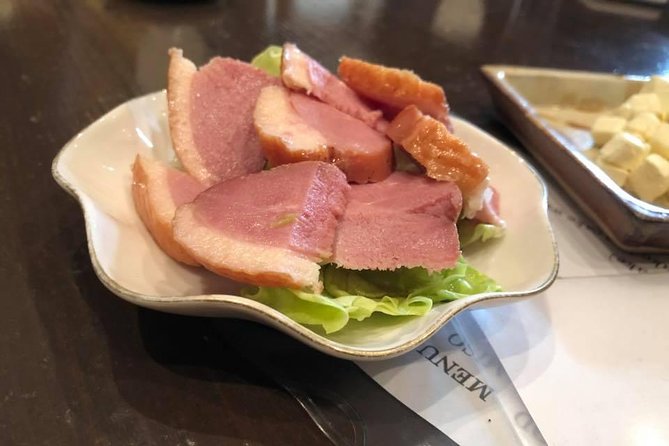
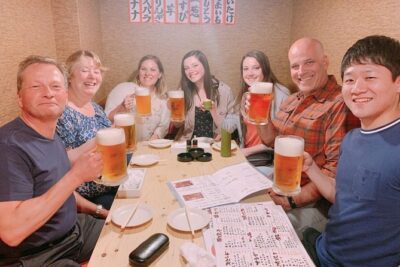
A big reason to choose this tour is the lunch plan. After the early walking, you head to a local restaurant for a seasonal lunch, and the included meal comes before you move on to the museum. The food focus is yakitori, and it’s paired with delicious sake.
This order is smart. If you taste sake on an empty stomach, it can blur the differences you’re trying to learn. By contrast, yakitori gives you textures and salt notes that make it easier to spot which sake style you prefer: lighter and crisp pours often work nicely against grilled chicken fat, while slightly fuller sakes can feel more rounded alongside savory bites.
I also like that the tour states dietary accommodations are available, including vegan, vegetarian, pescetarian, and gluten-free friendly options. That does not mean every option will be identical across restaurants, but it does mean you can plan without hoping for the best. If you have a clear dietary requirement, tell the provider at booking so the restaurant can prepare accordingly.
Gekkeikan Okura Sake Museum: how techniques get explained
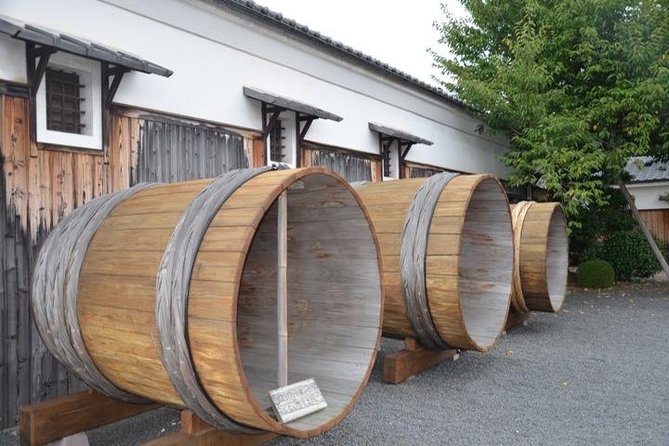
Next comes the Gekkeikan Okura Sake Museum, with free admission. During this portion, the guide helps you understand the history of Japanese sake and the techniques producers use. The museum approach is built for people who feel a little lost with brewing terms. You get the big ideas, not just fancy vocabulary.
What I find valuable is the museum framing. Instead of jumping straight into tasting notes, you first connect the dots: rice wine has a long lineage, and the modern bottles you see in shops are the result of centuries of trial, refinement, and regional approaches. The museum tells that story in a way that pairs well with the tastings you will do during the tour.
You should also know how the tasting experience works here. The tour includes several sake tastings, and you can use the museum time to sample styles you might not order on your own at a bar. That’s the real learning moment, because tasting is the only place where theory turns into a preference.
Time here is short, around 30 minutes listed in the flow you follow. So think of it as the core explanation stop, not a full museum marathon. If you want hours of quiet reading, you might add a museum return on another day. But for a guided half-day, this is a good pace.
Comparing small and large breweries, with limited factory access
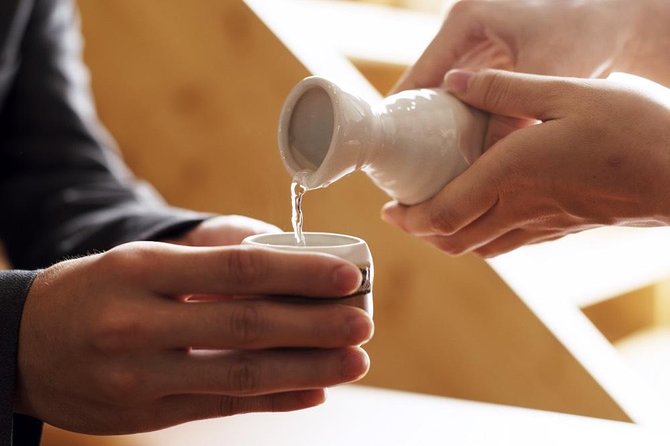
One of the tour promises is to visit both a small and a large sake brewery. That is a great pairing, because scale changes everything: workflow, consistency, output, and the kind of process control you can see. At a small brewery, you often get a sense of hands-on craftsmanship. At a larger operation, you can understand how standardization and production systems support volume.
There is one important expectation to set. The tour notes that actual active brewing areas are inaccessible. That means you should not plan on seeing the raw, active factory floor up close. You will learn through explanations, viewing what is accessible, and tasting, not through full behind-the-scenes access.
This limitation is not necessarily a deal-breaker. For many people, it’s actually more comfortable. You avoid safety restrictions and overly technical visuals, and you still leave with enough understanding to order sake with confidence later. But if your main goal is to watch brewing in action, you may want a different kind of brewery-focused visit where more access is possible.
Temple stops after the museum: a calm walk to end near Fushimi-Momoyama
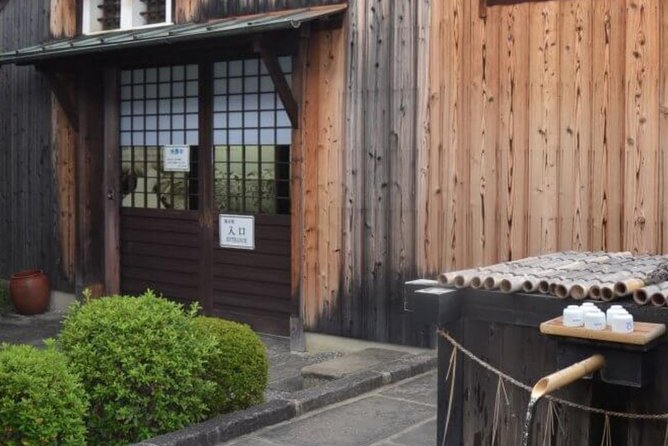
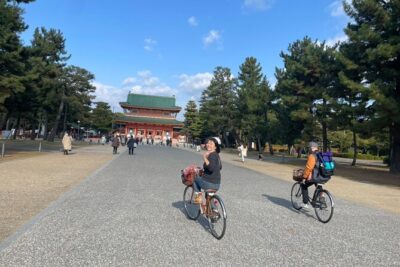
After the museum portion and lunch, the tour continues with a walk that feels like a shift from learning mode into Kyoto scenery mode. Your stops include Chokenji temple, Fushimi Park, Teradaya, and Daigo-ji, before the tour finishes around the Fushimi-Momoyama Station area.
This matters because sake tours can feel repetitive if every hour is inside. Adding temple and park breaks gives your brain a breather. It also gives your photos and memories a wider range than just bottles and rice-related signage.
The route also helps you see what makes the neighborhood livable. Daigo-ji and nearby temple areas are a reminder that Kyoto is not only about food history. It is also about calm religious spaces and views that put daily life in a different perspective.
The listed ending point mentions a bar, but the official end is in the station area. Either way, you are finishing close to public transportation. That makes it easy to keep your day going, whether you head for dinner elsewhere or end your plans with a relaxed drink.
A quieter way to spend a day in Kyoto

Price and what $227 buys you in real terms
At $227 per person, this tour is not the cheapest way to taste sake in Kyoto. So I look at value in what is included and what you would otherwise pay for separately.
Here’s what you are getting: several sake tastings, a local lunch, and a local English-speaking guide. The tour length is about 3 hours, and the group is capped at 10. Museum admission is listed as free for the museum stop. That combination is the big value driver, because you are paying mainly for guided interpretation, tasting access, and the curated meal, not for basic entry fees.
What you are not getting is hotel pickup and drop-off, and transportation costs. Since you also have a clear meeting point and the location is near public transportation, you can manage this without a costly transfer. Still, when you compare the total cost, factor in your train or subway to get to the start.
I also like that booking is often done well in advance. The average booking window is 68 days ahead, so if you’re visiting during a busy season, don’t wait. A small cap like 10 travelers means dates can disappear quickly.
Practical tips so you enjoy every tasting
A few details can make the difference between a fun day and a rushed one.
Wear comfortable shoes. The tour lists a moderate physical fitness level, and your day is built around walking between stops like Fushimi Inari, the museum area, and multiple temple points.
Plan around the alcohol rules. The minimum drinking age is 21, so if anyone in your group is under that age, they should not join for sake tasting. The tour includes sake tastings, and the age rule is explicit.
If you have dietary needs, use them proactively. The tour is listed as vegan, vegetarian, pescetarian, and gluten-free friendly. Ask for the specific accommodation when you book, so the restaurant can plan what they serve alongside sake.
Bring a light, flexible attitude about what you can see. Since active brewing areas are inaccessible, you might not get the level of factory access you’ve imagined from other brewery visits. Instead, focus on the explanations and tastings you do get.
Start at 11:00 am. That timing is ideal for lunch included in the flow. If you arrive early, use that time to get a snack or water, then settle in so the first tastings and lunch feel comfortable.
Who should book this Kyoto sake and yakitori tour
This tour fits best if you want a guided way to learn sake without turning your trip into a homework project. I think it is especially good for these situations:
- You are new to Japanese rice wine and want the basics explained clearly
- You like food pairing experiences, especially yakitori with drinks
- You prefer a small group rather than a crowded bus tour
- You want a mix of education and easy Kyoto walking
It may be less ideal if you primarily want hands-on brewing observation inside production spaces. The tour explicitly notes active brewing areas are inaccessible, so your “see the magic up close” expectations should adjust.
Also, if you need a very technical brewing deep dive, keep in mind the explanations may be delivered with printed aids. One consideration from the experience format is that concepts can come across in a structured, worksheet-like way. If you learn best through lots of spontaneous discussion, you might want to follow up with questions during the tasting portion.
For solo travelers, the provider asks you to email them. That’s worth doing rather than assuming group logistics will automatically work out.
Should you book this Kyoto sake brewery tour?
I’d book it if you want a well-paced Kyoto half-day that combines several tastings, a yakitori lunch, and a museum stop that turns confusing terms into something you can actually taste. The $227 price feels justified when you break it down into guide time, guided tasting, and an included lunch, especially with a small group size.
I would think twice if your top priority is seeing active brewing. Since the tour cannot access active brewing areas, you will learn more through explanation and sampling than through factory viewing. If that is still fine for you, this is a strong way to understand why Fushimi is the place to taste sake in Kyoto.
If you’re deciding today, book sooner rather than later. With a small maximum group size and a typical booking lead time of 68 days, the best dates can go first.
FAQ
How long is the Kyoto Sake Brewery Tour with Lunch?
The tour is about 3 hours.
What is included in the price?
Several sake tastings, a local lunch in a restaurant, and a local English-speaking guide are included.
Is hotel pickup and drop-off included?
No. Hotel pickup and drop-off are not included, and transportation costs are not included.
What is the minimum age for the sake tastings?
The minimum drinking age is 21.
Can the tour accommodate dietary needs?
The tour is listed as vegan, vegetarian, pescetarian, and gluten-free friendly.
What happens if it gets canceled due to weather?
The tour requires good weather. If it is canceled due to poor weather, you will be offered a different date or a full refund.
More Drinking Tours in Kyoto
Lunch in Kyoto

New This Season
- Koyasan Day Trip by Private Car from Kyoto
- Old Port Town and Ultimate Sake Tasting Private Tour From Kyoto
- Kyoto’s Timeless Charm: 3hr Exploration of History and Peace
- Kyoto: 5 Types of Sushi Making
- Sacred Peak & Ancient Paths: Kurama-Kibune Hiking Experience
- Kyoto: Exclusive ZEN practice at Manpukuji temple in Uji
- Kyoto: Private Seasonal Aroma Yoga Class
- Traversing Kyoto’s Scenic West – Arashiyama to Kinkakuji
Sake Tasting Experiences, compared.
Kyoto Night Foodie Tour in Gion (9+ dishes + 6 Sake tastings)
Read our review →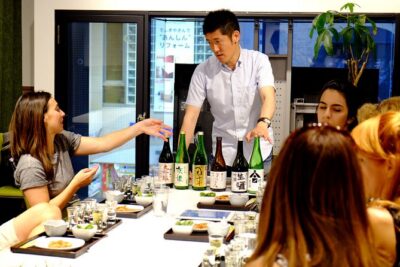
3-Hour Kyoto Insider Sake Brewery Tour with Tastings & Pairings
Read our review →
Arashiyama Bamboo, Temple, Monkeys, or Secret Sake Brewery
Read our review →
Insider Sake Brewery Tour with Sake and Food Pairing
Read our review →
1.5-Hour Kyoto Insider Sake Experience with 7 Tastings & Pairings
Read our review →
Insider Sake Experience with 7 Tastings and Snacks
Read our review →