
Reviewed · FOOD TOURS
Secret Food Tours Kyoto
This tour turns Kyoto food into a walkable lesson. I really liked the Yuba tofu stop and the sake tasting angle, where you learn what makes ginjo different from daiginjo. One thing to keep in mind, there is no pickup or dropoff, so you are meeting on your own and you will be on your feet for about three hours.
Secret Food Tours Kyoto is built around the Karasuma and Gion areas, with small group pacing and an English speaking guide you can actually ask questions. The meeting point is easy to spot, your guide holds an orange umbrella outside Starbucks near Karasuma Oike Station.
For the money, what makes it feel worth it is the mix of foods plus drinks. You get multiple tastings that hit different Kyoto flavors, then you finish with a Japanese tea tasting at a tea shop in the end stretch of the walk.
In This Review
- Key things I’d plan around
- Meeting at Karasuma Oike and setting your pace
- Nishiki Street Market: Katsudon, yuba tofu, and fish cake magic
- The sake stop: ginjo vs daiginjo, plus Kyoto region tastings
- Dessert and wagyu sushi at Nishiki’s craft counters
- Tenma Shinto shrine and a walk toward Pontocho and the Kamo River
- Gion okonomiyaki and Kyoto tea shop calm
- Price and value: what $174 includes for a 3 hour Kyoto food tour
- Who should book Secret Food Tours Kyoto?
- Should you book it?
- FAQ
- How long is the Secret Food Tours Kyoto experience?
- Where do I meet the tour guide?
- Is pickup or dropoff included?
- How big is the group?
- What food is included?
- What drinks are included?
- Are there any dietary or allergy accommodations?
- Is there a cancellation option?
- Can I reserve without paying right away?
- How do I know the tour is available in English?
Key things I’d plan around
- Small group, up to 10 people, so the food line feels controlled instead of frantic
- Nishiki Street Market tastings, including yuba tofu and freshly made fish cakes
- Sake education with real pours, including a tasting of Kyoto region sake
- A sweet seasonal daifuku, with fruit that changes by season
- Gion okonomiyaki in a quaint restaurant, not just a generic snack stop
- Matcha city finale, with hot or iced Japanese tea tasting
Meeting at Karasuma Oike and setting your pace
The tour starts at a very specific spot: in front of Starbucks, across the street from exit 5 of the Subway Karasuma Oike Station. Your guide will be standing there holding an orange umbrella, which sounds simple, but it matters in Kyoto when you are trying to find one person in a crowd.
This is a 3 hour food walk with live guidance in English. The group is limited to 10 participants, which usually means shorter waiting times and more chance to ask what you are tasting and why it matters. There is no pickup or dropoff, so plan your subway time accordingly and aim to arrive a few minutes early to avoid the start rush.
Also, build your day around eating. You are not just sampling one bite per stop. You will have a proper katsudon bowl early on, and then more tastings throughout, including dessert and several drinks. If you go in hungry and curious, the whole pace makes sense.
Nishiki Street Market: Katsudon, yuba tofu, and fish cake magic
After meeting, you walk toward Nishiki Street Market. The first meal feels like a momentum builder: you sit down for a bowl of katsudon with a sweet twist. This matters because it breaks the usual street food pattern of constant standing and nibbling. It is a proper base for the rest of the tastings.
Next, you head toward the entrance of the market and get into distinctly Kyoto style territory. One of the first signature stops is yuba tofu, a specialty you do not usually see in the same way outside Japan. Yuba is often described as a thin film made from soy milk, and the key point for you on this stop is texture and comfort. It is the kind of food that makes you slow down and notice how subtle things can taste very different depending on preparation.
Then comes the tour’s secret dish stop. The exact item is referred to as the secret dish, but the practical takeaway is that it breaks the expectation of what you think you will eat based on signage alone. In markets like Nishiki, you can walk past the best stuff without even realizing it, and a guide helps you hit the right stalls and preparations.
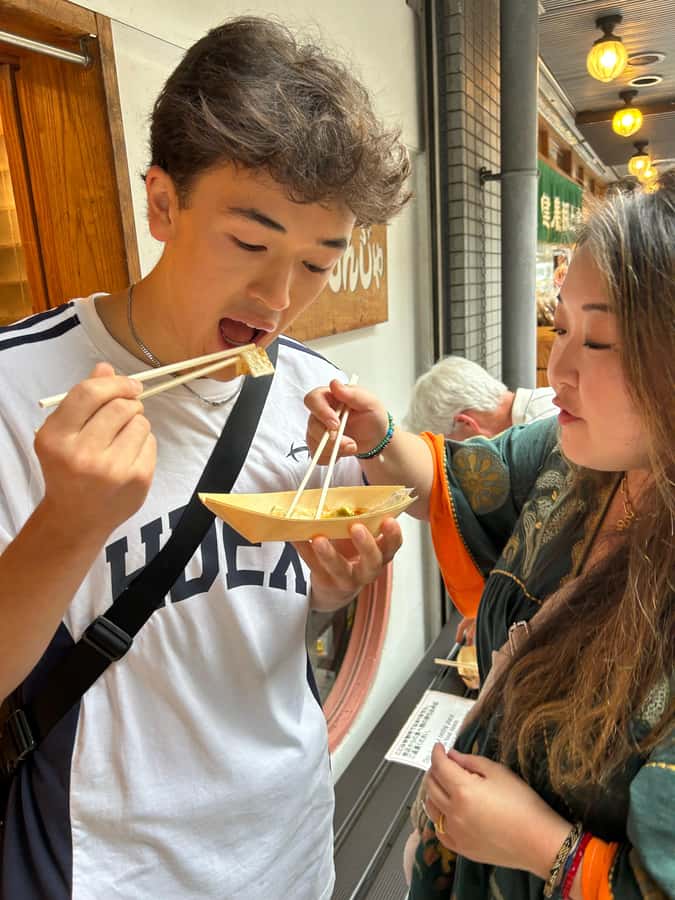
You also get an important culture and food education moment with freshly made fish cakes. Everyone often knows imitation fish cake snacks, the orange and white stick kind. Here, you taste the real freshly made version, and that is the point. You should expect a different feel in flavor and texture, and it is the kind of comparison that makes future bites make more sense.
More of Kyoto, tasted rather than seen
- Kyoto Night Foodie Tour in Gion (9+ dishes + 6 Sake tastings)
★ 5.0 · 1,762 reviews - Kyoto: Gion Food Tour 13 Dishes at 4 Eateries
★ 5.0 · 408 reviews - Kyoto Foodie Night Tour
★ 5.0 · 376 reviews - Kyoto: Gion & Pontocho Food Tour with 13 Dishes
★ 4.9 · 235 reviews
The sake stop: ginjo vs daiginjo, plus Kyoto region tastings
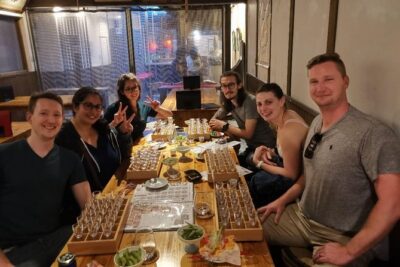
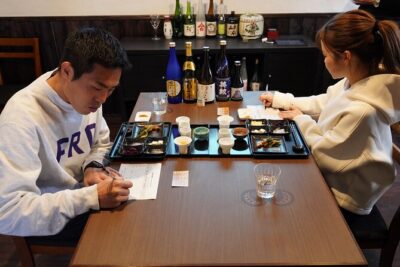
Food is only half the story on this tour. At some point you will get thirsty, and you will also get curious about sake. This is where the tour turns instructional: you learn the difference between ginjo and daiginjo as part of the experience.
The value of this stop is not just drinking sake. It is learning the basic idea behind the labels while you have multiple tastes in front of you. You get a tasting of various sake from the Kyoto region, so you can notice how style changes taste, aroma, and smoothness.
And you are not limited to only sake. A glass of draft beer is included, plus water served in most food houses. That combination helps if you want variety, or if you just need a break between more “thinking bites” and “working bites.”
If you are the type who likes to understand what you are eating, this sake stop gives you a framework you can carry outside the tour. Even if you do not become a sake expert, you will know what you are looking at on bottles.
Dessert and wagyu sushi at Nishiki’s craft counters
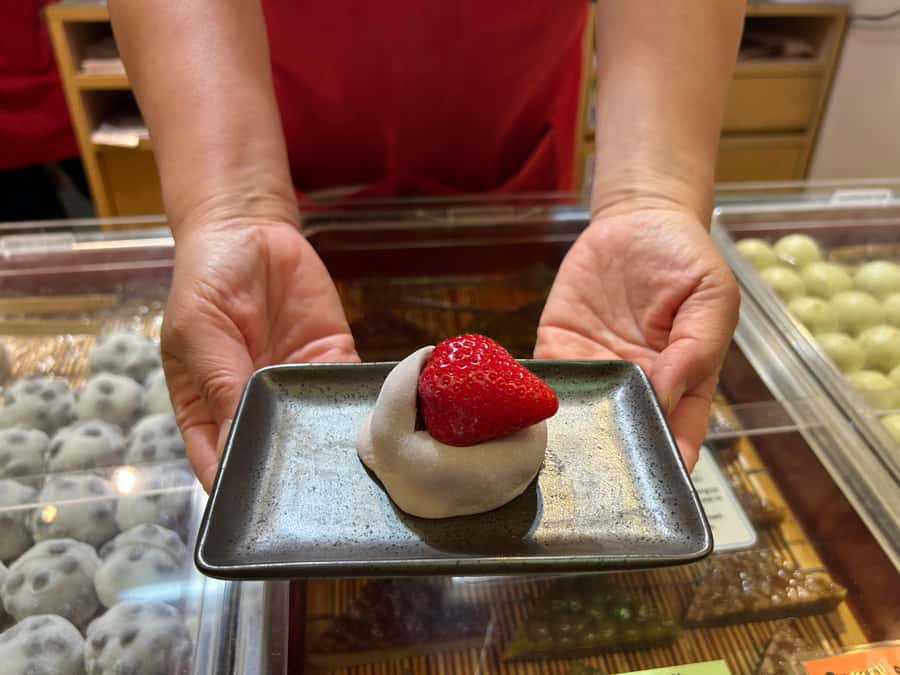
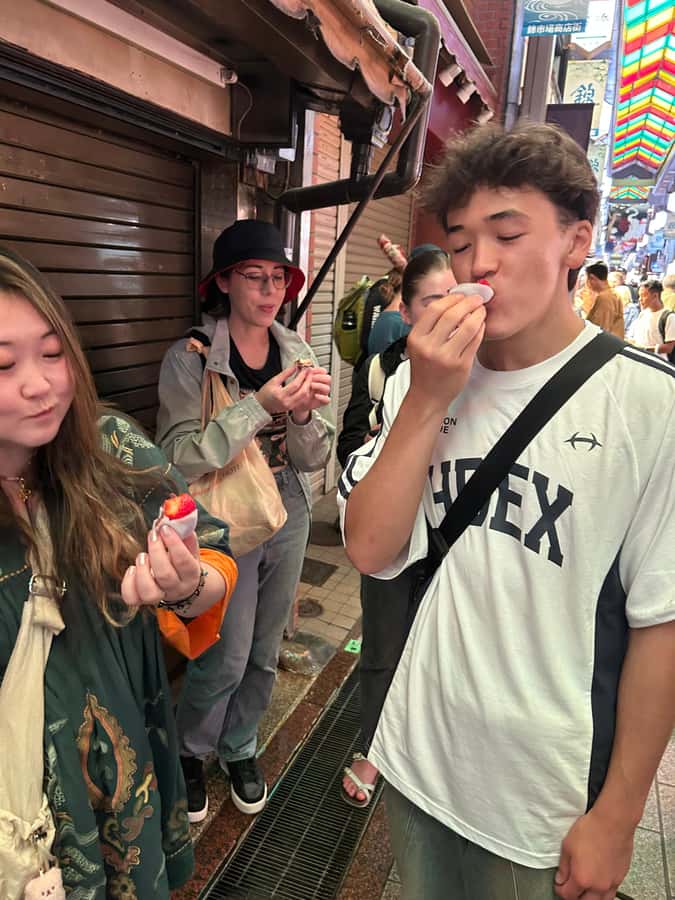
After the savory section, the tour shifts toward sweet and a couple of big Kyoto street hits. First up: daifuku mochi. It is paired with a fruit of season, and the choice can vary depending on what is available when you go. This seasonal angle is actually useful for you, because it means your dessert is tied to the same rhythms that shape menus for locals.
The daifuku stop happens at one of the oldest artisan stores in the market. I like this kind of detail, because it is a reminder that Nishiki is not only about novelty. It is also about craft, and the store choice signals that you are trying something with repeatable quality.
Then you get wagyu sushi. It is described as a top street food dish in the Kansai area over the years, which tells you to expect something satisfying and a little showy. For you, the practical value is that you get a version of wagyu that fits street food form, not a sit down steak situation.
Think of this stretch as the reward part of the tour. By now, you have eaten savory, you have tasted fish cake and yuba, and you have had drinks. Dessert and wagyu sushi are where the experience finishes with a bigger, clearer hit of indulgence.
Tenma Shinto shrine and a walk toward Pontocho and the Kamo River
Leaving the Nishiki area, you make a small cultural stop at the Tenma Shinto shrine. You are paying your respects, which keeps the tone respectful without turning the trip into a lecture. It also helps you understand that food and daily life in Kyoto overlap constantly.
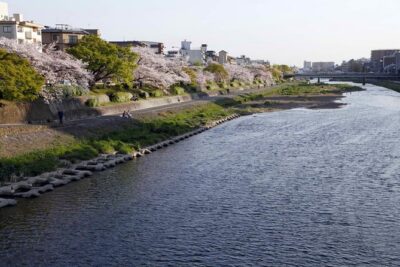
After that, you head toward Pontocho and the Kamo River. Even though the tour is food focused, this stretch gives you breathing room and a change of scenery. Street market walking can blur together. This portion helps you reset your appetite and notice Kyoto’s layout in a more personal way than just riding between stations.
If you like combining food with streetscape, this is one of the quieter wins in the itinerary. If you dislike walking, you should still plan for it here, because this is not a stop and sit sequence. It is a guided food walk with movement between distinct areas.
Gion okonomiyaki and Kyoto tea shop calm
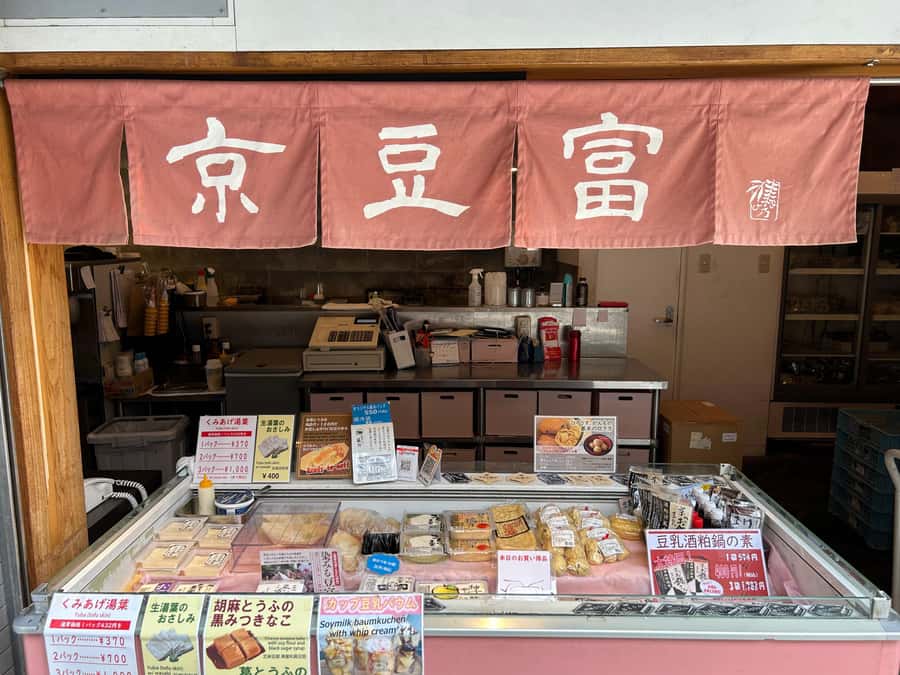
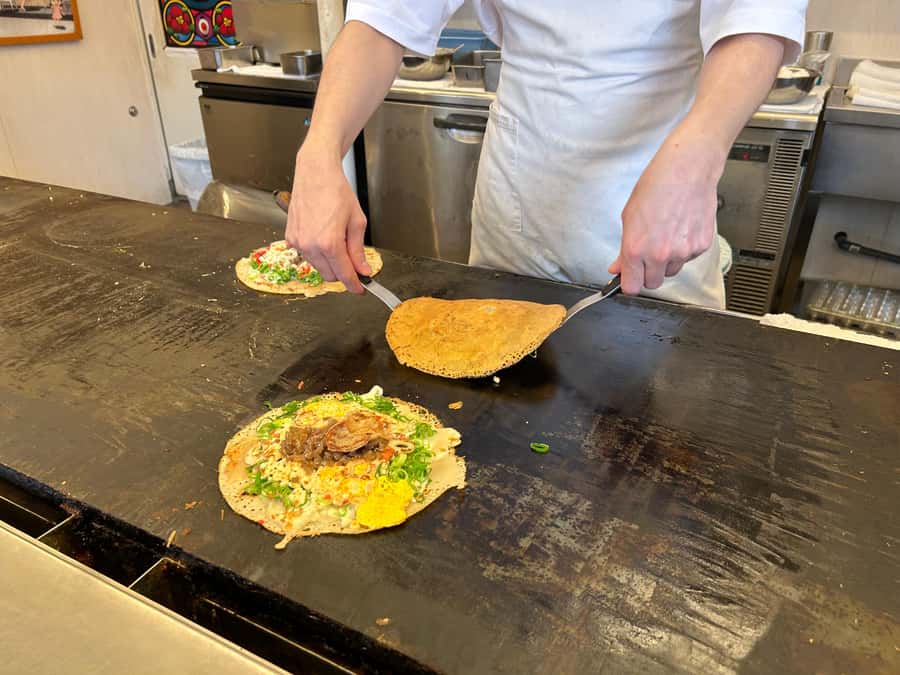
Once you reach Gion, you get a well deserved rest with Kyoto style okonomiyaki in a quaint restaurant. Okonomiyaki is the kind of dish that feels familiar but can vary by region. The key here is that you are eating it as part of a guided food route, so you are getting the Kyoto style version rather than ordering the first thing you recognize.
This is also where the tour shifts from “multiple bites” to “one stronger, comforting meal.” For many people, that is exactly when the body wants food to slow down digestion a bit and settle the flavors.
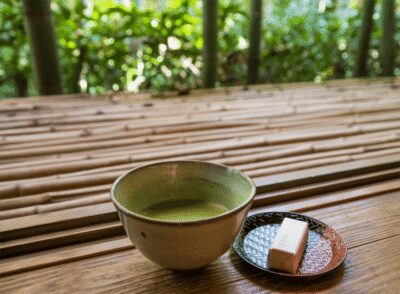
Then you finish with the tea part of Kyoto. Kyoto is known for tea houses and tea ceremonies, and the tour takes you to one of the best places to enjoy a hot or iced Japanese tea tasting. The value is in the final education moment: you go from food and alcohol tastings into something lighter and calmer.
By the end, you have tasted a spectrum of Kyoto flavors: savory market foods, specialty yuba tofu, fish cakes, dessert mochi, wagyu sushi, okonomiyaki, and then tea. That spread is what makes this feel like more than a single neighborhood snack run.
A quieter way to spend a day in Kyoto
Price and value: what $174 includes for a 3 hour Kyoto food tour
The price is $174 per person for about 3 hours. That is not cheap, so the question is whether you get enough eating and drinking to justify the spend.
Here is what you receive that directly offsets cost:
- Food tastings that include katsudon, yuba tofu, fish cakes, a secret dish, daifuku mochi with seasonal fruit, wagyu sushi, and Kyoto style okonomiyaki
- Drinks that include draft beer, water in most food houses, a Japanese tea tasting (hot or iced), and a tasting of various Kyoto region sake
Even without counting every single component, this bundle is doing most of the work. You are paying for guidance, for access to the right stalls and preparations, and for the structure that keeps the food flowing in the right order. And you also get the convenience of an organized route through Karasuma and Gion without having to figure out where to go next yourself.
The only real cost-side downside is that there is no pickup or dropoff. You will need to handle getting yourself to the starting point near Karasuma Oike. If you can plan that subway portion smoothly, the rest of the tour removes a lot of guesswork.
Who should book Secret Food Tours Kyoto?
This tour is a strong fit if you:
- Want a local perspective food crawl across Nishiki and Gion
- Prefer a small group and an English speaking guide who can explain what you are tasting
- Like variety, from yuba tofu to fish cakes to okonomiyaki, with drinks like sake and tea
It might not be your best choice if:
- You have limited mobility or hate walking, since this is a moving food route with multiple stops
- You need very strict accommodations beyond general allergies, because the tour asks you to tell them before booking if you have any allergy or food restriction
If you are visiting Kyoto for the first time, this is also a good way to learn how the city organizes food by neighborhood, from market energy to Gion calm.
Should you book it?
I think you should book Secret Food Tours Kyoto if your priority is eating real Kyoto food in the right places, not just collecting photos. The lineup is the selling point for me, yuba tofu and freshly made fish cakes feel like the kind of specialty choices you cannot easily replicate on your own, and the sake stop adds real context.
If you are the kind of person who likes learning while eating, you will likely enjoy the ginjo vs daiginjo explanation paired with a real tasting. And if you time your day right, the end tea tasting is a smart way to finish without feeling too heavy.
FAQ
How long is the Secret Food Tours Kyoto experience?
It runs for 3 hours. Start times vary, so you should check availability for the specific times offered.
Where do I meet the tour guide?
Meet in front of Starbucks, across the street from exit 5 of the Subway Karasuma Oike Station. The guide will be standing with an orange umbrella.
Is pickup or dropoff included?
No. Pickup or dropoff is not included, and the tour ends back at the meeting point.
How big is the group?
The group is limited to 10 participants, and it is led by a live guide in English.
What food is included?
Food included includes katsudon, Kyoto style yuba tofu preparation, a secret dish, freshly made fish cakes, daifuku mochi with seasonal fruit, wagyu sushi, and Kyoto style okonomiyaki.
What drinks are included?
A glass of draft beer is included, along with water served in most food houses. The tour also includes a Japanese tea tasting (hot or iced) and a tasting of various sake from the Kyoto region.
Are there any dietary or allergy accommodations?
If you have any allergy or food restriction, you need to let the provider know before booking.
Is there a cancellation option?
Yes, free cancellation is available up to 24 hours in advance for a full refund.
Can I reserve without paying right away?
Yes. The tour offers reserve now and pay later, so you can book your spot and pay nothing today.
How do I know the tour is available in English?
The tour includes a live tour guide in English, and it is listed as such for this experience.
More Food & Drink in Kyoto
New This Season
- Koyasan Day Trip by Private Car from Kyoto
- Old Port Town and Ultimate Sake Tasting Private Tour From Kyoto
- Kyoto’s Timeless Charm: 3hr Exploration of History and Peace
- Kyoto: 5 Types of Sushi Making
- Sacred Peak & Ancient Paths: Kurama-Kibune Hiking Experience
- Kyoto: Exclusive ZEN practice at Manpukuji temple in Uji
- Kyoto: Private Seasonal Aroma Yoga Class
- Traversing Kyoto’s Scenic West – Arashiyama to Kinkakuji
Food Tours, compared.
Kyoto Night Foodie Tour in Gion (9+ dishes + 6 Sake tastings)
Read our review →
The Award-Winning PRIVATE Food Tour of Kyoto: The 10 Tastings
Read our review →
Kyoto Food Tour of 10 Tastings with Wagyu, Mochi & More Surprises
Read our review →Also filed under