
Reviewed · FOOD TOURS
Cherry Blossom Season Evening Hanami and Food Tour – Kyoto
Sakura season is best when you can breathe. This evening Hanami and food tour sends you through the Demachiyanagi area for cherry-blossom views away from the loudest tourist zones, then adds local snacks, a mini picnic-style tasting, and a proper Kyoto dinner. I love that it stays on foot for about three hours, so you get the spring feel in a neighborhood that locals actually use. I also like the built-in food flow, from market sweets to a classic restaurant meal, not just random bites. One possible drawback: it is still a walking tour, so if you hate uneven spring sidewalks, you will feel it.
My favorite part is how the timing changes the vibe. In the cooler evening air, temples, gardens, and shrines feel calm, and the surrounding shotengai (shopping arcade) becomes a place to snack and chat, not just pass through. The guide leads the group through the sights and the tasting moments, and small group size keeps it friendly. On alcohol: the tour includes two drinks, and the minimum drinking age is 21, so plan your expectations if you are traveling with teens or anyone who cannot or does not drink.
In This Review
- Key Highlights You Should Know Before You Go
- Why Demachiyanagi Hanami Feels More Kyoto-Like Than The Usual Stops
- Your 3-Hour Walking Plan: Demachiyanagi Station to Dinner
- What You Taste in Spring: Snacks, Mini Picnic Bites, and Dinner
- The Drink Rules and How to Plan a Comfortable Evening
- Small Group Size and the Guide Moment That Makes It Work
- Price and Value: Is $161 for an Evening in Kyoto Fair?
- Who This Tour Suits Best, and Who Might Skip It
- Should You Book This Evening Hanami and Food Tour?
- FAQ
- When is the Cherry Blossom Season Evening Hanami and Food Tour available?
- How long is the tour?
- Where do we meet the guide?
- How many people are in a group?
- Are drinks included, and is there an age limit?
- Can the tour accommodate dietary requirements?
Key Highlights You Should Know Before You Go
- Demachiyanagi cherry blossom viewing after dark, with time for a real hanami stroll and light picnic-style tasting
- Small group capped at 10, led by an English-speaking guide for an easier pace and more attention
- Shotengai snack time, where local shops and sweets are part of the experience, not an afterthought
- Seasonal Kyoto dinner in the area, with local and spring-focused dishes served at a classic restaurant
- Two included drinks, plus a traditional dessert to end the night on a sweet note
- A special hanami gift at the end, making the evening feel like a true seasonal event
Why Demachiyanagi Hanami Feels More Kyoto-Like Than The Usual Stops
Kyoto cherry blossom season draws crowds for a reason, but you do not have to experience spring like everyone else. This tour aims for the calmer side of the city by focusing on the Demachiyanagi area and nearby temple and shrine grounds, including both big and small spots. That matters because hanami is not only about spotting a pretty tree, it is about spending time where locals slow down, notice details, and take the season personally.
The evening timing is also a big deal. When the sun drops, you often get cooler temperatures for walking and a softer atmosphere around gardens and shrine paths. You are still doing a structured tour, but the core of the experience is a wandering pace, where cherry blossoms and spring scents set the mood while the guide handles the route and timing.
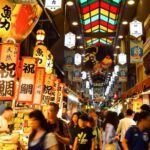
I also like that this is framed as a local experience, not a highlight-only checklist. You spend time in a shotengai, meaning a real shopping arcade where you can smell food coming from the shops and see how daily life looks during sakura season. If your idea of hanami includes snacks and conversations, this tour aligns with that.
One practical note: you are walking for the full experience, so wear shoes you would not mind using for an evening stroll. Kyoto in spring is beautiful, but sidewalks and shrine paths do not care about fashion.
Your 3-Hour Walking Plan: Demachiyanagi Station to Dinner
The tour starts at Demachiyanagi station, near the entrance of the Rent A Cycle shop EMUSICA. Your guide or staff will be holding a sign with the local partner name, so you can find the group without guesswork. There is a small timing rule to know: you can be late by up to five minutes, then the tour departs.
Once you start, the evening moves like this: first you get out into the neighborhood around Demachiyanagi, then you shift into temple, garden, and shrine areas for cherry-blossom viewing. The point is not to rush through the most photographed corners. It is to walk into places where the blossoms frame small moments, like a quiet walkway in a garden or a shrine path that feels made for spring evenings.
A standout theme is the mix of sacred spaces and street-level food culture. After the scenic moments, the route includes time in the local shopping arcade (shotengai). That is where the guide helps you understand what you are seeing, but also where you get real hands-on time tasting snacks and sweets from nearby shops.
As you get deeper into the night, the tour transitions into the meal. You are guided to a classic Kyoto restaurant in the area for seasonal dishes. Based on what has been shared from a past experience, the route can include time around notable garden settings such as the Imperial Palace garden area, but that may depend on the specific evening and seasonal conditions.
The tour ends back at the meeting point at Demachiyanagi station. So you are not left guessing how to get home after dinner. This also helps you plan your next stop, since your night is anchored at a single, simple start and finish.
More of Kyoto, tasted rather than seen
- Kyoto Night Foodie Tour in Gion (9+ dishes + 6 Sake tastings)
★ 5.0 · 1,762 reviews - Kyoto: Gion Food Tour 13 Dishes at 4 Eateries
★ 5.0 · 408 reviews - Kyoto Foodie Night Tour
★ 5.0 · 376 reviews - Kyoto: Gion & Pontocho Food Tour with 13 Dishes
★ 4.9 · 235 reviews
What You Taste in Spring: Snacks, Mini Picnic Bites, and Dinner
This is a food tour, but it is not just a list of foods. The tasting rhythm is built into the walking experience, so you snack while you are still in the blossom mood, then settle into a proper meal once evening sets in.
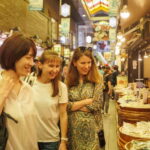
During the route, you try various local snacks and sweets. That includes seasonal spring treats you would not necessarily seek out on your own, especially if you only follow the most famous streets. It is a practical advantage, because you get help matching what is available in shops to what feels seasonal in Kyoto right now.
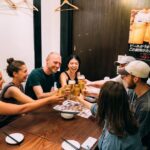
Then comes the hanami-style tasting moment. You get light bites outside in a hanami mode, along with a sip of sake or a refreshing local beverage. Since two drinks are included overall, this is more than a token sip. It is part of the experience design, meant to make the blossoms feel like a shared spring ritual rather than a photo stop.
Dinner is where the tour really cashes in. You sit down at a classic Kyoto restaurant in the area and enjoy a seasonal menu made with local spring ingredients. Expect Kyoto cooking styles and dishes built around the season, not a generic tourist set menu. This part is included, so your budget stays predictable even during peak sakura dates.
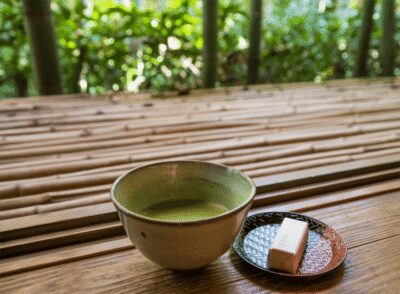
To finish, you get a locally renowned traditional dessert. It is the right kind of ending for an evening tour, because it feels ceremonial without being heavy. If you love food that tastes like the season, this is one of the strongest reasons to choose this specific hanami tour format.
The Drink Rules and How to Plan a Comfortable Evening
Two drinks are included, and the guide may offer sake or a refreshing local beverage depending on the tasting flow. The minimum drinking age is 21, so if you are traveling with anyone younger, you will want to keep that in mind when thinking about what drinks they can receive.
I like that the tour is explicit about this, because it prevents awkward surprises during the best part of the evening. If you do not drink, you should still be able to enjoy the food portions and the walking segments, since the meals and dessert are the heart of the itinerary. The listing also says additional drinks or food can be purchased on your own expense, so if you want extra tea, juice, or a second round, you have that option.
Comfort matters here because the evening combines walking plus sitting for dinner. Plan on staying warm, since it can get cooler at night. You are not asked to bring special gear beyond comfortable shoes, but I strongly suggest layering a light jacket so you can focus on enjoying the blossoms rather than bracing for temperature changes.
If you have dietary requirements, the tour asks that you advise the supplier at booking. That is important with Japanese meals, because substitutions and ingredient choices depend on the restaurant and the course style.
Small Group Size and the Guide Moment That Makes It Work
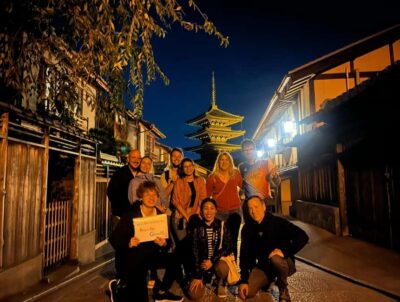
This is capped at 10 participants, which changes the experience in a big way. In a group that small, you get a calmer walking pace and more freedom to ask questions. You are also less likely to feel like a moving camera crew. Instead, it feels like you are being shown a neighborhood by someone who understands when to pause and when to keep walking.
The tour is guided in English. That matters for a food and seasonal experience because you want to understand what you are tasting, not just eat it. You also want to know what you are seeing among temples, gardens, and shrines, since the details make sakura season feel personal.
One English guide named Ako has been specifically praised for being personable, knowledgeable, and friendly, with a route that included a lovely walk around shops and time in the Imperial Palace garden area. Even if your guide is not the same person, this is a good sign that the guiding style is built for conversation and clear guidance, not just reciting facts while you hustle for photos.
A small group also helps during the snack stops. If you have ever been stuck in a big crowd waiting for tastings, you know how quickly that kills the mood. Here, the tastings are part of the flow, so you can actually taste and enjoy without losing half your energy to line management.
Price and Value: Is $161 for an Evening in Kyoto Fair?
At $161 per person, you are not paying for a “cheap and cheerful” stroll. But you also are not paying for only cherry blossom viewing. This price includes a structured 3-hour guided walking experience, cherry blossom viewing time, snack and sweet tastings, and two drinks.
The biggest value lever is dinner. You get seasonal and local dishes at a classic Kyoto restaurant, and that kind of included meal is usually the most expensive part of a Kyoto food outing. Add the traditional dessert and the hanami gift at the end, and the tour starts to look like a full evening plan rather than an add-on excursion.
So the value logic is pretty simple: you are buying convenience plus a curated food sequence. You do not have to plan where to eat, how to time it with blossoms, or how to navigate the neighborhood in a way that still feels local. You also get the reassurance that the meal is part of the package, which helps you manage spending during peak sakura dates.
If you are the type of traveler who likes to eat well without turning the evening into a scavenger hunt, this price makes sense. If you are on a tight budget and only want a quick blossom walk, you may prefer a self-guided option and spend less. But if you want the full hanami-food-night combo, this tour is priced like it expects you to eat and drink along the way.
A quieter way to spend a day in Kyoto

Who This Tour Suits Best, and Who Might Skip It
This works best for you if you want three things at once: cherry blossom season, local food tastings, and an evening pace that avoids the most intense crowd energy. It is also a good fit if you prefer small group tours, because the cap of 10 helps keep the experience personal.
It suits couples and small groups who want a fun spring date-night feel, but it also fits solo travelers who want conversation and guidance. The itinerary is built around walking, shopping arcade snacks, scenic sacred spaces, and then dinner. If that sounds like your idea of Kyoto in spring, you will probably have a great time.
You might consider skipping if you have limited stamina for walking or if you expect a mostly sit-down experience. This tour is built for walking, and comfortable shoes are required for a reason.
Age considerations matter too. Unaccompanied minors are not allowed, and there is a minimum drinking age of 21. If you are traveling with people who are under that age, they can still participate as long as they meet the tour rules, but the alcohol part of the experience will be limited.
Should You Book This Evening Hanami and Food Tour?
I think you should book it if you want a full spring evening that mixes blossoms, neighborhood shopping energy, and a real Kyoto dinner in one package. The strongest reasons are the sequence and the structure: you get tasting moments aligned with the hanami atmosphere, then you end with a classic meal plus dessert. For $161, you are paying for that convenience and for the included food components that would otherwise take time to plan.
I also like that it focuses on Demachiyanagi and keeps you away from the most hectic routes. That is the difference between watching blossoms and actually experiencing spring as a local ritual.
Book it confidently if you are comfortable walking for about three hours and you want to eat your way through sakura season with an English guide. If you would rather keep things flexible, skip tastings, or avoid any drink-related rules, you may want a different style of tour.
FAQ
When is the Cherry Blossom Season Evening Hanami and Food Tour available?
The tour runs from March 25th to April 11th, 2025.
How long is the tour?
The duration is 3 hours.
Where do we meet the guide?
Meet at Demachiyanagi station near the entrance of the Rent A Cycle shop EMUSICA. Staff will be holding a sign with the local partner name.
How many people are in a group?
The group is limited to 10 participants.
Are drinks included, and is there an age limit?
Two drinks are included. The minimum drinking age is 21.
Can the tour accommodate dietary requirements?
You should advise the supplier of any specific dietary requirements at the time of booking.
More Evening Experiences in Kyoto
More Food & Drink in Kyoto
New This Season
- Koyasan Day Trip by Private Car from Kyoto
- Old Port Town and Ultimate Sake Tasting Private Tour From Kyoto
- Kyoto: 5 Types of Sushi Making
- Sacred Peak & Ancient Paths: Kurama-Kibune Hiking Experience
- Kyoto’s Timeless Charm: 3hr Exploration of History and Peace
- Kyoto: Exclusive ZEN practice at Manpukuji temple in Uji
- Kyoto: Private Seasonal Aroma Yoga Class
- Traversing Kyoto’s Scenic West – Arashiyama to Kinkakuji
Food Tours, compared.
Kyoto Night Foodie Tour in Gion (9+ dishes + 6 Sake tastings)
Read our review →
The Award-Winning PRIVATE Food Tour of Kyoto: The 10 Tastings
Read our review →
Kyoto Food Tour of 10 Tastings with Wagyu, Mochi & More Surprises
Read our review →Also filed under