Reviewed · FOOD
Hidden Vegan Kyoto: Vegan & Local Food Journey with a Local
Kyoto goes vegan, and it makes sense. This small-group tour is a practical way to slow down, eat plant-based Kyoto food with less risk, and learn why it works. I especially liked bilingual guide Chie and the machiya shojin lunch, both of which turn a tricky vegan trip into an easy, guided experience. One consideration: it’s a 2.5-hour walking tour, so comfy shoes matter.
You stay close to the big sights but skip the crowds. You meet at B&B Hachi Kyoto, then head into the quiet Umekoji neighborhood, one station from Kyoto Station but a world calmer in feel. The stops focus on food you can actually connect to Kyoto life, not just things that look good in photos.
If you’ve ever worried about hidden animal ingredients in Japan, this tour is built for that stress. Everything on the menu is plant-based and arranged for the experience, with guide support so you are not playing menu detective every meal. Chie also brings extra context about vegan life around Japan, which helps you keep the momentum after the tour ends.
In This Review
- Key highlights you will care about
- Why Umekoji feels like the real Kyoto for vegans
- Getting to B&B Hachi Kyoto, and what the 2.5-hour pace means
- Stop one: fresh soy milk and tofu at a 60-year-old shop
- Stop two: vegan steamed buns with a Chinese-style twist
- Stop three: shojin ryori lunch in a 100-year-old Kyoto machiya
- Stop four: wagashi and local tea to close out the experience
- Price and value: is $126 for 2.5 hours worth it?
- Who this vegan Kyoto tour is best for
- Final decision: should you book Hidden Vegan Kyoto?
- FAQ
- What is the duration of the Hidden Vegan Kyoto tour?
- Where does the tour meet?
- What do I eat on the tour?
- Is the tour fully vegan?
- Is there a bilingual guide?
- How long is the walk from Kyoto Station to the meeting point?
- What is included in the price?
- What should I bring?
- What is the cancellation policy?
Key highlights you will care about
- Private walking tour with bilingual guide Chie (English and Japanese), so you get clear explanations instead of guessing at ingredients.
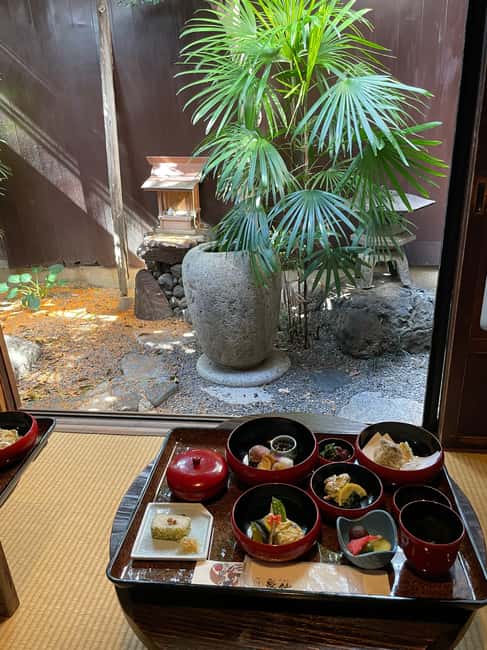
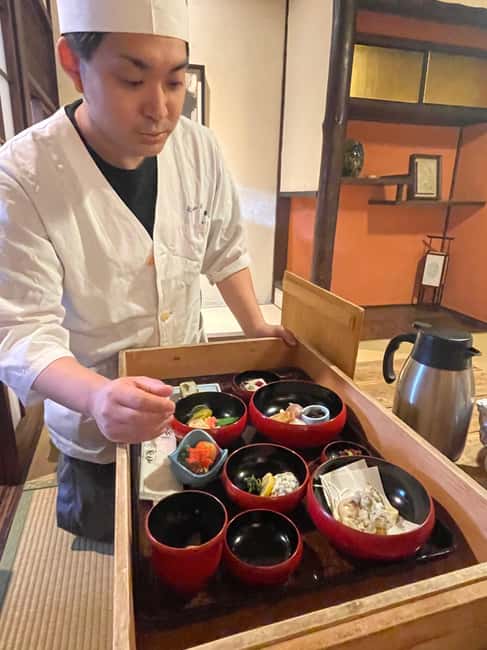
- A shojin ryori lunch in a renovated Kyoto machiya at B&B Hachi that keeps the Zen-style simplicity front and center.
- A stop at a 60-year-old tofu shop, starting with fresh soy milk and tofu made the traditional way.
- Vegan steamed buns inspired by Chinese-style flavors, made fully plant-based and favored by local regulars.
- A gentle finish with wagashi and local Japanese tea, turning the meal into a slower, reflective wrap-up.
Why Umekoji feels like the real Kyoto for vegans
Kyoto can be a wonderful city for food, but being vegan adds a layer of uncertainty. Soy sauce, dashi, and small hidden ingredients can turn an innocent dish into a stress puzzle. This tour takes you to places where the vegan approach is already the default, which removes a lot of mental load.
I like the Umekoji choice because it feels like local Kyoto, not a postcard loop. You are just one station from Kyoto Station, yet the neighborhood atmosphere is quieter. That makes it easier to enjoy the pace and actually talk with your guide as you walk.
Another underrated value is how the tour is designed for you as a vegan. Instead of eating random vegan items that might be shared with non-vegan kitchens, the stops are exclusively arranged for the experience. That matters when you want trust, not luck.
Getting to B&B Hachi Kyoto, and what the 2.5-hour pace means
Your meeting point is B&B Hachi Kyoto (535 Bomoncho, Shimogyo Ward, Kyoto, 600-8823). You will get a Google Maps pin after booking, which helps you avoid the first-day Kyoto wandering problem.
Getting there is straightforward from Kyoto Station:
- By train, take the JR Sagano Line to Tambaguchi Station, then walk about 7 minutes.
- By bus, take Kyoto City Bus 205 or 208 and get off at Shimabara-guchi, then walk about 2 minutes.
- On foot, it is roughly a 15 to 20 minute walk, depending on your pace.
The tour duration is 2.5 hours, and it is a walking itinerary. That is not a short snack sprint, and it is not an all-day marathon either. Plan for a steady walk plus meals, and bring water, especially if you are traveling in warmer weather.
Because it is a private group, the pace can feel more human. If you need a slower moment to digest a description from the guide, you are not squeezed into a crowd rhythm.
A quieter way to spend a day in Kyoto
- Kyoto Night Foodie Tour in Gion (9+ dishes + 6 Sake tastings)
★ 5.0 · 1,762 reviews - Kyoto: Insider Sake Brewery Tour with Sake and Food Pairing
★ 5.0 · 704 reviews - Kyoto Nishiki Market Food and Culture Walking Tour
★ 5.0 · 412 reviews - Kyoto: Gion Food Tour 13 Dishes at 4 Eateries
★ 5.0 · 408 reviews
Stop one: fresh soy milk and tofu at a 60-year-old shop
You start with tofu fundamentals, which is exactly where a Kyoto vegan meal should begin. The first stop is a traditional tofu shop that has been operating for 60 years. You will have freshly made soy milk and tofu, not something packaged that you have to wonder about.
What makes this stop worthwhile is the owner’s explanation. You will hear directly from the passionate shopkeeper about how tofu is made and how the family keeps the tradition alive. If you like food science even a little, this is where it clicks, because tofu is simple ingredients with careful process.
You might also pick up secret recipe tips along the way. I do not think of that as a gimmick. When someone explains how tofu becomes flavor in real kitchens, you learn what to look for later when you eat in other places on your own.
Practical note: tofu shops can be busy at peak hours, but your guide helps keep the flow smooth since the visit is arranged for the tour.
Stop two: vegan steamed buns with a Chinese-style twist
Next comes steamed buns, with a plant-based take on a Chinese-style classic. This stop is designed for comfort food, the kind of meal that feels familiar even when ingredients are different.
The shop is described as loved by locals for warm service and unique flavors. That pairing matters: you want good food, but you also want the kind of friendly interaction that makes eating in Japan feel less transactional.
Because the buns are vegan, you do not have to perform constant ingredient translation in your head. That is the whole point of going with a guide who can help you understand what you are eating, and what makes the flavors work.
If you are the type of traveler who likes a mix of sweet and savory, steamed buns are a good bridge. They also help break up the heavier tofu feel so the lunch stop later does not feel like one long tasting session.
Stop three: shojin ryori lunch in a 100-year-old Kyoto machiya
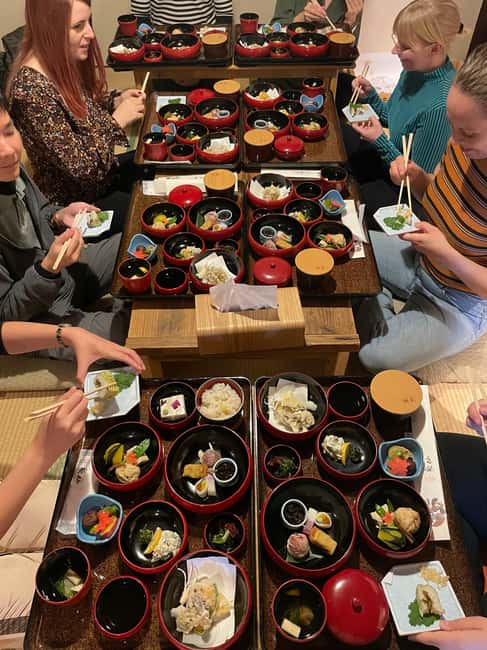
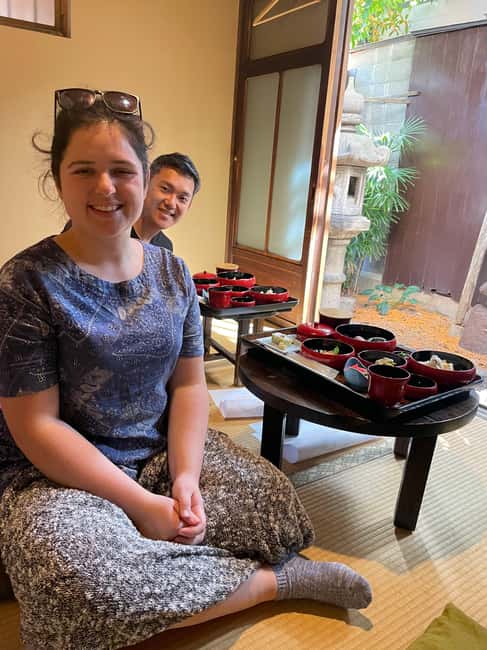
Lunch is in the main event space, a renovated 100-year-old Kyoto townhouse. The venue is B&B Hachi, and the meal is shojin ryori, a Buddhist-style cuisine based on seasonal, local ingredients.
Shojin ryori is not just a vegan diet. It is a philosophy of simplicity and harmony, expressed through how ingredients are prepared. You will sit down for a peaceful meal, which gives the tour a calmer tone after the earlier walking and shopping stops.
What I like about this lunch stop is the setting. Eating in a machiya matters because it changes how you experience the meal. You slow down, you pay attention to what is on your plate, and you do not feel like you are rushing through food.
The tour description also frames the meal as mindful and seasonal. Since the guide will be with you, you can likely connect the dots between what you see on the table and why shojin ryori is shaped the way it is. That is the kind of learning that sticks longer than a photo.
Potential drawback: if you prefer a louder, more casual meal atmosphere, a peaceful lunch might feel too quiet for your style. But if you want a reset, this is a great moment to catch your breath.
Stop four: wagashi and local tea to close out the experience
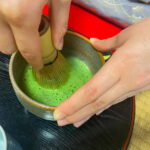
You finish with wagashi and a cup of local Japanese tea. This is a gentle closer that turns the tour into more than just eating. It gives you something small and slow, which is perfect after a plant-based meal packed with tofu and seasonal dishes.
Wagashi can be surprisingly varied, and the tea helps you keep flavors from blending into one long note. You will have quiet conversation and time to reflect on what you just ate and learned.
This final stop also matters for practical reasons. It teaches you how to pair flavors in a Kyoto way: not just heavy meal, then sugar, but a more balanced food rhythm. That can help you make better choices later when you are looking for vegan-friendly sweets and tea service on your own.
A day of temples goes further with something to break it up.

Price and value: is $126 for 2.5 hours worth it?
At $126 per person, this is not a budget street-snack tour. You are paying for four things that usually cost more separately in Kyoto: a bilingual guide, multiple food stops, exclusive access, and a sit-down lunch experience.
Here is where the value really comes from:
- You get plant-based clarity across multiple stops, which saves you time and stress compared to figuring it out meal by meal.
- You dine in a traditional machiya setting for shojin ryori, which is usually harder to arrange on your own.
- You visit shops that are described as hidden local vegan locations with exclusive access not open to the public.
Portions are not listed in detail, but the tour is clearly structured as a full food journey: fresh tofu items in the morning portion, vegan steamed buns, a full lunch, then wagashi and tea. You are meant to leave full, not just nibbling.
If you are the type of traveler who enjoys learning through food, and you want the risk removed from ordering in Japan, $126 starts to feel like paying for peace of mind and good access. If you only want a quick snack and do not care about guided explanations, you may want a cheaper self-guided option.
Who this vegan Kyoto tour is best for
This tour fits best if you want guidance and reassurance. It is especially useful if you have struggled with vegan eating in Japan due to unclear ingredients or unfamiliar menus.
I also think it suits travelers who like food as culture, not just calories. The itinerary is built around traditional Kyoto food pathways, tofu craftsmanship, Buddhist-style shojin ryori, and finishing with wagashi and tea.
It is also a good match if you want a more personal guide experience. The guide is bilingual, and the guide in particular has been described as kind, friendly, and insightful, not only about the Kyoto vegan scene but also about places around Japan. That kind of broader travel conversation helps you after the tour ends.
If you strongly dislike walking, or you want a full day of sightseeing, you might find 2.5 hours too short to feel like a full tour. But as a focused food experience, it makes sense.
Final decision: should you book Hidden Vegan Kyoto?
Book it if you want Kyoto vegan food that feels safe, explained, and properly traditional. The combination of fresh tofu, vegan steamed buns, shojin ryori lunch in a 100-year-old machiya, and wagashi with tea is a strong lineup for a half-morning to early afternoon window.
Skip it or reconsider if you want a super casual food crawl with no structure. This is guided and intentional, with arranged stops and a calm lunch rhythm.
If you value clear communication, and you want to eat without turning every order into translation homework, this tour is an excellent choice.
FAQ
What is the duration of the Hidden Vegan Kyoto tour?
The tour lasts 2.5 hours.
Where does the tour meet?
The meeting point is B&B Hachi Kyoto, 535 Bomoncho, Shimogyo Ward, Kyoto, 600-8823, Japan. You will receive a Google Maps pin after booking.
What do I eat on the tour?
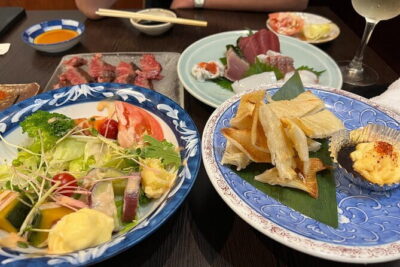
You will have plant-based food and drinks at multiple stops, including freshly made soy milk and tofu, vegan steamed buns, a shojin ryori lunch, and wagashi with Japanese tea.
Is the tour fully vegan?
Yes. All food is plant-based and the tour is designed for vegan dining.
Is there a bilingual guide?
Yes. The tour includes a bilingual local host (English and Japanese), and the tour information also lists German among the available guide languages.
How long is the walk from Kyoto Station to the meeting point?
On foot, it is about a 15 to 20 minute walk from Kyoto Station.
What is included in the price?
The price includes all vegan food and drinks during the tour and a guided walking tour with the bilingual local host, including exclusive access to hidden local vegan shops arranged for the experience.
What should I bring?
Comfortable walking shoes and a water bottle are recommended, especially in warm weather.
What is the cancellation policy?
The policy lists a full refund if you cancel at least 5 days before the tour date, and it also states free cancellation up to 24 hours in advance for a full refund.
New This Season
- Koyasan Day Trip by Private Car from Kyoto
- Old Port Town and Ultimate Sake Tasting Private Tour From Kyoto
- Kyoto’s Timeless Charm: 3hr Exploration of History and Peace
- Kyoto: 5 Types of Sushi Making
- Sacred Peak & Ancient Paths: Kurama-Kibune Hiking Experience
- Kyoto: Exclusive ZEN practice at Manpukuji temple in Uji
- Kyoto: Private Seasonal Aroma Yoga Class
- Traversing Kyoto’s Scenic West – Arashiyama to Kinkakuji
Food, compared.

Kyoto Night Foodie Tour in Gion (9+ dishes + 6 Sake tastings)
Read our review →
Insider Sake Brewery Tour with Sake and Food Pairing
Read our review →
Kyoto Nishiki Market Food and Culture Walking Tour
Read our review →