
Reviewed · CYCLING TOURS
KIYOTO’s Kyoto Private E-Cycling Tour: Highlights & Hidden Gems
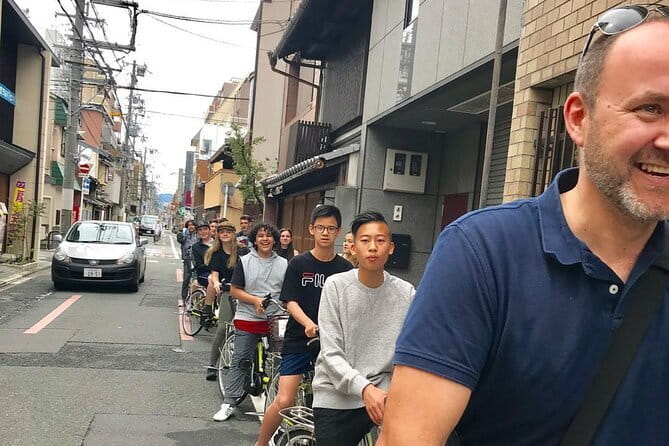
Kyoto by e-bike is a cheat code for time. You can hit iconic spots like Fushimi Inari and switch into calmer temple and river scenes without the foot-sore grind. A big reason it works so well is the private format, with guides like Yonnie, Yuhey, and Polina tailoring the ride to your pace and what you want to linger on.
I love that the e-bike rental is included, so you can show up and go. I also like the storytelling angle, because the guide connects what you see to local culture and everyday customs, not just names and dates.
One consideration: this is real cycling. You need moderate physical fitness and you must be able to ride a bike, and food plus any paid temple or shrine entrances are on you.
In This Review
- 5 Things That Make This Private Kyoto E-Cycling Tour Worth It
- Why Kyoto Works So Well on an E-Bike
- Meet Your Bikes and Your Guide (And Why Both Matter)
- Higashi Hongan-ji: Starting Big Before You Go Small
- Fushimi Inari in 40 Minutes, Plus the Right Temple Reset
- Yasaka Pagoda, Yasui-Konpiragu, and the Gion Glide
- Shirakawa River Stops That Feel Like a Breather
- Heian Jingu’s Massive Torii and Nanzen-ji’s Aqueduct Reality Check
- Philosopher’s Walk, Honen-in, and Shimogamo’s Ancient Pull
- Kamogawa Delta and Kyoto Gyoen: When the Locals Take Over
- Teramachi-dori and Sanjo Street for Real Kyoto Life
- Price and Value: Is $198.15 a Good Deal?
- Comfort and Safety Tips You Should Know Before Booking
- Who This Tour Suits Best
- Should You Book This Private Kyoto E-Cycling Tour?
- FAQ
- How long is KIYOTO’s Kyoto Private E-Cycling Tour?
- What does the tour cost per person?
- Is this tour private?
- Are the bikes included?
- Do I need to bring my own bike?
- Are food and drinks included?
- Are temple and shrine entrance fees included?
- Is the tour suitable for families or kids?
5 Things That Make This Private Kyoto E-Cycling Tour Worth It
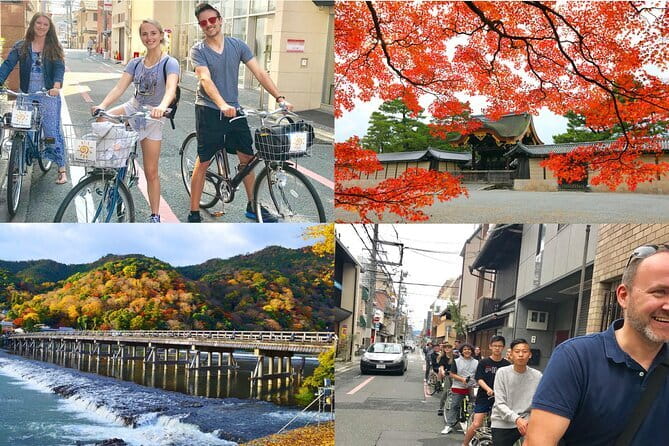
- Included electric bike means no equipment sourcing and less pre-trip hassle.
- Private, flexible pacing helps you spend extra time where you care most, like torii views or river strolls.
- A mix of famous and quieter stops keeps the day from feeling like a checklist.
- Guide-led culture and photo moments make small details feel meaningful, not random.
- Family options exist, with limited kids bikes and kids seats available on request.
Why Kyoto Works So Well on an E-Bike
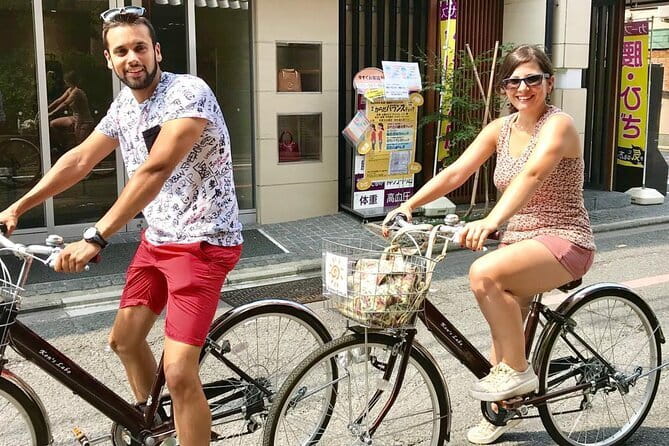
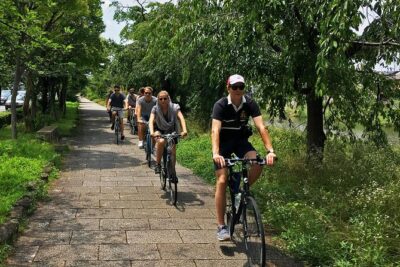
Kyoto is big enough that walking can eat your whole day. With an e-bike, you get to cover more ground while still getting outdoors, so the trip feels active without being exhausting.
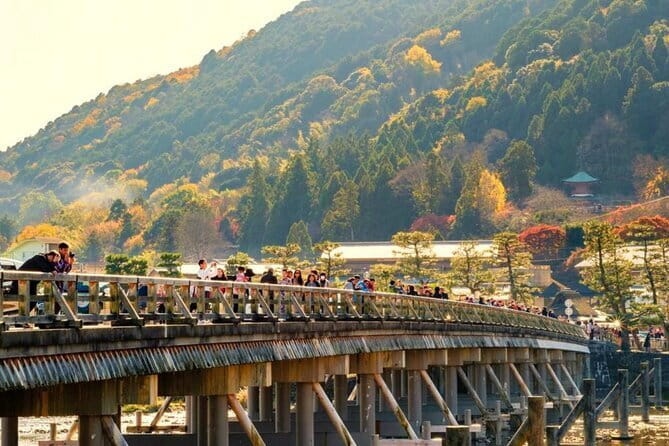
The best part is how the route stays varied. One minute you’re under red torii gates, the next you’re near serene canals and wooden bridges, which is where Kyoto often feels most magical.
Because this is private, you are not trapped in a fixed, single-speed schedule. If you want to slow down at a temple view or speed up to catch another neighborhood, your guide can adjust.
Meet Your Bikes and Your Guide (And Why Both Matter)
You get an electric bike as part of the tour, and there’s also a normal cycle available. That flexibility helps if someone in your group wants a lighter effort while others use the motor.
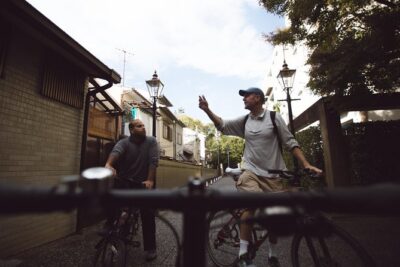
The guide experience seems to be a major reason people rate this so highly. Guides are praised for being fun, helpful, and safety-minded while navigating crowded streets, and many mention the guide’s knack for snapping great photos.
If you’re traveling with kids, plan ahead. Kids bikes exist (non-electric), and kids seats are also available for children who cannot ride on their own, but both are limited, so you’ll want to request them during booking.
A quieter way to spend a day in Kyoto
- Hidden Kyoto E-Biking tour
★ 5.0 · 1,843 reviews - Bike Tour Exploring North Kyoto plus Lunch
★ 5.0 · 1,087 reviews - Arashiyama Bamboo Forest & Hidden Gems Bike Tour (Early Bird)
★ 5.0 · 613 reviews - 5 Top Highlights of Kyoto Full Day Bike Tour (E-bike option)
★ 5.0 · 511 reviews
Higashi Hongan-ji: Starting Big Before You Go Small
Your tour begins at Higashi Hongan-ji, a major Jodo Shinshu Buddhist temple in central Kyoto, established in 1602. The grounds are broad, and the main hall, called the Goeido, is a standout piece of Kyoto’s temple architecture.
Starting here gives you a strong sense of scale before the day turns into smaller, more intimate stops. It’s also a nice warm-up for cycling, because you’re not immediately thrown into the tightest traffic.
Fushimi Inari in 40 Minutes, Plus the Right Temple Reset
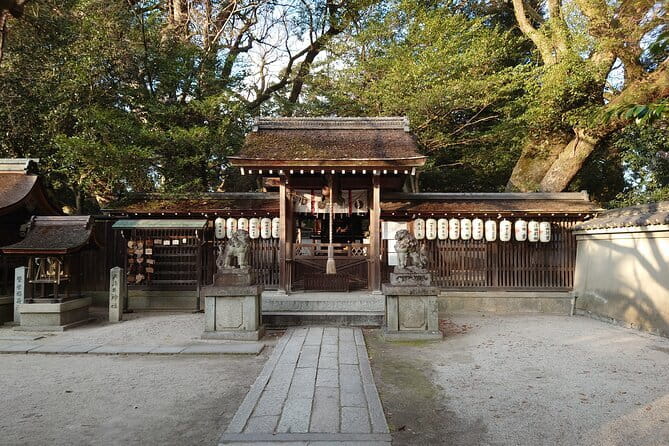
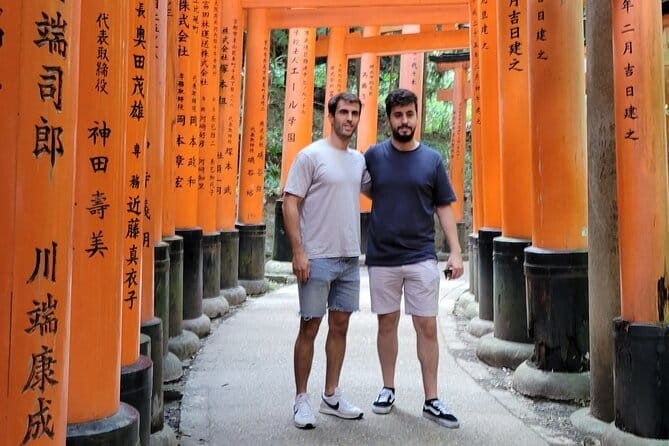
Fushimi Inari-taisha Shrine is the headline for a reason. It’s the head shrine for Inari across Japan, and you’ll recognize the famous tunnel of bright red torii gates almost instantly.
The schedule calls for about 40 minutes here, and admission is free on the plan. The e-bike advantage is that you can arrive and position yourself without spending energy on the long approach, so you get more time walking through the gates and viewpoints.
From there, the tour shifts to a quieter, gentler tempo. Komyo-in Temple (around 20 minutes) is a sub-temple of Tofuku-ji known for a tranquil garden, with seasonal maple color and mossy grounds. The plan notes admission not included for this stop, so if there’s a paid garden area you want to see, you’ll pay separately.
Next up is Tofuku-ji Temple, with the Tsutenkyo Bridge as the star. Expect about 10 minutes, and the plan lists admission as free, with that long bridge spanning a valley into autumn color views. Even without full interior exploration, this stop gives you a strong Kyoto “wow” factor fast.
Yasaka Pagoda, Yasui-Konpiragu, and the Gion Glide
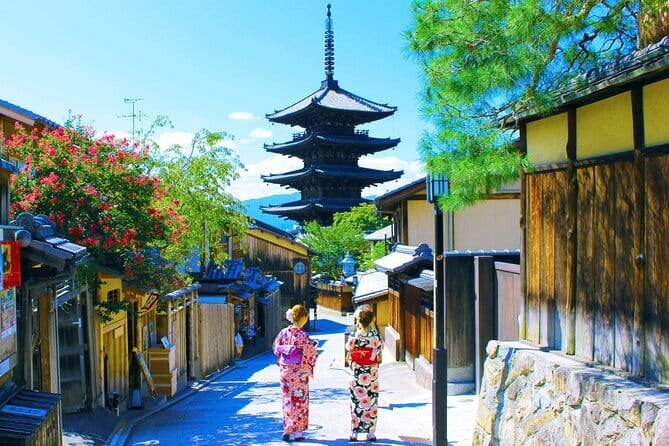
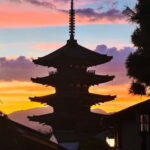
After temple highlights, you move into the Higashiyama and Gion approach, and that’s where the photos tend to get easier. Hōkan-ji Temple, home to the Yasaka Pagoda, is described like stepping into an ancient Japan postcard.
You’ll have about 20 minutes here, and admission is listed as free. This is the kind of stop where location matters: the silhouette of the pagoda against Kyoto’s historic district is the point, so you’ll want to linger just enough to find the best angles.
Then comes Yasui-Konpiragu, a shrine known for prayers around breaking bad relationship ties and building good connections. The schedule includes about 10 minutes, and admission is listed free.
The next shift is to street atmosphere: Hanamikoji Street in Gion. It’s lined with traditional tea houses and restaurants, and the plan gives about 10 minutes. You might catch that geisha-cultural vibe from the street context, even if you mostly come for the atmosphere.
Shirakawa River Stops That Feel Like a Breather
One of the smartest parts of the route is how it slows down near water. You hit Tatsumi Bridge (about 10 minutes), a small wooden bridge along the Shirakawa River that’s made for easy, pretty snapshots.
Then it’s Shirakawa Canal (about 15 minutes). This stretch is known for machiya houses and willow-lined waters, and it’s the kind of place where the city feels quieter even if you are near busy neighborhoods.
The route continues with River Terrace on the Shirakawa Shinsui Terrace (about 15 minutes). You’ll get stone-paved walking space and close-up river sound, which is great when you want a rest without turning the day into pure sitting.
A day of temples goes further with something to break it up.
Heian Jingu’s Massive Torii and Nanzen-ji’s Aqueduct Reality Check
Heian Jingu Shrine is a change of pace, and the great torii gate is the main event. The plan specifically calls out the huge gate at 24.2 meters tall, built in 1929, and the stop is about 15 minutes with admission listed free.
Next is Nanzen-ji Temple, a major Rinzai sect temple established in 1291 by Emperor Kameyama. Expect around 15 minutes, with time to appreciate the temple grounds and gardens without needing an all-day commitment.
Nanzen-ji’s signature architectural detail comes right after: Nanzenji Suirokaku, the brick aqueduct completed in 1888. The schedule gives about 10 minutes, and it’s a very “see it in person” structure, built to transport water from Lake Biwa.
Philosopher’s Walk, Honen-in, and Shimogamo’s Ancient Pull
The route moves to Philosopher’s Walk, also known as Philosopher’s Path, with about 30 minutes on the plan. The walkway stretches roughly 2 kilometers along the canal, connecting toward Wakabori and beyond, so it’s one of those Kyoto routes that feels peaceful even in daylight crowds.
After that, you’ll visit Honen-in, a Zen temple set within a forested feel. The schedule gives about 15 minutes, and it’s known for a calm atmosphere, with grounds that can look especially beautiful in season.
Then comes Shimogamo Jinja, one of Kyoto’s oldest Shinto shrines. The plan notes roots tracing back around 90 BC, and you’ll have about 30 minutes here. This is a great stop if you want your day to include something older and more rooted than the most famous photo icons.
Kamogawa Delta and Kyoto Gyoen: When the Locals Take Over
The tour then heads to the Kamogawa Delta, where the Kamo and Takano rivers meet. It’s known for stepping stones shaped like turtles and birds, and the route gives about 15 minutes with admission listed free.
Next is Kyoto Gyoen, the large park area around the old Imperial Palace. The plan notes it’s popular with locals for year-round nature, and it’s famous for cherry blossoms, so even if you’re there in a different season, the vibe is still the point.
You also get a quick fun moment at the stepping stones at Kojin (Ebisugawa Tobiishi), about 10 minutes. This is a good energy reset, because it turns a sightseeing day into something playful without taking too much time.
Teramachi-dori and Sanjo Street for Real Kyoto Life
Not every stop is about temples, and that’s smart. Teramachi-dori Street runs north-south through central Kyoto and is described as a lively street for traditional goods, cafes, and fashion shops, with about 10 minutes scheduled.
Then you’ll pass through Sanjo Street, one of Kyoto’s main east-west streets. It’s lined with restaurants, cafes, and historic buildings, and it’s close to Kawaramachi and the Kamo River, giving you a convenient end-of-sightseeing hub.
This portion matters because it prevents the day from feeling like a museum circuit. You get a sense of how Kyoto looks and moves when the temples aren’t the headline.
Price and Value: Is $198.15 a Good Deal?
At $198.15 per person, this isn’t the cheapest way to do Kyoto. But value comes from what’s included and from the time you save.
You’re paying for an included electric bike rental, a private guide, and a full day’s worth of structure, which means less time spent figuring out logistics and more time actually seeing. Also, because the tour duration runs from 4 to 8 hours, the cost spreads across a meaningful chunk of time, not a short, rushed sampler.
Budget realistically: food and drink are not included, and while many of the stops are marked free on the schedule, the tour also notes that paid entrances to temples and shrines are not included. If you want to pay for extra ticketed areas, you’ll want cash or a card ready.
Comfort and Safety Tips You Should Know Before Booking
You should have moderate physical fitness, and you must be able to ride a bicycle. If you’re not comfortable cycling through busy streets, be honest with yourself, because this is a practical riding tour, not a slow parade.
The good news is that guides are repeatedly praised for safety while navigating Kyoto crowds. That combination of street sense and steady guidance helps you focus on the sights instead of panicking about traffic.
If you’re booking for kids, remember the limits. Kids bikes and kids seats are available, but they’re limited units, so you’ll want to request what you need early.
Who This Tour Suits Best
This is a strong fit for first-timers who want a lot of Kyoto highlights without spending the whole day walking. It also works well for families, since the guide experience includes engaging kids and keeping the pace manageable.
If you like mixing iconic landmarks with calmer river and garden moments, the route design will feel natural. And if you care about having photos without constantly swapping positions and timing on your own, the guide’s photo-friendly style is a big plus.
If you want zero cycling, prefer long indoor temple time, or don’t ride bikes at all, you might be better off with a walking-based or transit-based itinerary.
Should You Book This Private Kyoto E-Cycling Tour?
If your goal is to see major Kyoto landmarks, get real cultural context, and still have breaks near water, I’d say book it. The combination of included e-bikes, private pacing, and guides who know how to keep the ride fun and safe makes it feel efficient without feeling mechanical.
But if you know you cannot comfortably ride, or you strongly prefer food included in the price and don’t want any extra entrance fees, it may feel less satisfying. For most people who can ride, it’s one of the more practical ways to experience a wide slice of Kyoto in a single day.
FAQ
How long is KIYOTO’s Kyoto Private E-Cycling Tour?
The tour runs about 4 to 8 hours.
What does the tour cost per person?
The price is $198.15 per person.
Is this tour private?
Yes. It is a private tour/activity, meaning only your group participates.
Are the bikes included?
Yes. Electric bike rental is included, and a normal cycle is also available.
Do I need to bring my own bike?
No. The tour provides the e-bike (and normal cycle option).
Are food and drinks included?
No. Food and drink are not included.
Are temple and shrine entrance fees included?
Paid entrance to temples and shrines is not included, even though many stops are listed as free on the route.
Is the tour suitable for families or kids?
It’s designed for people who can ride. Kids bikes (non-electric) and kids seats are available but limited, so you need to request them at booking.
New This Season
- Koyasan Day Trip by Private Car from Kyoto
- Old Port Town and Ultimate Sake Tasting Private Tour From Kyoto
- Kyoto’s Timeless Charm: 3hr Exploration of History and Peace
- Kyoto: 5 Types of Sushi Making
- Sacred Peak & Ancient Paths: Kurama-Kibune Hiking Experience
- Kyoto: Exclusive ZEN practice at Manpukuji temple in Uji
- Kyoto: Private Seasonal Aroma Yoga Class
- Traversing Kyoto’s Scenic West – Arashiyama to Kinkakuji
Cycling Tours, compared.
Bike Tour Exploring North Kyoto plus Lunch
Read our review →
Arashiyama Bamboo Forest & Hidden Gems Bike Tour (Early Bird)
Read our review →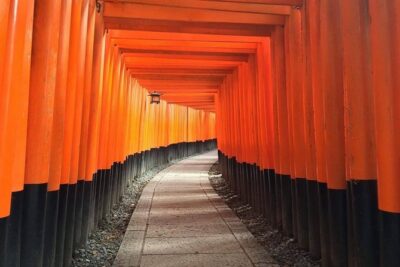
5 Top Highlights of Kyoto Full Day Bike Tour (E-bike option)
Read our review →
Full Day Biking Tour Exploring the Best of Kyoto
Read our review →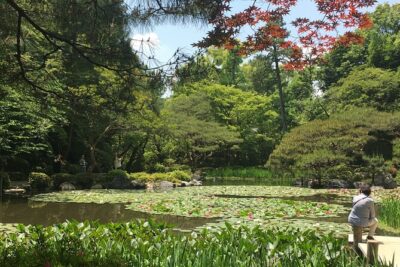

Afternoon Kyoto Bike Tour: Bamboo Forest, Monkeys & Hidden Spots
Read our review →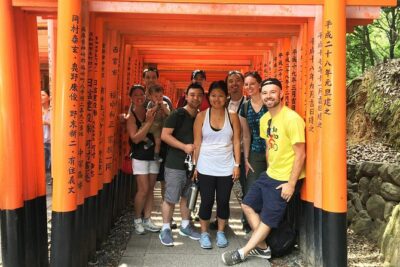
South Kyoto in a Nutshell: Gentle Backstreet Bike Tour!
Read our review →Also filed under