
Reviewed · CYCLING TOURS
Kyoto: Authentic Biking Half Day Experience
Kyoto glides by on two wheels. This 4-hour bike tour stitches together big-name sights with a relaxed, mostly flat ride on a comfy Mamachari bike, so the city feels doable right away. I especially like that the guide work helps you connect what you see with the bigger story of Kyoto, and you even get help with photos so you can focus on the experience. The main drawback is that it is still biking, so you need to be comfortable riding and handling a city route for the full half day.
You start at Gojō Station and roll out through classic neighborhoods, temple precincts, and shrine grounds, from Gion to Nanzen-ji, then along the Philosopher’s Path, on to Ginkaku-ji, and finally Shimogamo-jinja and the Kyoto Imperial Palace grounds. Meals and drinks are not included, and with a 4-hour loop you’ll want a small strategy for staying comfortable.
In This Review
- Key highlights you’ll feel right away
- Why a Mamachari bike is the smartest way to see Kyoto fast
- Meeting at Gojō Station and getting your bearings in Gion
- Nanzen-ji: the Zen temple stop that breaks up the pace
- Philosopher’s Path: canal-side walking vibes, from the bike seat
- Ginkakuji and the calm of the Silver Pavilion gardens
- Shimogamo-jinja Shrine: old Shinto in a wooded setting
- Kyoto Imperial Palace grounds for a wide, open finish
- Price and value: what you get for $79 in 4 hours
- Who this Kyoto cycling tour fits best, and who should skip it
- Booking recommendation: should you ride this route?
- FAQ
- Where is the meeting point for the tour?
- How long does the Kyoto biking experience take?
- What bike do I get, and is it electric?
- Is there an entrance fee included?
- Is the guide available in English?
- Is the ride mostly flat or hilly?
- What should I bring?
- Is the tour suitable for everyone?
Key highlights you’ll feel right away
- Mamachari bikes with 3 gear shifts make it an easygoing ride, not a workout contest
- Small group (up to 9) helps the guide keep things safe and moving at your pace
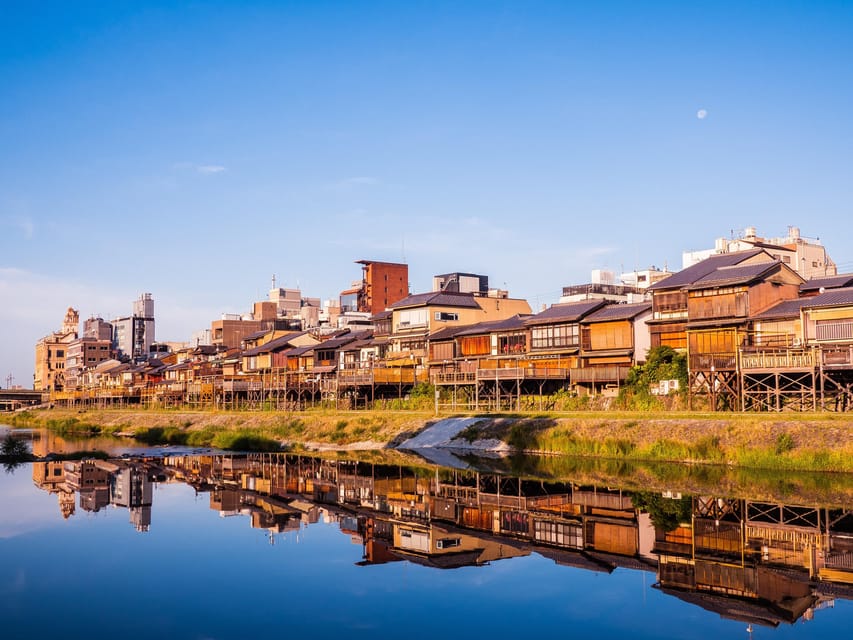
- Gion, Nanzen-ji, Philosopher’s Path, Ginkaku-ji, Shimogamo, Imperial Palace in one tidy loop
- Helmet and insurance included, so you’re not scrambling to sort safety items
- English-speaking guide who shares place context while you ride
- Photo help comes up in reviews, which matters when you want real Kyoto shots, not blurry ones
Why a Mamachari bike is the smartest way to see Kyoto fast
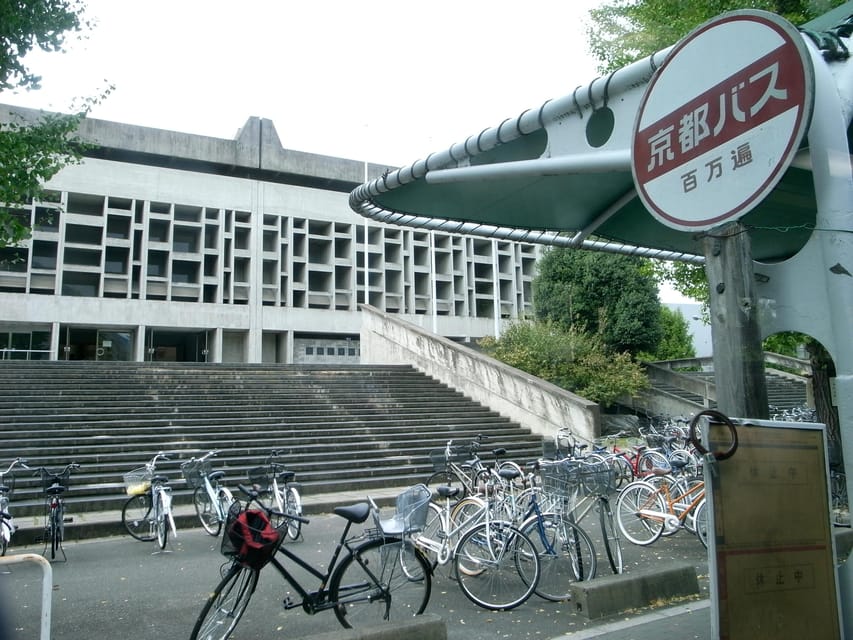
Kyoto is one of Japan’s most bicycle-friendly cities, and this tour takes advantage of that. The ride uses a Mamachari style bike, the same kind you’ll see locals using for everyday errands. That choice matters because it changes the vibe from sightseeing-for-sweaty-fitness to cruising at human speed.
The bikes you rent are standard non-electric B-type with 3 gear shifts, plus a helmet. In practice, that means you can keep your legs mostly calm while still having enough control for small changes in terrain. The route is described as mostly flat, with only a few gentle slopes, which is a big deal if you’re not a confident cyclist.
Also, the tour is built for a half-day time window. Instead of picking one temple district and missing the rest, you get a sampler that still includes several major landmarks. If you’re in Kyoto for a few days, this kind of orientation ride can make your next independent walks much more satisfying.
Meeting at Gojō Station and getting your bearings in Gion
The meeting point is Subway Gojo Station, exit 2. Look for a TripGuru guide wearing a TripGuru shirt or holding a TripGuru sign, and you’ll be lined up quickly to get your bike sorted.
From there, you ride to Gion for about 20 minutes. Gion is Kyoto’s most famous geisha district, and it’s one of those places where getting the first visual impressions matters. A bike ride through the area helps you notice details you’d miss when you’re squeezing through crowds on foot: street layout, where lanes open up, and how the neighborhood shifts from busy frontage to quieter side streets.
This is also where you learn the rhythm of cycling in Kyoto. You’re not thrown into a complicated route right away. You start with a short section that feels like a warm-up, so you can settle into the bike and get used to the guide’s pace before you hit temples and shrine grounds.
One thing I like about this approach is that it sets expectations. By the time you reach your first temple stop, you already understand how the guide plans photo moments and rest breaks without making the ride feel rushed.
A quieter way to spend a day in Kyoto
- Hidden Kyoto E-Biking tour
★ 5.0 · 1,843 reviews - Bike Tour Exploring North Kyoto plus Lunch
★ 5.0 · 1,087 reviews - Arashiyama Bamboo Forest & Hidden Gems Bike Tour (Early Bird)
★ 5.0 · 613 reviews - 5 Top Highlights of Kyoto Full Day Bike Tour (E-bike option)
★ 5.0 · 511 reviews
Nanzen-ji: the Zen temple stop that breaks up the pace
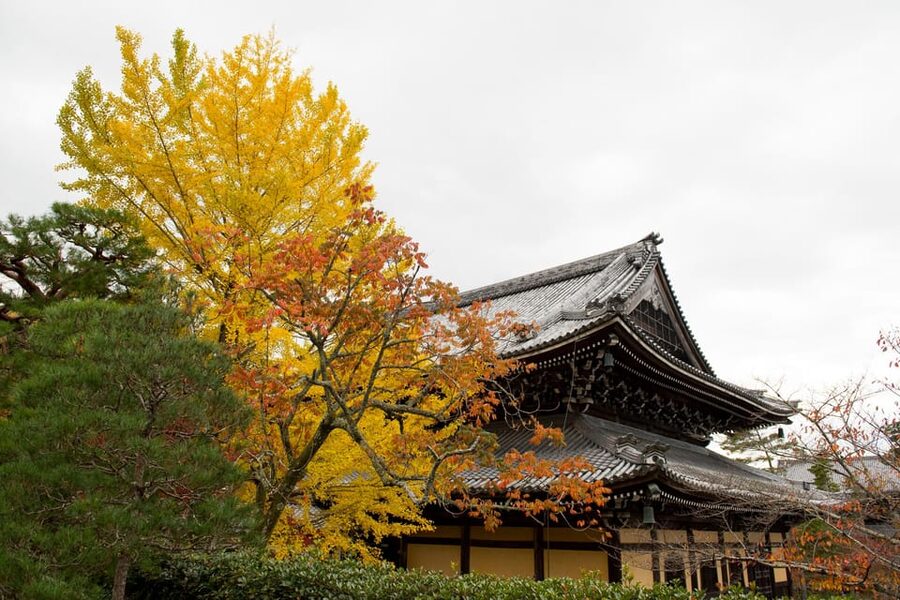
After Gion, the tour heads toward Nanzenji Temple, with about 45 minutes of biking time. This is a strong segment because it’s long enough to feel like a real route, but short enough that you still arrive with energy.
Nanzen-ji is a major Zen temple area, and the tour includes both entry and a guided visit. Based on the itinerary, you’ll also get a 15-minute bike segment tied to the temple portion, which suggests there’s time to move between viewpoints without you feeling like you’re just waiting around.
What makes Nanzen-ji a good mid-tour anchor is variety. In a few hours, you go from neighborhood streets to formal temple space, then back out again. That contrast helps you reset mentally. You also get a break from constant cycling, which is smart when you’re trying to see several landmarks in one go.
Keep in mind that temple timings and crowds can shift with the season. Even when the tour is designed to keep things comfortable, this is still a popular part of Kyoto. Go with a calm mindset and expect you’ll want a bit of patience during peak periods.
Philosopher’s Path: canal-side walking vibes, from the bike seat
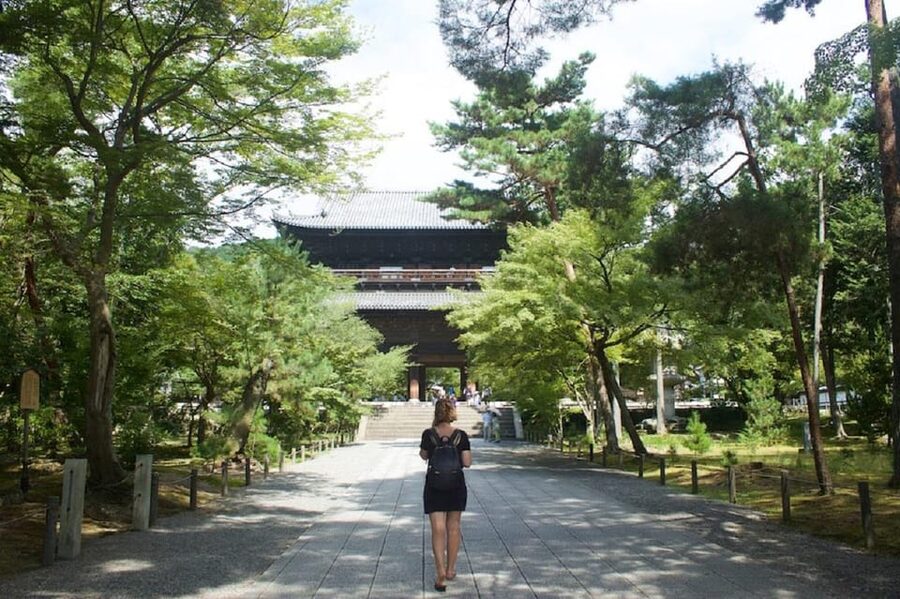
Next up is the Philosopher’s Path, a canal-side route known for scenic beauty along its walkway. The itinerary places you on the bike for roughly 30 minutes, then later another 30-minute segment that likely continues and connects the route through the broader area.
This part of the tour works well because it is not just a transit link. It’s a section where the scenery does some of the storytelling for you. You see the canal edges, the plants and seasonal atmosphere, and the way Kyoto’s pedestrian lanes interact with the streets nearby. Even if you can’t stop every few minutes on a bike tour, you still get the feeling of traveling through a specific kind of Kyoto landscape.
A practical note: the Philosopher’s Path is often associated with walking, so you’ll want to bring your camera and be ready to slow down for views. If you’re the kind of traveler who wants photos with actual context, this is where the guide photo help becomes extra valuable.
Reviews also suggest the ride feels organized and not hectic, and that you don’t feel shoved along. That matters here because you can otherwise end up staring at a line of bikes while your chance for photos disappears. The guide’s job is to keep it flowing without leaving you behind.
Ginkakuji and the calm of the Silver Pavilion gardens
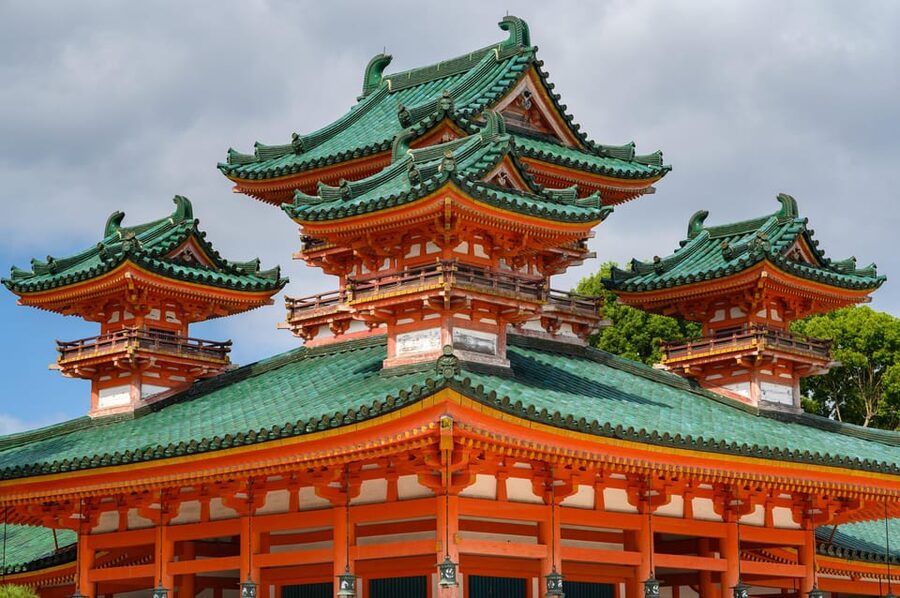
The tour then moves toward Ginkakujicho, followed by a segment that lines up with a visit to Ginkaku-ji (the Silver Pavilion). From there, you’re back in the temple zone again, which changes how you experience the day. Streets feel different than temple approach roads. The air feels different. Even your pace changes.
Ginkaku-ji is famous for its Zen temple setting and peaceful gardens. In a half-day route, it’s one of the best choices because it gives you a strong “Kyoto temple” look without requiring you to commit to an all-day temple crawl.
What I like about including Ginkaku-ji in this bike loop is the balance. You’re not only seeing the iconic gates and buildings. You’re also seeing how garden space functions in Kyoto, as a place to slow down even when you’re in a schedule.
If you’re traveling with family, this kind of stop can be a sweet spot. One review praised the tour for working well for kids ages 11 and 13, which often means there’s enough variation to hold attention, plus you’re not stuck in one long waiting session.
Shimogamo-jinja Shrine: old Shinto in a wooded setting
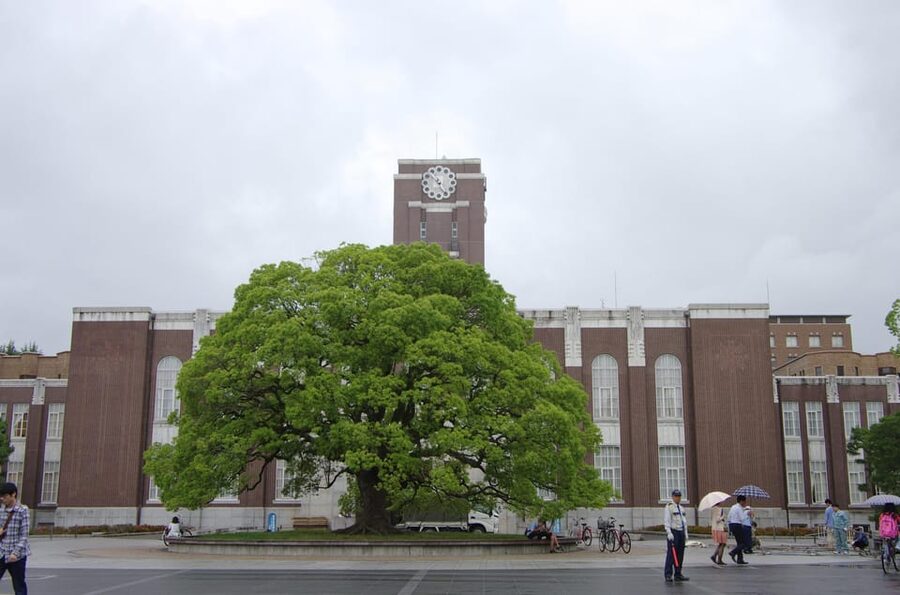
After Ginkaku-ji, the tour heads to Shimogamo-jinja Shrine, one of Kyoto’s oldest Shinto shrines. The itinerary includes both a guided visit and time in the shrine area, along with biking between the surrounding points.
Shimogamo is a great later stop because the day has already built up visual expectations. By the time you reach the shrine grounds, you’re primed to notice the shift from temple precincts to Shinto space. You’ll feel the change in atmosphere as soon as you step out of the street cycle rhythm.
The most useful part of this stop is how it broadens your Kyoto understanding. Many first-time visitors focus heavily on Zen temples alone. Adding an old Shinto shrine gives you a fuller picture of how spiritual spaces show up across Kyoto.
And because it’s later in the day, it also tends to work well for travelers who want a quieter, less performance-based finish. The route is still active, but the setting gives you that calmer “walk and look” feeling without abandoning the biking plan.
A day of temples goes further with something to break it up.
Kyoto Imperial Palace grounds for a wide, open finish
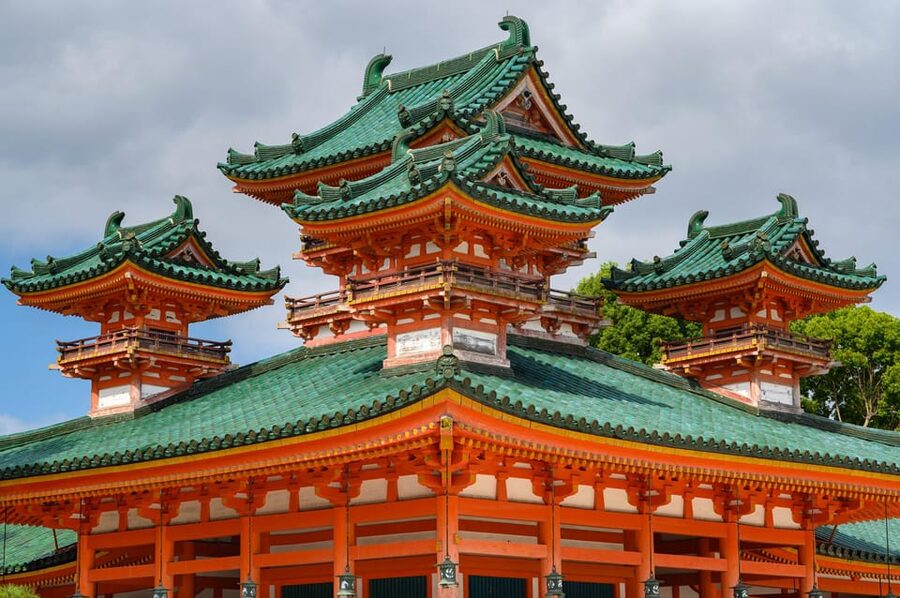
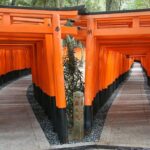
The final major site is Kyoto Imperial Palace. The itinerary includes a biking segment of about 30 minutes tied to your arrival and position within the area, followed by return to Gojo Station.
Imperial Palace grounds bring a different scale than the temple and shrine stops. Instead of small lanes and garden nooks, you get a broader sense of space and structure. It’s a good wrap because it helps you end the day with a feeling of “Kyoto as a whole city of institutions and traditions,” not only one style of historic site.
For photo lovers, this is another place where having the guide’s timing helps. If you’re trying to get shots without blocking people or missing the best angles, a guide can make the difference between frustration and an easy flow.
One review also said the route and site selection felt well thought-out, with beauty and enough breathing room that it didn’t feel stuffed. That matters on a final stop, because you want to land feeling satisfied, not just tired.
Price and value: what you get for $79 in 4 hours
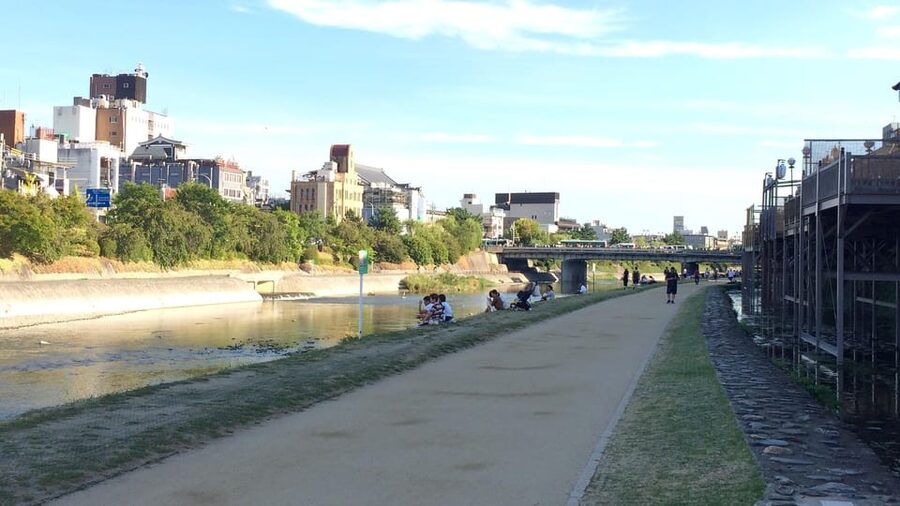
At $79 per person for about 4 hours, this tour sits in the “worth it if you use it well” category. The value comes from packing several landmark areas into one organized ride, with a guide who handles the route logic and the context.
What’s included is meaningful:
- English-speaking tour guide
- Bicycle rental (standard non-electric B-type with 3 gear shifts)
- Helmet
- Nanzenji Temple entrance fee
- Insurance
What’s not included also shapes your planning. Meals and drinks are not part of the package, so you’ll likely want a plan for a snack or a drink before you start or during breaks. Personal expenses are on you too, which is standard, but it means you should carry some cash for convenience.
The small group size, limited to 9 participants, is another value driver. You get a more controlled experience than you’d get trying to self-navigate between distant landmarks on a rental bike. And because this tour is designed around mostly flat riding with gentle slopes, you’re not paying for a cardio challenge. You’re paying for time saved and guidance provided.
I’d also frame it as a first-day advantage. If you’re new to Kyoto, this kind of overview route can help you map the city mentally. That makes your next walks and visits more efficient, and it can reduce the stress of figuring out where everything is.
Who this Kyoto cycling tour fits best, and who should skip it
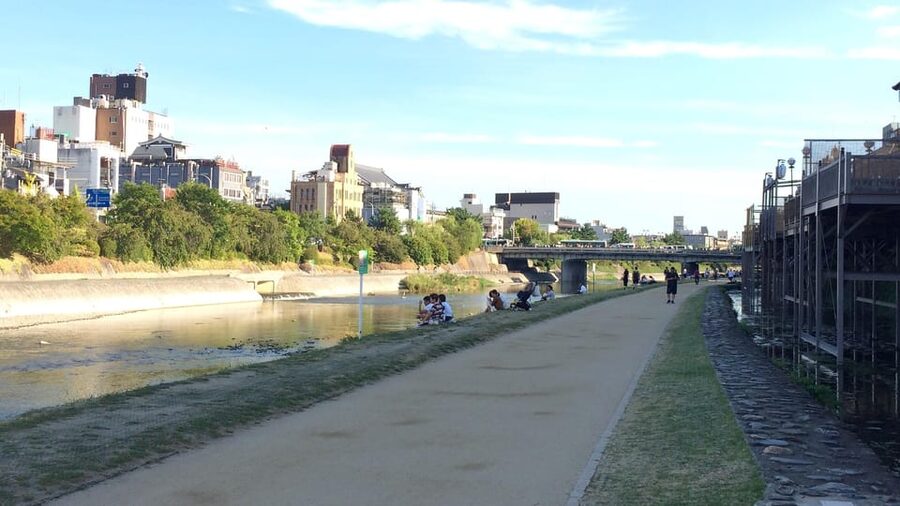
This is a solid match if you:
- Can comfortably ride a bike and want to cover multiple Kyoto landmarks without walking all day
- Prefer a small group with an English guide
- Want a structured loop that still feels relaxed
- Appreciate temple, shrine, and neighborhood contrasts in one day
It is not suitable for people who are:
- Pregnant
- Living with mobility impairments
- Managing heart problems
- Dealing with respiratory issues
- Unable to ride a bike
Even if you’re healthy and mobile, it helps to be realistic about the day. This is a half-day, but it still means consistent cycling plus several stops. Comfort shoes matter because you’ll likely spend time on foot at the sites. A camera is also a must, since the guide’s photo assistance comes up in reviews as a practical perk.
If you’re traveling with kids, it can work, but choose your expectations carefully. One family highlight from reviews said their children enjoyed it, which suggests the route stays engaging and keeps moving. Still, only you know how your child handles active outings.
Booking recommendation: should you ride this route?
If you’re in Kyoto for a short stay, or it’s your first time here, I’d recommend booking this tour. It’s a high-efficiency way to see the landmark set most people come for, and it does it with a comfortable Mamachari bike and a guide who keeps the day organized.
Skip it if you want a slow, deep, linger-everywhere day, or if biking itself makes you nervous. This is built for motion and connection, not for sitting still all afternoon.
My bottom line: book it if you want a smart orientation ride plus meaningful temple and shrine time, without having to plan the route yourself.
FAQ
Where is the meeting point for the tour?
Meet at Subway Gojo station exit 2. Look for a guide wearing a TripGuru shirt or holding a TripGuru sign.
How long does the Kyoto biking experience take?
It lasts 4 hours.
What bike do I get, and is it electric?
You’re provided a standard non-electric B-type Mamachari style bicycle with 3 gear shifts.
Is there an entrance fee included?
Yes. The entrance fee at Nanzenji Temple is included.
Is the guide available in English?
Yes, the tour has an English-speaking guide.
Is the ride mostly flat or hilly?
The tour is described as mostly flat with a few gentle slopes.
What should I bring?
Wear comfortable shoes, bring a camera, and have cash on hand.
Is the tour suitable for everyone?
It is not suitable for pregnant women, people with mobility impairments, people with heart problems, people with respiratory issues, or people who can’t ride a bike.
New This Season
- Koyasan Day Trip by Private Car from Kyoto
- Old Port Town and Ultimate Sake Tasting Private Tour From Kyoto
- Sacred Peak & Ancient Paths: Kurama-Kibune Hiking Experience
- Kyoto’s Timeless Charm: 3hr Exploration of History and Peace
- Kyoto: 5 Types of Sushi Making
- Kyoto: Exclusive ZEN practice at Manpukuji temple in Uji
- Kyoto: Private Seasonal Aroma Yoga Class
- Traversing Kyoto’s Scenic West – Arashiyama to Kinkakuji
Cycling Tours, compared.
Bike Tour Exploring North Kyoto plus Lunch
Read our review →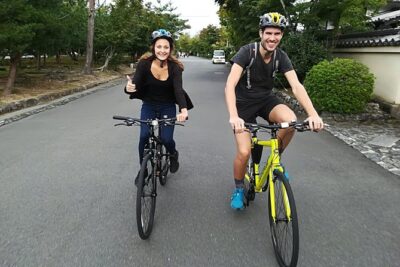
Arashiyama Bamboo Forest & Hidden Gems Bike Tour (Early Bird)
Read our review →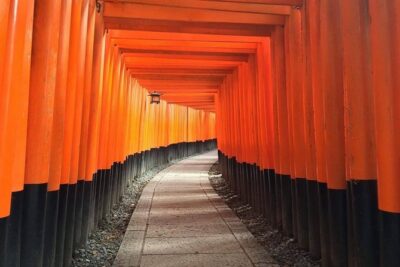
5 Top Highlights of Kyoto Full Day Bike Tour (E-bike option)
Read our review →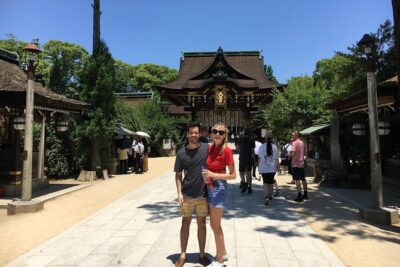
Full Day Biking Tour Exploring the Best of Kyoto
Read our review →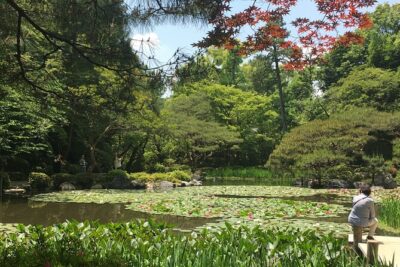

Afternoon Kyoto Bike Tour: Bamboo Forest, Monkeys & Hidden Spots
Read our review →
South Kyoto in a Nutshell: Gentle Backstreet Bike Tour!
Read our review →Also filed under