
Reviewed · CYCLING TOURS
Kyoto E-Bike Tour of Hidden Gems, Backstreets and Temples
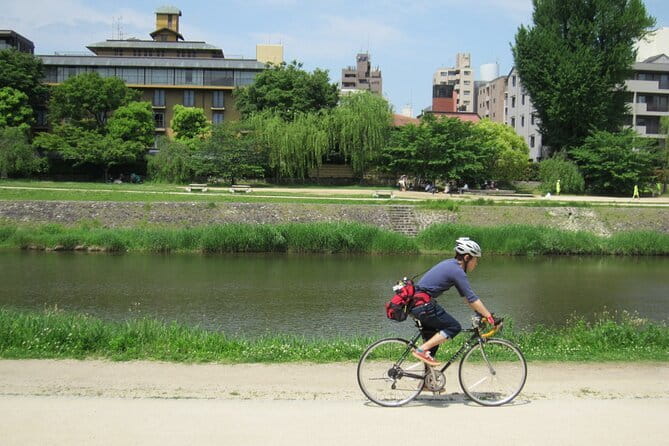
Kyoto by e-bike feels unfairly easy. This guided ride threads through classic sights and quieter corners, with e-bike help so you can keep moving and still stop for photos at temples and shrines.
I love two things right away: the tour includes the bike rental, so you do not waste time hunting gear, and the small group size (up to 8) makes it simple to follow the guide without constantly checking maps. You also get an efficient route that mixes big names like Kyoto Imperial Palace with places that feel more local, like the peaceful temple lanes along the way.
One consideration: even though it is an e-bike tour, there is still walking at each stop. The itinerary moves at a comfortable pace, but you should be ready for a bit of foot time, plus the tour notes a moderate fitness level and a height requirement (over 145 cm, not recommended for children under 12).
In This Review
- Key Things I’d Plan Around
- Why Kyoto Works So Well on an E-Bike
- Price and What You Actually Get for $70
- Getting Started: Gion Meeting Point and a Calm 9:00 AM Start
- Stop-by-Stop Route: Gion Shirakawa, Nanzen-ji, Heian Shrine, and More
- Gion Shirakawa (about 30 minutes)
- Nanzen-ji Temple (about 30 minutes, free)
- Heian Shrine (about 30 minutes, free)
- Honen-in (about 20 minutes, admission not included)
- Shimogamo Jinja (about 30 minutes, free)
- Kyoto Imperial Palace (about 30 minutes, free)
- Philosopher’s Walk (about 30 minutes, free)
- How the Guide Turns Stops into Stories (and Answers Your Questions)
- Bikes, Helmets, and The Real Fitness Check
- Photo Timing, Seasonal Vibes, and What to Aim For
- Who This Tour Is For, and Who Might Want a Different Plan
- FAQ
- FAQ
- How long is the Kyoto e-bike tour?
- What’s included in the $70 per person price?
- Are temple and shrine admissions included?
- How many people are in a group?
- Where does the tour start?
- What time does the tour begin?
- Is the tour suitable for children?
- Should You Book This Kyoto E-Bike Tour of Hidden Gems?
Key Things I’d Plan Around
- Up to 8 riders means you keep control of the group pace and do not get swept along
- E-bike rental is included, so you start sightseeing sooner
- Major landmarks plus quieter spots, including Gion Shirakawa and Kyoto Imperial Palace
- English-speaking, in-person guide with lots of on-the-ground context
- Most temple visits are free, with one notable exception (Honen-in)
- A 4-hour, photo-friendly loop that saves you from route-planning stress
Why Kyoto Works So Well on an E-Bike
Kyoto is a perfect bike city, if you set yourself up right. The roads are built for getting between neighborhoods, and many of the most memorable moments happen near canals, temple approaches, and shrine grounds where you want to slow down and look.
An e-bike changes the whole experience. You can cover more distance than walking without turning your day into a workout. I also like that the ride removes the mental load, you are not constantly thinking about directions, and you can focus on noticing details like the changes in architecture as you move from district to district.
And yes, you get photos. The route is built around stops where you will naturally pause, angle your camera, and take in the view without feeling rushed.
Price and What You Actually Get for $70
At $70 per person for about 4 hours, this tour sits in the “value for time” category. You are paying mostly for two things: a guided plan that strings together the right neighborhoods, and the convenience of having the e-bike included from the start.
The biggest practical win is that you avoid the two common time sinks in Kyoto. First, you do not need to line up rentals or figure out bike logistics. Second, you do not need to build your own route, then manage crossings, parking, and the stop-and-go of hopping between major spots.
It is also capped at 8 travelers, which matters more than most people think. Smaller groups tend to feel calmer at busy temples, and you spend more time with the guide and less time waiting in a chain.
More rooftops worth a detour
- Kyoto: Tea Ceremony Ju-An at Jotokuji Temple
★ 4.9 · 3,207 reviews - Arashiyama Bamboo, Temple, Monkeys, or Secret Sake Brewery
★ 4.8 · 886 reviews - Kyoto: Arashiyama Bamboo Forest, Monkeys, Matcha & Temple Tour
★ 5.0 · 759 reviews - Osaka/Kyoto: Arashiyama, Nara & Fushimi Inari Shrine w/Lunch
★ 4.4 · 754 reviews
Getting Started: Gion Meeting Point and a Calm 9:00 AM Start
The tour starts at 9:00 am at Kyoto Tourist Lounge Gion, 557-4 Komatsu Cho, Pare Gion (Higashiyama area). It ends back at the same meeting point, which is a small detail that makes planning your afternoon easier.
Being near public transportation is useful here. Kyoto can be a lot of walking and train hopping, so having a starting point that is easy to reach helps you stay on schedule.
Also, go in with comfy expectations. The itinerary is built as multiple short temple and shrine visits, with riding between them. That rhythm feels smooth most of the morning, but it does require you to handle a steady flow of quick transitions.
Stop-by-Stop Route: Gion Shirakawa, Nanzen-ji, Heian Shrine, and More
This is not a “drive past everything” tour. Each stop is designed as a short on-foot moment, then you remount and keep rolling toward the next atmosphere shift.
Gion Shirakawa (about 30 minutes)
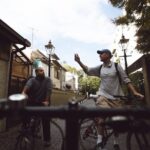
You start in Gion Shirakawa, a district known for a traditional streetscape and the relaxed feel of the canal area. This stop works well as an opener because it gives you that Kyoto mood early, before the bigger temple complexes.
The value here is perspective. If you only ever pass through Gion from the main lanes, you miss how quiet some of the side spaces can feel. On the bike, you glide into that feeling faster than you would on foot.
Practical tip: keep your camera ready near canal edges and preserved street sections where the textures and lighting look good.
Nanzen-ji Temple (about 30 minutes, free)
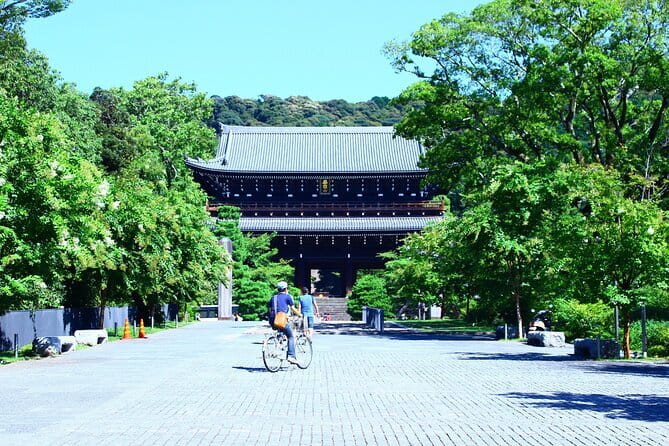
Nanzen-ji is one of Kyoto’s standout Zen temple complexes, and the stop is timed so you can take in the main areas without feeling trapped in a long maze. You also get the sense of location, because it sits at the foot of the Higashiyama mountains.
This is where you shift from “district charm” to “temple scale.” Even during a relatively short visit, the architecture and grounds help you understand why Kyoto’s religious sites feel like destinations, not side stops.
Practical drawback: temple sites can have some uneven surfaces and stairs. Plan for short bursts of climbing, not a flat stroll.
A quieter way to spend a day in Kyoto
Heian Shrine (about 30 minutes, free)
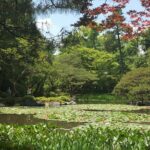
Heian Shrine adds a different visual vibe, with its striking red-and-white structure and well-kept gardens. It is in central Kyoto, so it helps you connect neighborhoods without the day turning into pure transport time.
This stop feels good for photos because the shrine buildings and garden framing create clear compositions. It is also a calmer contrast to the busier lanes you may see elsewhere in Kyoto.
If you like Japanese gardens, slow down during the garden views and let your eyes adjust. The most satisfying photos tend to come when you stop trying to capture everything at once.
Honen-in (about 20 minutes, admission not included)
Honen-in is a quieter, more contemplative stop with a tree-lined approach and a main hall visit. The tour lists it as 20 minutes, so you should think of this as a focused taste rather than a long explore.
One key detail: admission is not included here. That means you should be ready for a small extra cost at the site, even if other stops are free.
Why it matters: this short stop helps break up the day so you are not just bouncing between large landmarks. If you are tired of crowds, this is the kind of stop that resets your mood.
Shimogamo Jinja (about 30 minutes, free)
Shimogamo Jinja sits at the northern edge of the city and is surrounded by older forest and tranquil paths. It feels like Kyoto stepping back from the street energy, which is a big reason this stop earns its place.
This is also a good “walking pace” moment, since the shrine approach and surrounding grounds encourage you to move slowly. On an e-bike, it is easy to forget you are moving into a different sound world until you arrive.
If you want a calm photo, aim for the path segments where trees frame the view. Those are often more interesting than trying to shoot from the busiest central spots.
Kyoto Imperial Palace (about 30 minutes, free)
The Kyoto Imperial Palace offers a different kind of grandeur. You are looking at the former residence of Japan’s imperial family, inside Kyoto Gyoen National Garden, with traditional architecture and spacious surroundings.
This stop is valuable because it anchors the day beyond shrines and into a political and historical landscape. Even if you are not an expert on Japanese history, the scale and layout give you context for how power and culture shaped Kyoto.
Practical tip: give yourself a little time to wander within your time window. The best views are often in slightly different angles than the one you expect.
Philosopher’s Walk (about 30 minutes, free)
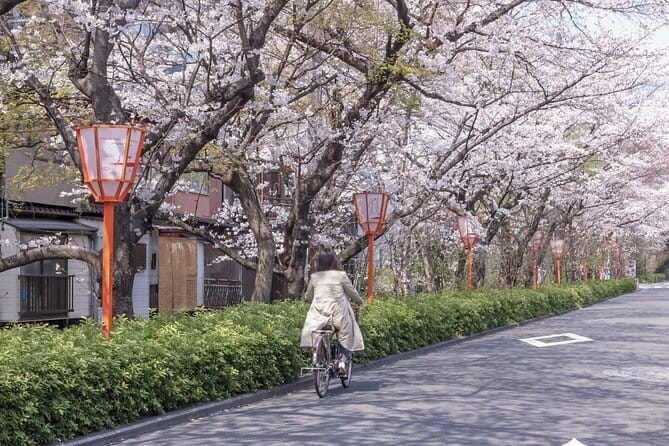
Philosopher’s Walk is a classic Kyoto scenic path, lined with cherry trees and framed by the canal. The route follows the Philosopher’s Path, tied to the philosopher Nishida Kitaro, which gives the stroll a name and meaning beyond just scenery.
This is a strong closer because it feels like the day is ending on a gentle note. You also get a lot of photo opportunities with tea house areas and the canal reflections, depending on season and light.
Practical note: this is a “stroll, pause, shoot” type of segment. If you keep moving too fast, you miss the best views.
How the Guide Turns Stops into Stories (and Answers Your Questions)
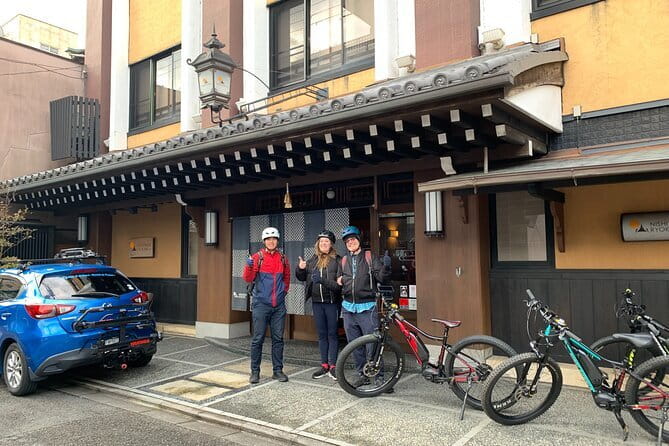
The guide is the difference between seeing Kyoto and understanding it. The tour is led by an in-person English speaker, and the rides are set up so you are not just parked at a photo spot. You are moving through context.
In particular, guides named Yuki, Ben, and Jay have been praised for strong English and for adding cultural explanations at each stop. That matters because temples and shrines are full of signs and symbols, and a quick guide translation can make the whole visit click.
I also like that the vibe is interactive. The tour format makes it easy to ask questions about what you are seeing, what it means, and even practical topics like where to eat or what to watch for next.
This kind of guidance pays off in a very Kyoto way. You start noticing small details you would normally walk past, like changes in architecture, shrine practices, or why a place is arranged in a certain way.
Bikes, Helmets, and The Real Fitness Check
This is an e-bike tour, so you do not need to be a cyclist. The tour’s guidance points to moderate physical fitness, and the height requirement is specific (over 145 cm, not recommended for children under 12).
The real fitness test is not the riding. It is the combination of:
- short walks at multiple points of interest
- staying comfortable mounting and dismounting
- handling a steady schedule for a morning stretch
Also, the bikes and helmets have been noted as new and easy to use. That is huge for confidence. If you feel stable from the first minutes, you relax into the route, and relaxed riders take better photos.
Practical tip: wear shoes you trust. Even if you plan to bike most of the time, you will still walk around temple grounds where footing can be uneven.
Photo Timing, Seasonal Vibes, and What to Aim For
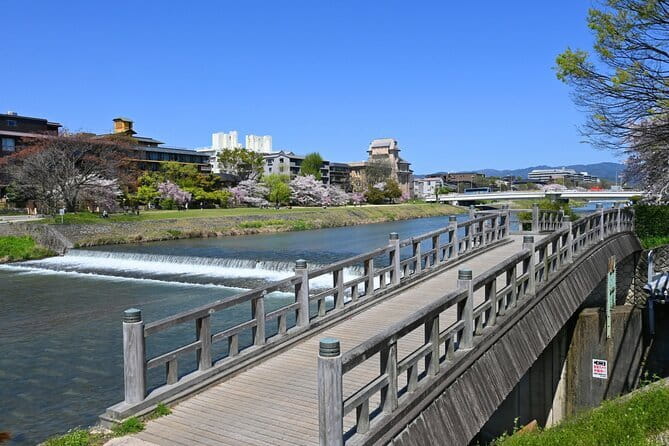
This route is built around photo-friendly places, but the “best” shots depend on your time of year. Philosopher’s Walk has cherry trees, and the canal areas in Gion Shirakawa often feel especially scenic when the light softens.
I like thinking of this tour as a morning photo sweep. You are covering a lot of territory before midday crowd energy peaks in many areas. That makes it easier to get pictures without fighting for space the whole time.
If you are visiting during blossom season, the Philosopher’s Walk segment is your likely payoff. If you are traveling in shoulder season, Nanzen-ji and Heian Shrine are still strong because the architecture and garden layouts keep offering interesting compositions.
Tip: do not try to shoot every stop the same way. At shrines, you might want wider framing for structures and approaches. At canal and path sections, focus on lines, reflections, and the way the path guides your eye.
Who This Tour Is For, and Who Might Want a Different Plan
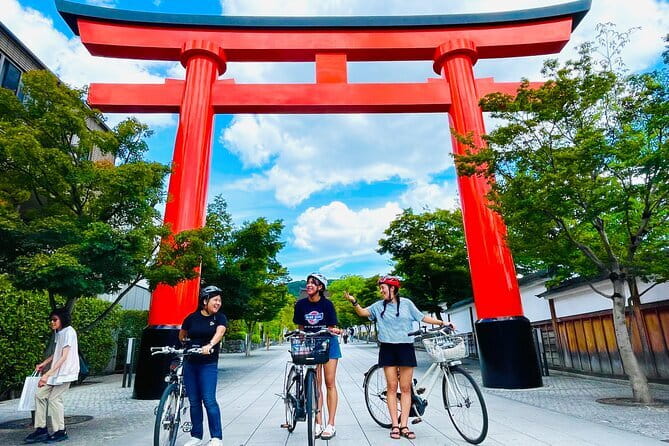
This is a smart choice if you:
- want to see a lot in a short time without route planning stress
- like temples and shrines but do not want to spend your whole day walking between far-flung areas
- prefer a smaller group and an English-speaking guide who can answer questions
- are comfortable riding an e-bike for several segments, with short walks at each stop
You might want a different style tour if you:
- do not meet the height requirement (over 145 cm, not recommended for children under 12)
- dislike walking on uneven temple grounds, even if it is limited
- want a fully guided experience that stays mostly off your feet, because this tour includes some walking at every key site
Also, the tour depends on good weather. If weather turns ugly, they may modify the route or cancel for safety, with you offered a different date or a full refund.
FAQ
FAQ
How long is the Kyoto e-bike tour?
It runs for about 4 hours.
What’s included in the $70 per person price?
The price includes use of the bicycle and an in-person English guide.
Are temple and shrine admissions included?
Most stops list admission as free, but Honen-in is marked as admission not included.
How many people are in a group?
The tour has a maximum of 8 travelers.
Where does the tour start?
It starts at Kyoto Tourist Lounge Gion (557-4 Komatsu Cho, Pare Gion area). It ends back at the same meeting point.
What time does the tour begin?
The start time is 9:00 am.
Is the tour suitable for children?
The tour requires a height over 145 cm, and it is noted as not recommended for children under 12.
Should You Book This Kyoto E-Bike Tour of Hidden Gems?
Book it if you want maximum Kyoto in a half-day, with less logistics stress than DIY biking. The included e-bike rental, the small group size, and the mix of Gion Shirakawa, Nanzen-ji, Heian Shrine, Shimogamo Jinja, Kyoto Imperial Palace, and Philosopher’s Walk make it a very efficient way to see both famous and calmer-feeling places.
Skip it or compare with another option if you are traveling with kids who do not meet the height requirement, or if walking on and around temple grounds is a dealbreaker. Also, plan for weather, since the tour requires good conditions.
If your goal is to get your bearings fast, see the right stops without route planning, and come away understanding what you just photographed, this is a solid pick.
More Cycling Tours in Kyoto
New This Season
- Koyasan Day Trip by Private Car from Kyoto
- Old Port Town and Ultimate Sake Tasting Private Tour From Kyoto
- Kyoto’s Timeless Charm: 3hr Exploration of History and Peace
- Kyoto: 5 Types of Sushi Making
- Sacred Peak & Ancient Paths: Kurama-Kibune Hiking Experience
- Kyoto: Exclusive ZEN practice at Manpukuji temple in Uji
- Kyoto: Private Seasonal Aroma Yoga Class
- Traversing Kyoto’s Scenic West – Arashiyama to Kinkakuji
Cycling Tours, compared.
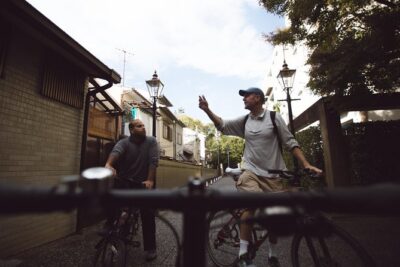
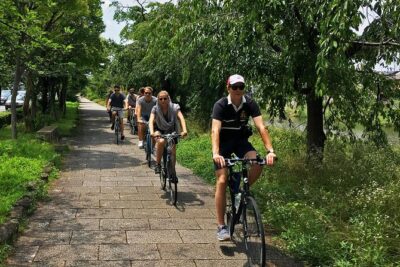
Bike Tour Exploring North Kyoto plus Lunch
Read our review →
Arashiyama Bamboo Forest & Hidden Gems Bike Tour (Early Bird)
Read our review →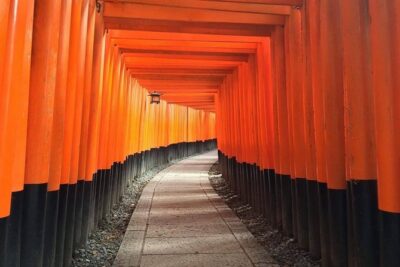
5 Top Highlights of Kyoto Full Day Bike Tour (E-bike option)
Read our review →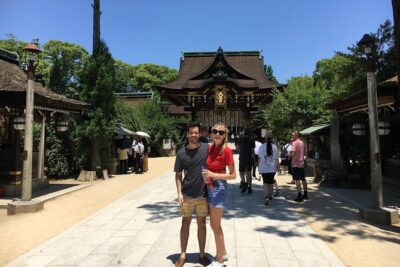
Full Day Biking Tour Exploring the Best of Kyoto
Read our review →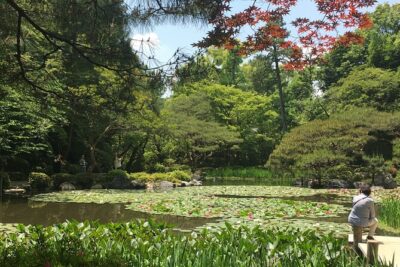

Afternoon Kyoto Bike Tour: Bamboo Forest, Monkeys & Hidden Spots
Read our review →
South Kyoto in a Nutshell: Gentle Backstreet Bike Tour!
Read our review →Also filed under