
Reviewed · CYCLING TOURS
Kyoto: Early Bird E-Bike Tour with Lunch
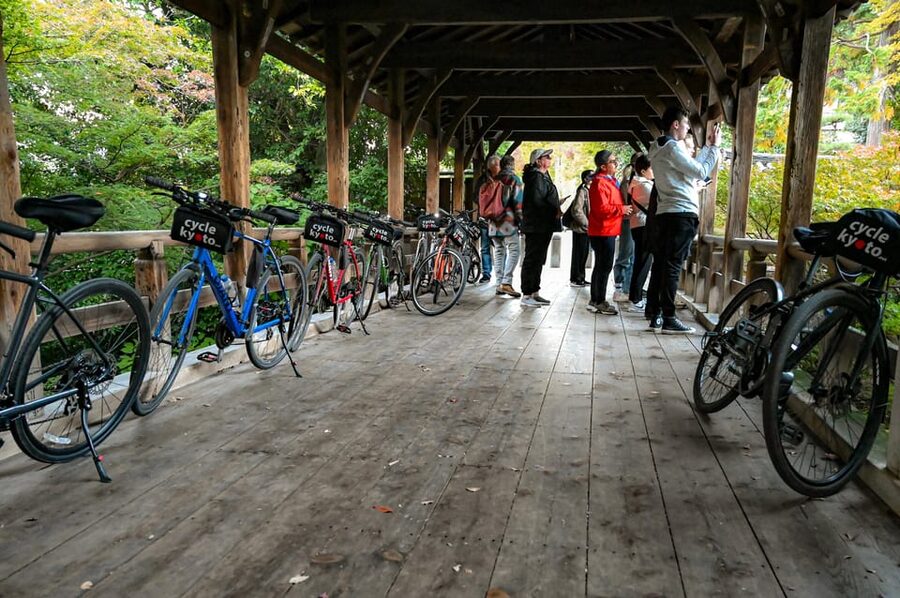
Cycling Kyoto by e-bike is one of those rare plans that makes the day feel lighter, even while you pack in big sights like Fushimi Inari. I love the way this tour gets you to the shrine area before the crowds and still gives you proper time at each stop, plus the stop for morning coffee at a guide favorite local haunt. My other favorite part is the slower, scenic ride through places like the Path of Philosophy and along the Shirakawa Canal area. The main drawback to consider is simple: you need to be comfortable riding a bike for a full 7-hour day, and it is not suitable if you cannot ride or have significant back issues.
A small group (limited to 8) and an English live guide helps keep things moving without feeling rushed. In past tours, guides such as Julian, Indra, Carl, and Karl have led groups, and their style shows up in the pace, the practical tips, and the way they adjust how long you stay. If you are hoping for a totally low-effort, sit-and-watch kind of day, this one might feel too active.
In This Review
- Key Things I’d Prioritize on This Tour
- How an Early-Bird E-Bike Day Changes Your Kyoto Rhythm
- Meeting Point and the First 15 Minutes: Safety Without the Fuss
- Fushimi Inari Taisha First, Before It Gets Loud
- Kamo River Break Time That Resets Your Legs
- Morning Coffee at a Local Haunt, Then a Real Lunch
- Ginkaku-ji and the Path of Philosophy: Temple Beauty With a Flow
- Nanzenji Temple Grounds and the Red Brick Aqueduct
- Heian Shrine as a Breather Point
- Riding Through Gion, Then Finishing at Higashi Honganji
- The Value Question: $135 for a Packed 7 Hours
- Guides and Pace: Small Group Help You Keep Control
- What to Bring (So You Do Not End Up Miserable)
- Who This Tour Fits Best
- Should You Book This Early-Bird E-Bike Tour?
- FAQ
- How long is the Kyoto early-bird e-bike tour with lunch?
- What is included in the price?
- What is the group size?
- Is hotel pickup included?
- Where do I meet the tour?
- What should I bring?
- What is not allowed during the tour?
- Is the tour guide English-speaking?
- Can I cancel for a refund?
Key Things I’d Prioritize on This Tour
- Early-bird timing at Fushimi Inari Taisha, so you can enjoy the famous torii without the worst lines.
- A sit-down lunch plus morning coffee, which turns sightseeing into a real day out, not just photo stops.
- UNESCO stops that pair well with biking, especially Ginkakuji (Ginkakuji Temple) and the Path of Philosophy route.
- Nanzenji’s gardens and the standout red brick aqueduct, which feels extra different compared to most temple visits.
- City riding through Gion, where the street atmosphere changes fast as you move from one lane to the next.
How an Early-Bird E-Bike Day Changes Your Kyoto Rhythm
Kyoto can be a challenge when your plan is based on walking between major landmarks. Streets get crowded, temple lines stretch, and you end up spending more time navigating than experiencing. This 7-hour early-bird e-bike tour is built to solve that. You still see the headline places, but biking helps you cover distance smoothly while your guide keeps the day stitched together.
What I like most is the practical balance. You are not sprinting from one monument to the next, and you are not stuck doing only one neighborhood. The route hits a strong mix of south and east Kyoto, then finishes with a ride through Gion back near the temple zone again. It feels like you got a real overview of how Kyoto is put together, not just a checklist of stamps.
The other big advantage is comfort. You rent an e-bike, you get a helmet, and you stop for a café break and a sit-down lunch. That matters in Kyoto, where weather and ground conditions can turn a casual day into a grumpy one.
Meeting Point and the First 15 Minutes: Safety Without the Fuss
The tour starts at Cycle Kyoto. If you are coming from JR Kyoto Station, you walk past Avanti, cross the traffic lights, pass the Daily Yamazaki convenience store, then take the next left. Show up about 15 minutes early so you can get fitted, get your bearings, and avoid stress.
Before you roll out, you get a safety briefing for 15 minutes. This is not meant to feel like a lecture. It helps you learn how the day will work on real streets, including how the group stays together. Since the tour is limited to 8 participants, it is usually manageable for the guide to keep everyone moving smoothly.
You should wear comfortable shoes made for walking too, because you will get off the bike at multiple stops. The provided list also suggests warm clothing, a hat, sunscreen, and gloves, which is Kyoto logic: mornings can feel cool, but the sun still shows up, and comfort keeps your mood high.
Lunch, wedged between temple visits
- Bike Tour Exploring North Kyoto plus Lunch
★ 5.0 · 1,087 reviews - Osaka/Kyoto: Arashiyama, Nara & Fushimi Inari Shrine w/Lunch
★ 4.4 · 754 reviews - Kyoto Zen Meditation & Garden Tour at a Zen Temple with Lunch
★ 5.0 · 441 reviews - 4.5-Hour Kyoto Bike Tour with Lunch and UNESCO Zen Temples
★ 5.0 · 122 reviews
Fushimi Inari Taisha First, Before It Gets Loud
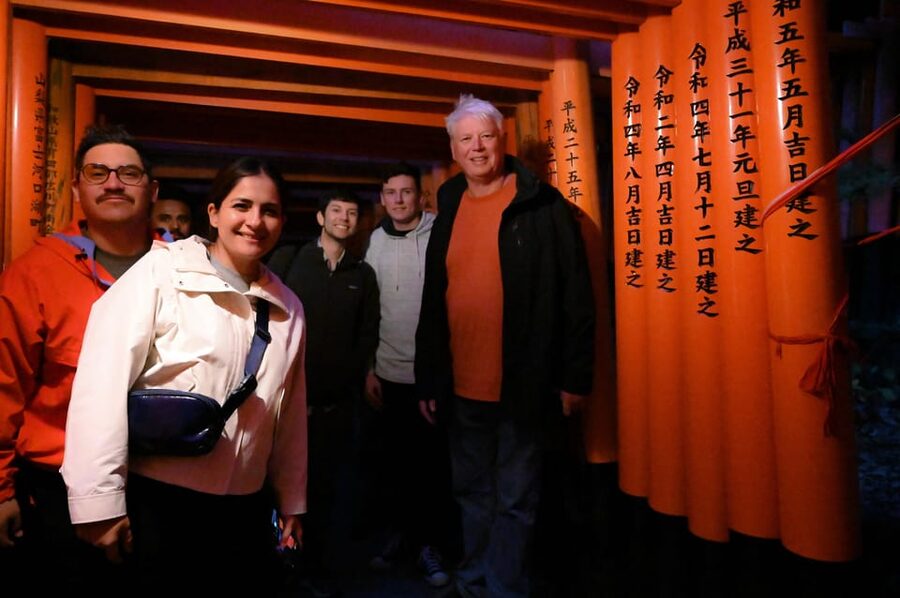
Fushimi Inari Taisha is one of those places that looks famous in photos, then becomes even more impressive in person. The big win here is timing. You head straight south right away to enjoy it before the worst crowds arrive. Translation: you get to experience the torii corridors with less shoulder-to-shoulder pushing.
Your guided time is about 45 minutes, which is enough to walk key sections, pause for photos, and take in the shrine atmosphere without turning it into a marathon. If you want a moment to breathe, this is the stop where you will feel the benefit of going early.
One practical note: this is a shrine complex, so expect stairs and paths that are not built for carrying huge bags. A hat and sunscreen help if the weather is clear, and your camera will earn its keep.
Kamo River Break Time That Resets Your Legs
After the shrine, you move toward the Kamo River area and take in the change of scenery. You get around 40 minutes here. The point is partly sightseeing, partly breathing room.
The river and surrounding streets give you a chance to loosen up before the next temple-heavy segment. It is also a smart pacing choice. Kyoto can trick you into thinking every stop needs to be a long stop. This one gives your body a reset while you enjoy the morning ride context.
And once you are at the café segment, your schedule starts working for you instead of against you.
Morning Coffee at a Local Haunt, Then a Real Lunch
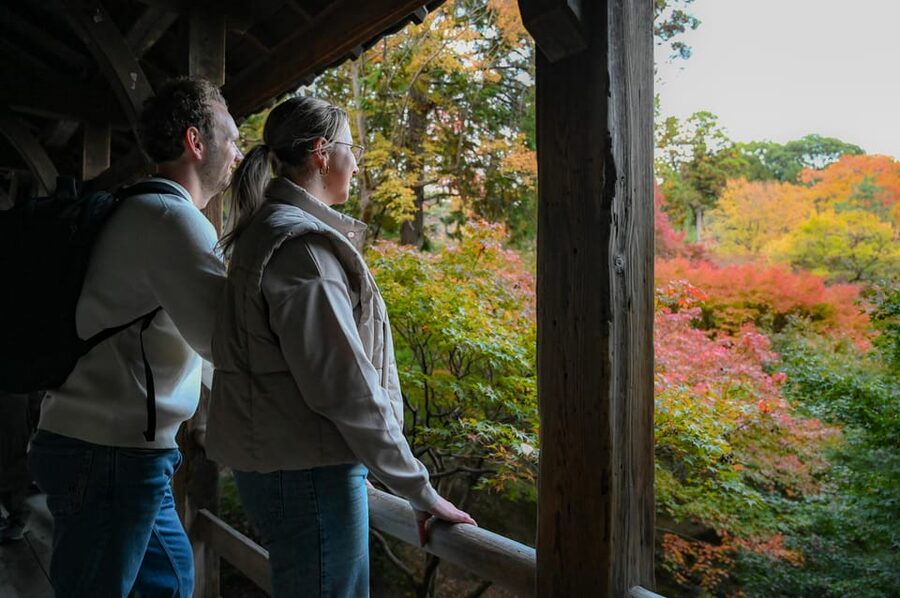
This tour includes both morning coffee and a sit-down lunch, plus water. The morning coffee stop is a break time of about 20 minutes at a local café picked as one of the guide’s favorites. That is not just a convenience. It helps you understand local rhythm. You will taste something local and learn how people actually start their day.
The lunch portion is another break, about 40 minutes. Sit-down lunch is a big deal on a day like this. If you are used to grabbing something on the go, you might not realize how much better your energy gets after sitting down, eating properly, and hydrating.
A tip that comes from the energy of the reviews: eating on schedule makes the biking part feel easier. You also want to avoid arriving at the next stop drained, because temple grounds have lots of small walking gaps between photo angles.
Ginkaku-ji and the Path of Philosophy: Temple Beauty With a Flow
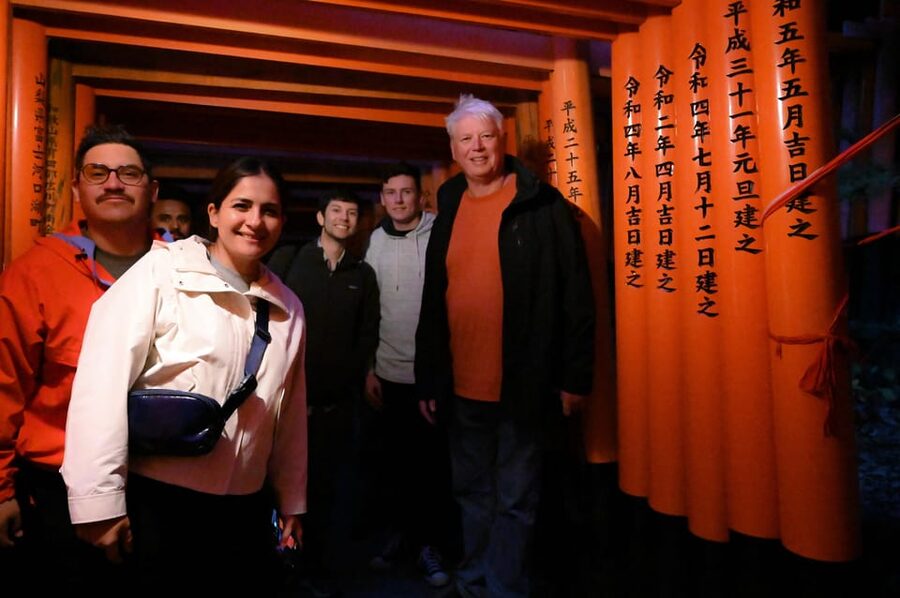
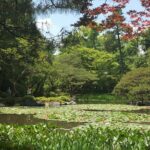
Next up is Ginkaku-ji Temple, also called Ginkakuji. You get about one hour guided here. This is a UNESCO-listed stop, and it works especially well on an e-bike tour because the route supports the slow, scenic walking you want inside the grounds.
When you leave Ginkaku-ji, you roll slowly along the Path of Philosophy. Even if you do not read every sign, the idea matters. The path is known for its long, steady walking feel, and pairing that mood with a bike-based approach makes the day feel less frantic.
If you are the type who likes to linger for quiet photos, this part is usually where your attention shifts from “where are we going next” to “look at this.”
A quieter way to spend a day in Kyoto
Nanzenji Temple Grounds and the Red Brick Aqueduct
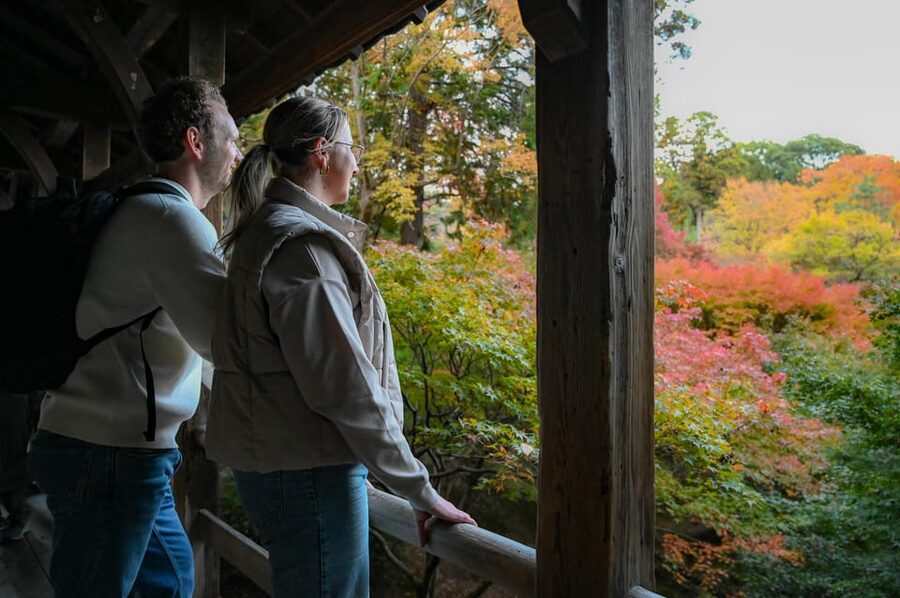
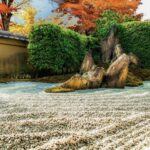
The next major stop is Nanzenji Temple. Your guided time is about 35 minutes, and the payoff is visual variety. You get traditional gardens, ornate religious buildings, and an iconic red brick aqueduct on the grounds.
This is the kind of stop where Kyoto feels layered. Some temple sites are all about a single dominant feature. Nanzenji gives you multiple textures: garden calm, architecture detail, and that aqueduct structure that visually breaks the scene in a way that sticks in your memory.
One thing to watch: because it is gardens plus buildings, you will likely walk small distances between points of interest. Wear shoes you can trust on uneven ground.
Heian Shrine as a Breather Point
After lunch and the Nanzenji segment, you add a Heian Shrine visit for about 30 minutes. This acts like a breather in the overall route. It keeps the day from feeling like nonstop temple close-ups, and it gives you a change of pace before Gion.
Even if you already know Kyoto landmarks, this stop helps the day feel complete, because it keeps the route from becoming a single-direction temple crawl.
Riding Through Gion, Then Finishing at Higashi Honganji
The tour ends with a ride through Gion, guided for about 50 minutes. Gion is famous for its atmosphere, and the best way to experience it is to actually move through the streets, not just look at it from one corner.
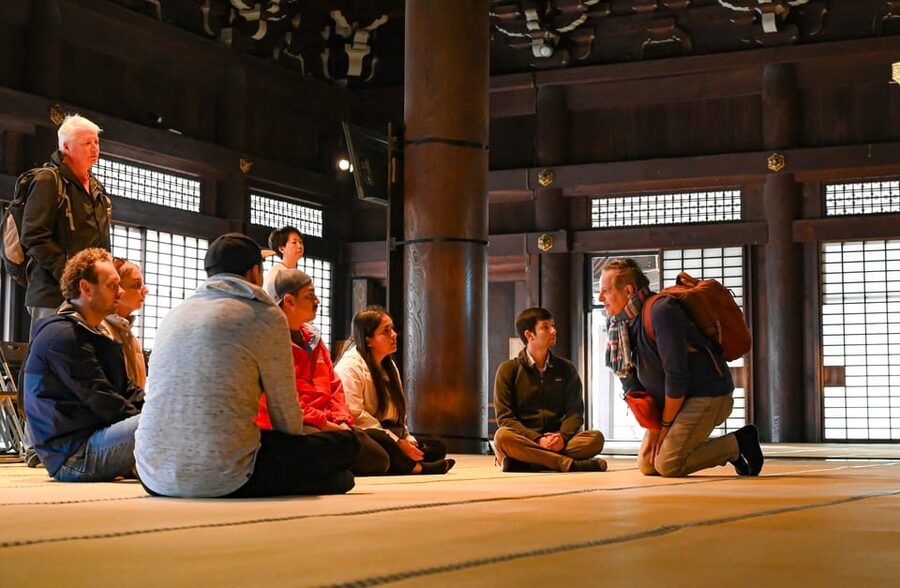
Later you visit Higashi-Honganji Temple, with 50 minutes guided time. The final stretch matters because you get closure. You do not end the day right after the last major crowd zone. Instead, you finish at another big temple setting and then ride back to Cycle Kyoto.
If you like your sightseeing days to end with a sense of calm, this ending tends to work. You end with more Kyoto texture, not just a late shuffle to get back to the train.
The Value Question: $135 for a Packed 7 Hours
At $135 per person, you are paying for four things: an e-bike rental, helmet, guided interpretation, and included meals (morning coffee and sit-down lunch) plus water. You also get the time-management advantage of early-bird arrival at Fushimi Inari and a route that strings together several high-demand sites.
So is it good value? For most visitors, yes, if you care about seeing multiple districts in one day without losing hours to navigation. The cost starts to make sense when you compare it to the alternative. If you try to do this route by yourself on foot, you would likely spend more energy, miss timing windows, and still end up paying for food and taxis or long transit rides.
Where the value can drop a bit is if you are already comfortable planning a similar route and you do not want any biking. Also, if you need frequent breaks, you might find it more structured than you prefer. But if you want a well-paced hit list across south and east Kyoto, the included meals and guide time are doing real work here.
Guides and Pace: Small Group Help You Keep Control
The tour is limited to 8 participants, and that shows in how manageable the day feels. In smaller groups, the guide can pause for details, help with timing, and keep your ride organized at intersections.
From the guide styles shown in prior experiences, names like Julian, Indra, Carl, and Karl stand out for being engaged and upbeat, with lots of practical commentary tied to what you are actually seeing. That matters because Kyoto landmarks are easy to misunderstand if someone does not explain what you are looking at.
You also get flexibility in practice. If you want extra time for photos at a stop, it tends to work better on an e-bike tour where transit time is already handled.
What to Bring (So You Do Not End Up Miserable)
You should bring:
- Comfortable shoes for walking on temple grounds
- Warm clothing, plus gloves if it is chilly
- A hat and sunscreen
- A camera (useful for torii corridors, gardens, aqueduct, and street scenes)
- Comfortable clothes that allow you to move
This matters because the tour is 7 hours. Even with the e-bike doing the heavy lifting, you still walk.
Also follow the rules: no smoking, and no alcohol or drugs.
Who This Tour Fits Best
This tour fits you if:
- You want a Kyoto highlights day without spending your time on transit logistics
- You are comfortable biking and okay with a full-day activity
- You like guided context, not just photo stops
- You want included coffee and a sit-down lunch
It is not suitable if you:
- Are pregnant
- Have back problems
- Cannot ride a bike
If any of those apply, it is worth looking for a walking or private alternative where the physical load matches your needs.
Should You Book This Early-Bird E-Bike Tour?
Book it if you want an efficient, enjoyable way to hit Fushimi Inari Taisha, UNESCO-listed Ginkakuji, the Path of Philosophy area, Nanzenji, and then finish with Gion and Higashi-Honganji, all in one day with food included. The early-bird timing at Fushimi Inari plus a small group size makes it feel like you are getting the best part of popular Kyoto without getting stuck in the worst of it.
Skip it if you do not ride bikes confidently, want a low-effort day, or would be uncomfortable with extended walking plus biking. Also consider whether you prefer a slower, neighborhood-only schedule. This one is structured and full, and it works best when you are ready to do a lot in a single block of time.
If you are trying to squeeze “a lot of Kyoto” into limited time, this is one of the more sensible options because it combines timing, transport, and included meals in a way that actually protects your energy.
FAQ
How long is the Kyoto early-bird e-bike tour with lunch?
It runs for about 7 hours.
What is included in the price?
You get an e-bike rental, a helmet, morning coffee, a sit-down lunch, a live English guide, and water.
What is the group size?
The tour is limited to a small group of up to 8 participants.
Is hotel pickup included?
No, hotel pickup and drop-off are not included.
Where do I meet the tour?
Meet at Cycle Kyoto. From JR Kyoto station, walk past Avanti, cross the traffic lights, walk past the Daily Yamazaki convenience store, then take the next left.
What should I bring?
Bring comfortable shoes suitable for biking, warm clothing, a hat, a camera (recommended), sunscreen, and gloves.
What is not allowed during the tour?
Smoking and alcohol or drugs are not allowed.
Is the tour guide English-speaking?
Yes, the live tour guide speaks English.
Can I cancel for a refund?
Yes, free cancellation is available up to 24 hours in advance for a full refund.
More Cycling Tours in Kyoto
New This Season
- Koyasan Day Trip by Private Car from Kyoto
- Old Port Town and Ultimate Sake Tasting Private Tour From Kyoto
- Kyoto: 5 Types of Sushi Making
- Sacred Peak & Ancient Paths: Kurama-Kibune Hiking Experience
- Kyoto’s Timeless Charm: 3hr Exploration of History and Peace
- Kyoto: Exclusive ZEN practice at Manpukuji temple in Uji
- Kyoto: Private Seasonal Aroma Yoga Class
- Traversing Kyoto’s Scenic West – Arashiyama to Kinkakuji
Cycling Tours, compared.
Bike Tour Exploring North Kyoto plus Lunch
Read our review →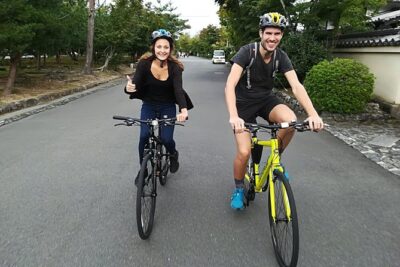
Arashiyama Bamboo Forest & Hidden Gems Bike Tour (Early Bird)
Read our review →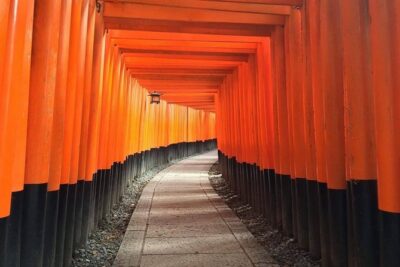
5 Top Highlights of Kyoto Full Day Bike Tour (E-bike option)
Read our review →
Full Day Biking Tour Exploring the Best of Kyoto
Read our review →

Afternoon Kyoto Bike Tour: Bamboo Forest, Monkeys & Hidden Spots
Read our review →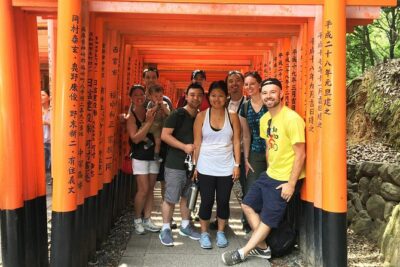
South Kyoto in a Nutshell: Gentle Backstreet Bike Tour!
Read our review →Also filed under