
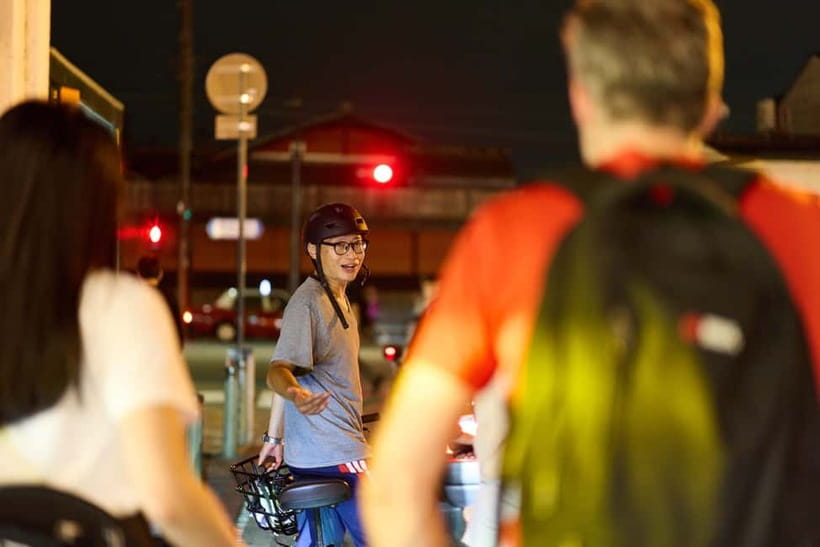
Reviewed · CYCLING TOURS
Kyoto: Night E-Bike Tour Hidden Gems & Backstreets
Kyoto feels different when the streetlights turn on. This night e-bike tour is one of the easiest ways to see Kyoto at a slower pace, with quiet lanes and temple lights that look better after dark. The electric assist keeps the ride fun and manageable even around slopey areas like Kiyomizuzaka.
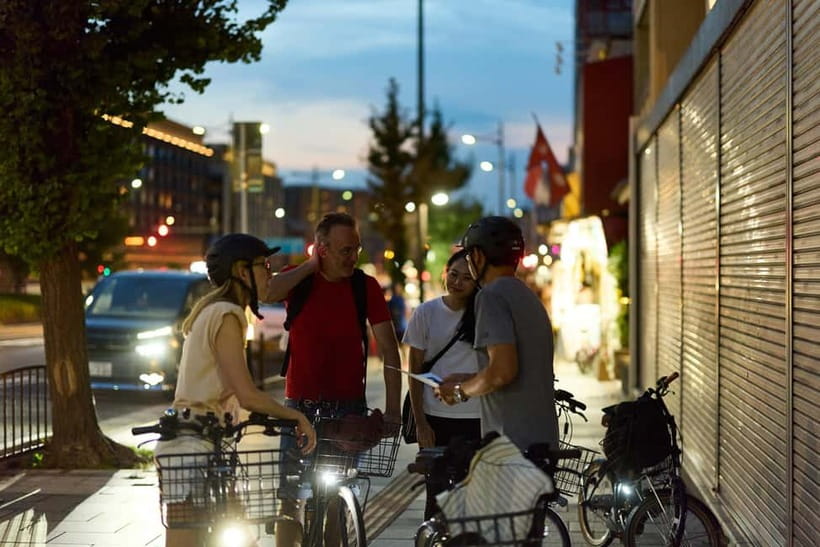
I also like the small-group feel and the way guides like Ben and Jay focus on real details you can picture later in the day. One thing to consider: you do need to be comfortable riding an e-bike, and the tour is not for people with back problems or anyone who is under 12, or under 145 cm tall.
In This Review
- Key highlights you’ll actually feel
- Why Kyoto after dark works so well on an e-bike
- Price and what you truly get for $64
- Meeting point and timing: arrive ready, not rushed
- Riding Kyoto at night: the route feels like a story
- Gion after dark: Miyagawasuji and the feeling of quieter streets
- Kiyomizuzaka and Kiyomizuzaka landmarks: photo stops you can actually enjoy
- Yasaka Pagoda: a standout stop for night lighting
- Kyoto National Museum (exterior): a quick context break
- Ninenzaka and Maruyama Park: walking moments, then a real break
- Toyokuni Shrine and the final loop near Furukawacho Shopping Street
- How good are the guides, really? (It comes down to attention)
- Practical tips to make your night ride smoother
- Who this tour is best for (and who should skip it)
- Should you book this Kyoto night e-bike tour?
- FAQ
- How long is the Kyoto night e-bike tour?
- Where does the tour start and end?
- What is included in the price?
- What is the tour’s group size?
- What language is the guide?
- Does the tour run in rain?
- What should I bring?
- What are the age and height requirements?
- Who is the tour not suitable for?
- Is smoking allowed?
- Is free cancellation available?
Key highlights you’ll actually feel
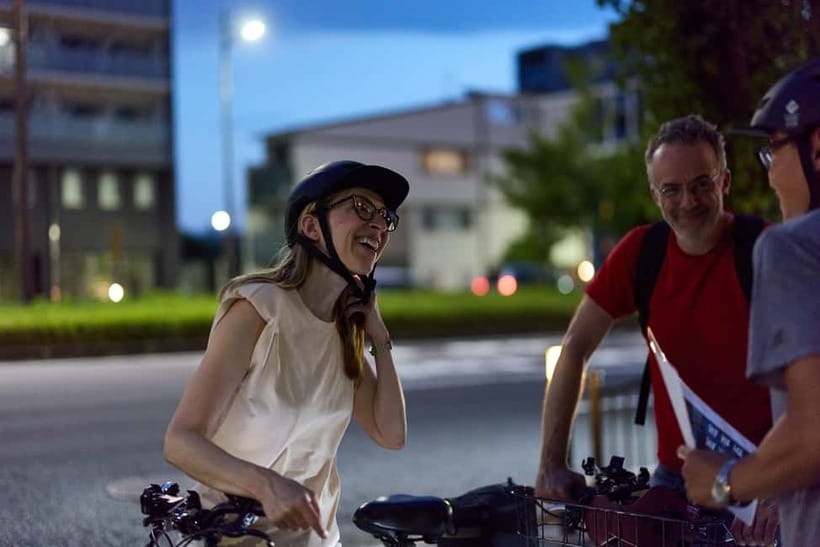
- Electric assist for Kyoto’s slopes, especially around Kiyomizuzaka and the approach to Kiyomizuzaka landmarks
- Illuminated sightseeing at night, including Gion lanes and multiple temple and shrine areas
- Small group of up to 6, so it stays friendly and the guide can manage the pace
- Photo stops built into the route, not just “look, move on” sightseeing
- English live guide with history notes, plus route guidance for areas like Gion and Maruyama Park
- Easy-to-plan 2 hours, with a clear start and return to Kyoto Tourist Lounge Gion
Why Kyoto after dark works so well on an e-bike
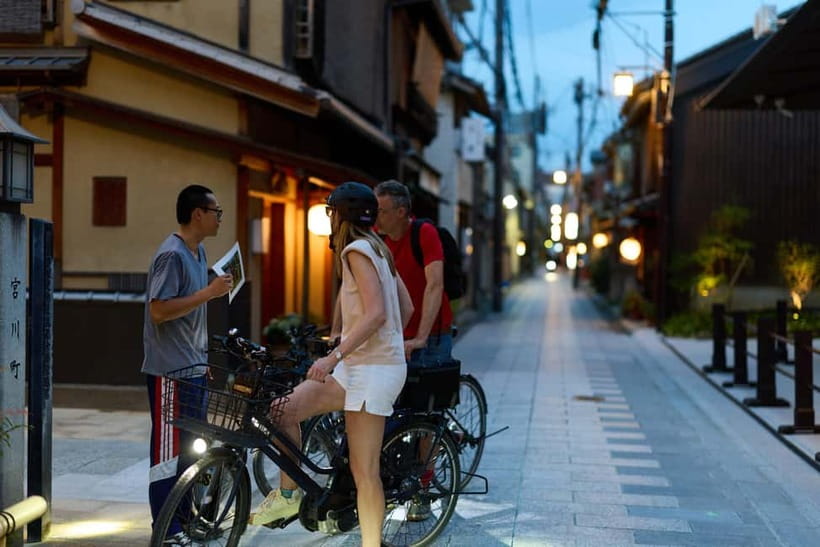
Kyoto by night has a calmer rhythm. Daytime crowds can make even the prettiest streets feel like a conveyor belt. On this tour, you shift gears. You glide through the parts of town that are harder to reach comfortably on foot, and you do it when the light turns warm and the streets quiet down.
The electric bike matters more than you might think. Kyoto has slopes and uneven walking routes around classic sights. With the e-bike doing the heavy lifting, you can spend your energy on noticing details, not just surviving stairs or long uphill stretches. You also get that smoother “moving while looking” feeling, which is great when you want photos but do not want to hike from viewpoint to viewpoint.
The ride is also timed for nighttime calm. The itinerary hits areas like Gion, Kiyomizuzaka, and Maruyama Park after the day heat and crowds ease off. One review mentioned the tour was cooler and less crowded in the evening, and that matches what night in Kyoto usually feels like.
Price and what you truly get for $64
At $64 per person for a 2-hour experience, you are paying for three things: the e-bike rental, a helmet, and a live English guide. That combo is the value. You are not just buying access to a few stops. You are paying for transportation inside Kyoto plus interpretation, in a small group.
If you were to do a DIY nighttime loop, you would quickly run into the practical problem of moving between distant areas without wasting time. Taxis can add up fast, and walking can be tiring once you hit slopes near Kiyomizuzaka. Here, the e-bike makes the distance manageable, and the guide keeps you from guessing where to pause for the best moments.
Small-group size is a big deal for value too. With a limit of 6 participants, you are not stuck in a long line of people. You can hear the guide, ask questions, and get the ride timing right for photo stops and shrine visits.
A quieter way to spend a day in Kyoto
- Hidden Kyoto E-Biking tour
★ 5.0 · 1,843 reviews - 5 Top Highlights of Kyoto Full Day Bike Tour (E-bike option)
★ 5.0 · 511 reviews - E-Bike Tours of the highlights of Kyoto!!!
★ 5.0 · 291 reviews - Kyoto: City Secrets eBike Tour
★ 4.9 · 196 reviews
Meeting point and timing: arrive ready, not rushed
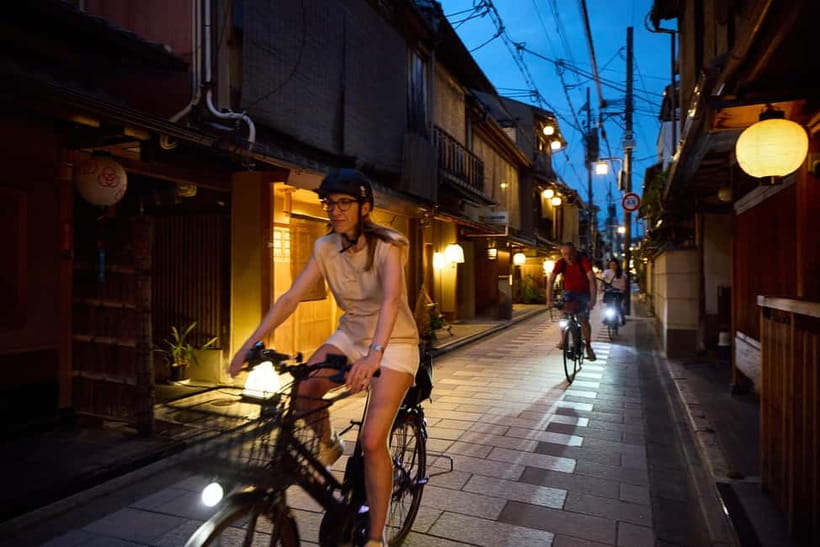
You meet in front of Kyoto Tourist Lounge Gion. Plan to show up about 10 minutes early so you can check in, get your helmet, and get briefed before you roll out. This tour is 2 hours long in total, so punctuality helps the whole group stay on flow.
What I like about the pacing is that it does not feel like a nonstop sprint. You get multiple guided segments, plus photo stops and short visiting moments. Still, you should expect a ride that includes some pedaling. One review noted there was some pedaling, so it is smart to dress like you will be moving, even if the assist does a lot of work.
The tour also continues in light rain. Ponchos are available if needed. If rain is heavy, you might find conditions less comfortable, but the planned approach is to keep the tour going unless conditions get unsafe.
Riding Kyoto at night: the route feels like a story
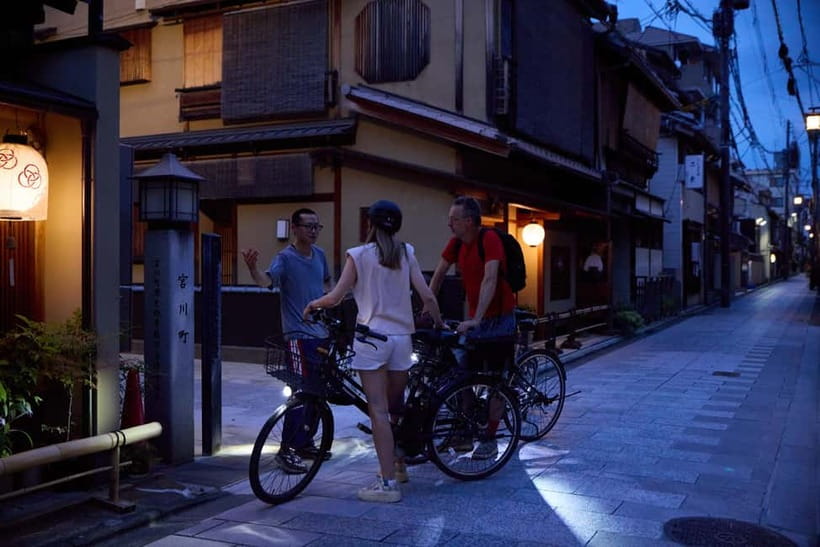
The route is built to move you through Kyoto’s most atmospheric areas, then slow down for the places worth lingering. You start with the Gion side of the city, then transition toward the classic Kiyomizuzaka approach area, and finally end back near Gion.
Even with a short duration, the structure helps you make sense of where you are. You start with lanes that set the mood, then you reach major temple and pagoda photo points, then you wrap with park time and a shopping-street finish.
That matters because Kyoto is confusing when you are walking without a plan. Streets curve, lanes narrow, and landmarks repeat. A guided route means you see more in less time and you leave with a mental map you can actually use.
Gion after dark: Miyagawasuji and the feeling of quieter streets
The tour begins at Kyoto Tourist Lounge Gion, then you head to Miyagawasuji. This segment is short, around 10 minutes, but it sets the tone. You get moving right away instead of spending time standing around.
In the evenings, Gion lanes shift from daytime hustle to something calmer. You get illuminated street views without the same level of crush. One review even mentioned seeing geisha, which is the kind of possibility that comes from being in the right area at the right time and paying attention to what is happening around you.
Another plus is how the guide uses these streets for context. The tour includes guided sightseeing time early on, around 20 minutes, which helps you understand what you are passing. Instead of treating Gion like a photo backdrop, you start to see it as lived-in space with details that make sense.
If you love atmospheric neighborhoods and want to feel Kyoto’s evening mood, this opening stretch is where the tour wins you over.
Kiyomizuzaka and Kiyomizuzaka landmarks: photo stops you can actually enjoy
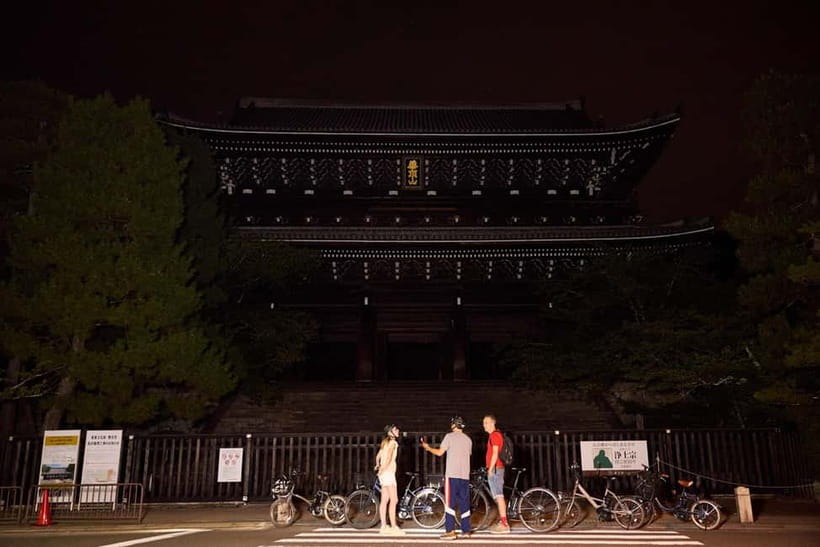
Next comes the approach to Kiyomizuzaka, including a Kiyomizuzera (Kiyomizu-dera) photo stop and a brief visit. Expect this part to be all about views and timing. You get time to pause, take pictures, and soak in the scene while the light is right.
This is also one of the practical benefits of e-bikes. Kiyomizu-dera and the surrounding slope area can be a mess to reach comfortably at night if you are walking. With the bike, you can focus on the scenery rather than the logistics of climbing and descending.
That said, you should still be prepared for short walking during photo stops and visits. You only need comfortable shoes, not hiking boots, but you do not want to wear flimsy footwear.
A day of temples goes further with something to break it up.
Yasaka Pagoda: a standout stop for night lighting
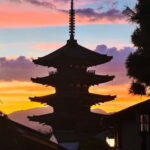
The tour includes Yasaka Pagoda as a photo spot, plus a visit and guided time. This is the kind of stop where nighttime lighting really changes the feel. Even if you have seen pictures in daylight, the evening version tends to look softer and more dramatic.
The guide time here is useful. Rather than just pointing and sending you off, you get a little explanation while you are there. That helps you frame what you are looking at and where it sits in the broader area.
If you care about photos, you will likely appreciate the structure. The itinerary explicitly builds in photo stops, so you are not constantly hoping a viewpoint will line up with a convenient moment.
Kyoto National Museum (exterior): a quick context break
You also stop at Kyoto National Museum for a short exterior viewing and guided time. This is not a full museum visit in the itinerary you are given, but it works as a contextual pause.
Why this is valuable: it gives you a breather after temple and pagoda time, and it gives a cultural frame as you move through different parts of the city. When you later visit museums in the daytime, you might find it easier to connect the dots because you already got the setting explained.
The drawback is simple: if you hoped for an inside museum experience, this stop does not provide that. You are there for the exterior and the guided notes, then you keep riding.
Ninenzaka and Maruyama Park: walking moments, then a real break
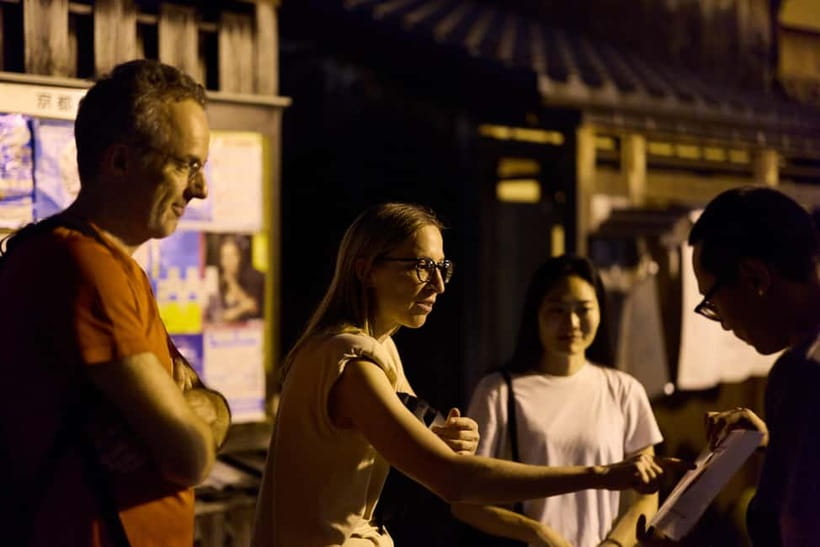
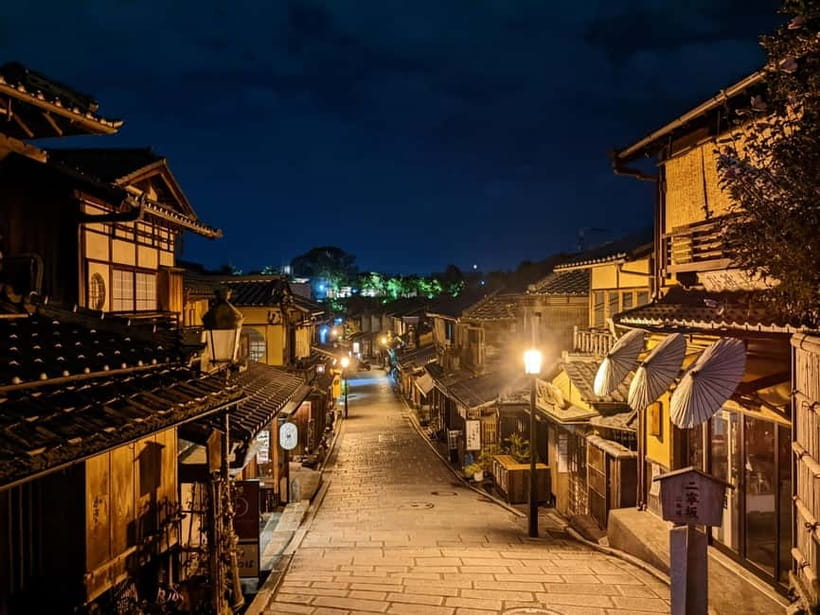
The itinerary includes Ninenzaka with a visit and guided time. Ninenzaka is the kind of area where nighttime makes everything feel more intimate. It is also a spot where you naturally slow down, because it is all about atmosphere and small visuals.
Then you reach Maruyama Park, which includes a break time plus a photo stop and guided visit time. The break matters. A two-hour e-bike tour still includes movement, stops, and short walks. A built-in break gives you a chance to reset your legs and check your photos.
From the reviews, the overall vibe people liked was that the city felt cooler and less crowded at night. Maruyama Park helps deliver that feeling. It is a calmer pause between sightseeing moments, rather than a rushed stop.
Toyokuni Shrine and the final loop near Furukawacho Shopping Street
Your route includes additional cultural stops beyond the major name sights, including Toyokuni Shrine and Furukawacho Shopping Street. These are the kinds of places that feel more “Kyoto lived-in” than “Kyoto staged for postcards,” and that is part of the tour’s appeal.
In the final guided segment before you return to Kyoto Tourist Lounge Gion, you will get the last bits of context and the remaining time for photos and short looks. This is also where the small group format helps. You can stay close to the guide, ask questions, and adjust your pace without the tour feeling chaotic.
The tradeoff is that these final sections are time-limited. This is a 2-hour tour, so think of it as a guided evening route that shows you what to pay attention to, not a deep multi-hour exploration.
How good are the guides, really? (It comes down to attention)
This tour lives or dies by the guide, and the reviews you provided point to a clear pattern: guides like Ben and Jay are attentive and communicative, with good pacing and useful stories.
What I take from that, as someone trying to plan a good night activity, is this: you are getting more than route info. You are getting cultural cues. That makes the sights easier to interpret on the spot and easier to remember later.
Also, the English-language format matters. You can follow along without straining, so you do not miss the reason behind each stop.
Practical tips to make your night ride smoother
A few small choices will make the biggest difference.
Wear comfortable shoes. You will do some walking at photo stops and during visits. Bring a layer if you run cold at night, since you are outside during an evening ride.
Plan for light rain. The tour proceeds in light rain, and ponchos are available. If you hate damp weather, bring a small personal layer too, like a compact rain jacket.
Be honest about your riding comfort. The tour is not suitable if you cannot ride a bike, and it is not for people with back problems. Height matters too, since riders must be over 145 cm. The minimum age is 12.
If you tend to think e-bikes mean effortless steering, you might want to expect some pedaling and normal bike control. One review noted some pedaling, so dress accordingly.
Who this tour is best for (and who should skip it)
This is a great fit if you want:
- A 2-hour Kyoto night activity with a clear route
- To see Gion, Kiyomizuzaka, and multiple temple and shrine areas without spending your whole night walking
- A small-group experience with an English guide
- Photo stops that actually give you time to take pictures
It is not the best fit if:
- You cannot comfortably ride an e-bike
- You have back problems
- You want a full, long nighttime exploration with lots of off-bike time
Also, if your main goal is a museum visit, note the Kyoto National Museum stop is for the exterior with a short guided segment.
Should you book this Kyoto night e-bike tour?
If you want an evening in Kyoto that feels organized, scenic, and not exhausting, I would book it. For $64, you get an e-bike, helmet, and an English guide, plus a route that hits the classic Kyoto night mood in a way that walking alone often makes harder.
I would feel confident booking if you are comfortable riding and you like the idea of pausing at places like Kiyomizu-dera, Yasaka Pagoda, and Maruyama Park when the light looks best. It is especially worth it if you are visiting during a crowded season, because the route is designed for nighttime calm.
Skip it if you are dealing with a riding limitation or you want a slower, longer sightseeing day on foot. This tour is about motion, short stops, and smart timing.
If that style fits you, this is one of the more practical ways to enjoy Kyoto after dark.
FAQ
How long is the Kyoto night e-bike tour?
The tour lasts 2 hours.
Where does the tour start and end?
It starts and ends in front of Kyoto Tourist Lounge Gion.
What is included in the price?
The tour includes the e-bike rental, a helmet, and a live tour guide.
What is the tour’s group size?
The group is small, limited to 6 participants.
What language is the guide?
The live tour guide speaks English.
Does the tour run in rain?
The tour proceeds in light rain. Ponchos are available if needed.
What should I bring?
Wear comfortable shoes.
What are the age and height requirements?
Minimum age is 12 years old, and riders must be over 145 cm tall.
Who is the tour not suitable for?
It is not suitable for children under 12, people with back problems, or anyone who cannot ride a bike.
Is smoking allowed?
No, smoking is not allowed.
Is free cancellation available?
Yes. You can cancel up to 24 hours in advance for a full refund.
More Cycling Tours in Kyoto
New This Season
- Koyasan Day Trip by Private Car from Kyoto
- Old Port Town and Ultimate Sake Tasting Private Tour From Kyoto
- Kyoto’s Timeless Charm: 3hr Exploration of History and Peace
- Kyoto: 5 Types of Sushi Making
- Sacred Peak & Ancient Paths: Kurama-Kibune Hiking Experience
- Kyoto: Exclusive ZEN practice at Manpukuji temple in Uji
- Kyoto: Private Seasonal Aroma Yoga Class
- Traversing Kyoto’s Scenic West – Arashiyama to Kinkakuji
Cycling Tours, compared.
Bike Tour Exploring North Kyoto plus Lunch
Read our review →
Arashiyama Bamboo Forest & Hidden Gems Bike Tour (Early Bird)
Read our review →
5 Top Highlights of Kyoto Full Day Bike Tour (E-bike option)
Read our review →
Full Day Biking Tour Exploring the Best of Kyoto
Read our review →

Afternoon Kyoto Bike Tour: Bamboo Forest, Monkeys & Hidden Spots
Read our review →
South Kyoto in a Nutshell: Gentle Backstreet Bike Tour!
Read our review →Also filed under