Reviewed · FOOD
Kyoto: Replica food making experience
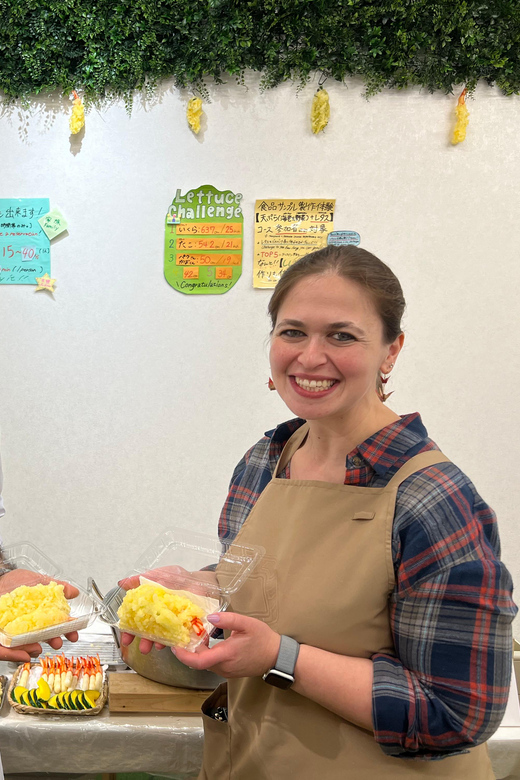
Fake food is surprisingly hands-on in Kyoto. In a one-hour workshop, you learn Japan’s replica sample culture by crafting your own lifelike tempura models with melted wax, then taking them home in realistic packaging.
I love that it is truly interactive, not a demo. I also love the payoff: you leave with the replica food you made, packaged like the display items you see outside restaurants.
One thing to consider is the material itself. You will work with hot wax and the replicas are display-only, so it is not the kind of activity where you will snack as you go.
In This Review
- Key highlights at a glance
- Replica food in Kyoto: why this workshop feels more cultural than crafty
- Your hands-on build: shrimp and pumpkin tempura with melted wax
- Lettuce replica option: small extra, big realism
- Small group coaching, English support, and the pace that keeps you smiling
- Where it starts: finding the workshop near Kani Douraku
- Hot wax reality: what to watch for before you go
- What you actually get for $22: value beyond the souvenir
- Making your replica look like the real thing: the invisible skills
- Taking it home: packaging that looks supermarket-real
- Who should book this Kyoto replica food workshop
- Should you book? My quick decision guide
- FAQ
- How long is the Kyoto replica food making experience?
- What is the price per person?
- What food replicas can I make?
- Is the replica food edible?
- What languages are available during the workshop?
- What is the group size?
- Where do I meet the guide?
- Is it suitable for young children?
- What is the cancellation policy?
Key highlights at a glance
- Melted wax technique: pour, shape, harden, and finish for realistic textures
- Tempura focus: shrimp and pumpkin tempura, plus an optional lettuce replica
- Take-home souvenir: packaged like real supermarket-style items
- Small group of 4: more attention, less waiting, smoother pacing
- English and Japanese instruction: you can follow even if your Japanese is basic
Replica food in Kyoto: why this workshop feels more cultural than crafty
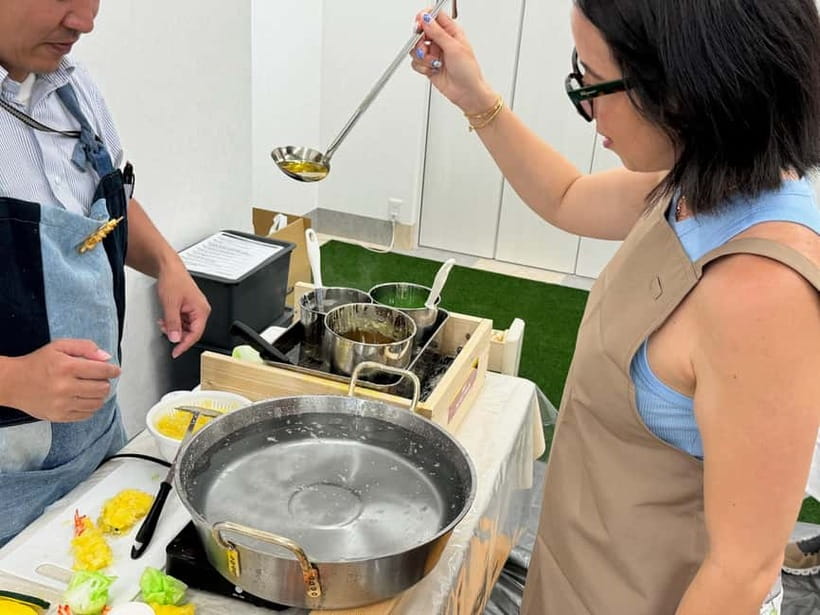
Kyoto is full of restaurant cues that help you decide fast. One of the most distinctive is the lifelike food display outside many shops, often called sample food or replica food. These models turn menus into something you can see immediately, even if you cannot read the fine print.
This workshop is interesting because you are not just looking at the window. You are making the same kind of object that shop owners use to sell an idea. That gives the activity a purpose beyond souvenirs, you learn why Japanese displays look the way they do, right down to the color and texture details.
The whole session runs for about an hour. The pace is fast enough to keep your energy up, but structured enough that you are not lost while the wax is doing its thing. And because the group is limited to just four participants, you get practical coaching rather than standing in a line waiting for attention.
Your hands-on build: shrimp and pumpkin tempura with melted wax
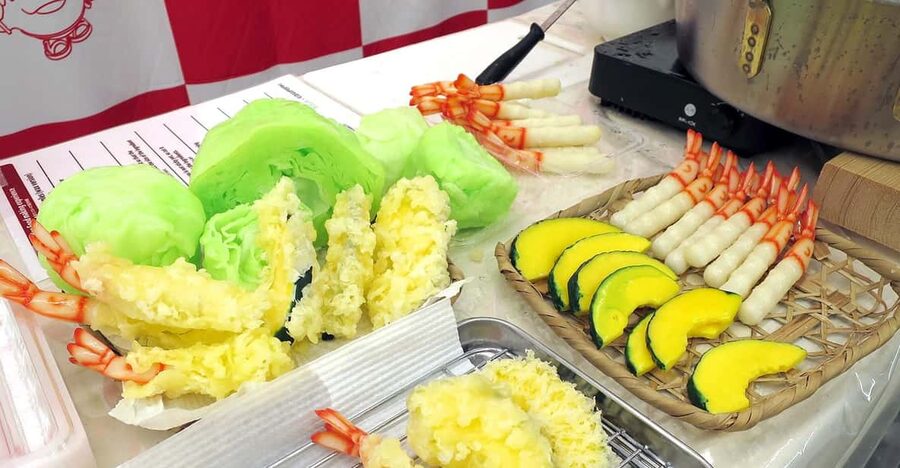
Your main project is shrimp and pumpkin tempura. The method is wonderfully odd in the best way, and you actually feel the steps as you go.
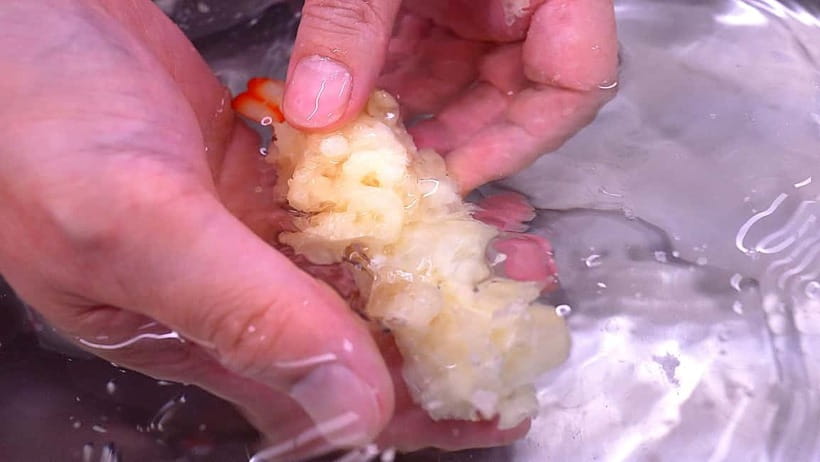
You start with melted wax. You pour the wax into hot water and shape it before it hardens. That is the trickiest part because you have to move with timing, not force it. The goal is texture that looks like a crisp coating rather than something flat or uniform.
After the wax forms the shape, you wrap the shrimp and pumpkin in a realistic-looking batter. The batter step is where the model starts looking like food, not like craft foam. You are essentially building the visual cues that make tempura readable from a distance, especially when it is meant to sit behind glass near a restaurant entrance.
This is also one reason the workshop works so well as a “short break” from Kyoto sightseeing. You focus on a single item. You get clear steps. Then you get the reward instantly at the end, instead of waiting days for something mailed to you.
A quieter way to spend a day in Kyoto
- Kyoto Night Foodie Tour in Gion (9+ dishes + 6 Sake tastings)
★ 5.0 · 1,762 reviews - Kyoto: Insider Sake Brewery Tour with Sake and Food Pairing
★ 5.0 · 704 reviews - Kyoto Nishiki Market Food and Culture Walking Tour
★ 5.0 · 412 reviews - Kyoto: Gion Food Tour 13 Dishes at 4 Eateries
★ 5.0 · 408 reviews
Lettuce replica option: small extra, big realism
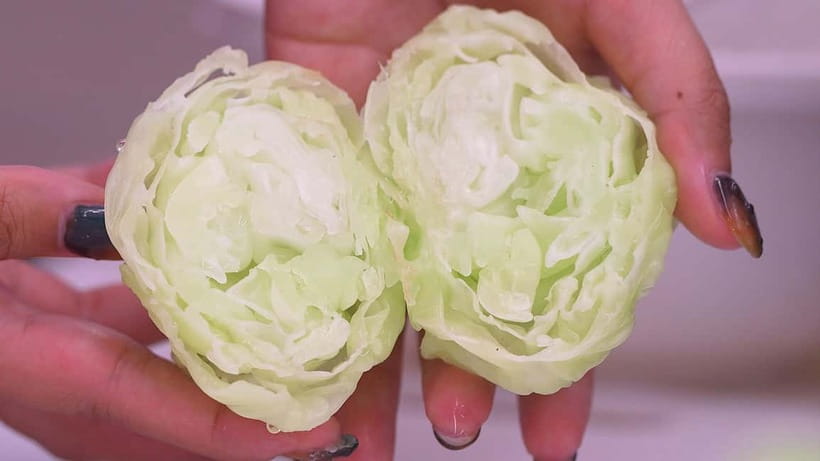
You can also choose an additional lettuce replica option. It may sound like a side detail, but lettuce changes the overall look of the final display food.
If you end up making something like a bowl or set model, lettuce helps the piece feel balanced. It also adds a contrasting color and texture, which makes the display look more like the real dish rather than a single ingredient float.
Practically, it is a good choice if you want a slightly longer sense of engagement without changing the basic workflow. You get more variety in your final souvenir, which matters when you are picking something to photograph and keep.
Small group coaching, English support, and the pace that keeps you smiling
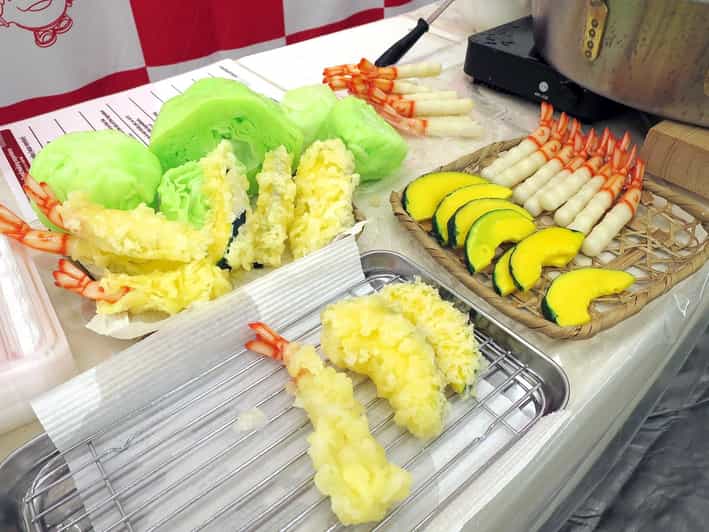
This is a small-group workshop, limited to four participants. That is a big deal here because the technique has a hands-on rhythm. When you are working with wax, you do not want to wait for someone else’s turn while the temperature and timing shift.
The instructor speaks English and Japanese. That means you can follow the steps without needing perfect language skills. In practice, the key moments are visual, and the explanations are timed to what your hands are doing, not just what you are supposed to imagine.
You also get a guided approach to what makes a convincing replica. Expect a focus on technique rather than artistic freedom. And that is good news if you are not “crafty.” You are doing Japanese display-food craftsmanship, where tiny adjustments make a big visual difference.
Where it starts: finding the workshop near Kani Douraku
The meeting point is easy to spot once you know the landmark. Meet diagonally across from Kani Douraku, the place with a large crab signboard.
From there, you are in an area with shopping and restaurant energy. It is near tempura options, which can help your day planning. After the workshop, you will have that “I want real food now” feeling, and you can satisfy it quickly.
Kyoto layout tip: give yourself a little buffer. The workshop asks you to arrive at your reserved time so they can explain how to make the dish all at once. If you arrive late, you will miss instructions that make the wax step smoother.
Hot wax reality: what to watch for before you go
Working with wax is part of the charm, but you should plan for it. The process involves melted wax and a hot-water step, so this is not a gentle activity where you can wear delicate clothes and hope for the best.
They suggest you come prepared for the possibility of wax getting on you. You can wear older clothes, and you might also find that aprons or chef-style jackets are available on-site. Even with protective gear, treat this like a hands-on workshop and keep loose sleeves tucked.
Also consider timing with kids. The experience is not suitable for children under 6. For families with younger children, parental assistance may be needed for the hot-wax portion.
The good part is that the instructors are focused on guiding you through the technique step-by-step. That helps you avoid rushing or guessing, which is when mess happens.
A day of temples goes further with something to break it up.

What you actually get for $22: value beyond the souvenir
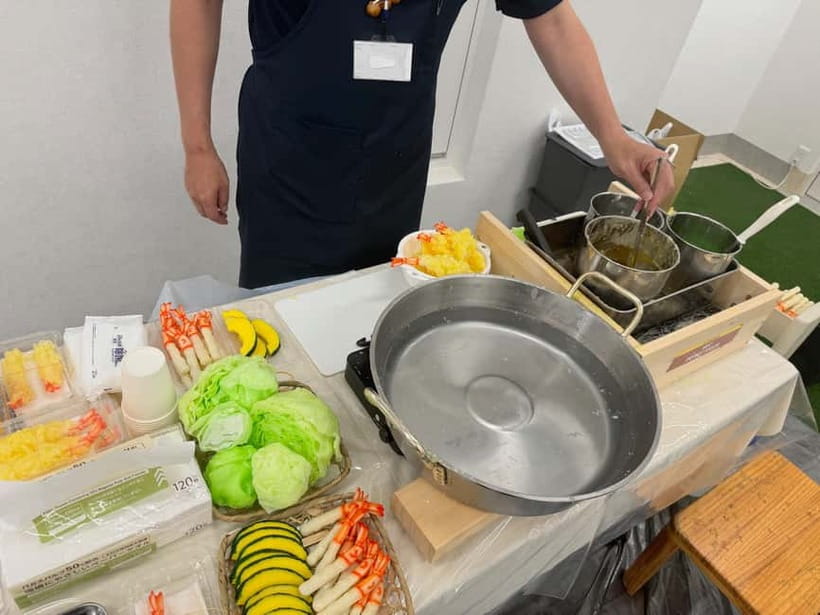
At about $22 per person for a roughly 1-hour workshop, the value comes from what is included and what you take home.
You get:
- The sample food making experience
- All materials
- The replica food you made as a souvenir
That matters in Kyoto, where many activities are “pay for instruction, then pay more for your outcome.” Here, your materials are part of the price, and the end result is tangible. You are not leaving with just photos, you are leaving with an item meant for display.
Also, the small group size helps the value. Four people is enough attention that the instructor can correct technique while you are mid-step. In a larger class, the wax timing would likely feel more stressful. With this setup, it tends to feel like a guided craft, not a factory line.
If you like unique souvenirs that connect to something local, this is a strong pick. And if you care less about “buying things,” it is still worth it because the making process teaches you how Japanese replica samples achieve realism.
Making your replica look like the real thing: the invisible skills
A great food display has a few secrets: color control, texture, and shape clarity from a distance. In this workshop, you practice the same thinking.
When you pour wax into hot water and shape it before it hardens, you are creating the foundation. That foundation controls how crisp the final look reads. If the form is uneven or rushed, the piece can look less like a battered coating and more like a lumpy craft.
Then the batter wrapping step teaches another key skill. You are layering visual cues, not just covering the wax. That is how the replica ends up looking believable, especially as a set item behind glass.
You also learn why these samples are so common around restaurants. They are not only decoration. They are a fast, visual sales tool. Once you make one yourself, you understand why the final model is designed to be instantly “food-like.”
Taking it home: packaging that looks supermarket-real
The best part about replica food is that it is made to be seen, and the workshop finishes that job. You take home your crafted piece in packaging that resembles what you might find in a supermarket.
That has two practical benefits:
- It protects your model while you travel
- It helps your souvenir look like an authentic product, not a handmade trinket from a counter
It is also a reminder of purpose. These replicas are display items. You should not serve them as food at dinner. The packaging and instructions help keep that clear.
If you like showing people your trip, this is a souvenir that sparks questions fast. You can explain the wax method and why Japanese restaurants use replica samples to sell menus.
Who should book this Kyoto replica food workshop
This is a great fit if you want a hands-on cultural activity that is also an easy souvenir win.
You will likely enjoy it if you:
- Like food-related activities beyond eating
- Want a unique Kyoto item that is not mass-produced
- Travel with a partner or family and want something interactive
- Appreciate small group learning and clear instructions
It may not be ideal if you:
- Have very limited tolerance for heat and sticky materials
- Need an activity for children under 6
- Expect an edible food tasting experience (this is display-only)
If you are planning a day around central Kyoto shopping streets, this slots in nicely as a break. After a one-hour workshop, you are free to wander and then eat a real meal nearby, which feels like a satisfying rhythm.
Should you book? My quick decision guide
Book it if you want a one-hour Kyoto experience that teaches you something real and gives you a take-home item that looks like it belongs in Japan. The technique, the small group size, and the fact that everything is included all point to strong value for the price.
Skip or reconsider if hot wax makes you nervous, or if you want a purely relaxing, zero-mess activity. Also remember the key point, these are replicas meant for display, not for eating.
If you are the type who likes learning how locals communicate through everyday objects, this workshop is exactly that. You leave understanding the food display culture, not just admiring it.
FAQ
How long is the Kyoto replica food making experience?
The experience lasts 1 hour.
What is the price per person?
It is $22 per person.
What food replicas can I make?
You learn to make shrimp and pumpkin tempura using melted wax. You can also choose to make a lettuce replica as an option.
Is the replica food edible?
No. These replicas are for display only and should not be served as food.
What languages are available during the workshop?
The instructor provides instruction in English and Japanese.
What is the group size?
The workshop is a small group, limited to 4 participants.
Where do I meet the guide?
Meet diagonally across from Kani Douraku, the spot with a large crab signboard.
Is it suitable for young children?
It is not suitable for children under 6. Parental assistance may be requested for children.
What is the cancellation policy?
You can cancel up to 24 hours in advance for a full refund.
New This Season
- Koyasan Day Trip by Private Car from Kyoto
- Old Port Town and Ultimate Sake Tasting Private Tour From Kyoto
- Kyoto’s Timeless Charm: 3hr Exploration of History and Peace
- Kyoto: 5 Types of Sushi Making
- Sacred Peak & Ancient Paths: Kurama-Kibune Hiking Experience
- Kyoto: Exclusive ZEN practice at Manpukuji temple in Uji
- Kyoto: Private Seasonal Aroma Yoga Class
- Traversing Kyoto’s Scenic West – Arashiyama to Kinkakuji
Food, compared.
Kyoto Night Foodie Tour in Gion (9+ dishes + 6 Sake tastings)
Read our review →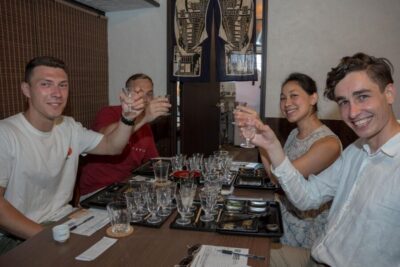
Insider Sake Brewery Tour with Sake and Food Pairing
Read our review →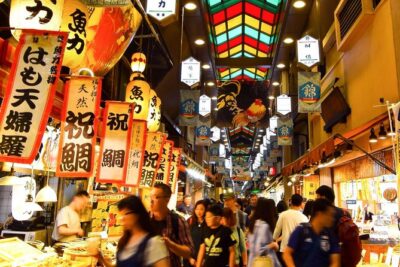
Kyoto Nishiki Market Food and Culture Walking Tour
Read our review →