
Reviewed · CYCLING TOURS
Kyoto Shogun Cycling Tour
Kyoto on two wheels feels like time travel. This Kyoto Shogun Cycling Tour strings together iconic stops tied to Japan’s shogunate era, with an easy downhill style that helps you cover real ground without feeling rushed. I like how the route pairs the famous Golden Pavilion with calmer, more reflective temple time, and that mix keeps the morning from turning into a temple sprint.
Two things I really like: first, you get guided visits at each stop, not just a map and a guess. Second, the package is practical, with a helmet and rainwear included so you stay comfortable even if Kyoto decides to sprinkle.
The main consideration is simple: it runs in rain, and while you get a poncho or can switch to a walking option using public transportation, the weather can still change the vibe of an outdoor ride. If you hate wet roads, plan for that reality.
In This Review
- Key highlights at a glance
- Why this Kyoto Shogun Cycling Tour feels different
- Stop 1, Kinkakuji Temple and the Golden Pavilion gardens
- Stop 2, Toji-in Temple for wabi-sabi calm
- Stop 3, Nijo Castle and the end-of-an-era feeling
- The ride itself: easy downhill, real city streets, and timing
- What’s included, and how that affects your day
- Price and value, what you get for $153.50
- Guide impact, English, and the difference you feel
- Rain, ponchos, and your best rain strategy
- Start and end points, and how that helps logistics
- Who should book this Kyoto cycling tour
- Should you book it? My decision checklist
- FAQ
- How long is the Kyoto Shogun Cycling Tour?
- What’s included in the tour price?
- What stops are included in the itinerary?
- Does the tour run in rain?
- Where does the tour start and end?
- Is this a private tour?
Key highlights at a glance
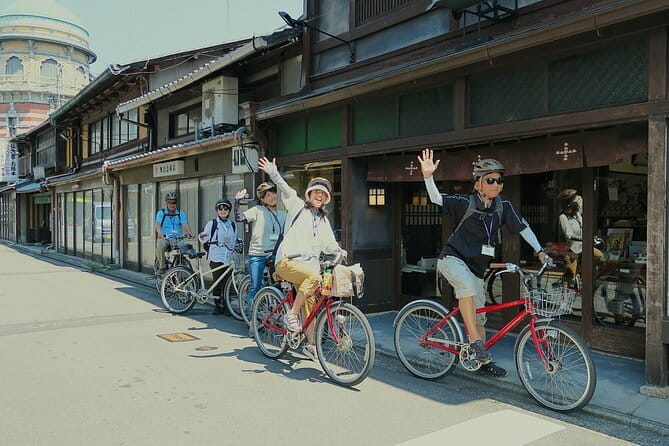
- Shogun-era route in about 3.5 hours, built for an easy downhill pace you can handle.
- Kinkakuji Temple (Golden Pavilion) plus admission, with time to walk the gardens.
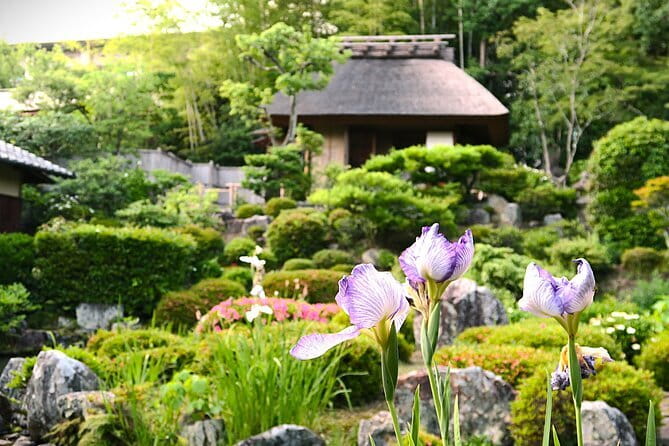
- Toji-in Temple focused on quiet interiors, a garden, and a small tea house setting.
- Nijo Castle where the story shifts from splendor to power and the end of an era.
- All-in bike comfort basics: bicycle, helmet, and rainwear included.
- Guide quality shows up fast, with strong English and city know-how in the tour feedback.
Why this Kyoto Shogun Cycling Tour feels different
This tour works because it doesn’t just stack famous names. It links them as a story you can feel as you move, from the elegant world of the Ashikaga shoguns to the Tokugawa residence at Nijo Castle.
The route is designed as an easy downhill ride, which matters more than it sounds. Kyoto streets can be stop-and-go and crowded. With a guided cycling format, you spend less time fighting logistics and more time watching details: temple gates, garden edges, and the way neighborhoods change block by block.
Stop 1, Kinkakuji Temple and the Golden Pavilion gardens
You start with Kinkakuji Temple, the Golden Pavilion, and the schedule gives you about an hour. Your guide walks you through the gardens around the temple building, so you’re not stuck only staring at one angle.
This is a smart first stop because it’s visual fast. The golden structure and surrounding grounds set the tone immediately, and the garden walk helps you slow down just enough to notice why this place became an icon. You’ll also see how the temple’s setting supports the look, not just the building itself.
A practical note: an hour is good for a guided visit, but you should still expect crowds and lines at major sights. If you’re the type who gets frazzled by noise, go in with patience and use the guide’s pacing to get your bearings early.
A quieter way to spend a day in Kyoto
- Hidden Kyoto E-Biking tour
★ 5.0 · 1,843 reviews - Bike Tour Exploring North Kyoto plus Lunch
★ 5.0 · 1,087 reviews - Arashiyama Bamboo Forest & Hidden Gems Bike Tour (Early Bird)
★ 5.0 · 613 reviews - 5 Top Highlights of Kyoto Full Day Bike Tour (E-bike option)
★ 5.0 · 511 reviews
Stop 2, Toji-in Temple for wabi-sabi calm
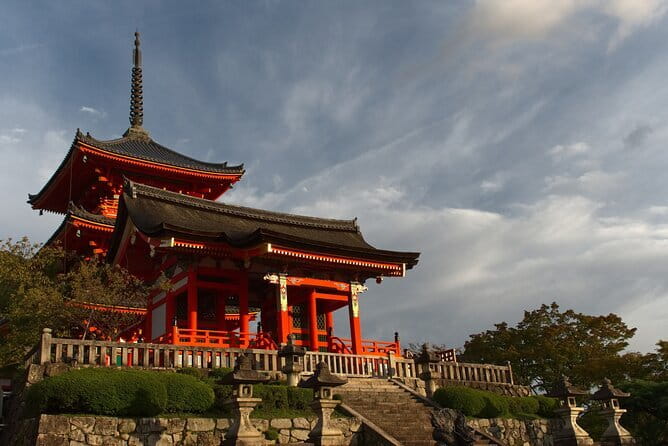
Next is Toji-in Temple, with about one hour on the inside and in the garden setting. This stop is quieter and more intimate, with access to interiors guided by your host.
What you’re aiming for here is the temple mood, not the biggest photo moment. The tour focuses on the garden and a quaint tea house area, plus time in the hall where Zen masters once contemplated the world. Even without turning this into a deep philosophical exercise, it helps you appreciate why Japanese aesthetic ideas like wabi-sabi work so well in a temple context.
The big advantage of this stop in a bike tour is timing. You’re still fresh enough from the morning ride to enjoy the calm. Then, when your energy dips, the tour sets you up for the next stop with a shift from quiet reflection to political power at Nijo Castle.
Stop 3, Nijo Castle and the end-of-an-era feeling
Your final major stop is Nijo Castle for about 1.5 hours, and this is where the mood sharpens. The tour frames it as part of the Tokugawa shogunate in Kyoto, tied to the final shoguns who lived here.
This place is ideal on a cycling tour because it’s about atmosphere and scale. Once you move through the grounds with a guide, you understand that it wasn’t just a residence. It was a stage where historical events and authority played out, and the ornamental carvings and buildings help you read that setting.
If you like history, but you also like not getting lost, this stop hits the sweet spot. The guide experience helps you connect details you might otherwise miss, like how the castle design supports status and control.
The ride itself: easy downhill, real city streets, and timing
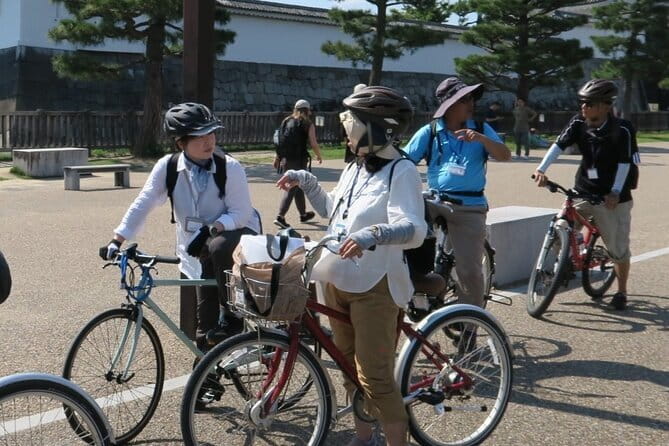
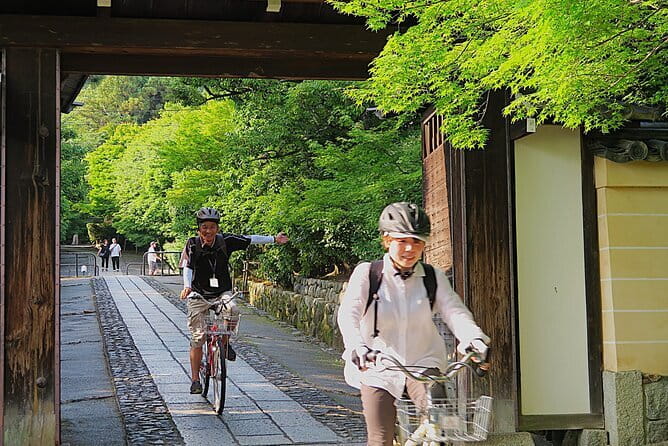
The tour is positioned as an easy downhill route suitable for everyone. That doesn’t mean zero effort, but it does mean the cycling is meant to feel manageable for most people, especially with guide support and a group format.
You’re looking at roughly 3 hours 30 minutes total, which is a solid half-day window in Kyoto. It’s long enough to cover meaningful sights, but short enough that you still have the rest of the day for wandering Gion, shopping, or adding one extra temple if you want.
Also pay attention to group size. This is a private tour activity, meaning only your group participates. The guide accepts 2 to 6 guests per guide, and if you book a group of 7 to 12, an extra guide can be arranged. In practice, smaller groups make it easier to ride smoothly without constant regrouping.
What’s included, and how that affects your day
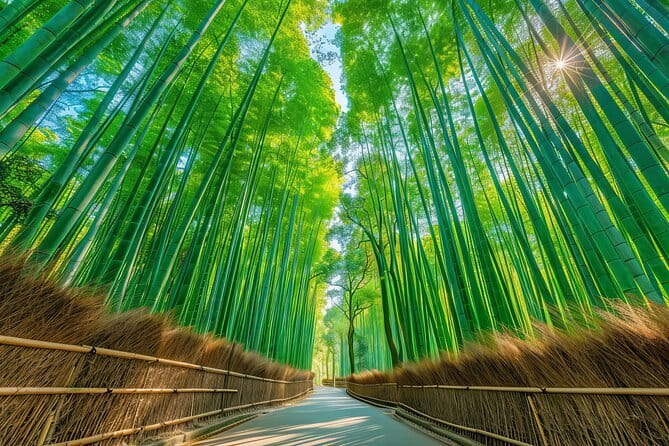
The tour includes the essentials that make a bike experience actually comfortable: bicycle use, helmet, and rainwear. It also includes admission tickets for the three main stops, so you’re not scrambling for entry fees mid-day.
What’s not included is matcha service. That matters only if you were hoping the tour would handle a drink break. If matcha is your thing, budget a separate stop after the tour ends.
The tour also uses a mobile ticket. That’s helpful because it reduces the number of places you need to show paperwork, especially in a city where you’ll likely hop between transit and attractions.
A day of temples goes further with something to break it up.
Price and value, what you get for $153.50
At $153.50 per person, this isn’t a bargain-basement “rent a bike and go” situation. But it is priced like an organized, guided half-day with admission included.
Here’s why that can feel like good value:
- You’re paying for three guided visits, not just one.
- Admission is included for each stop, which helps keep your costs predictable.
- You get a private-group format with a limit per guide, which usually improves pacing and communication.
- Rainwear and a helmet are included, so you’re not buying gear last-minute.
The only time this might feel less worth it is if you already have a strong self-guided plan for these exact sites and you don’t care much about guided context. If you want someone to explain what you’re seeing while you ride, the price makes more sense.
Guide impact, English, and the difference you feel
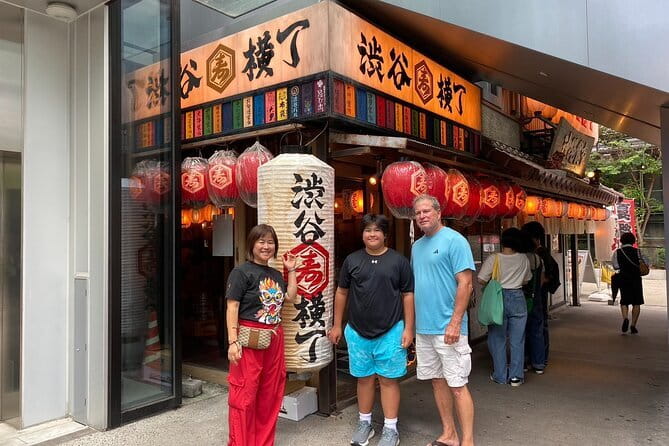
This is one of those experiences where the guide quality shows up quickly. The feedback highlights guides with excellent English and strong city know-how, and names you might encounter include Seiya, Makoto, Nozomi, Yutaka Kaneda, and Yasunobu Yagyu.
What I like to watch for is how the guide turns a stop into something you can understand. In the strongest tours, you get history with relevance, plus practical route guidance that keeps the group moving at a comfortable pace. The tour format helps because you’re always transitioning, and a good guide can use those transitions to connect the dots.
There’s also a nice signal in the feedback: guides like Seiya, Makoto, and Nozomi are described as engaging, and they can adjust for different ages, including kids around 12 years old.
Rain, ponchos, and your best rain strategy
This tour operates in rain. The plan gives you two options if weather shows up:
- Continue on bikes using the included rain poncho at no extra cost.
- Switch to a walking tour using public transportation, included in the tour fee.
Either way, you’re covered for comfort. Rainwear included matters because it keeps you from feeling stuck halfway through the experience.
My advice: wear grippy shoes and accept that Kyoto in rain feels different, not worse. Temple gardens and castle grounds can look even better when the air is damp, just be ready for slower cycling confidence and fewer photo stops.
Start and end points, and how that helps logistics
The meeting point is Wara Tenjin mae, Kyoto (Kinugasa, Oharaicho, Kita Ward). The tour ends at the Kyoto Cycling Tour Project (Kyoto Station Cycle Terminal) near Kyoto Station, on Higashiaburanokoji-cho in Shimogyo Ward.
Ending near Kyoto Station is a practical win. It makes it easier to move on to dinner plans, pick up transit, or adjust your schedule without needing to cross the city in a tight window.
If you’re staying far from this area, plan a little extra time to get to the start point early. Kyoto runs smoothly, but you don’t want to arrive at the last minute when you also need to get fitted and briefed.
Who should book this Kyoto cycling tour
You’ll likely love it if:
- You want an easy way to cover major sights without spending half your day on transport.
- You like historical context, but you prefer it delivered on the move.
- You want a mix of iconic temple visuals and quieter, more reflective temple time.
You might skip it if:
- You hate cycling in any wet conditions, even with rain gear.
- You want a highly flexible itinerary, because this is structured around three specific stops with set time blocks.
- Your group is large and you’re expecting to wander off alone at each location. This format keeps the group together for the smooth ride and guided experience.
Should you book it? My decision checklist
Book this tour if you want a well-paced Kyoto half-day that combines Kinkakuji, Toji-in, and Nijo Castle with real guidance and included admissions. The bike and rainwear support make it easier to say yes even when weather forecasts look sketchy.
Skip or compare if price is your top driver and you’re comfortable planning these sites yourself. Also think carefully if you’re very sensitive to crowds at Kinkakuji, since you should expect it to be popular even with a guided route.
If you want Kyoto with less stress and more story, this is a strong match.
FAQ
How long is the Kyoto Shogun Cycling Tour?
It runs for about 3 hours 30 minutes.
What’s included in the tour price?
You get bicycle use, a helmet, rainwear, and admission tickets for the three stops.
What stops are included in the itinerary?
The tour includes Kinkakuji Temple, Toji-in Temple, and Nijo Castle.
Does the tour run in rain?
Yes. You can continue on bikes with the included rain poncho, or switch to a walking tour using public transportation with the tour fee covering it.
Where does the tour start and end?
It starts at Wara Tenjin mae (Kinugasa, Oharaicho, Kita Ward) and ends at Kyoto Cycling Tour Project (Kyoto Station Cycle Terminal) near Kyoto Station.
Is this a private tour?
Yes. Only your group participates, and the guide accepts 2 to 6 guests per guide, with an extra guide possible for larger groups.
New This Season
- Koyasan Day Trip by Private Car from Kyoto
- Old Port Town and Ultimate Sake Tasting Private Tour From Kyoto
- Kyoto: 5 Types of Sushi Making
- Sacred Peak & Ancient Paths: Kurama-Kibune Hiking Experience
- Kyoto’s Timeless Charm: 3hr Exploration of History and Peace
- Kyoto: Exclusive ZEN practice at Manpukuji temple in Uji
- Kyoto: Private Seasonal Aroma Yoga Class
- Traversing Kyoto’s Scenic West – Arashiyama to Kinkakuji
Cycling Tours, compared.
Bike Tour Exploring North Kyoto plus Lunch
Read our review →
Arashiyama Bamboo Forest & Hidden Gems Bike Tour (Early Bird)
Read our review →
5 Top Highlights of Kyoto Full Day Bike Tour (E-bike option)
Read our review →
Full Day Biking Tour Exploring the Best of Kyoto
Read our review →

Afternoon Kyoto Bike Tour: Bamboo Forest, Monkeys & Hidden Spots
Read our review →
South Kyoto in a Nutshell: Gentle Backstreet Bike Tour!
Read our review →Also filed under