
Reviewed · CYCLING TOURS
Pedal Adventure Kyoto’s iconic landmarks on an e-bike tour
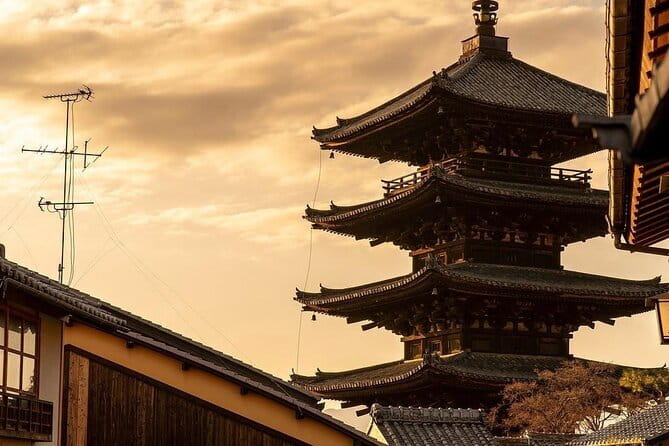
Kyoto on an e-bike changes your pace. I love how an e-bike keeps the ride comfy while still leaving time to stop, look, and ask questions, and I love the route that connects Gion, Higashiyama, and Fushimi Inari.
One thing to consider is weather, because this experience requires good conditions, and bad weather can mean a different date or a full refund. Still, the included helmet, bottled water, and snacks cover the basics so you can focus on the places and the stories.
In This Review
- Key Things I Think You Will Notice Right Away
- Why This Kyoto E-Bike Loop Works So Well
- Your First Moves: Meeting at Shōgoin Higashimachi and Getting Rolling
- Gion: Geisha Streets and Practical Culture Lessons
- Higashiyama Ward Temple Time, Plus a Quick Snack Break
- Fushimi Inari-taisha: Torii Gates with a Biker’s Perspective
- Tōfuku-ji and the Kamogawa River Ride Back
- Bikes, Helmets, and the Real Meaning of “Easy to Ride”
- English Guide Stories You Can Use at Other Shrines
- How Much It Costs, and Whether It Feels Like a Deal
- Timing, Pacing, and Weather Reality
- Quick Practical Tips Before You Go
- Who Should Book This E-Bike Tour
- Should You Book Pedal Adventure Kyoto?
- FAQ
- How long is the e-bike tour in Kyoto?
- How much does the tour cost?
- Where does the tour start and end?
- What stops are included on the route?
- Is lunch included?
- What is included in the price?
- Are the admission tickets included?
- How many people are in the group?
- Is a mobile ticket provided?
- What happens if the weather is bad?
Key Things I Think You Will Notice Right Away
- A well-paced 4-hour loop that hits major Kyoto spots without turning it into a hike-fest
- E-assist biking that makes side streets and riverside paths feel manageable
- English-speaking route coordinator who shares context as you ride, not just at the stops
- Small group size (max 8) that makes questions easy and the pace more human
- Free admission at the listed stops, so you spend money on food, not ticket math
- Kamogawa River return ride that adds a calm, scenic finish to a landmark day
Why This Kyoto E-Bike Loop Works So Well
Kyoto can be a lot. It is beautiful, but the hills, the walking distances, and the crowds can turn a great day into a tiring one. This tour solves that with an e-bike, plus a route that mixes iconic sights with quieter streets.
You get a compact tour length (about 4 hours) that still feels like a full experience. And because the group stays small, it is easier for the coordinator to guide you through traffic patterns, narrow lanes, and where to pause for photos.
Your First Moves: Meeting at Shōgoin Higashimachi and Getting Rolling
The tour starts at 19 Shōgoin Higashimachi, Sakyo Ward, Kyoto (606-8325), and it ends back at the same meeting point. That back-to-start format is nice, especially in Kyoto, where it can be tricky to stitch together buses, trains, and taxis between neighborhoods.
The flow is straightforward. You arrive, get fitted with your helmet and e-bike, and then you head out for a short warm-up ride. Expect a quick start, then the first cultural stop comes fast, so you are not spending your morning just getting ready.
The tour is also listed as being near public transportation. So if you are combining this with other sightseeing, you can usually plan without too much stress.
A quieter way to spend a day in Kyoto
- Hidden Kyoto E-Biking tour
★ 5.0 · 1,843 reviews - 5 Top Highlights of Kyoto Full Day Bike Tour (E-bike option)
★ 5.0 · 511 reviews - E-Bike Tours of the highlights of Kyoto!!!
★ 5.0 · 291 reviews - Kyoto: City Secrets eBike Tour
★ 4.9 · 196 reviews
Gion: Geisha Streets and Practical Culture Lessons
The first stop is Gion, one of Kyoto’s most recognizable districts. You get a short ride and then a time set aside to take in the atmosphere. There is also a focus on Geisha culture, and you do not just see it as scenery. You learn what to notice while you are there.
What I like about starting here is timing. Gion is popular, so you need to see it with your brain switched on. This stop is long enough to get your bearings, but short enough that the tour does not stall before the real landmark icons.
Possible drawback: if you expect a long, slow wander with lots of time for side streets and shopping, 10 minutes can feel short. Think of it as orientation plus atmosphere, then the tour carries you into deeper history.
Higashiyama Ward Temple Time, Plus a Quick Snack Break
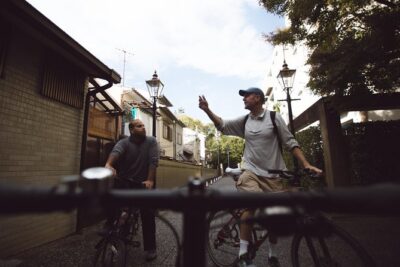
Next you cycle to the Higashiyama area (about 15 minutes riding time). This is where the tour starts to feel less like a checklist and more like a guided walk through Kyoto’s layered neighborhoods.
You visit a temple, and the focus is on hidden details and cultural meaning. You also stop for a snack. That snack break matters more than it sounds. Kyoto days can get warm, and biking makes you feel like you are doing something physical. A quick hit of food keeps the second half of the tour enjoyable.
One more plus: the rides between stops are short, so you are not stuck on the bike for long stretches without a reward. You get movement, then context, then a pause.
Fushimi Inari-taisha: Torii Gates with a Biker’s Perspective
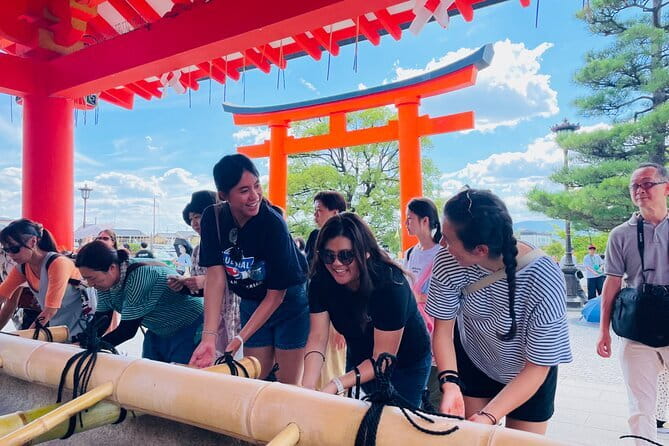
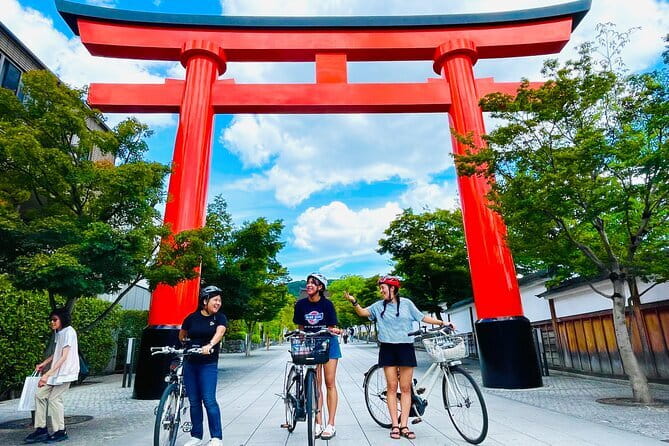
The anchor stop is Fushimi Inari-taisha Shrine, with time set aside to see the famous torii gates. This is the moment most people picture when they think Kyoto, and it deserves the hype.
Here is the advantage of doing it on an e-bike tour: you arrive as part of a plan, not as a stressed scramble from train to crowd. Then you have a dedicated window (about 40 minutes) to look around at a pace that works for your group.
Practical consideration: this is an icon, so it can get busy. Even if you are not trying to fight crowds, you still want to have realistic photo expectations. Think of this as a guided way to appreciate what makes the shrine special, not as a quiet private viewing.
Tōfuku-ji and the Kamogawa River Ride Back
After Fushimi Inari, the tour cycles about 10 minutes to the Tōfuku-ji Temple complex. Then you transition to a scenic finish: following the Kamogawa River back toward the start point.
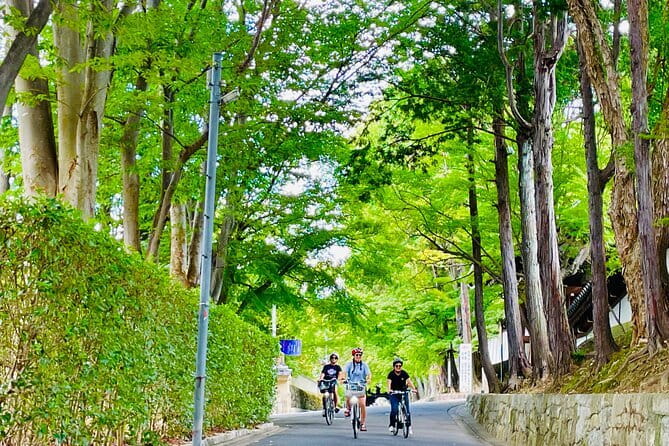
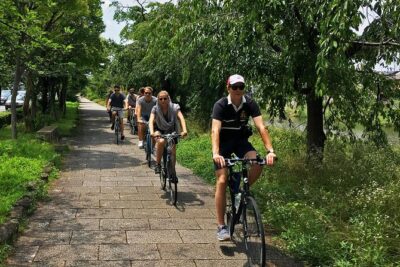
This is one of the best parts of the whole experience. The river ride feels like a decompression zone after the intensity of torii-gate sightseeing. You see Kyoto in motion, with calmer scenery and an easier rhythm.
The Tōfuku-ji time is shorter (about 20 minutes), so you should approach it with the mindset of a highlight visit, not a full temple day. If your travel style is “one big place, long time,” you may want to come back later on your own. But as part of a bike loop, it works well.
A day of temples goes further with something to break it up.
Bikes, Helmets, and the Real Meaning of “Easy to Ride”
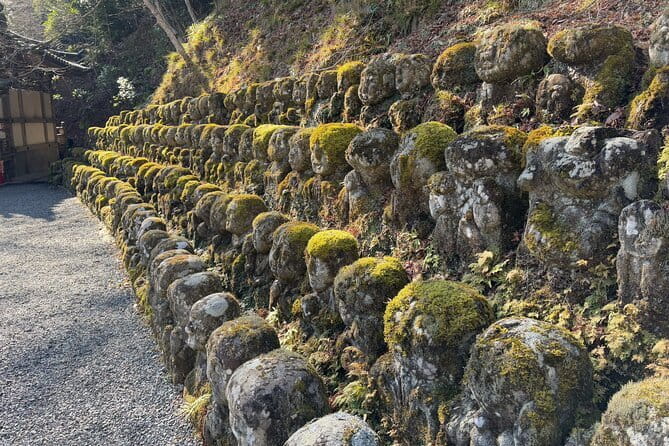
This tour includes use of bicycle and a helmet, plus bottled water and snacks. That is the practical side, and it matters because the point of an e-bike tour is to lower the friction.
The group size is capped at 8 travelers, so the route coordinator can keep everyone together and watch for smooth transitions at stops. In a city like Kyoto, that small-group structure can be the difference between a fun ride and a ride where you are constantly waiting.
Also, the experience is listed as something most travelers can participate. If you are not trying to train for a marathon on vacation, e-assist biking makes a huge difference, especially with Kyoto’s occasional unevenness and neighborhood turns.
English Guide Stories You Can Use at Other Shrines
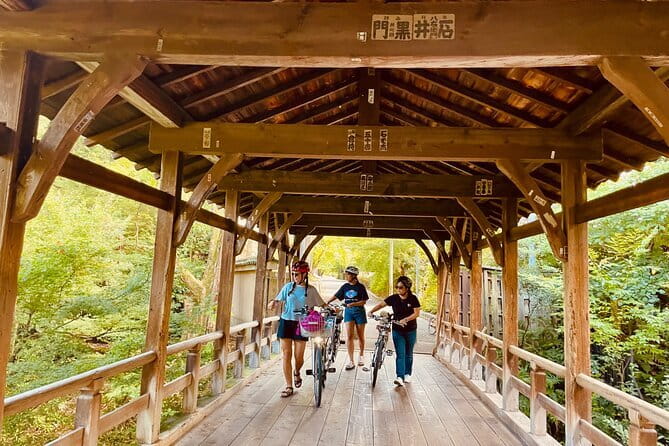
The tour includes an English-speaking route coordinator, and the best guides do more than list facts. They explain why people do what they do. You will hear about Buddhism, Shintoism, and Samurai, and you are encouraged to ask questions.
One of the most useful parts of this kind of tour is learning what to notice in the streets and around homes. Kyoto has lots of symbolic details, and if you only see them from a distance, you miss the meaning. A good coordinator helps you spot the cultural signals while you are walking past.
The coordinator also appears to bring personal Kyoto perspective. In past outings, guides have been named Mika or Maki, and the consistent theme is lively storytelling and attention to pace and comfort. That matters because it turns the tour from transportation into understanding.
How Much It Costs, and Whether It Feels Like a Deal
The price is $86.22 per person for about 4 hours, and that includes the bike, helmet, bottled water, snacks, and the English-speaking coordinator.
That is not cheap in absolute terms, but it is also not inflated given what you get. You are paying for three things:
- Time savings (getting between neighborhoods efficiently)
- Guided context (stories tied to the sites you stop at)
- Reduced physical effort (e-assist helps you enjoy more of Kyoto without arriving wiped out)
Where this becomes an even better value is the fact that the listed stops show admission as free. So you are not stacking extra fees on top of the tour price.
If you are visiting Kyoto for a short window and want maximum sightseeing per day, this price can feel fair fast. If you are traveling slowly and prefer solo wandering, you might spend your money better on fewer, longer visits. But as a first Kyoto day activity, it is strong.
Timing, Pacing, and Weather Reality
This is a roughly 4-hour tour, and it is set up as short ride segments plus short site visits. That pacing is ideal if you want to see a lot without committing to 6 to 8 hours of walking.
One big reality check: the tour requires good weather. If conditions are poor, it can be rescheduled or refunded. Plan a backup day if you can, especially in seasons known for rain swings.
In hot weather, biking can still be pleasant, but you will want to stay hydrated. Water and snacks are included, but you might also bring your own extra electrolytes if that is your thing.
Quick Practical Tips Before You Go
- Wear comfortable shoes. You will park the bike at shrines and temples, then walk around briefly.
- Bring a small layer. Kyoto evenings can feel cooler even when the day is warm.
- Ask questions during the ride. The coordinator is there for Shinto, Buddhism, and Samurai context, and those answers make the stops stick in your head.
- Keep your camera ready for Gion and the river. Those transitions are where the tour feels like a story, not just a route.
Who Should Book This E-Bike Tour
This tour is a great fit if you:
- want a first-time Kyoto plan that covers major sights plus calmer backstreets
- prefer biking over long walking days
- like cultural explanations tied to what you are seeing, not just photos and head nods
- travel with family or mixed ages and want a pace that is not punishing
It might not be the best match if you want only one or two sites with hours of free roaming time, or if you hate bike riding in traffic even at low speeds. The route is designed to be manageable, but it is still biking.
Should You Book Pedal Adventure Kyoto?
I think you should book this if you want a smart, time-efficient Kyoto day with a small-group English-guided approach. The big win is how it blends landmark must-sees like Fushimi Inari with temples and a relaxing Kamogawa River finish, all while keeping the effort level realistic thanks to e-assist.
If weather is uncertain, keep a flexible mindset. But on a decent day, this is one of the best ways to connect Kyoto’s most famous visuals with the cultural meaning that makes them worth remembering.
If your goal is to leave Kyoto with both photos and context, this tour checks the boxes. And honestly, it also makes the city feel like it has less friction, which is a big deal when you only have a few days.
FAQ
How long is the e-bike tour in Kyoto?
The tour lasts about 4 hours.
How much does the tour cost?
It costs $86.22 per person.
Where does the tour start and end?
It starts at 19 Shōgoin Higashimachi, Sakyo Ward, Kyoto, 606-8325, Japan and ends back at the same meeting point.
What stops are included on the route?
You visit Gion, a temple in the Higashiyama Ward area, Fushimi Inari-taisha Shrine, and the Tōfuku-ji Temple complex, with a ride along the Kamogawa River afterward.
Is lunch included?
No, lunch is not included.
What is included in the price?
The tour includes bicycle use, a helmet, bottled water, snacks, and an English-speaking route coordinator.
Are the admission tickets included?
Admission tickets are listed as free for the stops shown.
How many people are in the group?
The group maximum is 8 travelers.
Is a mobile ticket provided?
Yes, it uses a mobile ticket.
What happens if the weather is bad?
This experience requires good weather. If it is canceled due to poor weather, you will be offered a different date or a full refund. You can also cancel for free up to 24 hours in advance for a full refund.
New This Season
- Koyasan Day Trip by Private Car from Kyoto
- Old Port Town and Ultimate Sake Tasting Private Tour From Kyoto
- Kyoto’s Timeless Charm: 3hr Exploration of History and Peace
- Kyoto: 5 Types of Sushi Making
- Sacred Peak & Ancient Paths: Kurama-Kibune Hiking Experience
- Kyoto: Exclusive ZEN practice at Manpukuji temple in Uji
- Kyoto: Private Seasonal Aroma Yoga Class
- Traversing Kyoto’s Scenic West – Arashiyama to Kinkakuji
Cycling Tours, compared.
Bike Tour Exploring North Kyoto plus Lunch
Read our review →
Arashiyama Bamboo Forest & Hidden Gems Bike Tour (Early Bird)
Read our review →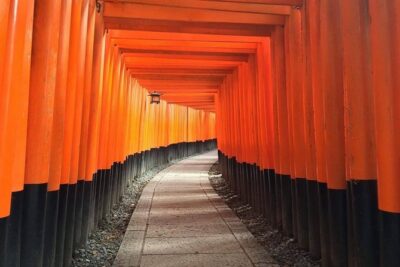
5 Top Highlights of Kyoto Full Day Bike Tour (E-bike option)
Read our review →
Full Day Biking Tour Exploring the Best of Kyoto
Read our review →

Afternoon Kyoto Bike Tour: Bamboo Forest, Monkeys & Hidden Spots
Read our review →
South Kyoto in a Nutshell: Gentle Backstreet Bike Tour!
Read our review →Also filed under